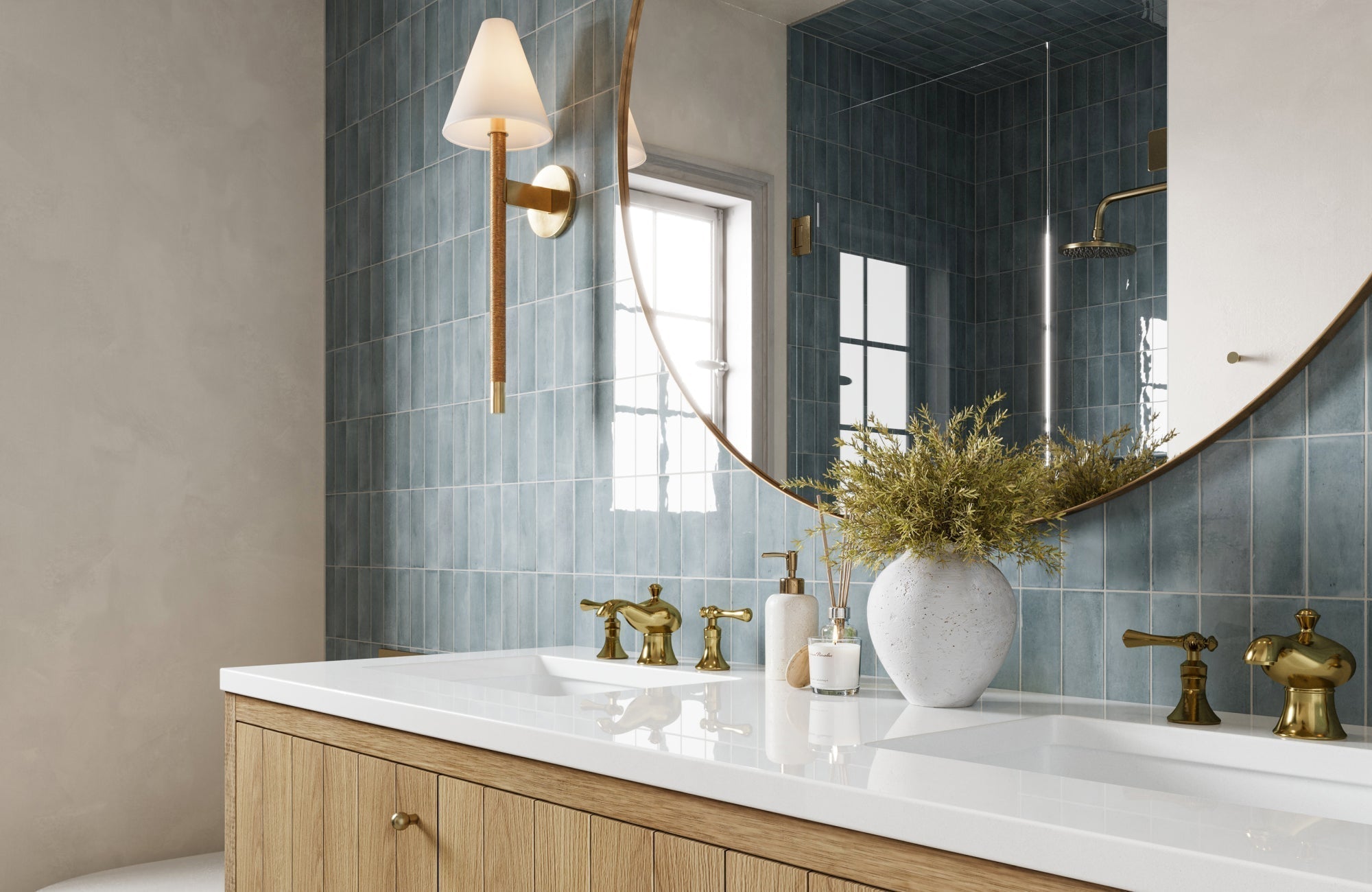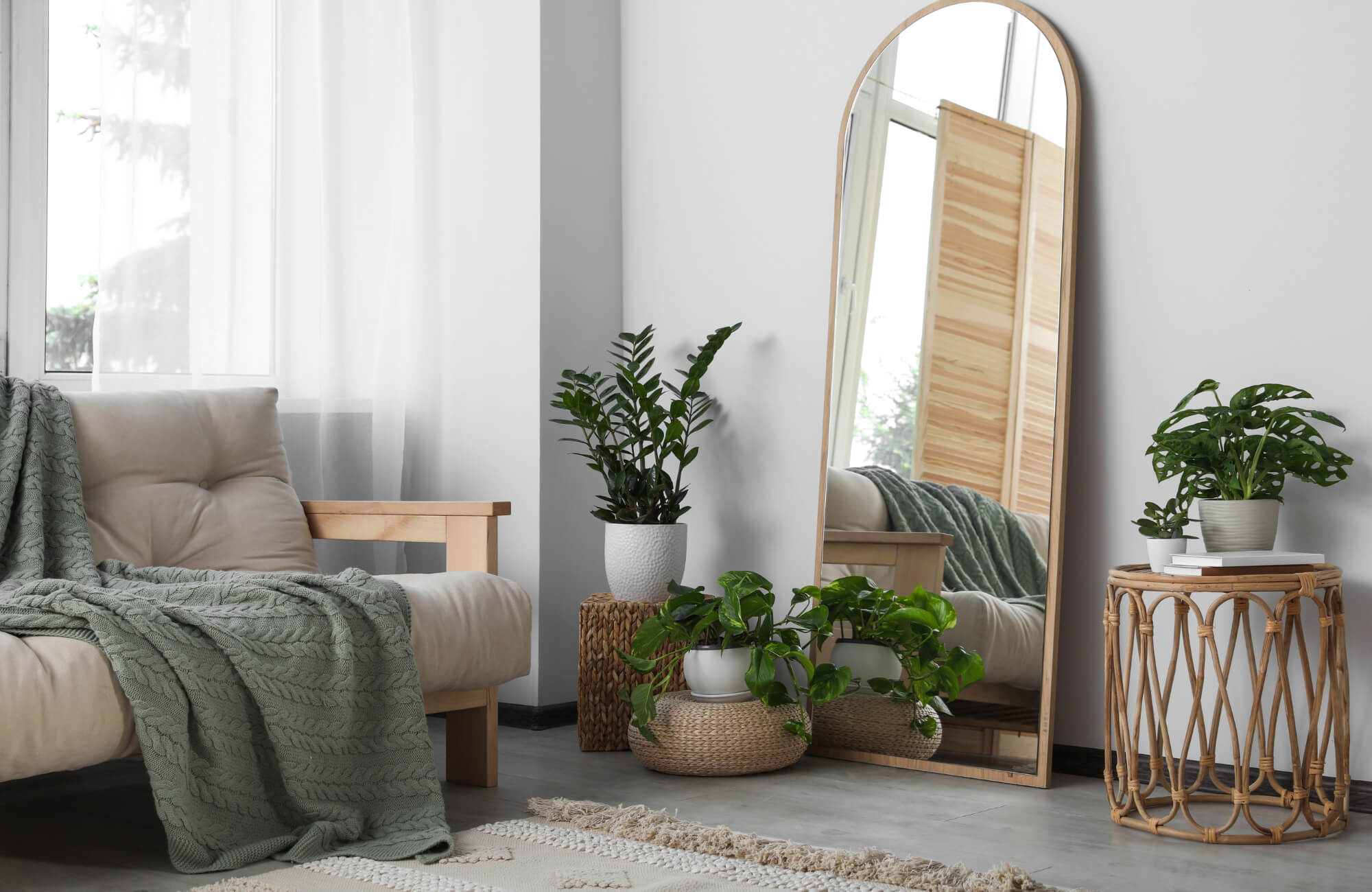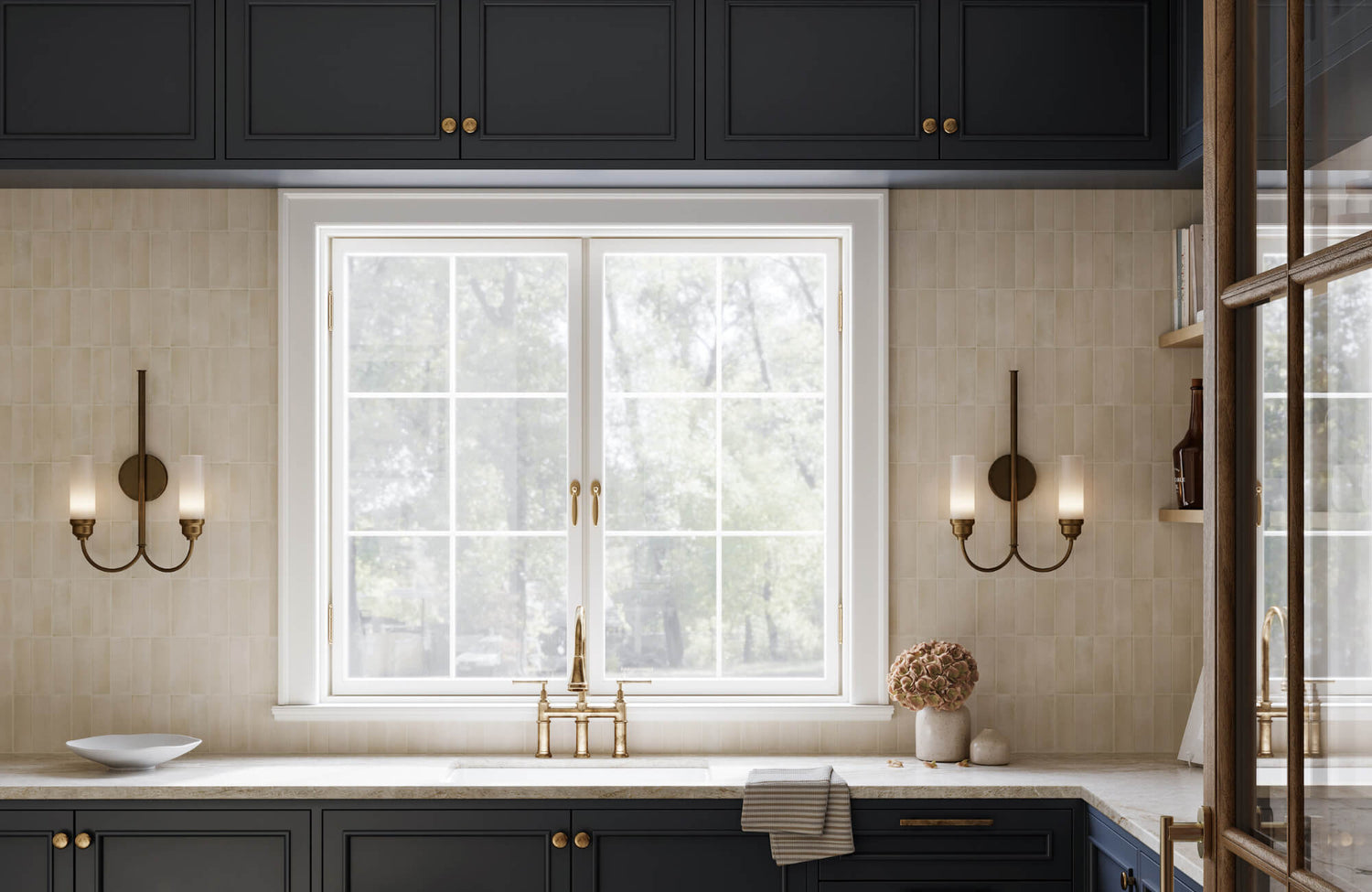
A well-chosen sconce does more than light a wall; it sharpens the lines, layers the atmosphere, and quietly defines a modern interior. Unlike traditional overhead fixtures, modern sconces introduce purposeful illumination that doubles as visual structure, making them essential in today’s design-forward spaces.
Sconces are also as functional as they are architectural, offering dimmable, smart-enabled options that adapt to evolving spaces and lifestyles. Whether highlighting a textural surface or casting a warm glow down a hallway, these fixtures bring both clarity and character to a room. Throughout this article, we’ll explore how sconces, when thoughtfully selected and placed, can transform the ordinary into something unmistakably modern.

Understanding Modern Aesthetic Principles
To see how sconces truly support a modern look, it helps to first understand the design language they’re built to complement. From clean-lined minimalism to purposeful materials, modern aesthetics rely on a few core principles that guide both form and function.
Minimalism and Clean Lines
At its core, modern design embraces minimalism: a focused, intentional approach that highlights spatial integrity by eliminating excess. In lighting, this translates to sconces with streamlined profiles, concealed fasteners, and geometric silhouettes that integrate seamlessly with the architecture. For example, linear fixtures mirror the rectilinear rhythm of modern interiors, creating quiet visual continuity. By avoiding ornamentation, these fixtures also maintain spatial clarity and allow surrounding elements to shine.
A fitting example, as shown in the photo above, is Edward Martin’s Wilma Wall Sconce in Aged Brass, which captures this ethos with precision. With its sculptural glass shade and arched arm, the design feels both restrained and expressive. Additionally, the warm brass finish adds subtle contrast without disrupting the fixture’s minimalist appeal, ideal for spaces seeking understated sophistication.
Functionality and Form
Modern design insists that form must follow function. Sconces must go beyond aesthetics to serve practical roles, whether through dimmable light, directional beams, or dual uplight/downlight configurations. For instance, adjustable LED sconces offer targeted task lighting without sacrificing sleekness. Their wall-mounted design also preserves surface area, reinforcing modernism’s emphasis on clean, efficient use of space.
Materiality and Texture
While modern design often pares down form, materiality introduces richness and warmth. For instance, brushed aluminum, frosted glass, powder-coated steel, and low-sheen wood all contribute visual and tactile interest. Materials like satin brass can subtly warm a neutral palette, while matte black introduces contrast and architectural definition. When thoughtfully chosen, these finishes not only reflect light beautifully but also ensure a space feels intentional and layered, never cold or sterile.

The Evolution of Sconce Design
Sconces may feel like a thoroughly modern fixture, but their roots run deep, and their evolution tells a fascinating story of form meeting function. As design tastes, technologies, and lifestyles have changed, so too have the materials, purposes, and aesthetics that define these wall-mounted essentials.
From Candlesticks to Contemporary Art
To understand their transformation, it helps to look back at their origins. In medieval Europe, sconces began as simple iron brackets for holding candles, practical solutions for ambient lighting in stone-walled interiors. Over time, they became more decorative, incorporating carved wood, gilding, and crystal details during the Renaissance and Baroque periods. By the 19th century, gas lighting brought greater safety and uniformity, eventually giving way to electric sconces in the 20th century.
Fast forward to today, and sconces have evolved into sculptural statements. Modern designs embrace sleek geometry, asymmetry, and negative space, turning walls into active design canvases. This shift also reflects a broader design movement, from utilitarian necessity to aesthetic expression that enriches the visual narrative of a space.
Technological Advancements in Lighting
Alongside changing aesthetics, advances in lighting technology have significantly influenced sconce design. The emergence of LED lighting, for instance, made it possible to create slimmer, cooler, and more energy-efficient fixtures. These innovations removed the need for bulky housings or visible bulbs, expanding creative possibilities.
Furthermore, today’s sconces often include smart features like dimming, occupancy sensors, and wireless control via Bluetooth or voice assistant integration. These capabilities not only increase convenience but also align with contemporary demands for personalization, sustainability, and home automation.
Diverse Styles for Every Modern Home
As a result of these combined shifts, the range of sconce styles available today is remarkably diverse. Minimalist options in matte finishes offer subtle sophistication, while bolder sculptural designs in mixed materials make eye-catching statements in industrial or eclectic settings.
Meanwhile, mid-century modern sconces, featuring globe diffusers and brass accents, bring a nostalgic yet refined touch. Transitional styles blend classic shapes with updated finishes, offering flexibility across design schemes. Modular sconce systems further expand possibilities, adapting easily to vanities, corridors, or architectural features.
One standout example is Edward Martin’s Nicholson Wall Sconce in Aged Brass, as displayed in the picture above. Its hourglass silhouette and dual globe diffusers strike a graceful balance between symmetry and softness. The aged brass finish also seamlessly bridges retro character with contemporary polish, proving that bold design can still feel grounded.
Taken together, these innovations and stylistic developments show that sconces are no longer secondary accessories. They are deliberate, design-driven tools that shape mood, define style, and enhance the livability of modern interiors.

Strategic Placement for Modern Impact
Where you place a sconce can dramatically shape how a room looks and feels; it's not just about lighting, but about emphasis, balance, and intent. With the right strategy, sconces can highlight structure, enhance utility, and even bring an element of unexpected creativity to a modern space.
Enhancing Architectural Features
Sconces are particularly effective at drawing attention to architectural features such as staircases, textured walls, or columns. In particular, uplight and downlight designs bring depth and dimensionality, uplights highlight ceiling details or alcoves, while downlights cast shadows that emphasize texture and structural form.
Moreover, placing sconces at regular intervals along a hallway or mounting them closer to the floor can guide movement and reinforce the rhythm and geometry inherent in modern design. When aligned with architectural lines, grids, or focal points, sconces function not as embellishments but as integral design elements.
For instance, Edward Martin’s Ryder Wall Sconce in Old Bronze illustrates this concept beautifully. Its vertical alabaster cylinder emits a sculptural glow in both directions, making it ideal for framing mirrors or accent walls. Meanwhile, the dark bronze base provides a bold contrast that anchors the fixture and complements other modern features like matte hardware and natural materials.
Task Lighting and Ambient Glow
In addition to enhancing form, sconces are essential components of layered lighting schemes, delivering both task and ambient illumination. Particularly in compact or multifunctional areas, they save surface space while offering focused light, perfect for reading nooks or bedside applications.
Consider bathrooms where sconces flanking a mirror provide even, shadow-free light. This makes sconces ideal for grooming, far outperforming overhead lighting in this regard. Likewise, sconces installed above built-in seating or kitchen banquettes add a soft ambient glow that improves comfort and utility. Choosing dimmable fixtures with diffused glass or integrated LEDs (in the 2700K–3000K range) also allows light to shift seamlessly between moods and tasks throughout the day.
Creative Pairings and Asymmetrical Arrangements
To push design boundaries even further, modern interiors often favor asymmetry and creative sconce arrangements. For example, sconces can be offset to draw attention to a specific design element or staggered at varying heights to create a gallery-inspired composition.
Additionally, mixing finishes, like pairing a matte black sconce with a brass counterpart, introduces a curated, eclectic feel that resonates with the layered, personalized spirit of modern design. When layered thoughtfully with ceiling lights or pendants, sconces contribute depth and dimension that elevate the entire lighting scheme.
These unconventional layouts require deliberate planning, particularly in terms of junction box placement, fixture scale, and overall proportion. However, when executed well, they move lighting beyond function, transforming it into a curatorial expression of style and intent.

Integrating Sconces into Specific Modern Rooms
Integrating sconces into a modern home isn’t a one-size-fits-all approach; it’s about tailoring light to the purpose and personality of each space. From active zones to quiet retreats, where and how you use sconces can elevate both atmosphere and functionality with thoughtful precision.
Living Rooms and Entryways
In particular, living rooms benefit from sconces that supplement primary lighting while adding architectural nuance. Positioned above or beside a fireplace, a sconce can draw attention to a focal point, grounding the room’s layout. Likewise, placing low-lumen sconces near a wall-mounted TV softens contrast and reduces eye strain, improving comfort without disrupting style. In open-concept layouts, sconces are especially helpful for subtly defining zones like reading corners or media spaces without relying on physical dividers.
Turning to entryways, sconces contribute both form and function by setting the tone as soon as someone steps inside. Fixtures installed near doors or along corridors offer soft, indirect light while also directing flow. For narrow or transitional areas, slim-profile sconces in brushed metal or alabaster finishes maintain visual clarity without crowding the space. For best results, mount them at eye level (around 60–66 inches from the floor) to ensure even illumination and a welcoming ambiance.
Bedrooms and Bathrooms
In more private areas like bedrooms, sconces take on a dual role: enhancing comfort and maximizing functionality. Wall-mounted fixtures, especially adjustable or swing-arm designs, replace bedside lamps to free up surface area while offering a personalized reading light. Pairing them with warm, dimmable bulbs (around 2700K) also supports a relaxing, sleep-friendly environment. For ideal usability, install them roughly 6 to 12 inches above the mattress.
Meanwhile, in bathrooms, sconces become task lighting essentials. Placed on either side of a mirror, they provide balanced, shadow-free illumination, far superior to overhead lighting for grooming or makeup application. Choosing fixtures with frosted or opal glass diffusers can help reduce glare, while UL damp-rated models with GFCI compliance ensure safety around water.
For instance, Edward Martin’s Hennessy Wall Sconce in Aged Brass exemplifies how style and performance can coexist. As shown in the photo above, its fluted glass shade diffuses light with graceful brilliance, and the warm brass backplate provides a grounded, architectural presence, perfect for modern vanities or accent walls.
Kitchens and Dining Areas
Moving into utility-focused zones, sconces provide valuable supplemental lighting in kitchens. Positioned above open shelving, near breakfast nooks, or flanking a range hood, they introduce targeted light where overhead fixtures fall short. In minimalist or Scandinavian-inspired kitchens, ceramic or matte metal sconces also integrate easily with flat cabinetry and seamless backsplashes. In addition, directional sconces with articulating arms are especially effective in narrow galley kitchens where precise lighting is a must.
In dining areas, sconces add atmospheric lighting that complements, rather than competes with, chandeliers or pendants. When placed on accent walls or in niches, they can highlight surface texture such as shiplap, stone, or wallpaper, all while softening the overall feel of the space. With dimmer capabilities, these fixtures also adapt easily from bright meals to cozy evening gatherings.

Choosing the Right Modern Sconce for Your Home
Choosing the right sconce isn’t just about what looks good on the wall; it’s about how materials, lighting performance, and proportions work together in your space. By considering these elements in tandem, you can ensure your fixture feels intentional, balanced, and distinctly modern.
Material and Finish Selection
One of the most important factors in sconce design is how the chosen material complements the surrounding interior. Finishes like brushed nickel and matte black offer cool minimalism, while aged brass and bronze introduce warmth and subtle contrast. These options also pair well with streamlined decor and provide lasting visual appeal.
In addition, glass diffusers, especially opal, frosted, or smoked, soften glare and disperse light evenly, making them well-suited for both ambient and task applications. For added texture and visual interest, consider materials like alabaster, resin, or powder-coated metal. These not only add depth but also perform well in humid or busy environments.
To maintain a cohesive aesthetic, it’s important to coordinate finishes with surrounding hardware such as faucets, cabinet pulls, and door levers. This creates a sense of unity and polish throughout the space.
A striking example of this harmony is Edward Martin’s Miriam Wall Sconce in Aged Brass, as featured in the picture above. Featuring a fluted brass shade and exposed bulb, the design bridges vintage charm with modern precision, making it an excellent choice for powder rooms, hallways, or accent walls that call for both character and craftsmanship.
Light Output and Direction
Moving beyond appearance, light performance is a crucial consideration. Whether your goal is ambient glow, task-oriented brightness, or accent lighting, how the sconce directs its beam will shape the room’s atmosphere. For example, up/down sconces provide vertical light washes that emphasize height and structure, ideal for hallways or architectural features. In contrast, articulating or swivel-head designs deliver targeted illumination for bedsides or reading zones.
When evaluating performance, look for fixtures offering between 300 and 800 lumens, depending on the task and location. Integrated LED options with dimmable controls and tunable color temperatures (typically 2700K–3000K) allow you to tailor lighting for both comfort and function. Equally important is a Color Rendering Index (CRI) of 90+, which ensures true-to-life color accuracy, particularly valuable in grooming areas like bathrooms, where tone precision matters.
Size and Scale Considerations
Finally, getting the proportions right is essential to choosing a sconce that both fits and elevates the space. Larger sconces are well-suited for expansive settings, think flanking a king-sized bed or highlighting a tall focal wall, while smaller fixtures shine in tighter spots like hallways, nooks, or compact bathrooms.
General mounting guidelines recommend installing sconces at eye level, typically between 60 and 66 inches from the floor, though adjustments should be made based on ceiling height and surrounding elements. In tight spaces, opt for flush or slim-profile sconces to maintain clearance, whereas in larger rooms, deeper fixtures can introduce sculptural depth and presence.
To simplify your selection process, Edward Martin offers a personalized design consultation service. From concept to delivery, you’ll work one-on-one with a designer who can help align your sconces, tiles, rugs, and furnishings in both scale and style. With dedicated follow-up, your evolving vision remains fully supported through every stage.
And if you need quick answers or specific product suggestions, don’t hesitate to contact our team. Whether you're seeking guidance on finish pairings or functional requirements, our tailored recommendations ensure your lighting integrates seamlessly into your modern interior.
Why Sconces Are a Cornerstone of Modern Design
Far from being just decorative accents, modern sconces act as precise design tools, framing architecture, shaping mood, and enhancing spatial flow. With clean lines, efficient LED integration, and refined materials like matte metal and diffused glass, they strike the perfect balance between form and function in today’s interiors.
As you shape your space with a modern mindset, the right sconce can do more than illuminate; it can define. For tailored lighting solutions that match both your style and intent, connect with a design expert at Edward Martin or explore our curated collection.