Polypropylene rugs are among the best outdoor rugs for patios, decks, and front porches thanks to their moisture resistance and durability in wet conditions. While not fully waterproof, they function similarly to a waterproof outdoor rug by repelling water, drying quickly, and resisting mildew when properly maintained. To understand how they perform in rain and humidity, it’s important to explore their material structure, real-world weather resilience, and care requirements. In this article, we’ll break down how polypropylene rugs handle moisture, compare them to other materials, and identify the best uses for rain-prone outdoor spaces.

Understanding Polypropylene and Water Resistance
Polypropylene rugs have become a staple in outdoor and high-moisture environments due to their impressive water-resistant nature. Their structural composition directly influences their ability to resist moisture, making them ideal for wet conditions.
What Makes Polypropylene Rugs Water-Resistant?
Polypropylene rugs naturally resist water, thanks to their nonpolar polymer composition, which gives them a hydrophobic (water-repelling) surface at the molecular level. This means water sits on the fibers instead of being absorbed, allowing the rug to dry significantly faster than most natural and synthetic alternatives. Because of this, polypropylene is considered one of the fastest-drying materials among washable rugs, making it ideal for outdoor use and frequent cleaning.
This quick-drying performance also answers a common concern: can a rug be outside in the rain and not mildew? In most cases, yes, polypropylene resists mold and mildew because it does not retain moisture, provided it is allowed to dry properly with adequate airflow. This makes it a reliable choice for patios, entryways, and other exposed environments.
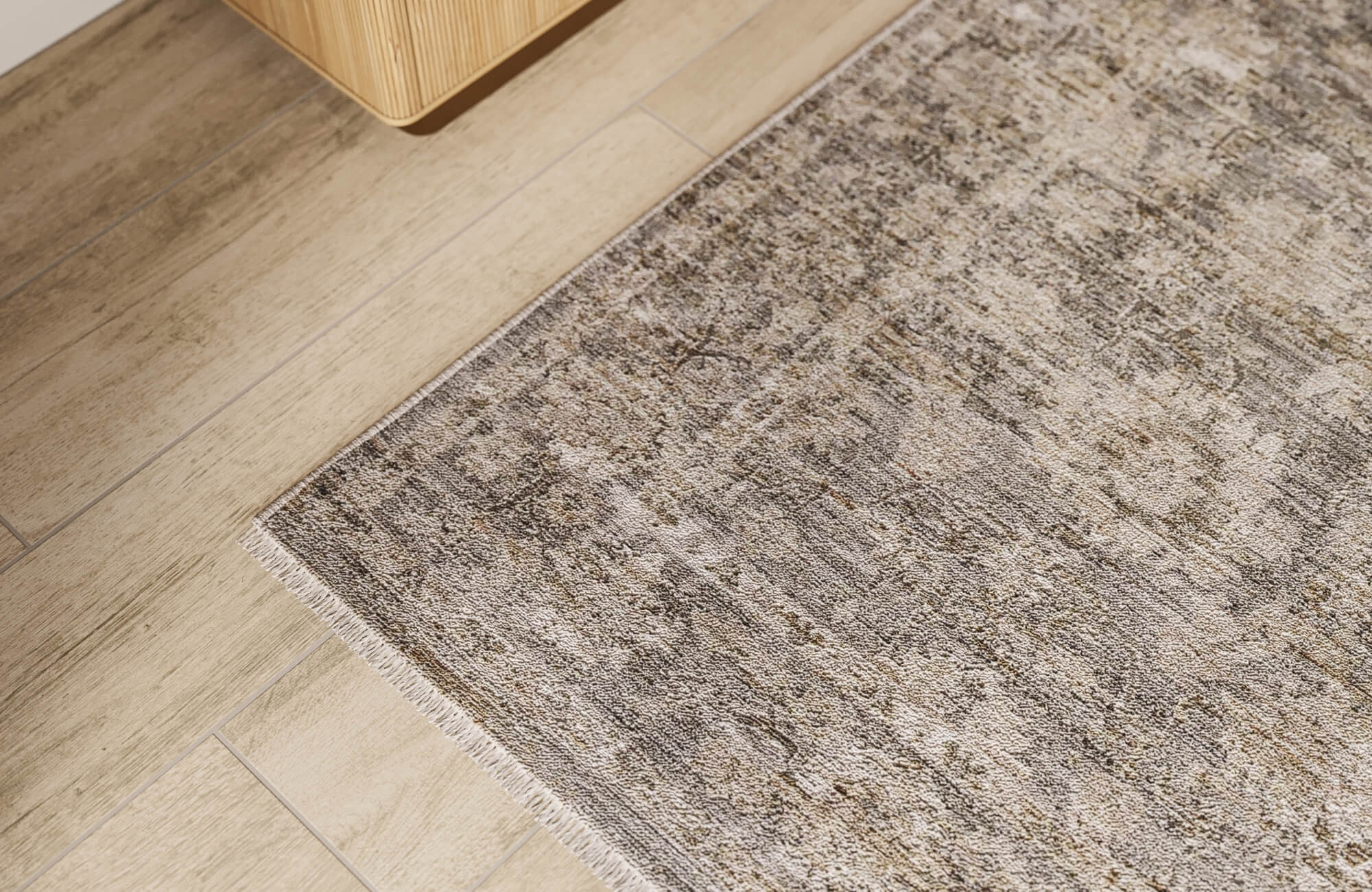
A great example of this resilience is Edward Martin’s Broderick Rug in Cream / Denim, as shown in the photo above. Designed to handle occasional moisture while offering stylish versatility, this rug blends practicality with aesthetic appeal. Its polypropylene composition ensures quick drying and long-term durability, making it ideal for sunrooms, patios, and other areas exposed to humidity.
With their low-maintenance and moisture-resistant properties, polypropylene rugs provide a reliable and stylish flooring solution for both indoor and outdoor spaces.
Water-Resistant Versus Waterproof
Understanding the difference between water-resistant and waterproof materials is essential when choosing a rug for wet environments. While not fully sealed like a waterproof outdoor rug, polypropylene offers a breathable alternative that dries quickly and performs reliably in most outdoor conditions. Polypropylene rugs are highly water-resistant, meaning they can withstand typical rainfall and dry quickly. However, prolonged exposure to standing water may eventually lead to moisture absorption.
For example, while a polypropylene rug effectively repels water and dries rapidly after rain, it isn’t designed for areas requiring complete water exclusion, such as poolside settings, without additional waterproof treatments. Selecting the right rug depends on the level and frequency of moisture exposure. In consistently damp areas, applying a waterproof coating can further enhance a polypropylene rug’s durability and long-term performance.

Polypropylene Rugs’ Durability Under Rainy Conditions
Even materials known for water resistance can be tested by prolonged or intense rainfall. Evaluating polypropylene rugs' performance in these conditions helps ensure homeowners and designers can confidently select the right rug for various climates and environments.
Long-Term Exposure to Rain
Polypropylene rugs are built to handle repeated rainfall and can remain outdoors without immediate damage, making them one of the best outdoor rugs for decks and patios. This makes them one of the best outdoor rugs for deck areas, where consistent exposure to rain and sun requires materials that can handle repeated wet-dry cycles. Their moisture-resistant fibers also prevent water absorption, allowing them to recover quickly after storms. However, continuous exposure to both moisture and UV radiation can gradually impact their appearance over time.
To maintain longevity, placing rugs in partially covered areas or allowing them to dry fully after heavy rain helps preserve their structure and color. Regular rotation and occasional repositioning also minimize uneven wear caused by sun exposure.
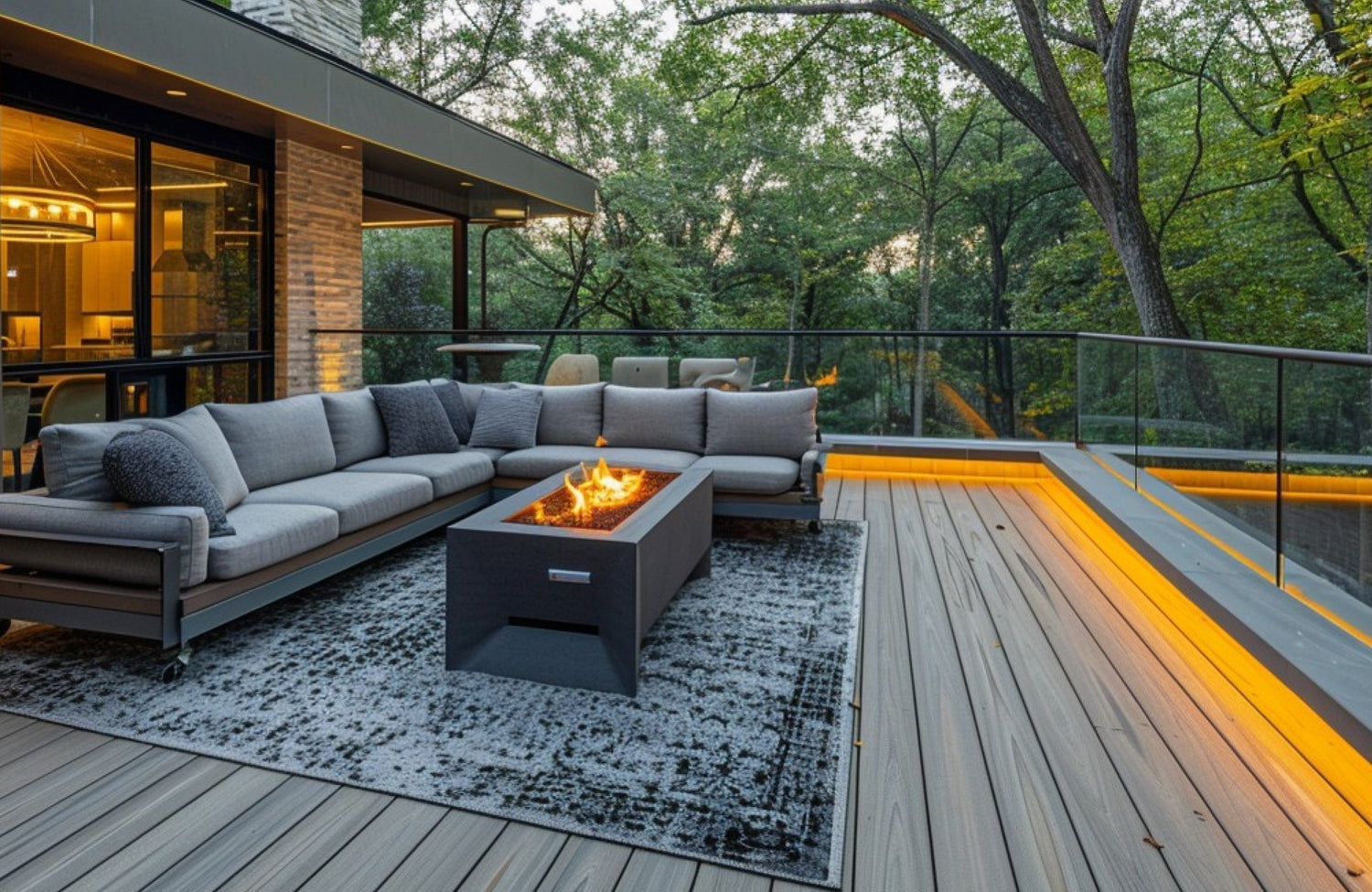
For example, the Marroway Indoor/Outdoor Rug in Brown / Black, 7'10" x 10'9", as displayed in the photo above, offers a versatile and durable solution for spaces exposed to the elements. While designed to withstand occasional moisture, placing it in a partially shaded area and applying UV-resistant treatments can help maintain its color vibrancy and structural integrity over time.
To further extend the lifespan of polypropylene rugs, promptly drying them after heavy rain and inspecting for early signs of fading ensures they stay in top condition. With thoughtful placement and routine maintenance, these rugs can endure long-term exposure to rain and sunlight while retaining their quality and aesthetic appeal.
Polypropylene Rugs in Severe Weather Events
Designed for durability, polypropylene rugs can endure heavy rainfall, strong winds, and other extreme weather conditions. Their synthetic fibers resist tearing, puncturing, and warping, making them ideal for storm-prone areas and outdoor settings exposed to the elements.
For enhanced performance in severe weather, choosing high-quality polypropylene rugs with reinforced stitching and tighter weaves ensures greater resilience. In high-wind conditions, securing the rug properly prevents displacement or damage, while pairing it with a waterproof underlay offers extra protection against flooding. Opting for polypropylene rugs specifically designed for outdoor and heavy-duty use also guarantees reliable performance, even in unpredictable weather.

Caring for Polypropylene Rugs After Rainfall
Taking care of polypropylene rugs after rain helps maintain their durability and appearance, ensuring they stay in great shape for years to come. A few simple maintenance steps can go a long way in preserving their quality, keeping them both functional and stylish in any space. To get the best results, always refer to the manufacturer’s care guidelines, as specific recommendations may vary based on the rug’s construction and any protective treatments it has received.
Effective Post-Rain Maintenance
After rainfall, drying polypropylene rugs promptly helps prevent moisture buildup and prolongs their lifespan. Start by shaking out excess water, then place the rug in a well-ventilated area to speed up the drying process. Regular cleaning with mild soap and a soft brush removes dirt and debris that could weaken the fibers over time.
Additionally, checking for residual moisture in folds or seams is essential to prevent mold and mildew growth. Once dry, vacuuming helps restore the rug’s texture and removes compacted debris that might trap moisture. For added protection, periodically applying a waterproof spray enhances the rug’s natural resistance, ensuring long-lasting durability against future rain exposure.
Preventing Mold and Mildew
While polypropylene rugs naturally resist moisture, persistent dampness can still encourage mold growth. To minimize this risk, treat your rug regularly with mild anti-fungal solutions, such as diluted bleach or outdoor fabric cleaners.
Proper placement also plays a key role. Keeping rugs elevated from consistently damp surfaces, ensuring adequate airflow, and exposing them to occasional sunlight helps maintain their quality. For outdoor settings, using a moisture barrier underneath, especially on patios or decks prone to retaining moisture, provides extra protection. Rotating the rug periodically ensures even sunlight exposure, making it harder for mold to develop. Routine inspections further help detect early signs of mold, allowing for quick cleanup and long-term rug preservation.

Polypropylene Rugs Compared with Other Rug Materials Outdoors
When selecting a rug for outdoor use, comparing polypropylene with other materials can help identify the best option for wet environments. Understanding how polypropylene performs alongside synthetic and natural alternatives ensures the right balance of durability, maintenance, and style.
Polypropylene Rugs Versus Synthetic Alternatives
Among synthetic materials, polypropylene stands out for its superior moisture resistance and fast-drying performance, making it particularly well-suited for rainy climates. While polyester is also water-resistant, it tends to retain slightly more moisture and dries more slowly, increasing the likelihood of lingering dampness or odor in humid conditions. Nylon, on the other hand, is highly durable but absorbs more water than both polypropylene and polyester, making it less ideal for consistently wet environments.
Polypropylene’s low absorbency also allows water to evaporate quickly from the surface, reducing the risk of mildew and maintaining a cleaner, drier rug overall. This makes it especially effective for high-exposure areas such as patios, garden paths, and front porches.
Thanks to its low absorbency rate, polypropylene minimizes lingering dampness after rain while maintaining structural integrity. It also performs well under UV exposure, resisting fading better than many synthetic alternatives. This combination of moisture resistance and sun durability makes it a reliable choice for outdoor rugs in consistently exposed environments.
The Pros and Cons of Natural Materials Outdoors
Natural materials like cotton, jute, sisal, and wool bring comfort, warmth, and elegance to outdoor spaces, but their tendency to absorb moisture can lead to longer drying times and potential deterioration in damp environments.
Wool, in particular, is valued for its softness, resilience, and insulating properties—qualities showcased by Edward Martin’s Sweeney Wool Pile Rug in Graphite (as seen in the photo above). Wool rugs shine in areas where comfort and elegance take priority, such as living rooms, bedrooms, formal sitting areas, cozy nooks, or well-sheltered patios that remain dry year-round. Their plush feel and natural insulation make them ideal for spaces where warmth underfoot is just as important as style. However, prolonged exposure to rain or humidity can cause wool to shrink, warp, or develop mold.
For areas more exposed to the elements, polypropylene rugs provide a low-maintenance alternative. They dry quickly, maintain their shape and color, and resist mildew and insect damage. Their durability makes them an excellent choice for uncovered patios, garden paths, and other high-moisture areas, all while offering a stylish, practical solution for outdoor living.

Best Applications for Polypropylene Rugs in Rain-Prone Areas
Recognizing the specific applications where polypropylene rugs excel ensures you maximize their value, especially in wet climates. From outdoor living spaces to recreational equipment, polypropylene’s versatility makes it a highly practical solution for moisture-intensive environments.
Outdoor Rugs and Patio Furniture
Polypropylene rugs are a practical and stylish choice for outdoor spaces, including patios, decks, and poolside areas. Their durability and quick-drying performance also make them among the best outdoor rugs for front porch settings, where exposure to rain and heavy use is more frequent. Their water-resistant properties also ensure they stay functional and attractive even after heavy rain. To maximize longevity, opt for a dense-weave polypropylene rug and follow a simple maintenance routine, such as occasional gentle washing and regular vacuuming.
Beyond durability, polypropylene rugs offer easy upkeep by resisting stains from outdoor elements like mud, pollen, and leaves, making cleanup effortless. Their lightweight design allows for easy repositioning, whether adjusting for seasonal furniture layouts or shifting to shaded areas for sun protection. Many polypropylene rugs also feature UV-stabilized fibers, helping them resist fading from prolonged sun exposure, ensuring they maintain their vibrant appearance over time.
Recreational and Sporting Goods
Polypropylene is a trusted material in outdoor recreational gear, commonly found in camping tents, backpacks, tarps, and protective covers for boats and vehicles. Thanks to its lightweight, moisture-resistant properties, it dries quickly, making it an ideal choice for equipment frequently exposed to rain or humidity.
For enhanced durability, choosing polypropylene products with reinforced seams and a higher thread count ensures reliable performance in demanding conditions. Its resistance to mildew and rot also makes it a smart option for gear stored in humid or fluctuating climates. Additionally, easy maintenance reduces downtime between trips, allowing for quick cleanups and repeated use.
With its balance of affordability, resilience, and versatility, polypropylene remains a go-to material for both casual outdoor enthusiasts and seasoned professionals looking for reliable gear that can withstand the elements.

Enhancing Polypropylene Rugs’ Rain Performance
While polypropylene rugs naturally resist moisture, a few extra steps can further enhance their resilience. Combining protective treatments with proper storage solutions ensures the rug remains durable and functional, regardless of weather severity.
Protective Treatments for Extra Durability
Applying waterproof sprays or UV-resistant coatings designed for synthetic fabrics can provide an extra layer of protection for polypropylene rugs. These treatments are easy to apply, cost-effective, and highly effective at enhancing water resistance and durability, helping rugs withstand various weather conditions.
To ensure long-term protection, regular reapplication, especially before the rainy season, is key. Many of these treatments also offer stain resistance, making outdoor cleaning more manageable. However, to preserve the rug’s texture and color, it’s important to choose protective products specifically formulated for polypropylene.
Storage Practices to Extend Lifespan
Proper storage is essential for maintaining the durability and appearance of polypropylene rugs. Using protective covers or storing rugs indoors during extended periods of heavy rain or storms helps minimize exposure to harsh elements.
Additionally, ensuring good ventilation in storage areas prevents moisture buildup, keeping rugs clean, mold-free, and structurally intact for years to come. Instead of folding, rolling rugs prevents creases that could trap moisture and cause warping. Storing them in dry, elevated spaces further reduces the risk of damage from ground-level humidity.
For added convenience, labeling and rotating stored rugs seasonally promotes even wear and makes them easier to access when needed. These simple yet effective practices help extend the life of polypropylene rugs while keeping them in top condition.
Final Thoughts on Polypropylene Rugs and Rain
Polypropylene rugs are built to withstand rain, making them a reliable choice for outdoor environments. Their weather-resistant structure allows them to repel moisture, dry quickly, and resist mold and mildew when properly maintained. This level of performance makes them some of the best outdoor rugs for patio spaces, especially in climates with frequent rain or humidity. While not fully waterproof, they offer performance comparable to a waterproof outdoor rug in most everyday conditions. From patios to decks and front porches, they remain one of the best outdoor rug options for rain-prone spaces, offering a balance of durability, low maintenance, and long-term visual appeal.
For those looking to seamlessly incorporate polypropylene rugs into their outdoor or indoor spaces, Edward Martin’s design services provide expert guidance in selecting the perfect rug to complement any setting. Whether you're designing a cozy patio retreat or a stylish sunroom, our team can help you find the ideal balance of durability and aesthetics. Contact Edward Martin today to explore our design solutions and discover how our expertly crafted rugs can enhance your space!