Outdoor spaces have evolved far beyond simple patios with a table and a few utilitarian chairs. For today’s homeowners, the backyard, terrace, or rooftop is an extension of the home, one that should balance beauty, comfort, and flexibility. As entertaining habits become more fluid, a common question arises: can outdoor dining chairs truly double as lounge seating?
At first glance, dining chairs and lounge chairs seem to serve very different purposes. Yet the lines between these categories are increasingly blurred. Understanding how and when this dual purpose works requires a deeper look at chair anatomy, comfort-driven materials, adaptable design styles, and smart spatial strategies. When these elements align, you can create outdoor environments that feel cohesive, and inviting, without the need for excessive furniture or single-use pieces.

Analyzing the Anatomy of a Hybrid Chair
The ability of an outdoor dining chair to transition into lounge seating begins with its physical proportions and ergonomics. Comfort is not accidental; it is engineered through careful attention to how the body sits, leans, and relaxes over time. Chairs that succeed in both roles tend to share key anatomical characteristics that move beyond the rigid expectations of traditional dining furniture.
The Necessity of Generous Seat Width
Seat width is one of the most critical factors in determining whether a dining chair can function as lounge seating. Standard dining chairs are often designed to fit neatly around a table, which can result in narrower seats that encourage upright posture but limit relaxation. For lounging, however, the body naturally seeks more space to shift, lean, or sit cross-legged.
A generously proportioned seat allows the sitter to relax without feeling constrained. This extra width supports casual postures and makes the chair feel more forgiving during longer periods of use. In an outdoor setting, where dining often blends into conversation and lingering evenings, a wider seat transforms a chair from purely functional to genuinely comfortable. The visual presence of a broader seat also contributes to a more relaxed aesthetic, signaling that the space is meant for enjoyment rather than formality.
Why Armrests Are Non Negotiable
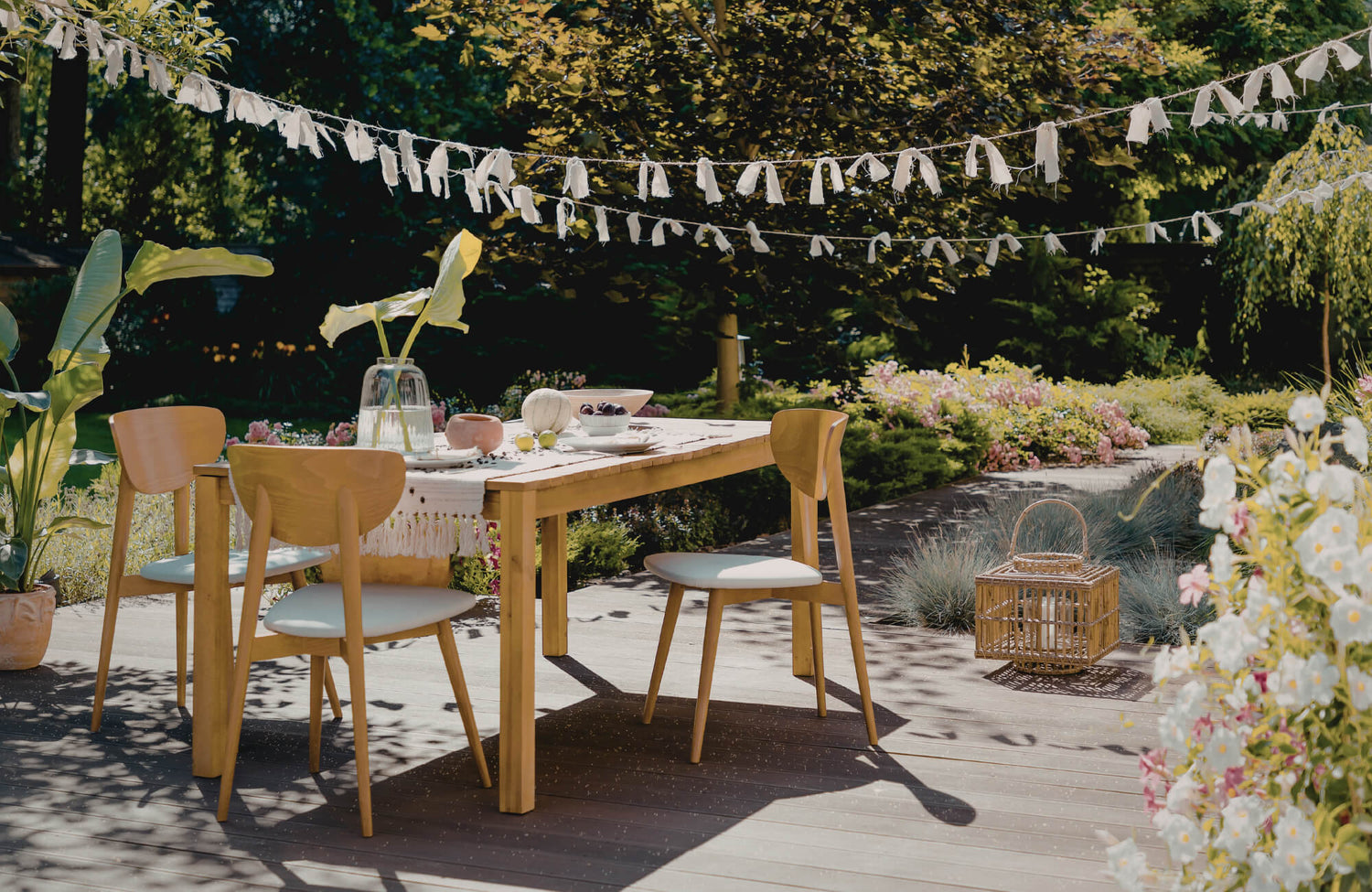
Armrests are essential in bridging dining and lounge comfort. While some dining chairs omit armrests to save space or allow for easy tucking under a table, chairs designed for dual use benefit greatly from their inclusion. Armrests provide physical support that reduces strain on the shoulders and upper back, making it easier to remain seated for extended periods, as seen with Edward Martin’s Kendra Outdoor Dining Chairs in Natural, Set of 2, shown in the image above.
From a comfort perspective, armrests create a sense of enclosure and stability, which is closely associated with lounging. They allow the body to settle into the chair rather than perch on it. Visually, armchairs feel more substantial and intentional, helping dining chairs hold their own when pulled away from the table and used independently. For those looking to maximize versatility, armrests are less a luxury and more a necessity.
Finding the Sweet Spot for Back Pitch
The angle of the chair back, often referred to as back pitch, is another defining characteristic of a successful hybrid chair. Traditional dining chairs typically feature a relatively upright back to support eating posture, while lounge chairs lean back significantly to encourage relaxation. A chair that can serve both purposes finds a balance between these extremes.
A slightly reclined back supports the natural curve of the spine without pushing the sitter too far away from the table. This subtle angle allows the chair to feel comfortable during meals while remaining inviting for post-dinner conversation. When paired with a supportive back height, the right pitch can reduce fatigue and encourage longer use. The result is a chair that feels intentional in both contexts rather than compromised in either.

Selecting Materials That Invite Relaxation
Beyond structure, materials are instrumental in determining whether an outdoor dining chair feels suitable for lounging. The tactile experience of a chair, how it feels against the skin, how it responds to weight, and how it performs in different temperatures, directly affects comfort and usability. Choosing the right materials ensures that a chair invites people to sit and stay.
The Suspension Comfort of Woven Rope
Woven rope has become a popular material in modern outdoor furniture for good reason. Unlike rigid surfaces, woven rope offers a degree of suspension that gently conforms to the body. This flexibility distributes weight more evenly, reducing pressure points and creating a relaxed seating experience that aligns closely with lounge furniture.
In dining chairs, woven rope backs or seats introduce a softness that encourages lingering. The material breathes well in warm climates, remaining comfortable even during long summer evenings. Visually, woven rope adds texture and warmth, bridging the gap between structured dining furniture and casual lounge seating. Its ability to feel supportive without being stiff makes it an ideal choice for dual-purpose chairs.
The Role of High Density Cushions
Cushions can dramatically alter how a chair is experienced, but not all cushions are created equal. High density cushions are essential for chairs that need to perform double duty, providing enough firmness to support proper posture at a dining table while offering sufficient softness for relaxation, much like Edward Martin’s Leticia Outdoor Dining Chair in Cream featured in the image above.
High density foam maintains its shape over time, preventing the sagging that can make a chair uncomfortable or unsightly. When wrapped in performance outdoor fabrics, these cushions enhance comfort without sacrificing durability. For lounge use, the cushion adds a layer of indulgence, encouraging sitters to settle in, while for dining, it preserves a stable, supportive base that reinforces the chair’s hybrid appeal.
Avoiding Heat Absorbing Metals
Material choice also affects temperature, an often overlooked aspect of comfort. Certain metals, while durable and sleek, can absorb and retain heat when exposed to direct sunlight. This can make chairs uncomfortable or even unusable during peak hours.
For dining chairs intended to double as lounge seating, avoiding heat-absorbing metals in key contact areas is crucial. Materials such as powder-coated aluminum with lighter finishes, teak, or woven elements tend to remain more temperature neutral. When metal is used structurally, pairing it with cushions, slings, or woven surfaces ensures that comfort is not compromised. A chair that remains pleasant to the touch throughout the day is far more likely to be used in multiple ways.

Design Styles That Bridge the Gap
Aesthetic design is just as important as comfort when selecting outdoor dining chairs for dual use. Certain styles naturally lend themselves to versatility, blending the visual language of dining and lounge furniture. These designs feel intentional whether positioned around a table or arranged for relaxed seating.
The Enveloping Comfort of Tub Chairs
Tub chairs are a prime example of a design that seamlessly transitions between dining and lounging. Defined by their curved backs and partially enclosed arms, tub chairs create a sense of comfort and intimacy. This enveloping form supports the body from multiple angles, making it easy to relax without slouching.
In an outdoor dining context, tub chairs add a sense of luxury and presence. When pulled away from the table, they read immediately as lounge seating, capable of anchoring a conversational grouping. Their sculptural quality elevates the overall design of the space, making them a favorite among those who value both comfort and visual impact.
High Back Woven Armchairs
High back woven armchairs offer another effective bridge between dining and lounge seating. The extended back provides additional support, encouraging a relaxed posture without sacrificing structure. Woven materials add softness and texture, enhancing comfort while maintaining durability.
These chairs often feel more substantial than standard dining chairs, which allows them to stand alone visually when used outside of a dining arrangement. The height of the back also creates a sense of privacy and enclosure, a quality commonly associated with lounge seating. For outdoor spaces that serve multiple functions, high back woven armchairs deliver both comfort and design continuity.
Upholstered Outdoor Dining Chairs
Upholstered outdoor dining chairs represent a more residential approach to exterior design. With plush cushions and tailored silhouettes, these chairs blur the line between indoor and outdoor furniture, as demonstrated by Edward Martin’s Leticia Outdoor Dining Chair in Cream shown in the image above. Performance fabrics designed for outdoor use ensure that comfort does not come at the expense of durability.
When used as lounge seating, upholstered dining chairs feel inviting and familiar, encouraging guests to relax as they would indoors. Their refined appearance suits those who prioritize aesthetics and want their outdoor spaces to feel as thoughtfully designed as their interiors. Upholstered chairs demonstrate how far outdoor furniture has evolved, offering true versatility without compromise.

Layout Strategies for Dual Purpose Spaces
Even the most thoughtfully designed chair benefits from strategic placement. How furniture is arranged can significantly influence whether dining chairs are perceived and used as lounge seating. Smart layout strategies allow you to adapt your outdoor spaces effortlessly throughout the day and evening.
The Pull Away Technique
One of the simplest yet most effective strategies is the pull away technique. Dining chairs that are comfortable enough to lounge in can be easily pulled away from the table and repositioned for conversation, a flexibility well illustrated by Edward Martin’s Kendra Outdoor Dining Chairs in Natural, Set of 2 in the image above. This approach allows the dining area to transition into a more relaxed setting once meals are finished.
The success of this technique depends on chairs that look complete and intentional when standing alone. Chairs with arms, substantial frames, and attractive profiles maintain their visual appeal outside the dining context. This strategy supports a dynamic outdoor lifestyle, where spaces evolve naturally rather than remaining fixed.
Adding Ottomans for Ultimate Relaxation
Ottomans can dramatically enhance the lounge potential of outdoor dining chairs. When paired with a dining armchair, an ottoman provides leg support that instantly shifts the seating experience toward relaxation. This addition allows you to enjoy the benefits of lounge seating without investing in entirely separate furniture pieces.
Ottomans also offer versatility, serving as extra seating, footrests, or even impromptu side tables. Their presence encourages a more casual use of the space, reinforcing the idea that dining chairs are not limited to one function. With thoughtful coordination, ottomans integrate seamlessly into both dining and lounge arrangements.
Integrating Drink Tables for Lounge Mode
Small drink tables contribute in understated ways to transforming dining chairs into lounge seating. When chairs are pulled away from the dining table, nearby surfaces for drinks or books help establish a relaxed atmosphere. These tables anchor seating groupings and provide practical support without overwhelming the space.
The inclusion of drink tables reinforces the shift from dining to lounging, signaling a change in how the space is meant to be used. This thoughtful layering of elements enhances comfort and usability, making it easy for guests to settle in and enjoy their surroundings.
The End of the Single Use Patio
The modern outdoor space is no longer defined by rigid categories or single-use furniture. As homeowners seek to maximize both comfort and aesthetics, the ability for outdoor dining chairs to double as lounge seating becomes not only possible but desirable. Through careful attention to chair anatomy and layout strategy, dining chairs can transcend their traditional role and contribute to a more flexible, inviting environment. For those navigating these choices, Edward Martin’s design consultation service offers expert guidance, helping you make confident style decisions through personalized recommendations and thoughtful support tailored to your project needs.
This evolution reflects a broader shift in how outdoor living is approached. By embracing hybrid solutions, you can create patios and terraces that feel intentional, cohesive, and ready for any moment, whether it’s a casual meal, an evening of conversation, or a quiet afternoon spent outdoors. If questions arise around furniture pairings, material selections, or coordinating elements like tile or rugs, you can contact Edward Martin for tailored assistance that ensures each space feels both functional and beautifully considered.