Mirrors do more than reflect what we see; they can also shape light, balance, and the overall feel of a space. While a single mirror might feel like the natural choice, adding a second or even a third can completely transform the way a space looks and functions. When placed with intention, multiple mirrors can bring brightness, depth, and a sense of openness that few other design elements can achieve.
In this article, we’ll show you how to use multiple mirrors with confidence and purpose. You’ll discover essential design principles, learn how to position mirrors to achieve balance, enhance light, and explore arrangements that complement different rooms. Additionally, we’ll cover common mistakes to avoid and offer styling tips to create a cohesive, polished look. By the end, you’ll understand not just whether two mirrors belong in one room, but also how to make them work beautifully together.

The Design Principle Behind Multiple Mirrors
Before deciding how many mirrors a room should have, it’s important to understand how they interact with the space itself. Mirrors do more than add brightness; they shift perception, influence proportion, and affect the overall mood of a room. Each reflection guides the eye and changes how we experience the environment, and every additional mirror enhances that visual and emotional impact.
Mirrors as Spatial Tools
Mirrors are one of the most effective ways to make a room feel larger without structural changes. When positioned thoughtfully, they act like windows, extending sightlines and visually opening up the space. In smaller rooms, placing two mirrors on adjacent or opposite walls can bring balance and a sense of symmetry. For instance, one above a console and another across the room can make a narrow area appear wider and more inviting.
A great example of this concept is displayed in the photo above with Edward Martin’s Clancy Small Mirror in Antique Brass. Its warm metallic frame complements the natural wood tones while reflecting light and architectural details to create depth and cohesion. This thoughtful use of placement demonstrates how the right mirror can do more than decorate a wall; it can visually expand the room and enhance its rhythm without overpowering the design.
The Psychology of Reflection
Reflections influence the atmosphere of a room more than many people realize. Too many mirrors can create overstimulation, making the space feel busy or overly bright. A well-placed pair, however, can foster a sense of calm and openness. When one mirror reflects greenery and another captures soft, ambient light, the room feels expansive yet soothing. The goal isn’t to add mirrors simply for decoration, but to guide light, energy, and visual flow in a way that enhances the mood you want to convey.
Beyond Functionality
Although mirrors are often seen as practical tools for daily use, their impact extends far beyond utility. They can become part of a room’s visual rhythm; echoing shapes, framing details, and guiding the eye toward focal points. When chosen and positioned with intention, mirrors move from being background accents to essential design features that bring cohesion and flow. A single mirror serves a purpose, but multiple mirrors arranged thoughtfully create a sense of depth, balance, and visual harmony.

Using More Than One Mirror Without Overdoing It
Incorporating multiple mirrors into a room is about achieving balance, not excess. The aim is to create harmony between each piece so the space feels intentional rather than repetitive. When mirrors are selected and positioned with a clear purpose, they work together to enhance the overall design rather than competing for attention.
Define a Visual Hierarchy
Begin by selecting one mirror to anchor the design; the piece that naturally draws the eye first. This could be a statement mirror above a vanity, console, or fireplace. Once the focal mirror is established, add complementary pieces that echo its form through scale, finish, or placement. This creates a smooth visual flow, preventing the space from feeling repetitive.
In the photo displayed above, Edward Martin’s Esmeralda Small Mirror in Polished Brass demonstrates this principle beautifully. Their curved profile serves as a coordinated focal point that frames the vanity area while maintaining balance with the lighting and fixtures. Additionally, the polished brass finish ties the composition together, guiding the eye naturally across the space and reinforcing a sense of harmony without visual clutter.
Match Shapes and Proportions Thoughtfully
When combining mirrors, proportion is what keeps the arrangement cohesive. In a spacious living room, pairing a tall floor mirror with a medium-sized wall mirror adds depth without overwhelming the walls. In smaller areas, two round or oval mirrors can create a gentle sense of continuity. Mixing shapes works best when they complement rather than compete, for example, using a rectangular mirror for structure and a smaller circular one to soften the lines. The goal is balance from every angle, allowing the arrangement to feel natural and harmonious rather than overly symmetrical or staged.
Mind the Lines of Reflection
What a mirror reflects is just as important as where it hangs. Placing two mirrors directly opposite each other can create endless, distracting reflections that disrupt the room’s balance. Instead, angle one slightly to capture something visually pleasing, perhaps a light fixture, a piece of art, or a window view. This thoughtful positioning allows the mirrors to interact naturally across the space, adding depth and interest without creating visual clutter.

Tailoring Mirror Arrangements to Room Function
Each room has its own purpose, and the mirrors within it should reflect that. Understanding how a space is used helps you decide not only how many mirrors to include, but also where they’ll create the greatest effect.
Living and Dining Areas
In social spaces, mirrors should enhance light and energy without distracting from comfort or conversation. Position one mirror to capture a chandelier or a nearby window, and another to highlight artwork or an architectural feature. When paired thoughtfully, mirrors can introduce a gentle sense of movement that makes the room feel connected and lively while maintaining a warm and inviting atmosphere.
A beautiful illustration of this idea can be seen in the photo above featuring Edward Martin’s Raelynn Mantel Mirror in Polished Brass. Positioned above the fireplace, it reflects natural light from the windows and complements the room’s warm, earthy palette. The polished brass finish adds a subtle radiance that enhances the atmosphere without overpowering it, allowing the mirror to function as both a graceful focal point and a unifying detail within the space.
Bedrooms
Bedrooms benefit from a softer, more restrained approach. Because this space is designed for rest, reflections should feel calm and unobtrusive. A full-length mirror can meet practical needs, while a smaller decorative piece adds visual balance and a touch of personality. It’s best to avoid placing mirrors where they directly reflect the bed, as this can disrupt the sense of relaxation. Instead, position them to capture gentle natural light or to create a quiet focal point on an empty wall.
Bathrooms and Dressing Areas
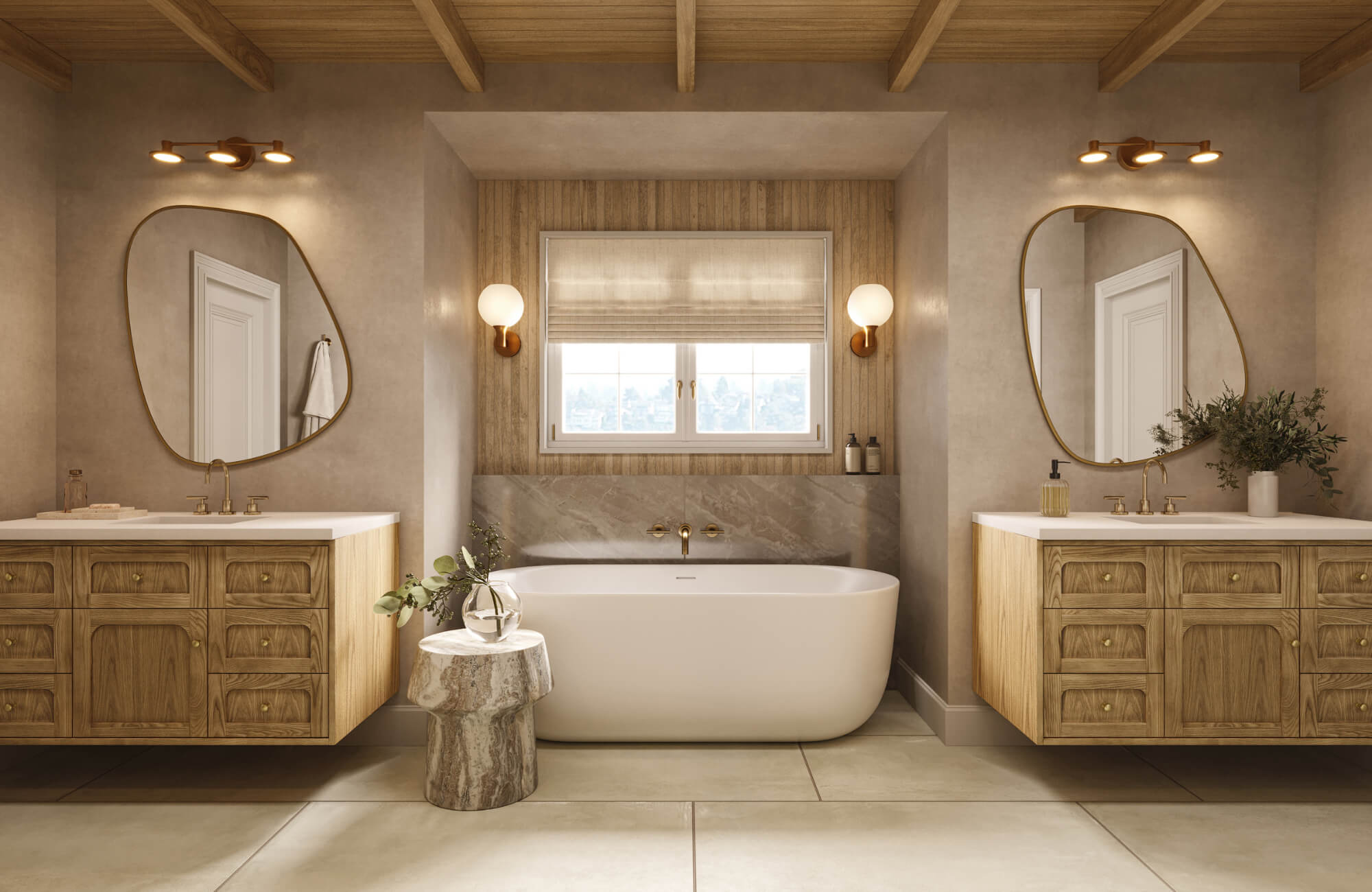
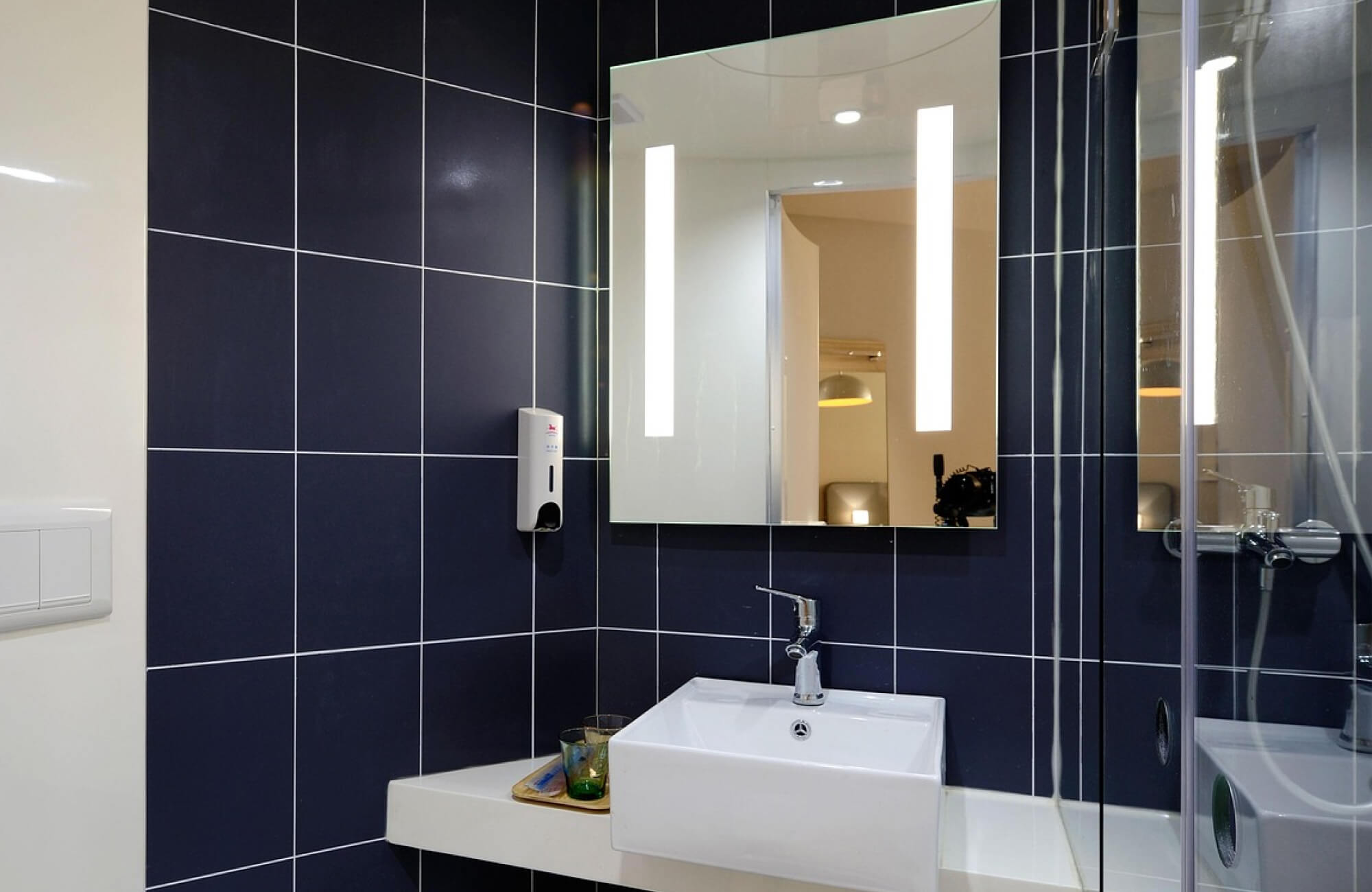
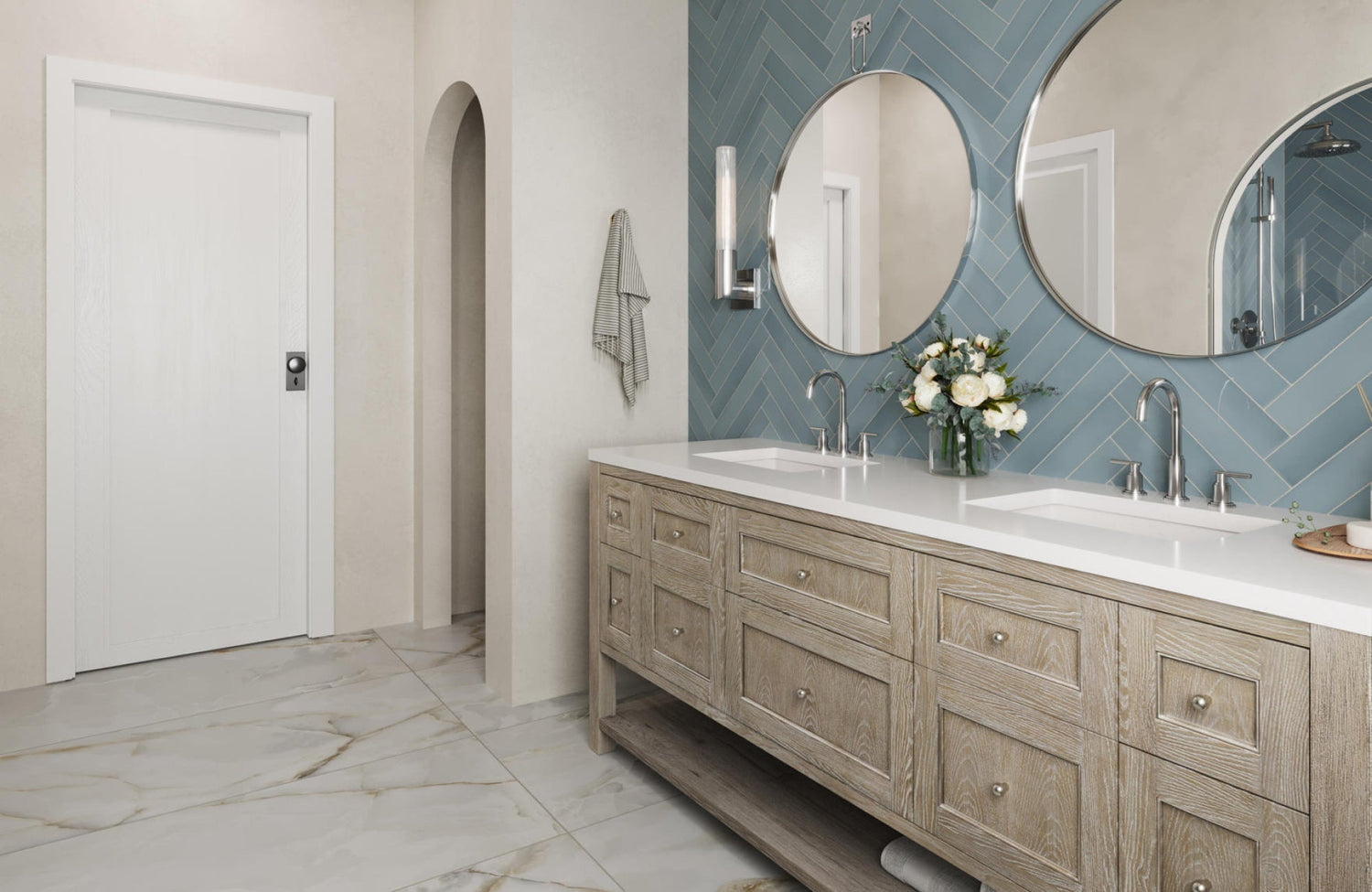
In bathrooms and dressing spaces, multiple mirrors often serve a practical function. A large wall mirror can anchor the room, while smaller side mirrors or magnifying options make detailed tasks easier. To keep the look from feeling too clinical, introduce variation in shape or framing. Even a gentle curve or a decorative border can add warmth and personality, turning a purely functional setup into a more inviting and refined space.
Entryways and Hallways
In narrow or dim spaces, two mirrors can instantly create a greater sense of openness. Pair a tall vertical mirror near the door for quick outfit checks with a smaller decorative mirror positioned across to reflect and distribute light. This simple combination also makes these transitional areas feel brighter, more spacious, and inviting from the moment you walk in.

Creating Light and Dimension with Strategic Placement
Light is one of the most powerful elements in interior design, and mirrors naturally enhance it. When placed with intention, multiple mirrors can transform an ordinary room into a space that feels brighter, deeper, and more dynamic, all while maintaining a sense of balance and harmony.
Positioning for Light Amplification
Placing mirrors opposite or beside windows can instantly double the reach of natural light. In darker rooms, positioning two mirrors on perpendicular walls helps bounce light across the space, making it feel brighter and more open. For evening settings, placing mirrors near lamps or sconces can softly diffuse the light, minimizing harsh shadows and creating a warm, balanced glow throughout the room.
Enhancing Architectural Features
Mirrors can also frame or echo architectural details in subtle, intentional ways. If your space features arches, exposed beams, or detailed molding, use one mirror to emphasize those lines and another to reflect them. This repetition creates a sense of rhythm that feels cohesive yet effortless. When every reflection has purpose, the room gains both structure and movement without appearing overly designed.
A great example is shown in the photo above with Edward Martin’s Esmeralda Wide Mirror in Iron Matte Black. Its arched silhouette echoes the fireplace opening and draws attention to the room’s structural lines, while the dark frame grounds the warm tones and adds definition. This thoughtful use of reflection enhances the architectural rhythm, creating a space that feels cohesive and visually balanced.
Correcting Visual Weight
Some rooms can feel visually unbalanced, especially when one side features heavier or darker furniture. Placing a mirror on the opposite wall helps restore balance by extending sightlines and reflecting light where it’s needed most. For example, a large mirror positioned across from a dark bookcase can offset its weight, creating harmony and depth while making the entire room feel more even and open.

Decorative Pairings and Grouping Techniques
Multiple mirrors can serve a purpose far beyond function; they can also act as art pieces that define the character of a room. When grouped and styled with creativity, mirrors transform from simple reflective surfaces into expressive design elements that add personality, depth, and visual rhythm to your space.
Mirror Gallery Walls
A mirror gallery wall introduces character and visual charm, keeping the room feeling open and light. Combine mirrors of different sizes and shapes, but maintain a unifying detail such as a consistent finish, tone, or design style. Whether arranged in a clean grid for structure or clustered more freely for a relaxed look, the key is intention: each piece should contribute to a cohesive and visually balanced display.
Statement Mirror with Accents
Begin with a striking mirror as the focal point, perhaps oversized, arched, or detailed with an elegant frame, and complement it with smaller, more subtle pieces. This arrangement highlights the main mirror while introducing a gentle sense of rhythm and balance. It works particularly well in living rooms and hallways, where proportion and symmetry help create a refined, cohesive look.
A beautiful example is featured in the photo above with Edward Martin’s Clementine Mirror in Antiqued Gold Leaf. Its graceful shape and refined gold frame create a luxurious focal point while complementing the surrounding fixtures and finishes. The pairing of two identical mirrors above each vanity achieves perfect symmetry, demonstrating how statement mirrors can anchor a space while maintaining a cohesive, polished look.
Mixing Eras and Textures
Blending mirrors from different styles can add richness and character to a room. A vintage mirror placed beside a sleek, modern design introduces contrast and depth, while combining materials like aged brass with polished metal brings visual variety. The aim isn’t to match everything perfectly, but to create a balanced mix that feels curated and cohesive rather than random or mismatched.

Mistakes That Disrupt Mirror Harmony
Even the most well-designed space can lose its balance when mirrors are used without intention. Knowing what to avoid helps maintain a cohesive, refined look where every reflection enhances rather than distracts from the overall design.
Competing Reflections
When multiple surfaces reflect each other, the space can easily feel cluttered and visually overwhelming. Limit the number of mirrors that share the same sightline, and avoid positioning them directly across from other reflective materials such as glossy tiles or metallic furniture. Instead, let each mirror have its own purpose and focal view so the reflections feel intentional and balanced rather than overwhelming.
Poor Alignment or Scale
Mirrors should be proportionate to the space around them. A small mirror above a large console can appear out of place, while an oversized one on a narrow wall can easily overpower the space. Select mirrors that align naturally with surrounding furniture and architectural details to maintain balance and a smooth visual flow throughout the room.
Ignoring Sightlines
Always take a moment to step back and see exactly what each mirror reflects. A mirror that captures clutter or harsh lighting can undermine an otherwise refined design. Instead, position mirrors to reflect visually appealing elements, such as a window view, artwork, or a serene color palette, to create a sense of balance and thoughtful composition.
Having More Than One Mirror in a Room
Yes, you can absolutely place two mirrors in one room, and when done thoughtfully, it can completely transform the look and feel of your space. Multiple mirrors amplify natural light, create depth, and make a room appear larger and more open. The key is to be intentional with placement: position mirrors where they can reflect something beautiful or meaningful, like a window, artwork, or soft lighting. Avoid placing them directly across from each other to prevent a confusing or restless reflection pattern. When balanced carefully, two mirrors don’t compete; they work together to enhance light, proportion, and harmony throughout the room.
If you’re unsure where to start or want expert guidance on mirror placement and room styling, contact us today. Our design team can help you create a space that feels cohesive, bright, and perfectly balanced, with mirrors that reflect your style as beautifully as your home.