What makes a pattern endure through centuries of changing design trends? Checkerboard tiles have long held that distinction, moving effortlessly from ancient mosaics to grand interiors while maintaining their unmistakable visual rhythm. Today, they’re finding new life in contemporary homes, where their bold contrast and structured layout offer a refined balance between heritage and modernity.
In this blog, we explore how checkerboard tiles continue to evolve within today’s design landscape. From their historical foundations to their role in minimalist, Scandinavian, and eclectic interiors, you’ll see how this classic pattern adapts to modern sensibilities. Whether used in kitchens, bathrooms, or outdoor spaces, checkerboard tiles bring both visual impact and versatility to contemporary living.

The Rich Evolution of Checkerboard Tiles
Spanning centuries of design, the checkerboard pattern reflects a continuous dialogue between form, material, and cultural expression. Its presence across different eras reveals how a simple geometric layout can be reinterpreted without losing its identity. To understand its place in contemporary interiors, it’s worth tracing how this pattern evolved through history.
Ancient Beginnings of the Checkerboard Pattern
The checkerboard motif can be traced back to early civilizations, where it appeared in Mesopotamian pottery and carved stone surfaces as a reflection of order and symmetry. These early interpretations were often limited in material and scale, yet they established the visual foundation of alternating contrast that defines the pattern today. Even in these rudimentary forms, the design conveyed balance and structure, qualities that would sustain its relevance over time.
As trade and craftsmanship advanced, so did the precision and application of the pattern, allowing it to move beyond symbolic decoration into architectural use. Its geometric clarity made it adaptable across surfaces, from floors to walls, reinforcing its role as both a functional and aesthetic element. This early adaptability set the stage for its continued evolution across cultures and eras.
Roman Mosaics as Early Adopters of Checkerboard Designs
The Romans were instrumental in refining the checkerboard pattern, integrating it into elaborate mosaic floors that demonstrated both technical skill and artistic intent. Using small, hand-cut tesserae in contrasting tones, they created expansive surfaces that brought rhythm and visual cohesion to villas, baths, and public buildings. These compositions reflected Roman ideals of order and proportion, elevating the pattern beyond decoration into a defining architectural feature.
As Roman influence spread, so did the use of checkerboard layouts, embedding the pattern across regions and building types. Its durability in stone and tile made it particularly suited for high-traffic areas, ensuring both longevity and visual impact. This widespread adoption helped solidify the checkerboard as a timeless design language carried into later architectural traditions.
Medieval and Victorian Flooring Traditions
During the medieval period, checkerboard flooring appeared prominently in cathedrals and monastic spaces, often symbolizing the contrast between opposing forces such as light and dark or life and hardship. These floors, typically crafted from stone, emphasized durability while reinforcing the architectural rhythm of large, open interiors. The pattern’s structured repetition complemented the verticality and symmetry of Gothic design, grounding expansive spaces with visual order.
Centuries later, the motif reemerged in Victorian homes, where it became a hallmark of refined interiors. Black and white marble or slate tiles were commonly used to create striking floors that highlighted intricate woodwork and richly detailed furnishings. In this context, the checkerboard pattern shifted from symbolic to decorative, reinforcing elegance while maintaining the balance and structure that defined its earlier use.
Transitioning from Traditional to Contemporary Design
As design philosophies evolved, the checkerboard pattern adapted through changes in material, color, and scale while retaining its core geometry. Advances in manufacturing introduced new finishes and formats, allowing the pattern to move beyond traditional stone into ceramic and porcelain applications suited for modern living. This flexibility enabled it to remain relevant without relying on historical replication.
In contemporary interiors, the checkerboard layout is reinterpreted through softer palettes, larger formats, and varied placements that align with modern aesthetics. It integrates seamlessly into minimalist, Scandinavian, and eclectic spaces, acting as a structured element within more fluid design environments. Through this evolution, the pattern continues to bridge past and present, maintaining its identity while adapting to new contexts.

Why Checkerboard Tiles Captivate Modern Homeowners
Checkerboard tiles not only transform spaces with their classic charm but also engage homeowners on a psychological level. Below, we’ll delve into how these timeless designs captivate current audiences, tapping into both the visual impact and underlying psychological effects that make checkerboard patterns a compelling choice for contemporary homes.
The Psychological Impact of Checkerboard Patterns
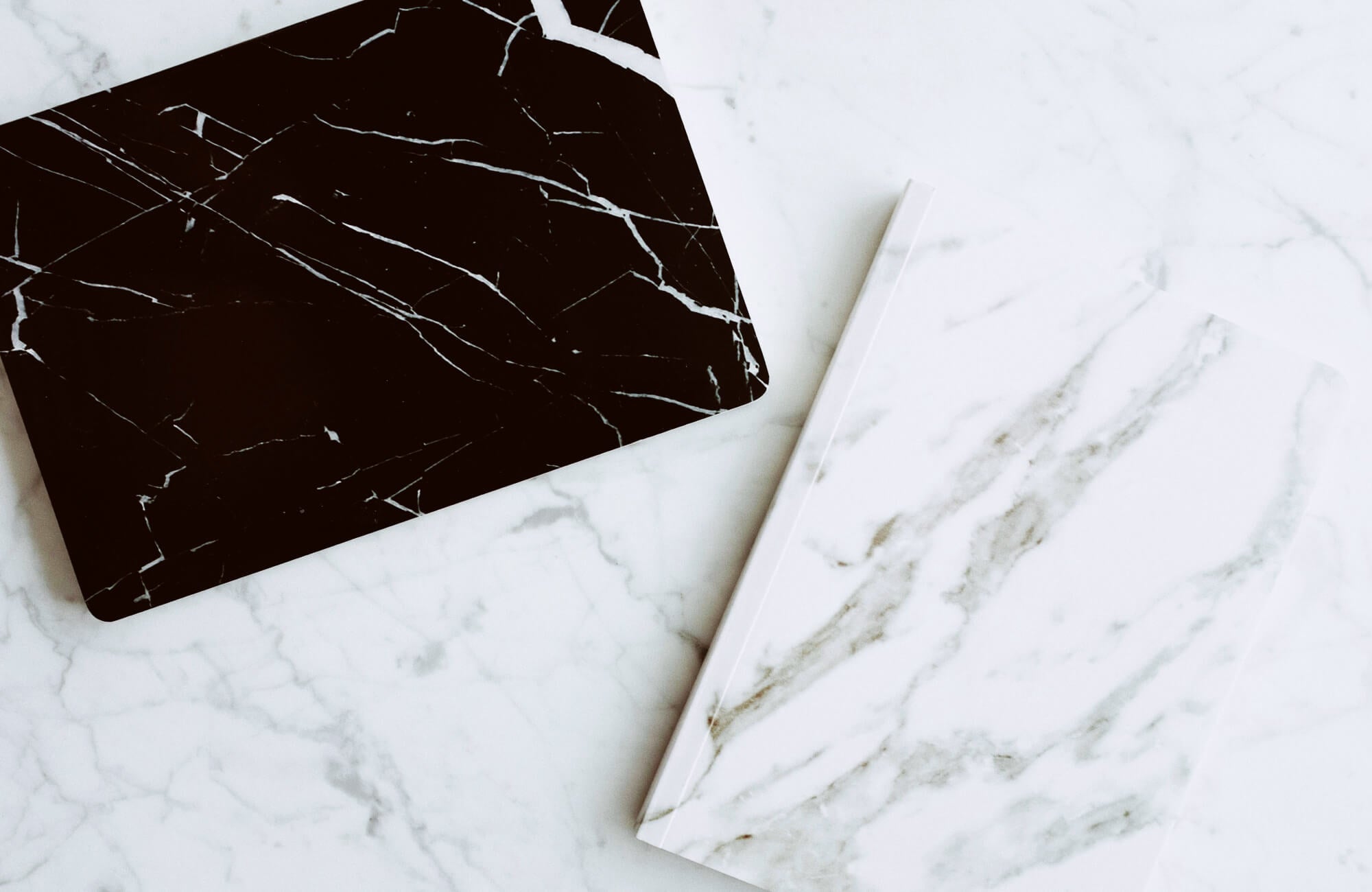
The stark contrasts of checkerboard patterns, as seen with our Leona 24x24 Checkerboard Polished Porcelain Tile in Calacatta and Nero Marquina above, create a strong visual statement and stimulate the brain. They enhance cognitive function and provide psychological comfort through their predictable repetition and symmetry. This visual stimulation can make spaces appear more dynamic as the eyes travel across the pattern’s predictable yet compelling path. Moreover, the balance between the tiles’ black and white elements can evoke a sense of harmony and stability, appealing to our innate desire for visual order and consistency.
Timeless Aesthetics and Versatility of Checkerboard Tiles
Checkerboard tiles bring a timeless visual appeal that fits naturally into both classic and contemporary interiors. The structured contrast of the pattern adds definition and balance to a space, offering a design element that remains relevant regardless of shifting trends. Its simplicity allows it to act as a neutral yet striking backdrop, adapting easily as furniture, lighting, or décor styles evolve over time.
This pattern also offers flexibility in how it's used, whether through subtle tones for a soft look or bolder contrasts for more visual impact. As living spaces change, checkerboard tiles continue to hold their ground, maintaining a sense of cohesion while accommodating updates in furnishings or layout.
Enhancing Spaces with Movement and Depth
Checkerboard tiles can also introduce illusionary effects, such as movement and depth, making spaces appear larger or more dynamic based on the tile size and placement. The alternating colors can fool the eye into seeing a three-dimensional effect on a flat surface, adding an element of intrigue. This can be particularly effective in smaller spaces, where strategic tile placement can alter the room's perceived proportions, offering a clever design solution that maximizes both style and function.

Integrating Checkerboard Tiles into Contemporary Interiors
As contemporary design continues to evolve, incorporating traditional elements like checkerboard tiles presents a creative opportunity to merge the charm of the past with the freshness of modern trends. These tiles bring visual structure and timeless style, making them a perfect candidate for modern homes that value both heritage and innovation. Below, we’ll explore practical and stylish ways to use checkerboard tiles throughout today’s interiors, demonstrating their flexibility across floors, walls, and decorative accents.
Modern Flooring Solutions with Checkerboard Tiles
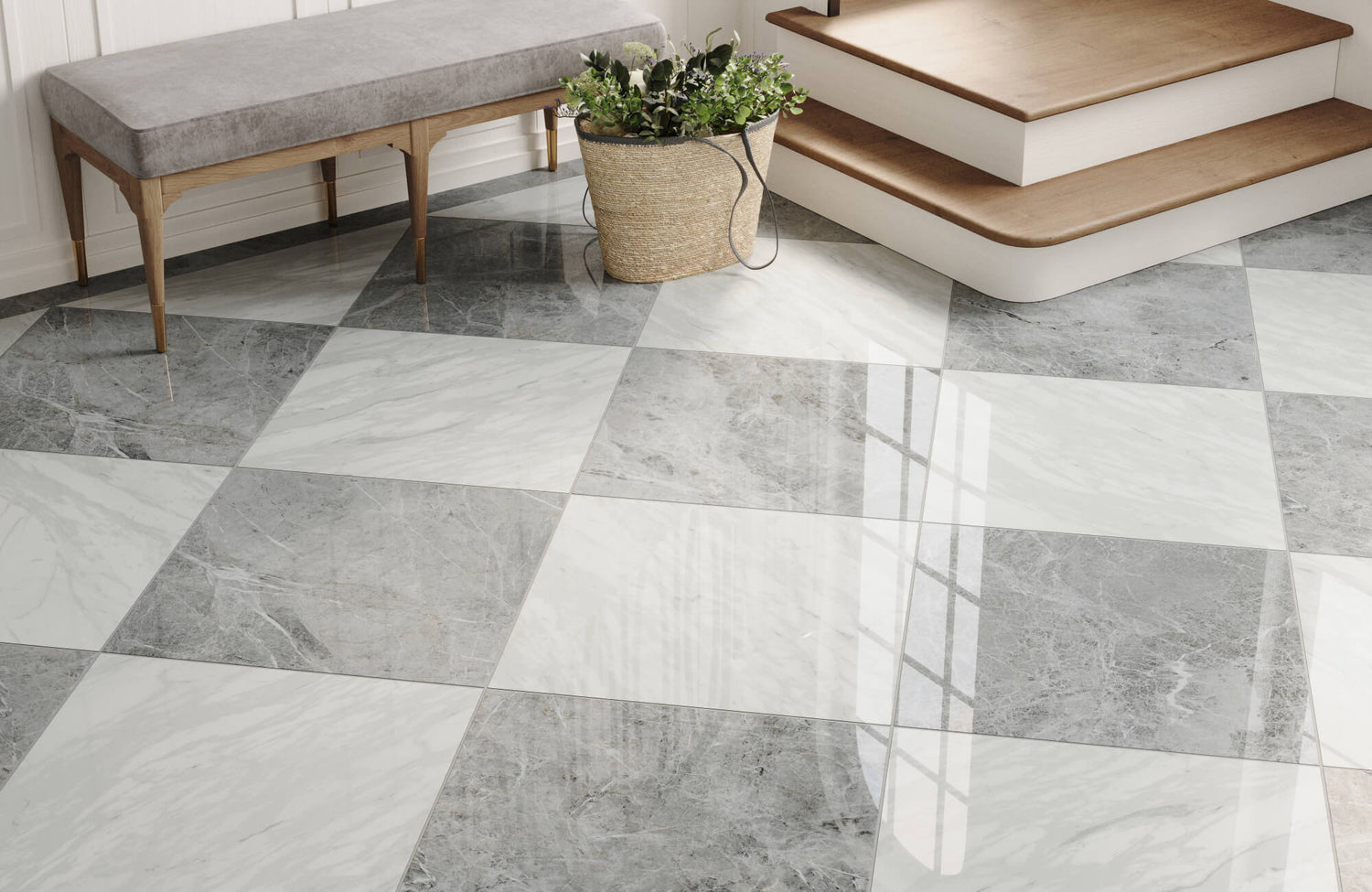
In contemporary settings, checkerboard floors, as shown with our Palmer 12x12 Checkerboard Matte Porcelain Tile in White and Grey above, can create a powerful visual anchor. These tiles can serve as a central design feature, adding a layer of classic sophistication. To amplify the effect, you can choose large-format tiles for a clean, seamless appearance or mix tile sizes to introduce subtle texture and depth. Their bold pattern can also influence the entire room’s look, helping define color palettes and furnishing choices while guiding the overall design direction.
Creating Eye-Catching Walls with Checkerboard Patterns
Checkerboard tiles are just as impactful on walls as they are on floors, especially when used to highlight architectural elements like fireplaces, niches, or accent walls. To further enhance their presence, consider using a high-gloss finish or choosing grout in a contrasting color for added dimension. These thoughtful touches can transform a plain wall into a true focal point, reinforcing the character of the space and complementing the surrounding decor as well.
Stylish and Functional Checkerboard Backsplashes
Checkerboard tiles are equally effective as stylish backsplashes that offer functional benefits. Not only do they protect the wall behind cooking or prep areas, but they also visually connect cabinets, counters, and flooring for a cohesive, polished look. To introduce refinement, you can incorporate textured tiles or create a framed border for added depth. This blend of function and form ensures that the backsplash becomes both a hardworking surface and a defining design feature.
Unique Accent Pieces Using Checkerboard Tiles
Checkerboard tiles also shine in smaller, custom design projects that bring personality to a space. For instance, you might use them as borders around rugs, inlaid accents on furniture, or tabletop patterns that stand out without being overwhelming. These applications offer creative flexibility and allow homeowners or designers to craft something truly unique. When used thoughtfully, even the smallest checkerboard detail can add artistic flair and contribute to a cohesive design narrative.

Contemporary Design Inspirations with Checkerboard Tiles
Innovative spaces can benefit greatly from the geometric precision of checkerboard tiles. Their structured layout and visual rhythm lend themselves well to a range of modern design aesthetics. Below, we’ll explore how checkerboard patterns can be thoughtfully incorporated into minimalist, Scandinavian, and eclectic interiors, demonstrating how this timeless motif can be reimagined for contemporary homes.
Minimalist Checkerboard Designs for Modern Homes
In minimalist settings, checkerboard tiles can shine through clean lines and understated color palettes. Their simplicity adds visual interest without disrupting the calm, pared-down atmosphere typical of minimalist design. To enhance their effect, you can choose tiles in a single color family with varying shades or textures, which maintains the overall cohesion of the space. This technique underscores the pattern’s bold geometry while keeping the room refined and uncluttered.
Scandinavian-Inspired Checkerboard Tile Ideas
In Scandinavian design, which emphasizes light, warmth, and natural materials, checkerboard tiles can be a subtle yet striking addition. Pairing them with pale wood finishes and soft, neutral tones creates a soothing environment that feels both fresh and inviting. Tiles with a slight texture or gentle color variation work especially well here, blending seamlessly with the natural elements often found in this style. As a result, the tiles contribute both structure and warmth without overwhelming the space.
Adding Eclectic Charm with Checkerboard Patterns
For more eclectic interiors, checkerboard tiles can be layered with other patterns to build depth and visual intrigue. Mixing tile sizes, experimenting with bold color combinations, or incorporating additional motifs can result in a playful and energetic space. This approach encourages creativity and invites personal expression, making each room feel one-of-a-kind. By layering geometric styles, you create an interior that captures attention and sparks curiosity at every glance.

Where to Use Checkerboard Tiles in Contemporary Homes
Checkerboard tiles are more than just a stylish statement. They’re also versatile enough to enhance key areas throughout the home. From kitchens and bathrooms to outdoor spaces, this section explores the most effective ways to use checkerboard tiles in modern living environments.
Checkerboard Tiles in Entryways and Mudrooms
Entryways and mudrooms benefit from the visual order and durability that checkerboard tiles offer. These spaces often experience daily wear, making porcelain a smart material choice. The checkered pattern, as seen with our Leona 24x24 Checkerboard Matte Porcelain Tile in Marfil and Amani Bronze above, introduces a welcoming focal point right as guests enter the home while also helping to conceal dirt or debris tracked in from outdoors. For added utility, choose slip-resistant finishes that support both safety and visual appeal.
Creating Statement Dining Areas with Checkerboard Tiles
In dining areas, checkerboard tiles can elevate the space by anchoring the table and creating a sense of architectural symmetry. Their pattern adds depth and dimension, especially in open-plan layouts where visual zoning is important. For a more refined look, consider a softer color palette, such as beige and ivory or charcoal and slate. This approach lends sophistication while still supporting a contemporary dining experience. Coordinating lighting and furniture styles will further amplify the cohesive look.
Stylish Checkerboard Looks for Home Offices
Home offices can also benefit from the structured energy that checkerboard tiles provide. The balanced geometry of the pattern introduces a subtle rhythm that enhances focus and productivity. Whether used on floors or as a feature wall behind the desk, the tiles add personality without distraction. To maintain a clean and inspiring workspace, pair them with streamlined furnishings and ample natural lighting.
Elevating Kitchen Design with Checkerboard Tiles
Checkerboard tiles are especially impactful in kitchens, where they can be installed on floors, islands, or backsplashes to combine both style and utility. Their bold pattern helps define the area, acting as a visual anchor that unifies cabinetry, countertops, and accessories. For a polished result, coordinate tile colors with surrounding design elements to achieve a balanced, cohesive look. This thoughtful approach can turn the kitchen into a visually compelling and practical space where form truly meets function.
Luxurious Bathroom Designs with Checkerboard Tiles
Checkerboard tiles can bring a refined and luxurious feel to bathroom spaces. Whether used on the floor, shower walls, or in accent niches, they introduce both structure and timeless style. To further elevate the ambiance, consider tiles with a glossy or subtly textured surface that reflects light and adds depth. This effect is particularly striking when paired with warm lighting, soft tones, and minimalist fixtures.
Utilizing Checkerboard Tiles in Outdoor Spaces
Checkerboard tiles are not limited to interior applications. They can also bring visual interest and refined charm to outdoor settings, adding both beauty and durability to patios, garden paths, and pool surrounds. Their structured pattern can help define outdoor zones while enhancing the overall design continuity between indoor and exterior spaces. Coordinating the tile layout with nearby furniture or landscaping can also create a cohesive and welcoming atmosphere.
To ensure long-lasting results, use weather-appropriate grout and sealants that are specifically designed for exterior use. This added durability helps preserve both the aesthetic and safety of your outdoor checkerboard design over time.

Choosing the Right Checkerboard Tiles
Selecting the perfect checkerboard tile involves more than simply picking a pattern. It’s about finding the right balance between material, color, and layout to create a space that feels cohesive and functional. Each of these elements contributes to the overall look and feel of your home, from establishing visual rhythm to supporting everyday usability. Whether you’re drawn to a classic black-and-white design or prefer a more creative color palette, your choices should align with your broader design scheme while also reflecting your personal style.
Material Choices for Checkerboard Tiles
As mentioned above, checkerboard tiles come in a range of materials, including classic ceramic, luxurious marble, and highly versatile porcelain. Of these, porcelain checkerboard tiles, such as our Leona 24x24 Checkerboard Polished Porcelain Tile in Calacatta and Amani Bronze shown above, are often the preferred choice due to their impressive durability, water resistance, and minimal maintenance requirements. It’s particularly well-suited for kitchens, bathrooms, and hallways, where both visual appeal and long-term performance are essential.
In addition to its practical benefits, porcelain is non-porous, which helps it resist stains and retain its clean, polished appearance over time. The manufacturing process also allows for a variety of finishes and textures, including matte and glossy surfaces. This versatility gives homeowners and designers the freedom to choose a style that aligns with the overall design vision of the space.
Exploring Color Variations for Modern Checkerboard Patterns
Although the classic black-and-white checkerboard remains a timeless favorite, experimenting with alternative color palettes, such as soft pastels or bold primary shades, can bring a fresh, personalized twist to your space. This method would allow you to align the pattern with a wide range of design styles, making it easier to achieve a cohesive look throughout the room.
Color selection also plays a key role in setting the tone of the space. Contrasting or complementary hues can shift the mood from energetic and vibrant to calm and sophisticated. The strategic use of color can highlight architectural features or tie together various design elements. While high-contrast schemes make a striking impression, softer tones offer a more subtle and harmonious appearance.
Effective Strategies for Checkered Tile Layouts
The way you lay out checkerboard tiles can dramatically influence the look and feel of a space. A classic straight lay, where tiles are aligned in a simple grid, offers a clean and balanced appearance that works well in traditional or minimal interiors. This layout emphasizes symmetry and creates a sense of order, making it a go-to choice for many homeowners.
For a more dynamic visual effect, consider placing the tiles on a diagonal. This layout introduces movement and can help a space feel more expansive, especially in narrow hallways or compact rooms. Diagonal patterns also add a touch of sophistication, giving the checkerboard look a refreshed, contemporary edge.
Other layout styles, such as offset, staggered, or framed designs, offer creative ways to personalize the checkerboard look. These configurations add variety and can define specific zones within a room, making them especially useful in open-plan spaces. They also help guide the eye toward focal points, such as a central dining table or a freestanding bathtub. By experimenting with different layout approaches, you can create a checkerboard design that feels intentional, distinctive, and visually engaging.
To make the selection process easier, Edward Martin offers an Augmented Reality (AR) Tool that allows you to preview tile combinations within your own space before committing. This interactive feature simplifies the decision-making process by helping you compare materials, experiment with colors, and visualize layouts with confidence.
Timeless Appeal of Checkerboard Tiles in Contemporary Design
Checkerboard tiles continue to stand the test of time, thanks to their unique ability to balance classic charm with modern style. Their versatility makes them suitable for a wide range of applications, from statement floors and accent walls to outdoor features and decorative touches. As design trends shift and new materials enter the market, this timeless pattern adapts with ease, offering fresh interpretations that remain grounded in tradition.
By carefully selecting the right colors, materials, and tile layouts, you can create a look that feels both personalized and enduring. Whether you’re aiming for a subtle upgrade or a bold design statement, checkerboard tiles can elevate your home with structure and style. If you’re ready to bring this classic pattern into your space, Edward Martin’s design experts are here to help. Our professional design services are tailored to support your vision, ensuring you achieve a cohesive and impactful result.