Wool rugs often come up as a premium option, but what you are really paying for goes beyond just looks. From how they feel underfoot to how well they hold up over time, wool brings a level of performance that many other materials struggle to match. They stay comfortable, resist everyday wear, and continue to look good even with regular use, which is why they are often seen in long-lasting interiors. Still, the higher upfront cost can make you pause and question if it is actually worth it. In this guide, we will break down what you are getting with wool, how it compares to other options, and whether it truly makes sense for your home.

What is a Wool Rug?
Wool rugs stand out for their exceptional durability, natural resilience, and timeless appeal, making them a popular choice for both classic and contemporary interiors. To truly appreciate their value, it's essential to understand the unique properties of wool fibers and the craftsmanship behind different rug-making techniques.
Natural Fiber Origins and Characteristics
Wool rugs derive their quality and durability from the properties of natural wool fibers, primarily sourced from sheep. This renewable material is renowned for its elasticity, resilience, and ability to retain its shape under pressure, making it an ideal choice for floor coverings that must withstand daily wear. Wool’s structure also creates air pockets within the fibers, providing superior insulation that helps regulate indoor temperatures by retaining warmth in colder months and promoting breathability in warmer conditions. Additionally, its hydrophobic outer layer repels water, while the hygroscopic inner core absorbs moisture from the air, contributing to improved indoor air quality.
Another defining characteristic of wool is its natural lanolin coating, which enhances stain resistance by preventing liquid absorption into the fibers. Unlike synthetic alternatives, wool also boasts a flame-retardant quality due to its high nitrogen and water content, ensuring a higher level of safety in residential and commercial spaces.
Construction Techniques and Styles
The method of construction significantly influences a wool rug’s durability, texture, and aesthetic appeal. Hand-knotted rugs, the most labor-intensive and premium category, are crafted using centuries-old techniques in which artisans tie individual knots around the warp threads of a loom. The knot density, measured in knots per square inch (KPSI), determines the rug’s quality, with higher knot counts indicating better craftsmanship and longer lifespan. Persian and Oriental wool rugs also often feature intricate patterns, achieved through this meticulous knotting process, ensuring both durability and artistic value.
In contrast, hand-tufted rugs offer a more affordable alternative without compromising the luxurious feel of wool. These rugs are created using a tufting gun to punch loops of yarn through a fabric backing, which is then secured with latex and a secondary backing for stability. While hand-tufted rugs lack the longevity of hand-knotted designs, they still provide a plush surface and diverse styling options. Meanwhile, machine-made wool rugs, such as power loomed rugs, provide consistency in pattern and affordability while maintaining wool’s inherent benefits, though they may lack the artisanal detailing of hand-crafted variations.
Wool rugs also come in a variety of weaves and textures, such as flat-weave and cut-pile constructions. Flat-woven wool rugs, like kilims and dhurries, are lightweight and reversible, making them versatile for layering or high-movement areas. Meanwhile, cut-pile wool rugs, which feature sheared fibers for a soft, plush surface, provide a more luxurious underfoot experience.
What Is a Wool Pile Rug and Why Does It Matter
A wool pile rug refers to how the fibers are constructed and finished on the surface, which directly affects how the rug looks and feels in your space. The “pile” is the visible layer you walk on, and it can vary in height, density, and texture depending on the design. Higher pile rugs tend to feel softer and more plush underfoot, while lower pile options offer a more structured surface that is easier to clean and maintain. This difference plays a big role in how the rug performs in different areas of your home. For instance, a dense wool pile rug works well in living rooms or bedrooms where comfort matters more, while flatter weaves are often better suited for more active areas. Understanding how pile works helps you choose something that feels right for both your space and your routine.
What makes wool pile rugs stand out even more is the material itself and how it holds up over time. Wool is often seen as a premium option because of its natural structure, which allows it to resist wear, repel dirt, and maintain its appearance longer than many synthetic fibers. These qualities make it especially suitable for rugs that need to handle daily use without quickly showing signs of damage. It also responds well to regular cleaning, helping preserve both texture and color without much extra effort. Compared to lower-cost materials, wool tends to age better and stay more consistent in how it looks and feels. That is why it continues to be used in higher-end rugs and designs that are meant to last for years.

Durability and Longevity of Wool Rugs
When investing in a wool rug, longevity is a primary consideration, as these rugs are known for their ability to withstand daily use. To understand what makes wool a lasting choice, let’s explore its natural fiber strength and how it resists wear and tear over time.
Natural Resilience and Fiber Strength
Wool rugs are highly valued for their durability, largely due to the natural resilience of wool fibers. Unlike synthetic materials, wool has a complex cellular structure composed of overlapping cuticle scales, which allow the fibers to bend and recover without breaking. This elasticity also enables wool rugs to maintain their shape and pile integrity, even in areas exposed to frequent use.
One of wool’s most significant advantages is its high tensile strength. Wool fibers can stretch up to 30% of their original length when wet and around 15% when dry, allowing them to endure pressure and friction without weakening. This characteristic is particularly beneficial in hand-knotted and handwoven rugs, where fibers undergo repeated tension during the weaving process. Additionally, wool’s protein-based composition (keratin) contributes to its durability, providing natural resistance to dust, bacteria, and degradation compared to plant-based fibers like cotton or jute. As a result, high-quality wool rugs can last for decades, often becoming heirloom pieces that gain character with age.
If durability is a concern, wool rugs are one of the more reliable options you can choose. The fibers are naturally strong and flexible, which allows them to handle pressure from furniture and daily use without wearing down quickly. Over time, wool rugs tend to maintain their structure instead of thinning out or losing their shape. This makes them a good fit for areas that see regular movement, not just decorative spaces. They also resist crushing better than many synthetic alternatives, which helps them look newer for longer. For homeowners asking if wool rugs are durable, they are built to last when properly maintained.
Resistance to Wear and Tear Over Time
Wool’s durability extends beyond fiber strength to its exceptional resistance to wear and tear. The dense pile of wool rugs acts as a shock absorber, effectively dispersing impact from foot movement and furniture weight, reducing signs of flattening or fiber damage. Unlike synthetic fibers, which tend to break down or fray with extended use, wool fibers maintain their structure, allowing rugs to retain their plushness and overall aesthetic appeal. This resilience is particularly evident in high-knot-density rugs, where tightly packed fibers create a reinforced surface that withstands continuous pressure.
Another main aspect of wool’s longevity is its ability to resist abrasion. The natural elasticity of wool fibers prevents excessive fiber loss, ensuring that shedding is minimal over time. Unlike lower-quality materials that may deteriorate with repeated vacuuming, wool rugs become softer and more refined with proper care.
In addition to physical wear, wool rugs also exhibit impressive resistance to environmental factors that often compromise the integrity of other materials. Their UV resistance minimizes color fading when exposed to sunlight, ensuring that vibrant dyes and intricate patterns remain intact over the years. These combined factors also contribute to the exceptional lifespan of wool rugs, making them a long-term investment for both residential and commercial spaces.

Health and Environmental Benefits of Wool
Beyond their durability and beauty, wool rugs offer significant health and environmental benefits that make them a smart investment for any home. From improving indoor air quality to promoting sustainability, wool’s natural properties contribute to a cleaner, healthier, and more eco-friendly living space.
Hypoallergenic Properties and Air Quality
Wool rugs offer significant health benefits, particularly for individuals sensitive to allergens and indoor air pollutants. Unlike synthetic fibers, wool has a unique structure that naturally repels dust, pollen, and other airborne particles, preventing them from becoming embedded within the rug’s pile. The microscopic scales on wool fibers also create a self-cleaning effect, reducing the accumulation of common allergens that can trigger respiratory issues. Additionally, wool’s ability to absorb and release moisture without feeling damp helps regulate indoor humidity levels, making it less hospitable to mold, mildew, and dust mites.
Another main factor is its ability to trap and neutralize volatile organic compounds (VOCs). VOCs, often emitted from furniture, paints, and household cleaners, can negatively impact indoor air quality and contribute to health concerns such as headaches, dizziness, and respiratory irritation. Also, the keratin binds with VOCs and locks them away, reducing their presence in the air.
Sustainable and Eco-Friendly Material
Wool is one of the most sustainable and environmentally friendly materials available, making it an excellent choice for eco-conscious households. As a rapidly renewable resource, wool is derived from sheep, which naturally produce a new fleece each year. Unlike synthetic fibers, which are petroleum-based and contribute to environmental pollution, wool is biodegradable, breaking down naturally over time without releasing toxic residues into the soil or waterways. This ensures that wool rugs have a minimal ecological footprint both during and after their lifespan.
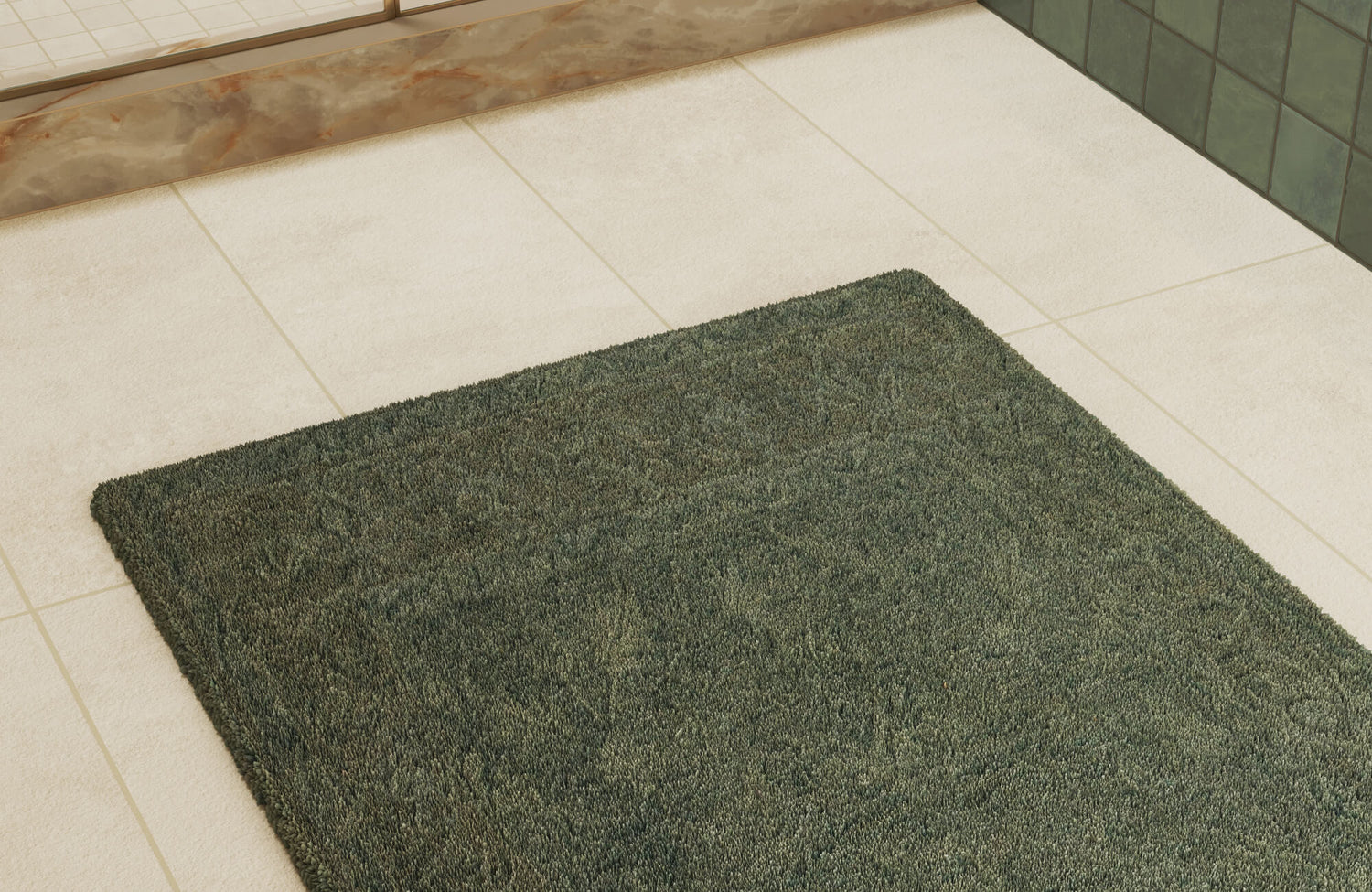
The production of wool rugs also has a lower environmental impact compared to synthetic alternatives. Wool processing requires significantly less energy and water, and because it is naturally flame-resistant, it does not need chemical treatments that could introduce pollutants. Additionally, many wool rugs are dyed using vegetable-based or low-impact dyes, further reducing their environmental impact. For instance, our Mallory Wool Pile Rug in Natural exemplifies this eco-conscious approach, crafted with undyed wool to highlight its raw beauty while minimizing chemical processing, making it a sustainable yet stylish addition to any space.

Comfort and Aesthetic Appeal of Wool
Wool rugs offer more than just durability; they bring grandeur and enduring beauty to any space. From their soft, cushioned texture to their rich colors and versatile designs, wool rugs enhance both comfort and aesthetics in a way that few other materials can match.
Softness and Tactile Experience
One of the defining qualities of wool rugs is their unparalleled softness. Unlike synthetic alternatives, which may feel coarse or flatten over time, wool retains its elasticity, allowing it to bounce back after compression. This resilience also makes wool rugs particularly comfortable for areas where prolonged standing or sitting occurs, such as living rooms and bedrooms.
The texture of a wool rug is also influenced by several factors, including fiber grade, pile height, and weaving technique. Fine wool, often sourced from breeds such as Merino sheep, has an exceptionally soft and silky feel, making it a preferred choice for high-end, hand-knotted rugs.
Natural Beauty and Design Versatility
Beyond comfort, wool rugs are prized for their aesthetic appeal, offering a rich visual texture and depth of color that synthetic materials struggle to replicate. Whether in traditional hand-woven Persian designs or modern geometric patterns, wool rugs display intricate detailing with a level of depth and dimension that enhances their visual impact. The slight sheen of natural wool also contributes to a luxurious appearance, elevating the ambiance of any space.
Wool’s versatility in design extends across various weaving techniques, textures, and styles, catering to diverse interior aesthetics. High-pile wool rugs, such as shag and Moroccan styles, introduce a cozy and relaxed feel, perfect for casual or bohemian interiors. The adaptability of wool also allows you to select from a broad range of patterns, from intricate floral motifs to abstract compositions, ensuring that the rug complements both classic and modern décor.
In addition to pattern and texture variety, wool rugs also seamlessly integrate with different flooring materials, enhancing the overall design cohesion of a space. Whether layered over hardwood, tile, or stone, wool rugs add warmth and dimension, softening hard surfaces while providing a unifying visual element. Consequently, their ability to bridge style preferences, from traditional to contemporary, makes wool rugs a trend-defying investment in both form and function.

Wool Rugs and Home Design Styles
Wool rugs are incredibly versatile, seamlessly complementing a wide range of home design styles while adding warmth, texture, and character to any space. Whether you prefer the elegance of traditional interiors, the clean lines of modern minimalism, the coziness of rustic and Scandinavian designs, or the vibrant layers of bohemian and eclectic spaces, there’s a wool rug to enhance your aesthetic.
Traditional Interiors and Classic Rugs
Wool rugs have long been a staple in traditional interiors, where they add a sense of refinement, history, and sophistication. Hand-knotted Persian and Oriental rugs, often crafted with high-knot-density wool, for instance, are particularly well-suited for classic spaces due to their intricate patterns and rich color palettes. These rugs also typically feature floral, medallion, or arabesque motifs, enhancing the enduring elegance of formal living rooms, dining areas, and grand entryways. Their deep reds, navy blues, and gold accents can complement ornate wood furniture, decorative moldings, and antique pieces, creating a cohesive and luxurious aesthetic.
In addition to their ornamental appeal, wool rugs also contribute to the warmth and acoustics of traditional spaces. The dense fibers absorb sound, minimizing echo in larger rooms with high ceilings and hard flooring materials such as marble or hardwood. Whether anchoring a seating arrangement or serving as a statement piece, a finely crafted wool rug further enhances the grandeur of classic interiors.
Contemporary and Minimalist Spaces
While wool rugs are often associated with classic styles, their versatility allows them to seamlessly integrate into contemporary and minimalist interiors. In modern design, where clean lines and neutral palettes dominate, wool rugs introduce texture and depth without overwhelming the space. Monochromatic wool rugs in shades of ivory, gray, or taupe also provide a soft foundation for sleek furnishings, while geometric or abstract patterns add a subtle visual interest without disrupting the minimalist aesthetic.
Meanwhile, low-pile and flat-woven wool rugs are particularly well-suited for modern spaces, offering a refined yet understated elegance that aligns with the principles of simplicity and functionality. Scandinavian-inspired wool rugs, on the other hand, featuring muted tones and minimalist patterns, reinforce the airy and uncluttered nature of contemporary interiors.
For those seeking subtlety in their space, Edward Martin’s Sweeney Wool Pile Rug in Linen perfectly exemplifies how a wool rug can enhance modern aesthetics. Its subtle texture and neutral hue create a soft backdrop, adding warmth without overpowering the space. Additionally, the organic feel of wool contrasts well with industrial elements such as concrete floors or metal fixtures, softening the overall aesthetic while maintaining a modern look.
Rustic and Scandinavian Designs
Wool rugs also contribute to rustic and Scandinavian interiors, where natural materials and cozy textures define the aesthetic. In rustic homes, handwoven or hand-tufted wool rugs with earthy tones, organic patterns, or distressed finishes enhance the warmth and authenticity of the space. Their textured, high-pile wool rugs, such as Moroccan or Berber styles, also pair well with reclaimed wood, exposed beams, and stone flooring, reinforcing the inviting and lived-in character of rustic interiors.
In the same way, the Scandinavian design also embraces wool rugs for their warmth and understated beauty. Often found in soft neutrals or muted pastels, Scandinavian-style wool rugs contribute to the signature "hygge" atmosphere, a Danish concept emphasizing comfort and coziness. Minimalist wool rugs with simple linear patterns or tonal variations also enhance the light, open feel of Scandinavian interiors, creating a harmonious balance between functionality and aesthetics.
Bohemian and Eclectic Styles
For those who prefer a more expressive and layered aesthetic, wool rugs serve as a foundation for bohemian and eclectic interiors. These spaces embrace a mix of patterns, colors, and textures, making wool rugs an ideal choice for adding character and warmth. Traditional Moroccan and tribal wool rugs, with their bold geometric motifs and handwoven craftsmanship, also complement the free-spirited nature of bohemian design, effortlessly blending with vintage furniture, artisanal décor, and global influences.
Layering wool rugs is another popular approach in eclectic spaces, allowing for a curated yet unstructured look. For instance, a flat-weave kilim rug over a plush wool area rug adds depth and interest, while mixing patterns and color schemes creates a dynamic visual composition.

Cost Analysis and Long-Term Value
While wool rugs may require a higher initial investment, their durability and timeless appeal make them a cost-effective choice in the long run. By considering both long-term savings and resale potential, you can see why wool rugs offer exceptional value beyond their upfront price.
Initial Investment vs. Long-Term Savings
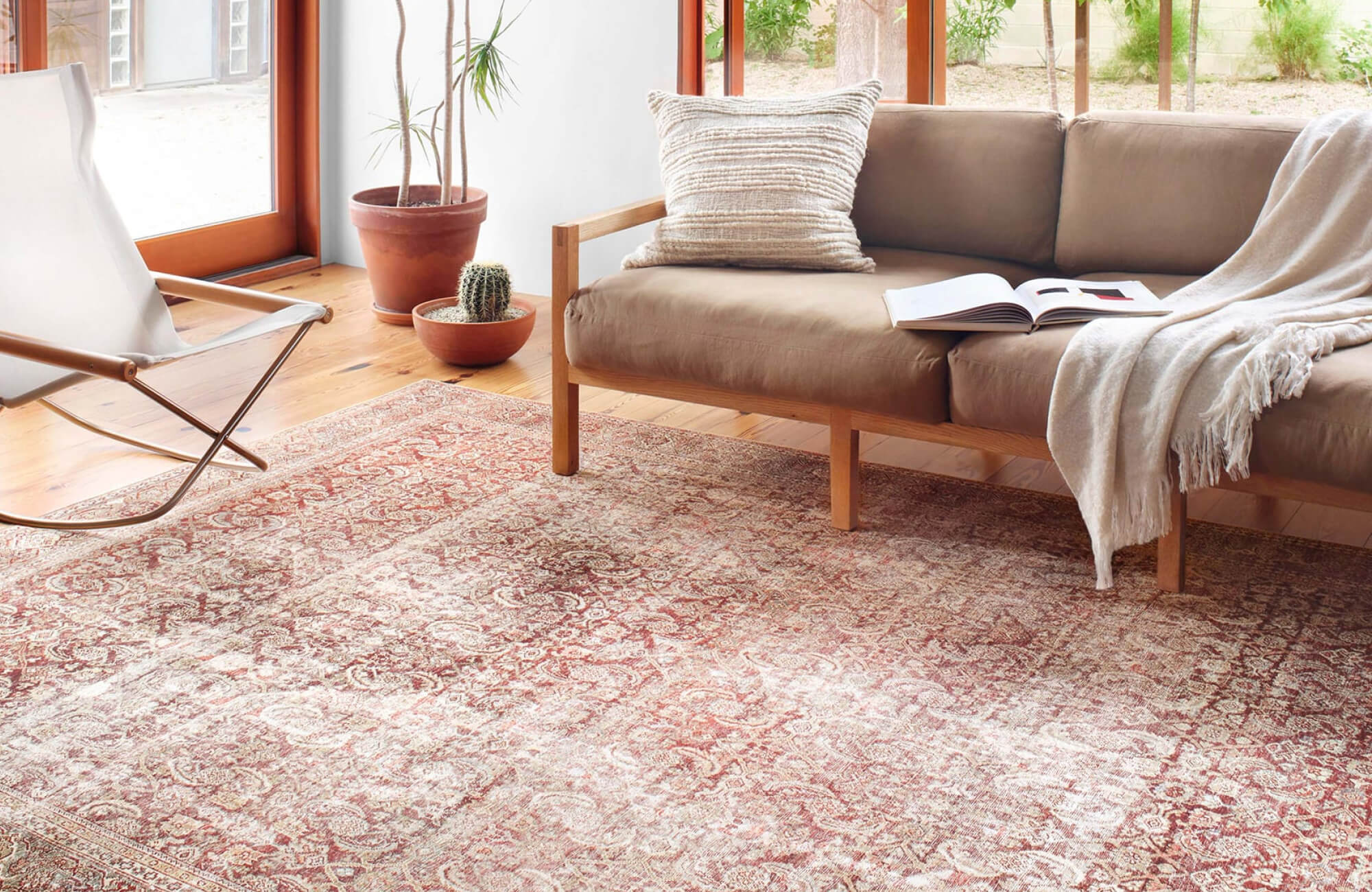
Wool rugs, such as our Mallory Rug in Khaki above, are often perceived as a high-cost investment, but their long-term value far outweighs the initial expense. Compared to synthetic rugs, which may have a lower upfront cost, wool rugs offer superior durability, requiring fewer replacements over time. For example, a high-quality wool rug, particularly one that is hand-knotted or woven with premium-grade fibers, can last for decades with proper care, while many synthetic alternatives begin to show wear, fading, and fiber degradation within a few years. This longevity also translates into significant cost savings, as people avoid frequent replacements and associated expenses.
Wool rugs usually come with a higher upfront cost, which is why many homeowners hesitate at first. However, when you look at how long they last, that cost tends to even out over time. Instead of replacing a rug every few years, a well-made wool rug can stay in good condition for decades. This reduces long-term spending and makes it a more practical investment than it might seem initially. It also holds its appearance better, which means your space continues to look well put together without frequent updates. So while wool rugs are more expensive upfront, they often offer better value in the long run.
If you are also thinking about where to find a wool rug that actually holds up over time, it helps to look at retailers that focus on material quality and construction. At Edward Martin, our collections are built around well-crafted pieces that balance durability, comfort, and long-term performance. This makes it easier to choose a rug that not only fits your style but also continues to look good with everyday use. Having access to thoughtfully made options also takes some of the guesswork out of the process. In the end, where you source your rug plays a big role in how well it performs over time.
Resale Value and Investment Potential
Unlike mass-produced synthetic rugs, wool rugs retain their value over time, often appreciating as they age. High-quality wool rugs, particularly those crafted in traditional weaving regions such as Persia, Turkey, and India, are considered collectible pieces, with some increasing in value due to their craftsmanship, rarity, and historical significance. Antique and vintage wool rugs also frequently command high prices in resale markets, making them a worthwhile investment for collectors and design enthusiasts.
Even for those who do not intend to sell their rugs, a well-maintained wool rug can enhance a property’s overall value. Interior design helps in real estate appeal, and a premium wool rug can serve as a long-lasting design element that elevates a room’s aesthetic. In upscale properties or professionally staged homes, wool rugs also contribute to a polished, high-end look that can positively influence buyer perception.
This table provides a general cost comparison based on estimated averages and common market trends. Actual pricing, maintenance expenses, and longevity may vary depending on the specific brand, construction quality, and care routine. For the most accurate cost assessment and expert guidance, it’s always best to consult directly with a trusted flooring professional or retailer to explore options that best suit your needs and budget.
| Category | Initial Cost (8x10 ft) | Expected Lifespan | Maintenance Costs (Annual) | Replacement Frequency (50-Year Span) | Estimated Total Cost Over 50 Years |
| Wool Rug (Hand-Knotted) | $2,500 - $10,000 | 50+ years | $50 - $150 (Vacuum & Occasional Professional Cleaning) | None (With Proper Care) | $2,550 - $10,750 |
| Wool Rug (Machine-Made) | $500 - $1,500 | 10-20 years | $30 - $100 (Basic Cleaning & Spot Treatments) | 2-5 Times | $2,000 - $8,500 |
| Synthetic Rug (Polypropylene) | $200 - $800 | 3-5 years | $50 - $150 (More Frequent Cleaning & Stain Removal) | 10-15 Times | $2,500 - $12,000 |
Wool Rugs, a Lasting Investment in Quality and Style
Wool rugs make sense when you look at how they perform day to day, not just how they look at first glance. They stay comfortable underfoot, hold their shape, and handle regular use without quickly wearing down. Over time, they also tend to keep their color and texture, which helps your space feel consistent and well put together. You are not just buying something decorative; you are choosing a material that continues to work for you long after it is placed. That balance of comfort, durability, and long-term reliability is what makes wool stand out. For many homeowners, it becomes less of a purchase and more of a practical upgrade.
What really makes the difference is choosing the right wool rug for your space and how you live in it. Factors like pile height, construction, and placement all play a role in how well it performs over time. If you want to make sure you are getting the most out of your investment, having the right guidance can help you avoid second-guessing later. Our design team can walk you through options that match your layout, style, and everyday use, so everything feels intentional from the start. It is a more straightforward way to choose a rug that not only looks right but continues to hold up over time.