White tile has long symbolized clarity, brightness, and timeless elegance, lending a refined, airy quality to both classic and contemporary spaces. Whether laid across kitchen floors or climbing bathroom walls and kitchen backsplashes, its clean aesthetic enhances natural light and supports a wide range of interior design styles.
Among the many tile types available, white ceramic tile stands out for its practical benefits, including low porosity, affordability, and ease of manufacturing in various finishes. Its widespread use in busy and moisture-prone areas makes it a staple in both residential and commercial applications. Understanding how factors like surface glaze, grout type, placement, and environmental exposure affect its upkeep is key to preserving its brilliance with minimal effort.

Visual Sensitivity to Everyday Contaminants
White ceramic tiles are exceptionally reflective and often associated with clinical cleanliness, which makes even the slightest debris appear more noticeable. This visual transparency can influence user perception, leading to more frequent cleaning routines to preserve their crisp, spotless appearance.
High Light Reflectance and Surface Brightness
With their high Light Reflectance Value (LRV), white ceramic tiles enhance ambient brightness, making rooms feel open and expansive. However, this same reflectivity also causes dust, smudges, and footprints to appear more prominently compared to darker surfaces. Even subtle residue can become highly visible, especially under directional lighting or in sunlit rooms. As a result, tile installations in entryways or open-concept kitchens may show signs of use more quickly than expected. While this doesn’t necessarily mean they’re less hygienic, the optical contrast can create a perceived need for constant maintenance. This perception, more than any actual material weakness, often defines how users approach cleaning frequency.
Cleanliness Expectations and Visual Standards
Because of their association with minimalism and order, white ceramic tiles tend to elevate cleanliness standards within a space. Any disruption to their pristine look, like fine dust, pet hair, or water spots, draws attention instantly. This high visual sensitivity also shapes how clean occupants believe their spaces should be, even when hygiene levels are already sufficient. Particularly in kitchens and bathrooms, where hygiene is visually scrutinized, the appearance of white tile can prompt immediate cleaning responses. Over time, this behavioral pattern reinforces the idea that white ceramic tiles are more demanding, even though the material itself is not inherently difficult to maintain. The expectation of perfection, not the surface’s performance, often becomes the greater challenge.

Grout Visibility and Long-Term Care
Though the surface of ceramic tile is glazed and non-porous, the surrounding grout is often the weakest link in maintaining a consistently clean appearance. In white ceramic tile applications, grout lines become even more visible, drawing the eye toward areas where discoloration may occur first.
Porous Cement Grout and Moisture Absorption
Most ceramic tile installations use traditional cementitious grout, which, unlike the tile itself, is porous and highly absorbent. In high-humidity areas or wet zones, this grout can absorb moisture, harbor mold, and retain dirt. As the surrounding ceramic tile remains bright and smooth, any changes in the grout’s color become immediately noticeable. Without proper sealing, the grout begins to show signs of wear long before the tile does. This contrast often gives the false impression that the entire installation is dirty, when in fact it's isolated to the grout joints. A long-term care plan that includes sealing and gentle scrubbing is essential to preserve visual harmony.
Stain Retention and Grout Color Shift
Over time, grout can discolor due to exposure to everyday staining agents like coffee, red wine, body oils, and cleaning product residue. White ceramic tiles amplify this discoloration, as even light beige or gray shifts in grout color stand out against the tile’s clean background. These stains, once set, can also become nearly impossible to remove using standard cleaners. Aggressive chemical agents may offer some relief but can degrade the grout or create uneven tones. Ultimately, without proactive maintenance, grout discoloration can prematurely age an otherwise pristine ceramic tile installation. The key is early intervention with gentle, non-acidic cleaners and the use of penetrating grout sealers.
Using Epoxy Grout to Improve Durability
To address the limitations of traditional grout, many professionals now recommend pairing white ceramic tiles with epoxy grout, particularly in high-moisture or busy environments. Unlike cementitious grout, epoxy is non-porous, resistant to staining, and requires no sealing. Its chemical structure also forms a water-tight bond that prevents grime, mildew, and colored liquids from embedding. Although installation is more meticulous and cost-intensive, epoxy grout significantly reduces future maintenance demands. For homeowners seeking a clean white tile look without grout discoloration issues, this alternative offers lasting visual consistency. It complements the cleanability of ceramic tiles while removing grout as a visual and functional weak point.

Surface Finish and Its Influence on Daily Maintenance
The surface finish of ceramic tiles directly affects their interaction with dirt, moisture, and cleaning agents. Choosing the right finish ensures that white ceramic tiles remain visually flawless while requiring minimal effort to maintain.
Benefits of Glossy Glazed Ceramic Finishes
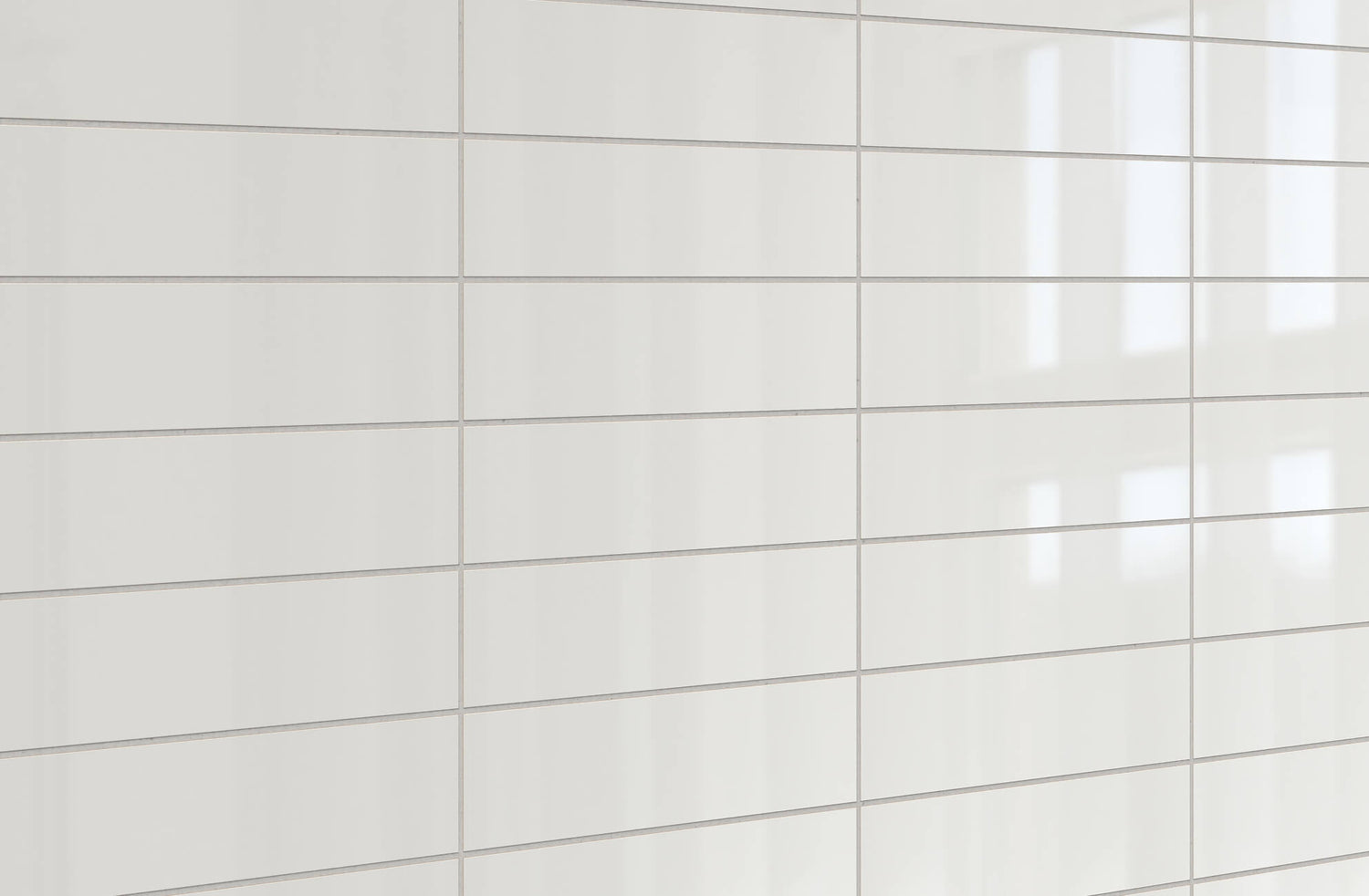
Glossy glazed ceramic tiles feature a smooth, non-porous coating that acts as a protective barrier against spills and residue. This reflective surface allows dust and liquids to sit on top, making them easy to wipe away with a damp cloth or pH-neutral cleaner. Because they resist absorption, glossy ceramic tiles are ideal for kitchen backsplashes and bathroom walls where splashes are frequent. Their sheen also enhances natural light, reinforcing the tile’s clean and polished look.
A perfect example is the Jojo 2x6 Glossy Ceramic Tile in Ivory, which combines elegant softness with a luminous finish that suits both modern and classic interiors. Its compact size and subtle color variation further accentuate light reflectivity while maintaining a sleek, timeless surface. However, like many glossy finishes, it can show smudges and water marks in direct light, so regular but gentle wiping is recommended. Overall, their low-absorption finish makes them exceptionally well-suited for environments where fast, easy maintenance is desired.
Matte Ceramic Tiles and Texture Considerations
Matte-finish ceramic tiles, while popular for their modern aesthetic and slip-resistant texture, present unique cleaning challenges. Their subtle surface texture can trap fine debris, especially in dry environments where sweeping replaces mopping. Though they conceal light dust better than glossy tiles, they often require deeper cleaning to remove buildup in micro-textures. For busy areas, matte ceramic tiles offer a practical balance between safety and design but come with slightly increased upkeep.
An excellent example, as displayed in the photo above, is Edward Martin’s Zayne 12x36 Matte Ceramic Tile in Blocks, which features a dimensional pattern that adds visual interest while maintaining a modern, low-glare finish. This tile is ideal for those seeking a contemporary look with subtle texture, provided regular maintenance is part of the plan. Specialized soft-bristle brushes or steam cleaning can help dislodge particles without damaging the surface. Understanding this trade-off allows users to align visual goals with practical cleaning routines.
Cleaner Compatibility and Surface Preservation
White ceramic tiles are generally compatible with a wide range of cleaning agents, but improper product use can still degrade finishes over time. Acidic cleaners can erode grout and dull glazes, while harsh alkaline solutions can leave residues that attract more dirt. pH-balanced tile cleaners are ideal for everyday use, preserving both color vibrancy and surface gloss. For tougher stains, oxygenated cleaners offer effectiveness without the damage of bleach or acid-based solutions. Manufacturers typically provide product-specific recommendations to protect ceramic glazes. Following these guidelines ensures the tile’s surface remains resilient and easy to clean, even after years of use.

Environmental Impact on Ceramic Tile Maintenance
Where ceramic tiles are installed plays a pivotal role in how often they must be cleaned and what types of contaminants they encounter. Environmental exposure, foot movement, and usage patterns all shape maintenance frequency and product longevity.
Floor Placement and Soil Load Management
While ceramic tile is most commonly preferred for wall applications due to its lighter weight and decorative finish, certain styles are manufacturer-rated for floor use; these should be the only options considered in busy areas. Ceramic floor tiles placed in entryways, mudrooms, or kitchens face a constant influx of grit, dust, and liquids. Without mats or daily sweeping, soil can settle into grout joints and abrade the glaze over time. A consistent maintenance routine, combining dry debris removal with damp mopping, is key to preserving clarity and performance. In addition, placement in light-use zones reduces these impacts significantly. Designing with maintenance in mind also helps ensure both long-term aesthetics and material durability. For best results, always follow the manufacturer's recommendations regarding tile placement and care to maximize performance and longevity.
Vertical Installations and Moisture Resistance
White ceramic tiles used on vertical surfaces, such as shower walls or kitchen backsplashes, experience fewer abrasive forces and stay cleaner for longer. Their glazed surface also naturally resists moisture absorption, making them a top choice for wet environments. Unlike porous materials, ceramics do not swell or degrade when exposed to humidity. Any splashes or films that do accumulate are typically superficial and can be wiped away easily.
A great example is the Sarina 3x12 Glossy Ceramic Fishscale Tile in Cloud, as shown in the photo above. It combines a striking curved pattern with a smooth, glossy finish ideal for bathrooms or backsplashes prone to moisture. Its elegant shape and non-porous surface also make it both decorative and practical for vertical applications. Because of these characteristics, vertical tile installations require less frequent deep cleaning and retain a fresher appearance. This makes them ideal for feature walls and functional vertical applications alike.
Air Quality, Humidity, and Environmental Control
Poor ventilation and high humidity can lead to mold, mildew, and sticky residues that compromise even the most stain-resistant ceramic tile surfaces. Bathrooms without exhaust fans or kitchens without range hoods create microclimates that encourage unwanted buildup. Over time, airborne grease or moisture can settle on ceramic surfaces and grout, dulling their shine and cleanliness. To counteract this, effective HVAC systems, dehumidifiers, and localized ventilation can dramatically improve outcomes. Ceramic tiles, especially when properly installed and maintained, respond well to these environmental adjustments. Maintaining a balanced interior climate not only supports tile hygiene but also extends its visual appeal.

Innovations and Low-Maintenance Surface Technologies
Modern advancements in ceramic tile manufacturing have dramatically improved the material’s performance, making white ceramic tiles easier to maintain than ever before. Through cutting-edge coatings and functional enhancements, they now offer a seamless blend of elegance, resilience, and practicality.
Antimicrobial and Photocatalytic Surface Coatings
Some white ceramic tiles are now manufactured with embedded antimicrobial coatings that inhibit bacterial and fungal growth at the surface level. In bathrooms, kitchens, and healthcare environments, this added protection reduces the risk of contamination and staining between cleaning cycles. Photocatalytic technologies, activated by light exposure, also help break down organic matter and airborne pollutants on tile surfaces. These self-cleaning properties reduce cleaning frequency while maintaining a fresh appearance. Though subtle in application, such innovations dramatically improve the hygiene profile of white ceramic installations. When paired with thoughtful placement and routine care, these coatings ensure long-term surface cleanliness with minimal effort.
Hydrophobic Glazes and Dirt-Repellent Finishes
Hydrophobic ceramic glazes cause water and oil-based substances to bead and roll off, instead of soaking in or spreading across the surface. This reduces water marks, soap scum buildup, and greasy film on walls and countertops. These coatings also simplify everyday cleaning and limit the use of abrasive products or aggressive scrubbing. When applied to white ceramic tiles, the visual benefits are particularly pronounced, as staining and discoloration are minimized. The result is a tile that maintains its pristine look even in high-use environments. These finishes are increasingly available in both glossy and matte ceramic options, offering flexibility without sacrificing performance.
Digitally Printed Ceramic Tiles That Mimic Stone or Concrete
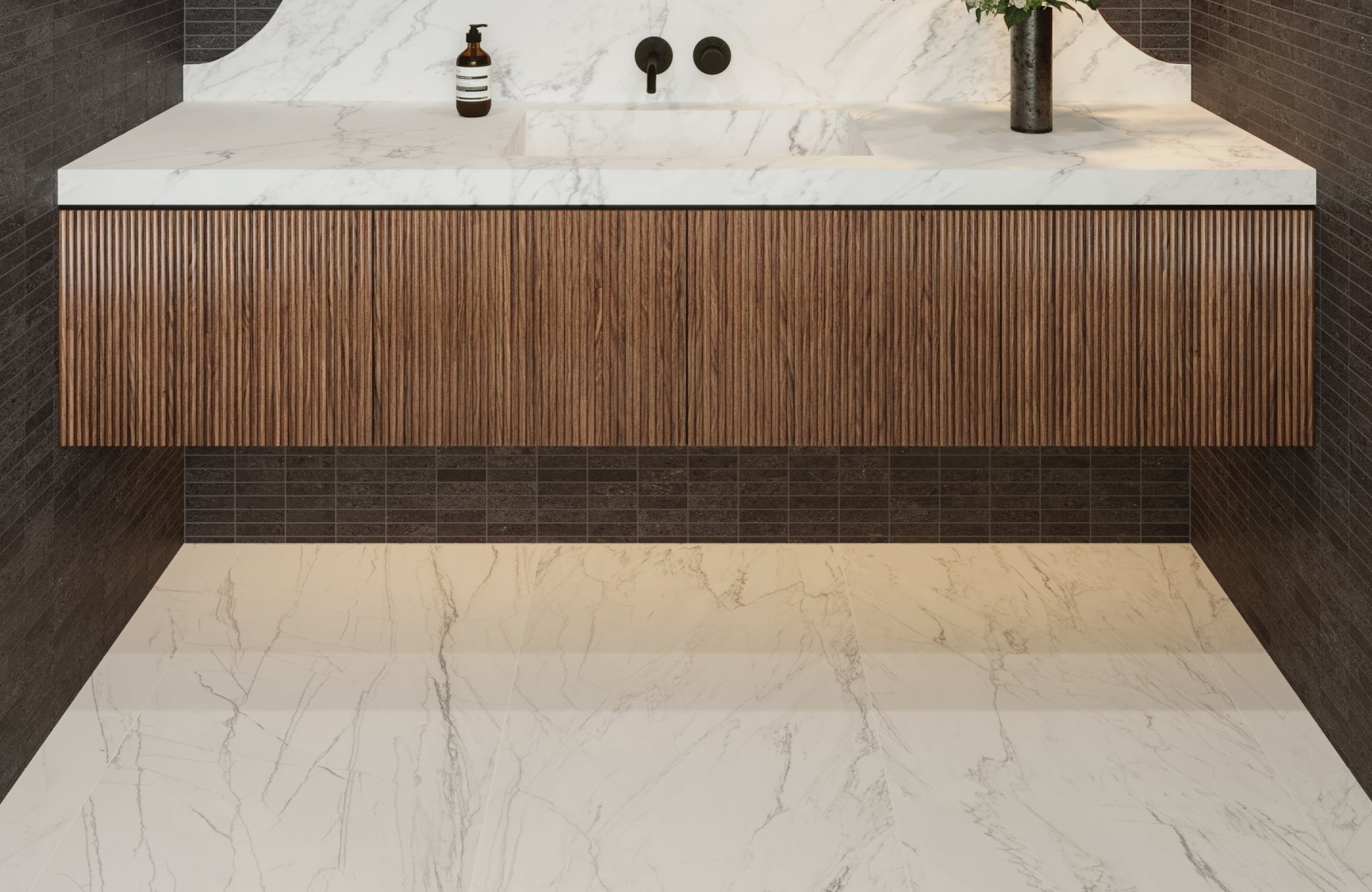
With the advancement of digital inkjet printing, ceramic tiles can now mimic the look of natural stone or raw concrete while maintaining the easy-care surface of glazed ceramic. These high-resolution patterns offer the sophistication of marble or travertine without the upkeep associated with those materials. The printed glaze also remains smooth and non-porous, ensuring that dirt and spills do not settle into crevices or texture. This means homeowners can enjoy the luxurious visuals of natural materials alongside the practicality of ceramic maintenance. For white ceramic tiles, these digital designs expand the creative palette without increasing cleaning complexity. The innovation lies in merging visual richness with function, making design-forward spaces more livable.
To help visualize how these options will look in your space, Edward Martin’s augmented reality (AR) tool lets you preview tile patterns, shapes, and finishes in real time, directly from your mobile device.
Sustaining the Clean Look of White Ceramic Tiles
White tile, particularly in its ceramic form, combines visual sophistication with functional resilience when selected and maintained with care. Its glazed surface, low maintenance profile, and adaptability to protective technologies make it an ideal solution for everyday living. With the right pairing of material choices and thoughtful cleaning strategies, white ceramic tiles can remain as luminous as the day they were installed. Their enduring charm is matched only by their surprising practicality in even the busiest spaces.
To explore finishes firsthand, Edward Martin offers tile samples, perfect for evaluating texture, color, and maintenance fit. Request samples easily and start designing with confidence!