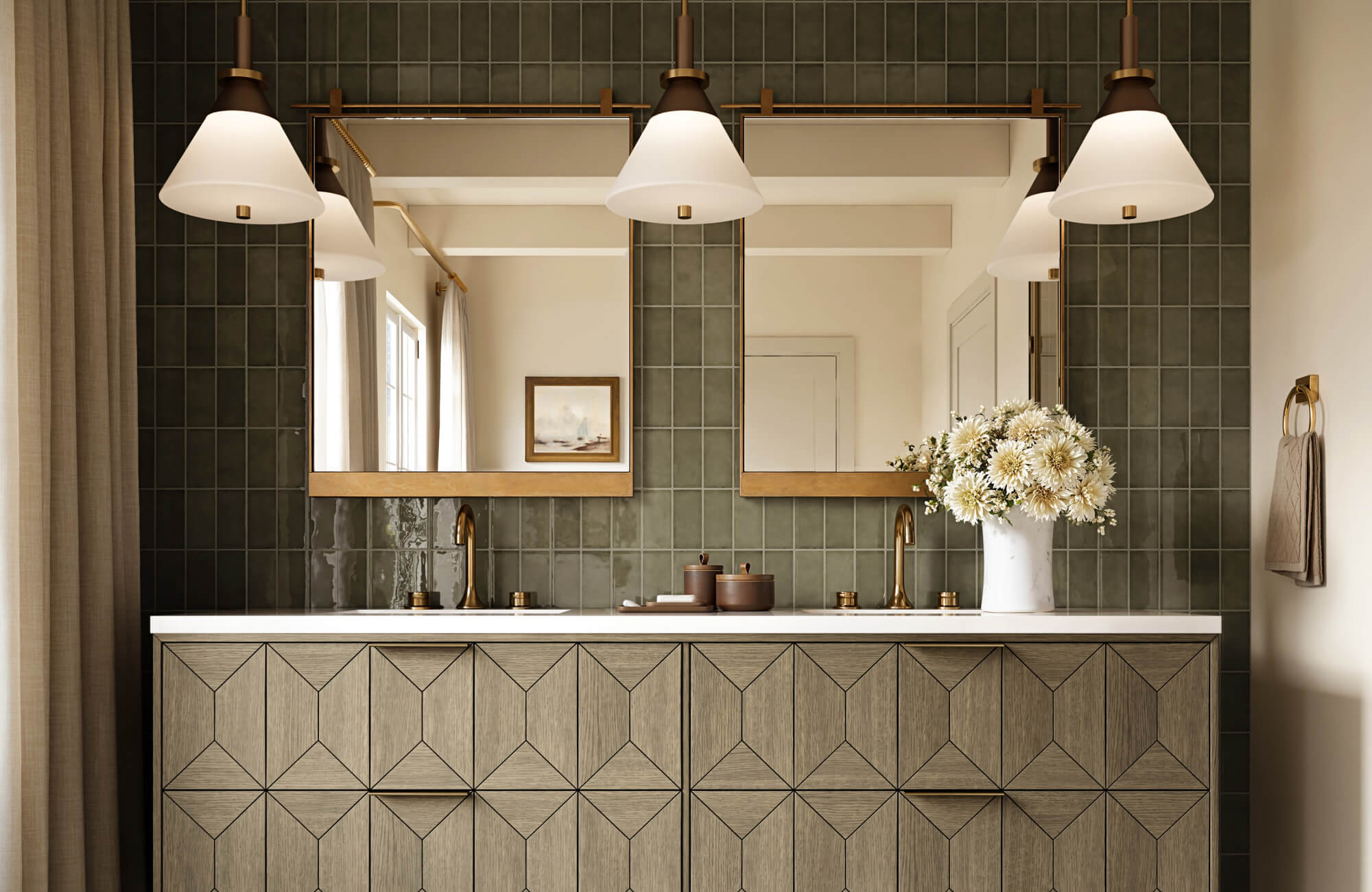
Wavy and organic-shaped mirrors are no longer niche novelties; they’re quickly becoming essential elements in design-forward interiors. With their asymmetrical lines and sculptural contours, these mirrors do more than reflect; they animate a room, introduce softness, and push past traditional boundaries of function and form.
More than just a passing trend, their rise speaks to a deeper shift in consumer taste, toward decor that feels expressive, sensory, and emotionally resonant. In this blog, we’ll explore the design evolution behind organic mirrors, their aesthetic and spatial benefits, and how you can integrate them with confidence.

The Rise of Organic Forms in Home Decor
As interior design continues to evolve, more homeowners and designers are turning away from rigid lines and uniformity in favor of shapes that feel more instinctive and alive. This shift reflects broader changes in how we think about comfort, connection, and creativity within the spaces we inhabit.
Breaking Away from Traditional Symmetry
Traditionally, interior design emphasized symmetry to convey order and elegance. From Neoclassical layouts to mid-century modern styles, straight lines and balanced compositions dominated. Today, however, asymmetry and irregularity are being embraced as expressions of individuality and spontaneity.
In this context, postmodern design principles have helped redefine visual balance. Rooted in emotional resonance and visual intrigue, freeform elements, like curved furnishings, sculptural lighting, and amorphous wall decor, are replacing rigid forms to create more dynamic and engaging spaces. A perfect example of this shift is Edward Martin’s Shirley Small Mirror in Antique Brass Iron, which features an off-kilter silhouette that introduces softness and sculptural character, ideal for open or transitional interiors.
The Influence of Biophilic Design
Closely related to this design shift is the growing popularity of biophilic design, which emphasizes our innate connection to nature. Integrating natural forms and textures into interiors has been shown to reduce stress, improve cognitive function, and enhance overall well-being. Through this lens, organic shapes, reminiscent of stones, leaves, or flowing water, bring this philosophy to life. Whether through curved mirrors, arched doorways, or pebble-like furnishings, these elements soften harsh interiors and add a calming, tactile quality that resonates deeply in residential settings.
Why Wavy Mirrors Resonate Now
Among these organic elements, wavy mirrors stand out as both functional and sculptural. Their asymmetrical contours challenge the predictability of traditional shapes, transforming mirrors into expressive focal points that double as art.
Moreover, their growing appeal reflects broader cultural shifts toward personalization, craftsmanship, and meaningful design. As consumers seek more connection and authenticity in their living spaces, wavy mirrors, often crafted from hand-poured resin or molded wood, offer a sense of uniqueness aligned with slow living values. Their irregular shapes also interact with light in surprising ways, animating walls and enhancing ambiance with a sense of effortless movement.

What Defines a Wavy or Organic Mirror
While wavy mirrors may first catch the eye for their playful forms, there's far more at work behind their appeal. From the shape of the glass to the materials that frame it, every detail contributes to how these mirrors function and how they transform a space.
Shapes and Silhouettes
At the core of an organic mirror’s appeal is its shape. Unlike traditional mirrors bound to rectangles, circles, or ovals, organic designs are characterized by asymmetry and fluid contours. These freeform silhouettes often echo biomorphic shapes like water ripples, clouds, or terrain, bringing movement and softness to rigid architectural lines.
As a result, these mirrors introduce visual rhythm and serve as dynamic focal points. Whether used in minimalist or structured interiors, they help break visual monotony and guide the eye, often developed using parametric modeling to achieve balance without symmetry.
Materials and Finishes
Equally important to their shape is the choice of material. While the reflective glass remains a given, expressive frames in molded wood, resin, fiberglass, or even upholstered foam enable more sculptural forms and a tactile, dimensional presence.
To further enhance their organic appeal, finishes such as matte textures, hand-painted details, and earthy hues, like terracotta or olive green, add depth and warmth. In more artisanal designs, techniques like waterjet cutting or raw-edge finishing offer a handcrafted quality that amplifies uniqueness.
One example that captures this synergy of form and finish is Edward Martin’s Rory Mirror in Antique Brass Iron. As seen above, its fluid silhouette and warm brass frame harmonize beautifully with surrounding materials while elevating the overall ambiance with quiet sophistication.
The Importance of Reflection
Beyond shape and material, reflection itself is essential to the mirror’s overall impact. In organic mirrors, it’s less about pristine symmetry and more about visual interplay. Their irregular outlines produce fragmented, artful reflections that enhance depth, texture, and character. Depending on lighting conditions, curved surfaces scatter light unpredictably, creating soft glows and shifting shadows that animate nearby walls. Whether in bright or dim environments, these mirrors are often used strategically to soften harsh lines and add nuance, striking a balance between expressive design and everyday functionality.

Integrating Wavy Mirrors into Diverse Interior Styles
Thanks to their fluid form and artistic presence, wavy or organic mirrors adapt easily across a spectrum of interior styles. Whether your space leans minimal, eclectic, or somewhere in between, these mirrors can be tailored to enhance both function and personality without missing a beat.
Modern Minimalist Spaces
In minimalist interiors, defined by clean lines and restrained palettes, wavy mirrors add gentle contrast and visual softness without disrupting the clarity of the design. Their irregular contours help break up rigidity, while finishes like matte black or soft white keep the aesthetic grounded and intentional.
On top of that, opting for frameless or lacquered-edge designs maintains cohesion in clutter-free environments. Placed above floating consoles or leaning against bare walls, these mirrors act as both focal points and spatial expanders. Edward Martin’s Rory Mirror in Matte Black exemplifies this balance, introducing visual depth and harmony in the expansive bathroom setting above.
Bohemian and Eclectic Interiors
Moving into more expressive territory, bohemian and eclectic styles are ideal for wavy mirrors due to their embrace of imperfection and individuality. Designs featuring natural wood, earth-toned resin, or distressed finishes complement the layered textures of woven rugs, ceramics, and macramé.
For even more impact, bolder versions, such as tinted glass or hand-painted frames, further enrich eclectic palettes and blend easily with vintage pieces and mixed media. Meanwhile, smaller organic mirrors work well in gallery-style arrangements, adding visual interest and depth without overwhelming the composition.
Transitional and Contemporary Homes
Shifting toward a more balanced aesthetic, transitional interiors, which combine classic elements with modern touches, benefit from the subtle fluidity of wavy mirrors. A mirror in antique brass or champagne finish can soften symmetrical layouts while echoing traditional details like moldings and woodwork.
In contrast, contemporary homes with open layouts and an emphasis on light and scale thrive on large sculptural mirrors that reflect and amplify brightness. Whether positioned opposite a window or softly backlit, these mirrors introduce an elevated, artful quality to entryways, bathrooms, and living areas. Regardless of style, maintaining proportion is essential; the mirror should enhance the architecture, not compete with it.
Unexpected Placements and Pairings
Beyond fitting neatly into stylistic categories, wavy mirrors also shine in unexpected locations. For example, placing one in a narrow hallway or at the end of a corridor elongates sightlines and eases architectural rigidity. In dining rooms, they add a sense of movement to otherwise symmetrical setups; in children’s rooms or creative studios, their playful contours introduce energy and imagination.
Furthermore, pairing wavy mirrors with unexpected materials, such as concrete, lacquer, or industrial metals, creates bold visual tension that enhances both elements. Combined with pendant lighting or sconces, these mirrors create an engaging interplay of light and reflection, elevating both mood and spatial character.
To support these inventive applications, Edward Martin offers a personalized design consultation that aligns mirror choices with complementary tile, rug, and furniture selections. From one-on-one sessions to detailed follow-ups, our expert guidance ensures a seamless integration of form and function. For tailored recommendations or product support, contact us. We’re here to help elevate your space with thoughtful, expressive design.

The Psychological and Aesthetic Benefits
Beyond their visual charm, wavy mirrors can subtly influence how a space feels, shaping mood, perception, and even the way we move through a room. By blending form with function, they offer benefits that go well beyond surface appeal.
Creating Flow and Movement
One of the defining qualities of wavy mirrors is their ability to introduce visual motion through undulating contours, creating what designers refer to as kinetic harmony. This sense of fluidity softens static layouts and helps guide the eye naturally through a space. In practical terms, whether placed in hallways, above sofas, or across from arches, these mirrors subtly reinforce circulation and ease transitions, especially in open-plan settings. Their organic shapes also promote relaxation by reducing the visual tension caused by abrupt angles or hard architectural lines.
Softening Harsh Lines and Angles
In a similar vein, wavy mirrors provide a gentle counterbalance in interiors dominated by sharp geometry. Their curved forms interrupt rigid patterns and help soften architectural severity, making rooms feel warmer and more inviting. Moreover, by introducing visual contrast, they add dimension and rhythm without overwhelming the space. This ability to harmonize opposites reflects key principles in biophilic and holistic design, which prioritize emotional comfort and sensory balance.
Enhancing Natural Light and Space
Beyond aesthetics, wavy mirrors contribute to spatial function by enhancing both light and scale. Like traditional mirrors, they expand space and reflect illumination, but their irregular edges scatter light in more nuanced ways, creating a soft, ambient glow that elevates mood and visibility. When positioned near windows or light sources, they can brighten darker rooms and visually enlarge compact areas such as entryways or bathrooms. A striking example of this effect is Edward Martin’s Shirley Large Mirror in Antique Brass Iron, as displayed above, which boosts natural light while complementing the room’s earthy materials and tonal palette.
A Statement of Artistic Expression
In addition to their functional and spatial benefits, wavy mirrors serve as sculptural expressions of personal style. Their nontraditional shapes challenge the utilitarian perception of mirrors, elevating them into the realm of art. As a result, they become curated focal points in both minimalist and layered interiors, signaling creativity, individuality, and design confidence. Their presence fosters emotional connection, helping occupants engage with their environment on a more expressive and personal level.
Refined Reflections in Modern Design
Hence, wavy and organic mirrors are more than trend-driven accents; they’re a reflection of how we want our spaces to feel: fluid, expressive, and intentionally composed. Their sculptural lines and softened forms bring dimension and warmth, aligning perfectly with interiors shaped by biophilic design and personal storytelling. At Edward Martin, we believe even a single piece can shift the energy of a room. A well-placed wavy mirror doesn't just fill a wall; it enhances the rhythm, light, and character of a space. Let it inspire the next layer of your design vision.