At first glance, rugs and carpets may seem interchangeable. Both soften a space, add warmth, and enhance visual appeal. However, the difference between the two goes far beyond simple terminology.
In essence, a carpet is a fixed, wall-to-wall flooring solution, while a rug is a movable textile that defines and enhances specific areas within a space. From how they’re constructed to how they function in a room, each serves a distinct purpose. In this guide, we explore the key differences between rugs and carpets, from construction and history to practical use and design, so you can make a more informed choice for your space.

Defining the Core Construction Method
To better understand the distinction between rugs and carpets, it’s helpful to start with how each is constructed and installed, as this directly shapes how they function within a space.
Woven Integration vs. Independent Layering
Carpets are designed as a permanent part of the floor. Installed wall-to-wall, they are secured using tack strips, adhesives, or stretch-fitting techniques to ensure a seamless, stable surface. Most carpets, particularly broadloom styles, are manufactured in large rolls, allowing them to cover entire rooms without visible seams.
This integrated approach creates a cohesive look while also improving insulation and reducing noise. However, it also means that installation and removal typically require professional assistance, making carpets a long-term commitment.
Rugs, by contrast, are independent pieces. They rest on top of existing flooring and can be easily moved, repositioned, or replaced. This flexibility makes rugs especially valuable in dynamic interiors, where layouts and styles evolve over time. Whether used to anchor furniture or introduce texture and color, rugs offer a low-commitment way to transform a space.
Backing Materials and Edge Treatments
Carpets rely on a structured backing system to maintain their shape and durability. Most feature a multi-layer construction, including a primary backing that secures the fibers and a secondary layer that reinforces stability. In commercial applications, additional materials such as thermoplastics may be used to improve resilience and moisture resistance.
Because carpets are installed as part of the floor, their edges are typically concealed beneath baseboards or transitions, eliminating the need for decorative finishing.
Rugs, on the other hand, require carefully finished edges to prevent fraying and preserve their structure. Depending on their construction, they may feature fringes commonly seen in traditional hand-knotted designs, selvedge edges where threads are tightly bound for durability, or serged edges often used in machine-made rugs for a clean, polished look. These finishing details are not only functional but also contribute to the rug’s overall character.

Historical Evolution and Cultural Significance
Beyond construction, the differences between rugs and carpets are also rooted in their historical development, reflecting how each evolved alongside changing lifestyles and cultural traditions.
Nomadic Origins vs. Architectural Integration
Rugs trace back to nomadic cultures, where portability was essential. Woven from materials like wool, these textiles served multiple purposes, providing warmth, comfort, and a sense of identity. Their patterns often carried symbolic meaning, reflecting heritage, beliefs, and daily life.
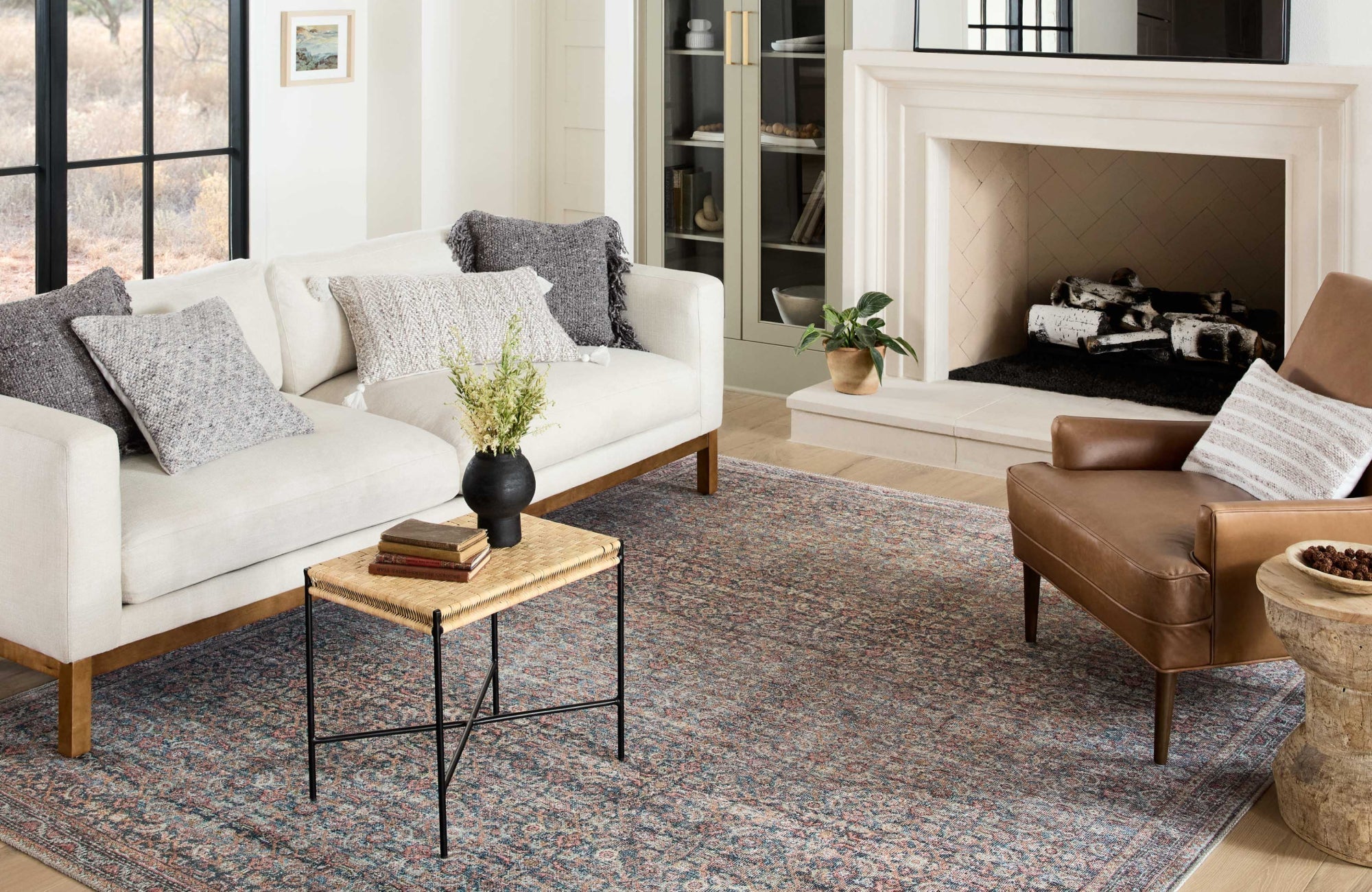
This tradition continues today in thoughtfully crafted pieces like Edward Martin’s Mallory Rug in Ocean, where time-honored techniques meet modern design sensibility. As societies transitioned into permanent settlements, carpets evolved alongside architecture. No longer portable, they became integral to interior spaces, particularly in palaces and grand residences. Materials grew more refined, designs more intricate, and carpets themselves became symbols of status and artistry.
Regional Variations and Symbolism
Across cultures, rugs and carpets have taken on distinct visual languages. In the Middle East, Turkish prayer rugs feature the iconic mihrab motif, guiding spiritual practice while showcasing intricate craftsmanship. Persian carpets are celebrated for their dense knotting and elaborate patterns, often symbolizing themes like life, harmony, and abundance.
In Europe, carpets such as Savonnerie and Aubusson designs were created for aristocratic interiors, emphasizing elegance through ornate floral and mythological motifs. Meanwhile, Chinese carpets often incorporate symbolic imagery like dragons and phoenixes, representing power and balance. These regional distinctions highlight how both rugs and carpets function as cultural artifacts, not just decorative elements.

Functional Applications and Spatial Impact
While their origins provide valuable context, their true distinction becomes even more apparent in how they are used to shape the look, feel, and function of a space today.
Room Coverage vs. Defined Areas
Carpets provide full-room coverage, creating a unified and comfortable surface. In both residential and commercial settings, they help reduce noise, improve insulation, and establish a consistent visual foundation. This makes them especially effective in large or busy areas where continuity is key.
Rugs, by contrast, are used to define and highlight specific zones within a room. A well-placed rug can anchor a seating area, soften a bedroom, or add depth to a dining space. For instance, a piece like the Hutchinson Rug in Sage Graphite introduces subtle pattern and tonal variation, enhancing the overall atmosphere without overwhelming the design. Rugs also allow for layering and experimentation, making them a versatile tool in interior styling.
Practicality and Maintenance Considerations
Maintenance is another area where rugs and carpets differ significantly. Because carpets cover large areas, they tend to trap more dust, allergens, and debris. Regular vacuuming is essential, along with periodic professional cleaning to maintain their appearance and longevity. While modern materials offer improved stain resistance, deep cleaning can still be challenging.
Rugs are generally easier to care for due to their smaller size, allowing for more manageable cleaning through routine vacuuming, spot treatment, or professional servicing. However, maintenance needs vary by material. High-pile rugs require gentle care to prevent matting, while flatweaves are typically low-maintenance and easy to clean. Rugs made from natural fibers such as wool or silk often benefit from specialized cleaning to preserve their structure and appearance.
Another key advantage is portability, as rugs can be removed, cleaned, or replaced with minimal effort, making them a practical choice for evolving spaces. As installation and care needs can vary by material and construction, seeking professional guidance or consulting with experts can help ensure the best long-term results.

Market Differentiation and Consumer Perception
In addition to function and design, the way rugs and carpets are positioned in the market further highlights their differences, influencing how they are selected, valued, and experienced.
Retail Categorization and Pricing
Carpets are marketed as a flooring solution and are typically priced per square foot. Costs vary depending on material and construction, with wool options offering premium durability and synthetic fibers providing more budget-friendly alternatives.
Rugs, by contrast, are sold as individual design pieces, with pricing influenced by size, material, and craftsmanship. Synthetic rugs offer accessible entry points, while machine-made options strike a balance between affordability and style. At a higher level, hand-knotted rugs are considered long-term investment pieces, valued for their artistry and durability. At the top end of the market, rare or antique rugs can command significant prices, reflecting both their cultural significance and collectible value.
Design Trends and Customization
Modern design trends have expanded possibilities for both rugs and carpets. Carpets now incorporate more varied textures, patterns, and modular designs, allowing for greater customization, particularly in commercial environments.
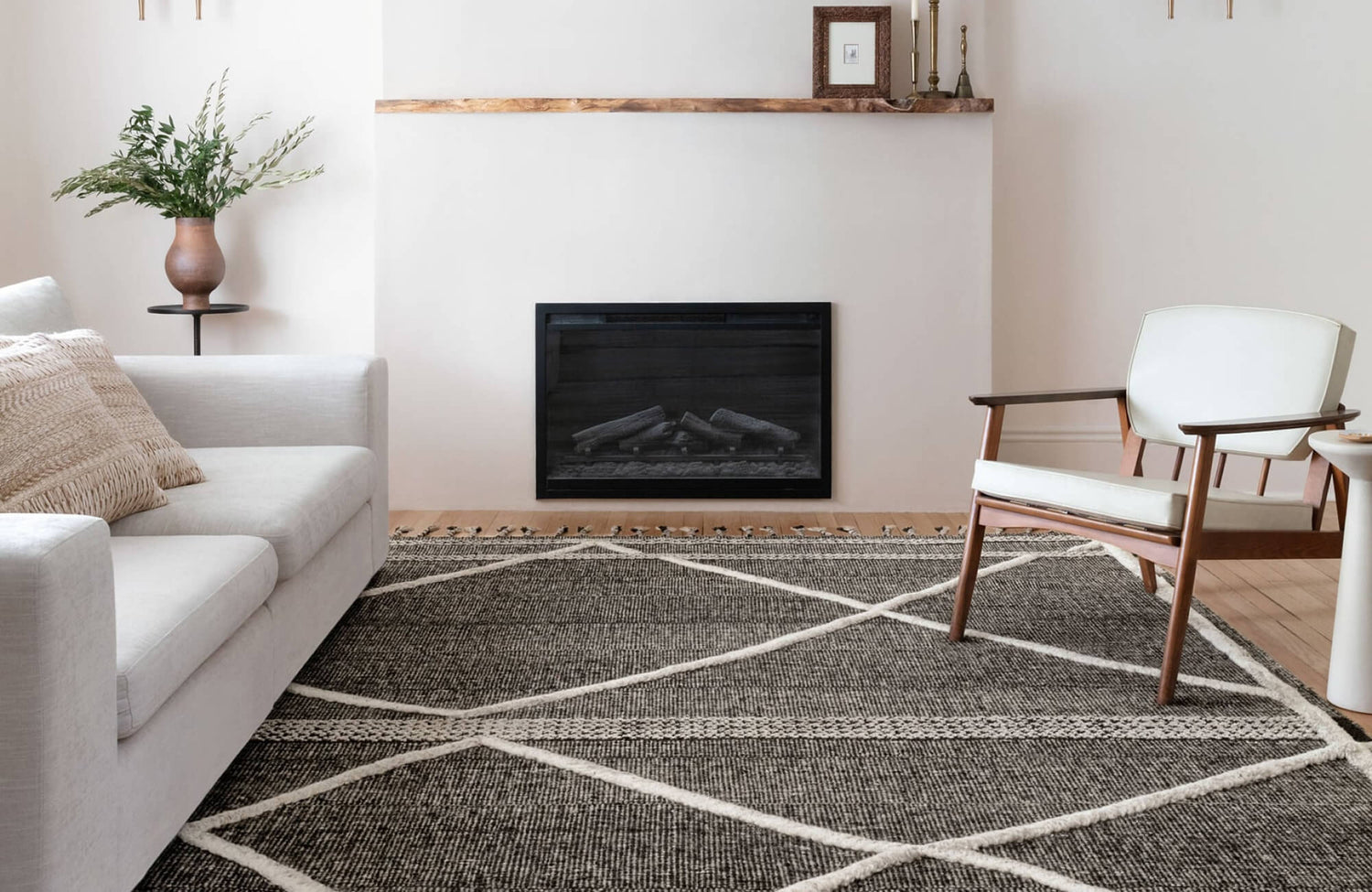
Rugs, however, remain at the forefront of design expression. From handcrafted pieces to eco-conscious materials like jute and undyed wool, today’s rugs offer a wide range of aesthetic and sustainable options. This shift is reflected in pieces like Edward Martin’s Leticia Rug in Natural, seen in the image above, where its softly textured wool blend and neutral tone align with the growing preference for organic materials and understated design. Customization now extends beyond color and pattern to include weave, texture, and finishing details, making each piece uniquely suited to its space.
Choosing Between Rugs and Carpets for Your Space
Ultimately, the choice comes down to how you want your space to function and evolve. Rugs offer flexibility, allowing you to refresh a room with minimal effort. They’re ideal for layering, defining areas, and introducing texture without permanent commitment. Carpets, on the other hand, provide full coverage, enhanced insulation, and a seamless look, making them well-suited for spaces where comfort and continuity are priorities.
If you're looking to elevate your space with a thoughtfully chosen rug, Edward Martin offers a curated selection of handcrafted and custom designs. From timeless heirloom pieces to modern statements, each rug is selected with a focus on quality, artistry, and enduring style, helping you create a space that feels both refined and personal. For more tailored guidance, Edward Martin’s design consultation service provides expert support in selecting the right piece for your needs, while you can also contact our team directly for personalized recommendations and assistance.