
)
)
)
)
)
)
)
)
Are Porcelain Pavers Better Than Stone Pavers?
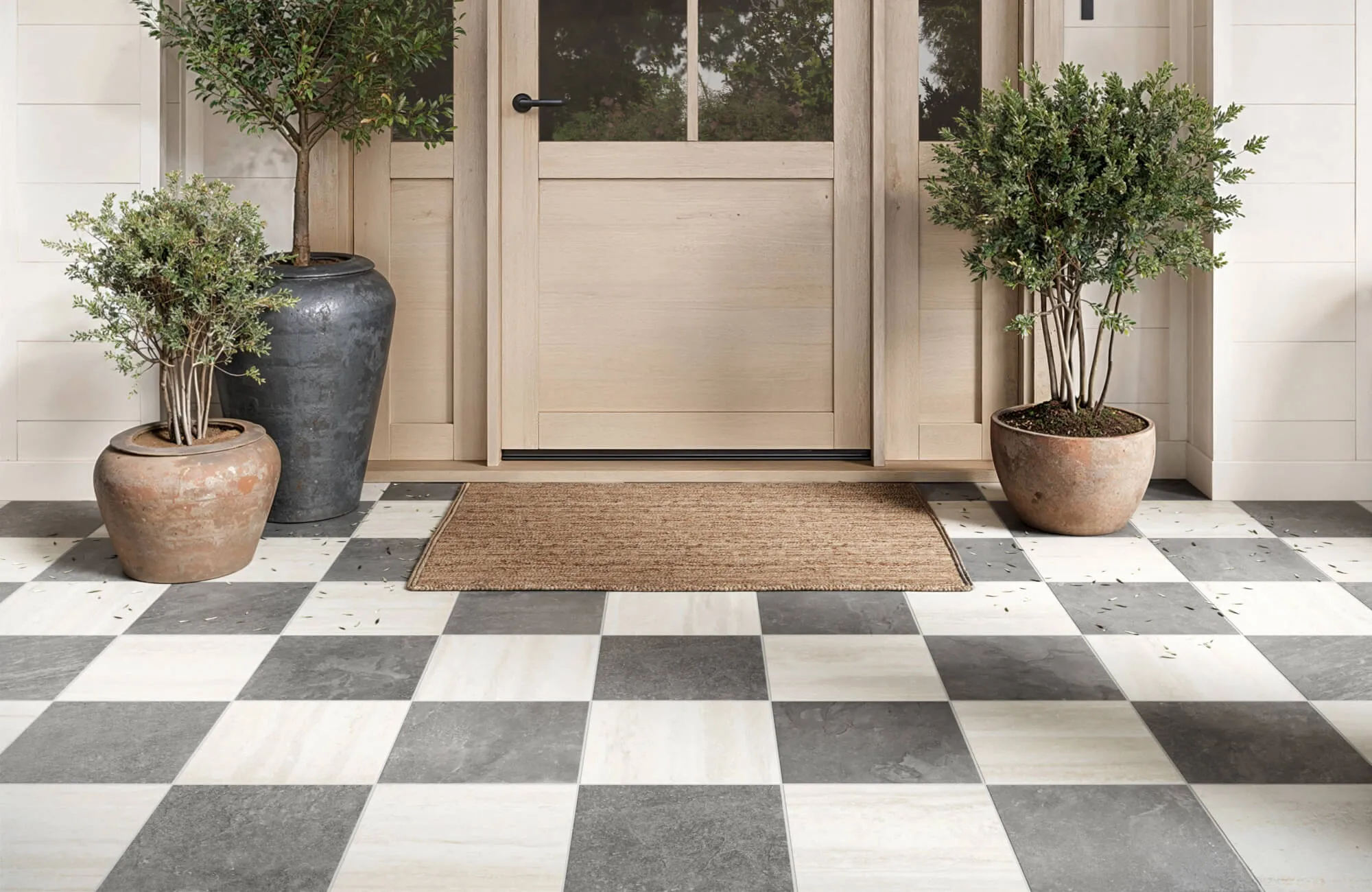
When planning an outdoor space, your choice of paving material does more than shape how it looks—it affects how it performs, ages, and supports your lifestyle for years to come. Porcelain pavers and natural stone are two standout options, each with distinct strengths that appeal to different needs. Although one brings timeless, organic beauty and a sense of heritage, the other delivers cutting-edge engineering, precise finishes, and minimal upkeep.
This in-depth comparison explores how porcelain and natural stone pavers stack up in real-world performance. From extreme weather durability and aesthetic flexibility to installation complexity, environmental impact, and long-term costs, this article gives you the clarity to choose the material that aligns with your vision, budget, and daily demands.
Durability in Harsh Climates and Long-Term Use
Durability is one of the most important considerations when selecting a paver, especially in environments exposed to extreme weather or constant use. When assessing the long-term performance of porcelain versus natural stone, understanding how each material holds up under pressure is key to making the right investment.
Enhanced Structural Integrity Against Environmental Extremes
Porcelain and natural stone pavers handle environmental stress in fundamentally different ways. Porcelain is manufactured through a process called vitrification, where the clay is fired at extremely high temperatures to create a dense, non-porous structure. This results in a product that resists moisture penetration, chemical corrosion, and surface erosion over extended periods. Because of this engineered consistency, porcelain is better equipped to handle volatile conditions such as sudden temperature shifts, acid rain, or pollutants in urban settings.
Natural stone, on the other hand, carries the beauty of geological uniqueness but also the inherent vulnerability of organic formation. Materials like limestone or sandstone may contain micro-fissures or inconsistent mineral structures that can absorb water and degrade over time. In environments with intense sun, salty air, or frequent precipitation, natural stone may slowly break down unless carefully selected and regularly maintained.
Advanced Vitrification for Freeze-Thaw Resilience
If you live in a region where temperatures regularly dip below freezing, the ability of your pavers to withstand freeze-thaw cycles becomes critical. Porcelain pavers excel in these conditions because their vitrified surface absorbs almost no moisture. Without water penetrating the body of the tile, there's nothing inside to freeze and expand, so the risk of internal cracking or surface spalling is virtually eliminated. This makes porcelain especially dependable in climates with long winters or fluctuating seasonal temperatures.
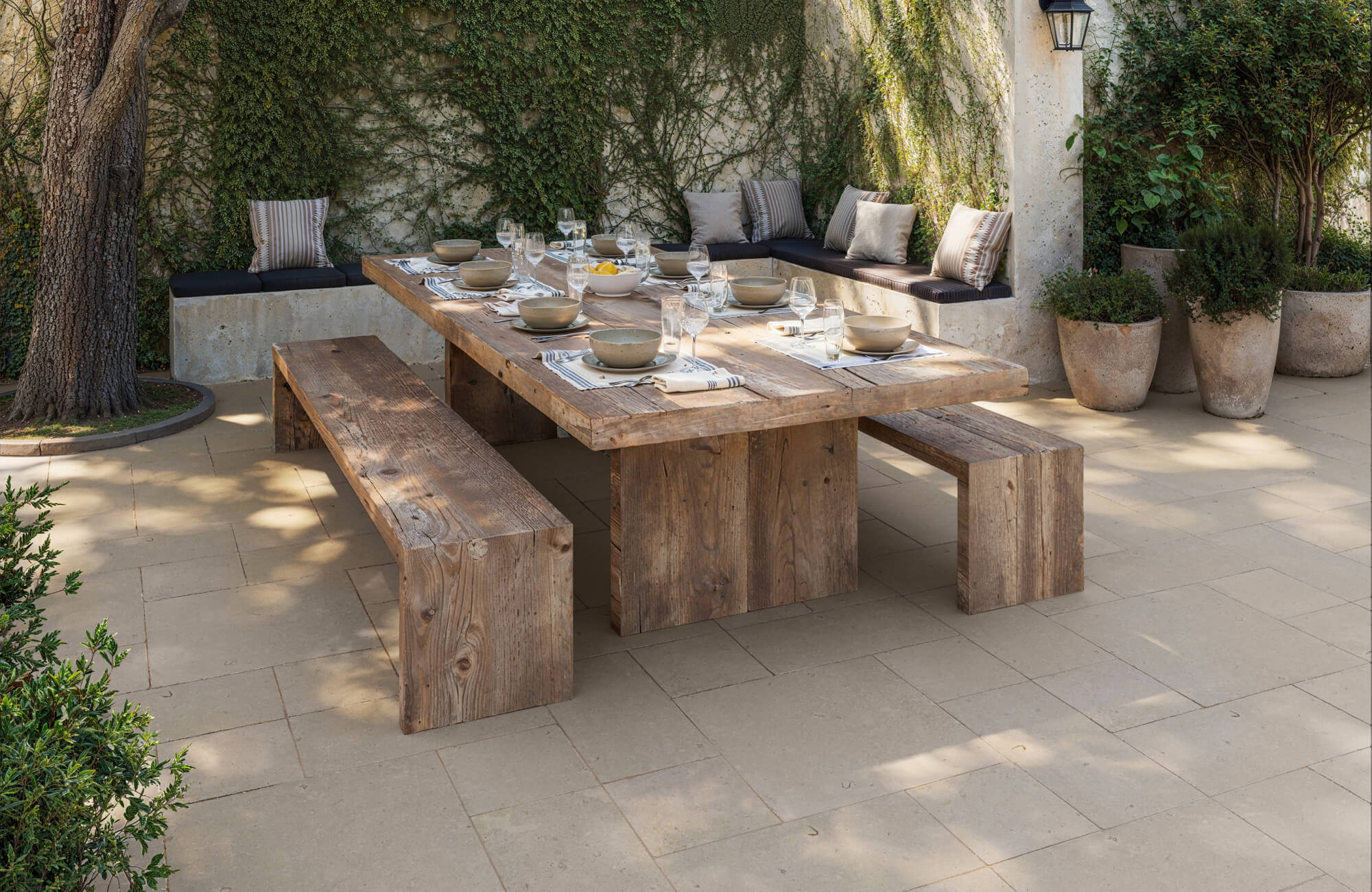
This level of resilience is beautifully demonstrated in an outdoor dining installation photo above featuring the Wren 24x24 Grip Porcelain 2cm Paver Tile in Dune, a warm beige porcelain paver chosen for both its performance and natural aesthetic. Set beneath a large tree canopy and exposed to seasonal elements, the surface maintains its integrity and visual appeal over time.
In contrast, natural stone is more porous by nature and therefore more likely to retain moisture. When this moisture freezes, it expands and puts pressure on the stone’s internal structure, which can result in visible cracks, flaking, or even complete failure over time. Although denser stones such as granite or quartzite offer better performance in this regard, they’re still not immune to damage without sealing and periodic care. For cold-weather durability with less ongoing maintenance, porcelain clearly holds the edge.
Photostability and Pigment Anchorage in Porcelain
Over time, sun exposure can dramatically alter the appearance of outdoor surfaces. One of porcelain’s standout advantages is its photostability, which is its resistance to UV-induced fading. The pigments in porcelain pavers are infused during the high-temperature firing process, becoming an integral part of the tile itself. This deep-set coloration also means that even after years of exposure to sunlight, the pavers retain their original vibrancy and tone without the need for resurfacing or refinishing.
By comparison, natural stone’s color can shift gradually due to oxidation, mineral leaching, or other environmental interactions. Although some people appreciate the patina and weathered look this creates, others may find the inconsistency disappointing if it strays too far from the initial design. The choice here depends on whether you prefer a colorfast, manufactured appearance or are drawn to the evolving aesthetic of authentic stone. Still, in terms of lasting color fidelity, porcelain is the more reliable performer.
Material Hardness and Abrasion Resistance
Physical wear and tear are inevitable, especially in busy areas like driveways, patios, and walkways. Porcelain’s high ranking on the Mohs hardness scale ensures it stands up well to abrasions, heavy furniture, and even dropped tools without showing signs of damage. Its compact and uniform structure also resists scratches and chips, making it ideal for both residential and commercial use where surfaces are subject to regular stress.
Natural stone presents a mixed picture in this regard. Although harder stones like granite can match porcelain in toughness, others, such as travertine, marble, or slate, are significantly softer and more susceptible to surface damage. These materials can also chip at the edges or develop wear marks over time, particularly if you don’t keep up with protective treatments or avoid dragging heavy objects across them. So, if your goal is a surface that stays pristine with minimal fuss, porcelain gives you a notable advantage in strength and longevity.
Aesthetic Flexibility and Visual Customization
Design compatibility and visual appeal often influence material choice as much as function. When comparing porcelain and natural stone, the differences in visual options and stylistic potential are both vast and nuanced.
Expansive Design Repertoire and Replicability
Porcelain pavers offer an almost limitless design spectrum, thanks to advancements in digital printing and manufacturing. With these tools, porcelain can authentically replicate the look of marble, granite, wood, concrete, and even oxidized metal. The surface patterns are also baked into the material, producing tiles that closely imitate the textures and intricacies of natural elements. As a result, you can achieve high-end looks without the maintenance demands or sourcing limitations associated with the original materials.
One excellent example of this design adaptability is the Dawson 24x48 Grip Porcelain 2cm Paver Tile in Dune, which offers a refined concrete look aesthetic in a soft, sandy beige tone. Its subtle texture and elongated proportions make it ideal for both expansive contemporary patios and indoor-outdoor continuity. This versatile porcelain paver also combines modern styling with the durability needed for high-performing outdoor spaces.
In contrast, natural stone brings something that no man-made material can fully recreate, which is the true geological uniqueness. Each slab or paver tells its own story, shaped over centuries by the earth’s processes. Although this means you may encounter color shifts, mineral streaks, or surface inconsistencies, those very features are often what give the natural stone its artistic and organic charm. It’s not about replication but authenticity, and the variation in stone can add emotional depth and visual interest that porcelain intentionally controls.
Achieving Design Unison or Intentional Disparity
If your design goals lean toward seamless continuity and controlled repetition, porcelain makes it easy to deliver that vision. Each tile is manufactured to look like the next, which ensures perfect alignment of grout lines, consistent color blocks, and a predictable flow from one surface to another. This precision is also especially valuable in modern, minimalist, or industrial designs where exactness is essential to the aesthetic experience.
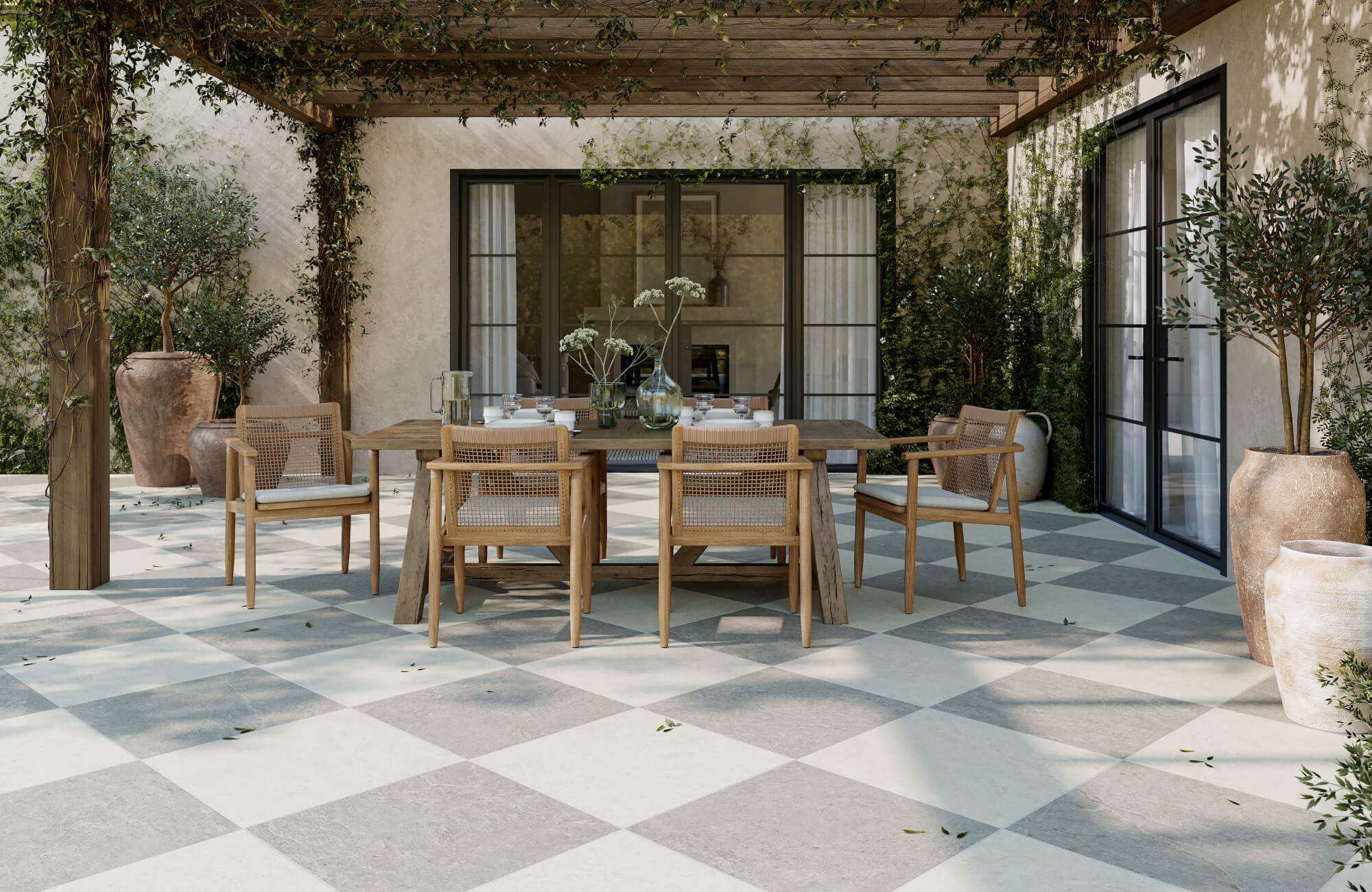
A striking example of this is the Dawson 24x24 Checkerboard Grip 2cm Porcelain Paver Tile in Ash & Alabaster, which uses contrasting tones of light gray and off-white to create a bold, geometric pattern while still maintaining porcelain’s engineered uniformity. As shown in the serene patio installation photo above, the checkerboard layout adds visual rhythm and intentional drama without sacrificing symmetry, making it a perfect choice for those who want structured creativity.
However, when you intend to introduce visual contrast or celebrate nature’s imperfections, natural stone steps into its element. The asymmetry, irregular veining, and tonal shifts in stone contribute to an appearance that feels grounded and spontaneous. Rather than being confined to a uniform layout, you also have the freedom to work with the pavers as visual accents or standalone focal points. In this way, stone encourages creative divergence while porcelain enables structural harmony.
Harmonizing Indoor and Outdoor Material Palettes
Creating a fluid visual transition between indoor and outdoor spaces is becoming more important in contemporary design. Porcelain excels in this area by offering interior and exterior formats that share identical designs. You can also select a porcelain tile for your kitchen or living room and carry the same pattern, albeit in a more durable and textured version, out onto your patio or terrace. This design continuity enhances spatial flow and helps blur the boundary between inside and out.
One porcelain option that works particularly well in these transitional spaces is the Wren 12x24 Grip Porcelain 2cm Paver Tile in Oat. Its soft, sandy beige tone offers a warm, understated look that complements a wide range of indoor finishes while delivering the strength and slip resistance needed outdoors. The format and finish also make it a smart choice for designs that aim to feel cohesive, connected, and comfortably modern.
Natural stone, although beautiful in both settings, poses more of a challenge when it comes to visual alignment. Stone extracted from different quarries or even different depths of the same quarry can vary significantly in color and pattern. Achieving an exact match between an indoor floor and an outdoor paving surface also often requires extensive sourcing and may still leave subtle inconsistencies. For those who prioritize cohesive design across transitional spaces, porcelain offers a practical and visually reliable solution.
To help you visualize exactly how those styles will look in your own environment, our augmented reality (AR) tool lets you preview selected tiles directly in your space, bringing clarity and confidence to every design decision.
Installation Process and Structural Considerations
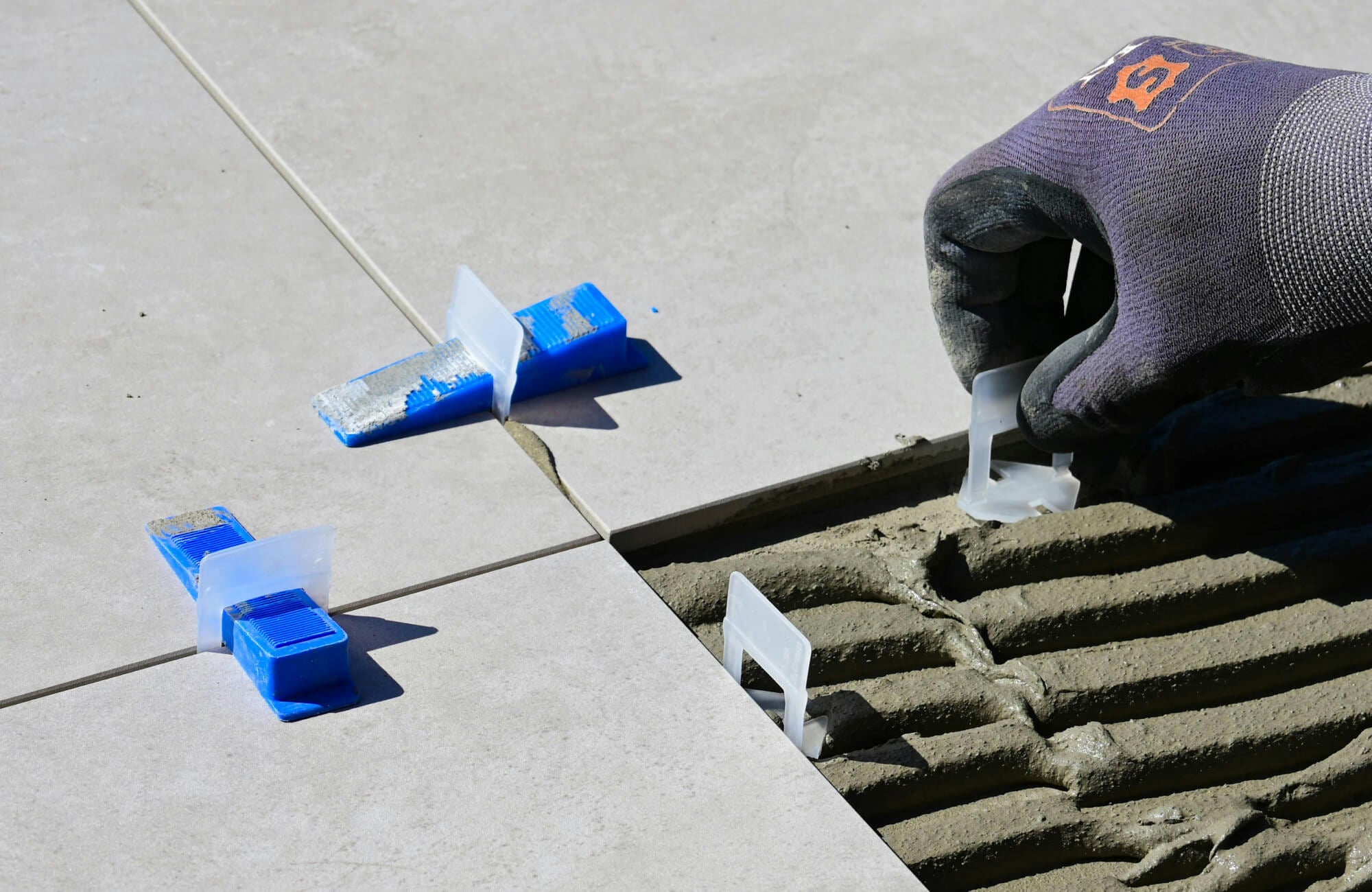
How material is installed impacts not only the timeline and labor involved but also the long-term durability and structural integrity of the project. Because porcelain and natural stone each have specific handling and preparation requirements, working with a professional installer is essential to ensure proper placement, minimize errors, and maximize the lifespan of your surface.
Sub-Base Engineering and Advanced Support Systems
Creating a stable, well-prepared base is non-negotiable, regardless of the paver you choose. For traditional on-ground installations like patios or walkways, both porcelain and stone require a well-compacted granular sub-base to prevent shifting and cracking over time. However, the type of material you use influences how that base is built. Natural stone pavers, especially when they’re thick or irregularly shaped, often need a deeper sub-base to handle their additional weight and potential inconsistencies in surface contact. Without it, stress fractures and uneven settling become real risks.
Porcelain, by contrast, is manufactured to exact dimensions and flatness, allowing for more precise bedding over both traditional and alternative base systems. Its structural uniformity also opens the door to modern solutions like pedestal systems, which are commonly used for elevated spaces such as rooftop terraces or balcony decks. This adaptability gives porcelain a clear edge in complex or multi-use installations where flexibility is required.
Granular Base Specifications for Compaction and Drainage
Getting the base composition right is essential to avoid future issues like sinking, puddling, or surface cracking. Natural stone installations usually call for six to twelve inches of crushed aggregate, compacted in layers, to support the weight and promote proper drainage. This depth also helps mitigate the risk of frost heave in colder climates and accommodates the variability in stone thickness and weight distribution.
Although porcelain pavers benefit from a compacted granular base, their lighter weight and structural consistency allow for some efficiency in prep work. In pedestrian applications, the base can often be thinner while still providing excellent support, provided drainage and compaction are properly handled. However, skipping proper sub-base preparation, regardless of material, is a surefire way to compromise the integrity of your paved surface in the long run.
Elevated Pedestal Systems and Permeable Solutions
In situations where water management or access beneath the surface is crucial, porcelain shines through its compatibility with pedestal systems. These systems elevate each paver on adjustable supports, allowing water to drain freely and utilities to remain accessible. This setup is particularly valuable on flat roofs, balconies, or pool surrounds where slope and surface ventilation matter. The predictability of porcelain’s thickness also ensures each paver rests evenly on its pedestal without the need for constant adjustment.
By contrast, natural stone can be used with pedestal systems in some cases, but doing so introduces challenges. The uneven thickness, heavier mass, and occasional warping of stone pavers make them more difficult to balance properly on pedestals. Often, additional support infrastructure or specialized trays are also required to stabilize each piece, which can significantly increase both labor and material costs.
For elevated and permeable systems, porcelain offers a streamlined solution that’s hard to match.
Specialized Fabrication and Precision Handling
Installing porcelain requires a high level of technical precision, particularly when it comes to cutting and shaping. Its dense structure demands diamond-tipped saw blades and wet-cutting methods to avoid edge fracturing. Though this adds a layer of complexity, it also guarantees sharp lines and clean transitions that contribute to a polished finish. Because of its consistent thickness and hardness, porcelain responds predictably to cutting and is less likely to splinter when handled correctly.
Natural stone varies widely in cutting behavior based on its composition. Softer stones like limestone or slate are easier to shape but can be brittle, cracking unpredictably due to hidden fissures. Harder stones like granite may also rival porcelain in toughness but present their own challenges, requiring similar tooling yet reacting differently to stress.
In both cases, experience is key, but porcelain offers fewer surprises and a more controlled installation process when it comes to fabrication.
Ergonomics, Logistics, and Installation Methodology
Material handling plays a key role in the speed and ease of installation, and porcelain and stone differ notably in this regard. Porcelain pavers are typically lighter than natural stone, and their uniform sizing makes them easier to transport, layout, and align. This predictability can also lead to faster installations, particularly in grid or modular layouts where repetition is part of the design. Even though the tiles are dense and require careful handling, the consistent shape speeds up progress on-site.
Natural stone, on the other hand, brings an organic unpredictability that demands greater craftsmanship. Its irregularity often means more time spent sorting and adjusting pieces to achieve visual balance and structural fit. Stones may also need to be dry-laid and repositioned multiple times to get the spacing right, especially in random or naturalistic designs. Although this can result in a truly unique and artisan-quality installation, it generally requires more labor and logistical coordination. If your goal is efficiency and streamlined methodology, porcelain makes the process smoother from delivery to final placement.
Maintenance Needs and Cleaning Performance
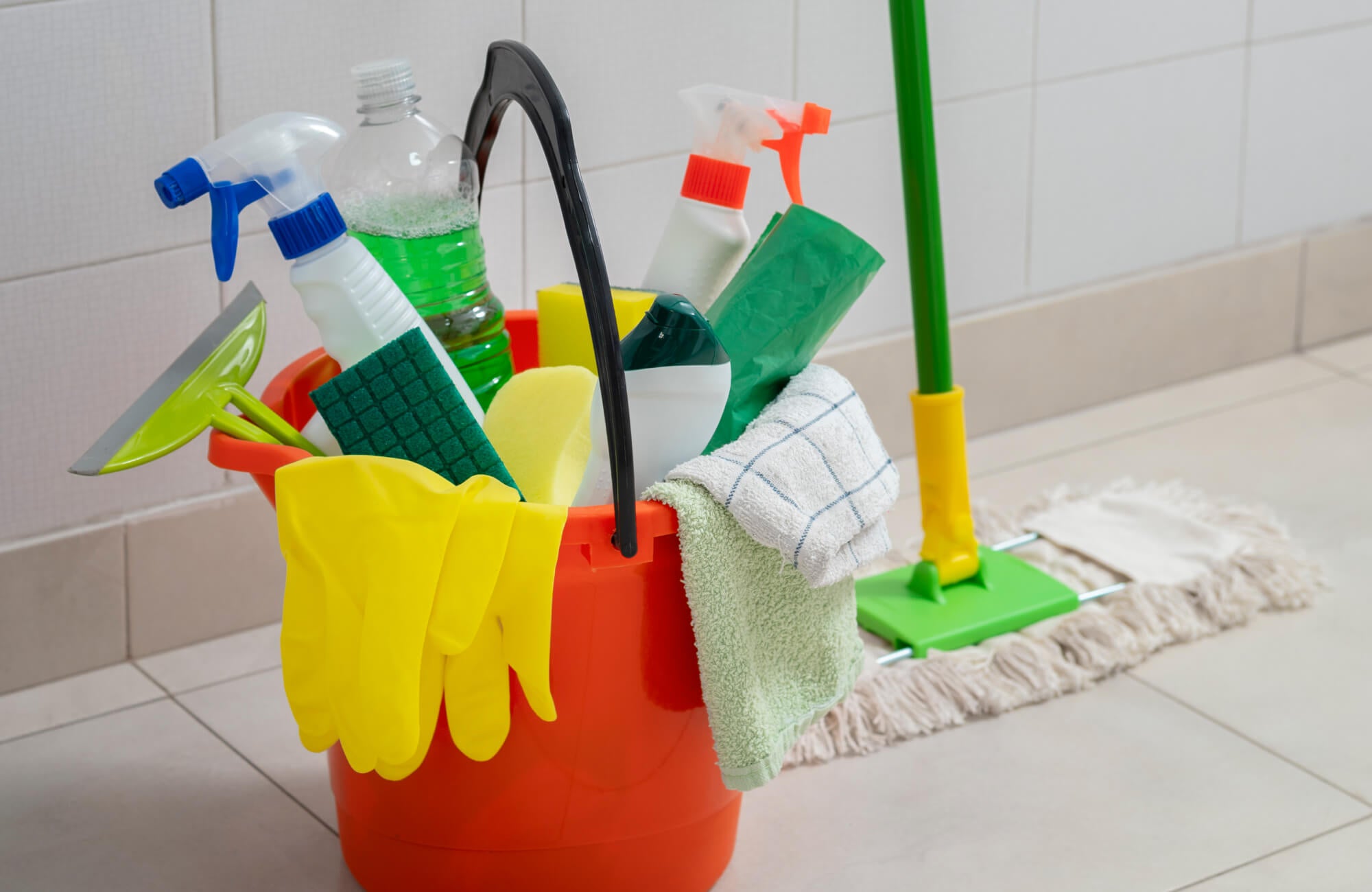
The long-term care and upkeep of pavers directly affect their appearance, safety, and cost over time. Choosing between porcelain and natural stone often comes down to how much ongoing maintenance you’re willing to commit to and what performance you expect from your surfaces in the years ahead. To get the best results and protect your investment, it’s also important to follow manufacturer recommendations for sealing, cleaning methods, and maintenance schedules.
Proactive Protection and Permeability Management
One of the standout features of porcelain is its low porosity. Because it's manufactured to be nearly impermeable, moisture, oil, and biological contaminants struggle to penetrate its surface. This makes it highly resistant to mold, algae, and staining, even in shaded or damp areas where these issues commonly develop. You’ll also find that porcelain stays cleaner for longer and requires less preventive maintenance, especially in climates with high humidity or frequent rainfall.
Natural stone tells a different story. Although undeniably beautiful, its porous nature leaves it more vulnerable to moisture infiltration. Materials like sandstone or limestone are especially susceptible to absorbing water, which can lead to discoloration, algae buildup, or even structural weakening if left untreated. In areas with minimal sun exposure or near garden beds and pools, natural stone surfaces may also require more frequent cleaning and attention to maintain their original appearance.
Surface Impregnation Versus Innate Durability
With natural stone, sealing is a necessary step to preserve both looks and longevity. The sealing process creates a protective barrier that helps repel stains, moisture, and UV damage. However, this is not a one-time task. Depending on use and environmental exposure, you’ll need to reseal stone surfaces every two to five years to maintain their effectiveness. Without this regular care, stains can become permanent, and the surface may weather unevenly over time.
Porcelain, on the other hand, eliminates this entire step. Its vitrified, non-porous surface doesn’t require sealing to stay resilient against weather, spills, or fading. This innate durability not only saves time but also cuts down on the cost of specialty products and professional maintenance. If you're looking for a low-maintenance surface that holds up without much intervention, porcelain stands out as a clear winner in terms of convenience and reliability.
Remedial Cleaning and Surface Integrity
Eventually, even the most resistant surfaces need a thorough cleaning, but how they respond to it varies significantly. Porcelain can handle a wide range of cleaning techniques, including pressure washing and manufacturer-approved chemical solutions. Because of its density and tough glaze, it won’t etch, fade, or break down from standard outdoor cleaning products. This makes porcelain highly forgiving, even if you need to tackle heavy grime, oil spills, or stubborn debris.
In contrast, natural stone, especially softer varieties like travertine or marble, demands a gentler touch. Harsh chemicals or acidic cleaners can cause etching, dullness, or discoloration. You'll also need to stick to pH-neutral solutions and soft brushes to preserve the stone’s integrity. This more delicate approach can be time-consuming and may require specialized products, making maintenance more involved and potentially more expensive in the long run. If ease of cleaning is high on your priority list, porcelain offers a much more user-friendly path.
Environmental and Sustainability Factors
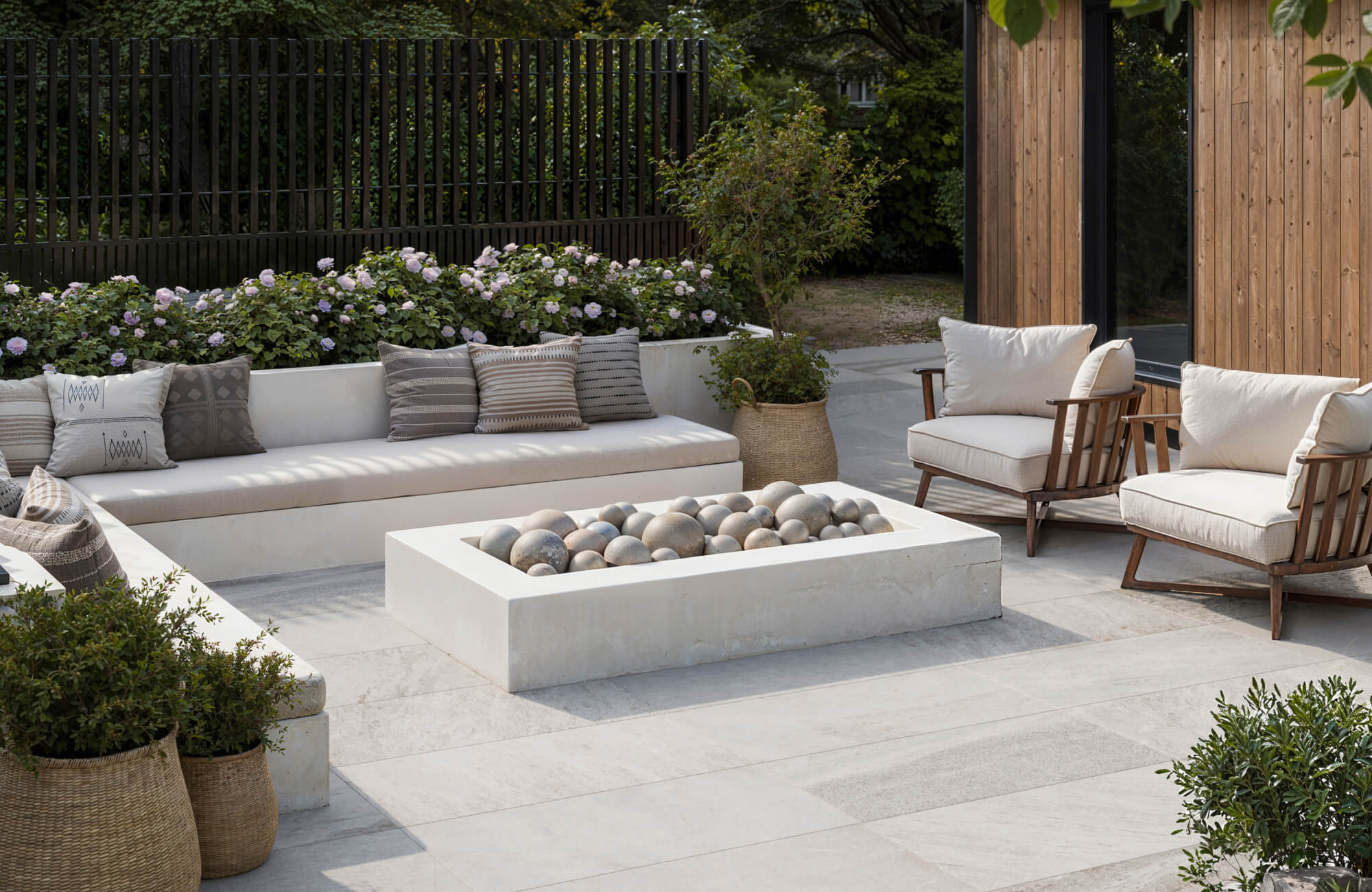
Sustainability is a growing concern in landscape design. The environmental impact of your paver choice spans from extraction to end-of-life reuse, influencing everything from carbon emissions to thermal performance on hot summer days.
Resource Sourcing and Manufacturing Footprint
When looking at raw material sourcing, natural stone has a visibly disruptive effect on the environment. Quarrying operations often require clearing large tracts of land, which can result in habitat loss, erosion, and visual scarring of natural landscapes. Even with efforts to rehabilitate sites and implement dust or water control measures, the process of extracting stone also remains invasive. Transporting heavy stone materials from remote quarries to building sites further adds to their carbon footprint, especially when imported varieties are involved.
Porcelain, in contrast, is produced in a controlled manufacturing environment, which allows for better waste management and material efficiency. Although the firing process in porcelain production is energy-intensive due to kilns operating at over 1,200°C, this impact is partially offset by modern technologies that reduce emissions and optimize fuel use. Additionally, many porcelain products now include recycled content such as reclaimed clay or ground-up tile waste, contributing to a more circular production model. The controlled setting of factories also makes it easier to monitor environmental compliance and implement sustainable practices compared to natural stone extraction.
Circularity and Thermal Performance in Application
At the end of their life cycle, both porcelain and stone offer different sustainability strengths. Natural stone is inherently reusable. You can repurpose it in new landscaping features, use it as a base material for driveways, or crush it for use as aggregate. This adaptability also makes stone a strong candidate for sustainable demolition or redesign projects. Porcelain, while recyclable, typically requires specialized facilities to be processed correctly. Its density and manufacturing additives make curbside recycling difficult, though some industrial programs are beginning to address this gap.
From a performance standpoint, the thermal behavior of each material contributes to overall sustainability. Light-colored natural stone, such as travertine or limestone, naturally reflects sunlight, helping to keep surfaces cooler and reduce heat buildup in outdoor spaces. This can make a noticeable difference in comfort during summer months, especially around pools or patios. Porcelain, depending on color and finish, may retain more heat, particularly in darker tones. However, newer porcelain products with high solar reflectance values (SRI) are being designed to counteract this tendency. By selecting light-toned or thermally engineered porcelain, you can still achieve energy-efficient results, even in warm climates.
Cost Comparison and Long-Term Value
A true cost analysis includes not just initial material prices but long-term value, maintenance, and overall return on investment. Understanding the full economic impact of your choice can help you prioritize your budget without sacrificing style or performance.
Initial Procurement and Logistical Expenses
At first glance, porcelain and natural stone may appear to occupy similar pricing brackets, but their cost structures differ in meaningful ways. Porcelain typically falls within a mid-to-high range for outdoor paving materials. However, its consistent sizing, lighter weight, and lower fragility during transit often translate into lower shipping costs and minimal material loss due to breakage. These savings can become significant, especially on large-scale projects or remote installations where logistics play a major role.
Natural stone, on the other hand, varies widely in price depending on its rarity, finish, and quarry location. Common stones like sandstone or slate may be relatively affordable, while exotic options like basalt or imported travertine can become premium expenses. Transporting heavy and irregularly shaped stone can also be costly, particularly when cross-border shipping or custom crating is required. Moreover, the risk of damage during transit is higher, potentially increasing the amount of overage you need to purchase just to cover unforeseen waste.
Labor Intensity and Installation Efficiency
Porcelain’s precision manufacturing gives it an edge when it comes to installation speed and predictability. Each tile is perfectly square, flat, and uniform in thickness, which simplifies alignment and allows installers to work quickly, especially in grid-based or repeating patterns. This dimensional accuracy also minimizes on-site adjustments and reduces the margin of error, which can directly translate to lower labor costs and faster project completion.
Natural stone, however, tends to demand more hands-on labor. Variations in thickness and irregular edges mean that each piece often needs individual attention such as shimming, leveling, or cutting, to fit the desired pattern. In organic or flagstone layouts, that variability is an asset to the design, but it also increases time and complexity. Although simpler dry-lay designs can help speed things up, the additional weight and inconsistent shapes still require a level of expertise that may come with a higher price tag.
Lifecycle Expenses and Return on Investment
Although upfront pricing is a major consideration, long-term costs can significantly affect the overall value of your paving choice. Porcelain is virtually maintenance-free. Its resistance to stains, moisture, and fading also eliminates the need for sealing, special cleaners, or restorative treatments. Over time, this translates into substantial savings on maintenance products and labor, especially if you prefer a “set it and forget it” approach to outdoor surfaces.
Natural stone, though beautiful, typically incurs more ongoing expense. Most varieties need to be sealed at installation and re-sealed every few years to protect against moisture, staining, and weathering. Cleaning stone also requires more care, especially for calcareous or soft varieties that can be damaged by common cleaners or pressure washing.
When these long-term upkeep costs are added in, porcelain often emerges as the more economical choice, even if the initial investment is similar.
Market Perception and Real Estate Value Proposition
The value your pavers bring to your property doesn’t end at practicality. It also shows up in curb appeal and resale potential. Natural stone has long been associated with luxury and permanence. Its tactile richness and timeless look make it particularly desirable in upscale or traditional-style homes. In neighborhoods or buyer markets where classic aesthetics and natural materials are prioritized, stone can be a strong value booster.
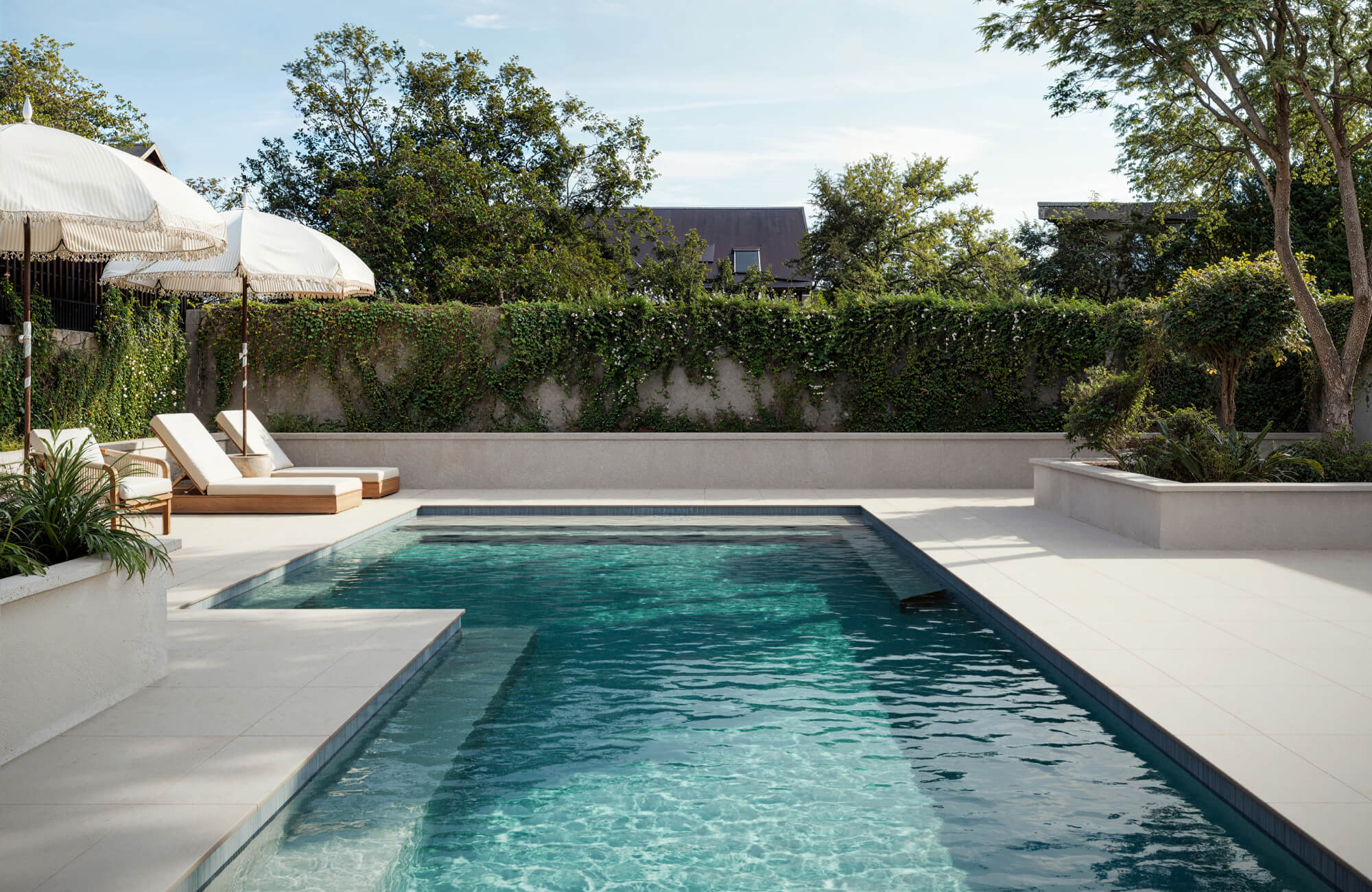
Porcelain, although more modern in origin, has quickly gained prestige as a high-performance alternative. It appeals especially to buyers who value sleek design, low maintenance, and eco-conscious living. Take, for example, the Bowden 24x24 Grip Porcelain 2cm Paver in Canvas, as featured in the serene poolside setting above. Its soft, light beige tone and clean matte finish elevate outdoor spaces with a refined yet approachable elegance, perfect for properties aiming for resort-like appeal without the upkeep concerns of natural stone.
The wide range of finishes available also allows you to tailor porcelain to almost any architectural style, bridging the gap between form and function. Whether your goal is immediate beauty or future resale, both materials have merit, but the right choice depends on the story your space is telling and the expectations of your potential buyers.
Choosing the Right Paver for Your Space
Deciding between porcelain and stone comes down to your priorities and how you want your space to function and feel. Porcelain stands out with its consistency, resilience, and ease of maintenance, making it ideal for low-fuss, modern environments. Stone, meanwhile, offers an unmatched authenticity and character that evolves beautifully with time. Both materials can elevate your outdoor design and add lasting value, but when you weigh the evidence across every critical factor, porcelain often provides the most practical and versatile solution without compromising on style.
If you need help to bring your vision to life with clarity and confidence, working with our design-focused team can make all the difference. Our design services offer personalized guidance to help you select the right materials, textures, and layouts that align with your goals. Whether you're drawn to the refined uniformity of porcelain or the rich, organic character of natural stone, our collaborative approach also ensures your space is both visually cohesive and built to perform beautifully over time.
Follow us on Instagram
@EDWARD.MARTIN
)
)
)
)
)
)
)
)
)
)
)
)
)
)
)
)