With an ever-expanding range of tile options available, the choice between peel and stick and traditional tiles has become a frequent topic of discussion. Peel and stick varieties have gained attention for their affordability, quick installation, and wide selection of styles, making them a popular choice for rapid updates and DIY projects. In contrast, traditional tiles continue to set the standard for authenticity, durability, and long-lasting appeal, securing their place as a trusted option for both functional and aesthetic upgrades.
This comprehensive article explores both options from multiple perspectives, from aesthetics and installation demands to durability, maintenance, environmental considerations, and long-term cost. By understanding the unique strengths and limitations of each, you can select the option that aligns best with your style, budget, and expectations for longevity, ensuring your next tile project delivers both beauty and performance.

Aesthetic Versatility And Design Limitations
Peel and stick and traditional tiles both offer a wide range of design possibilities, yet they differ significantly in realism, texture, and how they age. Although modern peel and stick options can convincingly mimic materials like marble, wood, and encaustic patterns through advanced printing and embossing, they still lack the tactile depth, coolness, and natural variation found in real stone or handmade ceramics. This difference becomes most noticeable under natural light, where peel and stick surfaces can appear flatter and less dimensional.
In terms of color retention, ceramic and porcelain tiles hold a clear advantage. High-temperature glazing seals pigments beneath a protective surface, ensuring resistance to fading from sunlight, moisture, and household chemicals for decades. Peel and stick tiles, on the other hand, rely on printed inks that are more prone to fading or yellowing, even with protective coatings. Although premium versions can extend their lifespan, they still cannot match the permanence of kiln-fired finishes, making them better suited to lower-light or temporary applications.
Style compatibility also sets the two apart. Peel and stick tiles work well in modern, minimalist, or transitional interiors that value clean lines and consistent patterns, and they are ideal for quick updates or short-term use. Traditional tiles, however, excel in all designs, especially those that rely on authenticity and craftsmanship, such as rustic farmhouse, Mediterranean, or Moroccan styles. For example, the Palmer 12x12 Checkerboard Raw Porcelain Tile in White and Grey, as shown in the image above, offers a timeless checkerboard pattern in classic white and soft grey, bringing both visual charm and lasting durability to outdoor and indoor spaces alike. Its natural texture and variation also provide a richness and depth that peel and stick or any vinyl alternatives cannot replicate, making it a preferred choice for spaces where long-term style and performance are essential.

Installation Process And Skill Requirements
The installation process for peel and stick tiles is quick and straightforward, requiring only a clean, smooth surface and basic tools such as a utility knife and straightedge. Without the need for mortar, grout, or curing time, small projects can often be completed in a single afternoon and put to use immediately. This simplicity makes peel and stick tiles appealing for fast upgrades, rental properties, and temporary designs where minimal disruption is essential.
By comparison, traditional tile installation is a far more involved process that demands precision, time, and specialized equipment. It begins with careful substrate preparation and often the addition of underlayment for stability, followed by mortar application, tile placement, curing, grouting, and sealing. Each stage requires attention to detail and the use of professional tools such as wet saws, trowels, and spacers, with curing periods extending the timeline over several days.
Skill level also plays a significant role. Peel and stick tiles are designed to be accessible for DIY projects and can tolerate minor errors, while traditional tile work is best handled by experienced installers. Professionals not only ensure precise alignment and lasting adhesion but also apply industry knowledge of moisture control, structural preparation, and building codes, making them the better choice for high-value or busy spaces that require long-term durability.

Durability And Wear Resistance
A tile’s ability to handle wear, environmental stress, and accidental damage plays a major role in its lifespan. Peel and stick and traditional tiles differ greatly in their material strength, bonding methods, and resistance to daily use. Knowing these differences helps in choosing the right option for both short- and long-term needs.
Lifespan Under Normal Use
Peel and stick tiles usually last three to ten years, with durability depending on quality, placement, and substrate conditions. In non-busy spaces, premium versions can reach the higher end of that range, while heavy use in kitchens or entryways often shortens their life. Factors like temperature swings, humidity, and direct sunlight can further speed up adhesive breakdown or fading.
On the other hand, well-installed ceramic or porcelain tiles can last for decades with little change in performance. These kiln-fired tiles are stable, UV-resistant, and unaffected by typical indoor temperature variations. With proper substrate preparation and quality installation, they can remain in service for generations, making them the preferred choice for long-term applications.
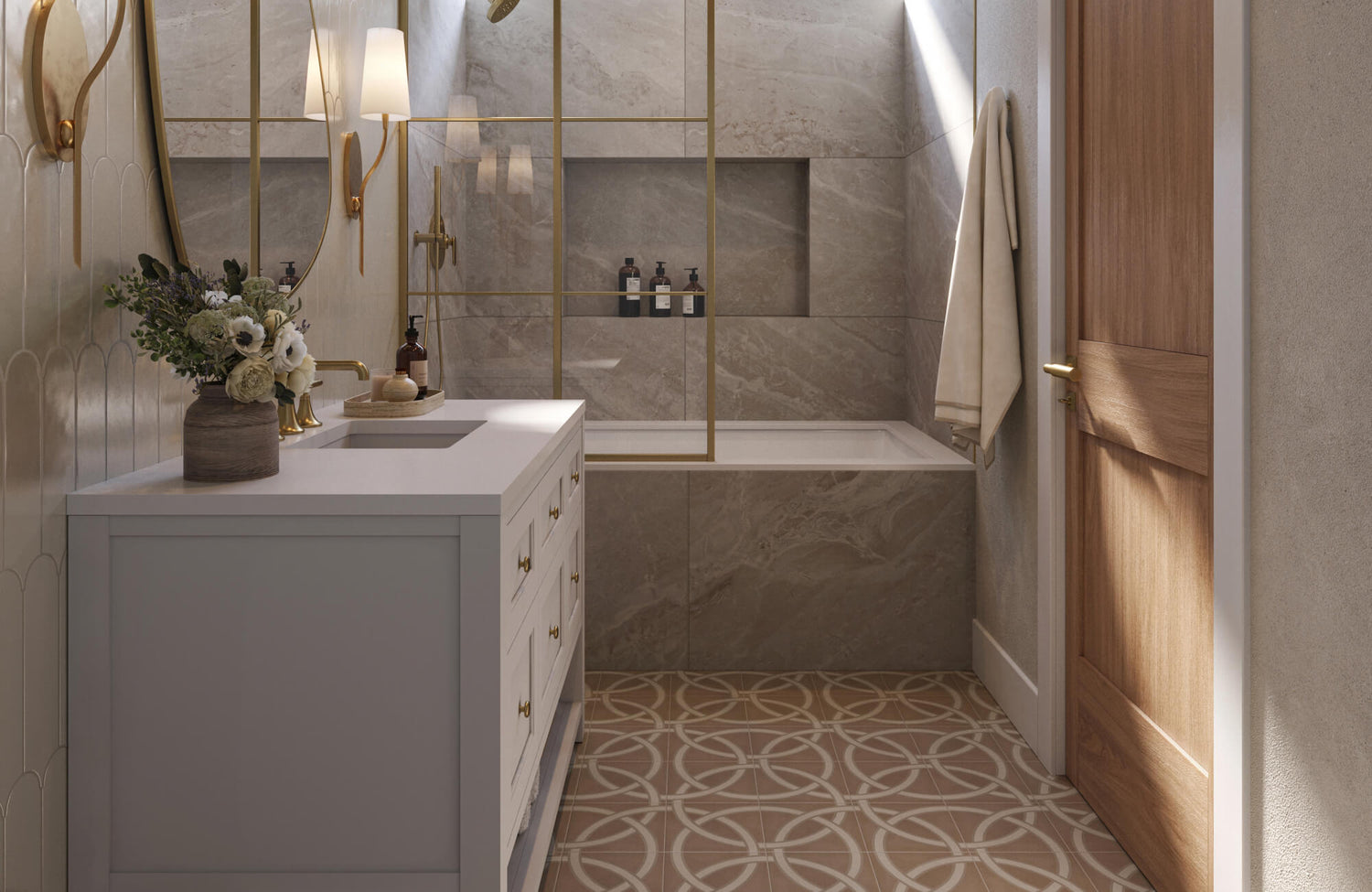
In the photo shown above, the warm wood look of the Preston 8x48 Matte Porcelain Tile in Pine paired with the intricate pattern of the Brielle 8x8 Matte Porcelain Tile in Florian creates a combination that is not only visually appealing but also built for lasting performance. Both offer the inherent durability of porcelain, making them suitable for areas that demand long-term wear resistance.
Water And Heat Resistance
Ceramic and porcelain tiles excel in wet or high-heat environments, making them ideal for areas like bathrooms, showers, and kitchen backsplashes. Their dense, non-porous surfaces resist moisture, stains, and heat, while the fired glaze forms a durable barrier that maintains its protective qualities for years. A good example is the Catalina 2x16 Matte Porcelain Tile in Clay, which features a warm terracotta-inspired tone and the inherent durability of porcelain, making it well-suited for areas where water and heat are common.
By contrast, peel and stick tiles can withstand light moisture but are more susceptible to damage from prolonged water exposure or elevated temperatures. Steam, frequent splashes, or direct heat may weaken the adhesive, leading to curling edges or detachment. Although premium versions with waterproof and heat-resistant adhesives offer improved performance, they still require strategic placement to avoid premature failure.
Resistance to Scratches and Dents
Porcelain tiles are among the most scratch-resistant surfaces available, ranking high on the Mohs hardness scale and making them especially suitable for flooring in busy areas. A standout example is the Leighton 35x35 Matte Porcelain Tile in Multicolor, which combines the strength of porcelain with a rich blend of earthy tones, offering both visual interest and exceptional resilience against daily wear. Glazed ceramic also provides good protection and is often preferred for walls where impact resistance is less critical. Meanwhile, natural stone varies by type, with granite outperforming softer stones like limestone, but all natural stone surfaces require periodic sealing to guard against stains, moisture, and surface wear.
In comparison, peel and stick tiles made from vinyl or polymers are softer and more vulnerable to dents, scratches, and scuffs caused by heavy furniture or sharp objects. With constant use, they may also show visible wear, especially on darker or glossy finishes. Although adding protective pads or using area rugs can help prolong their appearance, these tiles still cannot match the long-term resilience of traditional options.

Maintenance And Repair Practicality
Although both peel and stick and traditional tiles require upkeep, the type and frequency of maintenance vary considerably. Peel and stick tiles are generally low-maintenance because of their sealed, non-porous surface, which resists most household stains and can be cleaned with manufacturer-approved mild detergents and a damp cloth. Without grout lines, cleaning is also quicker and less labor-intensive. Traditional ceramic and porcelain tiles, on the other hand, can withstand stronger cleaning agents, but their grout lines require periodic sealing and targeted cleaning to prevent staining, adding an extra layer of maintenance over time.
Repair and replacement also differ sharply between the two. Damaged peel and stick tiles can be swapped out quickly, often in minutes, without special tools or adhesives, making them ideal for temporary or frequently updated spaces. Replacing a traditional tile, however, is more involved, requiring grout removal, careful extraction, substrate preparation, and reinstallation. Matching discontinued patterns can further complicate the process, underscoring the need to plan for spare tiles during the original purchase.
From a cost perspective, peel and stick tiles have lower short-term maintenance expenses but may require full replacement within a decade, increasing cumulative costs. Traditional tile installations, though more demanding to install and maintain initially, can last for decades with proper care, making them a more cost-effective choice over the long term. Their durability and permanence also contribute to maintaining or enhancing property value, particularly in busy or high-value spaces.

Environmental Impact And Sustainability
Tile selection affects the environment from manufacturing through disposal. Factors such as raw materials, energy use, lifespan, and recyclability all contribute to the ecological footprint. Understanding these can help make choices that balance aesthetics with sustainability.
Manufacturing Footprint
Peel and stick tiles are made primarily from petroleum-based PVC, a material with an energy-intensive production process that can release harmful byproducts if not properly managed. Multiple layers, such as vinyl surface, adhesive backing, and release liner, also add to resource use and make recycling difficult.
Although ceramic and porcelain tiles require significant energy for kiln firing, they are made from abundant natural materials such as clay and silica. In recent years, many manufacturers have adopted practices like energy recovery, waste heat reuse, and water recycling to help offset the environmental impact of production. Because these tiles can last for decades with minimal replacement, their long service life further reduces their overall environmental cost.
Longevity And Waste Generation
Peel and stick tiles generally have a lifespan of 5–10 years, which means they are replaced more often and contribute more frequently to landfill waste. Their PVC composition and adhesive backing also make them difficult to recycle, adding to long-term environmental concerns.
In contrast, traditional tiles can last for decades, greatly reducing the need for disposal over a building’s lifetime. Although they are not biodegradable, they are chemically inert and, in some regions, can be crushed and repurposed for use in construction. This longevity results in a lower overall waste profile, particularly when the tiles are manufactured using sustainable practices.
Eco-Friendly Alternatives And Disposal
Disposal methods play a key role in determining a tile’s overall sustainability. Peel and stick tiles are seldom recyclable, and while a few manufacturers offer take-back programs, these options are limited in availability and often require additional effort to participate.
Ceramic, porcelain, and stone tiles, on the other hand, can often be given a second life. They may be salvaged for landscaping projects, repurposed into decorative elements, or crushed for use as aggregate in construction. Opting for reclaimed ceramic, recycled glass, or locally sourced stone not only minimizes environmental impact but also brings unique character and authenticity to a space.

Cost Effectiveness Over Time
When comparing peel and stick to traditional tiles, cost considerations go beyond the initial purchase price. Although peel and stick tiles are more affordable upfront due to their lower material costs and DIY-friendly installation, these savings may be offset over time by their shorter lifespan and the need for more frequent replacements. Traditional tiles, on the other hand, require a higher initial investment in both materials and professional installation, but this upfront cost is balanced by their durability, reduced maintenance needs, and extended service life.
Value retention is another key distinction. Traditional tiles are viewed as a permanent, high-quality upgrade that can enhance a space’s resale value and appeal to potential buyers for decades, especially when installed with timeless designs. In the kitchen picture displayed above, the Juliet 2.5x10 Matte Porcelain Tile in Pearl, a zellige-style option, creates a soft, textured backsplash that complements the warm cabinetry, while the Leona 24x24 Checkerboard Matte Porcelain Tile in Calacatta and Marfil brings a classic blend of creamy beige and white marble look tones to the floor. Together, they demonstrate how well-chosen traditional tiles can deliver both lasting beauty and long-term value, making them an excellent investment for spaces where design and performance are equally important.
Choosing The Best Tile Option For Your Space
Selecting between peel and stick and traditional tiles comes down to balancing your design goals, budget, and long-term plans. Peel and stick tiles shine in situations where speed, low cost, and easy installation are priorities, such as rental properties, light-use areas, or short-term style updates. In contrast, traditional tiles offer a durable, timeless solution that can enhance property value, perform well under heavy use, and withstand challenging conditions like heat and moisture. With a clear understanding of your needs and priorities, you can make a choice that offers both immediate satisfaction and enduring results.
If you are ready to use traditional tiles for a long-lasting, high-performance finish, our design services can help you select the ideal type, color, and finish to match your space and vision. To make the decision even more precise, our augmented reality (AR) tool lets you preview how different tile options will look in your actual room before installation. With these tools, you can confidently choose a traditional tile that offers both timeless style and enduring quality!