Leather bar stools offer a timeless blend of comfort, luxury, and craftsmanship, making them a favorite in stylish kitchens, lively dining areas, and bustling commercial spaces. Yet their beauty often leads to an important consideration: can they truly handle the demands of daily use? As you explore the nuances of leather quality, frame construction, wear patterns, and maintenance, the answer becomes more layered and far more interesting than a simple yes or no.
This article guides you through every factor that contributes to a stool’s long-term performance, from how different leathers, including durable synthetics, respond to friction and sunlight to the role of cushioning and structural engineering. By understanding not just what leather can endure but how it evolves, you gain clarity on whether these stools are not only durable enough for your lifestyle but also capable of becoming lasting, character-rich pieces in your space or business.

Structural Strength and Frame Integrity
Even the most durable leather depends on a stable, well-built frame to perform at its best. The frame acts as the backbone of any bar stool, shaping how well it withstands repeated movement, shifting weight, and long-term daily use. When you understand how frame materials and construction influence durability, you can better choose a stool that remains dependable over time.
Comparing Wood, Metal, and Hybrid Frames
Comparing wood, metal, and hybrid frames reveals how each material influences a stool’s durability, feel, and long-term performance. Understanding these differences helps you choose a frame that aligns with your space, usage needs, and preferred aesthetic.
Solid Hardwood
Solid hardwood frames crafted from kiln-dried species such as maple or oak offer impressive strength and a naturally grounded feel. As you interact with them, they absorb small vibrations and maintain a quiet, steady presence. Yet wood remains sensitive to environmental changes, which means excessive humidity or fluctuating temperatures can slowly cause warping, cracking, or loosening if the stool isn’t placed in a stable setting. Despite this, well-maintained hardwood frames can serve you reliably for many years.
Metal
Metal frames, especially those made from steel or aluminum, deliver a level of structural resilience that surpasses wood in many ways. You benefit from their resistance to moisture, temperature shifts, and heavy wear, making them well-suited for high-use or commercial spaces. Powder-coated finishes further protect the metal from corrosion as you expose the stool to regular handling and movement. Still, metal can introduce a firmer, more rigid feel, and any loosened joints may create unwanted noise if the construction isn’t consistently maintained.
The stool shown in the image above is a great example of how a thoughtfully engineered metal frame contributes to long-term stability and visual refinement. The sleek modern silhouette of our Grant Counter Stool in Black showcases how a strong geometric base resists flexing and wobbling over time, even with frequent use. Its seat is upholstered in highly durable bonded leather in a classic black finish, offering a polished look while standing up exceptionally well to everyday wear. This combination of resilient metal framing and robust upholstery materials also illustrates how well-designed stools can maintain both structural integrity and aesthetic appeal in active household or commercial environments.
Hybrid
Hybrid frames blend the strengths of both materials, placing metal reinforcements where structural demands are highest while allowing wood to provide warmth and visual appeal. As you use these stools daily, the combination allows the frame to manage stress effectively without compromising on style or comfort. This thoughtful merging of materials results in a durable, adaptable option, especially appealing when you want longevity paired with a more welcoming aesthetic.
Joinery, Welds, and Reinforcement Features
Joinery plays a crucial role in determining how confidently a stool withstands constant movement and shifting loads. When you encounter wooden frames built with mortise-and-tenon or dovetail joints, you’re seeing time-tested techniques that hold components securely without relying solely on adhesives or hardware. These forms of joinery minimize wobbling and increase overall load resistance, helping the stool remain stable throughout its lifespan.
Reinforcement features add another layer of dependability. Corner blocks and gussets strengthen high-stress areas, ensuring that the frame resists twisting or racking even as you rotate or lean. Metal stools also benefit most from full welds, which create uninterrupted seams that unify the entire structure. As you rely on the stool regularly, these continuous welds reduce the risk of movement, fatigue, and noise. In contrast, partial welds or bolted components often loosen with frequent use, eventually leading to instability or squeaks that diminish the stool’s performance.
Weight Capacity and Usage Habits
Weight capacity reveals important expectations about how a stool will behave over time. When you choose stools rated for 250 pounds or more, you can assume they’ll handle typical at-home seating conditions. However, consistently exceeding these limits or placing stress on the stool through off-center movements, such as leaning heavily to one side or briefly standing on the seat, creates fatigue at joints and stress points. Over time, this leads to structural changes that cannot always be reversed.
In commercial or busy environments, opting for stools with higher load ratings and reinforced frames becomes essential for maintaining long-term safety and durability. Your daily habits and how you position or move on the stool should always align with the engineering behind it. When usage matches design, the stool performs reliably, lasts longer, and continues offering stable comfort without premature wear or failure.

Maintenance Routines That Extend Lifespan
Maintaining your leather stools through consistent care is essential for preserving their beauty, comfort, and structural integrity. Even the most durable leather will gradually lose its resilience without proper upkeep, making routine cleaning, conditioning, and protection vital to extending its life. By tending to your stools regularly, you help the leather remain supple, prevent premature wear, and ensure that it continues to perform well despite daily use.
Moreover, thoughtful maintenance goes beyond simple cleaning. Protecting leather from environmental stress, such as sunlight, heat, and moisture, prevents fading, cracking, and long-term damage that can be difficult or costly to reverse. Addressing scuffs and scratches promptly also keeps minor imperfections from escalating into visible flaws or structural issues. Equally important is following any care guidelines provided by the manufacturer, as these recommendations are tailored to the specific leather type, finish, and construction of your stools. By adhering to brand-specific instructions, you ensure that your maintenance routine supports the materials as intended and preserves warranty coverage where applicable. With these habits working together, you create conditions that allow your leather stools to age gracefully, retain their comfort, and stay visually appealing for years to come.

Comfort, Aging, and How Leather Breaks In Over Time
Durability is more than the ability to resist damage; it also involves how gracefully leather evolves as you use it. With quality materials and solid construction, leather stools become more comfortable and visually appealing over time. Understanding how this natural progression works helps you appreciate both the beauty and resilience of well-made seating.
How Padding and Upholstery Respond to Use
The comfort and longevity of leather seating depend heavily on the materials supporting the hide. High-density polyurethane or high-resilience foam provides a consistent structure, allowing the leather to remain smooth and properly tensioned. As you sit, these foams compress just enough to offer comfort and then quickly recover, preventing the seat from developing dips or distorted areas. This responsiveness not only maintains the stool’s shape but also contributes to a satisfying, supportive feel each time you use it.
Lower-density foams or overly soft fillings behave very differently. They compress too easily, lose their form rapidly, and create uneven pressure zones that lead to permanent impressions. With bar stools that experience frequent but short-term use, this breakdown becomes especially noticeable. Selecting high-resilience foam also ensures that the seating remains comfortable, attractive, and structurally sound even as it adapts to your daily routine.
Patina Formation and Its Role in Durability
One of the defining characteristics of genuine leather is the patina it develops as it ages. This subtle shift in color and sheen emerges from exposure to natural oils, ambient light, and repeated use. Instead of signaling deterioration, patina enriches the leather’s appearance, giving it personality and depth that synthetic materials cannot replicate. As the surface matures, it also gains a protective layer that increases resistance to surface wear and minor abrasions.
Aniline and semi-aniline leathers evolve most dramatically because their porous structure absorbs oils and reacts more readily to environmental factors. The patina brings out tones and textures unique to each piece. Pigmented leather, by contrast, is engineered to maintain a more stable appearance; its protective coating limits patina development, keeping the color uniform but reducing some of the organic charm associated with natural aging.
For those who prefer a finish that stays consistent over time, faux leather offers an appealing alternative. Unlike genuine leather, it does not develop patina, which means its color and texture remain uniform even with frequent use. Our Crawford Counter Stool in Brown, seen in the photo above, exemplifies this benefit beautifully, featuring a chic brown faux leather designed to maintain its smooth appearance while offering reliable everyday durability. This is one of the great options when you want long-lasting comfort and style without the evolving characteristics of natural hide.
When Signs of Wear Become Structural Concerns
Although aging is expected, it’s important to distinguish between cosmetic changes and signs of structural decline. Natural softening, subtle creasing, and gradual color shifts reflect normal wear and add character without compromising performance. These qualities indicate that the leather is adapting to your use, enhancing comfort while retaining integrity.
However, certain changes signal deeper issues that require attention. When seams begin separating, when cracks deepen enough to expose underlying layers, or when the seat sags without recovering, the problem usually extends beyond surface aesthetics. These conditions may point to insufficient maintenance, weakened foam, or structural failures within the frame. Addressing them early, whether through reinforcement, reupholstering, or replacement, also helps you avoid more extensive damage and ensures the stool continues to age gracefully rather than deteriorate prematurely.

Cost, Value, and Long-Term Investment
Understanding the true value of leather bar stools requires looking beyond the initial price and considering how well the piece performs over time. Although premium materials such as full-grain leather and high-quality construction may cost more upfront, they offer exceptional longevity that reduces the need for repairs or replacements. As you factor in durability, maintenance, and long-term comfort, it becomes clear that paying more at the beginning often results in meaningful savings and a better overall experience—an approach that applies equally well to other seating investments, including dining chairs.
Additionally, the quality of the frame, cushioning, and leather finish all play a critical role in determining long-term value. Stools made with inferior materials may appear cost-effective initially, but their short lifespan and frequent failures lead to higher cumulative expenses and more waste. By contrast, investing in durable leather, strong construction, and resilient cushioning ensures that your stools remain functional, attractive, and comfortable for many years. As a result, prioritizing quality from the start offers a smarter, more sustainable return on investment.
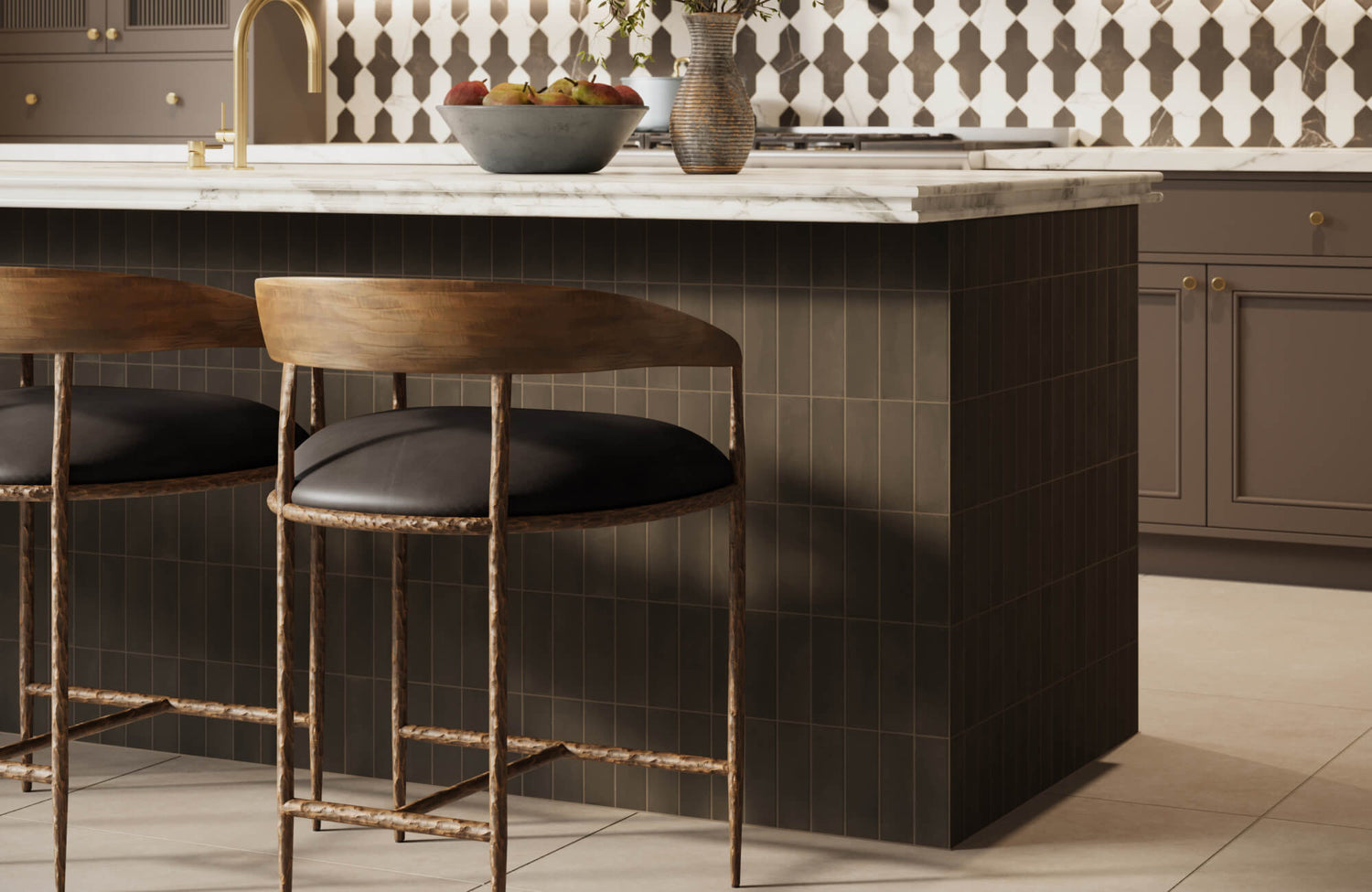
Choosing genuine leather can further elevate the long-term value of a stool, especially when the material is paired with thoughtful craftsmanship and durable structural design. Our Shaffer Counter Stool in Charcoal Black Leather, featured in the picture above, exemplifies this balance beautifully, offering a rich, authentic leather seat that not only grows more characterful with age but also withstands daily use with ease. Supported by a sturdy frame and refined silhouette, it demonstrates how premium materials contribute to lasting comfort, visual appeal, and reliability. For those prioritizing longevity and timeless style, genuine leather stools like this often deliver exceptional return on investment, making them a meaningful addition to both modern and traditional spaces.
Why Leather Bar Stools Make a Lasting Investment
Leather bar stools prove to be a rewarding long-term investment when chosen thoughtfully and cared for consistently, offering durability that reflects both quality materials and day-to-day use. High-grade leather paired with strong internal construction and simple upkeep routines provides years of dependable comfort while developing richer character and beauty over time. Synthetic leathers also shine as appealing, low-maintenance options, delivering impressive resilience and a polished look that suits a wide range of spaces. With both genuine and synthetic materials offering distinct strengths, you can confidently select the stool that best supports your lifestyle, ensuring lasting style, comfort, and performance in your space.
If you’re exploring durable types of leather bar stools and want guidance on selecting the right materials, finishes, or construction features, our team is ready to help. Our specialists can answer product questions or provide tailored recommendations so you can make a confident, well-informed investment. Reaching out through our Contact Us page ensures you receive support that aligns with your design goals and the long-term performance you expect from your seating.