
)
)
)
)
)
)
)
)
Are Large Floor Mirrors Worth The Investment For Interior Design?
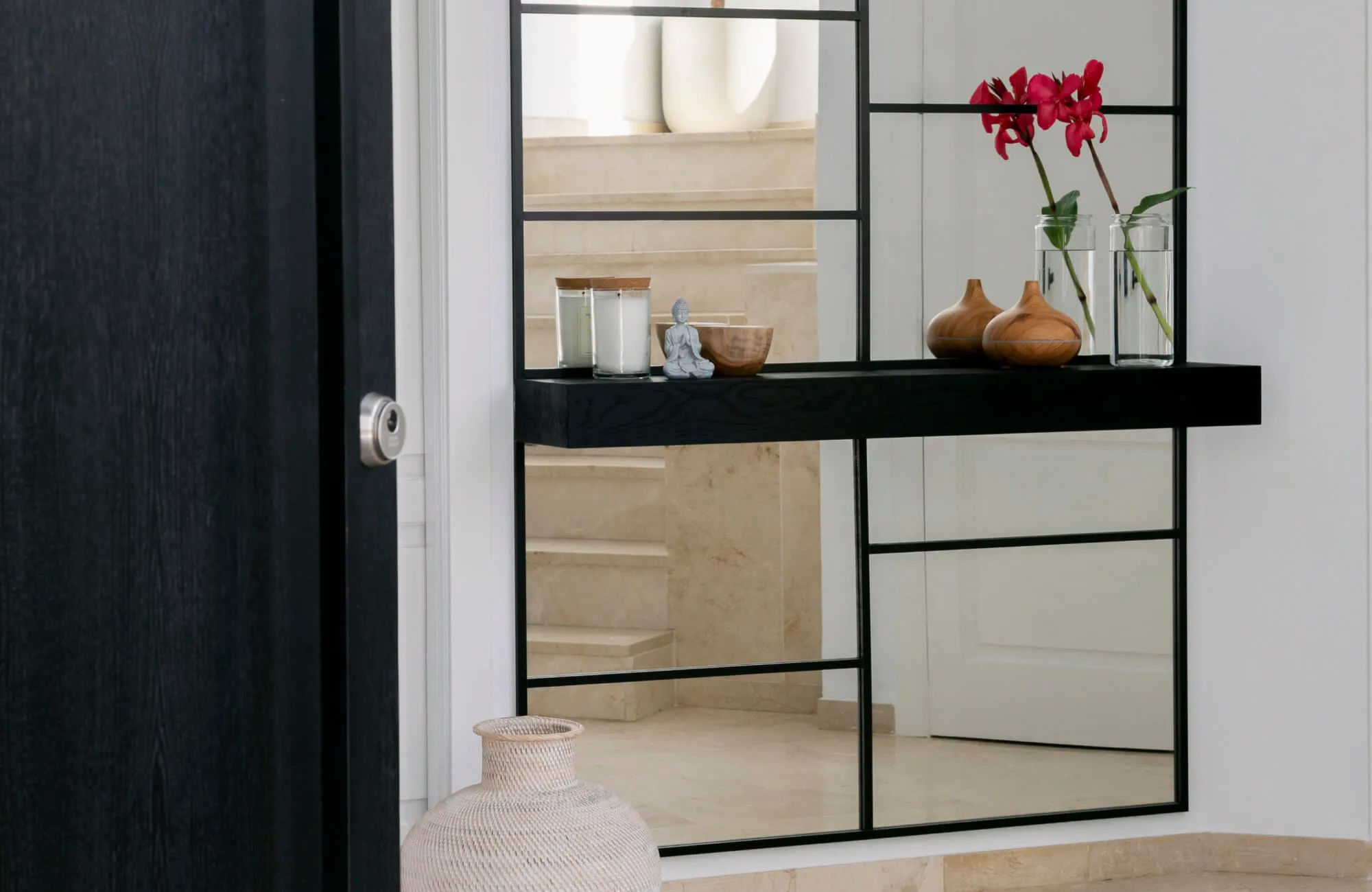
Large floor mirrors bring a sense of quiet luxury to interiors, inviting light, depth, and refined proportion into the room with an ease that feels both effortless and intentional. Their expansive reflective surfaces soften architectural boundaries, allowing spaces to unfold with greater clarity and visual harmony. As they echo natural light and material richness, they introduce a serene luminosity that elevates everything around them. These mirrors also offer a timeless versatility, gracefully transitioning between design styles while supporting both everyday functionality and artistic expression. Through their blend of beauty, practicality, and lasting relevance, large floor mirrors continue to stand as one of interior design’s most impactful long-term investments.

Spatial Transformation and Visual Expansion
Large floor mirrors reshape the way a room is perceived, allowing tight or irregular spaces to feel more open, fluid, and architecturally balanced. Their reflective depth enhances spatial harmony, creating an environment where form and proportion unfold with natural ease.
Manipulating Depth Perception Through Reflective Angles
Large floor mirrors manipulate depth through the way they extend parallel planes, encouraging the eye to travel farther than the room’s physical boundaries. Reflections cascading across the surface introduce a gentle fluidity, making narrow or compact layouts feel more open and inviting. This sense of expansion also softens rigid edges, helping confined rooms transition into more visually balanced environments. By reinforcing longer sightlines, the mirror helps the architecture feel more intentional and less constrained. As these visual cues work together, even modest spaces achieve a greater sense of dimensional richness.
Enhancing Flow in Open-Concept Layouts
In open-concept interiors, mirrors help unify adjoining spaces by reflecting their shared movement and harmony. As these reflections connect functional zones, the layout develops a natural rhythm that feels continuous rather than segmented. The mirror’s wide field also captures subtle transitions, allowing furnishings and finishes to feel more integrated. This softens potential disconnects between open areas, especially when different materials or shapes coexist. Together, these mirrored connections transform openness into an experience that feels purposeful and cohesive.
Correcting Architectural Imbalances
When placed with intention, large mirrors compensate for sloped ceilings, irregular angles, or visually heavy architectural elements. Their reflections introduce balance by redirecting attention toward more harmonious focal points. As the eye follows these calmer visual anchors, the room’s irregularities fade into the background. This rebalancing effect also elevates the entire composition, helping even challenging spaces feel thoughtfully designed. Over time, the mirror becomes an essential stabilizing feature within the room’s visual architecture.
Light Enhancement and Photometric Efficiency
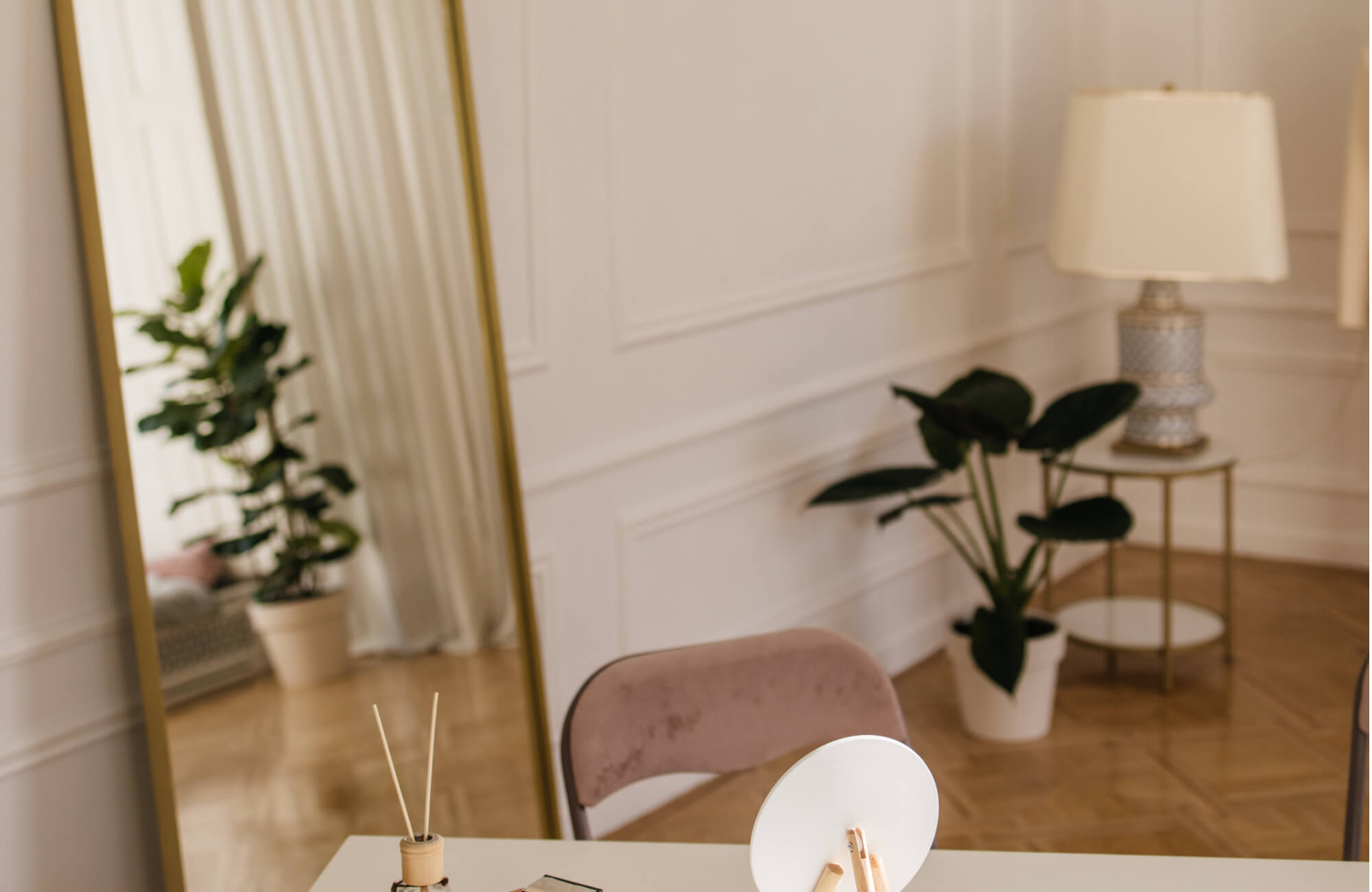
Large mirrors elevate the quality of both natural and artificial lighting, redistributing illumination in ways that brighten the room with quiet refinement. Their optical clarity supports a more even, energy-efficient glow that enriches surfaces, tones, and architectural features throughout the day.
Leveraging Low-Iron Glass for High-Color Rendering
Low-iron glass enhances a mirror’s clarity by removing the subtle green undertone found in standard float glass, allowing colors to appear more precise and vibrant. Light passing through the cleaner substrate returns with greater brilliance, enriching the room’s natural palette. This refined clarity becomes especially important in spaces designed around layered textures and nuanced finishes. Because the reflection remains consistent throughout the day, the room maintains a visually cohesive atmosphere. This high-fidelity response positions low-iron mirrors as an essential choice for detail-sensitive interiors.
Amplifying Daylight in Low-Exposure Zones
Oversized mirrors extend daylight deeper into low-exposure spaces, transforming dim rooms into brighter, more inviting environments. The mirror’s reflection of natural light introduces a gentle softness that feels organic rather than forced. This added brightness also reduces reliance on daytime artificial lighting, supporting energy-conscious design strategies. By redistributing illumination across surfaces, the mirror smooths out dark corners and enhances overall visibility. These improvements create a calm, welcoming atmosphere that elevates the room’s livability.
Optimizing Artificial Lighting Schemes
Large mirrors refine artificial lighting by extending the reach of soft diffused glows and minimizing shadow-heavy zones. As light reflects evenly across the surface, both ambient and accent lighting appear more intentional. This balance also enhances the room’s tone, allowing each fixture to contribute to the overall composition. By reinforcing the warmth of LED or architectural lighting, the mirror deepens the room’s visual harmony. Through this interplay, the interior achieves a lighting environment that feels polished and thoughtfully layered.
Aesthetic Impact, Styling Versatility, and Material Harmony
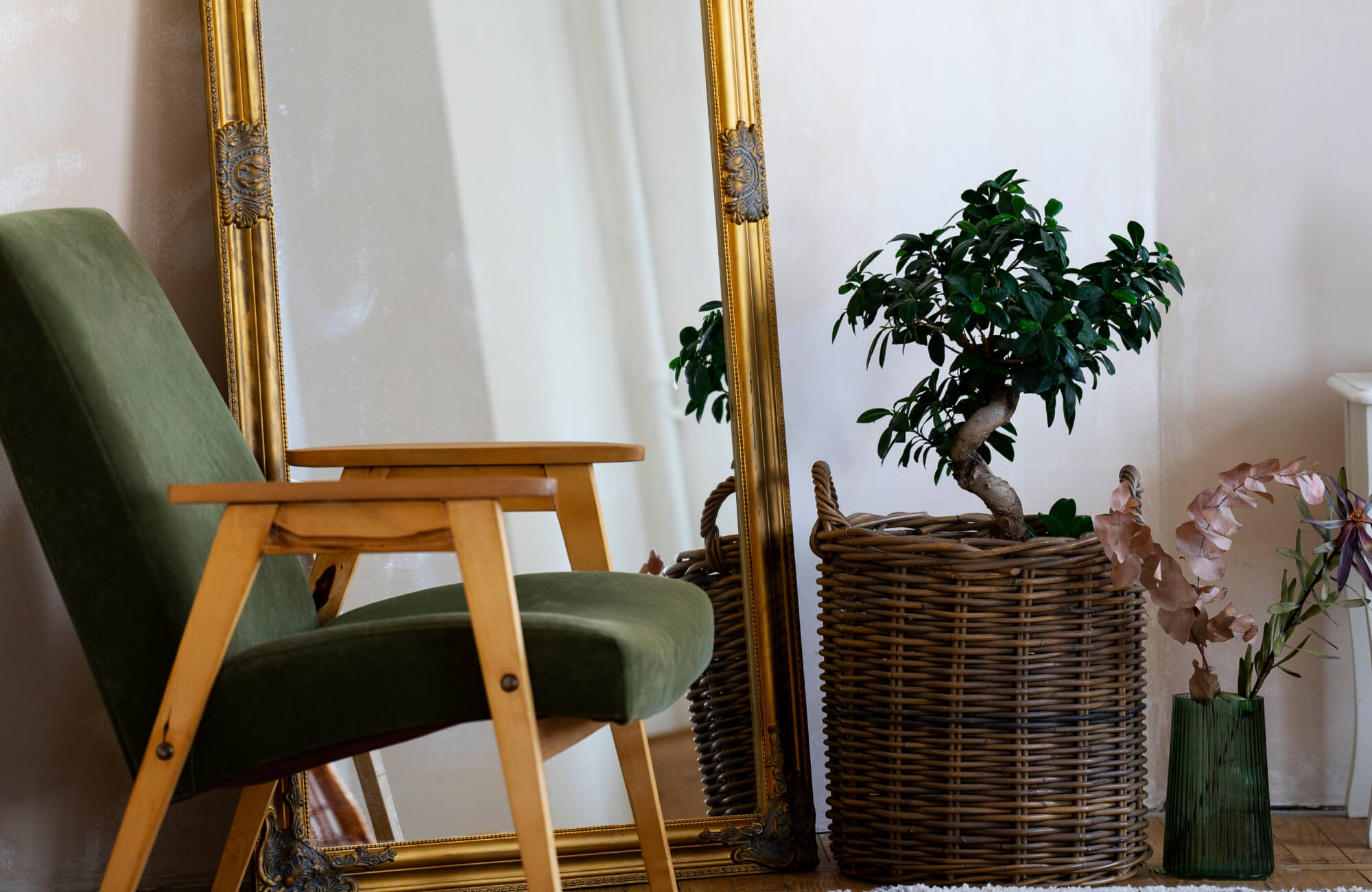
Beyond their functional value, large floor mirrors bring sculptural beauty to interiors, grounding the room with presence while enhancing its visual rhythm. Their adaptability across materials and styles allows them to enrich a space with layered sophistication and nuanced depth.
Creating Focal Points and Vertical Emphasis
Tall mirrors introduce vertical drama by guiding the eye upward, subtly lifting the perceived ceiling height. As they reflect architectural details, they deepen the room’s visual narrative and strengthen its structural rhythm. This upward pull also harmonizes with surrounding elements, especially in spaces dominated by low furniture or horizontal lines. As the reflection heightens presence without overwhelming the layout, the mirror becomes both a sculptural anchor and a functional asset. This synthesis of form and function elevates the space with a quiet elegance.
Supporting Material Layering and Finish Contrast
A large mirror enriches material palettes by reflecting stone veining, metal finishes, textile weaves, and natural wood tones with enhanced clarity. Reflected across the surface, these details feel more immersive and dimensional. This doubling effect also helps unify disparate materials, ensuring they interact with coherence rather than competition. In addition, subtle shifts in color and sheen become more pronounced, adding depth to the room’s visual landscape. Through this layered interplay, the interior takes on a more curated and sophisticated character.
Customizing the Mirror’s Visual Identity Through Frames
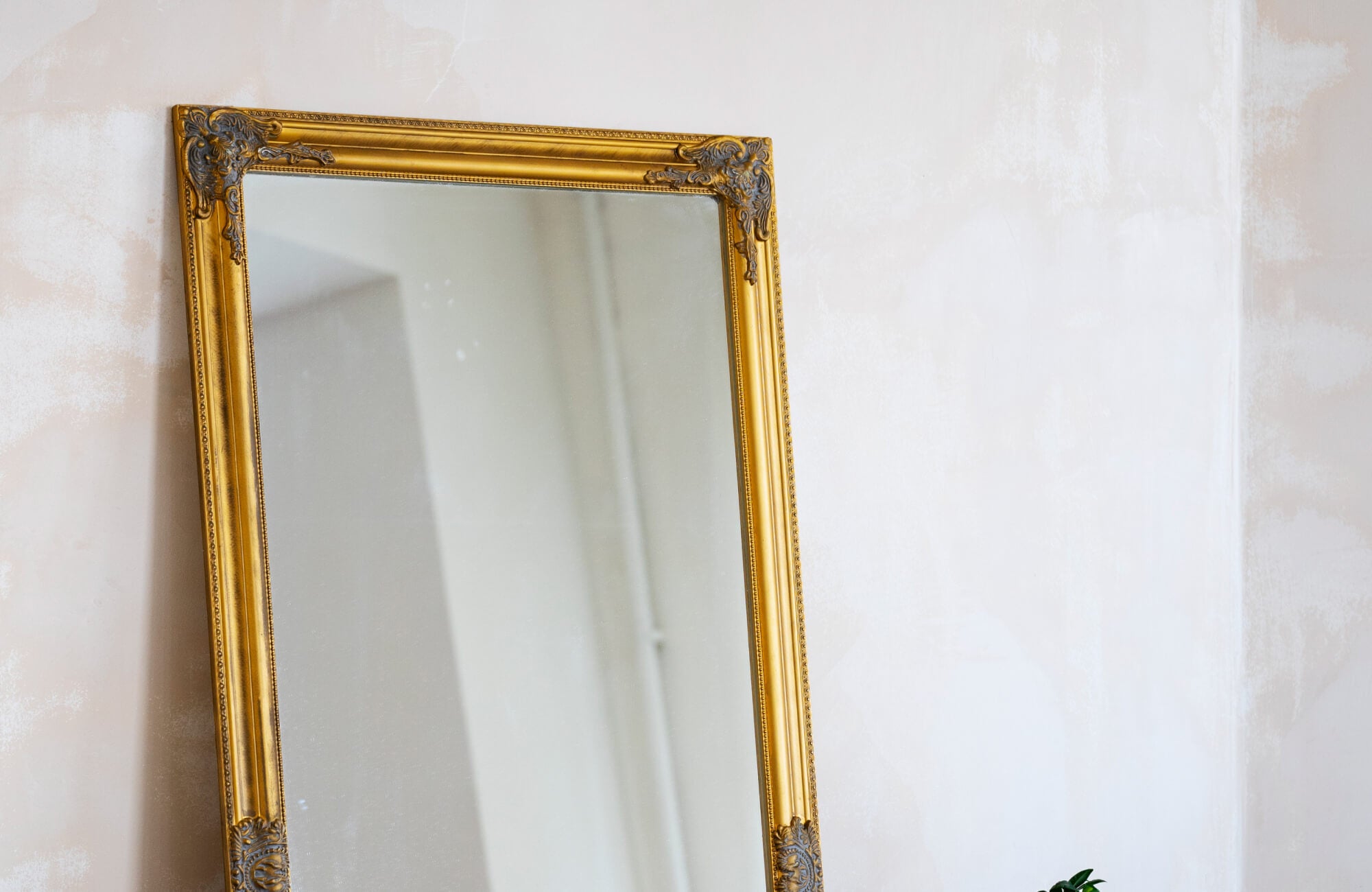
Frame materials, from warm brass to industrial steel or organic reclaimed wood, shape the mirror’s personality and influence its stylistic alignment. As these finishes engage with the room’s palette, they either blend smoothly or stand out with deliberate contrast. This adaptability also ensures the mirror complements a wide range of design languages. Meanwhile, the frame adds structural reinforcement that enhances long-term stability. With thoughtful selection, the mirror becomes a cohesive extension of the room’s design identity.
Construction Quality, Technical Specifications, and Safety Standards
The long-term performance of a large mirror hinges on its engineering, as every detail, from glass composition to support structures, shapes durability and clarity. High-quality construction ensures that the mirror remains both visually precise and structurally secure in a wide range of environments.
Glass Thickness, Clarity Index, and Structural Stability
High-quality large mirrors rely on thicker glass to maintain rigidity, preserving a distortion-free reflection even at scale. Greater thickness stabilizes the surface, preventing subtle warping that can alter visual accuracy. A high clarity index further ensures crisp detail, enabling the mirror to reflect textures and tones with precision. Moreover, reinforced backing materials add additional support, protecting the mirror from pressure or temperature fluctuations. Together, these specifications contribute to a product that performs consistently and endures beautifully.
Safety Glass and Anti-Shatter Technologies
Tempered and laminated safety glass enhances user protection by preventing dangerous shard formation upon impact. As these materials respond to pressure, they break into rounded fragments or remain bonded within their interlayer. This added security is essential in busy homes where children or pets interact with reflective surfaces. Safety glass also reinforces overall structural integrity, making the mirror more resilient. Through these engineered safeguards, the mirror supports both aesthetic appeal and dependable safety.
Backing Materials, Anti-Tip Hardware, and Moisture Resistance
Aluminum composite backings protect reflective coatings from humidity, preserving clarity and preventing edge deterioration. When paired with sealed edges, this construction safeguards the mirror in moisture-prone areas like bathrooms or laundry spaces. Anti-tip hardware also stabilizes tall mirrors, reducing hazards associated with leaning installations. These reinforcements ensure the mirror remains secure and visually pristine throughout everyday use. As a result, the mirror delivers long-term reliability aligned with high-performance interior standards.

Investment Value, Functional Versatility, and Long-Term Adaptability
Large floor mirrors offer lasting value by elevating perceived space, enhancing everyday usability, and adapting gracefully to shifting design styles. Their ability to blend beauty with long-term practicality makes them one of the most dependable investments in a well-curated interior.
Increasing Perceived Square Footage for Real Estate Impact
Large mirrors elevate property appeal by expanding perceived square footage through bright, open reflections. As they enhance natural light and amplify architectural features, they strengthen the home’s visual profile. This impact also proves especially beneficial during staging, where first impressions shape buyer perception. By widening sightlines and softening spatial limitations, mirrors contribute to a more inviting atmosphere. In turn, these enhancements support higher buyer engagement and long-term value.
Multi-Functional Use Across Styling, Photography, and Daily Living
Large floor mirrors support daily routines by offering full-height visibility for styling, grooming, and lifestyle needs. Their clarity also makes them a valuable tool for photography and content creation, enhancing composition and perspective. Fitness routines benefit as well, with mirrors enabling posture correction and movement awareness. This versatility ensures the mirror contributes meaningfully beyond aesthetics. Over time, its multifunctional role reinforces its status as a practical, high-value design element.
Longevity and Design Flexibility Across Changing Trends
Because large mirrors carry a timeless neutrality, they blend seamlessly into evolving design styles from modern minimalism to layered eclecticism. As trends shift, the mirror adapts effortlessly without requiring replacement. Its ability to relocate between rooms further extends its functional lifespan. Durable construction also ensures the reflection remains crisp and reliable over time. This enduring relevance positions the mirror as a smart, future-proof investment in any interior.
Wall Mirrors as a Space-Saving Alternative
Wall mirrors present a refined alternative for interiors where floor space is limited, offering reflective benefits without the footprint of a full-length standing design. Their fixed placement lends a sense of stability and safety, especially in hallways, compact entryways, or rooms with active circulation. By mounting them at strategic heights, designers can still amplify depth, brightness, and visual rhythm with precision, ensuring the space feels elevated without overwhelming the layout.
This approach works beautifully with sculptural options like Edward Martin’s Esmeralda Round Mirror in Polished Brass, as displayed in the photo above, whose warm metallic frame and generous curvature introduce elegance while remaining discreetly mounted. Its polished brass finish reflects light with a soft, luminous glow, making it a standout choice in spaces where both refinement and practicality matter. Through pieces like these, wall mirrors offer a space-saving solution that maintains the drama, style, and functional clarity expected from high-end reflective décor.
Enduring Value in the Art of Reflection
Large floor mirrors continue to demonstrate their importance by elevating brightness, depth, and visual harmony within any space. Their ability to blend sculptural beauty with everyday practicality makes them one of the most versatile design investments available. As they reflect materials, textures, and architectural character, they also enrich the atmosphere with an effortless sense of refinement. Their adaptability across rooms and design eras ensures they remain relevant long after trends evolve. Through their enduring presence, large floor mirrors prove that thoughtful reflection is both a design strategy and an art form.
As you explore ways to bring this enduring beauty into your home, Edward Martin’s bespoke design services ensure that every mirror is thoughtfully selected and perfectly integrated into your space. If you’re ready to transform your interiors with expert guidance and tailored solutions, contact us to begin your design journey!
Follow us on Instagram
@EDWARD.MARTIN
)
)
)
)
)
)
)
)
)
)
)
)
)
)
)
)