
)
)
)
)
)
)
)
)
What Is A Counter Height Dining Set And How Is It Different From A Standard Dining Table?
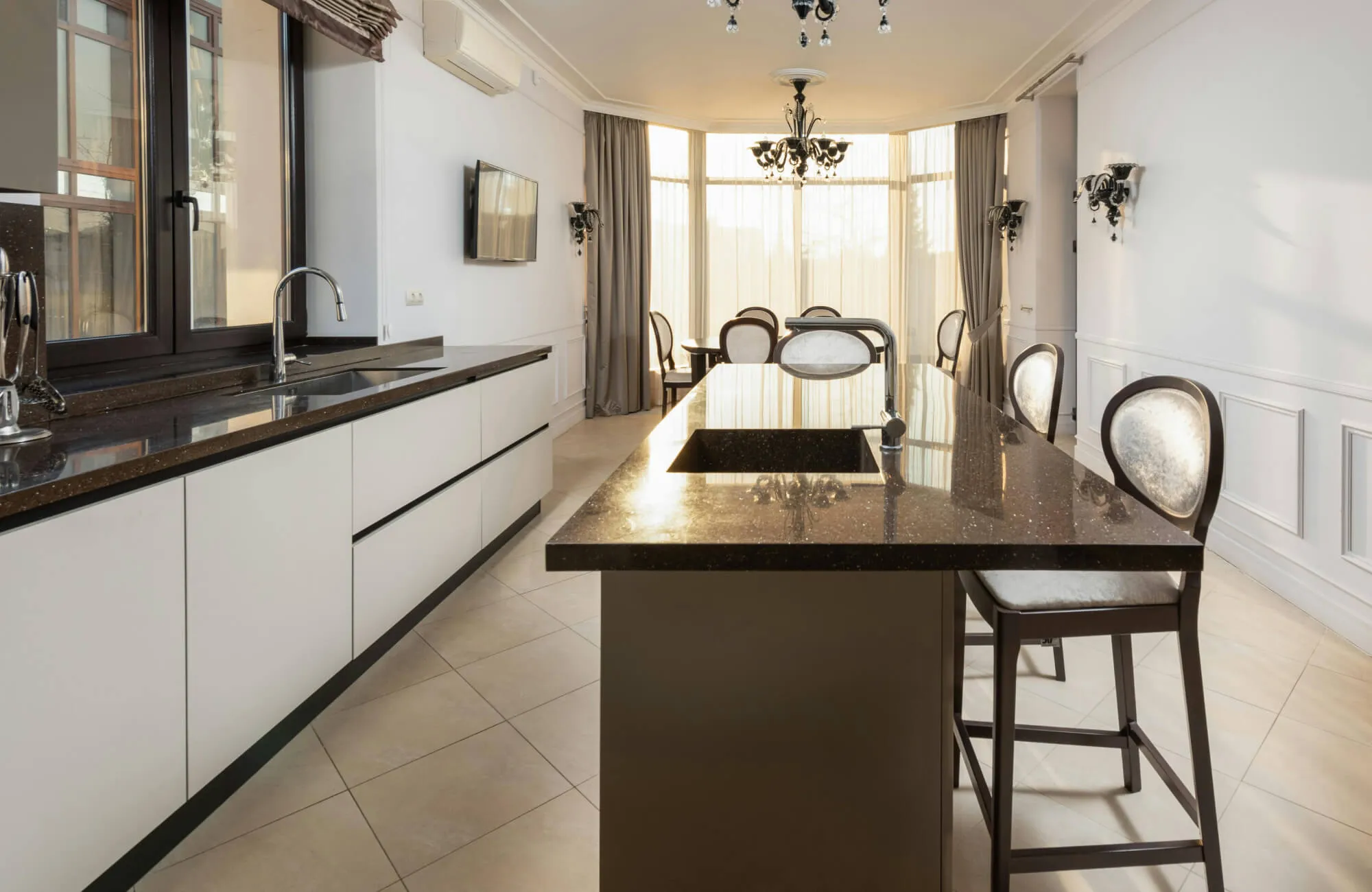
A dining table is more than a functional surface—it is a defining element that shapes how a space feels, flows, and invites connection. From relaxed morning routines to thoughtfully styled gatherings, table height subtly influences comfort, proportion, and daily rituals. Counter height dining sets, often described as high or tall dining tables, bring a modern, elevated presence that blends effortlessly with contemporary interiors. Standard dining tables, by contrast, offer timeless balance and ergonomic ease rooted in traditional design principles. Understanding how these dining heights differ allows for a more intentional choice that aligns beauty, function, and long-term living.
Counter Height Dining Sets
Counter height dining sets are designed to sit higher than conventional dining furniture, creating a visual and functional bridge between dining and kitchen surfaces. This elevated form influences ergonomics, construction methods, and the interaction between the dining area and adjacent spaces.
Dimensional Standards and Table Height Specifications
A counter-height dining table, commonly described as a high dining table or tall dining table, typically measures between 34 and 36 inches in height, closely aligning with standard kitchen counter dimensions. This increased height distinguishes it clearly from standard dining tables while allowing it to function as an extension of the kitchen environment.
Seating is also proportioned accordingly, with counter height chairs or stools offering seat heights of approximately 24 to 26 inches. This proportional relationship ensures appropriate leg clearance while maintaining a balanced seated posture. The additional height subtly shifts the dining experience toward a more upright, casual position.
Structural Reinforcement and Stability Engineering
The elevated stature of a high dining table set places greater structural demands on its construction. To maintain stability, manufacturers frequently use thicker tabletops, reinforced joinery, and solid wood or metal support frameworks. Legs are also often wider or strategically braced to counteract lateral movement caused by the taller profile.
Moreover, the physics of leverage becomes more pronounced at this height, making material quality and connection points critical. Cross supports, or stretcher bars, are commonly added to improve load distribution and rigidity. These engineering measures ensure that a tall dining table remains stable without sacrificing design refinement.
Typical Applications in Modern Interiors
Counter height dining sets are widely used in open-concept kitchens, loft-style residences, and casual dining zones where visual continuity is desirable. Their height allows them to align seamlessly with kitchen islands, reinforcing a cohesive flow between preparation and dining areas. This configuration naturally supports informal meals and social interaction. High dining tables are also well-suited for multifunctional spaces where dining and entertaining overlap. Their proportions echo café and bistro aesthetics often associated with contemporary interiors. As a result, they are frequently chosen for lifestyle-oriented layouts.
Completing the Counter Height Dining Experience With the Right Seating
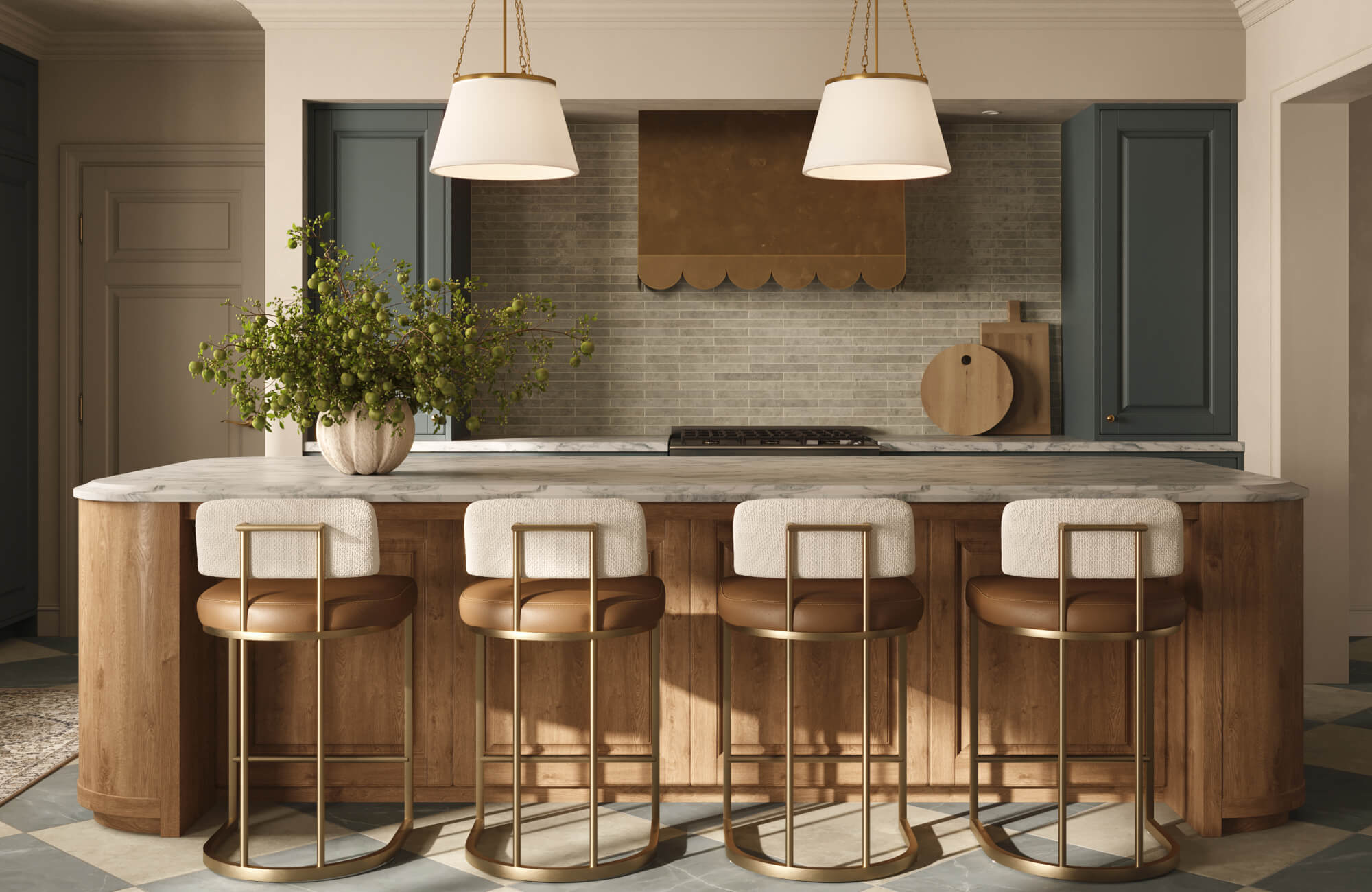
In counter-height dining environments, seating plays a central role in achieving both comfort and visual cohesion. As shown in the photo above, a well-proportioned counter stool, such as Edward Martin’s Kenzie Counter Stool in Napa Cognac, complements the elevated surface while anchoring the space with warmth and refinement. The rich cognac upholstery also introduces contrast against light countertops, softening the vertical lines of the island. Its supportive seat height and integrated footrest promote proper posture for everyday dining and casual entertaining. By investing in thoughtfully designed counter height seating rather than a full dining set, homeowners retain flexibility while preserving function. This approach ensures that counter height dining areas feel complete, intentional, and livable.
Standard Dining Tables
Standard dining tables are built around long-established ergonomic principles that emphasize comfort, accessibility, and balanced proportions. Their familiar scale supports a wide range of dining activities and interior styles.
Standard Dining Table Height and Chair Proportions
A standard dining table typically measures 28 to 30 inches in height, forming the baseline against which taller dining tables are compared. Dining chairs are paired with seat heights averaging 17 to 19 inches, creating a comfortable vertical relationship. This proportion also allows diners to sit with feet flat on the floor and arms resting naturally at the tabletop. The resulting posture minimizes strain on joints and muscles during extended use. Because these dimensions are widely standardized, seating options are plentiful and interchangeable. This consistency enhances long-term flexibility and ease of replacement.
Ergonomic Comfort for Extended Dining
Standard dining tables are especially well-suited for long meals, family gatherings, and everyday dining routines where comfort matters over time. Their lower seating height encourages a relaxed posture that gently reduces pressure on the hips and knees, making extended sitting feel more natural. As meals linger, this ergonomic advantage becomes increasingly noticeable, supporting comfort without conscious effort. Standard dining tables also accommodate a wide range of body types with ease, requiring little to no adjustment. By allowing natural shoulder alignment and even weight distribution, they support the body in a balanced, intuitive way. For these reasons, standard dining tables remain the most universally comfortable choice for residential dining spaces.
Integration With Traditional and Contemporary Styles
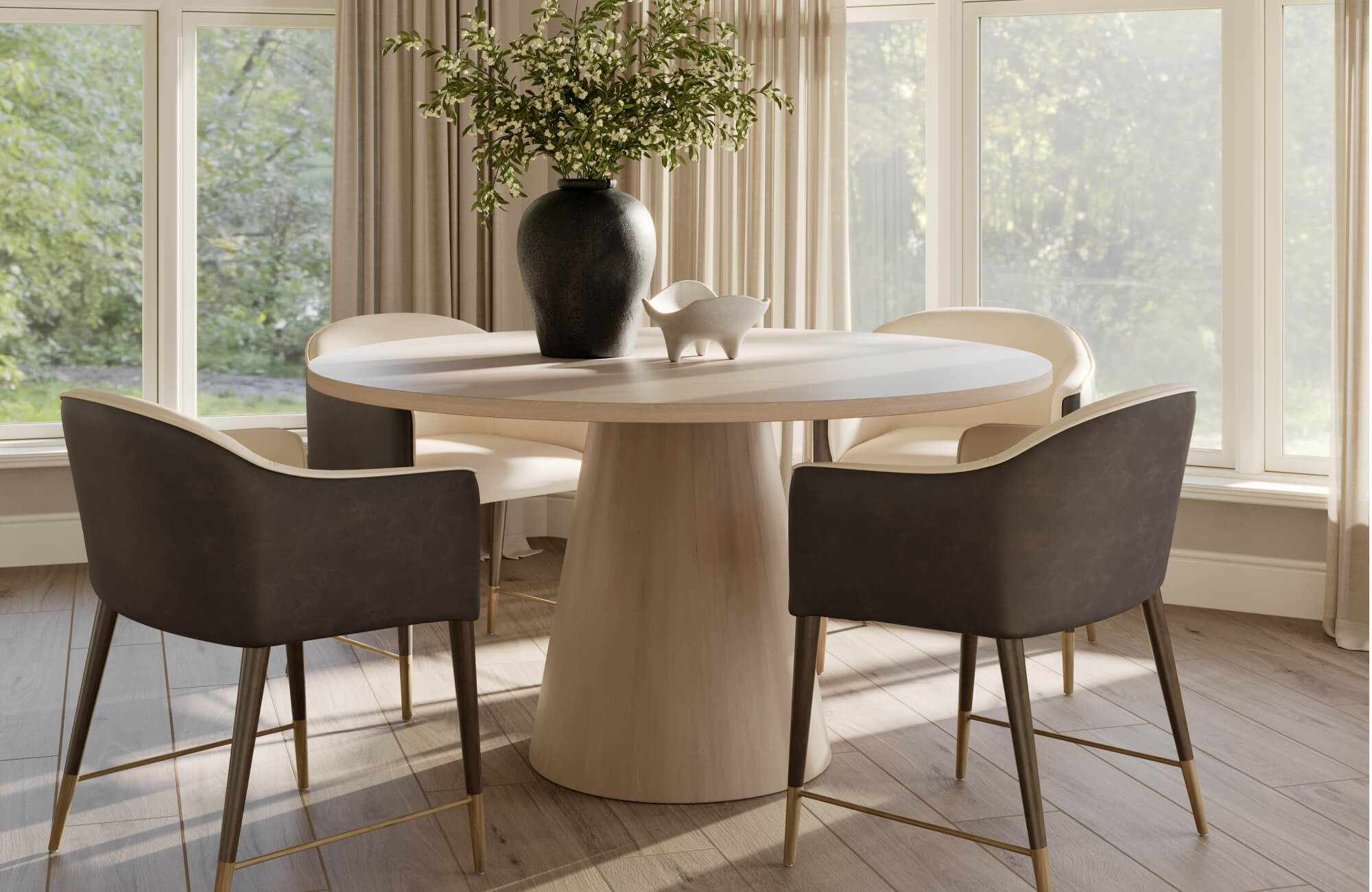
Standard dining tables are especially valued for their ability to bridge traditional and contemporary interiors with ease, thanks to their balanced proportions and timeless scale. As shown in the photo above, the Alice 54" Round Dining Table in Light Oak exemplifies this versatility through its softly rounded silhouette and warm, natural wood finish. Its light oak tone introduces organic warmth that complements both classic detailing and modern, minimalist surroundings.
In addition, the round form encourages visual softness, making it equally at home in formal dining rooms or relaxed, light-filled spaces. Paired with upholstered seating, the table adapts seamlessly to evolving design preferences without feeling stylistically rigid. This adaptability underscores why standard-height dining tables remain a foundational choice across a wide range of interior styles.
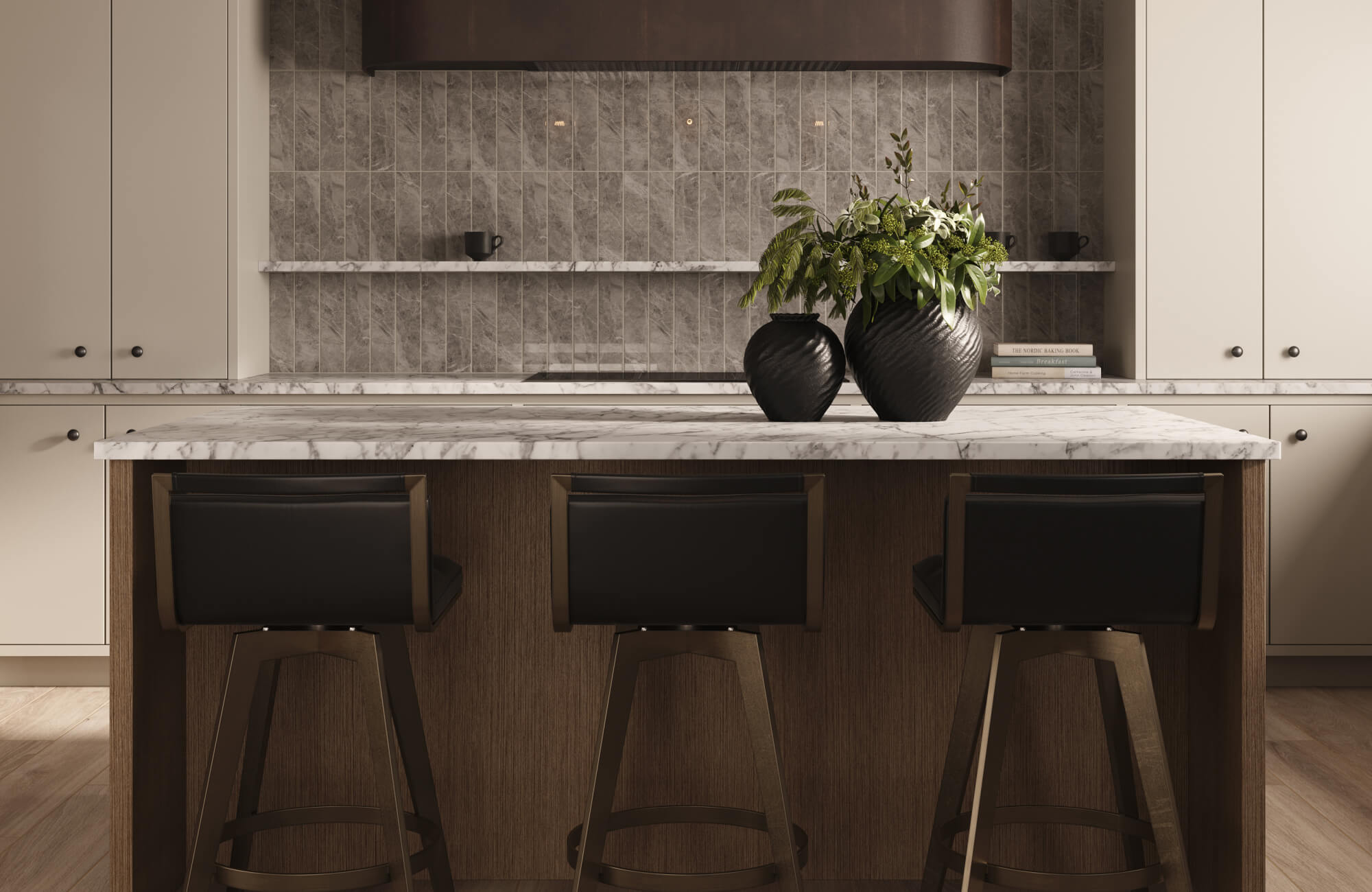
Functional Differences
The difference between a high dining table set and a standard dining table becomes most evident during daily interaction. Seating posture, accessibility, and dining behavior are all directly influenced by table height.
Seating Posture and Body Mechanics
Counter height and tall dining tables promote a more upright seating posture similar to bar-style seating, which naturally encourages shorter dining durations and more dynamic social interaction. This elevated position supports casual meals and frequent movement, making it well-suited for informal dining environments.
Standard dining tables, by contrast, allow diners to sit with full foot contact on the floor, creating a more grounded and relaxed posture. This positioning also improves circulation and reduces muscle fatigue during extended meals. Over time, these posture differences have a noticeable impact on overall comfort and usability. Selecting the appropriate dining table height ensures the seating experience aligns with how the space is intended to be used.
Accessibility Across Age Groups
Standard dining tables are generally more accessible for children, older adults, and individuals with limited mobility due to their lower seating height. This reduced height minimizes the physical effort required to sit down and stand up comfortably. High dining tables also require greater vertical movement, which can pose challenges for some users over time.
The difference becomes especially relevant in multi-generational households where accessibility needs vary. When dining furniture accommodates all users, it supports more frequent and inclusive use of the space. Thoughtful table height selection plays an important role in long-term comfort and accessibility.
Meal Types and Frequency of Use
High dining table sets are often associated with casual dining, quick meals, and social entertaining, where flexibility and movement are encouraged. Their elevated design supports easy transitions between standing and seated positions, making them ideal for relaxed gatherings.
Standard dining tables, on the other hand, are better suited for structured meals and consistent daily use. They also comfortably accommodate serving dishes, place settings, and longer dining sessions. These functional differences shape how often and in what ways the dining space is used. Aligning table height with typical meal patterns enhances overall practicality and satisfaction.
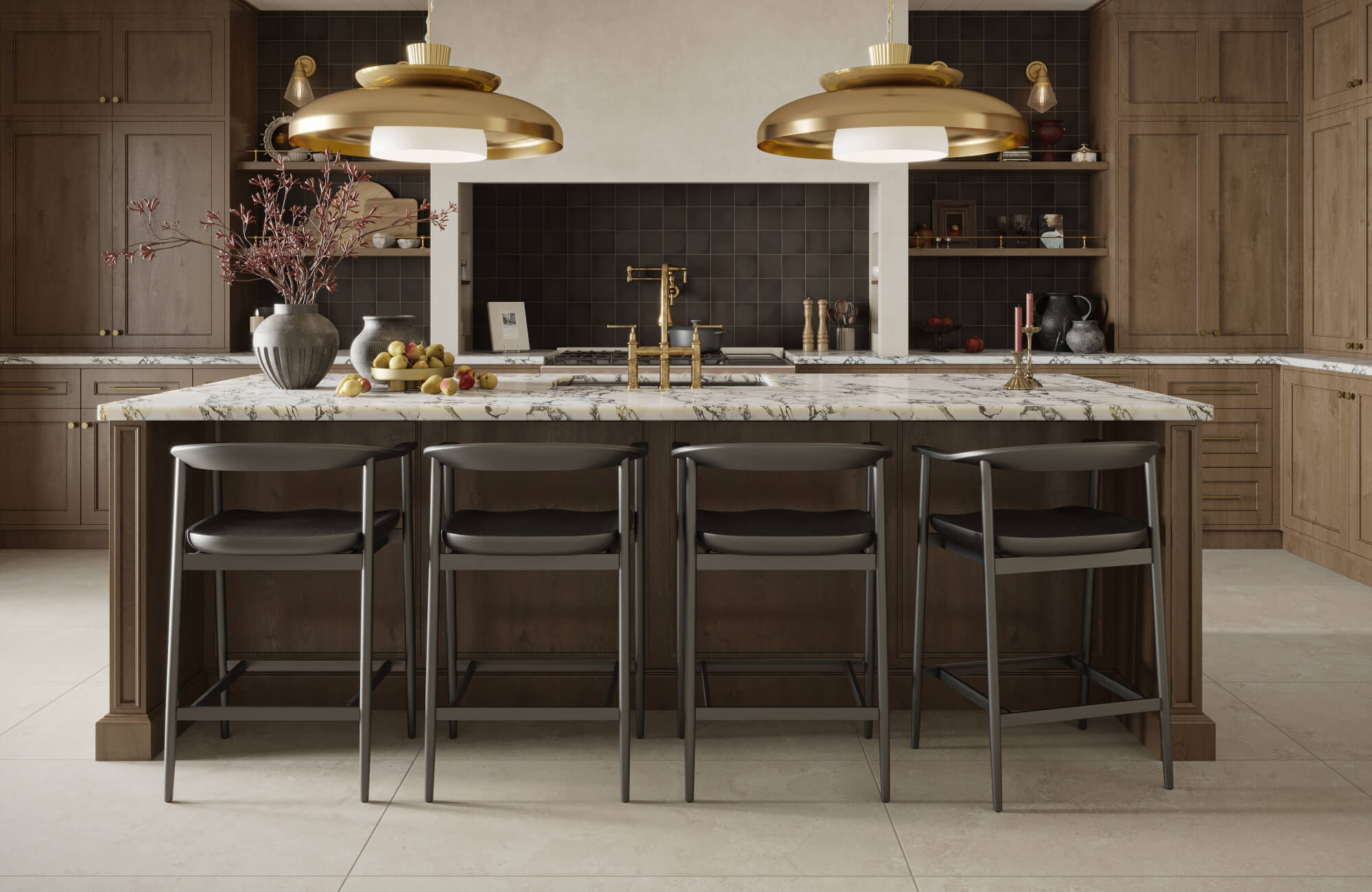
Spatial Impact and Visual Proportion in Interior Design
Dining table height plays a critical role in shaping spatial perception and visual balance. The vertical scale of the table can either enhance or disrupt the room’s proportions.
Visual Weight and Vertical Emphasis
Tall dining tables introduce a more pronounced vertical presence within a space, naturally drawing the eye upward and shaping how the room is perceived. This effect can be particularly advantageous in interiors with high ceilings or expansive floor plans, where added height helps balance open volume. In smaller or lower-ceilinged rooms, however, the same vertical emphasis may feel visually heavy or dominant.
Meanwhile, standard dining tables maintain a lower visual center of gravity, allowing furnishings to feel more grounded and proportionate. This softer visual impact contributes to a calmer, more balanced atmosphere. Understanding how visual weight operates within a room helps maintain overall design harmony.
Flow in Open-Concept Floor Plans
In open-concept layouts, high dining tables tend to align visually with kitchen counters and islands, creating a cohesive relationship between adjacent functional zones. This alignment supports a seamless transition between cooking, dining, and entertaining areas without the need for physical dividers.
Standard dining tables, by contrast, introduce a subtle visual separation that helps define the dining area within a larger space. This distinction can enhance spatial clarity while preserving openness. Both approaches influence how movement and sightlines are experienced throughout the room. The most effective choice depends on whether continuity or gentle definition is the primary design goal.
Perceived Openness and Room Scale
Standard dining tables often contribute to a more open and airy atmosphere due to their lower profile and unobstructed sightlines. This quality makes them especially well-suited for smaller rooms or spaces where maintaining visual openness is essential.
Tall dining tables, on the other hand, can visually segment a room, which may be beneficial in larger interiors that require definition. In compact spaces, however, this segmentation can reduce the sense of openness if not carefully balanced. Ceiling height also plays a critical role in determining which table height feels appropriate. Selecting the correct scale ensures visual comfort and a well-proportioned dining environment.
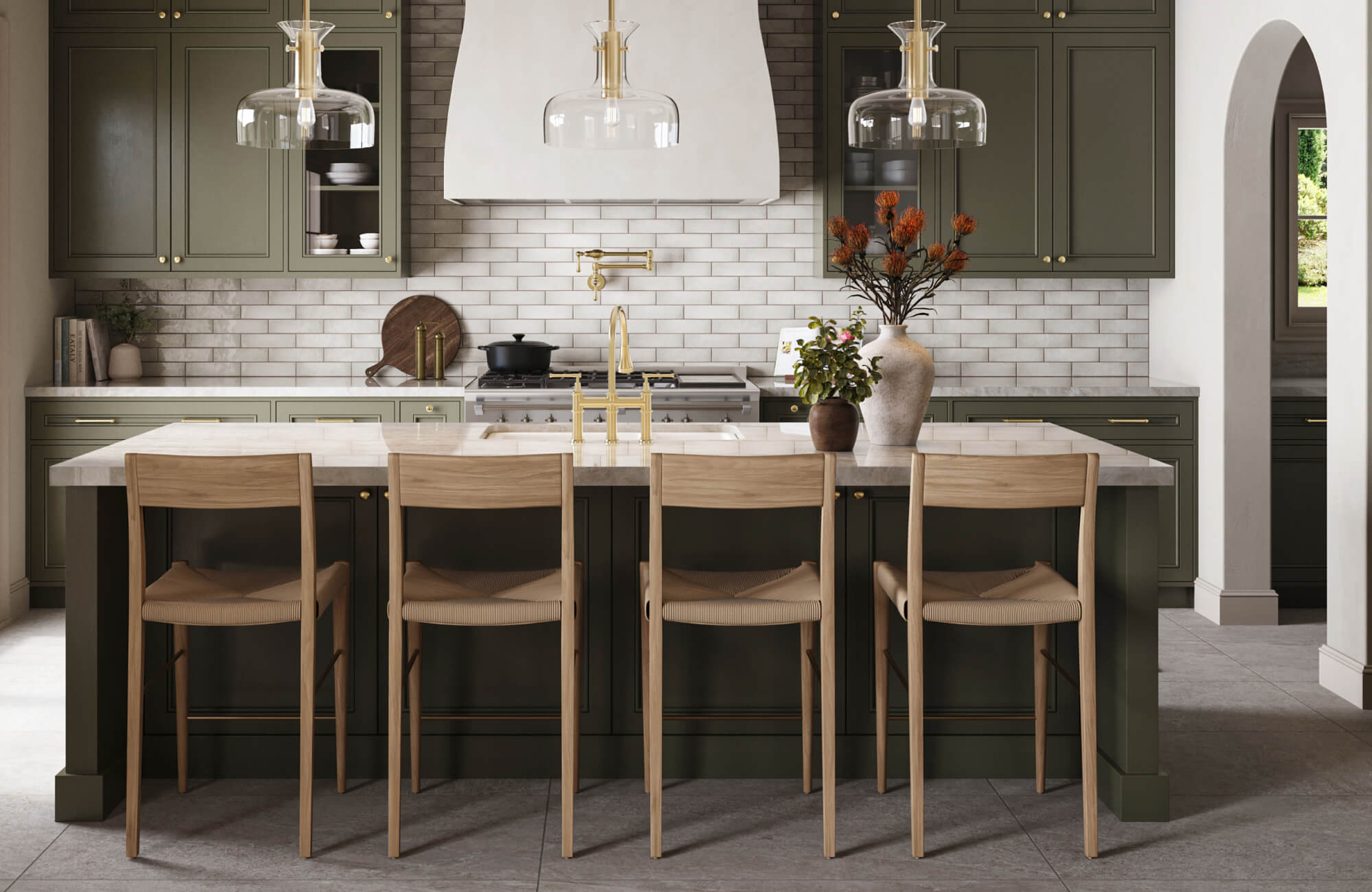
Choosing the Right Dining Height
Selecting between a high dining table set and a standard dining table requires balancing design goals with everyday functionality. Long-term satisfaction depends on how well the dining furniture adapts to changing needs.
Lifestyle and Daily Habits
Households that favor casual entertaining and relaxed socializing often lean toward high dining table sets, because their elevated height naturally encourages conversation and informal dining. This style works especially well for quick meals, gatherings that blend sitting and standing, and kitchen-centered living where the table becomes part of the action.
By contrast, families who use the dining area for regular meals, homework, or longer stretches of time may find standard dining tables more practical. The lower height tends to offer greater comfort, stability, and versatility across a wider range of activities. When dining furniture aligns with everyday routines, it supports usability instead of limiting it—so daily habits should be a primary consideration when choosing table height.
Space Planning and Ceiling Height
Ceiling height plays a major role in how a dining table feels within a space, shaping both visual balance and overall comfort. Tall tables, in particular, work best in rooms with generous vertical clearance, where their height feels deliberate rather than overwhelming. Standard tables, on the other hand, are more adaptable, fitting comfortably into a wider range of ceiling heights and making them a safe choice for both compact and expansive interiors.
But it’s not just about height. The space around the table is equally important because movement and circulation determine how functional the area feels in everyday use. With adequate clearance, seating movement becomes effortless, and the room maintains a smooth flow. When the layout is thoughtfully planned, the dining area feels open, balanced, and genuinely inviting.
Longevity, Adaptability, and Resale Value
Standard dining tables are often favored for their long-term adaptability. Their universal dimensions make it easier to rearrange layouts and replace chairs as needs change, which becomes especially valuable as households evolve and interior styles shift.
High dining table sets, while visually distinctive, are more specialized in both height and aesthetic, which can limit their versatility. Because they are less common, adapting them to new spaces or different seating requirements may be more challenging.
From a resale perspective, standard dining tables also tend to appeal to a broader range of buyers. Their traditional proportions usually translate to stronger long-term value and wider market appeal.
A Thoughtful Balance of Height, Style, and Function
Whether choosing a high dining table for its modern presence or a standard dining table for its timeless comfort, the right decision lies in understanding how height shapes everyday living. Counter height dining sets create visual continuity and casual elegance, while standard dining tables offer ergonomic ease and enduring versatility. Factors such as ceiling height, household needs, and dining habits all play a role in achieving balance. By aligning proportion, function, and lifestyle, a dining space becomes both purposeful and inviting. The result is a dining environment that feels considered, comfortable, and beautifully resolved.
For a more tailored approach, Edward Martin’s design services help translate these considerations into cohesive, well-proportioned interiors—contact us to begin a personalized design consultation!
Follow us on Instagram
@EDWARD.MARTIN
)
)
)
)
)
)
)
)
)
)
)
)
)
)
)
)