
)
)
)
)
)
)
)
)
Are Large Bathroom Tiles More Expensive?
Choosing the right tile size for your bathroom isn’t just about what looks good; it's also about what works well. Although large-format bathroom tiles may catch your eye for their sleek appearance, the question of whether they cost more is more layered than it might seem. From manufacturing to installation to upkeep, several variables shape the total investment. In this article, we’ll walk you through each of those elements so you can decide whether large bathroom tiles are a smart fit for your project.
How Tile Size Impacts Base Price
At a glance, larger tiles may seem more expensive simply because they’re bigger. But size alone doesn’t dictate cost. To understand the price of large tiles, we need to look at what goes into making them and how they’re sold.
Size and Production Demands
Larger tiles do require more material, but the cost difference isn’t only about volume. Producing them involves greater precision and tighter quality control. The risk of warping or defects during the firing process is higher with bigger pieces, which often leads to more rejected batches and slower production. This careful manufacturing approach contributes to a higher base cost, even before the tiles leave the factory.
Material Type and Cost Range
Different tile materials react differently to being scaled up. Porcelain, for example, maintains strength even in larger formats, making it a popular choice for large tiles in bathrooms. Natural stone, on the other hand, becomes more costly as size increases because larger slabs are harder to source and cut cleanly. Ceramic is often a more budget-friendly option and is commonly used for walls, as it’s lighter and easier to cut, though it may chip more easily under floor use compared to denser materials like porcelain. As you compare options, it’s equally important to factor in both material and size.
Packaging and Pricing Models
Larger tiles are usually packaged in smaller quantities per box, but because each piece covers more area, the overall coverage remains efficient. At first glance, the price per box might appear higher; however, when you calculate the cost by square foot, the difference is often smaller than expected. Since large tiles are heavier and require careful handling, they’re typically packaged with added protection to ensure they arrive in good condition. While this can slightly influence shipping or handling costs, it helps preserve product quality and minimize the risk of damage.
The Real Cost of Installation
While material costs are important, installation also plays a key role in the overall budget. Large-format tiles bring unique installation considerations that are worth understanding upfront. With the right preparation and expertise, they can deliver a clean, seamless finish that’s well worth the effort.
Weight and Handling Requirements
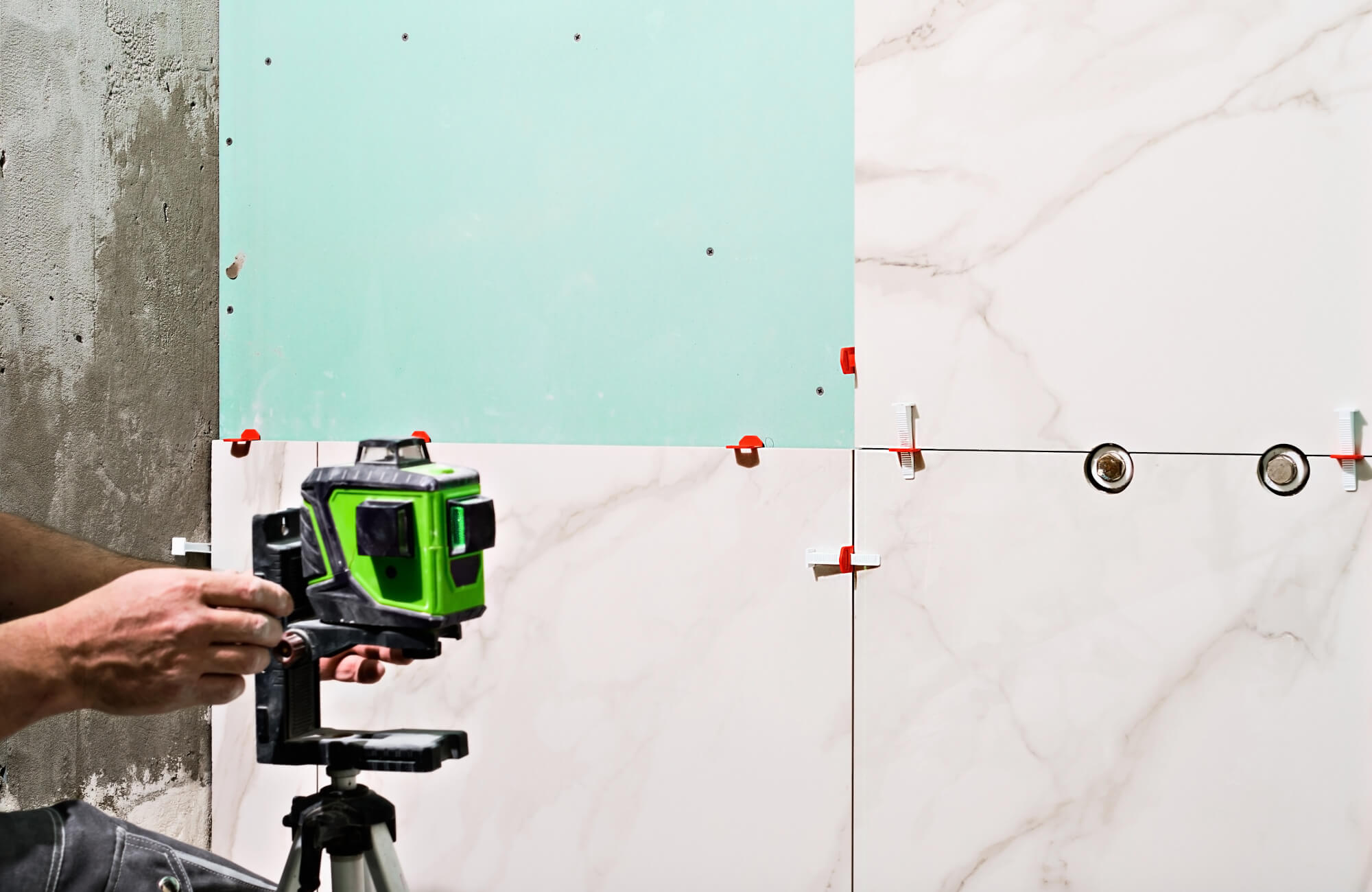
Because each large tile covers more surface area, it also tends to weigh more than smaller formats. This added weight doesn’t just affect how the tiles are moved; it also influences how they're installed. Positioning them accurately, especially on walls, often requires extra time, additional manpower, or specialized tools like leveling systems and handling aids. These resources help ensure a smooth, even finish, but they also contribute to the overall labor involved. When planning your installation budget, it's helpful to factor in the extra care and coordination large tiles may require.
Substrate Preparation Needs
Large-format tiles require a flat, even surface to be installed correctly. Because of their size, they’re less forgiving of dips or uneven spots in the subfloor or wall. To avoid issues like lippage or cracking, installers often need to level or reinforce the surface beforehand. This might involve applying a leveling compound, installing backer boards, or making minor structural adjustments. While these steps add to the preparation time and labor, they’re essential for achieving a high-quality, lasting installation, and they should be considered when estimating overall project costs.
Precision Cutting and Layout
Fitting large tiles into a bathroom layout often involves more than just placing them on the floor or wall. Because of their size, trimming them around fixtures, corners, or narrow spaces requires careful measurement and specialized cutting tools. This level of precision takes extra time and skill, particularly in bathrooms with complex layouts. These added steps don’t just ensure a polished look; they also increase labor time and contribute to the overall installation cost. When budgeting, it’s worth accounting for the details and planning the large tiles required to achieve a seamless result.
Design and Visual Payoff
When weighing the cost of large bathroom tiles, it’s also worth considering the visual benefits they can bring to a space. While price is important, the right tile choice can enhance both the atmosphere and perceived value of your bathroom. Large-format tiles are especially effective in creating a modern, expansive feel that many see as worth the added investment.
Spacious, Seamless Feel
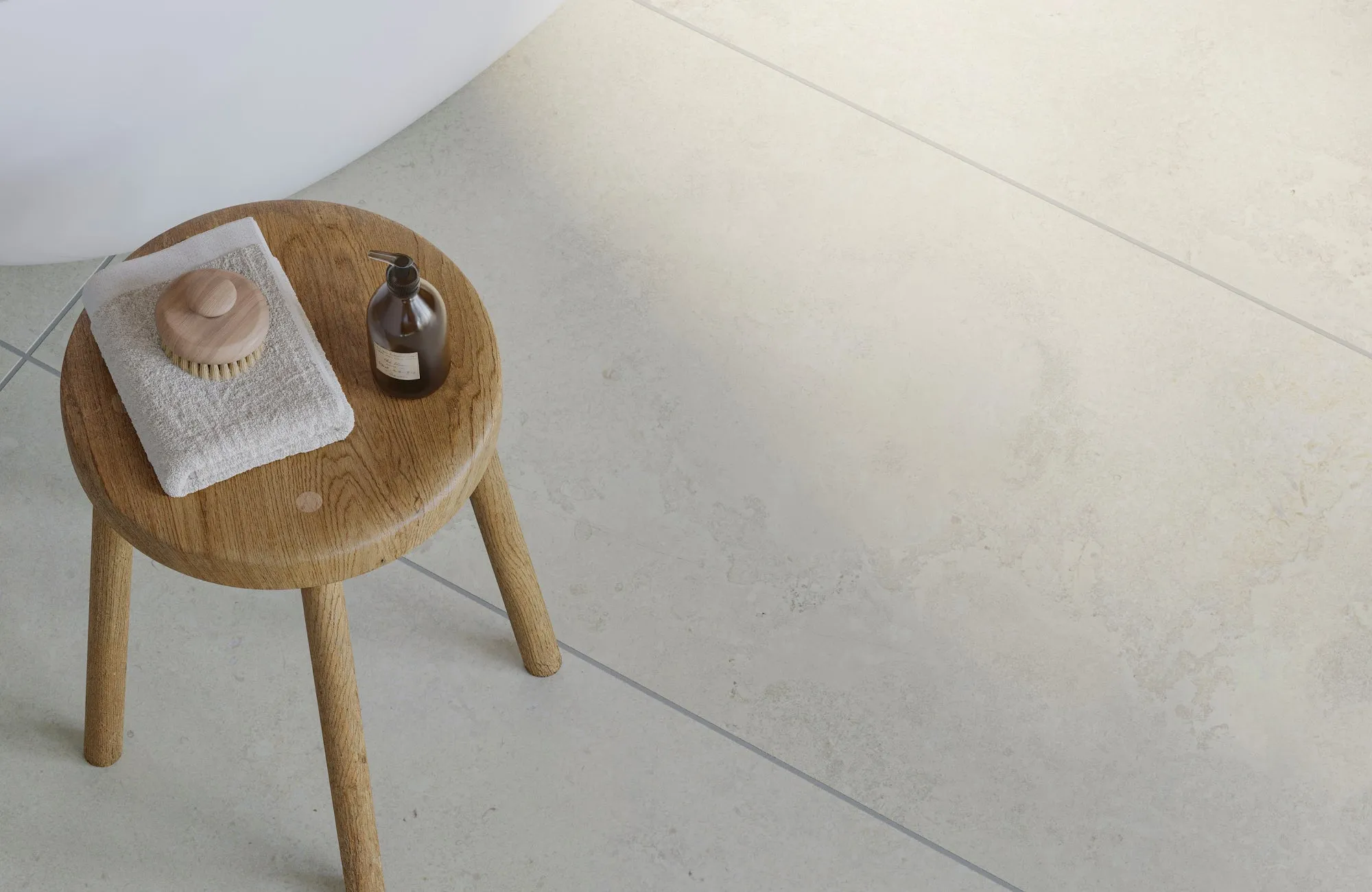
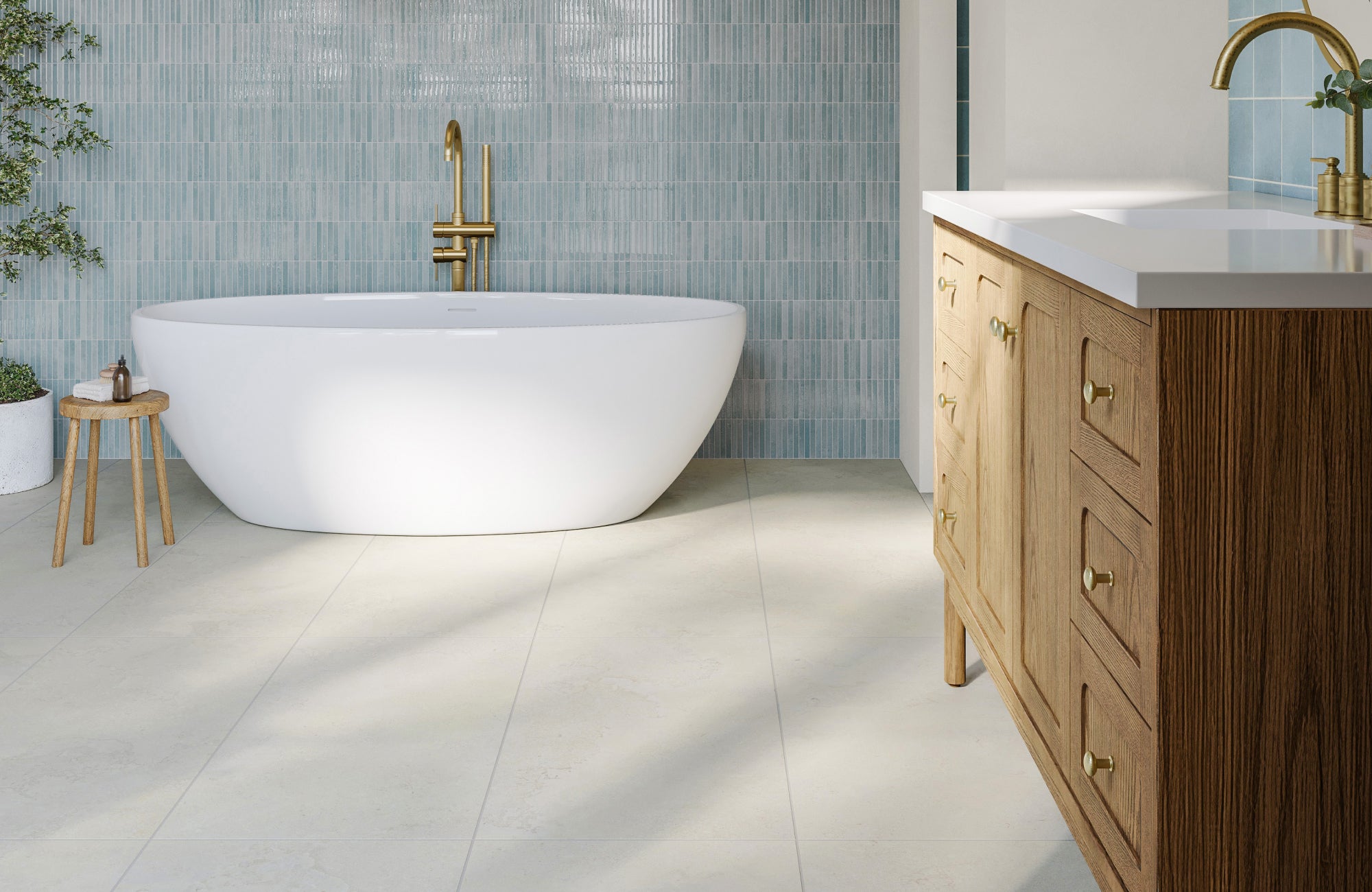
One of the standout advantages of large tiles is their ability to make small bathrooms feel more open. With fewer grout lines interrupting the surface, the space feels smoother and more unified. This streamlined appearance contributes to a calm, uncluttered environment that elevates the entire room. The floor pictured above features Edward Martin’s Tatum 24x48 Matte Porcelain Tile in Cross-Cut Straw, a great example of how large-format tiles create an airy, continuous flow that complements both form and function. While this may require a higher upfront cost, the aesthetic payoff is significant, especially in compact spaces where layout matters.
Style-Driven Choices
Large tiles also align well with specific design styles, adding flexibility when planning the overall look of your bathroom. Minimalist, spa-like, and contemporary interiors especially benefit from their broad, clean surfaces. Their compatibility with linear layouts and neutral palettes helps reinforce a cohesive and polished aesthetic. For those prioritizing style, this ability to support modern design goals can justify the investment in a larger format.
Value Perception
Beyond visual appeal, large-format tiles can positively influence how your bathroom is perceived; both by you and by future buyers. The sleek, uniform finish they create contributes to a more refined, high-end look that often stands out. Even if the tile size goes unnoticed, the clean lines and smooth transitions leave an impression of quality craftsmanship.
Edward Martin’s Aniston 24x48 Polished Porcelain Tile in Calacatta Antico, with its sophisticated marble-like design and polished finish, delivers a luxurious, spa-like feel that elevates the overall space. This sense of quiet luxury enhances the perceived value of the bathroom, making large-format tiles not just a design feature but a thoughtful investment in both aesthetic appeal and long-term property value.
Maintenance Considerations Over Time
When evaluating whether large bathroom tiles are more expensive, it's essential to look beyond the initial price tag. Long-term maintenance affects the overall value of your investment, and in this area, large-format tiles can offer meaningful cost-saving benefits over time, particularly when chosen with the right materials and finishes.
Fewer Grout Lines to Clean
One of the standout advantages of large tiles is the reduced number of grout joints across the surface. Fewer joints not only contribute to a more seamless, modern look but also make routine cleaning far more efficient. Since grout tends to collect moisture, soap residue, and mildew over time, minimizing these lines helps reduce the frequency and intensity of cleaning. This translates into less scrubbing, fewer cleaning products, and lower upkeep costs in the long run.
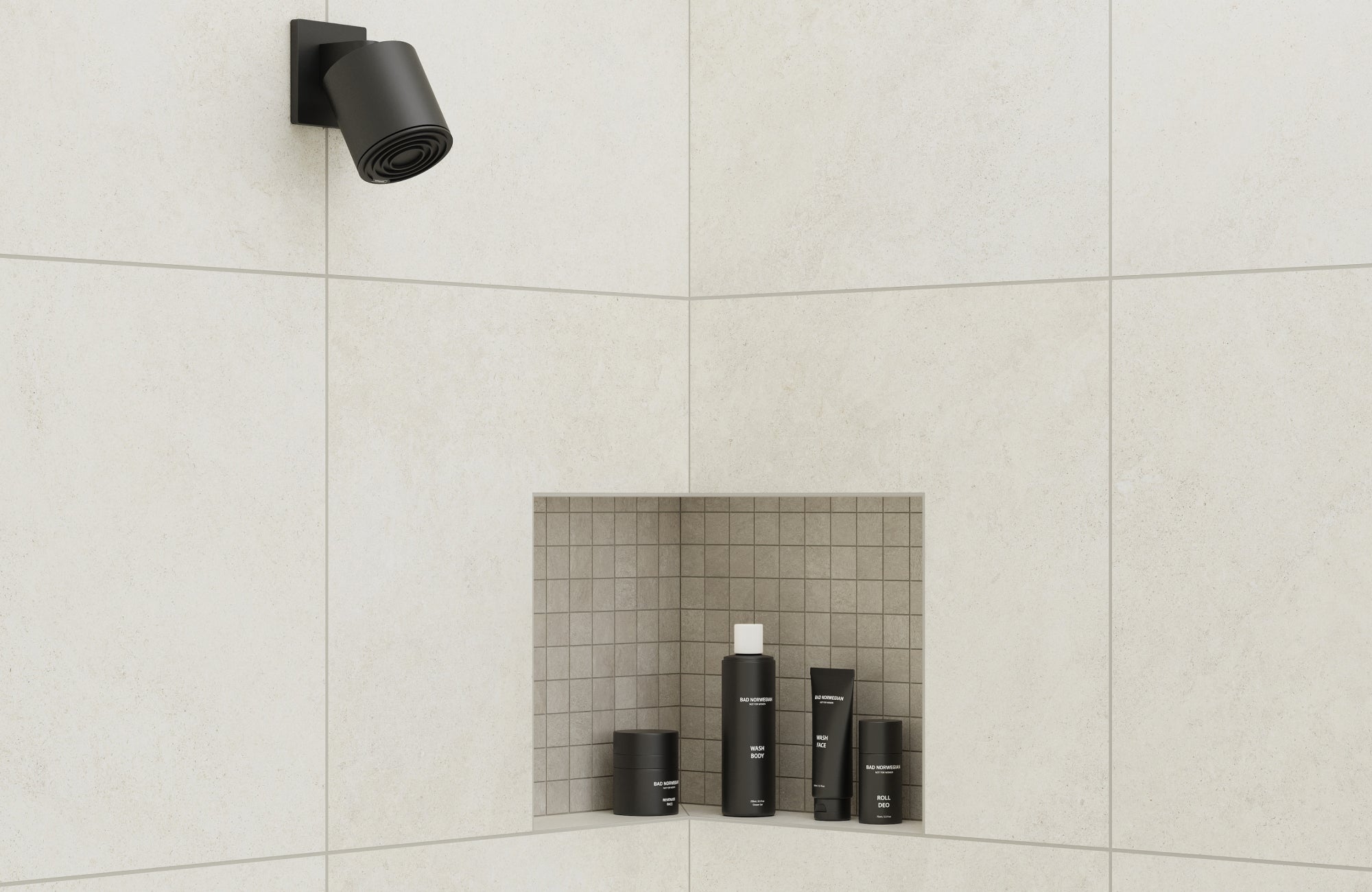
The clean, minimal shower walls shown above, finished in Edward Martin’s Adeline 24x24 Matte Porcelain Tile in White Sand, illustrate how large-format tiles can simplify daily maintenance while keeping your space looking fresh with minimal effort.
Repair Considerations
Like any tile, large-format options are built for durability, but in the rare event that a repair is needed, size can influence the process. Because each piece covers a wider area, replacements may require more precision to maintain a consistent look. Keeping a few extra tiles from the original batch makes future repairs easier and ensures a seamless match. With proper planning, repairs remain simple and don't introduce unexpected costs over time.
Long-Term Surface Durability
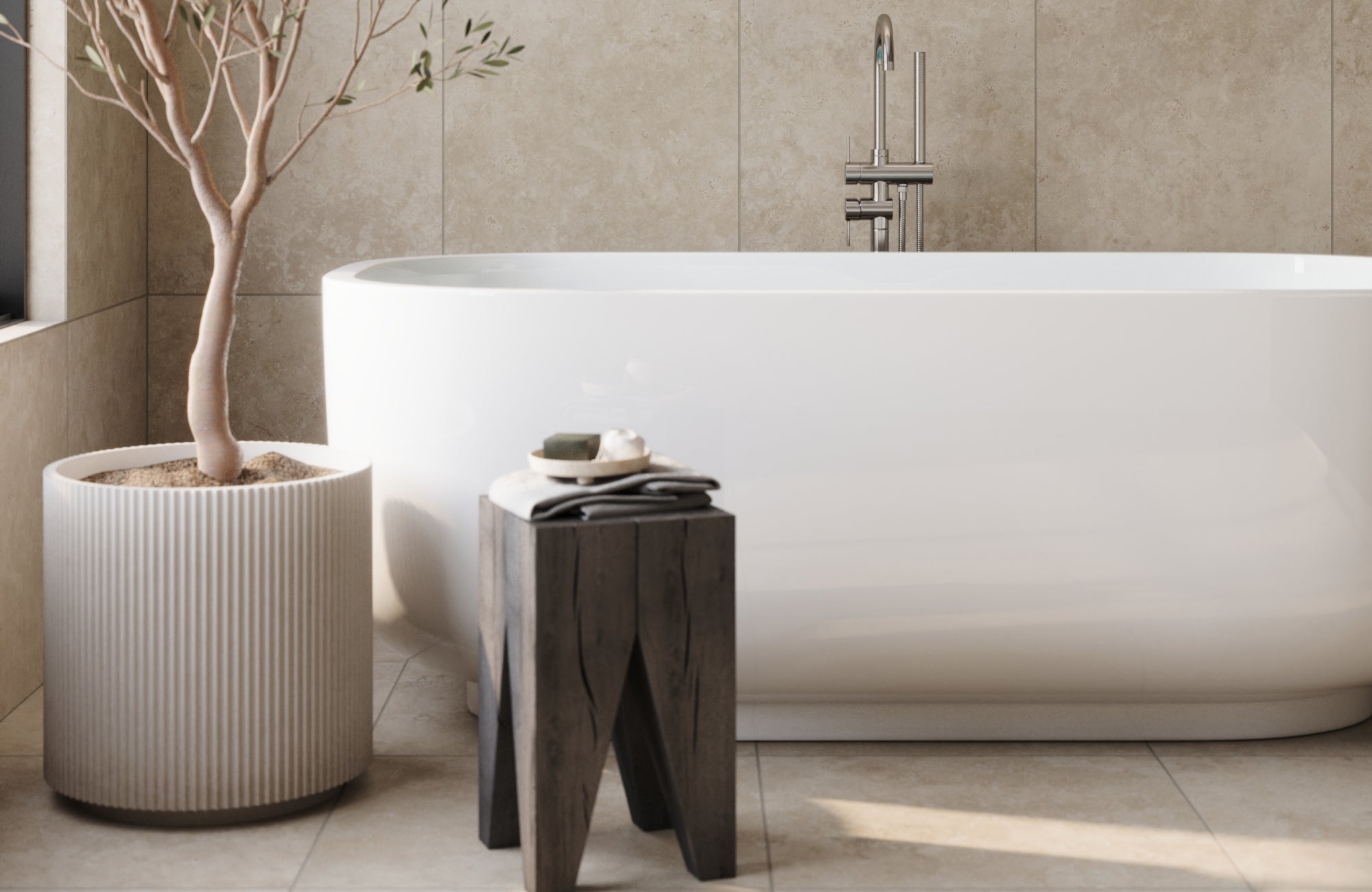
Durability is another area where large tiles can justify their investment. Porcelain, in particular, is known for its strength and resistance to stains, moisture, and scratches; qualities that are especially valuable in bathrooms. While glossy finishes may show marks more easily, matte or textured options tend to conceal daily wear and require less ongoing care. Edward Martin’s Wren 24x48 Matte Porcelain Tile in Dune is a great example, combining a soft, natural tone with a low-sheen finish that handles everyday use with ease. Selecting a finish that aligns with your lifestyle and usage patterns also helps preserve the tile’s appearance over time, reinforcing both its practicality and long-term value.
Real-Life Budget Comparisons
Understanding whether large bathroom tiles are more expensive requires looking beyond the price per tile. The total cost of your project depends on factors like who’s doing the work, how large your bathroom is, and how complex your design plan will be. Here’s how different scenarios can shift the balance when evaluating large-format tiles.
Professional Install vs DIY
At first glance, large tiles can seem more efficient, covering more area with fewer pieces, but that advantage often depends on who’s doing the work. Installing them requires precise handling, leveling tools, and experience with cutting larger formats. For DIYers, this can present a steeper learning curve, increasing the risk of waste or misalignment. While hiring a professional adds to your labor budget, it can ensure proper placement and reduce long-term maintenance issues. In many cases, the material savings from fewer tiles may be offset by the added skill and time required to install them correctly.
Compact vs Spacious Bathrooms
The size of your bathroom also plays a role in whether large tiles make financial sense. In smaller spaces, you’ll need fewer tiles overall, but tighter layouts can make cutting and positioning large pieces more time-consuming. That added labor can increase the cost even when material use is minimal. In larger bathrooms, however, the open layout often allows installers to work more efficiently, and fewer grout lines can speed up the process. In these cases, large-format tiles can balance out their higher per-piece cost by reducing installation time over a broader area.
Simple Layout vs Custom Design
Your design goals can have a direct impact on the cost-effectiveness of large tiles. If your project involves borders, mosaics, or intricate patterns, smaller tiles offer more flexibility and may be easier to customize without added waste. On the other hand, large tiles work especially well in straightforward layouts, where clean lines and minimal transitions are the focus. Because they require fewer pieces and less precise alignment in these settings, they can also help reduce both material and labor costs when applied with a simple, strategic approach.
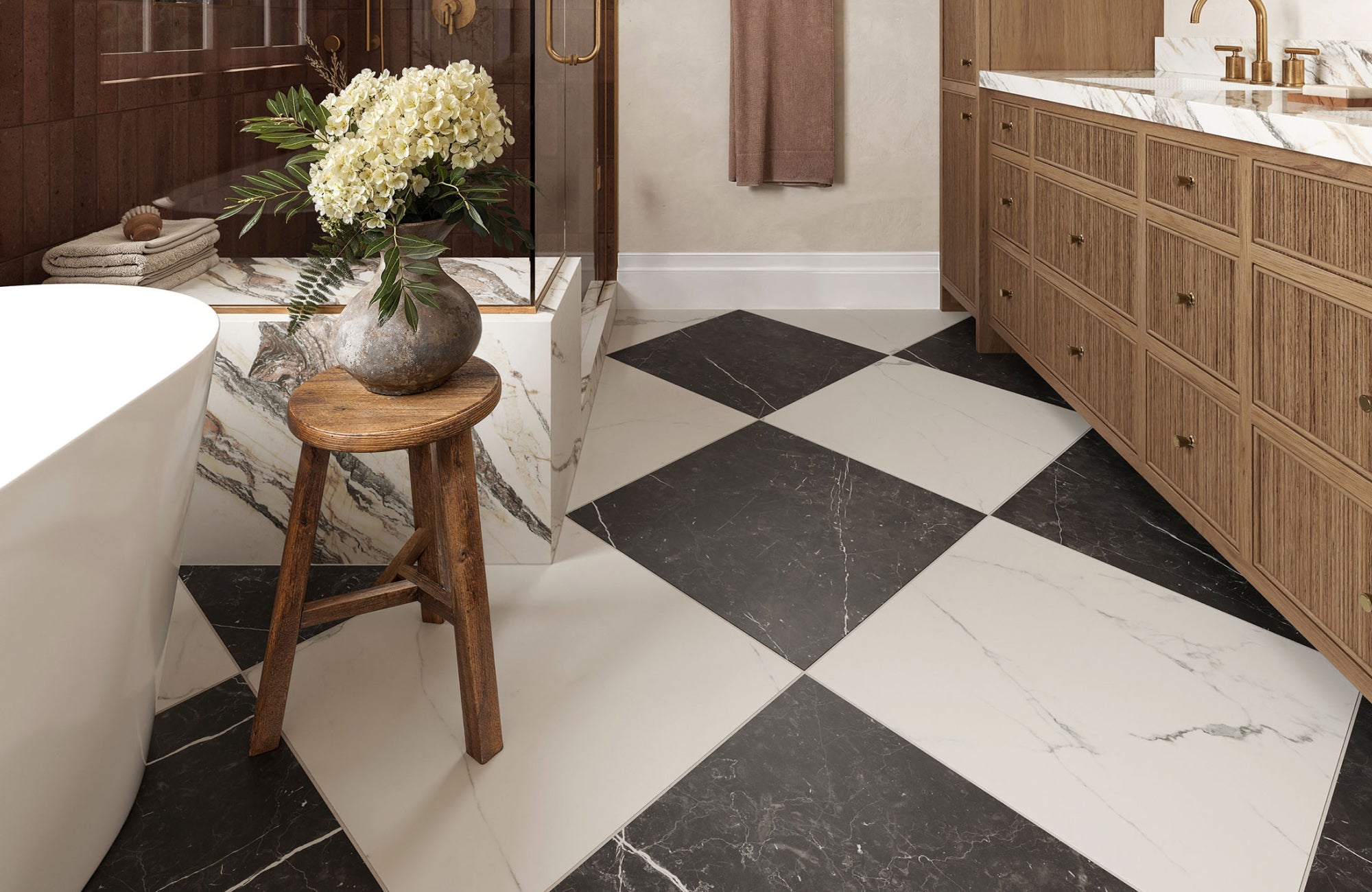
The bold checkerboard floor design above, created using Edward Martin’s Leona 24x24 Checkerboard Matte Porcelain Tile in Calacatta and Nero Marquina, demonstrates how large-format tiles can deliver high visual impact with fewer grout lines, less intricate cutting, and a faster installation process, making them both striking and cost-efficient in straightforward layouts.
Rethinking the Cost of Large Bathroom Tiles
Large bathroom tiles aren't necessarily more expensive; they can be cost-effective depending on the material, layout, and how they're installed. While they may require more planning and professional expertise upfront, their benefits often outweigh the added considerations. With fewer grout lines, easier maintenance, and a clean, high-end appearance, large-format tiles offer long-term value that goes beyond the initial price, making them a smart investment for both style and practicality.
If you're considering large tiles for your bathroom but want help visualizing how they’ll look or fit your space, feel free to contact us for expert guidance. You can also explore our augmented reality (AR) tool to see how your favorite tiles would look in your bathroom, right from your phone.
Follow us on Instagram
@EDWARD.MARTIN
)
)
)
)
)
)
)
)
)
)
)
)
)
)
)
)