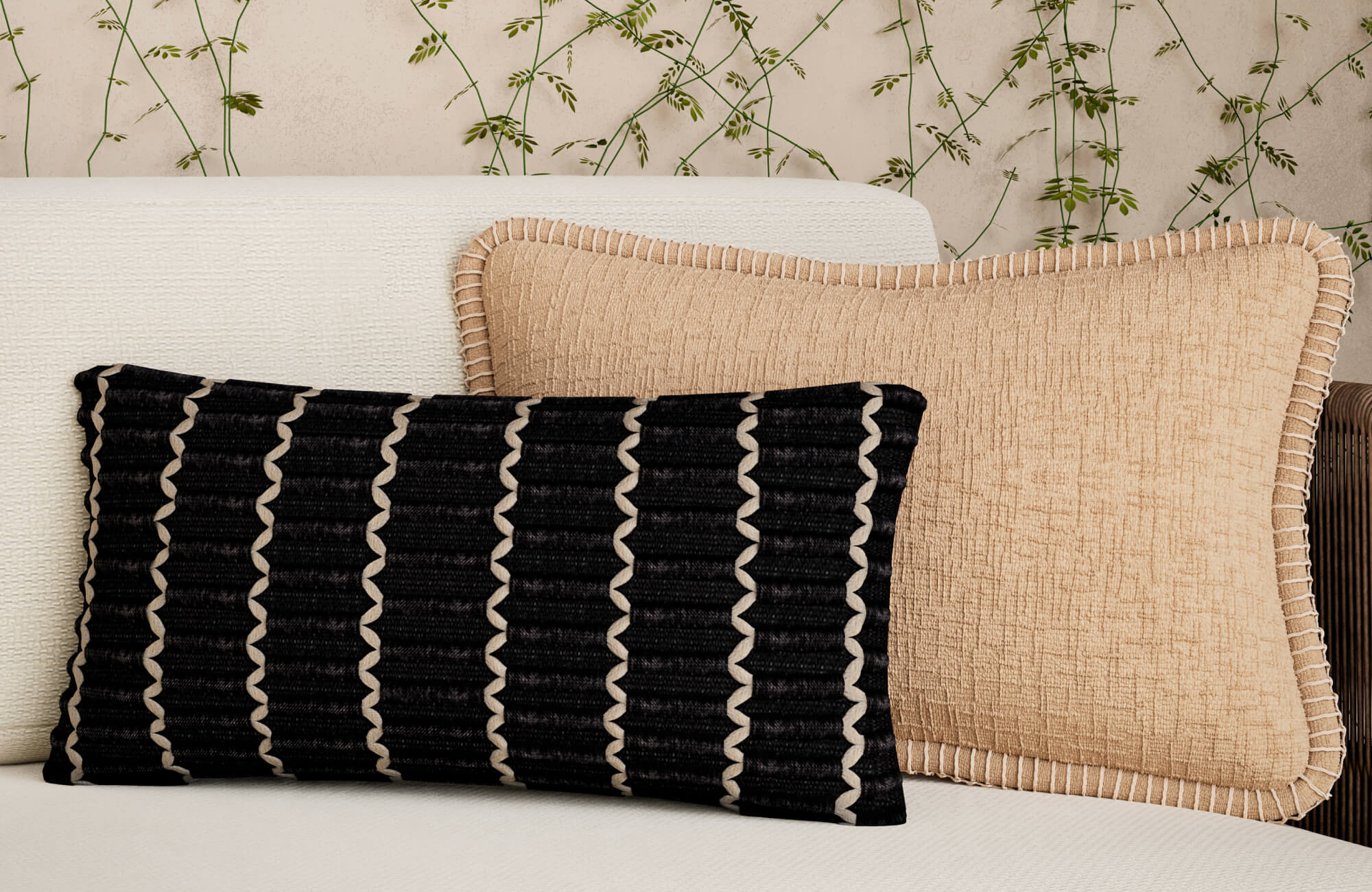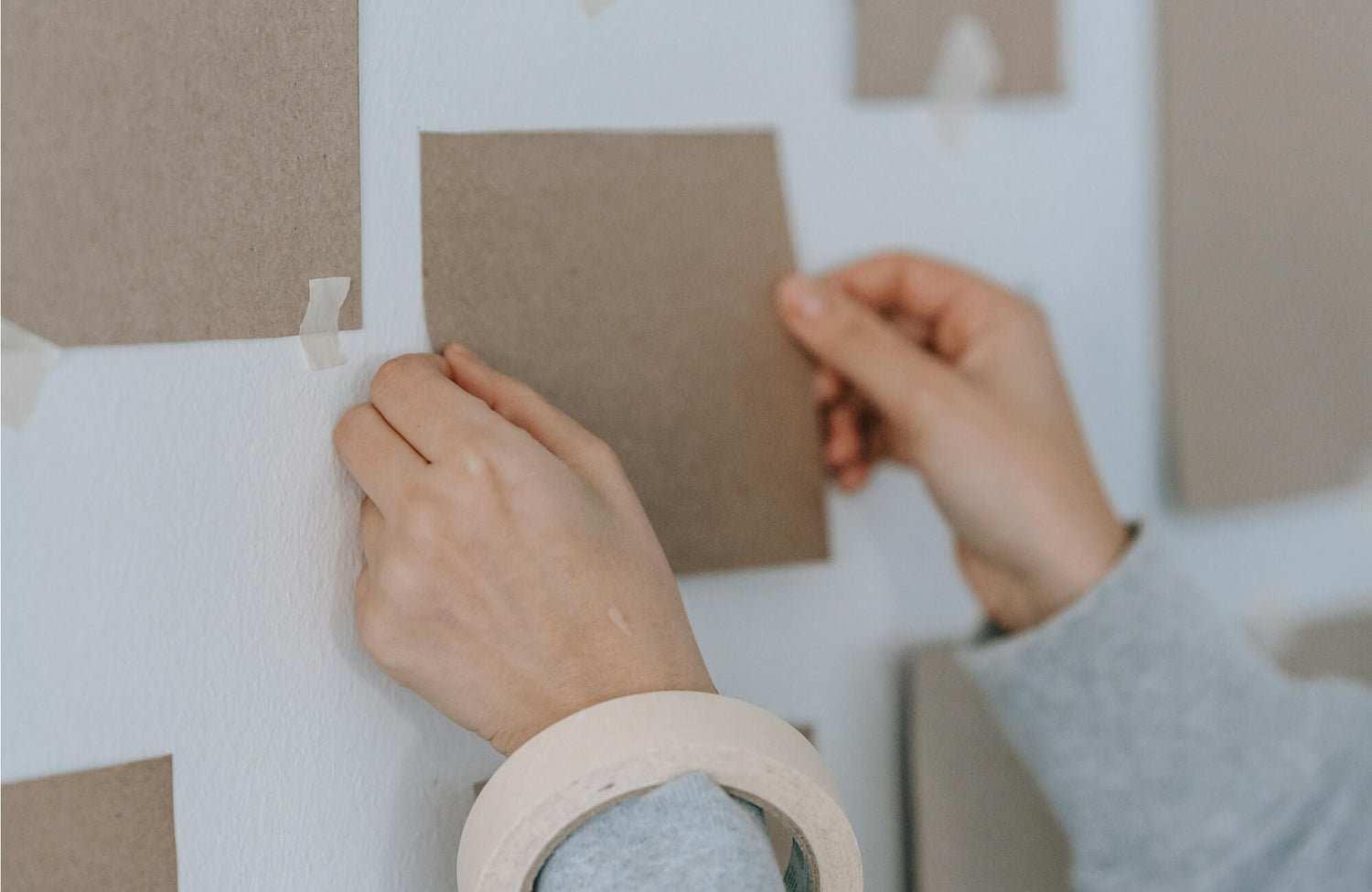
DIY wall art introduces a quiet sense of refinement into interior spaces, transforming blank walls into curated compositions that reflect both personality and design intention. As homeowners increasingly explore creative and budget-friendly DIY wall art ideas for modern interiors, the appeal extends beyond customization into the realm of thoughtful craftsmanship. Each piece, when carefully considered, has the potential to echo the sophistication of gallery-style displays while remaining deeply personal. At the same time, the process calls for a measured understanding of materials, techniques, and long-term performance. When creativity is supported by technical precision, DIY wall art becomes more than decorative—it becomes an integral element of cohesive interior design.

Cost Efficiency and Material Investment
Balancing affordability with quality remains central to evaluating cost-effective DIY wall art projects for home décor, as initial savings often evolve alongside material and tool investments. A more nuanced understanding of cost reveals how planning, sourcing, and execution collectively shape overall value.
Material Selection and Cost Breakdown
Material selection serves as the foundation for both aesthetic quality and financial efficiency in budget-friendly DIY wall art ideas for beginners at home. Substrates such as canvas, MDF boards, and plywood each offer distinct surface characteristics that influence paint adhesion and finish clarity. While canvas provides a lightweight and ready-to-use option, MDF delivers a smoother surface that supports intricate detailing and stencil precision.
As project complexity increases, higher-grade materials like hardwood panels or gallery-wrapped canvases introduce greater structural stability, though they also raise initial costs. Complementary supplies, including acrylic paints, bonding adhesives, and primers, gradually add to the total investment as layers are built. When material choices are approached with intention, cost efficiency becomes more attainable without compromising the integrity of the final piece.
Hidden Costs in Tools and Finishing Supplies
Beyond primary materials, the pursuit of affordable DIY wall décor projects with a professional finish often reveals additional layers of investment tied to tools and finishing processes. Equipment such as orbital sanders, precision cutters, and paint sprayers enhances accuracy and consistency, yet introduces upfront costs that accumulate over time. Surface preparation, particularly through gesso priming and sanding, plays a critical role in ensuring proper paint adhesion and uniform coverage.
Protective finishes, including polyurethane varnish and acrylic sealants, not only elevate visual quality but also extend the lifespan of the artwork. These technical steps, though subtle in appearance, contribute significantly to the durability and polish of the final result. As these elements come together, the true cost of DIY wall art becomes a reflection of both craftsmanship and preparation.
Cost Comparison with Ready-Made Wall Art
When viewed alongside DIY wall art vs store-bought wall décor for home interiors, the financial comparison reveals a balance between tangible investment and long-term value. Ready-made pieces, such as the refined Borrowed Dawn Wall Art by Edward Martin, as displayed in the photo above, exemplify how professionally crafted designs combine material quality, composition, and finishing techniques into a cohesive final product. Unlike DIY projects that require sourcing substrates, paints, primers, sealants, and tools individually, ready-made wall art consolidates these elements into a single, expertly executed piece.
This not only reduces the time investment but also eliminates the uncertainty associated with trial-and-error processes common in DIY creation. While DIY approaches may appear cost-effective at the outset, cumulative expenses, from high-quality materials to specialized tools, can narrow the price gap significantly. In contrast, investing in ready-made wall art offers immediate aesthetic impact, consistent craftsmanship, and a level of design refinement that is often difficult to replicate without advanced technical expertise.

Creative Customization and Design Versatility
The strength of custom DIY wall art ideas for personalized living spaces lies in their ability to adapt seamlessly to individual design narratives. This flexibility allows each piece to function not only as decoration but also as a deliberate extension of the interior environment.
Alignment with Interior Design Styles
Achieving cohesion through DIY wall art for modern, minimalist, or bohemian interiors requires a thoughtful application of design principles that guide visual harmony. Each style carries distinct characteristics, from the restrained simplicity of minimalist spaces to the layered textures found in bohemian settings. Color palettes must also be carefully coordinated to complement surrounding furnishings, ensuring that artwork enhances rather than competes with existing elements.
Proportion and scale further influence how a piece interacts with its environment, particularly in relation to wall dimensions and furniture placement. As these elements align, the artwork integrates naturally into the broader design scheme. This deliberate approach allows DIY wall art to contribute meaningfully to a unified and polished interior.
Exploration of Mixed Media Techniques
As creative exploration deepens, mixed media DIY wall art techniques for textured finishes introduce a richer visual language defined by depth and material contrast. Techniques such as acrylic pouring, resin layering, and impasto application create multidimensional surfaces that respond dynamically to light. Incorporating materials like textiles, metal accents, or reclaimed wood enhances both tactile and visual complexity.
Each medium also brings its own set of properties, requiring an understanding of curing times, adhesion behavior, and layering compatibility. These technical considerations ensure that aesthetic experimentation remains structurally sound. Through careful execution, mixed media transforms DIY wall art into a sophisticated design feature.
Digital and Printable Art Applications
In parallel with traditional methods, printable DIY wall art designs for modern home décor customization offer a streamlined approach that merges creativity with precision. High-resolution digital files allow for detailed reproduction of patterns, typography, and illustrations, ensuring clarity at various scales. The use of archival inks and heavyweight substrates supports longevity while maintaining color fidelity.
Digital tools also enable iterative adjustments, allowing compositions to evolve before final production. This flexibility reduces material waste and simplifies the creative process without sacrificing quality. As a result, digital applications provide an efficient pathway to achieving personalized yet refined wall art.

Technical Skill Requirements and Learning Curve
Engaging with easy DIY wall art ideas for beginners with professional results gradually reveals the importance of technical discipline alongside creativity. Even the simplest concepts benefit from a structured approach that prioritizes precision and consistency.
Fundamental Craftsmanship Skills
At the core of DIY wall art techniques for beginners at home improvement projects lies a set of foundational skills that support both visual and structural quality. Accurate measuring and alignment ensure that compositions remain balanced, particularly in multi-piece arrangements or gallery walls. Controlled paint application also helps achieve even coverage while preventing streaking or unintended texture.
Familiarity with brush types and stroke techniques further refines detail and surface consistency. These skills, while often developed gradually, form the basis for more advanced artistic methods. As proficiency increases, the overall execution becomes more cohesive and refined.
Tool Proficiency and Equipment Handling
As projects become more involved, DIY wall art that relies on professional tools and equipment requires a deeper familiarity with specialized instruments. Tools such as levelers, cutting devices, and mounting hardware must be handled with precision to ensure both safety and accuracy, as improper use can result in misalignment, uneven cuts, or weakened structural integrity. Choosing the right tool at each stage not only improves efficiency but also reduces the likelihood of errors, and with consistent use, this practice gradually builds confidence and technical fluency, ultimately contributing to a polished, professional finish.
Advanced Techniques and Skill Progression
With continued practice, advanced DIY wall art techniques for textured and layered designs begin to reveal a more complex interplay of materials and processes. Methods such as resin pouring, plaster texturing, and wood carving require careful control of environmental conditions and curing parameters, since each technique involves variables that affect both aesthetic outcomes and long-term durability. When these factors are mismanaged, surface defects or structural instability can occur, yet through experimentation and refinement, such challenges naturally become opportunities for skill advancement. As expertise deepens over time, DIY wall art evolves into creations that are increasingly sophisticated, technically sound, and visually refined.

Durability, Longevity, and Maintenance
Long-term performance remains a defining factor in the success of durable DIY wall art for interior spaces with frequent use, where environmental exposure can influence both structure and appearance. Careful attention to materials and finishing processes ensures that each piece maintains its integrity over time.
Environmental Impact on Materials
Environmental conditions play a significant role in determining the lifespan of long-lasting DIY wall art in humid or dry indoor environments, as materials such as wood and fabric naturally respond to fluctuations in humidity and temperature through expansion and contraction. Prolonged exposure to sunlight can also lead to fading, especially in untreated paints or printed surfaces, while shifts in temperature and moisture may affect adhesive performance and, in turn, structural stability. Selecting materials with the appropriate resistance properties helps reduce these risks, making environmental awareness essential to preserving both the function and appearance of the finished piece.
Protective Coatings and Finishing Techniques
To enhance resilience, DIY wall art with professional-grade sealing and protection relies on carefully applied finishing layers that shield surfaces from wear. Coatings such as polyurethane varnish, acrylic sealants, and UV-resistant sprays create a protective barrier against moisture, discoloration, and surface abrasion. Even application techniques are also essential, as they ensure uniform coverage while preventing streaking, bubbling, or uneven gloss levels. Layering these finishes further strengthens resistance to environmental stress, particularly in spaces exposed to light and humidity.
In contrast, ready-made pieces like the Wintering Light Wall Art, as shown in the picture above, demonstrate how professional fabrication integrates durability from the outset, featuring a softly woven surface with a seamless gradient that transitions from pale neutrals into deeper greenish-blue tones. Supported by a wood frame and crafted by artisans, such pieces arrive fully finished and ready to hang, eliminating the need for additional sealing while maintaining both structural integrity and a refined, long-lasting appearance.
Maintenance and Cleaning Requirements
Maintaining DIY wall art in living rooms and other high-use areas involves routine care that helps preserve its long-term quality. Dust accumulation, especially on textured surfaces, should be removed gently with soft brushes or microfiber cloths, while harsh cleaning agents are best avoided to protect the integrity of any finishes. Regular inspection of mounting systems also helps ensure the artwork remains securely positioned, and addressing minor issues early can prevent more significant deterioration over time. With consistent maintenance, DIY wall art is better able to retain both its aesthetic appeal and functional integrity.

Aesthetic Impact and Interior Design Value
The true effectiveness of DIY wall art ideas for enhancing modern interior aesthetics becomes evident in how seamlessly each piece integrates within its surroundings. When proportion, lighting, and cohesion are carefully considered, DIY wall art elevates the overall design narrative.
Proportion and Spatial Balance
Creating visual harmony with large-scale DIY wall art for living room statement walls begins with a careful sense of proportion, where each piece relates naturally to the wall’s dimensions and surrounding furnishings so it feels neither overwhelming nor understated. As the composition develops, balanced spacing also allows the arrangement to breathe while maintaining a clear and cohesive structure, further strengthened by alignment with architectural features that quietly guide the eye. In this way, every element works together to shape how the artwork is experienced, resulting in a display that feels both visually striking and effortlessly unified.
Lighting and Visual Enhancement
Lighting introduces an additional layer of refinement in displaying DIY wall art with optimal visibility and impact, subtly shaping how colors and textures are perceived. For instance, natural light enhances tonal accuracy, while directional artificial lighting can emphasize depth and surface detail. Improper lighting conditions, however, may diminish clarity or create unwanted shadows. Positioning artwork relative to light sources also ensures that its defining features remain visible throughout the day. Adjustments in lighting can transform the same piece into a more dynamic focal point. Through intentional placement, lighting becomes an integral component of presentation.
Cohesion with Overall Interior Design
Achieving unity through DIY wall art that complements a cohesive home interior relies on a consistent interplay of materials, colors, and forms, where each choice subtly reinforces the overall design language. As tones and textures repeat, they establish a gentle visual rhythm that connects every element rather than isolates it. At the same time, thoughtfully curated wall art echoes the surrounding finishes to strengthen the relationship between architectural details and decorative accents, resulting in a space that feels harmonious and intentionally composed.
While DIY pieces offer a personalized approach, incorporating professionally crafted, ready-made artwork can achieve a similarly cohesive effect with refined detailing and curated composition. This is evident in pieces like our Silent Orchard Wall Art, as displayed in the photo above, where its warm, earthy palette and subtle textural composition naturally align with rich wood tones, bronze accents, and ambient lighting. When placed within a setting similar to the image above—featuring deep terracotta hues, wood cabinetry, and soft illumination—the artwork enhances continuity by mirroring the space’s organic warmth and layered materiality. Through this level of integration, wall art becomes a unifying element that elevates the overall design rather than competing with it.
Where Creativity Meets Lasting Value
DIY wall art ultimately reflects a balance between artistic expression and technical precision, where thoughtful execution defines its lasting impact. When guided by high-quality DIY wall art techniques for long-lasting home décor, each piece can achieve a level of refinement comparable to professionally curated installations. Careful material selection, combined with proper finishing and maintenance, ensures that both form and function endure over time. While the process may involve a learning curve, it also offers a rewarding opportunity to create deeply personalized design elements. In this way, DIY wall art proves its value not only through aesthetics but through its ability to transform interiors with intention and enduring character.
For those seeking a more elevated and cohesive approach, Edward Martin’s design services offer expert guidance in curating refined, custom interiors. Contact us today to bring your vision to life with precision and sophistication!