Counter height dining tables have become a defining element in modern interiors, particularly in open-plan kitchens and casual dining spaces where form and function work together. Their elevated design introduces a contemporary aesthetic while subtly reshaping how people sit, move, and interact during everyday meals. True comfort in daily use, however, extends beyond appearance, relying on precise ergonomic proportions, thoughtfully engineered seating, and adequate spatial planning. When these elements align, counter height dining feels natural and intuitive rather than restrictive. Understanding how they work together is essential in determining whether a counter height dining table genuinely supports everyday comfort in modern interior environments.

Ergonomic Proportions and Body Alignment
The comfort of a counter height dining table begins with how well its dimensions align with natural body mechanics. Because the dining surface is elevated beyond traditional standards, posture, joint angles, and circulation are all influenced by the precision of its proportions.
Standard Height Ratios and Functional Dimensions
Counter height dining tables generally measure between 34 and 36 inches, positioning them closer to kitchen counters than standard dining surfaces. To maintain ergonomic balance, seating must rise accordingly, with seat heights typically falling between 24 and 26 inches, allowing the arms to rest comfortably near tabletop level. When this relationship is properly maintained, shoulder elevation is minimized, and upper-body tension is reduced during daily meals. Poor alignment, by contrast, often leads to subtle but persistent discomfort over time. These dimensional ratios form the foundation of everyday comfort in counter height dining furniture.
Knee Clearance and Lower-Body Comfort
Lower-body comfort depends heavily on adequate knee and thigh clearance beneath the tabletop, particularly for regular use. A vertical clearance of roughly 10 to 12 inches allows the legs to move freely without compressing the thighs or restricting circulation. When clearance is insufficient, pressure builds gradually, becoming more noticeable during longer meals or repeated daily use. This discomfort is often misattributed to seating rather than table design. Well-proportioned counter height dining tables prevent these issues by accommodating natural leg positioning.
Counter Height vs Standard Dining Table Ergonomics
Standard dining tables, typically measuring 28 to 30 inches in height, allow diners to sit with feet flat on the floor and joints positioned in a more relaxed, neutral alignment. This traditional format supports longer meals and sustained comfort. A perfect example is Edward Martin’s Bastien Walnut Dining Table, 120" x 42" (displayed in the photo above), which offers ample surface area and a height optimized for extended dining and gatherings.
In contrast, counter height dining tables elevate the seating position, shifting joint angles at the hips, knees, and elbows into a more upright, engaged posture. While this elevation suits casual dining and transitional spaces, it relies more heavily on precise seating support to maintain comfort. Comparing these formats highlights how standard dining tables prioritize relaxed ergonomics, while counter height designs emphasize versatility and spatial integration.

Seating Engineering and Structural Support
Because of the elevated dining position, seating design becomes a critical determinant of comfort rather than a secondary consideration. The materials, geometry, and support features of counter height seating largely define how the dining experience feels during everyday use.
Backrest Design and Spinal Support
Backrest height and contouring play a central role in maintaining proper spinal alignment at counter height seating levels, particularly during regular use. Chairs with adequately tall backs support both the thoracic and lumbar regions, helping the body remain upright without feeling rigid or strained. This consistent support also reduces the tendency to lean forward, a posture that can otherwise increase spinal compression during longer meals. When combined with upholstery or ergonomic shaping, pressure is distributed more evenly across the torso rather than concentrated in specific areas. Together, these design considerations significantly enhance comfort for everyday dining.
Counter Stools and Everyday Ergonomic Performance
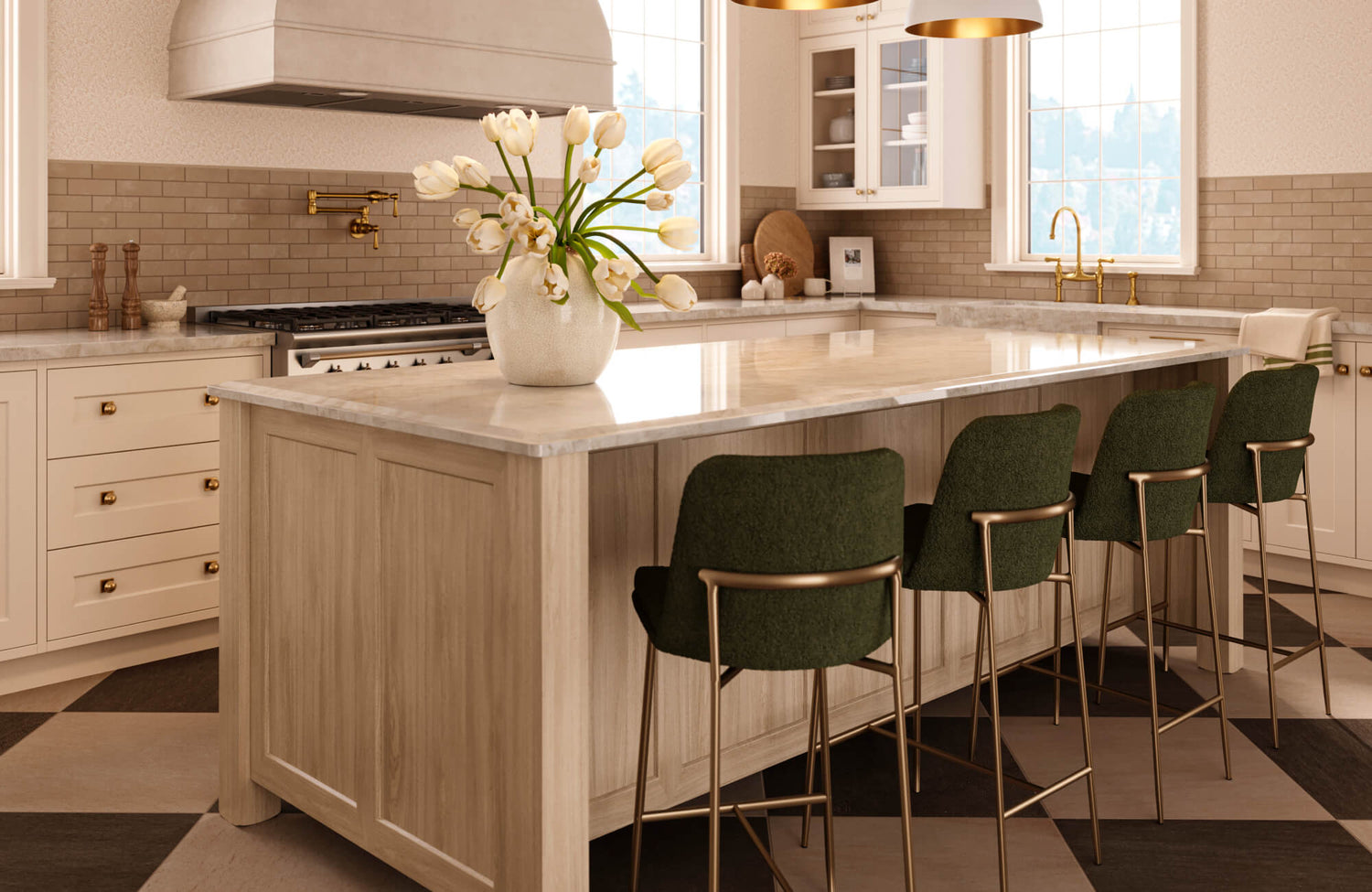
Because counter stools are most often paired with counter height dining tables, their ergonomic design has a direct influence on daily comfort and usability. Seat height must align precisely with the tabletop to support natural elbow positioning while preventing excessive leg strain. This is a balance achieved through well-proportioned designs like the Grant Counter Stool in Black, as shown in the picture above, which is engineered specifically for counter height seating.
When stools lack adequate back support or structural stability, fatigue can develop quickly during routine meals or extended sitting. In addition, thoughtfully designed counter stools incorporate supportive backs, appropriate seat depth, and stable bases that promote postural balance. With these features in place, counter stools enhance everyday dining comfort rather than detracting from it.
Footrests and Weight Distribution
Footrests play a key role in maintaining postural stability and ergonomic comfort at elevated seating heights, particularly during extended periods of sitting at counter height dining tables. By giving the feet a secure place to rest, they help distribute body weight more evenly, reduce pressure beneath the thighs, and support proper weight distribution, which in turn stabilizes the pelvis and promotes healthy spinal alignment throughout the meal. This support is also especially important for counter stools used for daily dining, where the legs would otherwise remain unsupported. Without this reliable anchoring point, even well-cushioned seating can gradually feel unstable and uncomfortable. Thoughtfully positioned footrests, therefore, contribute directly to long-term dining comfort and everyday usability.

Daily Use Patterns and Lifestyle Integration
Comfort is not determined by design alone but by how well the dining setup supports everyday habits. Counter height dining tables tend to align more naturally with certain lifestyles, particularly those centered around flexibility and casual use.
Casual Dining and Informal Meal Routines
Counter height dining tables are particularly well-suited for informal meals where efficiency, functionality, and ease of movement matter more than prolonged sitting. Their elevated height naturally encourages a more upright dining posture, which feels appropriate for breakfast seating, light lunches, or shorter dinners woven into busy daily schedules. This posture also supports alertness and engagement rather than deep relaxation, aligning well with the rhythm of modern, fast-paced households. As a result, everyday dining feels purposeful and streamlined without becoming rushed or uncomfortable. For homes that prioritize casual dining solutions and flexible kitchen seating, this setup often feels intuitive and easy to live with.
Multi-Functional Dining Spaces
In many modern homes, dining areas are expected to support a range of activities beyond mealtimes, from remote work and homework sessions to casual socializing. Counter height dining tables support this multi-functional use by aligning comfortably with both seated dining and standing tasks. Because the elevated height reduces the need for frequent posture adjustments, you can also transition more naturally between activities throughout the day. This seamless adaptability helps the table feel like an integrated element of daily living rather than a single-purpose dining surface. As a result, counter height dining tables offer a practical and comfortable solution for flexible, multi-use spaces.
Extended Meals and Seating Fatigue
When meals extend beyond brief sitting periods, comfort requirements change, particularly with elevated counter height seating. Without adequate back support and stable foot placement, the body must work harder to maintain proper posture, leading to gradual muscle fatigue. Over time, this strain becomes more noticeable with repeated daily use and longer dining durations. High-quality counter height chairs and stools also address these challenges by supporting spinal alignment and distributing weight evenly across the body. With thoughtfully designed seating, counter height dining tables can remain comfortable even during extended meals.

Accessibility, Household Needs, and Space Planning
Daily comfort also depends on how easily the dining setup accommodates different users and spatial constraints. Counter height dining tables introduce unique considerations related to accessibility and room layout.
User Height and Mobility Considerations
The elevated seating position of counter height dining tables can introduce accessibility challenges, particularly for users with limited mobility or a shorter stature, since entering and exiting taller seats requires greater balance and leg strength. This increased physical demand makes seating design especially important, as chairs with wider bases provide a more stable foundation. Supportive armrests and thoughtfully positioned footrests further enhance balance by offering additional points of contact during movement. Together, these features help you feel more secure rather than hesitant when sitting or standing. When such design elements are properly integrated, counter height dining setups can comfortably accommodate a wider range of users.
Circulation Space and Layout Efficiency
Because counter height seating involves greater vertical and horizontal movement than standard dining arrangements, adequate circulation space becomes essential for daily comfort. In tighter layouts, the frequent motion of pulling chairs in and out can quickly make the dining area feel awkward or constrained. Providing sufficient clearance also allows people to move around the table smoothly without interrupting nearby activities. This consideration is especially important in kitchens and other busy dining zones where movement patterns overlap. Thoughtful spatial planning ensures the dining area remains functional, comfortable, and easy to navigate.
Open-Concept and Visual Balance
Counter height dining tables integrate particularly well into open-concept interiors, where visual continuity plays a key role in comfort. Their elevated height creates a natural visual link between kitchen counters and adjacent living spaces, allowing the dining area to blend seamlessly rather than feeling visually segmented. This continuity also helps preserve open sightlines and maintain a balanced sense of scale throughout the space. As a result, the dining area feels lighter and less enclosed, even when placed between functional zones. While subtle, this visual comfort contributes meaningfully to overall daily satisfaction.

Durability, Stability, and Long-Term Comfort
Comfort over time depends on how consistently a dining table performs under daily use. Because of their increased height, counter height dining tables must be engineered for stability and durability.
Structural Reinforcement and Load Stability
Because counter height dining tables sit higher than standard dining tables, they are exposed to greater leverage forces that place increased demands on their structural design. To manage this stress, high-quality tables rely on solid wood frames, integrated metal supports, and reinforced aprons that work together to maintain rigidity during everyday use. When these elements are properly engineered, movement is minimized, which is especially important since even slight instability becomes more noticeable at elevated heights. A table that remains steady as you shift weight or adjust seating also allows the dining experience to feel secure rather than distracting. In this way, structural integrity becomes a foundational contributor to long-term comfort and confidence.
Tabletop Materials and Surface Performance
Beyond the supporting frame, the tabletop itself plays a significant role in shaping daily usability and comfort. Materials such as solid hardwood, engineered wood, and high-pressure laminate are selected for their ability to withstand frequent contact, temperature variation, and routine wear without compromising performance. As these surfaces maintain their structural consistency over time, they help preserve a stable dining experience that feels dependable from meal to meal. At counter height, where movement is more perceptible, a well-constructed tabletop also reduces vibration and surface flex. This material reliability reinforces both functional comfort and long-term satisfaction.
Maintenance and Practical Longevity
Comfort in daily use is further supported by how easily a dining table can be maintained as part of regular household routines. Finishes that are sealed and stain-resistant simplify cleaning, allowing the surface to remain presentable without constant attention. Over time, this ease of care also helps preserve both appearance and performance, preventing gradual deterioration that can affect usability. Furniture that retains its condition naturally feels more reliable and comfortable to interact with each day. Practical durability, therefore, plays a subtle yet important role in sustaining long-term dining comfort.
Everyday Comfort in Perspective
Counter height dining tables can be comfortable for daily use when ergonomic proportions, supportive seating, and thoughtful spatial planning are carefully aligned. Their elevated design complements casual dining habits, open-concept layouts, and multi-functional living spaces commonly found in modern homes. Comfort is significantly enhanced when paired with well-designed counter stools that provide back support and proper foot placement. While extended meals require greater attention to seating quality, thoughtful design choices effectively address these demands. Ultimately, daily comfort depends less on table height alone and more on how precisely the entire dining setup is engineered for real-world use.
You can also explore tailored solutions through Edward Martin’s design services, where expert guidance helps align comfort, proportion, and style for everyday living. Contact us to create a counter height dining setup that fits your space, lifestyle, and long-term comfort needs!