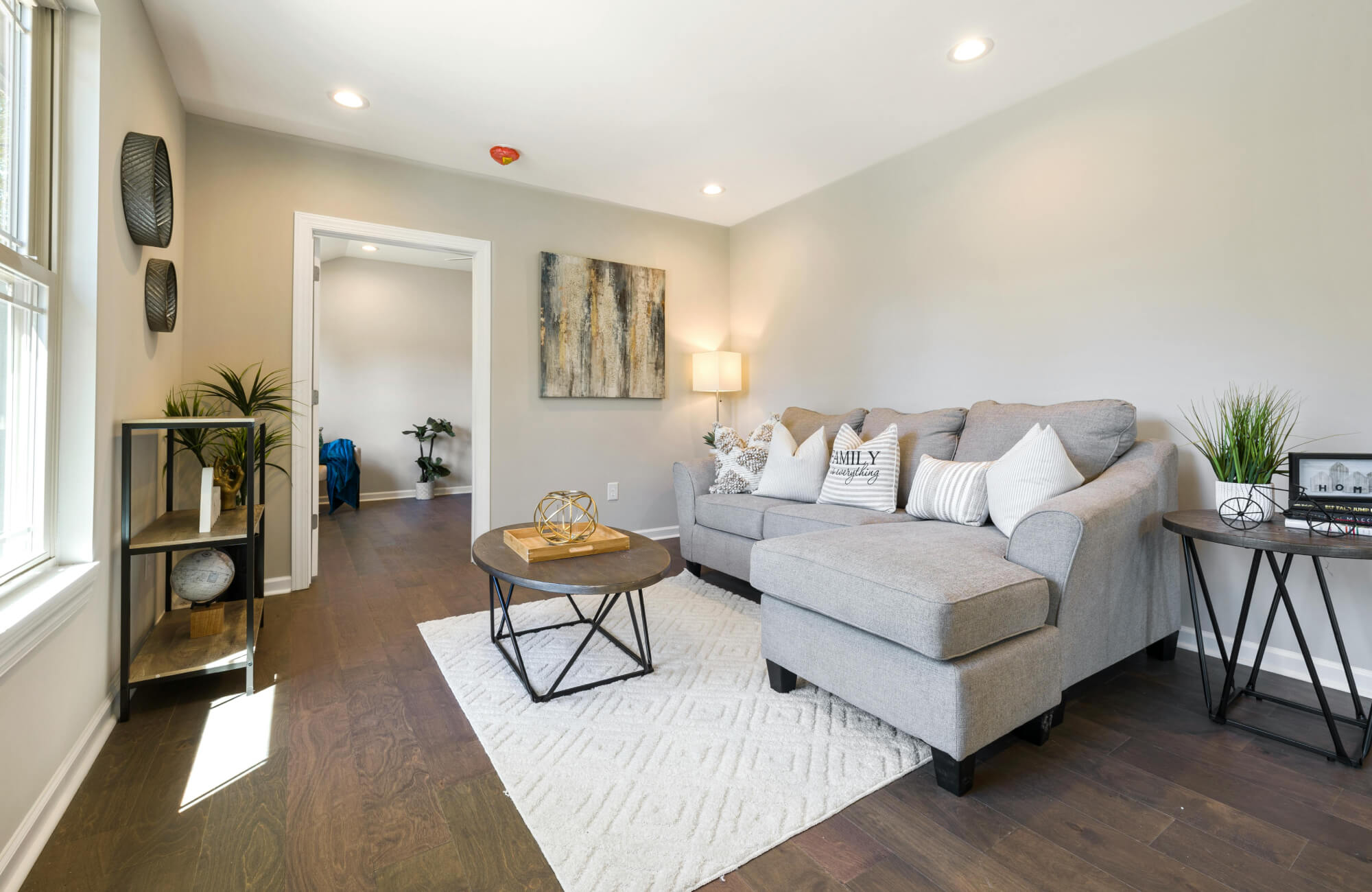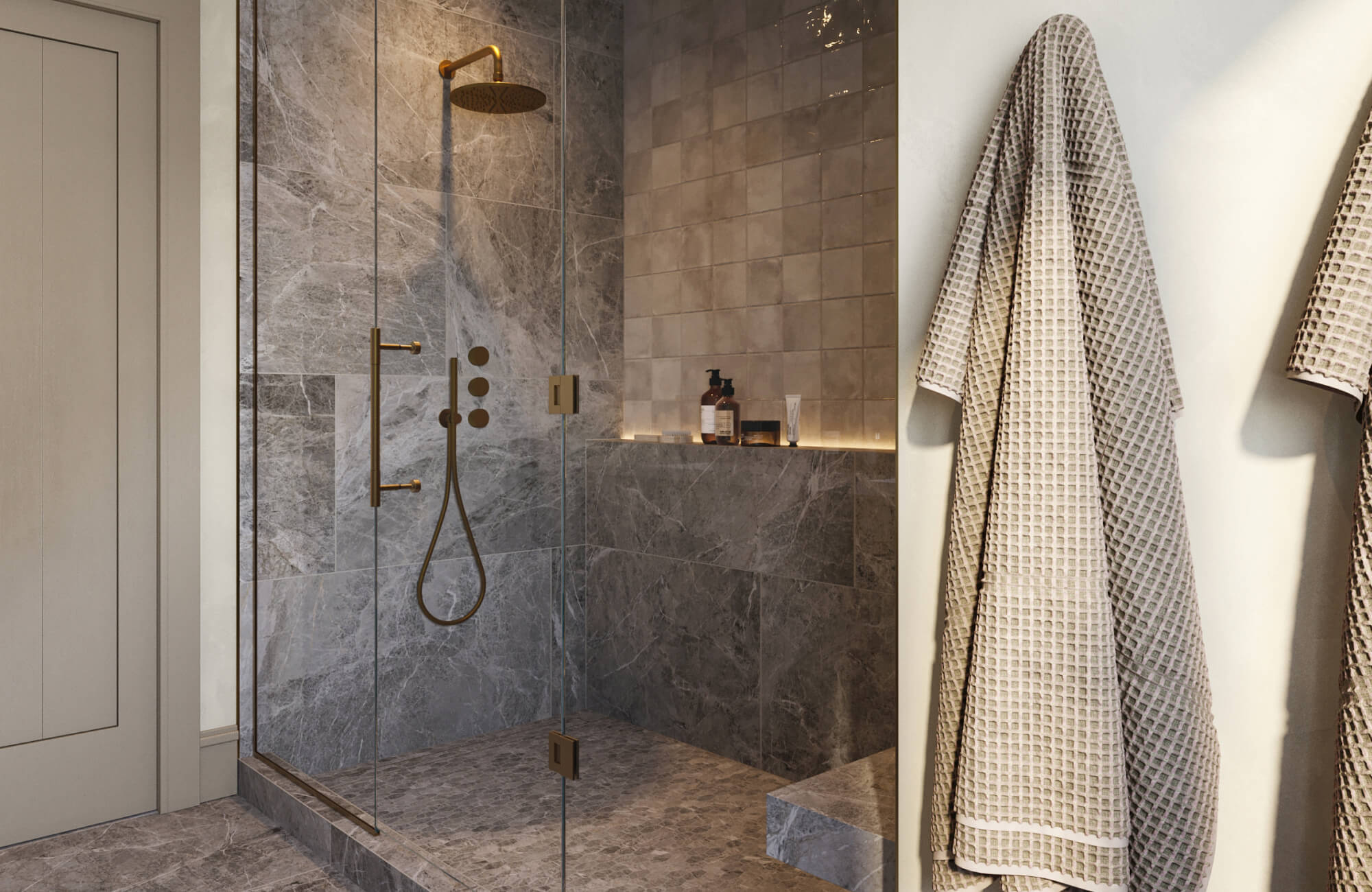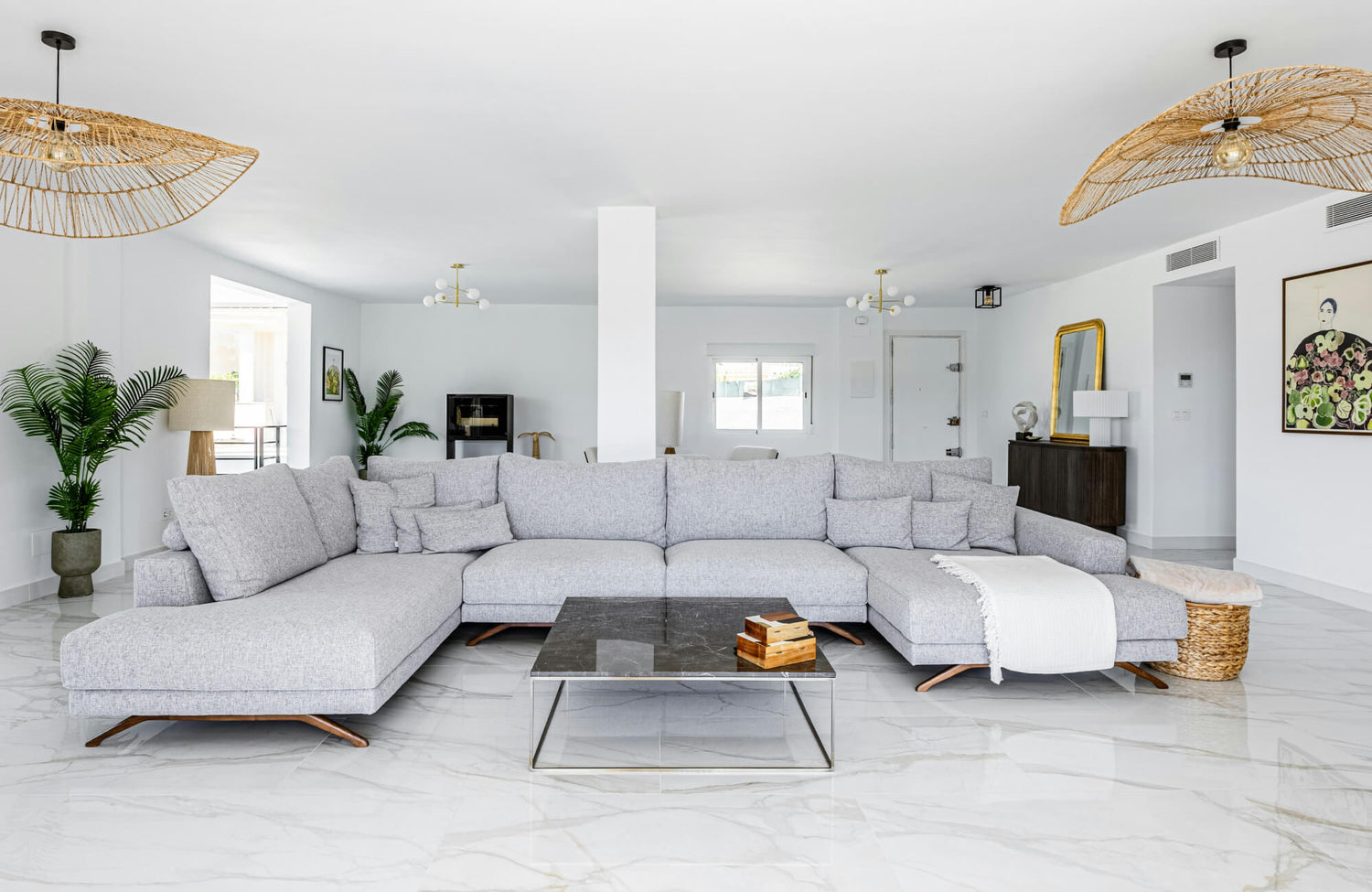
In modern interior design, few elements capture timeless elegance quite like white tile, a material celebrated for its ability to transform spaces with effortless beauty. Its crisp, neutral tones create a versatile canvas that enhances everything from minimalist kitchens to luxurious spa-inspired bathrooms, allowing each detail in the home to shine. With finishes ranging from glossy ceramic subway tiles to large format white porcelain flooring, it also adapts seamlessly to both contemporary open-plan layouts and classic architectural styles. Beyond its visual charm, white tile delivers practical benefits—reflecting light to expand small spaces, maintaining durability in busy areas, and ensuring low-maintenance care for busy households. This enduring combination of style, performance, and universal appeal is why white tile continues to be the most popular choice for modern homes.

Timeless Appeal and Design Versatility
White tile remains a cornerstone of modern design because it harmonizes effortlessly with shifting architectural movements while preserving a refined aesthetic. Its ability to complement both classic and contemporary interiors ensures that it continues to feel relevant even as stylistic preferences evolve.
Neutral Foundation for Style Evolution
White tile establishes a versatile foundation that adapts gracefully to new design directions, allowing spaces to evolve without the need for costly structural changes. Because its neutral backdrop blends seamlessly with shifting color palettes, furniture choices, and accent materials, you can refresh your interiors without disrupting harmony. This flexibility provides long-term design continuity, ensuring that every update feels intentional rather than forced.
Designers also often recommend white tile as a core investment precisely because it supports both understated touches and bold statements with equal ease. Its ability to balance rustic wood, polished metals, or industrial concrete demonstrates its remarkable adaptability. A perfect example is Edward Martin’s Zayne 12x36 Matte Ceramic Tile in Blocks, as displayed in the picture above. Its subtle three-dimensional texture adds depth without overpowering the clean lines. Additionally, the matte finish softens reflections, allowing natural wood tones, marble surfaces, and brass accents to harmonize beautifully. By functioning as both a stylistic anchor and a canvas for creativity, white tile ensures interiors evolve gracefully with every new design direction.
Range of Formats and Finishes
The wide variety of white tile formats and finishes further enhances its enduring popularity by giving designers precise control over mood and character. Large format porcelain tiles, for instance, extend across floors and walls to create seamless continuity, while mosaics add intricate craftsmanship in bathrooms and backsplashes. This spectrum of scale allows white tile to be used as both a bold architectural statement and a subtle design detail. Surface treatments also contribute to its versatility, with matte finishes lending a soft, organic quality and glossy ceramics amplifying natural light for a sleek, modern effect. More specialized options, such as handcrafted zellige or honed stone look porcelain, add texture and depth, enriching the narrative of a space. Because these variations cater to different design goals without sacrificing neutrality, white tile maintains its relevance across minimal, transitional, and luxury interiors alike.
Creating Cohesion Across Rooms
One of the strengths of white tile is its ability to unify spaces across an entire home. A consistent use of white tile in kitchens, bathrooms, and hallways creates a visual rhythm that ties rooms together, even when individual décor styles differ. This cohesion enhances flow, making transitions between spaces feel natural and seamless. Designers also often rely on this unifying effect to connect open-plan layouts where multiple zones coexist. By reinforcing architectural consistency, white tile ensures that every room contributes to an overall atmosphere of balance. The result is a home that feels thoughtfully composed from start to finish.

Enhancing Spatial Perception with Light Reflectivity
White tile plays a powerful role in altering the perception of space, using its natural reflectivity to brighten interiors and extend visual depth. For compact or darker rooms, this ability transforms functionality as much as it enhances aesthetics.
Maximizing Natural Light in Small Spaces
Glossy ceramic and porcelain white tiles reflect daylight across walls and floors, softening shadows and distributing brightness evenly throughout a room. This effect is particularly impactful in small kitchens, narrow bathrooms, and window-limited entryways where natural light is scarce. By amplifying illumination, these surfaces also create a sense of openness that makes compact spaces feel more comfortable and inviting. Designers often specify glossy finishes in dense urban apartments for precisely this reason, as reflective tiles reduce the need for artificial lighting.
A striking example, as shown in the photo above, is the Jaxson 4x21 Glossy Ceramic Tile in Cloud, where its elongated subway format enhances vertical and horizontal sightlines. The polished surface captures and redistributes natural light, softening shadows while creating an airy, expansive feel even in compact layouts. Its clean, cloud-white tone also provides a luminous backdrop that highlights surrounding fixtures and finishes, proving that the right tile selection can completely transform the mood and scale of a small space.
Large Format Tiles for Seamless Continuity
Oversized white porcelain tiles minimize grout lines, producing expansive surfaces that elongate sightlines and enhance spatial flow. The absence of frequent breaks reduces visual clutter, allowing interiors to feel calm, streamlined, and larger than their actual dimensions. In open-plan homes, this effect is even more pronounced, as large format tiles unify kitchens, dining areas, and living spaces into a cohesive whole. The seamless continuity not only amplifies scale but also reinforces architectural rhythm across multiple zones. Moreover, minimal grout joints make upkeep easier, creating a practical advantage alongside visual refinement. By combining functionality with aesthetic impact, large format white tiles transform interiors into environments that feel both sophisticated and spacious.
Accentuating Architectural Details
While white tile is often used to expand space, it also frames and highlights architectural features in subtle yet effective ways. Light bouncing off white tile emphasizes crown moldings, wall niches, and window frames, drawing attention to the craftsmanship of a home. This reflective interplay ensures that details stand out without overwhelming the overall design. In staircases or hallways, white tile can also act as a quiet stage, allowing structural elements like balustrades or doorways to shine. The clarity it provides enhances both the geometry and rhythm of interior architecture. Through this balance of background and highlight, the white tile elevates the home’s design language.
To make envisioning these design possibilities even easier, Edward Martin offers an innovative augmented reality (AR) tool that allows homeowners to preview white tile selections directly within their own spaces. By using a smartphone or tablet, you can virtually place tiles on floors or walls, instantly seeing how different finishes, sizes, and layouts transform a room’s light, scale, and flow. This interactive experience not only simplifies decision-making but also ensures every choice feels intentional, blending aesthetic goals with practical needs before installation even begins.

Durability, Hygiene, and Low Maintenance
White tile remains a staple in busy areas because it is engineered to endure daily wear while supporting high hygiene standards. Its structural strength and ease of upkeep make it as practical as it is beautiful.
Dense, Non-Porous Surfaces
Porcelain and glazed ceramic tiles are fired at extreme temperatures, producing dense, non-porous structures that resist moisture, stains, and scratches. This manufacturing process gives them the ability to perform reliably in areas such as kitchens, bathrooms, and entryways, where resilience is essential. Even under heavy use, porcelain maintains its structure and appearance with minimal signs of wear, reducing the need for costly replacements. Its density also improves thermal stability, ensuring comfort underfoot across seasonal shifts. These qualities allow you to enjoy surfaces that remain attractive and functional for decades. By combining strength with longevity, dense white tile offers a material solution that meets both practical and aesthetic expectations.
Easy-to-Clean and Hygienic Finish
The smooth, sealed finish of white tile makes cleaning remarkably simple while also supporting a healthier indoor environment. Dirt, allergens, and bacteria have little opportunity to penetrate the surface, which means spills and messes can be wiped away effortlessly. Because marks are more visible on white surfaces, homeowners are prompted to clean more consistently, maintaining both appearance and hygiene. This visibility, rather than being a drawback, ensures long-term cleanliness by preventing hidden buildup. In family homes, rental units, and hospitality settings, this quality is particularly valuable as it upholds sanitation standards without requiring intensive maintenance. By pairing low effort with high hygiene, white tile achieves an ideal balance for everyday living.

Supporting Modern Sustainability Goals
White tile aligns naturally with eco-conscious construction, combining responsible manufacturing practices with energy-efficient performance. Its role in sustainable design makes it as forward-looking as it is timeless.
Eco-Responsible Manufacturing Practices
Tile production has advanced significantly in recent years, with manufacturers adopting technologies that conserve resources and reduce emissions. Many white porcelain and ceramic tiles now incorporate recycled content, often backed by certifications such as GreenGuard or LEED. Energy-efficient kilns and water-recycling processes further minimize the environmental impact of production, making these materials attractive to eco-conscious homeowners. This shift reflects a growing demand for building products that do not compromise sustainability for style.
A strong example, as featured in the picture above, is our Blair 3x3 Matte Porcelain Hexagon Mosaic Tile in Volakas White, crafted with 95% locally sourced materials and up to 45% recycled content. Beyond its eco-conscious composition, this Blair tile is free from VOCs, PVC, and formaldehyde—harmful substances often found in alternative flooring options—making it a safer and healthier choice for homes. By combining environmental responsibility with timeless hexagonal elegance, it embodies how modern tile design can meet both sustainability goals and elevated aesthetic expectations.
Light Reflectivity for Energy Savings
White tile’s reflective quality extends its sustainability benefits by reducing reliance on artificial lighting and mechanical cooling. By amplifying natural daylight, it lessens the need for supplemental fixtures, lowering overall energy consumption. In exterior applications, such as patios or rooftop terraces, it helps counter the urban heat island effect by reflecting solar radiation rather than absorbing it. This contributes to cooler indoor temperatures, which in turn reduces dependence on air conditioning systems. These performance advantages demonstrate that sustainability in design is not limited to materials but also to how those materials interact with their environments. By enhancing energy efficiency while maintaining visual appeal, white tile proves to be an eco-smart choice for modern homes.

Resale Value and Market Demand
White tile contributes directly to real estate value because of its universal appeal and timeless aesthetic. Its broad acceptance in the housing market makes it both a design investment and a financial strategy.
Broad Buyer Appeal
Potential buyers are naturally drawn to spaces that feel bright, adaptable, and ready for personal touches, qualities that white tile delivers with ease. Its neutral palette allows prospective homeowners to visualize their furnishings and décor fitting seamlessly into the space without distraction. Unlike bold finishes that risk alienating certain tastes, white tile also provides broad compatibility across demographics. With this, realtors frequently highlight white subway backsplashes or porcelain bathroom floors as key selling features, as these elements convey freshness and quality. This perception of move-in readiness accelerates the sales process and strengthens buyer confidence. By appealing to a wide audience, white tile increases the marketability of a property and ensures stronger resale outcomes.
Long-Term Market Relevance
Unlike trend-driven finishes, white tile maintains its desirability across decades of changing design cycles. Homes with white tile retain a sense of freshness and adaptability, regardless of whether bold colors or natural textures are currently in fashion. Market research consistently shows that neutral finishes rank among the most requested features by prospective buyers. This consistent demand means homeowners benefit not only from immediate appeal but also from sustained long-term value. In addition, buyers view white tile as a sign of durability, cleanliness, and timelessness, which reduces hesitation during purchase decisions. For property owners, this enduring relevance transforms white tile from a design preference into a strategic financial asset.
White Tile as an Enduring Choice for Modern Homes
The continued popularity of white tile reflects more than a passing design preference; it represents a balance of beauty, functionality, and timeless adaptability. Its versatility allows it to enhance kitchens, bathrooms, and open-plan living spaces with equal sophistication while meeting the demands of durability and sustainability. By reflecting light, expanding spatial perception, and maintaining a hygienic, easy-to-care-for surface, it serves both aesthetic and practical needs with remarkable consistency. For homeowners and designers alike, white tile remains a trusted material that elevates interiors today while ensuring lasting value for years to come.
For those who want to experience this timeless material firsthand, Edward Martin makes the process effortless with complimentary tile sample requests. By exploring textures, finishes, and formats in person, you can better understand how each option reflects light and enhances your unique space. This hands-on step ensures confidence in every design choice, making it easier to bring your vision to life with elegance and precision!