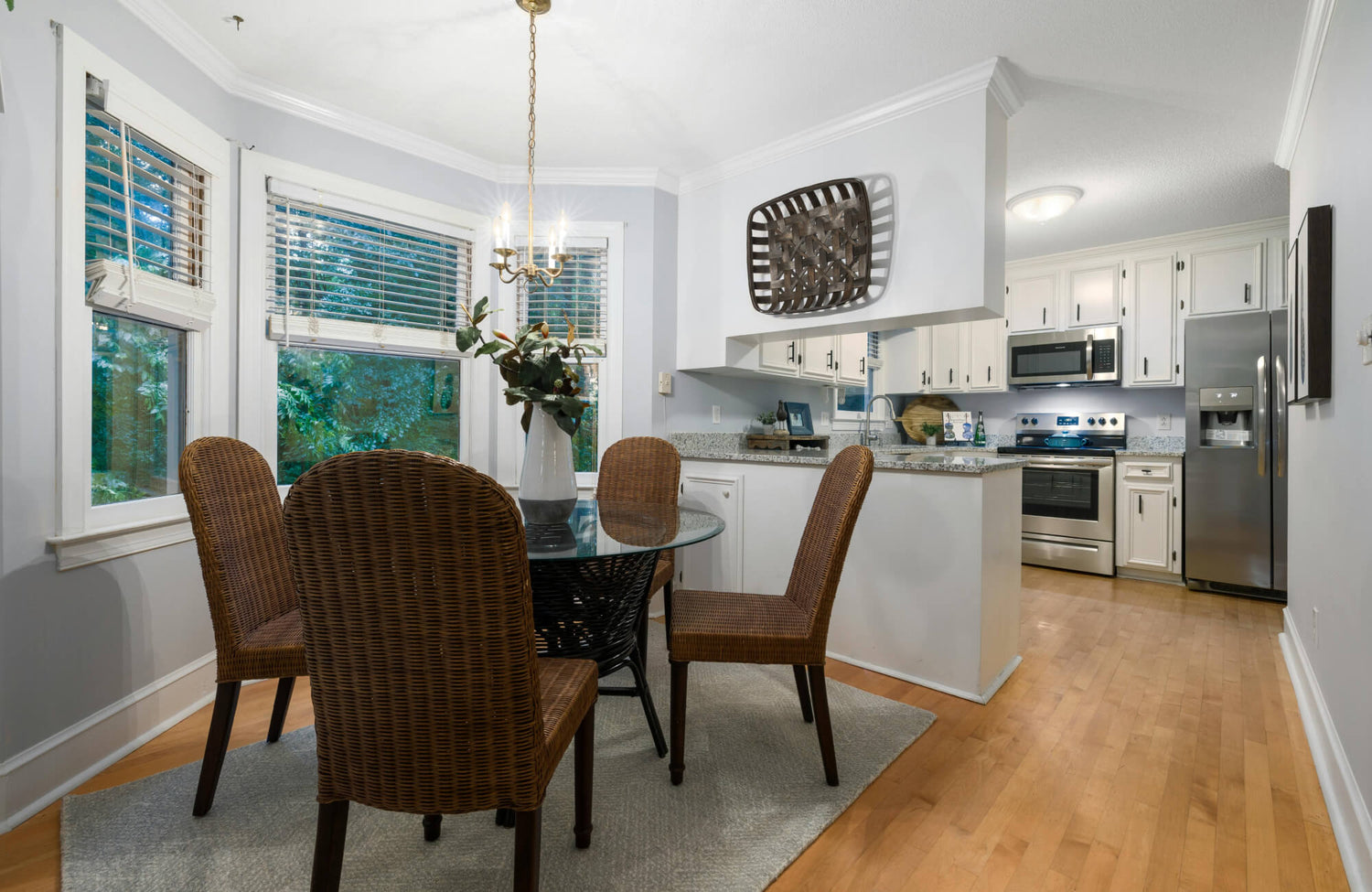
Rattan dining chairs have become a defining feature in modern interiors, appearing everywhere from relaxed coastal spaces to refined organic modern areas. Their woven texture instantly adds warmth and dimension, which explains why they continue to capture attention in design-forward dining rooms. Yet their popularity is not simply about aesthetics. It reflects a broader shift toward natural materials, tactile comfort, and environments that feel grounded rather than overly polished.
At the same time, choosing rattan is not always straightforward. Although it offers charm, breathability, and visual lightness, it also comes with practical considerations that may not suit every lifestyle. For that reason, understanding both the factors behind its appeal and the strength of its alternatives is essential. As you explore the design psychology, performance factors, and premium substitutes outlined below, you will gain clarity on whether rattan truly belongs in your dining space.

The Intersection of Biophilic Design and Organic Modernism
Rattan’s popularity is deeply connected to the rise of biophilic design and the shift toward organic modern interiors. As spaces become cleaner and more architectural, natural woven materials reintroduce warmth, texture, and a sense of balance.
Modern Minimalism Meets Natural Warmth
Contemporary dining areas often rely on materials such as glass, marble, steel, and glossy finishes. Although these elements create precision and visual clarity, they can also leave the space feeling stark or emotionally distant. When you introduce rattan dining chairs, the woven texture immediately interrupts that rigidity, softening the room without disrupting its modern structure.
Because rattan carries subtle tonal variation, from soft straw hues to deeper caramel undertones, it integrates effortlessly into neutral palettes. Rather than demanding attention through color, it draws the eye through texture and shadow. This layered surface quality adds dimension to flat architectural lines, allowing you to preserve minimalism while preventing the dining space from feeling sterile or overly polished.
The Psychology of Sustainable Textures
Beyond visual appeal, rattan satisfies a fundamental psychological preference for natural materials. Humans are instinctively drawn to textures that echo the patterns and irregularities found in nature, and woven fibers subtly activate that connection. When you surround your dining table with rattan, the environment feels more grounded and less artificial.
The tactile qualities of rattan further enhance this effect. Its slight flexibility and warm surface temperature make it feel responsive rather than rigid. Unlike plastic or metal chairs, which remain cold and static, rattan carries a quiet sense of movement and life. That gentle responsiveness influences how you experience the room, encouraging relaxation rather than tension. This sensory warmth also shapes the social dynamic of the space. Meals feel less hurried, conversations flow more naturally, and the dining area becomes a place where comfort and connection take priority. This psychological depth is a key reason rattan continues to resonate within modern interiors.

Functional Versatility and Engineered Comfort
Unlike rigid hardwood, rattan’s long, fibrous strands bend under pressure rather than crack, allowing the material to be shaped into smooth, body-contouring curves. As a result, the chair naturally supports your back and arms without feeling bulky or over-constructed. When you sit down, you also experience a subtle elasticity that distributes weight more evenly, reducing pressure points and making extended meals noticeably more comfortable. This balance between flexibility and strength gives rattan seating a relaxed yet supportive character that suits both casual breakfasts and long dinner gatherings.
Equally important, the woven cane structure enhances comfort through breathability and lightness. The open weave allows air to circulate, preventing heat from becoming trapped and keeping seating comfortable in social settings where people gather for extended periods. At the same time, the visual permeability of the design prevents the dining area from feeling crowded or heavy, preserving a sense of openness around the table. Because sound passes through the weave rather than bouncing off solid surfaces, the chairs also contribute to a softer acoustic environment. Together, these qualities demonstrate that rattan’s appeal lies as much in engineered comfort and sensory ease as in its organic beauty.

Performance Limitations You Should Consider
Although rattan offers warmth and comfort, it is still a natural material with inherent sensitivities. Before committing to rattan dining chairs, it is important to consider how your environment and daily use may affect their longevity.
Sensitivity to Humidity and Sunlight
Rattan is hygroscopic, meaning it continuously absorbs and releases moisture from the surrounding air. In very dry conditions, such as heated spaces during winter, the fibers can lose flexibility and become brittle. Over time, this dryness may lead to cracking or splitting, particularly along high-stress areas of the frame or weave.
On the other hand, excessive humidity presents a different challenge. In poorly ventilated spaces, moisture can settle within the woven strands, creating conditions where mold or mildew may develop. Although occasional humidity is not inherently damaging, prolonged exposure without airflow can compromise both appearance and structural integrity.
Sunlight adds another layer of risk. Direct UV exposure gradually weakens natural fibers, causing fading and dryness that reduces elasticity. If your dining area sits near large, south-facing windows, you may need window treatments or UV-protective films to prevent premature aging.
Wear and Structural Fatigue Over Time
Daily use inevitably affects rattan more quickly than engineered materials. In busy dining areas, the woven seat and backrest can loosen or fray at stress points, especially along edges where weight and movement concentrate. Even well-crafted chairs will show signs of softening in the weave after repeated use.
Although this aging can create a relaxed, lived-in character, it may not align with every lifestyle. In busy kitchens where chairs are frequently pulled, stacked, or moved, rattan may require repairs or eventual reweaving sooner than alternatives like metal or leather.
Ultimately, how rattan performs depends on how you live with it. In a formal dining room used occasionally, it can age gracefully and maintain charm. In an everyday family setting, however, you should factor in maintenance needs and replacement cycles before deciding that the woven look outweighs its practical limitations.

High-End Alternatives for Longevity and Refinement
If you are drawn to the woven look but need greater resilience or a more elevated finish, several premium materials deliver the same visual openness with enhanced durability. These alternatives retain texture and lightness while offering a longer performance lifespan.
Danish Paper Cord for Architectural Precision
Danish paper cord offers a refined interpretation of the woven aesthetic, combining craftsmanship with structural discipline. Made from tightly twisted paper strands treated with a protective wax coating, it creates a smooth, consistent surface that feels more controlled than natural rattan. This uniformity makes it particularly well-suited to mid-century modern and contemporary interiors where clean lines and proportional clarity are essential.
A comparable modern example is our Genevieve Dining Chairs in Black, Set of 2, shown in the image above, which feature a handwoven seat crafted from recycled paper rope rather than traditional Danish cord. This sustainable material delivers a similar architectural lightness while introducing a slightly more textured, artisanal character. Paired with a sleek black frame, the woven seat maintains visual openness while reinforcing structural strength, making it ideal for design-forward dining spaces.
Beyond its appearance, paper cord is engineered for endurance. When expertly woven, it maintains tension for decades without noticeable sagging. The material also distributes weight evenly and resists stretching, allowing it to perform reliably in everyday dining settings. Unlike natural fibers that may dry out or fray, paper cord holds its form with minimal maintenance. As a result, you gain the warmth and texture of a woven seat without sacrificing longevity, with the look remaining airy and tactile, yet the structure feels deliberate and precise.
Leather Strapping for Elevated Texture
Woven leather offers a richer and more substantial alternative to plant-based fibers. Thick, vegetable-tanned straps are interlaced across the seat and back, creating breathable support while introducing depth and visual weight. The material feels grounded and luxurious, adding gravitas to dining spaces that lean more formal or globally inspired.
However, not all leather dining chairs rely on woven construction to achieve refinement. Our Foster Dining Chair in Onyx Leather demonstrates how a solid, upholstered leather seat can deliver equal sophistication without the openness of a strap design. Rather than interlacing leather strips, it features a smooth, tailored leather surface that emphasizes clean lines and structural clarity. This approach creates a more contemporary and architectural presence, offering durability and comfort while maintaining a sleek, uninterrupted silhouette.
Over time, leather evolves rather than deteriorates. Instead of fraying, it develops a natural patina that enhances its character and softens its tone. This aging process gives the chair a lived-in elegance, reinforcing quality rather than signaling wear. If you want the transparency and rhythm of a woven design but prefer something more enduring and sophisticated, leather strapping offers a compelling balance. It bridges casual and refined aesthetics, ensuring your dining chairs feel intentional, substantial, and built to last.

Performance Materials for Outdoor and Busy Spaces
When durability becomes your primary concern, engineered materials offer the woven aesthetic without the vulnerabilities of natural fibers. These options are designed to withstand moisture, sunlight, and constant movement while preserving visual openness.
HDPE Resin Wicker for Weather Resistance
High-Density Polyethylene resin is one of the most successful modern reinterpretations of rattan. It closely mimics the texture and coloration of natural weave, yet it is specifically engineered to resist UV rays, humidity, and temperature swings. Unlike low-grade plastics that fade or become brittle, premium HDPE is pigment-saturated throughout and treated with UV inhibitors, which prevent cracking, peeling, or chalking over time.
This resilience makes it particularly well-suited for outdoor dining areas, covered patios, and busy breakfast spaces. You can clean it easily with mild soap and water, and it tolerates spills, rain, and heavy handling without compromising structure. In households with children or frequent entertaining, this reliability becomes a significant advantage. Ultimately, HDPE resin allows you to achieve the breezy, woven look while minimizing maintenance anxiety. It also preserves the casual charm of rattan but replaces fragility with long-term performance.
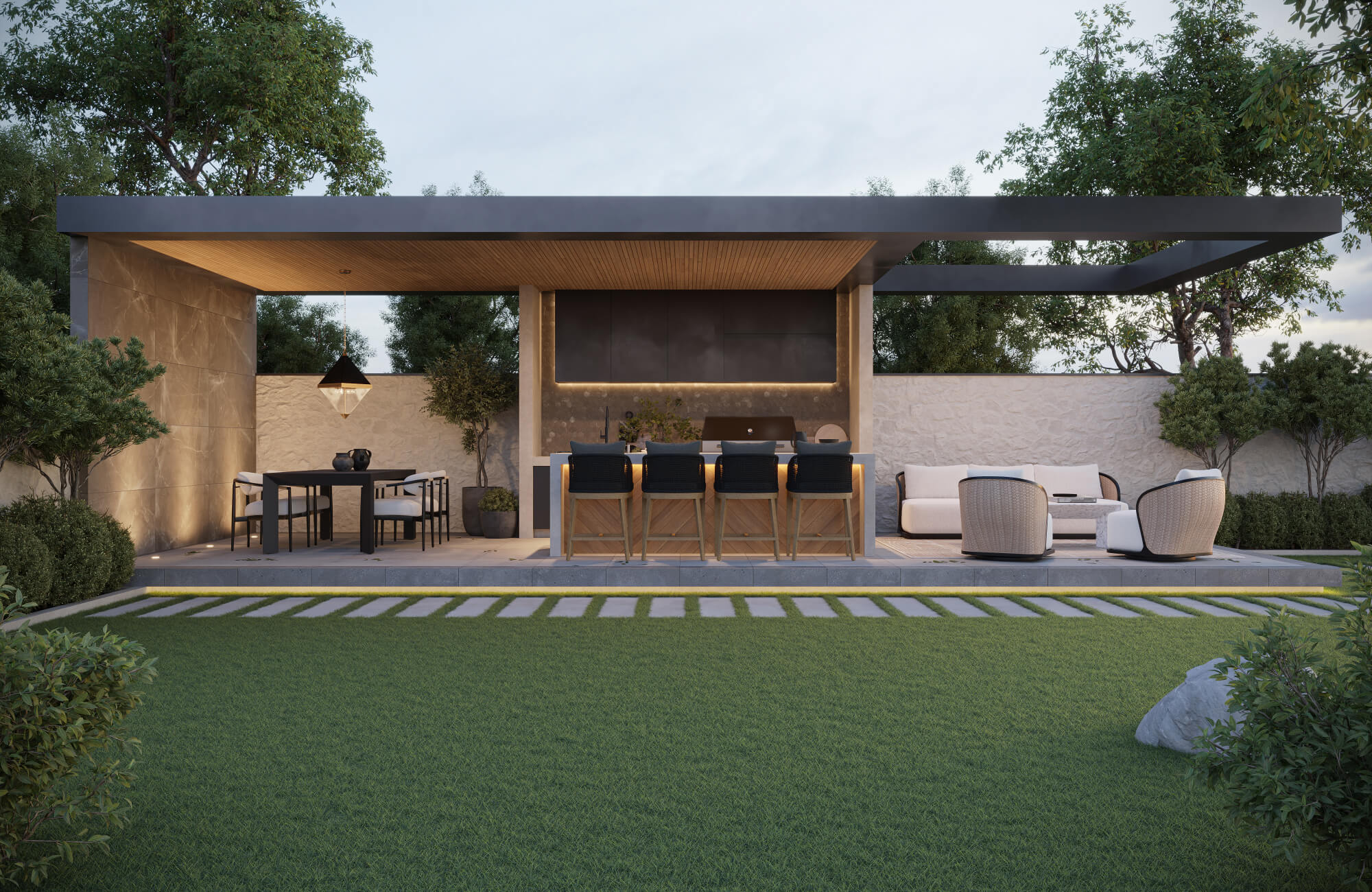
A strong example of this performance-driven approach is our Kendra Outdoor Dining Chairs in Natural, Set of 2, seen in the photo above. Designed to replicate the warmth and texture of traditional woven seating, these chairs are constructed for outdoor durability, allowing them to withstand sun exposure, moisture, and daily use without sacrificing visual appeal. Their natural tone also preserves the relaxed, organic aesthetic associated with rattan, while the engineered material ensures structural stability in open-air environments.
Powder-Coated Metal and Mesh Designs
If you prefer a more architectural interpretation of transparency, powder-coated metal or perforated mesh offers a durable alternative. These designs replicate the airy quality of cane weaving through laser-cut patterns or fine steel grids, creating visual permeability without organic fibers. The result is seating that feels open and lightweight, yet structurally robust.
The powder-coating process also adds a protective layer that resists corrosion, scratches, and general wear. This finish extends the chair’s lifespan in both indoor and outdoor settings, especially in climates with fluctuating humidity or temperature. Unlike woven materials that may loosen, metal maintains its form under continuous stress. Aesthetically, mesh and perforated steel introduce a more industrial or contemporary tone. If your dining space leans modern and you prefer crisp lines over organic softness, this option delivers clarity and resilience with minimal upkeep, making it ideal for busy environments.

Aesthetic Value and Timeless Appeal
Rattan’s staying power comes from its rare ability to feel casual yet elevated at the same time. Interestingly, several well-considered alternatives share this same balance, proving that texture, not just material, is what drives longevity.
Versatility Across Design Styles
Rattan moves easily between coastal calm, Scandinavian restraint, organic modern warmth, and even transitional interiors that blend old and new. Its neutral tone and woven structure allow it to complement surrounding finishes rather than compete with them. Whether paired with light oak, dark walnut, stone tabletops, or minimalist metal bases, it adapts without losing its character.
The same adaptability applies to elevated alternatives such as Danish paper cord, woven leather, or perforated metal. Paper cord sharpens the look for mid-century spaces, leather deepens it for global or modern-rustic rooms, and metal mesh refines it for industrial settings. Each variation maintains visual openness while shifting the overall mood. Because woven forms are rooted in texture rather than trend-driven color, they also remain flexible as your décor evolves. You can update lighting, artwork, or table finishes without needing to replace your chairs, ensuring long-term stylistic relevance.
At the same time, versatility is not limited to woven constructions. Upholstered silhouettes like our Clark Outdoor Dining Chairs in Louis Cream, Set of 2, featured above, demonstrate how softness and architectural framing can achieve similar adaptability. Their off-white upholstery introduces warmth that works across modern, organic, and transitional spaces, while the structured frame preserves clean lines. As a result, they transition effortlessly between indoor and outdoor dining areas, offering a refined alternative that maintains the same timeless flexibility without relying on visible weave.
Emotional Warmth That Outlasts Trends
Bold hues and highly specific silhouettes often fall out of favor, but natural textures tend to endure. Woven surfaces introduce depth in a quiet way, engaging the eye without overwhelming the room. Whether you choose rattan or a more durable alternative, the layered interplay of light and shadow keeps the design visually interesting without feeling loud.
This subtle engagement also prevents visual fatigue. Instead of dominating the space, texture supports it, allowing the dining area to feel inviting year after year. Even as broader design trends shift from minimalism to maximalism and back again, the tactile quality of woven seating continues to feel relevant. Ultimately, it is this emotional steadiness that defines timeless appeal. When your dining chairs feel warm, grounded, and adaptable, they contribute to a space that evolves naturally rather than chasing fleeting trends.
Choosing Between Rattan and Its Most Compelling Alternatives
Rattan dining chairs are popular because they balance natural warmth, visual openness, and everyday comfort in a way few materials can replicate. However, the best choice ultimately depends on how you live and what your space demands. If you prioritize organic texture and a relaxed atmosphere in a stable indoor setting, rattan delivers timeless appeal. Conversely, if durability, weather resistance, or elevated refinement matter more, alternatives such as Danish paper cord, woven leather, powder-coated metal, or HDPE resin provide comparable texture with greater resilience. By aligning material performance with your lifestyle and design goals, you ensure that your dining chairs offer not only visual charm but also lasting functionality and satisfaction.
To make a confident choice, it often helps to speak with experts who understand how materials perform in varied environments. Whether you are refining a formal dining room or furnishing a busy space, personalized guidance can clarify which option will best support your aesthetic vision and daily use. By reaching out for professional insight, you can move forward knowing your selection is not only beautiful but also thoughtfully tailored to your lifestyle.