Mirror shapes do more than reflect your image—they influence the mood, function, and character of a space. Whether sleek and modern or whimsical and artistic, the form of a mirror can alter perception, enhance lighting, and reinforce a room’s design intent. From the practicality of a bathroom vanity to the statement-making presence in a living room, mirror shapes contribute meaningfully to the overall ambiance. This article explores which mirror shape may be the best for your needs by examining function, aesthetics, cultural influence, emotional perception, and emerging design trends.

The Functional Perspective: What's Its Purpose?
The intended use of a mirror is one of the most important factors in determining its ideal shape.
Choosing by Purpose
For full-body reflections, such as in dressing areas or entryways, tall rectangular or oval mirrors are typically the most effective. These vertical shapes offer enough height to view one’s entire outfit and fit well alongside furniture. In contrast, square or circular mirrors are popular in bathrooms, where the focus is on close-up tasks like grooming or makeup application.
Space and Orientation
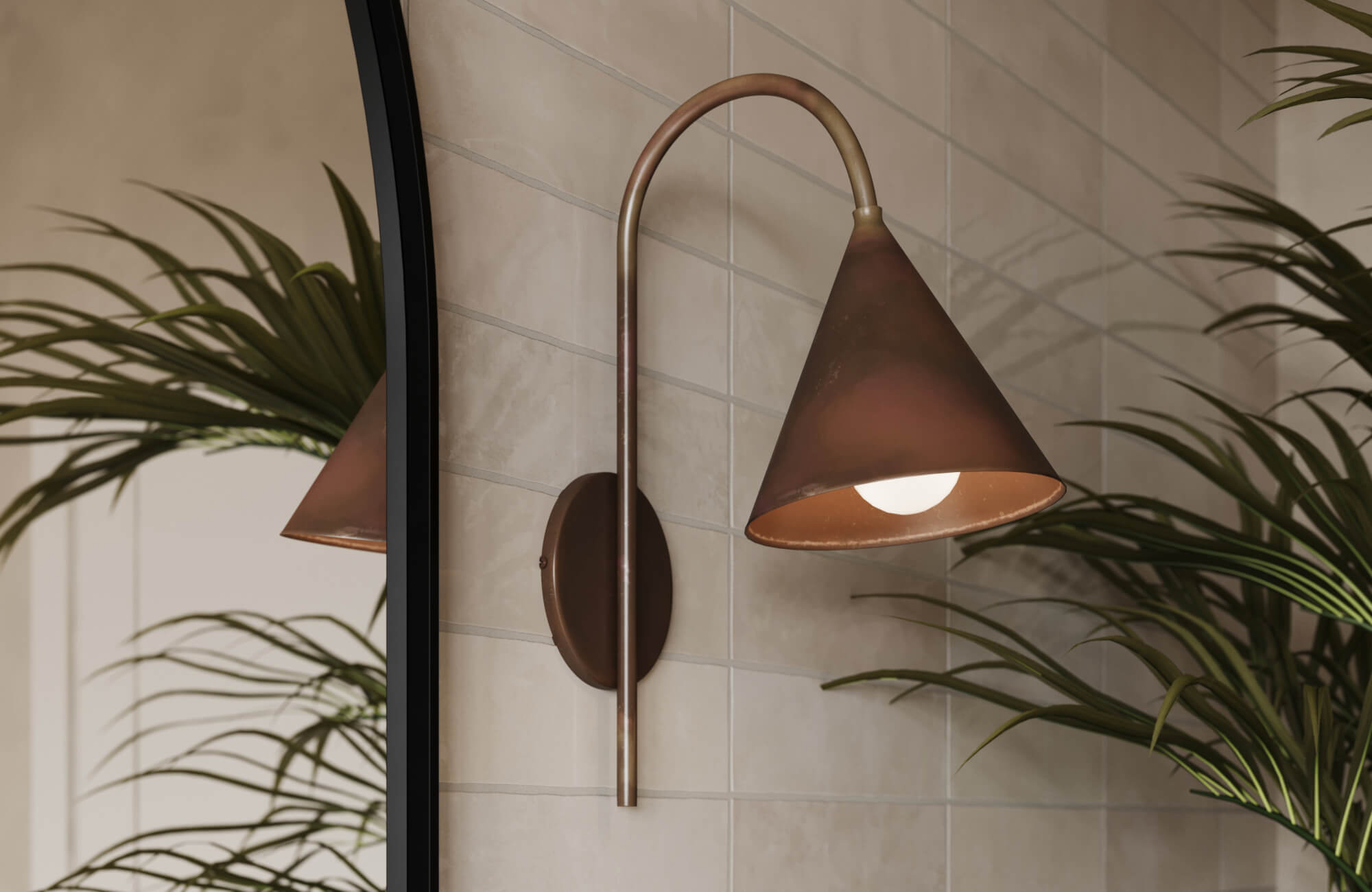
Mirror orientation plays a significant role in visual space perception. Vertical mirrors can make ceilings appear taller, while horizontal shapes help narrow rooms feel more expansive. Rounded corners can help avoid harsh visual lines in small spaces, while straight-edged designs provide clear directional framing. Edward Martin’s Fitz Mirror in Antique Brass, as shown in the picture above, is a great example—its elegant curves and warm finish soften compact areas while adding a refined, structured touch.
Enhancing Light and Visibility
Different shapes reflect and distribute light differently. Wide mirrors bounce light across a room, making it feel brighter and more open, while tall shapes reflect more vertically, helping balance lighting across wall height.

Harmonizing the Space with Aesthetics and Design
The shape of a mirror plays a crucial role in how it interacts with the surrounding décor, influencing both visual balance and overall ambiance.
Rectangular and Square Mirrors
Classic and versatile, rectangular and square mirrors offer a sense of order and stability. Their clean lines complement minimalist and modern spaces while providing a grounded, structured look in traditional interiors. A perfect example is the Tristan Square Mirror in Polished Brass, which pairs a timeless shape with a refined metallic finish, enhancing both balance and elegance in any room.
Round and Oval Mirrors
Curved shapes introduce softness and contrast, especially in rooms dominated by sharp lines and right angles. Round and oval mirrors, in particular, promote a more relaxed and inviting atmosphere and are particularly effective in smaller spaces, where their form can enhance openness and flow.
Arched and Irregular Forms
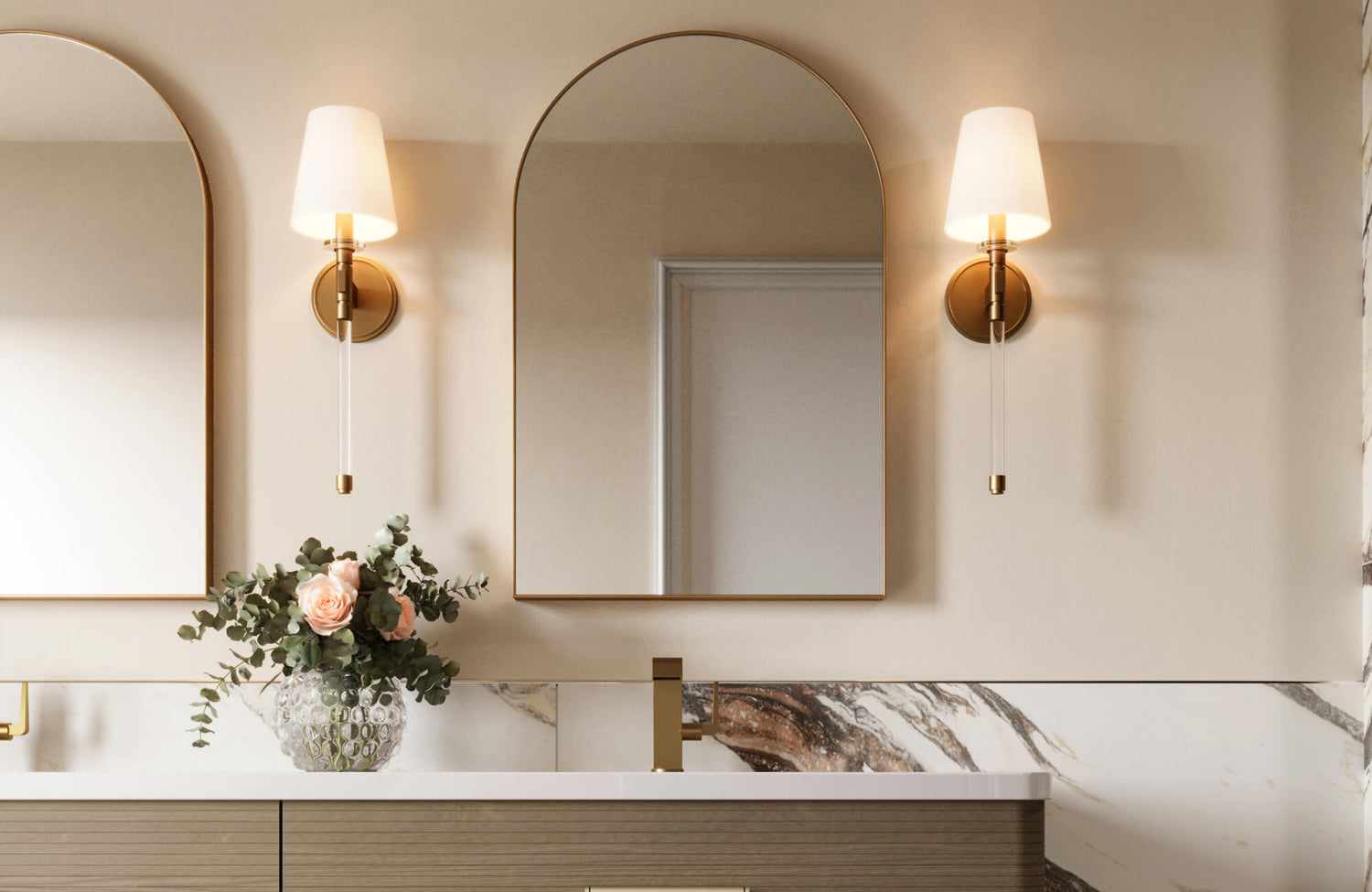
Arched mirrors add an element of architectural elegance, often evoking vintage or classical influences. Our Esmeralda Wide Mirror in Iron Matte Black, as displayed in the photo above, captures this with its bold, arched silhouette and modern finish, offering a timeless shape reimagined for contemporary interiors. In contrast, irregular mirrors, such as asymmetrical or “blob” designs, act as expressive, sculptural accents ideal for eclectic or creative spaces where individuality takes center stage.
Geometric Variations
Mirrors in hexagonal, octagonal, or other angular forms lend a bold, modern touch. Whether used singly or arranged in grouped patterns, these shapes add texture and rhythm, especially within contemporary or industrial design schemes.

Cultural and Symbolic Influences
Mirror shapes are not just about aesthetics—they can also reflect cultural traditions and carry symbolic meaning.
Mirrors in Cultural Practice
In Feng Shui, the ancient Chinese practice of optimizing energy flow ("chi"), the mirror shape is significant. Round mirrors are highly favored for promoting harmony and continuous positive energy, symbolizing completeness and abundance. While rectangular mirrors offer stability, excessively sharp angles are often avoided as they can create "sha chi" or negative energy. Placement is also crucial; mirrors facing beds can disrupt sleep, and those facing entrances might repel beneficial energy.
Historical Context
Throughout history, mirror shapes have conveyed social status and stylistic ideals. In the Baroque and Victorian eras, oval and rectangular mirrors with elaborate frames were associated with luxury and refinement. Arched designs, often drawn from architectural elements like cathedral windows, carried spiritual and decorative significance, adding grandeur to interior spaces.
Modern Adaptations
Contemporary design continues to draw inspiration from these cultural foundations. Scandinavian interiors, known for their minimalist ethos, favor clean-lined rectangular mirrors that emphasize simplicity and function. Meanwhile, Mediterranean and Moroccan styles celebrate arches and intricately shaped mirrors that echo regional craftsmanship and architectural motifs, infusing spaces with warmth and cultural depth.

The Psychology of Shapes
Beyond aesthetics, mirror shapes subtly influence our perception and mood. This unconscious interaction with forms plays a significant role in interior design, shaping a room's underlying feel.
Angular Forms
Rectangular and square mirrors evoke a sense of clarity and structure. Their defined edges promote focus and order, making them ideal for functional environments like home offices or kitchens. However, when overused, these sharp forms can create an overly formal or rigid feel, limiting visual softness and emotional comfort.
Curves and Soft Lines
In contrast, circular and oval mirrors convey calmness, unity, and relaxation. Their gentle edges soften spaces filled with straight lines, helping to balance visual tension. These shapes are also particularly suited to intimate, restful areas like bedrooms, bathrooms, or lounging zones, where serenity and ease are essential.
Organic and Abstract Designs
Mirrors with irregular or nature-inspired forms inject creativity and fluidity into a space. These designs disrupt visual monotony and encourage a more playful, expressive ambiance. Ideal for eclectic or artistic interiors, abstract mirrors celebrate individuality and provide a sculptural focal point that stimulates imagination, like our Rory Mirror in Matte Black, as featured in the image above, which pairs bold shape with minimal finish for a statement that’s both modern and expressive.

Modern Trends and Innovations
Today’s mirror designs are influenced not only by aesthetics but also by advancements in technology and sustainability, expanding both form and function.
Smart Mirror Technology
Smart mirrors often adopt rectangular or softly rounded shapes to accommodate built-in lighting, touchscreens, or virtual assistants. These formats align well with screen dimensions, ensuring optimal visibility and user interaction, making them a popular choice in both modern homes and commercial settings.
Sustainable and Reclaimed Shapes
Eco-conscious design has led to increased use of reclaimed or upcycled materials in mirror frames. The resulting shapes often follow the organic contours of the original materials, giving mirrors a raw, natural feel while supporting environmental responsibility and resource conservation.
Personalized and Custom Shapes
Thanks to digital fabrication, custom-shaped mirrors are more accessible than ever. Whether tailored to fit unique architectural niches or designed as brand statements, these mirrors turn functionality into a form of self-expression, allowing for precise alignment with spatial and stylistic goals.
Final Thoughts
Choosing the right mirror shape is about more than just style—it’s a thoughtful blend of function, emotion, and innovation. Whether you're aiming for structure in a workspace, softness in a calming retreat, or creativity in an expressive setting, understanding how shape influences space can help you make a meaningful choice.
If you need help finding the perfect mirror for your design vision, contact us for expert guidance and personalized recommendations. We're here to help you reflect your style beautifully!