

)
)
)
)
)
)
)
)
How To Light An Open-Plan Living Space The Right Way
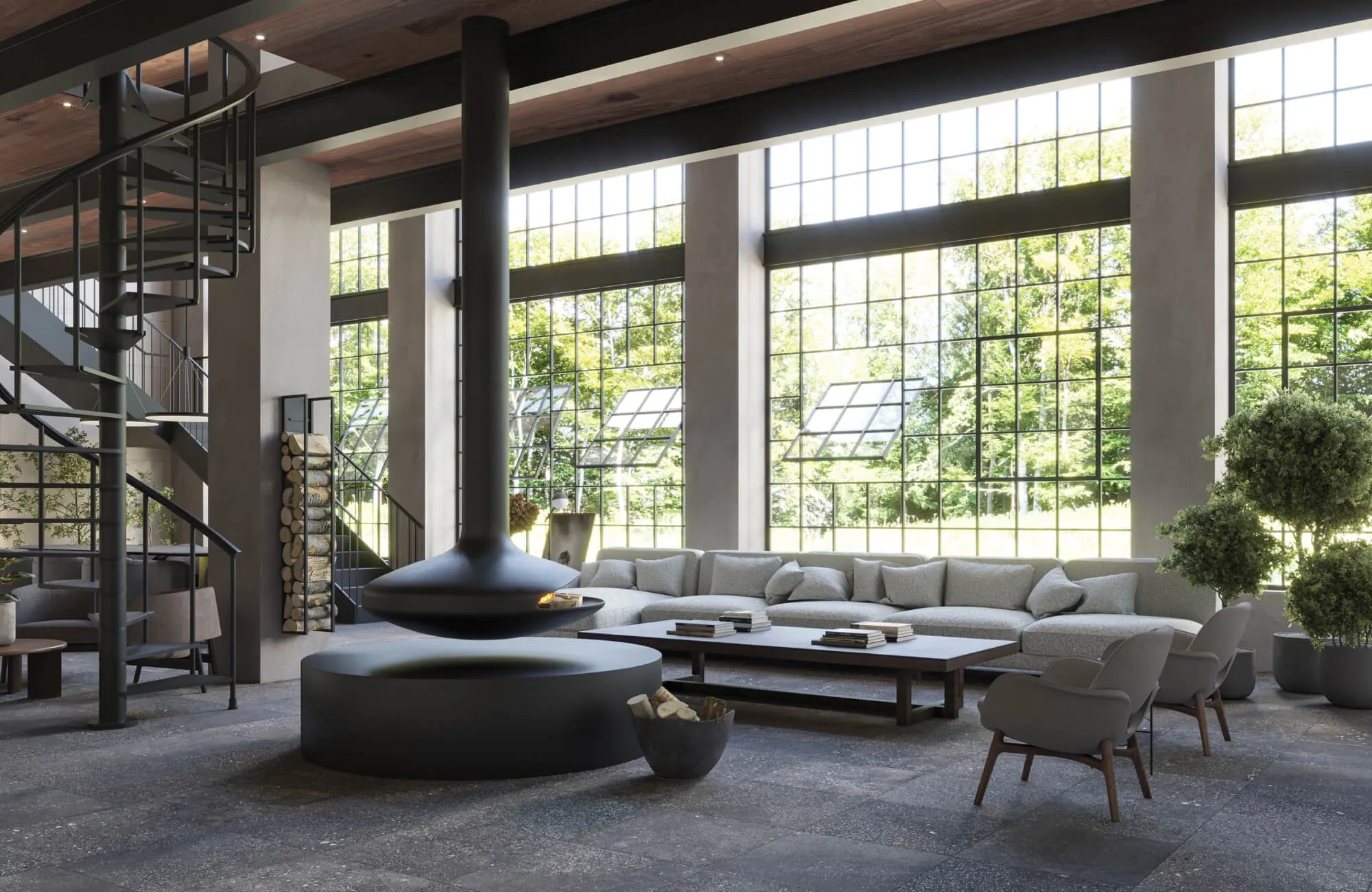
Lighting plays a key role in making open-plan spaces feel intentional and livable. Without walls to separate each zone, light helps define function, guide flow, and set the right mood throughout the day. It’s not just about visibility, it’s about creating comfort, clarity, and flexibility.
In this guide, we’ll explore how to light an open-plan layout the right way, from choosing the right fixtures to layering different light sources. You’ll also find helpful tips on avoiding common mistakes, so every area, from the kitchen to the living room, feels balanced, practical, and thoughtfully connected.
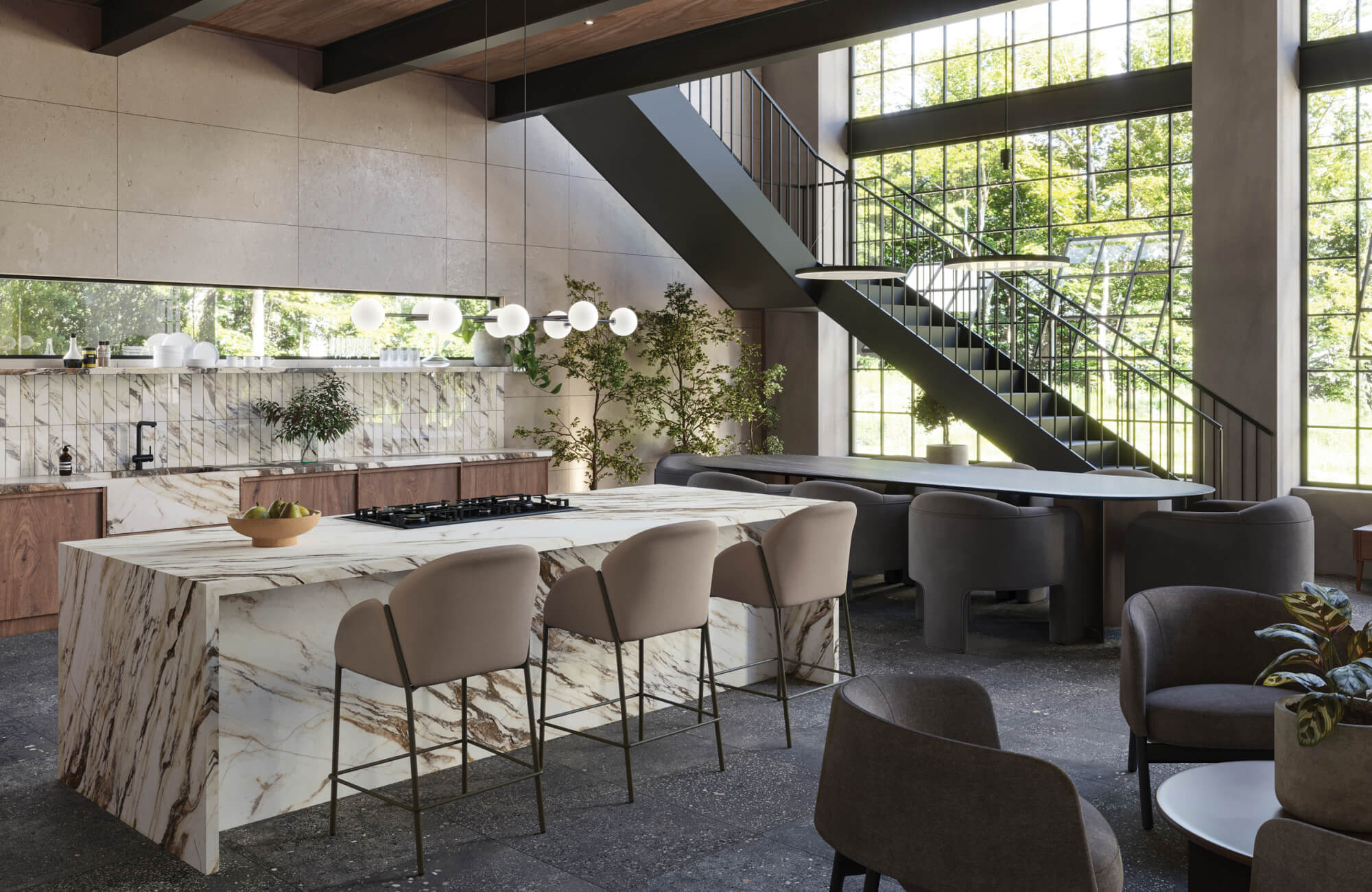
Why Lighting Matters in Open-Plan Layouts
Open-plan spaces need more than just good design; they need smart lighting to stay comfortable and functional. The right lighting helps guide movement, define zones, and create balance across wide, open areas. Below, we’ll look at how thoughtful lighting can tie everything together without adding physical walls.
Creates Boundaries Without Walls
In a room without partitions, lighting becomes the next best thing to physical walls. A line of pendant lights over the kitchen island immediately tells you where the prep zone begins, while a chandelier above the dining table distinguishes mealtime from lounging. These “light zones” give clarity to a room’s layout and reduce visual confusion. It helps each area feel like it has a defined purpose, even without barriers.
Also, varied lighting across zones adds rhythm and flow to the overall space. Instead of one large, flatly lit room, you get depth and dimension that support movement and comfort. This layered approach creates a smoother transition between tasks and moods throughout the day. It’s one of the most practical ways to divide and connect at the same time.
Balances Natural and Artificial Light
An open-plan space often gets plenty of daylight, but not always evenly. Areas closer to windows may feel washed out, while farther corners stay dim unless balanced properly. Layered artificial lighting fills those gaps, preventing one side from feeling stark and the other from feeling shadowy. For instance, recessed lights can supplement daylight in darker corners without overpowering sunlit zones.
This balance also makes the room feel more consistent as the day changes. When the sun shifts or sets, artificial light keeps things comfortable and usable without making it feel too sterile. The goal is to support the room’s natural light rather than compete with it. With the right setup, you’ll keep things bright, welcoming, and balanced from morning to night.
Sets the Tone for Each Functional Area
Light isn’t just about seeing, it’s about how a space feels. A cozy reading corner lit with a warm floor lamp encourages relaxation, while crisp under-cabinet lights in the kitchen support alertness and precision. By matching lighting tone to the activity, you help the space work with you, not against you. It creates mental cues that guide behavior throughout the day.
Also, mood-setting light helps you wind down or shift gears depending on the zone. Bright task lighting energizes, while soft, ambient light calms and resets. In open plans, this matters more than ever, since one area can quickly transition into another. Done right, lighting doesn’t just follow your routine—it shapes it.
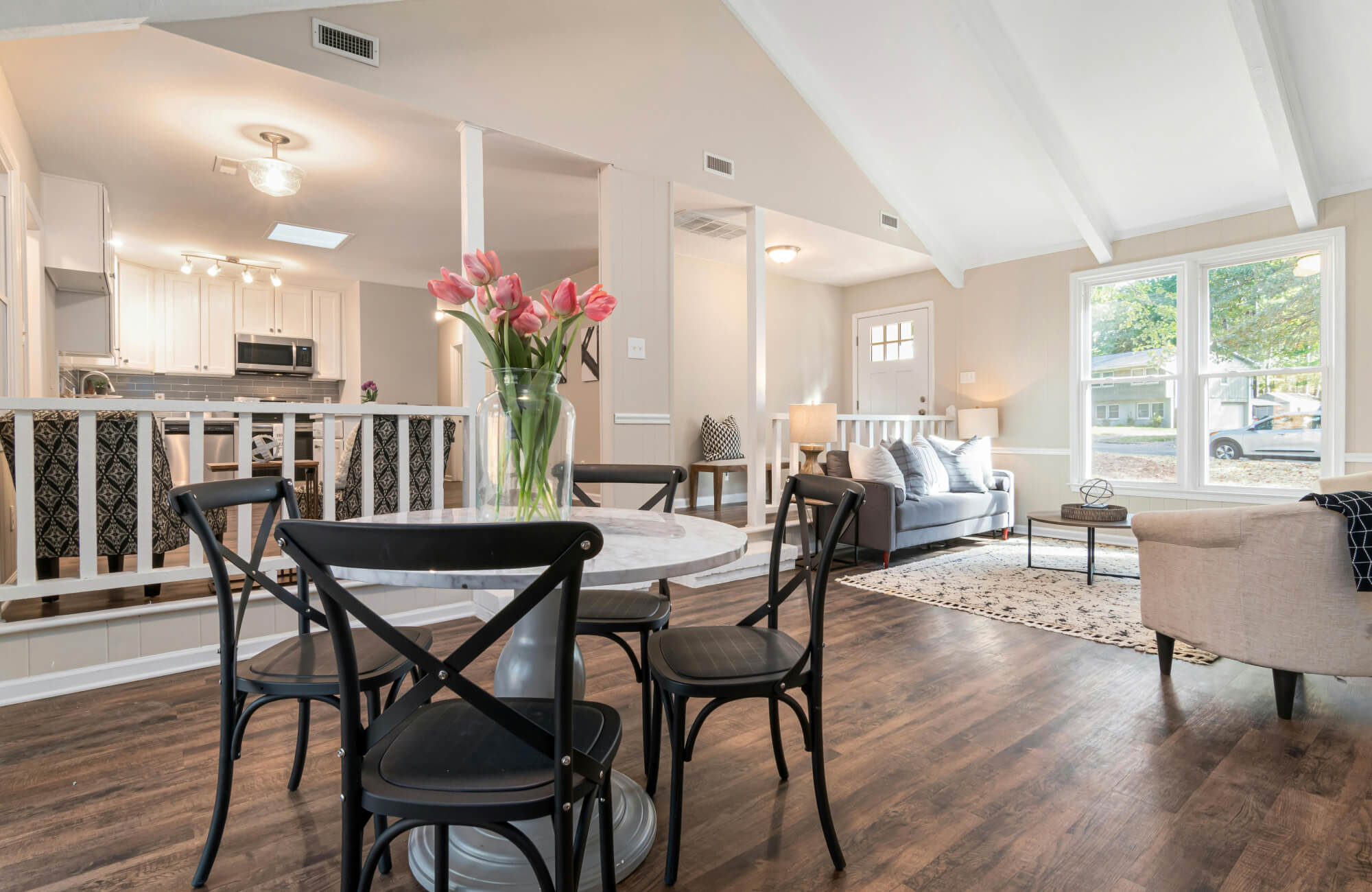
Key Challenges in Open-Plan Lighting
Lighting a large, shared space isn't as simple as flipping a switch. Because there are fewer walls and more visual overlap, it’s easy to run into lighting issues that affect comfort and clarity. Below, we’ll cover common pitfalls to watch for when planning your open-plan setup.
Avoiding Dark Corners or Overlit Areas
Without proper zoning, open layouts often swing between extremes; some spots end up harshly lit, while others feel dim and underused. These imbalances can make the space feel disjointed and uncomfortable. Spreading out light sources evenly and layering types of lighting can prevent these gaps. It also helps to think about how each area will actually be used and place fixtures accordingly. Lighting should support both movement and mood, not just visibility.
Managing Glare and Shadows Across Spaces
Large open spaces mean more light bouncing around, and that can lead to glare from shiny surfaces or awkward shadow lines. Pendant lights, windows, and reflective finishes can all contribute to these issues when they aren’t coordinated. Aim to soften glare with diffused fixtures and indirect lighting where possible. Consider how shadows fall throughout the day, especially in work areas like kitchen counters or desks. A well-planned setup makes the space feel easier on the eyes without losing clarity.
Coordinating Light Color and Brightness
In an open layout, inconsistent lighting tones or mismatched brightness levels can make one room feel like several unrelated ones. For instance, cool-toned lighting in one corner and warm-toned lighting in another can throw off the entire mood. Sticking to a consistent color temperature across the space keeps things unified and visually calm. Use dimmers to adjust brightness by activity or time of day, rather than relying on one fixed setting. When every zone glows at the right level, the whole room feels more cohesive.
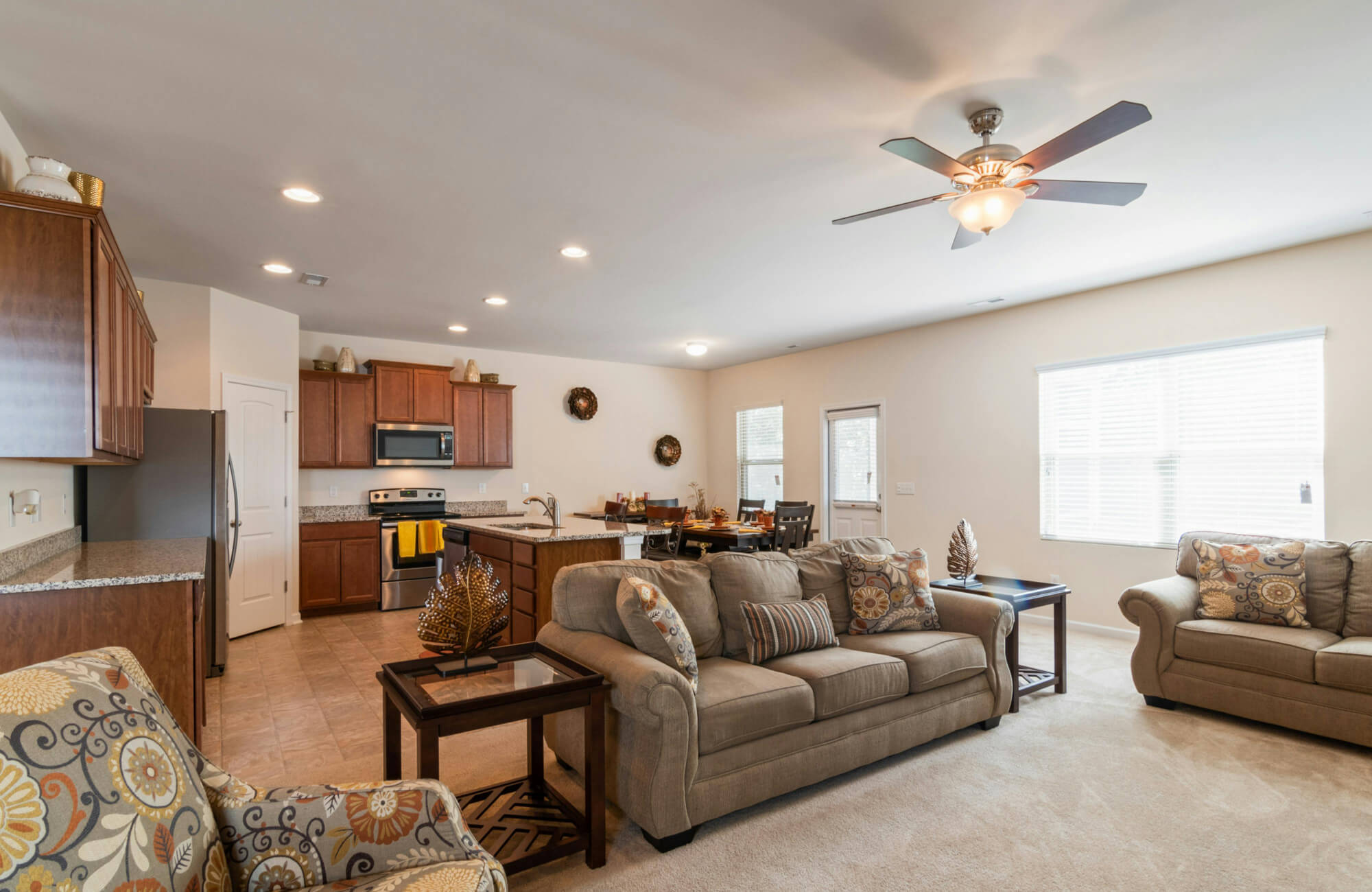
Layering Light for Function and Atmosphere
A well-lit open-plan space isn’t just about brightness; it’s about balance. Using multiple light types together helps define how a room feels and functions from morning to evening.
Ambient Lighting for Overall Illumination
Ambient lighting is your space’s foundational layer, the glow that fills the room and keeps everything evenly lit. It typically comes from ceiling-mounted fixtures, recessed lights, or broader light sources that don’t focus on one spot. In open-plan layouts, it helps unify the space, creating a consistent baseline across all zones. This evenness prevents harsh shadows and helps make the room feel calm and well-proportioned. The key is to make it bright enough for general use without overpowering other lighting layers.
Task Lighting for Functional Zones (e.g., kitchen prep, reading nook)
Task lighting is focused and practical; it’s what you rely on for getting things done. Whether it’s a pendant above a kitchen island or a reading lamp near the couch, this lighting should support activities without straining your eyes. In open-plan layouts, it also plays a big role in defining functional zones. For instance, a set of pendants above a counter clearly marks the cooking space, while a floor lamp near a chair signals a cozy reading nook. Good task lighting brings clarity and purpose to each part of the room.
Accent Lighting for Visual Focus or Decor
Accent lighting is the final touch—it adds warmth, depth, and personality to the space. Think of it as the layer that draws your eye to certain features, like artwork, shelving, or architectural details. In open-plan layouts, accent lighting can help set a mood or subtly separate one area from another. It’s also useful for bringing visual interest to the room when the main lights are dimmed. By highlighting texture or structure, it completes the lighting story without overwhelming the room.
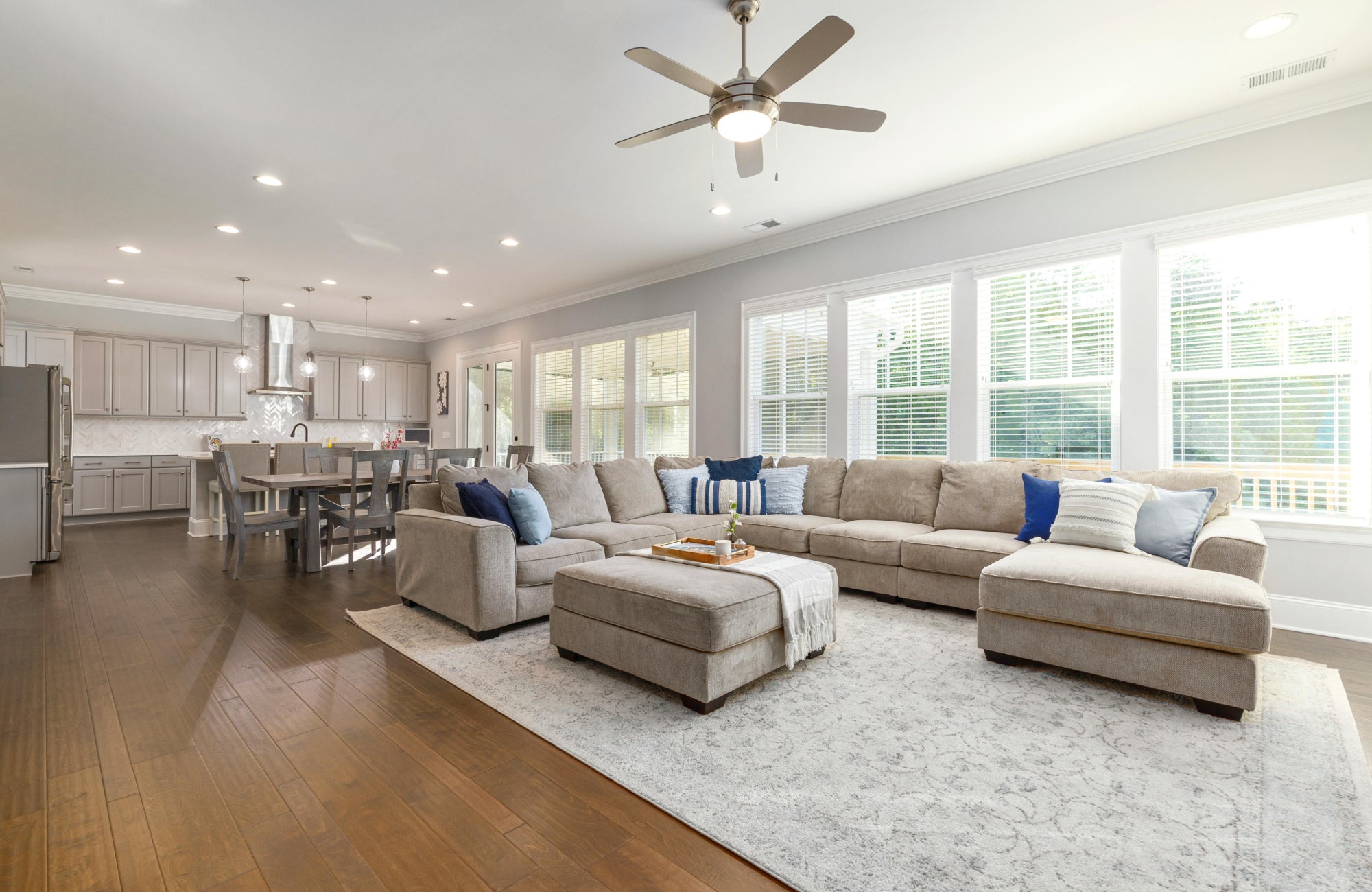
Choosing the Right Fixtures for Each Zone
In open-plan living, the right lighting fixture can guide movement, define purpose, and support everyday tasks, all without walls. Each type of light plays a role in how your space works and feels. Below, we’ll break down what fits best where, based on function and layout.
Pendant Lights
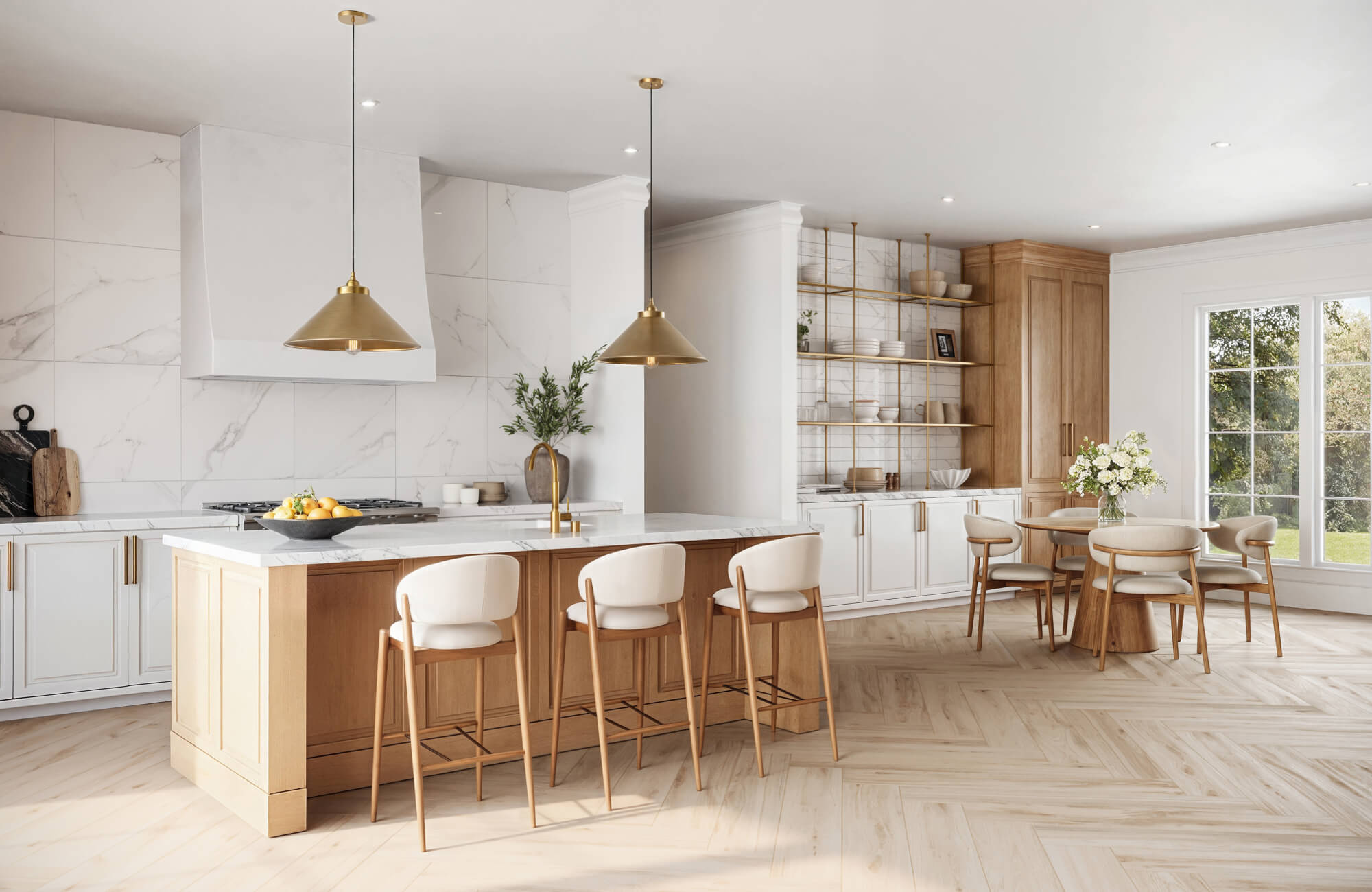
Pendant lights do more than add style; they help anchor key activity zones like kitchen islands or dining tables. Their downward focus creates a visual boundary, separating prep or eating areas from the rest of the room. Also, they improve visibility right where it's needed, whether you’re chopping vegetables or enjoying a meal. Proper spacing and height matter, too, to avoid glare and maintain clear sightlines across the space.
Because pendants naturally draw attention, they often become subtle focal points. In open-plan layouts, this can help organize the room without overwhelming it. Their repetitive placement over long counters or tables also introduces a rhythm that supports the flow. By combining form and function, pendant lights bring purpose and clarity to busy zones.
One standout piece to consider is our Matteo Pendant in Aged Brass. Its wide, drum-shaped frame and linked chain suspension bring a grounded elegance to any kitchen or dining area, while the alabaster diffuser softens the light with a warm, inviting glow. With its richly textured brass finish and organic translucence, this pendant brings just enough drama to anchor your zone, without overwhelming the space.
Chandeliers
Chandeliers or large fixtures work well in central living spaces where you want to create ambiance and structure. Their overhead glow adds warmth while subtly marking the living zone within the open layout. These lights are often wide-spanning, helping to distribute light more evenly across seating areas. Also, they create a sense of height and presence, especially in rooms with taller ceilings.
In multifunctional spaces, chandeliers can help anchor the room without dividing it physically. They provide ambient lighting that makes the entire living area feel cohesive and welcoming. For larger rooms, pairing a statement piece with other lights ensures comfort without overwhelming the eye. It’s about finding a balance between standout lighting and practical coverage.
Recessed Lighting
Recessed lighting is a go-to for open layouts thanks to its clean look and broad coverage. Installed directly into the ceiling, these fixtures avoid visual clutter and keep the focus on the space itself. They're especially effective in larger zones where consistent lighting is needed without multiple hanging fixtures. Also, they help reduce shadows and evenly distribute light across the floor.
Spacing recessed lights evenly can help unify the space and prevent dark corners. In areas like hallways or kitchen prep zones, this consistency is both functional and visually calming. While they’re less decorative, they support the overall lighting plan by filling in gaps. When used wisely, they act as the quiet foundation of an open-plan lighting scheme.
Floor and Table Lamps
Floor and table lamps offer flexibility that fixed lighting can’t match. You can move them as your layout evolves or as your needs change throughout the day. They’re perfect for adding task lighting to a reading chair or workspace, or for softening the mood in the evening. Also, they’re a smart way to introduce layers without committing to hardwired fixtures.
In open layouts, this versatility becomes even more useful. A floor lamp can quietly signal a reading nook or a cozy corner without adding visual weight. Table lamps on sideboards or shelves also help bridge gaps between different zones. With no installation required, they let you light your space on your terms.
Wall Sconces
Wall sconces are ideal for adding gentle light around perimeters or calling attention to artwork, shelving, or architectural features. Mounted at eye level, they bring light to areas that overhead fixtures often miss. They can guide movement through hallways or transitions between zones while maintaining a low visual profile. Also, they reduce the need for bulky lamps or overly bright ceiling lights.
In open-plan rooms, sconces add dimension without taking up floor or surface space. Their glow adds warmth and helps balance out the lighting layers across wide walls. Whether used symmetrically or to highlight one focal point, they round out the lighting design. For a minimalist yet striking option, consider our Russell Wall Sconce in Old Bronze. Its tall, matte opal diffuser and near-black bronze finish lend quiet drama to transitional spaces, perfect beside mirrors, entryways, or architectural cutouts. With its clean silhouette and ambient glow, it’s an effortless way to add structure and softness at once.
Lighting Tips Based on Layout and Ceiling Height
Every open-plan space has its own quirks; some are low and compact, while others stretch tall or long. Lighting should adjust to fit those shapes, not fight against them. Below, we’ll go over how ceiling height and layout influence fixture choice and placement.
Low Ceilings
Low ceilings leave little room for bulky fixtures, which makes flush mounts or semi-flush lights the best choice. These fixtures sit close to the ceiling and provide even light without disrupting sightlines. Even spacing across the room helps prevent shadows and ensures a clean, balanced glow throughout. This approach also avoids making the space feel shorter or crowded from above. With the right placement, you can brighten the room without overwhelming it.
Tall or Vaulted Ceilings
High ceilings offer great potential for dramatic lighting, but they can also leave areas feeling cold or dim without careful planning. Using layered lighting, such as combining chandeliers with recessed lights or wall sconces, ensures light reaches every level of the room. Dimmers are also a must, letting you adjust brightness to match the time of day or activity. This adds both flexibility and warmth, keeping the space inviting despite the height. A thoughtful mix of fixtures brings the room down to a more human scale.
Long or Narrow Layouts
In elongated or narrow spaces, repeating the same type of lighting fixture at regular intervals helps create visual rhythm and cohesion. This can be especially useful with pendant lights, track lighting, or recessed options spaced evenly down the length of the room. It guides the eye naturally and prevents dark spots or sudden lighting drops. Matching fixture tones or shapes also helps unify different zones. The key is to make the space feel connected from end to end without visual interruptions.
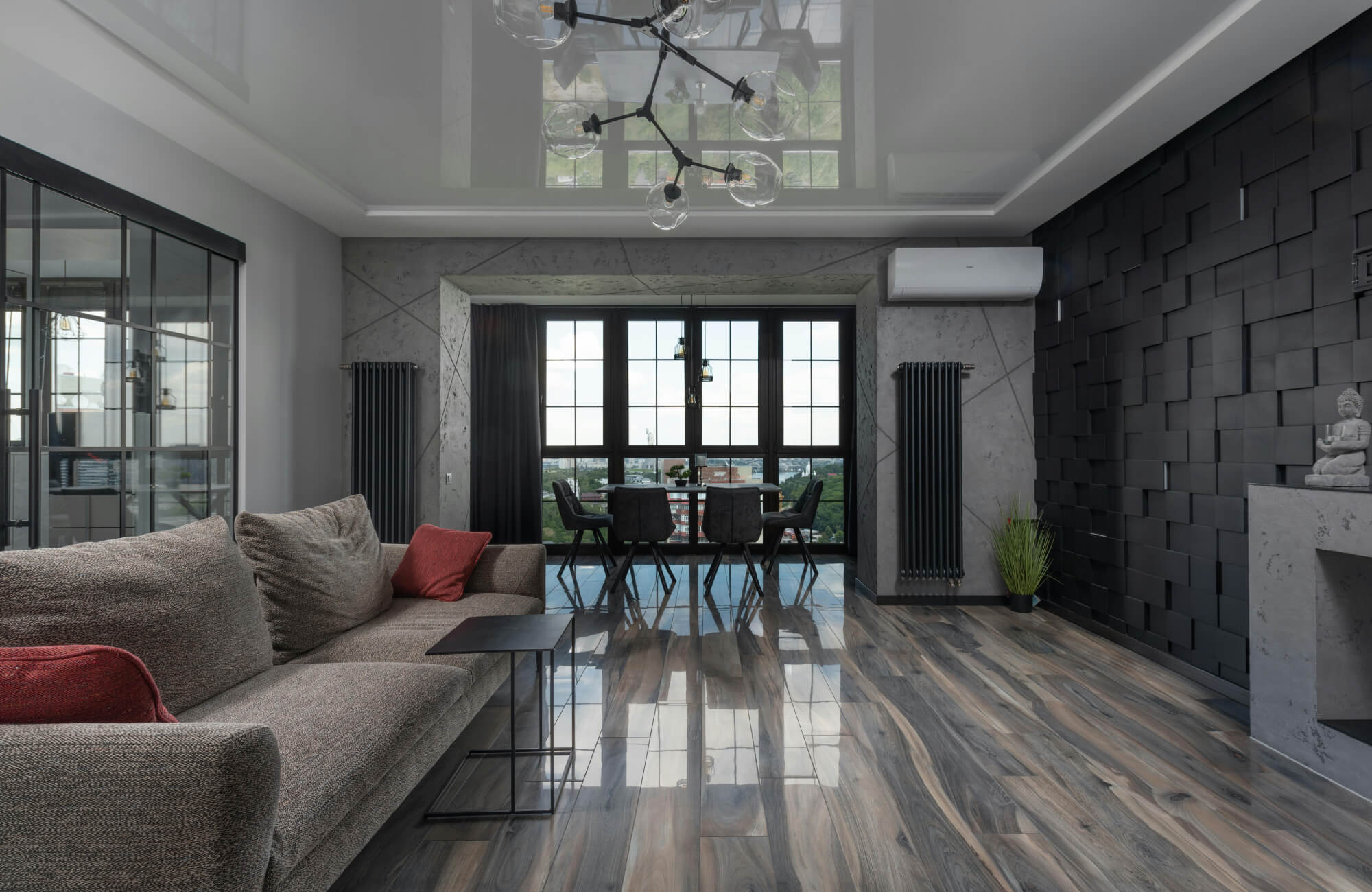
Smart Controls and Zoning for Flexibility
Lighting in an open-plan space shouldn’t be all-or-nothing. With the right controls and zoning techniques, you can tailor the light to fit different tasks, times of day, and moods.
Dimmer Switches for Custom Ambience
Dimmer switches are one of the easiest ways to fine-tune lighting based on activity or mood. You can soften the lights for a relaxed dinner or brighten them for morning prep without needing new fixtures. They also help reduce glare and energy use, especially in large spaces where full brightness isn’t always necessary. Installing dimmers by zone gives you better control over different areas of the room. It’s a small change that makes a big difference in everyday comfort.
Smart Lighting for Time-of-Day Adjustments
Smart bulbs or switches can be programmed to shift brightness or color temperature throughout the day. For instance, you might set a cooler light in the morning to energize the space and warmer tones in the evening for wind-down time. Many systems let you control zones independently, so the kitchen stays bright while the living area dims. You don’t need a whole-home system to start; just a few smart bulbs in key areas can do the trick. It’s a simple way to keep lighting in sync with your daily routine.
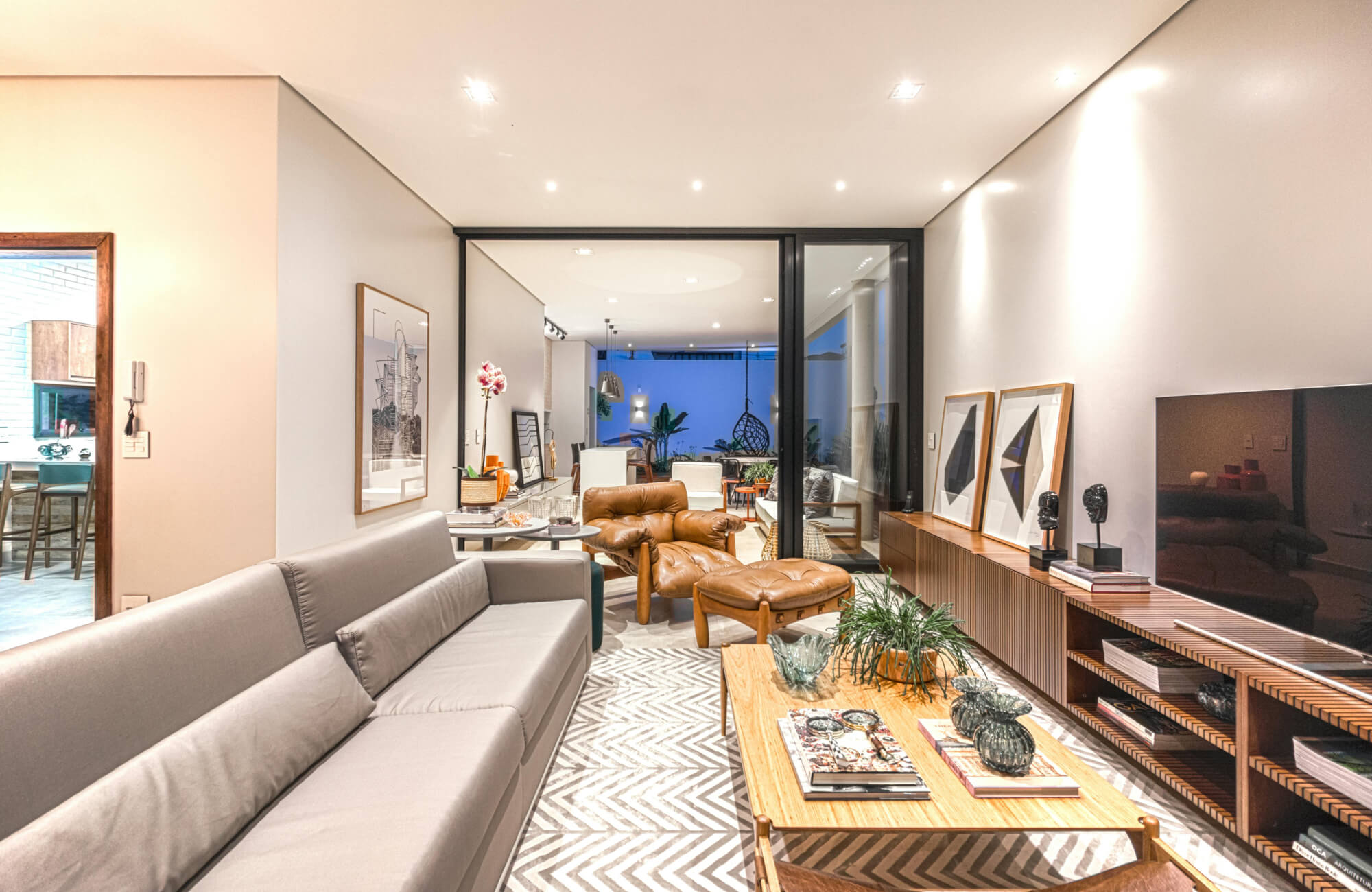
Mistakes to Avoid in Open-Plan Lighting
Even well-designed spaces can fall flat if the lighting misses the mark. A few common missteps can throw off the balance, functionality, or comfort of an open-plan layout. Below, we’ll cover the lighting habits worth avoiding so your space works as well as it looks.
Using the Same Fixture Type Everywhere
Relying on one type of fixture throughout the entire space can make the room feel flat or overly uniform. Open layouts benefit from varied lighting types that support different needs, like pendants for dining, recessed lighting for general coverage, and lamps for coziness. Without variation, the space loses its sense of flow and functionality. You want each area to feel purposeful, and using only one kind of light can blur those boundaries. Mixing fixture types adds interest and helps define zones more effectively.
Ignoring Natural Light Direction and Windows
Neglecting how daylight moves through your space can lead to mismatched brightness and wasted energy. Large windows may flood some zones with light while leaving others in shadow, and lighting should be adjusted to compensate for that. For instance, you might need stronger task lighting in areas far from windows or softer ambient light near a sunny corner. Being aware of natural light patterns helps you avoid over- or under-lighting. It also ensures that your artificial lighting works in harmony with what’s already coming in.
Bringing It All Together With Thoughtful Lighting
Smart lighting can transform an open-plan layout from a wide, undefined space into a layered and functional environment. By combining ambient, task, and accent lighting, you create zones that support both everyday life and visual comfort. Whether it’s pendants over the island or recessed lighting across the ceiling, each fixture should help define movement, mood, and purpose throughout the room. The key isn’t just brightness, it’s balance, adaptability, and making sure each area works both individually and as part of a whole.
If you're unsure where to start or want to ensure every lighting detail supports your layout, we're here to help. Book a design consultation and let us tailor a lighting strategy that fits your space, lifestyle, and aesthetic.
Follow us on Instagram
@EDWARD.MARTIN
)
)
)
)
)
)
)
)
)
)
)
)
)
)
)
)