Marble has long been synonymous with prestige. From sculptural masterpieces to grand architectural interiors, its luminous surface and expressive veining have defined luxury for centuries. But when it comes to cost, not all marble is created equal. Certain colors, particularly rare whites, deep blacks, and vividly saturated blues or greens, can command exceptionally high prices due to limited supply and enduring demand.
At the same time, advancements in porcelain and ceramic manufacturing have made it possible to achieve the same visual drama through marble look tiles. For those who admire the world’s most expensive marbles but want greater durability, consistency, and cost control, marble look tiles offer a compelling alternative. To understand why, it helps to first explore which marble colors sit at the top of the pricing spectrum, and what truly drives their value.

Marble Colors That Command the Highest Prices
To better understand which marble colors sit at the top of the pricing spectrum, it’s important to look at the specific hues that consistently define luxury in the design world.
White Marble as the Benchmark of Luxury
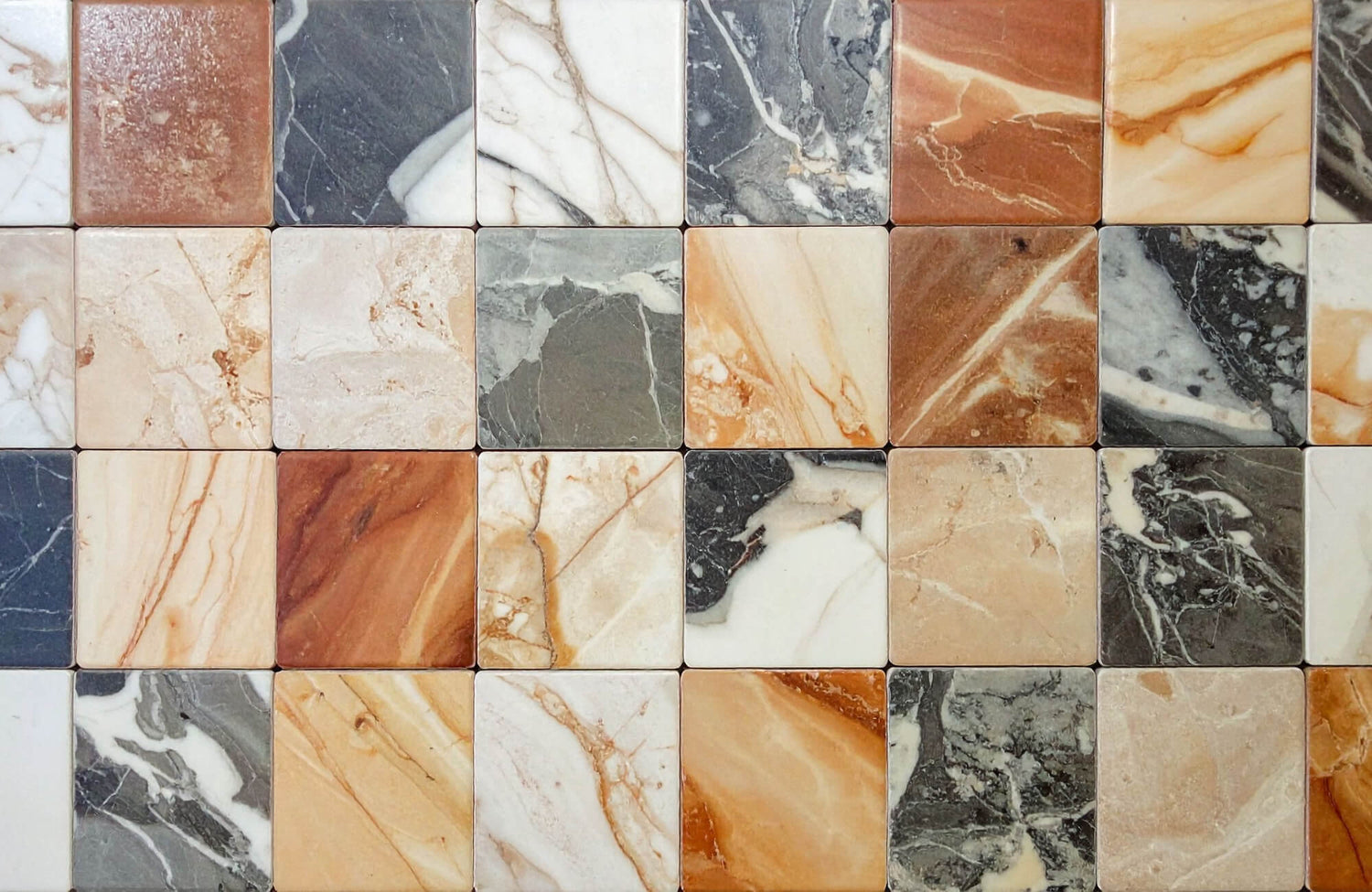
When discussing premium marble, white varieties such as Calacatta and Statuario are often the first to be mentioned. Quarried in Italy, these stones are celebrated for their luminous white backgrounds and bold, elegant veining. Their contrast, clarity, and historic association with classical art and architecture elevate them beyond simple surface materials.
What makes these marbles particularly expensive is the combination of visual purity and limited extraction. High-grade slabs with balanced veining and minimal structural imperfections are rare. As a result, demand frequently exceeds supply, especially for large, bookmatched pieces suited to statement installations.
White marble has become the benchmark against which other luxury stones are measured. Yet it is not the only color capable of commanding a premium.
The Refined Drama of Black Marble
Black marble, including varieties such as Nero Marquina and Belgian Black, offers a dramatically different aesthetic. Its deep tone, often accented by fine white veining, creates striking contrast in both modern and classic interiors.
True, uniform black marble forms under specific geological conditions, which contributes to its relative scarcity. Extracting large slabs without visible fractures is particularly challenging, further influencing cost. In high-end residential and hospitality projects, black marble is often used strategically, on feature walls, countertops, or floors where bold sophistication is desired.
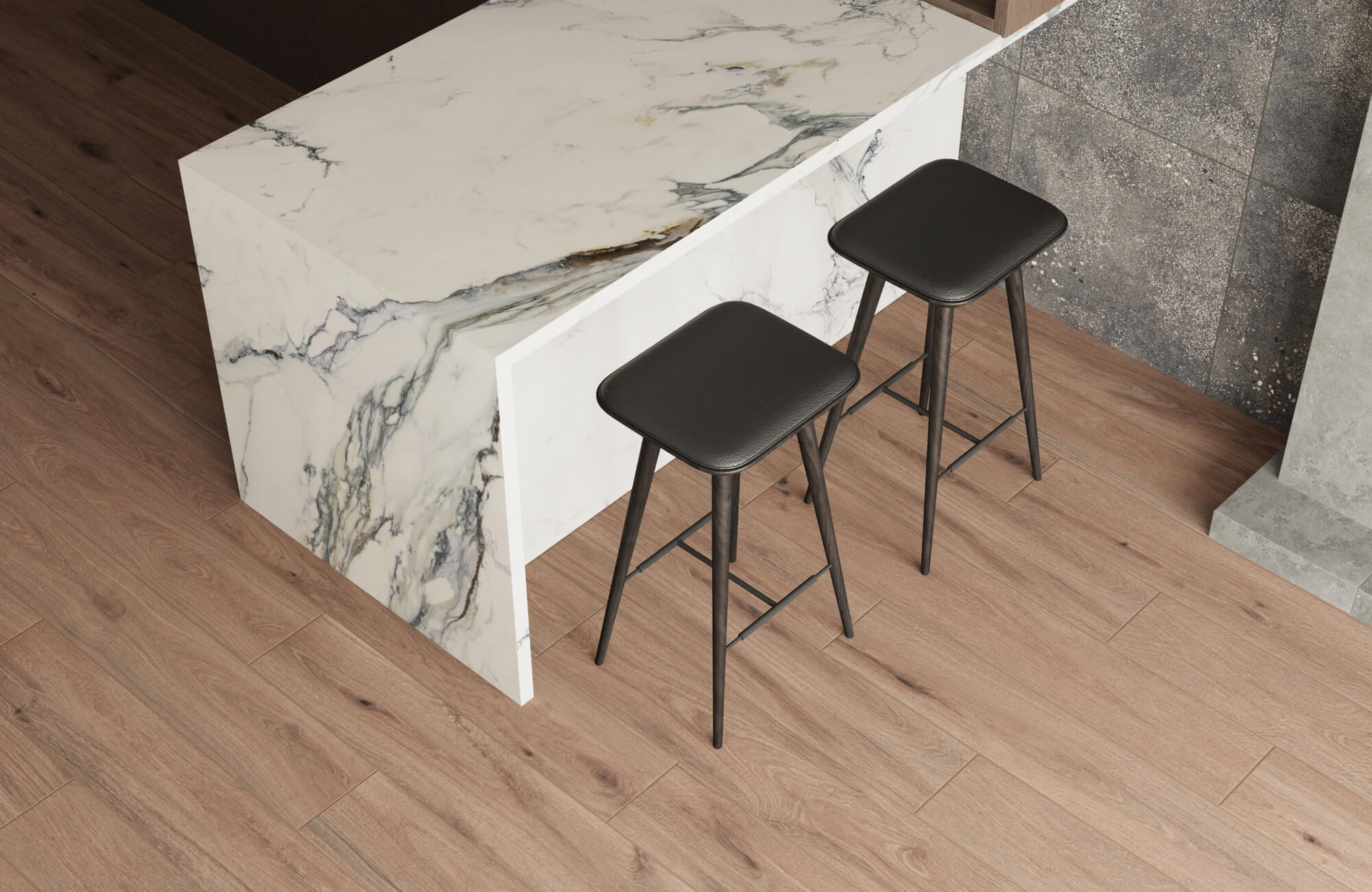
For those drawn to this aesthetic but mindful of maintenance and budget, marble look porcelain tiles provide an elegant solution. Edward Martin’s Leona 24x24 Matte Porcelain Tile in Nero Marquina, shown in the image above, captures the inky depth and fine veining of classic black marble while offering a matte finish that softens glare and enhances durability for both wall and floor applications.
Rare Blue, Green, and Red Marbles as Statement Stones
Beyond white and black, intensely colored marbles can rival, or sometimes exceed, the cost of traditional luxury stones.
Green marbles such as Verde Alpi and Verde Guatemala are valued for their rich, layered tones. Rosso Levanto introduces deep red hues with dramatic veining, while Azul Macaubas, a rare blue stone from Brazil, is prized for its linear movement and saturated color.
In these cases, pricing is influenced not just by rarity but by color intensity and consistency across slabs. Highly saturated blues and greens that maintain visual coherence over large surfaces are especially sought after. These stones are often specified for feature installations where individuality and visual impact are paramount.

The Key Factors That Influence Marble Pricing
While certain colors are closely associated with premium pricing, color alone does not determine value. Several underlying factors ultimately shape how marble is assessed and priced in the global market.
Limited Quarry Access and Material Rarity
Access to premium quarries is increasingly restricted by geography, regulation, and environmental considerations. Some historic quarries produce limited output each year, and certain varieties may only be available in small quantities. The rarer the extraction, the higher the market value.
Quality Standards and Structural Integrity
High-grade marble exhibits consistent coloration, well-defined veining, and minimal structural flaws. Cracks, fissures, and excessive patching can reduce both visual appeal and structural reliability. Slabs that achieve aesthetic balance without compromising durability naturally command higher prices.
Origin, Prestige, and Provenance
Marble sourced from renowned regions such as Carrara in Italy or Makrana in India carries historical and cultural prestige. Documented provenance and established quality standards reinforce buyer confidence, particularly in luxury projects where material narrative matters as much as appearance.

Understanding the Cost Journey from Quarry to Installation
Beyond material characteristics, the path marble takes from extraction to final installation also has a substantial impact on its overall cost.
Quarrying and Precision Processing
Extracting marble requires specialized machinery and skilled labor. Large blocks must be carefully removed, transported, and cut into slabs using precision equipment. Polishing and finishing are meticulous, multi-step processes that enhance the stone’s natural beauty while ensuring dimensional accuracy.
Transportation and Global Logistics
Many high-end marbles are imported. Transporting heavy stone across continents involves secure crating, freight handling, and compliance with international trade regulations. These logistical demands contribute significantly to the final installed cost.
Market Demand and Evolving Design Trends
When certain marbles gain popularity among architects or luxury brands, demand surges. Limited supply combined with increased specification drives prices upward, particularly for luminous white varieties with bold, dramatic veining. Over time, trend cycles influence which tones dominate interiors, from crisp whites to moody charcoals.
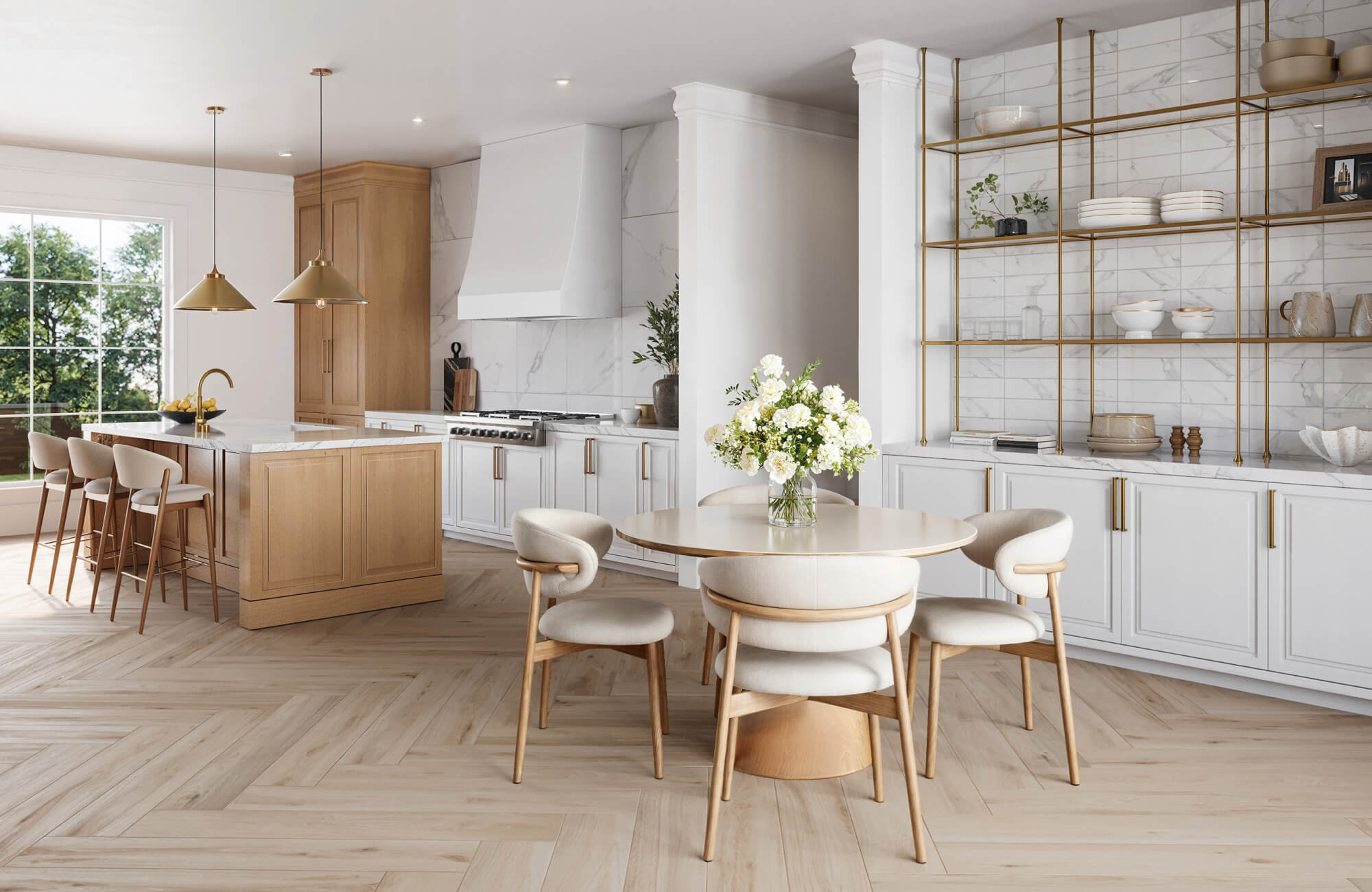
This ongoing demand explains why marble-inspired surfaces remain prominent in contemporary kitchens and bathrooms. Edward Martin’s Aniston 24x48 Polished Porcelain Tile in Calacatta Antico reflects this preference for bright, expansive marble aesthetics, as seen in the image above, where large-format polished surfaces create a seamless, light-enhancing backdrop that feels both current and timeless.
The result is a look that channels high-end marble appeal without being constrained by fluctuating supply or escalating natural stone costs.

Marble Look Tiles as a Practical Luxury Alternative
Given the complexity and expense tied to natural marble, many homeowners and designers are turning to innovative alternatives that deliver comparable elegance with greater practicality.
Unlike natural marble, porcelain and ceramic marble look tiles provide greater consistency across installations, allowing designers to achieve cohesive surfaces without the unpredictability of quarried stone.
Below is a simplified comparison to clarify the distinction:
| Feature | Natural Marble | Marble Look Porcelain Tile |
| Material Origin | Quarried natural stone | Manufactured porcelain |
| Price Range | High to very high | Moderate to accessible |
| Veining Variation | Naturally unpredictable | Controlled, design-consistent |
| Maintenance | Requires sealing and careful care | Low maintenance and stain-resistant (always follow the manufacturer’s care and maintenance guidelines) |
| Durability | Prone to etching and scratching | Highly durable and scratch-resistant |
| Sustainability | Extraction-dependent | Can incorporate recycled content |
While natural marble offers heritage and uniqueness, marble look porcelain delivers visual sophistication with greater resilience and easier upkeep.
The Performance Advantages of Porcelain Marble Look Tiles
Porcelain marble look tiles are engineered for durability. Non-porous and resistant to staining, they perform exceptionally well in kitchens, bathrooms, and busy areas where natural marble may require more careful upkeep.
To ensure the selected tile translates seamlessly from inspiration to installation, Edward Martin’s Augmented Reality (AR) Visualization Tool allows you to view marble look tiles directly within your own interiors. Once a preferred style is identified, ordering tile samples provides a tangible way to evaluate tone, finish, and scale in real lighting conditions, creating a confident, well-informed design process from start to finish.
The Decorative Versatility of Ceramic Marble Look Tiles
Ceramic marble look tiles provide a lightweight, cost-conscious solution ideal for walls and backsplashes. Advanced printing technology captures delicate veining and tonal movement, making it possible to introduce marble-inspired elegance in decorative or lower-activity areas.
This refined approach to scale and surface detail is well illustrated by Edward Martin’s Julianna 4x12 Polished Ceramic Tile in Carrara. As seen in the image above, its soft grey veining and elongated proportions create a tailored backsplash composition that feels both timeless and contemporary, offering a graceful interpretation of classic white marble.
Because ceramic is easier to cut and install, it offers added design flexibility while maintaining visual sophistication. For those seeking the aesthetic of rare marble colors without the associated investment, ceramic marble look tiles present an accessible path to elevated interiors.

Selecting the Right Finish for a Marble Inspired Interior
Once the desired marble aesthetic is established, the finish becomes the defining detail that influences how the surface looks, feels, and performs within the space.
Polished finishes reflect light and amplify natural brightness, echoing the sheen of freshly honed stone. This effect is particularly impactful in larger formats, such as Edward Martin’s Blair 24x48 Polished Porcelain Tile in Oniciata Grey, featured in the image above, where sweeping grey veining and a glossy surface elevate the fireplace surround with a refined, architectural presence.
For those who prefer a more understated interpretation, matte finishes introduce a softer, contemporary character while offering improved slip resistance. Bridging the two, satin surfaces provide a gentle sheen that balances polish and subtlety, making them well suited to transitional interiors. Meanwhile, textured options add depth and tactile interest, transforming marble inspiration into sculptural wall features that feel both dynamic and thoughtfully curated.
By selecting the appropriate finish, designers can tailor marble aesthetics to suit both functional needs and stylistic intent, achieving a cohesive and enduring result.
A Refined Look, Reimagined for Modern Living
So, which color of marble is the most expensive? In many cases, high-grade white marbles such as Calacatta and Statuario sit at the top of the pricing hierarchy, closely followed by rare blacks and intensely saturated blue or green varieties. Their cost reflects rarity, demand, craftsmanship, and global logistics.
Yet today, achieving that elevated aesthetic no longer requires the same financial or maintenance commitment. Marble look porcelain and ceramic tiles deliver the visual richness of the world’s most coveted stones with enhanced durability, design consistency, and long-term practicality.
For those who admire the timeless appeal of marble but prioritize performance and value, marble look tiles represent a sophisticated evolution, one that honors tradition while embracing modern innovation.