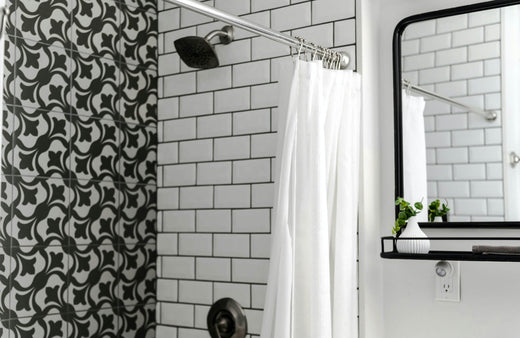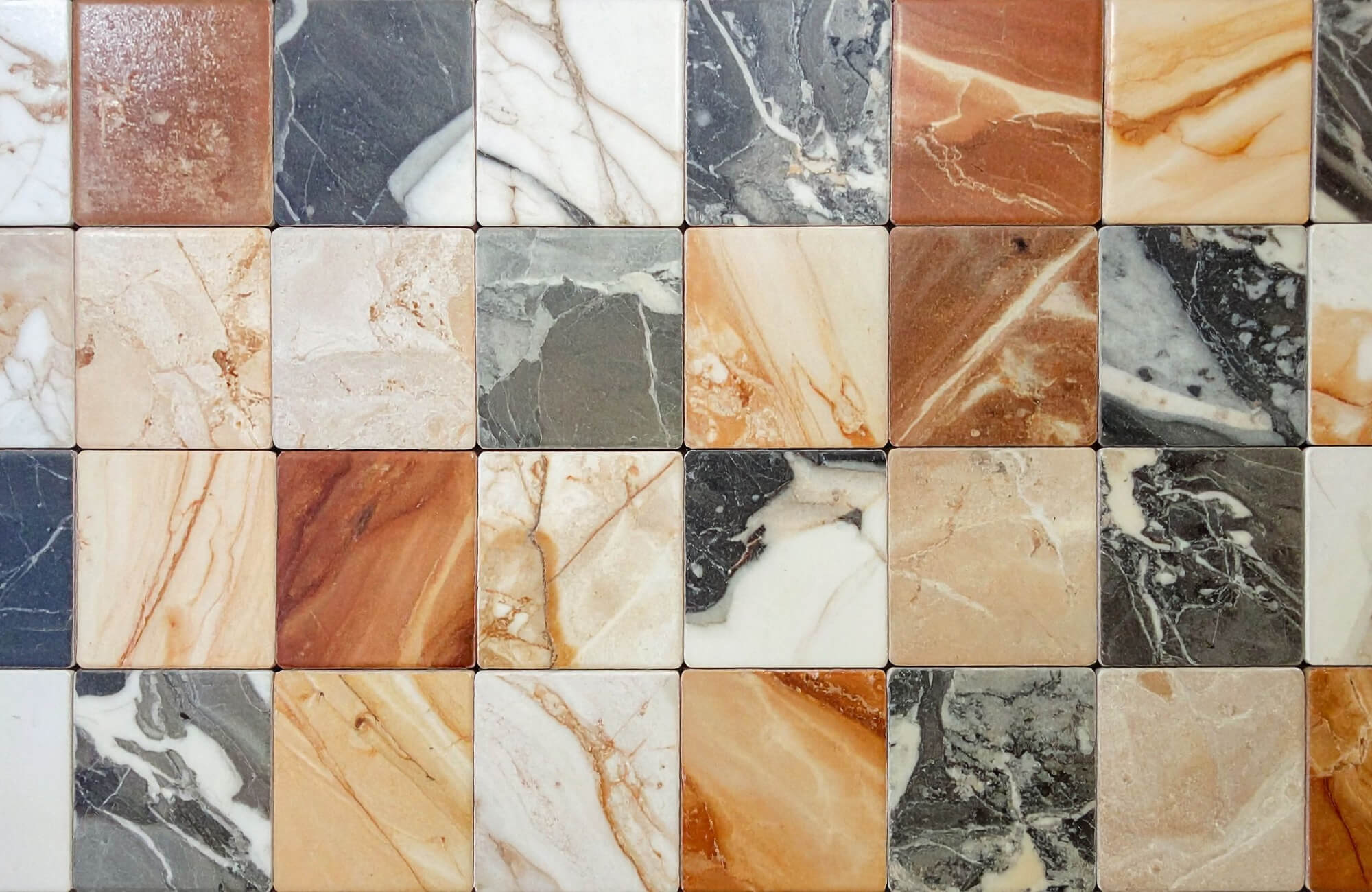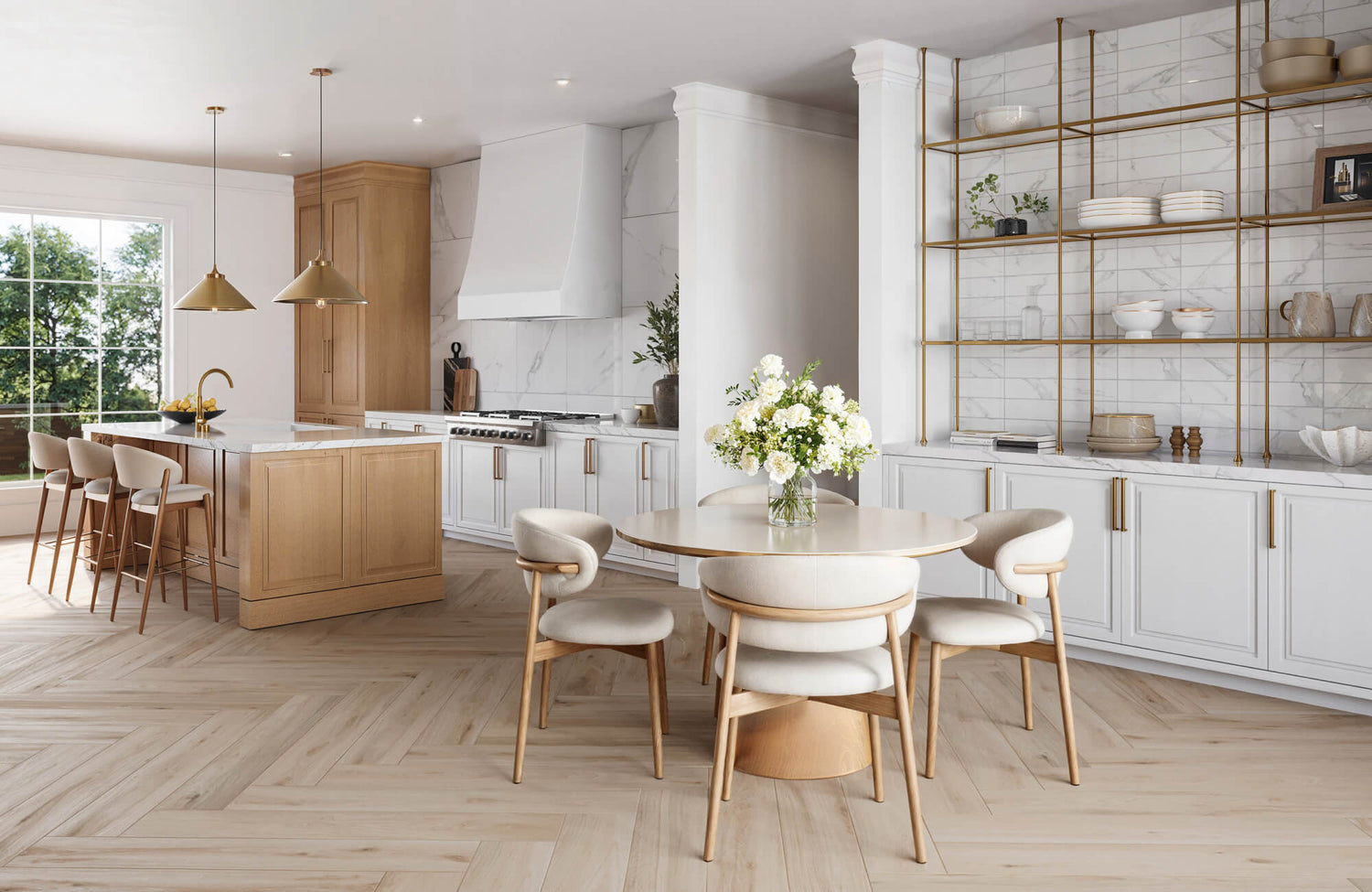
Wood look tile can completely shift how a room feels, sometimes more than wall color or furniture ever will. The shade you choose affects how bright the space looks, how warm it feels, and even how open it appears from one end to the other. With options ranging from soft, airy tones to rich, grounding hues, it’s easy to get stuck between what looks good in a sample and what actually works in your home. In this guide, we’ll break down materials, performance factors, and color direction so you can choose a wood look tile that truly fits your space, lighting, and lifestyle.

Types of Material for Wood Look Tiles
Wood look tiles aren’t all created the same, and the material you choose plays a big role in performance, durability, and overall realism. While they may look similar on the surface, ceramic, porcelain, and vinyl each bring different strengths to the table. Understanding these differences makes it much easier to choose the right option for your space and budget.
Ceramic Tile
Ceramic wood look tiles are often the go-to for homeowners who want something affordable and reliable. They’re durable, easy to maintain, and work well in residential areas that aren’t overly demanding. Because they handle heat and moisture effectively, they’re commonly used in kitchens, bathrooms, and laundry rooms. Ceramic tiles also come in a wide range of finishes and colors, making them flexible for different design styles. That said, their wood grain detailing can sometimes look slightly less realistic compared to porcelain, and they may be more prone to chipping under heavy impact. For lighter-use spaces, though, ceramic remains a practical and budget-friendly choice.
Porcelain Tile
Porcelain wood look tiles are considered the more premium option, especially when durability is a top priority. They’re denser and less porous than ceramic, which means they handle moisture, stains, and daily wear exceptionally well. This makes them ideal for busy areas or spaces where spills are common. Thanks to advanced printing technology, porcelain can replicate the texture and grain of real wood with impressive precision. While the upfront cost is typically higher than that of ceramic, the long-term durability often makes it a worthwhile investment. If you want the most realistic wood appearance with maximum performance, porcelain is usually the strongest contender.
Vinyl Tile
Vinyl options, particularly luxury vinyl tile (LVT) and luxury vinyl plank (LVP), have grown in popularity for good reason. They’re generally more affordable, easier to install, and offer a comfortable underfoot feel with sound-dampening benefits. Many high-quality vinyl products closely resemble real hardwood, especially in thicker formats that enhance durability and realism. Because they’re lighter and more flexible than ceramic or porcelain, they’re often favored for DIY projects. However, they don’t offer the same level of long-term durability or water resistance as porcelain, and prolonged exposure to direct sunlight may cause fading. For residential spaces where comfort, cost, and easier installation matter most, vinyl can be a smart and practical solution.
Rigid Core / SPC Flooring
Rigid core flooring, often referred to as SPC (Stone Plastic Composite), is a more advanced type of vinyl designed for added strength and stability. It features a dense core that resists dents, temperature changes, and everyday impact better than traditional LVT. Many SPC options offer highly realistic wood visuals with textured surfaces that mimic natural grain patterns. It’s also fully water-resistant, making it suitable for kitchens, bathrooms, and even basements. While it doesn’t carry the same longevity as porcelain tile, it provides a durable, comfortable, and cost-effective solution for residential spaces. For homeowners who want easier installation with improved performance, SPC sits comfortably between vinyl and tile in terms of durability.

Factors to Consider when Choosing the Right Material
Choosing the right material goes beyond appearance. Budget, durability, water resistance, and installation requirements all play a role in how well your wood look flooring performs over time. Taking these factors into account early helps you avoid surprises and ensures the material fits both your space and your lifestyle.
Budget
Budget is often the first filter when narrowing down your options. Ceramic wood look tiles are typically the most affordable, ranging from around $2 to $10 per square foot, making them accessible for larger projects. Porcelain tends to cost more, usually between $3 and $12 per square foot, but that added expense reflects increased durability and a more realistic finish. Luxury vinyl tile (LVT) and luxury vinyl plank (LVP) usually fall in the middle range, offering a balance between cost and performance. While upfront pricing matters, it’s also worth considering long-term value and maintenance costs. Sometimes spending slightly more initially can reduce replacement or repair expenses later.
Durability
Durability becomes especially important in areas that experience frequent use. Porcelain wood look tiles are generally the most durable option, followed by ceramic, while thicker LVT and LVP products also perform well in residential settings. One helpful indicator for tile durability is the Porcelain Enamel Institute (PEI) rating, which measures resistance to wear and abrasion. Tiles rated PEI 3 or 4 are typically suitable for kitchens, bathrooms, and other commonly used areas. A PEI 5 rating is better suited for commercial or very active residential spaces. Choosing the right durability level ensures your flooring holds up beautifully without premature wear.
Water Resistance
Water resistance is another key factor, particularly in kitchens, bathrooms, and laundry rooms. Porcelain wood look tiles are highly water-resistant due to their dense, low-porosity composition. Ceramic also performs well in moisture-prone environments, though it may not be quite as dense as porcelain. LVT and LVP products are generally water-resistant as well, making them suitable for residential wet areas. The level of protection you need often depends on how much moisture exposure the space receives. For high-moisture zones, selecting a material known for strong water resistance can provide added peace of mind.
Aesthetics
While performance matters, aesthetics still play a major role in the decision. Porcelain wood look tiles tend to offer the most realistic wood grain visuals, thanks to advanced printing and surface detailing. Ceramic options can also achieve convincing wood finishes, though they may appear slightly less textured in comparison. High-quality LVT and LVP products have improved significantly in realism, especially with embossed finishes that mimic natural grain patterns. The goal is to find a surface that not only resembles wood but also feels cohesive within your overall design scheme. Balancing realism with practicality ensures the space looks intentional and polished.
Installation
Installation requirements can influence both cost and convenience. Ceramic and porcelain tiles are heavier and more rigid, which typically means professional installation is recommended for proper alignment and long-term stability. LVT and LVP, on the other hand, are generally lighter and easier to work with, making them popular for DIY-friendly projects. Many vinyl products use click-lock systems that simplify the process without specialized tools. That said, even easier materials benefit from proper subfloor preparation to ensure a smooth finish. Factoring installation complexity into your decision helps you plan realistically for time, labor, and budget.

Selecting the Right Wood Look Tile Color
Color is what ultimately defines the mood of your space. The tone you choose can make a room feel brighter, cozier, more dramatic, or more modern. Understanding how different wood shades influence light and atmosphere will help you select a color that truly supports your design goals.
Light-Toned
Light-toned wood look tiles, such as whitewashed oak or soft maple, have a natural ability to make a space feel more open. Their brighter finish reflects light, which helps smaller rooms or areas with limited natural light appear larger and more inviting. This makes them especially effective in compact living spaces, hallways, or open-concept layouts that benefit from added airiness. Pairing them with crisp white walls and streamlined furnishings enhances that clean, modern effect. Large windows, skylights, or well-placed lighting can further amplify their brightness. If your goal is to create a fresh, expansive feel, lighter tones are often the safest and most versatile choice.
Mid-Toned
Mid-tone wood look tiles, such as honey oak or natural oak, offer a balanced and timeless appeal. Their warmth introduces comfort without feeling overly dark or heavy, making them adaptable across both traditional and contemporary interiors. Because they sit comfortably between light and dark, they act as a neutral foundation that works well with a wide range of cabinet finishes and wall colors. These tones are particularly effective in living rooms and bedrooms, where a relaxed atmosphere is key. They also pair beautifully with accent colors like soft blues, muted greens, or warm yellows. If you want flexibility and warmth without committing to extremes, mid-tones provide that reliable middle ground.
Dark-Toned
Dark-toned wood look tiles, such as walnut or mahogany shades, introduce depth and sophistication to a room. Their rich color can create a dramatic and grounded feel, especially in larger, well-lit spaces. However, darker floors can make a room feel more compact if not balanced carefully. Pairing them with lighter walls, contrasting cabinetry, or strategic lighting helps prevent the space from feeling too enclosed. High ceilings and generous natural light enhance their luxurious effect. When used thoughtfully, dark tones add character and elegance that feel intentional rather than overpowering.
Gray Colors
Gray wood look tiles have become a favorite in contemporary interiors for their versatility and understated elegance. Their neutral base allows them to shift between cool and warm palettes depending on surrounding finishes. In minimalist spaces, they pair seamlessly with clean lines and monochromatic schemes. For more traditional settings, gray can be softened with warmer wood accents and muted textiles. They also provide a calm foundation that works well with bold accent colors or metallic finishes. If you’re aiming for a modern yet flexible look, gray offers a sophisticated alternative to classic brown wood tones.

Harmonizing Wood Look Tiles with Your Home's Aesthetic
Once you’ve narrowed down your color, the next step is making sure it aligns with your overall design style. Wood look tiles are incredibly versatile, but the tone and finish you choose should support the atmosphere you want to create. Here’s how different shades and styles work within popular interior themes.
Modern Minimalist
In a modern minimalist space, restraint is everything. Light or gray wood look tiles with a matte finish help maintain a clean, uncluttered feel while still adding subtle texture. Their soft grain pattern keeps the floor from feeling flat without disrupting the simplicity of the design. Our Preston 8x48 Matte Porcelain Tile in Poplar above, for example, delivers that balanced look with understated warmth and streamlined proportions. Paired with sleek furniture, neutral walls, and minimal décor, the space feels calm and intentional. Small touches like brushed nickel or chrome accents can elevate the look without overwhelming the simplicity.
Rustic Charm
If your style leans warm and inviting, medium-toned wood look tiles are a natural fit. Shades like camel or honey oak introduce the warmth of real wood while maintaining the durability of tile. Our Jameson 8x48 Matte Porcelain Tile in Camel captures that cozy character, making it ideal for farmhouse or cottage-inspired interiors. Layering in natural textures such as stone, rattan, or reclaimed wood enhances the rustic effect. Woven rugs, textured throws, and slightly distressed furniture help complete the look, which results in a space that feels lived-in, comfortable, and grounded.
Traditional Tapestry
For a more classic and refined aesthetic, deeper wood tones bring elegance and richness to the room. Darker shades, such as teak-inspired finishes, add depth and help anchor formal spaces. Our Preston 8x48 Matte Porcelain Tile in Teak offers that traditional warmth while maintaining a polished and timeless appearance. These tones pair beautifully with plush upholstery, layered textiles, and decorative accents. Elements like patterned rugs, ornate mirrors, or statement lighting further reinforce the classic feel. When styled thoughtfully, dark wood look tiles create a sophisticated backdrop that feels enduring rather than dated.

Picking the Right Grout Color for Your Wood Look Tiles
Grout may seem like a small detail, but it has a big impact on how your wood look tiles are perceived. The right grout color can either create a seamless surface or emphasize the pattern and layout of the installation.
Blending In
If you prefer a clean, streamlined look, choosing a grout color that closely matches your wood look tile is often the best approach. This technique minimizes visible lines and allows the grain pattern to take center stage. The result is a cohesive surface that feels calm and uninterrupted. It works particularly well in modern or minimalist interiors where simplicity is key. Matching grout also helps smaller rooms feel less visually segmented. When subtlety is the goal, blending in creates a refined and understated finish.
Standing Out
On the other hand, contrasting grout can introduce definition and character. A darker grout paired with lighter wood look tiles highlights each plank, creating more structure and visual rhythm. Similarly, a lighter grout against deeper tones can add subtle brightness and dimension. This approach works well in traditional, rustic, or farmhouse-inspired spaces where texture and detail matter. However, contrast should feel intentional rather than dramatic for the sake of it. When balanced carefully, it enhances the layout without overwhelming the room.
Choosing the Right Grout Type
If low maintenance is a priority, consider a grout with reduced porosity, such as epoxy grout. Epoxy is highly resistant to water, stains, and mold, making it particularly suitable for kitchens and bathrooms. Traditional cement-based grout can also perform well, but typically requires sealing to maintain its durability. The right choice often depends on the location and level of exposure to moisture. Investing in a higher-quality grout can simplify upkeep in the long run. A durable grout ensures the installation stays fresh-looking for years.
Cleaning and Long-Term Care
Regular cleaning is key to maintaining a polished appearance. Using a mild detergent and a soft-bristled brush helps remove buildup without damaging the surface. Avoid harsh chemicals or abrasive tools, as they can wear down grout over time. Periodic sealing, when required, adds an extra layer of protection against staining and moisture penetration. Following manufacturer guidelines for both tile and grout ensures the best long-term results. With consistent care, your wood look tile installation can retain its clean, finished look without excessive effort.
Exploring Advanced Grouting Techniques
Sanded grout is typically used for wider grout lines because the added sand provides strength and stability. Unsanded grout, on the other hand, works best for narrower joints where a smoother finish is needed. Selecting the appropriate type helps prevent cracking and ensures clean, even lines. The width of your grout joints will largely determine which option is most suitable. Making the right choice contributes to both durability and aesthetics. Even subtle differences in grout texture can influence the overall feel of the floor.
Proper application is just as important as selecting the right grout. The joints should be filled evenly, with excess grout removed before it dries to prevent haze or uneven texture. Careful wiping and finishing create clean lines that complement the wood plank layout. Rushing this stage can lead to inconsistencies that distract from the tile’s grain pattern. Taking time during installation ensures a polished and professional result. When done correctly, grout enhances the overall design instead of competing with it.
The Perfect Wood Look Symphony
Wood look tile has the ability to completely reshape how a room feels, bringing in the warmth of natural wood with the resilience modern living demands. The right combination of color, material, and finish doesn’t just cover your floor; it anchors the entire space. Lighter tones can open up compact rooms, while deeper shades add richness and grounding in larger, well-lit areas. When each element works together, the result feels cohesive, intentional, and tailored to your lifestyle.
If you’re weighing options and unsure which direction fits your home best, our personalized design consultation can help you move forward with clarity. We take into account your lighting, layout, furniture, and overall style to recommend choices that truly make sense for your space. Sometimes the difference between a good selection and the perfect one comes down to subtle details. With the right guidance, you can choose a wood look tile color that feels balanced, refined, and confidently yours.