Finding the perfect lighting for your favorite reading nook or relaxation spot is about more than just a lamp; it’s about creating an atmosphere. The right light can protect your eyes from strain, enhance your focus, and even help you unwind after a long day. From the type of bulbs to the placement of fixtures, every detail matters when designing a space that is both functional and comfortable.
This guide will walk you through the essential elements of creating a beautifully lit reading and relaxing area. We'll explore the science behind eye comfort, the best types of lamps for different needs, and how to layer light to build a truly inviting space. By the end, you'll have a clear plan for illuminating your home in a way that supports both your hobbies and your well-being.

The Science Of Eye Comfort And Lighting
Before choosing any fixture, it’s important to understand how light affects the eyes. Factors like color temperature, brightness, and glare are key to comfort and performance.
The Importance of Color Temperature
Color temperature, measured in Kelvins (K), defines the perceived warmth or coolness of light. Warm white light (2700K–3000K) promotes relaxation by mimicking evening sunlight, while cooler white light (4000K–5000K) enhances alertness and task performance by simulating daylight. Research in circadian lighting shows that cooler temperatures help suppress melatonin, boosting concentration during reading or work, whereas warmer temperatures encourage rest and reduce visual fatigue. Choosing the correct color temperature for specific activities ensures both functional efficiency and physiological comfort.
Lumens and Light Brightness
While wattage measures energy consumption, lumens quantify visible light output, making them the key metric for selecting appropriate brightness. For reading, experts recommend 450–800 lumens in localized task lighting to ensure legibility without strain. Overly dim environments force the eyes to dilate, leading to fatigue, while excessively bright light can cause discomfort and even photophobia. Layering ambient, task, and accent lighting ensures balanced illumination across the room, avoiding high-contrast zones that force the eyes to constantly adjust. Matching lumen levels to activity type is essential for both efficiency and comfort.
Minimizing Glare and Reflections
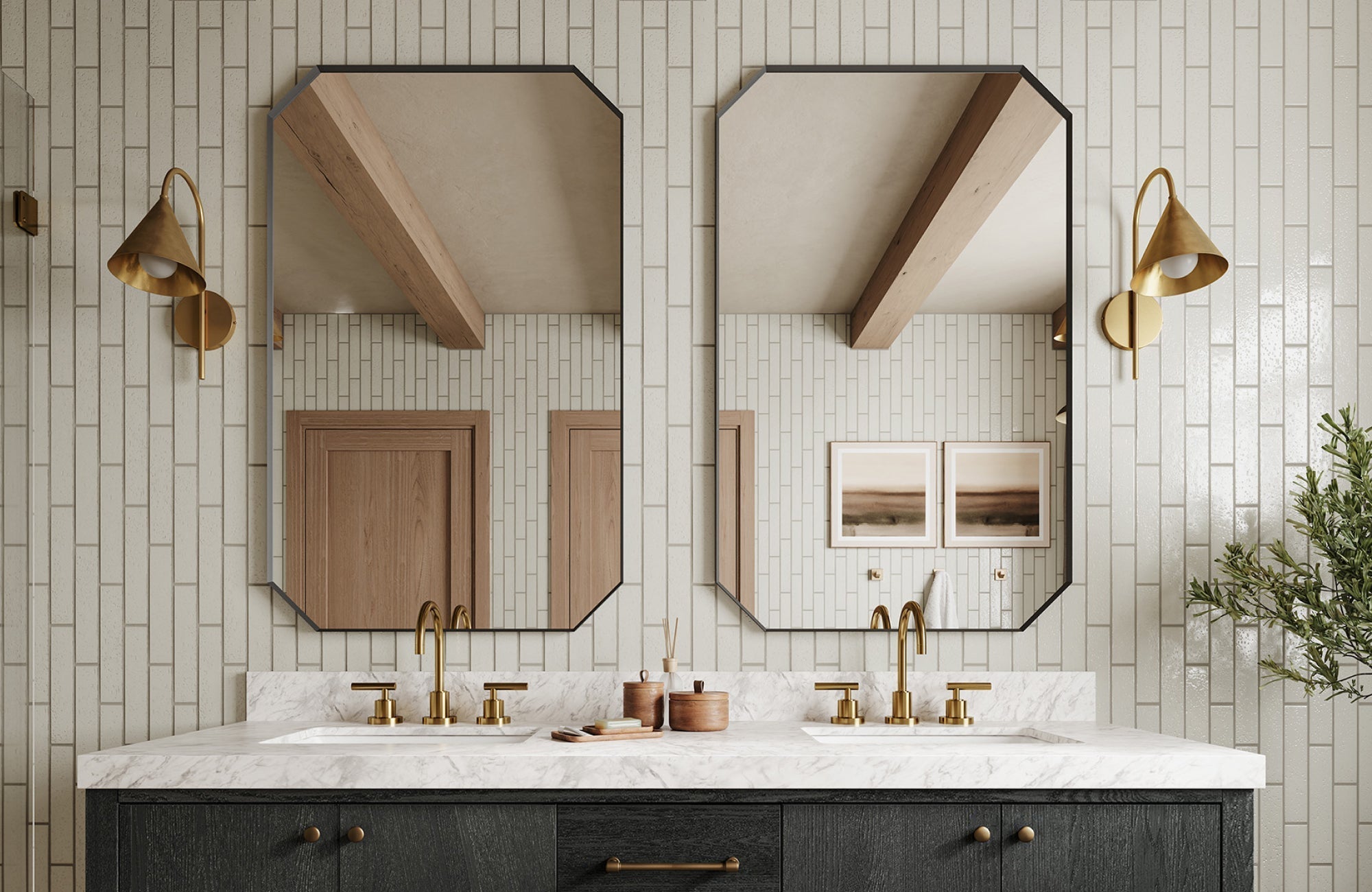
Glare occurs when excessive brightness or poorly directed light scatters across the eye’s field of vision, reducing contrast and causing discomfort. Direct glare from exposed bulbs and reflected glare from glossy surfaces are common culprits in residential settings. To mitigate these effects, designers use diffusers, matte finishes, and indirect lighting techniques such as wall washing or cove lighting. As illustrated above, Edward Martin’s Geraldine Wall Sconce in Aged Brass combines a soft fabric shade with elegant detailing, dispersing light evenly to reduce glare while elevating the room’s overall sophistication.

Choosing The Perfect Reading Lamp
Once the fundamentals of eye comfort are clear, the next step is selecting fixtures that deliver the right kind of light. Reading lamps, whether floor, table, or wall-mounted, provide focused illumination tailored to different spaces.
Floor Lamps for Versatility
Floor lamps are ideal for multipurpose spaces because of their adjustable height and directional features. Models with swing arms or gooseneck designs allow users to angle light precisely over a chair or sofa, reducing reliance on overhead fixtures. When paired with LED bulbs in the 4000K range, these lamps provide crisp illumination suitable for extended reading sessions, while dimming controls add flexibility for ambient use.
The Role of Table and Desk Lamps
Table and desk lamps offer concentrated task lighting, making them indispensable for study areas and work-from-home setups. A lamp with a wide shade and adjustable arm ensures even distribution across reading material, minimizing hot spots and eye strain. For optimal performance, experts recommend positioning the lamp opposite the dominant hand to prevent casting shadows. Integrated USB ports and energy-efficient LEDs also add modern convenience without compromising visual quality.
Sconces and Other Wall-Mounted Solutions
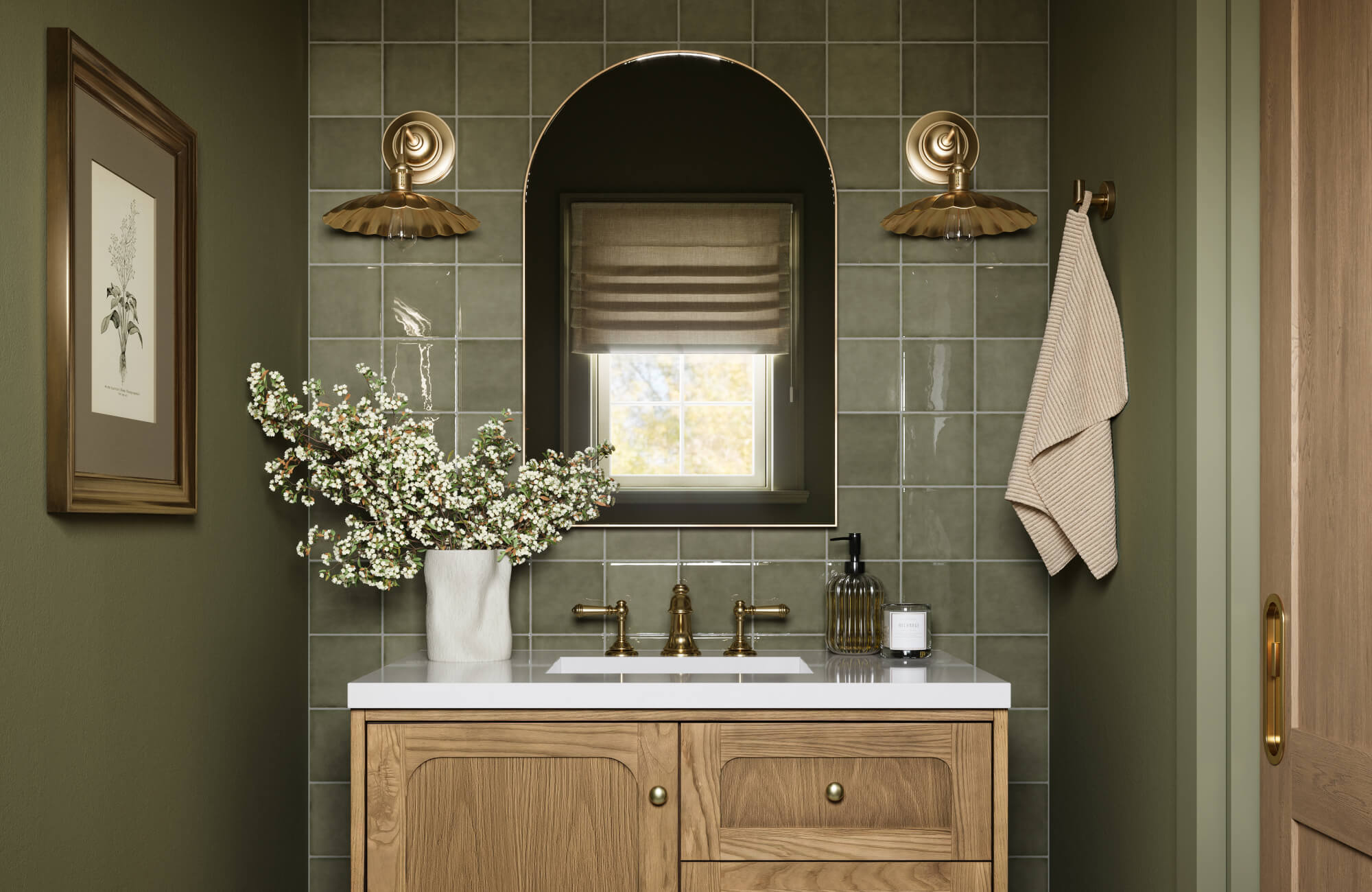
Wall-mounted fixtures like sconces save surface space while providing targeted, glare-free light. Adjustable sconces installed at eye level can create focused illumination for bedside reading without disturbing a partner. Hardwired models offer seamless integration with room lighting controls, while plug-in versions allow flexibility in placement. Shown in the image, Edward Martin’s Jodie Wall Sconce in Antique Brass Iron blends a classic metal finish with frosted glass shades, delivering gentle, balanced illumination that enhances both the function and style of a room.

Layering Lighting For An Inviting Space
Of course, a single lamp can only do so much. Building on task lighting, a layered approach with ambient and accent sources creates balance, warmth, and flexibility in any room.
The Foundation Ambient Lighting
Ambient lighting serves as the base layer, providing overall illumination that eliminates dark corners and ensures safe navigation. Ceiling-mounted fixtures, recessed cans, and large pendants are common sources, designed to distribute light evenly across a room. A recommended range of 20–30 lumens per square foot ensures adequate brightness without overwhelming the space. Using dimmers allows homeowners to fine-tune intensity, shifting from a lively, well-lit environment to a softer, more intimate atmosphere as needed.
The Crucial Task Lighting
Task lighting adds focused brightness where precision activities occur, such as reading, cooking, or working. Desk lamps, under-cabinet strips, and pendant lights over kitchen islands are prime examples, each delivering targeted illumination that minimizes eye strain. For effectiveness, task lights should be positioned at a 30–45° angle to reduce shadows and glare, with lumen output tailored to the activity, generally between 450–800 lumens for reading or office work. Highlighted above, Edward Martin’s Vicente Picture Light in Aged Old Bronze demonstrates how task lighting can double as a stylish accent, bringing clarity to artwork or shelving while maintaining precision.
The Art of Accent Lighting
Accent lighting provides the finishing layer, drawing attention to architectural details, artwork, or decorative features while adding depth to the room. Track lights, picture lights, and wall washers create focal points and contrast, guiding the eye through a space in a deliberate way. Effective accent lighting typically operates at about three times the intensity of ambient light to achieve visual impact without overpowering. Incorporating warm color temperatures in accent fixtures also enhances texture and creates an inviting ambiance, making a space feel curated and dynamic.

Smart Lighting And Modern Solutions
As lighting design continues to evolve, technology offers new ways to refine these layers. Smart bulbs, dimmers, and daylight integration make it easier than ever to achieve both comfort and efficiency.
The Benefits of Smart Bulbs
Smart bulbs go beyond basic illumination by offering features such as tunable white light, full-spectrum color control, and remote operation through mobile apps or voice assistants. Many models allow adjustment of color temperature between 2700K and 6500K, supporting circadian rhythms by mimicking natural daylight cycles. With energy-efficient LED technology, smart bulbs consume up to 80% less power than traditional incandescent lamps, while scheduling and automation capabilities ensure lighting aligns seamlessly with daily routines.
The Power of Dimmers and Switches
Dimmers and smart switches provide granular control over light intensity, enabling spaces to adapt from functional brightness to cozy ambiance in seconds. Unlike simple on-off controls, modern dimmers are compatible with LEDs, reducing flicker and maintaining consistent color quality at lower levels. Smart switches also integrate with home automation platforms, allowing scene-setting across multiple fixtures, ideal for creating layered lighting scenarios. This flexibility not only improves energy efficiency but also extends the lifespan of bulbs by reducing electrical load.
Leveraging Natural Light
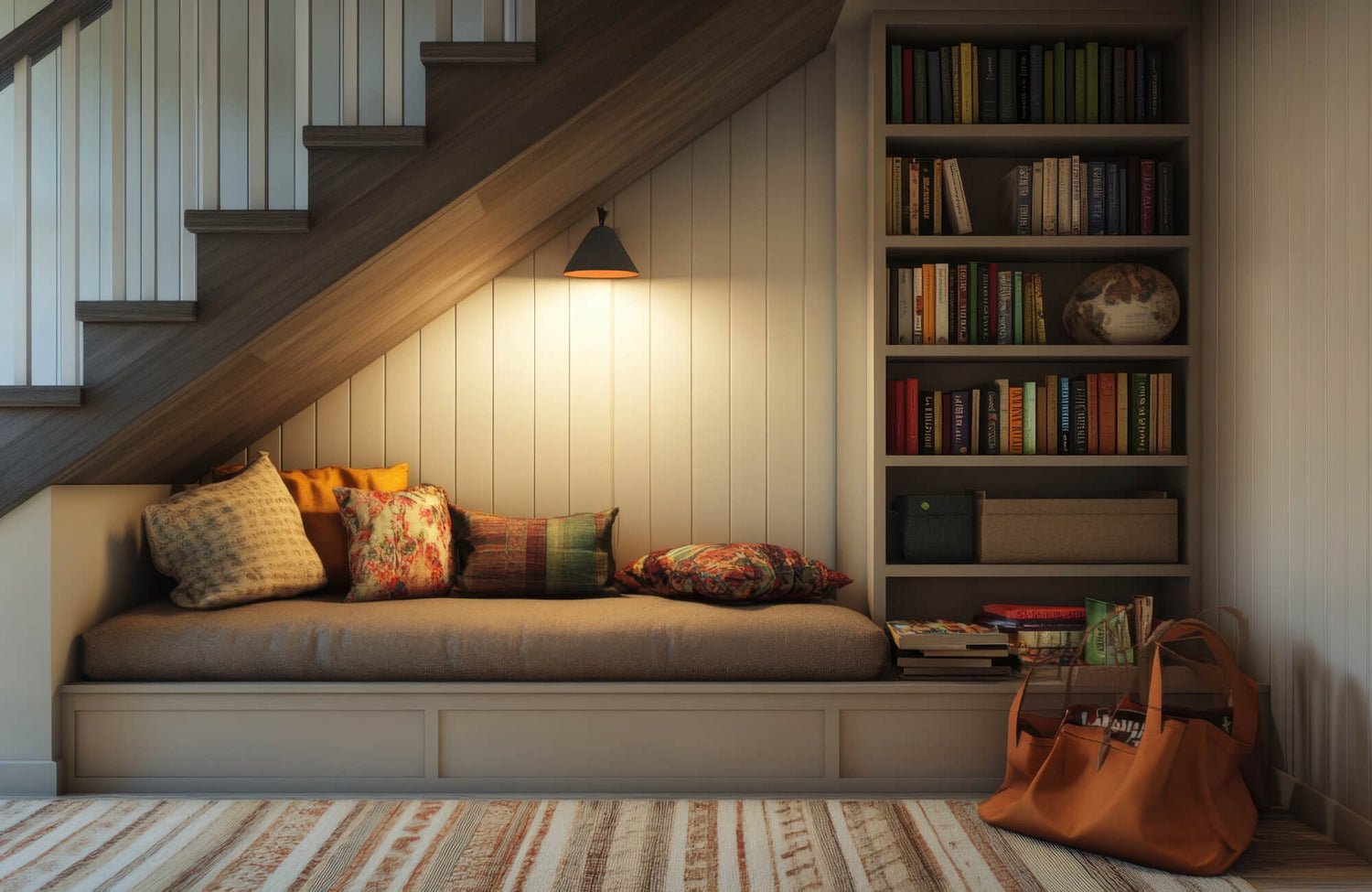
Harnessing daylight remains one of the most effective strategies for reducing energy use and enhancing visual comfort. Architectural solutions such as clerestory windows, skylights, and light shelves maximize daylight penetration, while smart blinds and sensors regulate glare and heat gain throughout the day. Integrating natural light with smart systems enables dynamic responses, such as dimming electric lights automatically as daylight levels rise, ensuring balanced illumination and optimal energy performance. Seen above, Edward Martin’s Fenton Wall Sconce in Light Antique Brass offers a warm, sculptural complement to daylight, providing subtle, stylish support when natural light softens in the evening.
The Perfect Reading Nook A Summary
Creating a well-lit reading and relaxing space is a careful balance of science and design. By understanding the key principles of lighting, you can craft a corner of your home that is not only beautiful but also incredibly comfortable and functional.
Edward Martin’s design consultation service helps you make confident style choices with expert guidance tailored to your project needs. For personalized recommendations, product questions, or assistance with tile, rug, or furniture selections, simply contact Edward Martin, we’re here to support you in creating a space you’ll love.