If you are trying to determine the best wallpaper color for your living room, start by looking at how you use the space, how light moves through it, and how it connects to the rest of your home. The right color should feel considered and purposeful, supporting both daily living and the overall atmosphere you want to create. In this article, we’ll explore the practical elements and then thoughtfully narrow down the options to help you choose a piece that feels right for your living room.

How Light Affects Wallpaper Color
Before exploring specific color families, consider how light interacts with your living room. Lighting has a powerful influence on how wallpaper appears, often shifting its tone and depth throughout the day, from the softness of morning light to the warmth of evening illumination.
Assess Natural Light Direction
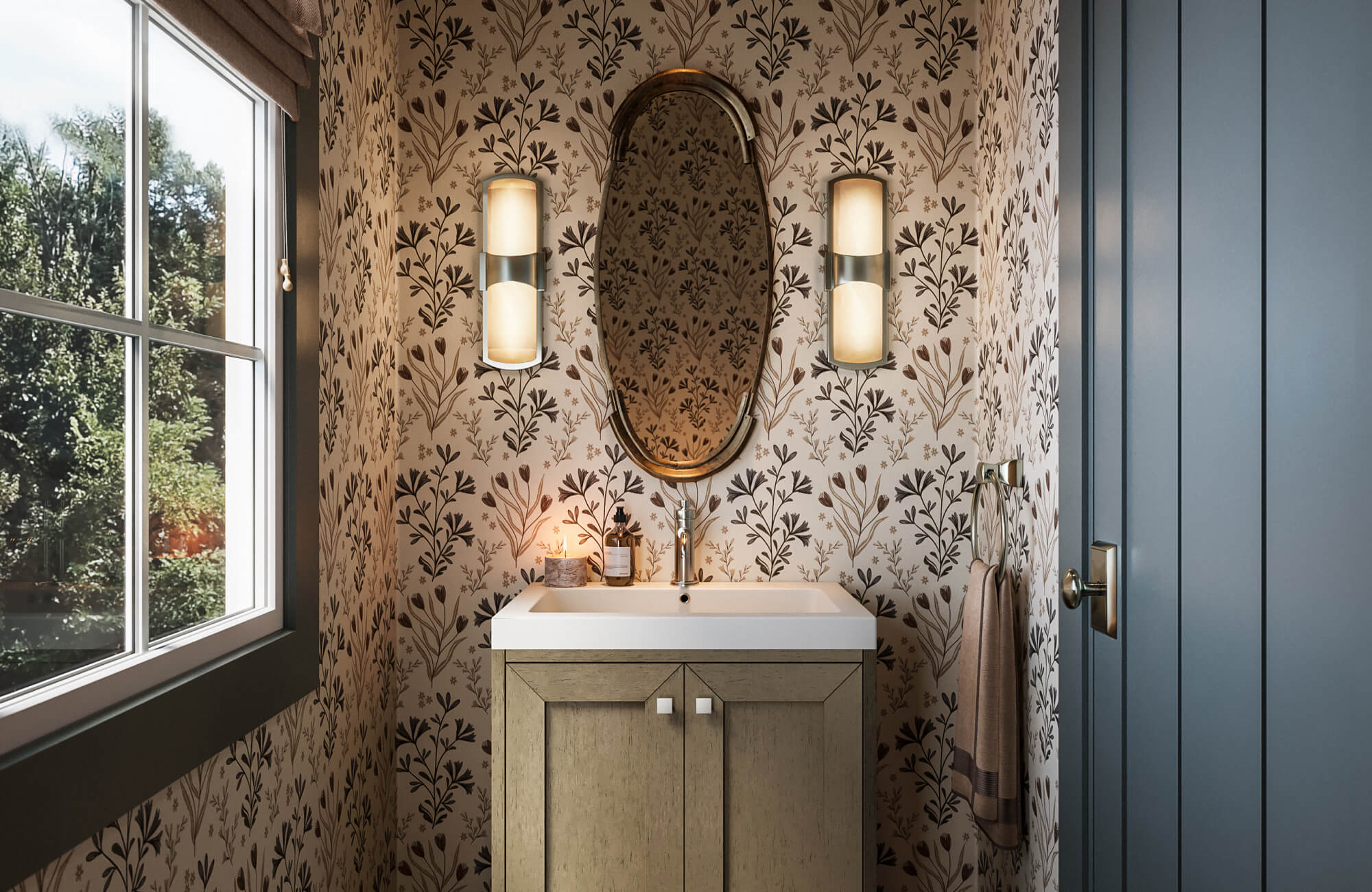
If your living room faces north, the natural light tends to be cooler and more diffused. In this case, wallpaper colors with warmer undertones, such as beige, light brown, or soft peach, can help balance the cool light and prevent the space from feeling dim or flat. A wallpaper like Edward Martin’s Strafford Wallpaper in Tan II, 52" x 132" is a strong example of this approach, as its warm tan tone can introduce subtle warmth that offsets cooler daylight without overpowering the room.
By contrast, a south-facing room benefits from brighter and more consistent daylight. Here, cooler hues like sage, powder blue, or balanced gray tend to perform well, as the natural light enhances their clarity rather than washing them out. For east- or west-facing rooms, where light changes noticeably throughout the day, it helps to place wallpaper samples on different walls and observe them from morning to evening before making a final decision.
Evaluate Artificial Lighting
Natural daylight is only part of the equation. In the evening, artificial lighting shapes how your wallpaper color is perceived. Warm white bulbs tend to enhance cream, beige, and other earth-based tones, while cooler LED lighting can emphasize blue or gray undertones.
For that reason, it is important to view wallpaper samples under your primary lighting source at night. A shade that appears soft during the day may look sharper after sunset. Aligning the wallpaper’s undertone with the temperature of your bulbs helps maintain visual consistency throughout the day and evening.
Consider Seasonal Shifts
Light naturally shifts throughout the year, particularly in regions with long winters or intense summer sun. A wallpaper color that feels bright and lively in July may appear softer or more muted in January. If your living room experiences noticeable seasonal contrast, mid-tone colors often offer the most consistency. They are light enough to reflect summer brightness without glare, yet deep enough to retain warmth during darker months. This balance helps the room feel steady and comfortable year-round.
Use Light to Influence Mood
Light and color work together to define the overall atmosphere of your living room. If your living room serves as a space for conversation and social gatherings, a light-reflective wallpaper can enhance openness and create a more welcoming atmosphere. On the other hand, if you prefer a quieter setting for reading or unwinding, slightly deeper tones can temper excess brightness and foster a more relaxed, comfortable atmosphere. In this way, the right wallpaper color complements your lighting and reinforces the mood you want your living room to convey.

Choosing Colors Based on Room Size and Spatial Perception
Aside from lighting, the size and proportions of your living room play an important role in selecting the right wallpaper color. The shade you choose can influence how open, balanced, or intimate the space feels, shaping your perception of the room without any structural changes.
Light Shades for Smaller Living Rooms
In a smaller living room, lighter wallpaper shades can enhance the sense of openness and make the space feel more expansive. Colors such as off-white, light beige, or light gray reflect available light and soften visual boundaries, making the space feel less enclosed. Extending a similar tone to trim or nearby walls can further reduce sharp contrasts. When transitions are subtle, the eye moves more smoothly around the room, contributing to a more spacious impression.
Dark Colors for Larger Living Rooms
In a larger living room, darker wallpaper colors can create a greater sense of comfort and visual balance. Shades like dark green, dark blue, or dark gray add depth and can make an expansive space feel more cohesive rather than sparse. A design such as Porter Wallpaper in Charcoal, 52" x 132", illustrates this well, as its deep charcoal tone introduces richness and definition without overwhelming the room when used thoughtfully.
At the same time, darker walls benefit from layered lighting. Incorporating floor lamps, table lamps, or wall lighting helps maintain overall brightness and ensures the depth of color feels intentional and refined rather than heavy.
Managing Ceiling Height
If the ceiling feels low, lighter wallpaper colors can help reduce visual weight along the walls. Subtle vertical patterns in a similar color range can also encourage the eye to move upward, creating the impression of added height without drawing too much attention to the pattern itself. In rooms with higher ceilings, slightly deeper tones can visually shorten the wall height and create a more balanced proportion. In this way, wallpaper color serves a practical purpose, helping adjust how the room is perceived rather than simply acting as decoration.
Open Concept Flow
In an open-concept layout, the wallpaper color should relate to the surrounding spaces without repeating them exactly. Maintaining consistent undertones across connected areas helps create visual continuity while still allowing each zone to have its own identity. For example, if the adjoining dining area features warm wood and cream upholstery, selecting wallpaper with similar warm undertones can help the spaces feel seamlessly connected, even if the colors are not identical. This approach supports a smooth transition from one space to another without making the overall design feel repetitive.

Aligning Wallpaper Color With Interior Style
After considering light and proportion, the next step is to look at your overall design direction. The wallpaper color you choose should support and strengthen the style you want your living room to reflect, ensuring that every element feels intentional and visually aligned.
Modern Minimalist
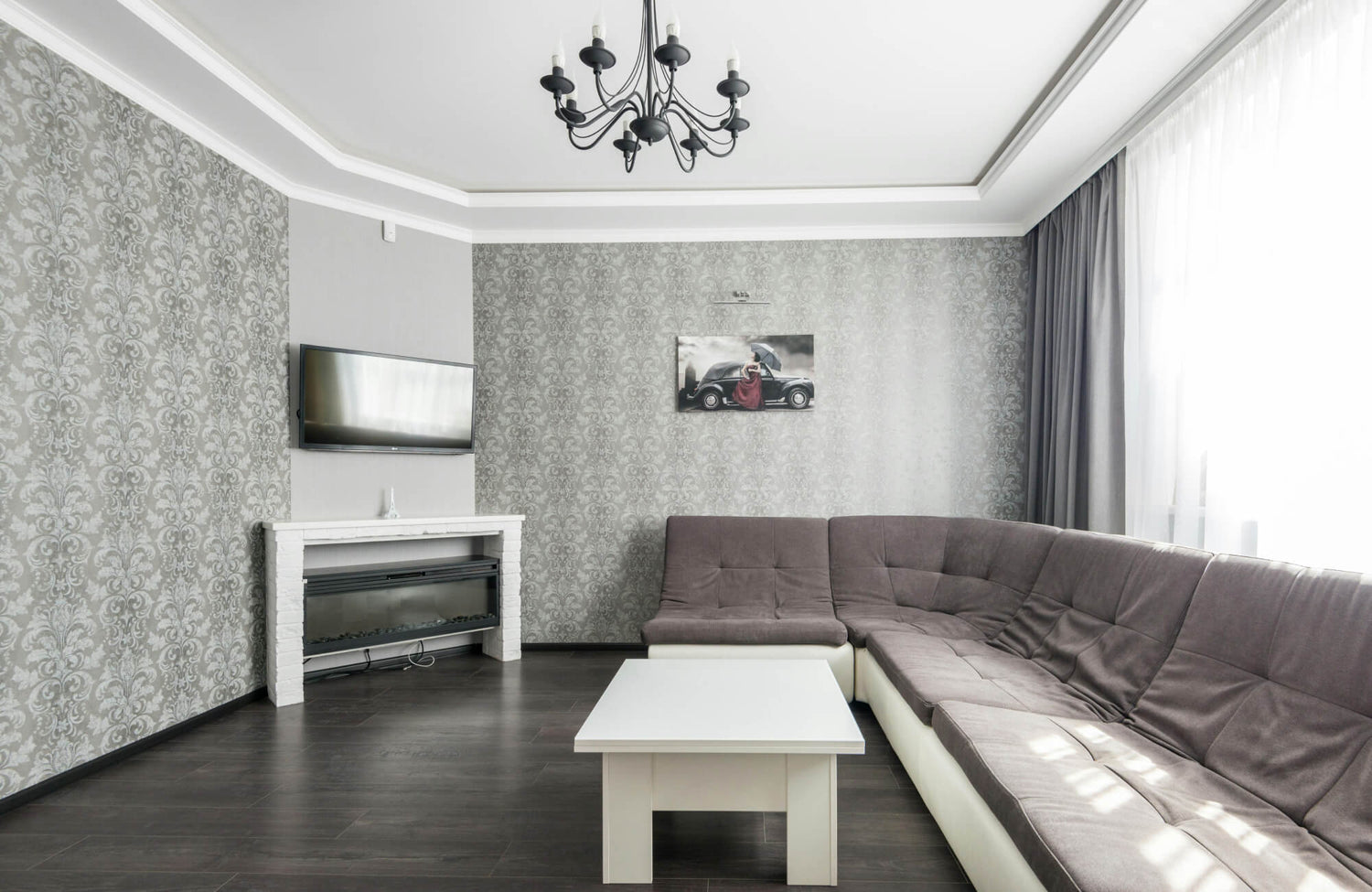
In a modern minimalist living room, restraint in color plays an equally important role. Wallpaper in soft neutrals such as white, light gray, or light brown can create a calm backdrop that allows clean furniture lines and architectural details to remain the focal point. A design like our Downland Wallpaper in Grey I, 52" x 132" reflects this approach well, offering a subtle gray tone that supports simplicity while adding quiet visual texture.
Rather than introducing strong contrasts, gentle shifts in tone or understated patterns help reinforce the minimalist aesthetic. The result is a space that feels balanced and uncluttered, where wallpaper enhances the overall design without competing for attention.
Traditional and Classic
If your living room leans toward a traditional or classic style, heritage-inspired colors often feel most appropriate. Wallpaper in shades like cream, soft blue, and gentle green tends to complement wood furnishings and layered textiles commonly found in these interiors. These tones provide a sense of depth while maintaining a timeless quality. When supported by balanced lighting and well-defined furnishings, they can also help create a living room that feels refined and enduring rather than outdated.
Contemporary and Eclectic
In a contemporary or eclectic living room, wallpaper color can take on a more expressive role. Deeper shades such as dark blue, green, or warm brown can add character and meaningful visual interest to the space. When selecting a bold color, it helps to balance it with neutral furniture and simple forms. This approach allows the wallpaper to stand out while keeping the overall space cohesive and thoughtfully arranged.
Scandinavian and Organic
Scandinavian and organic interiors draw strong influence from nature and simplicity. Wallpaper in colors such as light beige, soft green, or pale brown tends to pair well with natural wood and uncomplicated forms. A design like Greensward Wallpaper in Olive II, 52" x 132" reflects this direction, as its muted olive tone introduces an earthy presence while remaining subtle and adaptable.
These nature-inspired shades support a sense of calm and openness without competing with the room’s structure. In this setting, the most suitable wallpaper color is one that feels grounded and harmonious, allowing the layout and materials to remain the focus.

Using Color Psychology to Shape Atmosphere
Color shapes emotion in a subtle yet powerful way. When selecting wallpaper for your living room, it is helpful to consider the kind of atmosphere you want to experience each time you enter the space.
Calming Tones
Wallpaper in colors such as blue and soft green is often associated with a sense of calm and relaxation. In a living room that also serves as a reading area or quiet retreat, these shades can help foster a calm and steady atmosphere. Choosing more muted versions rather than highly saturated ones helps maintain balance within the space. This approach allows the wallpaper to feel soothing and supportive without making the room appear overly cool or subdued.
Energizing Colors
Wallpaper in warmer hues such as soft red, muted orange, or warm brown can introduce a sense of energy into the living room. These colors are often well-suited to spaces used for hosting and conversation, where a lively atmosphere is welcome. At the same time, moderation is important. When warmth is used thoughtfully, it feels inviting and balanced rather than overpowering.
Grounding Neutrals
Wallpaper in neutral tones such as beige or gray can bring a sense of stability to a living room. These colors are adaptable, making it easier to update furniture, artwork, or accessories over time. Because of their flexibility, they often serve as a reliable foundation for the space. This allows the room to evolve gradually without the need to change the wall color each time your style shifts.
Dramatic Statements
Wallpaper in dark green or deep blue can give a living room a distinct and confident character. These stronger shades tend to make the greatest impact when the surrounding elements are kept more restrained. Allowing one dominant color to lead the space often creates a clearer visual statement than introducing several competing features. With thoughtful balance, a bold wallpaper can define the room without overwhelming it.

Coordinating Wallpaper Color With Furniture and Finishes
Once the mood and overall style are established, the next step is to consider the elements already present in your living room. The wallpaper color should work in harmony with fixed features such as flooring, furniture, and trim, supporting them rather than competing for attention.
Match Undertones
Even when two colors look similar at first glance, their undertones can vary significantly. For example, a gray with a blue base may not sit comfortably next to beige upholstery with warmer undertones. To avoid subtle clashes, it helps to compare wallpaper samples directly against key elements such as your sofa, flooring, and curtains. Viewing them side by side makes it easier to detect differences that might not be obvious otherwise.
Balance With Wood Finishes
Wood finishes have a noticeable influence on how wallpaper color is perceived. Darker woods, such as walnut or cherry, typically work well with warmer wall colors. Lighter or cooler-toned woods, such as certain oak finishes, often pair more naturally with gray or soft green wallpaper. Understanding this relationship helps maintain visual consistency throughout the room. When wood tones and wallpaper share compatible undertones, the overall design feels more cohesive and intentional.
Complement Statement Pieces
If your living room includes a bold rug or a standout piece of artwork, the wallpaper does not have to compete with it. Choosing a secondary color from that piece can create a natural visual connection and help the room feel more unified. Selecting a supporting hue helps tie the elements together without duplicating patterns or overwhelming the space. This method allows standout pieces to remain the focus while the walls provide a cohesive backdrop.
Consider Trim and Ceiling
The color of your trim and ceiling also plays a significant role in how the wallpaper is ultimately perceived. Bright white trim can create a sharper contrast against the walls, while cream or off-white trim produces a softer transition. Taking these boundaries into account helps prevent unintended clashes. When wallpaper works in harmony with trim and ceiling colors, the room feels unified rather than visually divided.

Considering Longevity and Lifestyle Practicality
Aside from visual appeal, it’s equally important to think about how your wallpaper color will perform in everyday use. Practical considerations often play a significant role in long-term satisfaction, influencing how well the space continues to suit your needs over time.
Timeless vs. Trend Driven
Design trends tend to change over time, sometimes more quickly than expected. While bold wallpaper colors may feel fresh and exciting at first, more balanced tones often remain appropriate and appealing over time. If you feel uncertain about committing to a strong shade throughout the entire room, applying it to a single feature wall can offer flexibility. This approach allows you to explore color while maintaining the option to adapt the space more easily in the future.
Maintenance and Durability
Some wallpaper colors are more forgiving than others when it comes to everyday wear. Mid-tone shades and subtle patterns tend to disguise small marks more effectively than very light, solid colors, making them a practical choice for active households. This becomes especially important in homes with children or pets, where walls may experience more frequent contact. Choosing a color and pattern that can accommodate daily use helps maintain a neat appearance over time without constant upkeep.
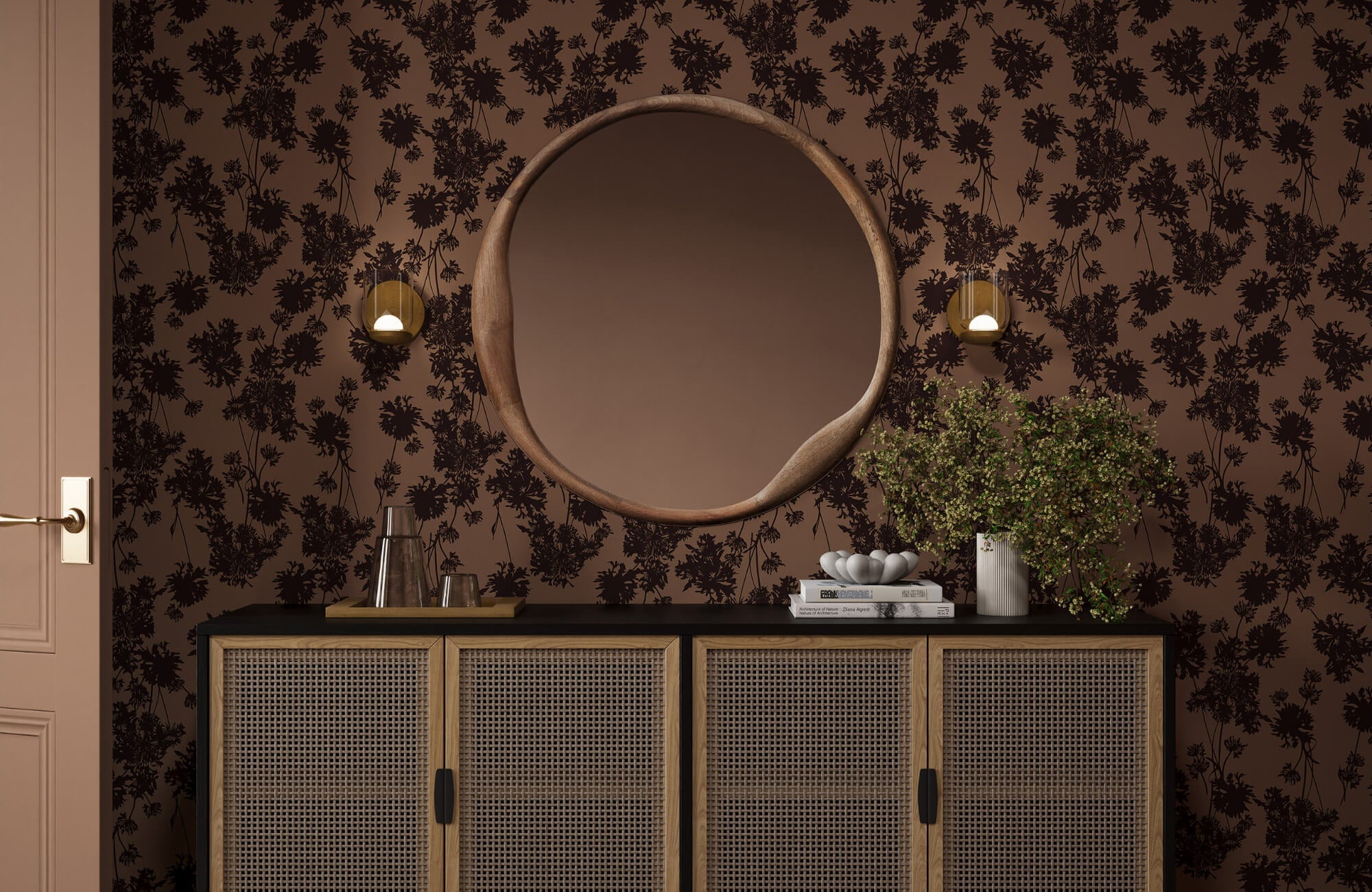
A balanced example of this approach can be seen in Edward Martin’s Plateau Wallpaper in Taupe II, 52" x 132", as featured in the photo above. Its taupe mid-tone base and continuous organic pattern work together to soften the visibility of minor imperfections while still offering visual interest. The layered design adds texture without overwhelming the space, demonstrating how durability and thoughtful styling can coexist seamlessly.
Resale and Adaptability
If you anticipate selling your home at some point, wallpaper color can influence how easily the space appeals to others. Broadly accepted tones often make it simpler for potential buyers to envision their own furnishings in the room. Neutral foundations, in particular, allow for easier personalization without requiring immediate changes. In this situation, the most practical choice balances your current preferences with long-term flexibility.
Choosing the Right Wallpaper Color
Wallpaper in balanced, versatile tones tends to work best in a living room, particularly shades like beige, light gray, soft green, warm white, or muted blue, as these colors provide character while remaining flexible as furniture and décor evolve. Because lighting, room proportions, and intended mood all influence how a color performs, lighter tones can enhance openness, mid-range shades offer steady consistency, and deeper hues introduce comfort in larger spaces. When the wallpaper aligns with how you use the room and how it connects to the rest of your home, the result feels cohesive, natural, and thoughtfully planned.
If you’d like more tailored guidance, you can contact us or explore our design services to help you narrow down the right tone for your space.