Wall art is more than a decorative finishing touch, it is a powerful tool that influences the energy, or chi, within your home. In Feng Shui, every object you bring into a space contributes to the flow of energy, shaping how you feel, think, and live. Artwork, in particular, holds symbolic meaning and emotional weight, making it one of the most impactful elements in interior design when approached with intention.
For those seeking both beauty and harmony, choosing the right wall art means aligning aesthetics with energy principles. Whether you are curating a serene bedroom, an inspiring workspace, or a welcoming entryway, understanding how Feng Shui guides art selection can elevate your home into a balanced and restorative sanctuary. This guide explores how to thoughtfully choose and position wall art to enhance each area of your home.

Aligning Artwork With The Bagua Map Energy Zones
The Bagua map is a foundational Feng Shui tool used to divide your home into energy zones, each corresponding to a specific aspect of life such as career, relationships, health, and prosperity. By aligning your wall art with these zones, you can intentionally support the energy you want to cultivate in each space.
Nourishing Career Growth In The North
The northern area of your home is associated with career and life path, governed by the water element. Artwork in this zone should evoke movement, depth, and flow. Images of calm rivers, oceans, or abstract interpretations of fluid motion are particularly effective in stimulating professional growth and clarity.
Dark tones such as deep blues and blacks enhance the water element, creating a sense of calm focus and direction. Choosing art with a sense of forward movement subtly reinforces progress and opportunity, making this area ideal for spaces like home offices or entry corridors.
Igniting Passion And Fame In The South
The southern sector represents fame, recognition, and personal reputation, and is connected to the fire element. Here, artwork should feel vibrant, dynamic, and energizing. Pieces featuring warm hues like red, orange, and gold can amplify visibility and confidence.
Art that symbolizes light, such as sunsets, radiant abstract compositions, or imagery of sunlight, helps activate this area. Carefully chosen statement pieces in this zone can serve as both a visual focal point and an energetic catalyst, enhancing how you are perceived in both personal and professional spheres.
Fostering Family Health In The East
The eastern area is linked to family, health, and vitality, and corresponds to the wood element. Artwork that reflects growth, renewal, and nature is particularly beneficial here. Botanical prints, forest landscapes, and imagery of flourishing greenery can nurture a sense of well-being and connection.
Vertical compositions are especially powerful in this zone, as they mimic the upward growth of trees and plants. By incorporating art that embodies life and expansion, you create an environment that supports resilience, harmony, and familial bonds.

Selecting Soothing Imagery For The Master Bedroom
The master bedroom is a deeply personal space where rest, intimacy, and rejuvenation should be prioritized. In Feng Shui, the artwork in this room should promote calmness and emotional balance, avoiding anything that disrupts tranquility.
The Danger Of Water Art In Sleeping Spaces
While water imagery can be beneficial in certain areas of the home, it is generally discouraged in the bedroom. Water symbolizes movement and change, which can create restlessness and interfere with sleep quality.
Images of oceans, waterfalls, or rain may seem serene, but they introduce an undercurrent of instability that contradicts the grounding energy needed for rest. Instead, opting for still, stable imagery helps create a sense of security and relaxation.
Cultivating Romance With Paired Subjects
Feng Shui emphasizes the importance of balance and partnership in the bedroom. Artwork featuring pairs, such as two birds, two flowers, or abstract forms in harmony, symbolizes unity and strengthens romantic connections.
These visual cues reinforce emotional intimacy and encourage a balanced dynamic between partners. Selecting art that subtly reflects companionship can enhance the atmosphere of warmth and connection in the space.
Utilizing Soft And Calming Landscapes
Soft, serene landscapes are ideal for the bedroom, as they promote relaxation and mental ease. Gentle hills, quiet meadows, or minimalist abstract pieces in muted tones can help calm the mind and prepare the body for rest.
Neutral palettes, soft textures, and subtle compositions create a soothing visual environment that supports restorative sleep. The goal is to choose art that feels effortless and tranquil, allowing the energy of the room to remain peaceful and grounded.

Harnessing The Five Elements Through Color And Shape
Feng Shui revolves around the balance of five elements: wood, fire, earth, metal, and water. Each element can be expressed through specific colors, shapes, and artistic styles, making wall art a versatile medium for achieving harmony.
Grounding Busy Rooms With Earth Tones
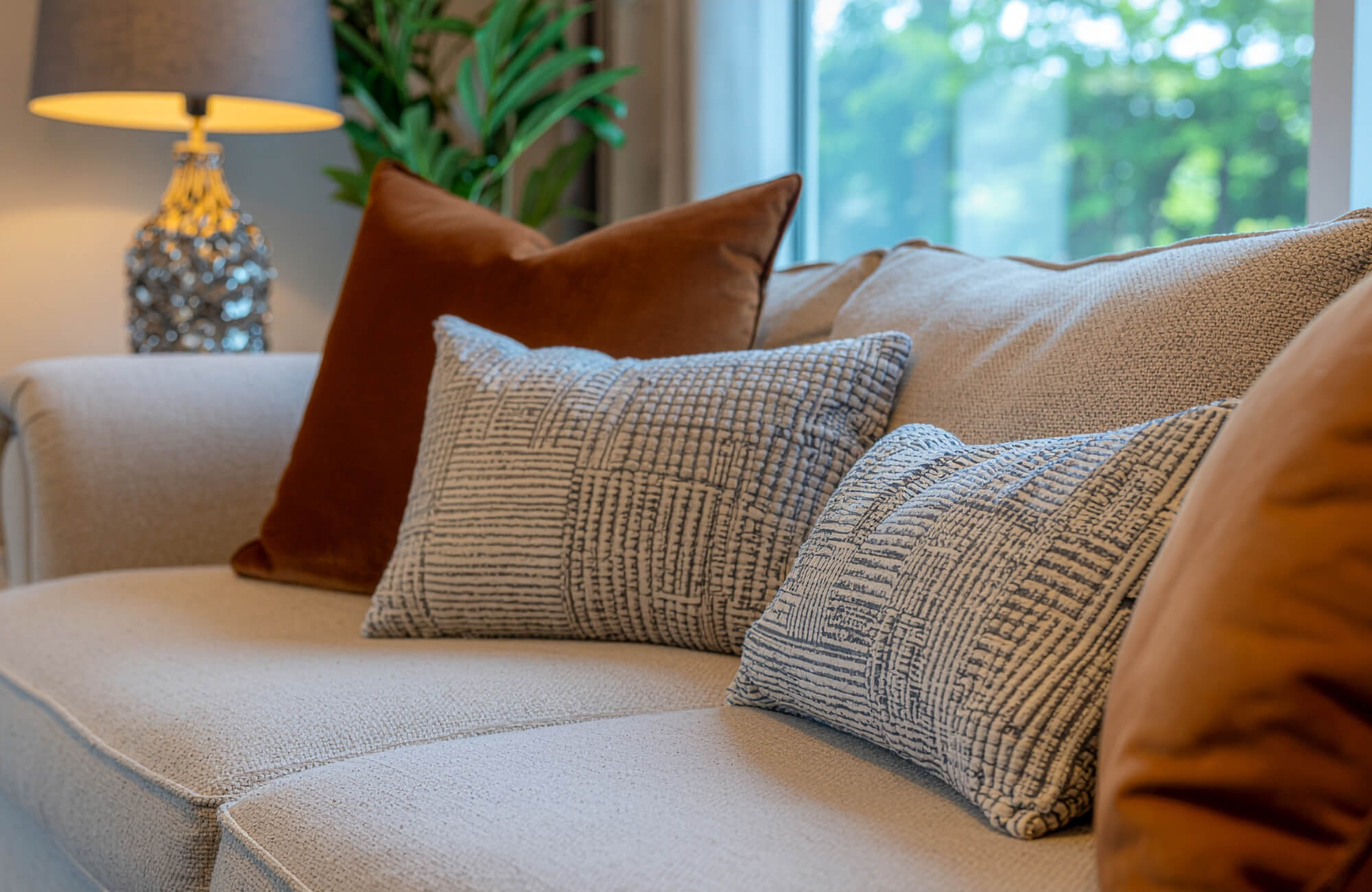
In spaces with constant movement, such as living rooms or hallways, earth elements provide stability and grounding. Artwork featuring earthy tones like beige, terracotta, and warm browns creates a sense of comfort and balance, as seen with Edward Martin’s Northland Memory Wall Art in the image above, which subtly reinforces a grounded and cohesive atmosphere.
Square or horizontal compositions further enhance this grounding effect. These pieces anchor the energy of busy areas, preventing them from feeling chaotic or overwhelming while maintaining a refined and cohesive aesthetic.
Stimulating Mental Clarity With Metal Elements
Metal elements are associated with clarity, precision, and focus. Incorporating artwork with white, gray, or metallic tones can sharpen mental energy, making it particularly suitable for workspaces or study areas.
Abstract art with clean lines or geometric patterns reflects the structured nature of metal energy. These pieces not only enhance concentration but also add a modern, sophisticated touch to the interior design.
Boosting Vitality With Wood And Vertical Lines
Wood energy represents growth, vitality, and expansion. Artwork that features vertical lines, lush greenery, or organic forms can invigorate a space and promote a sense of renewal.
This is especially beneficial in areas where creativity and energy are desired, such as studios or living spaces. By integrating wood-inspired art, you introduce a dynamic yet balanced energy that encourages progress and inspiration.

Avoiding Negative Chi And Destructive Imagery
While selecting the right artwork is important, avoiding pieces that introduce negative energy is equally essential. Certain images can subtly disrupt the harmony of a space, even if they are visually striking.
Removing Aggressive Or Fierce Subjects
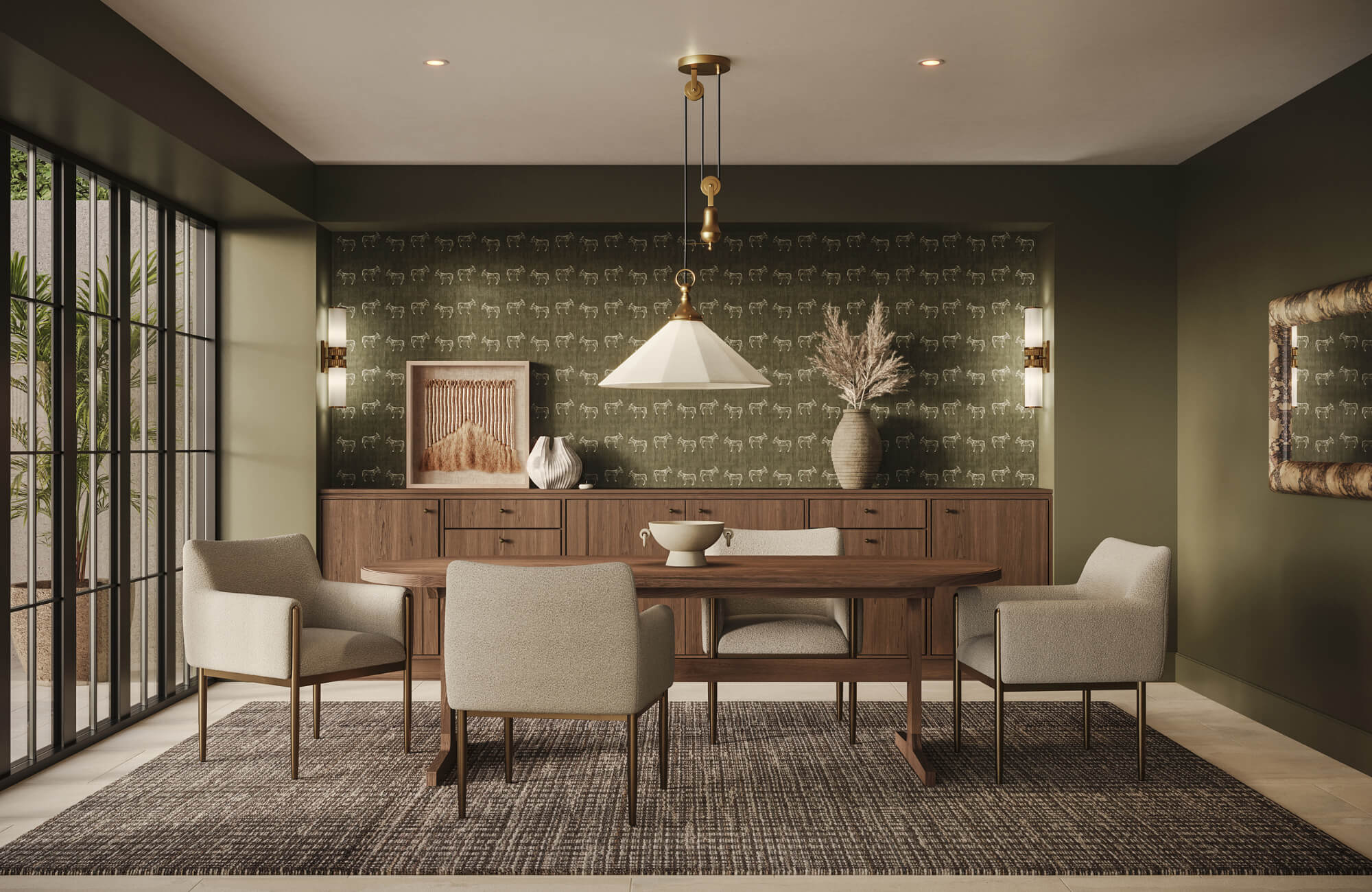
Artwork depicting aggression, conflict, or intense emotions can generate disruptive energy. Images of storms, wild animals in combat, or abstract pieces with chaotic compositions may create tension within a room, making more tactile and composed pieces like Edward Martin’s Earthbound Trace Wall Art in the image above a more calming alternative.
Even in modern or avant-garde interiors, it is important to ensure that the emotional tone of the artwork aligns with the desired atmosphere. Choosing pieces that evoke calm confidence rather than intensity helps maintain a balanced environment.
The Hidden Impact Of Sorrowful Or Lonely Scenes
Art that conveys loneliness, sadness, or isolation can influence the emotional energy of a space more than one might expect. A solitary figure, barren landscapes, or melancholic imagery can subtly affect mood and well-being.
Replacing such pieces with artwork that reflects connection, joy, or serenity can transform the emotional landscape of your home. The aim is to surround yourself with visuals that uplift and support your desired state of mind.
Keeping Mirrors Out Of The Direct Line Of Sight
While mirrors are often used as decorative elements, their placement requires careful consideration in Feng Shui. When used as wall art, mirrors can amplify energy, but they can also create discomfort if placed incorrectly.
Avoid positioning mirrors directly facing beds, entryways, or seating areas where they may reflect movement or create a sense of unease. Thoughtful placement ensures that mirrors enhance light and space without disrupting the flow of energy.

Activating Wealth And Abundance In The Entryway
The entryway is where energy enters your home, making it one of the most important areas to consider when selecting wall art. The right pieces can attract prosperity, opportunity, and positive experiences.
Creating A Welcoming First Impression
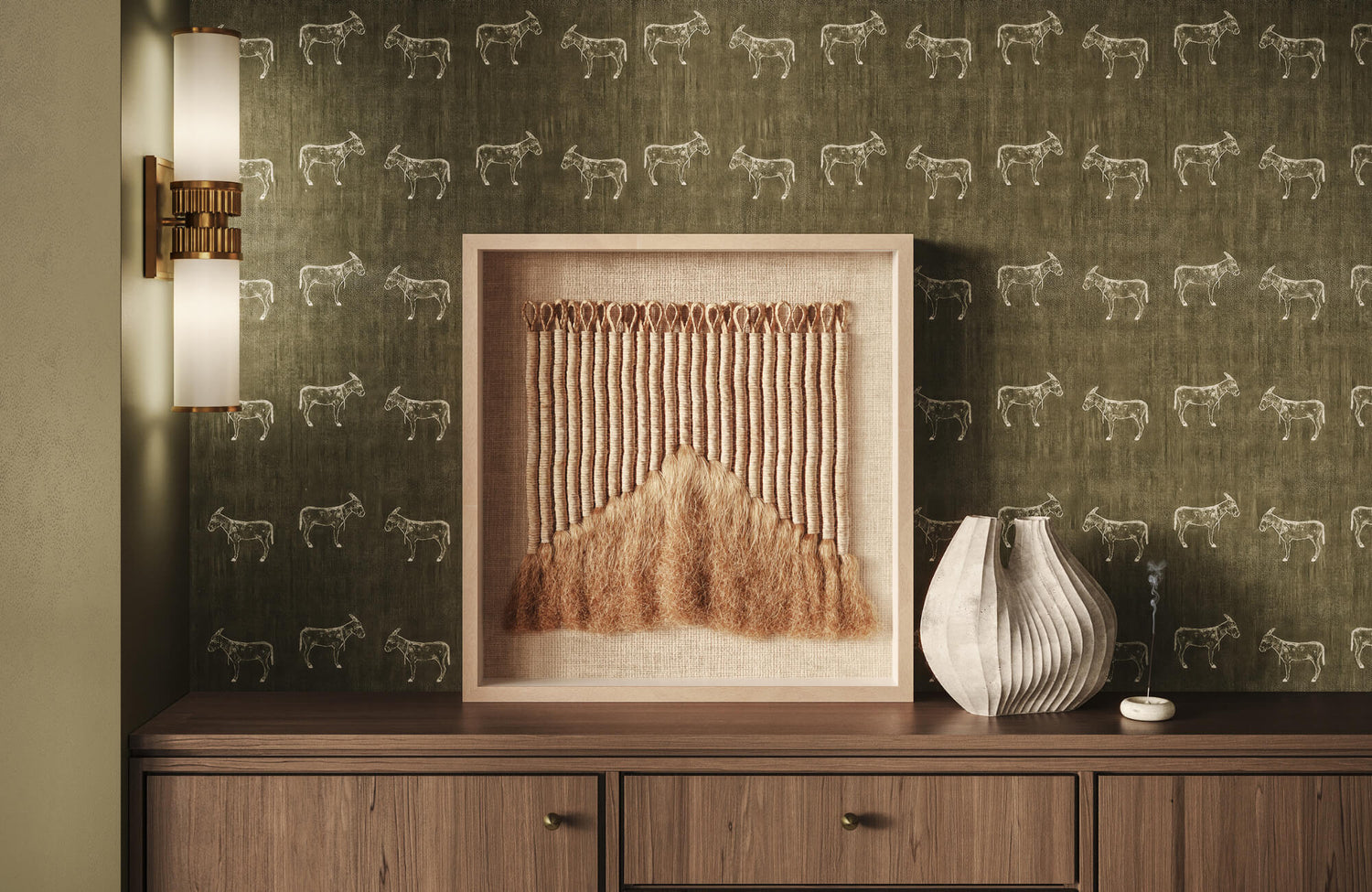
Artwork in the entryway should feel inviting and uplifting. Bright, open compositions with harmonious colors set a positive tone for anyone entering the space, much like Edward Martin’s Quiet Study Wall Art in the image above, which brings a sense of quiet refinement and visual balance.
This is an opportunity to make a strong design statement while also establishing a sense of warmth and intention. High-quality materials and refined finishes further enhance the perception of abundance and care.
Utilizing Expansive Landscapes To Invite Opportunity
Expansive landscapes, such as open fields, distant horizons, or wide skies, symbolize limitless potential and opportunity. These images encourage the flow of positive energy into the home.
Positioning such artwork near the entrance creates a visual invitation for growth and new possibilities. The sense of openness conveyed through these pieces aligns with the idea of welcoming prosperity and success.
The Proper Placement Of Water Imagery For Wealth
Water is traditionally associated with wealth in Feng Shui, but its placement is crucial. In the entryway, water imagery can be beneficial when it appears to flow inward, symbolizing wealth entering the home.
Avoid placing water images that appear to flow outward, as this can symbolically represent the loss of resources. Thoughtful orientation and selection ensure that the energy of abundance is both activated and retained. While these guidelines offer a meaningful framework, individual interpretations may vary depending on personal preference and spatial context.
Cultivating A Balanced And Beautiful Sanctuary
Choosing wall art through the lens of Feng Shui is an exercise in intention, balance, and refined design. By aligning artwork with the Bagua map, selecting imagery that supports rest and connection, and thoughtfully incorporating the five elements, you create a home that feels both visually stunning and energetically harmonious.
For those who value premium interiors and meaningful design, wall art becomes more than decoration, it becomes a reflection of lifestyle, aspiration, and well-being. When each piece is chosen with care, your home transforms into a sanctuary that not only looks beautiful but also nurtures every aspect of your life—an approach often best realized through thoughtful guidance, whether explored independently or with the support of Edward Martin’s design consultation or by reaching out to contact Edward Martin for a more considered perspective.