Polypropylene rugs, known for their cost-effectiveness and versatility, have become essential in homes that value both style and budget-friendliness. These rugs serve various functions, from enhancing family rooms to adorning outdoor patios, offering both practical and aesthetic benefits. This article provides a comprehensive look at polypropylene rugs, exploring their fiber composition, durability, design aesthetics, practical considerations, sustainability, and future trends, aiming to equip you with the knowledge needed for a well-informed purchase decision.

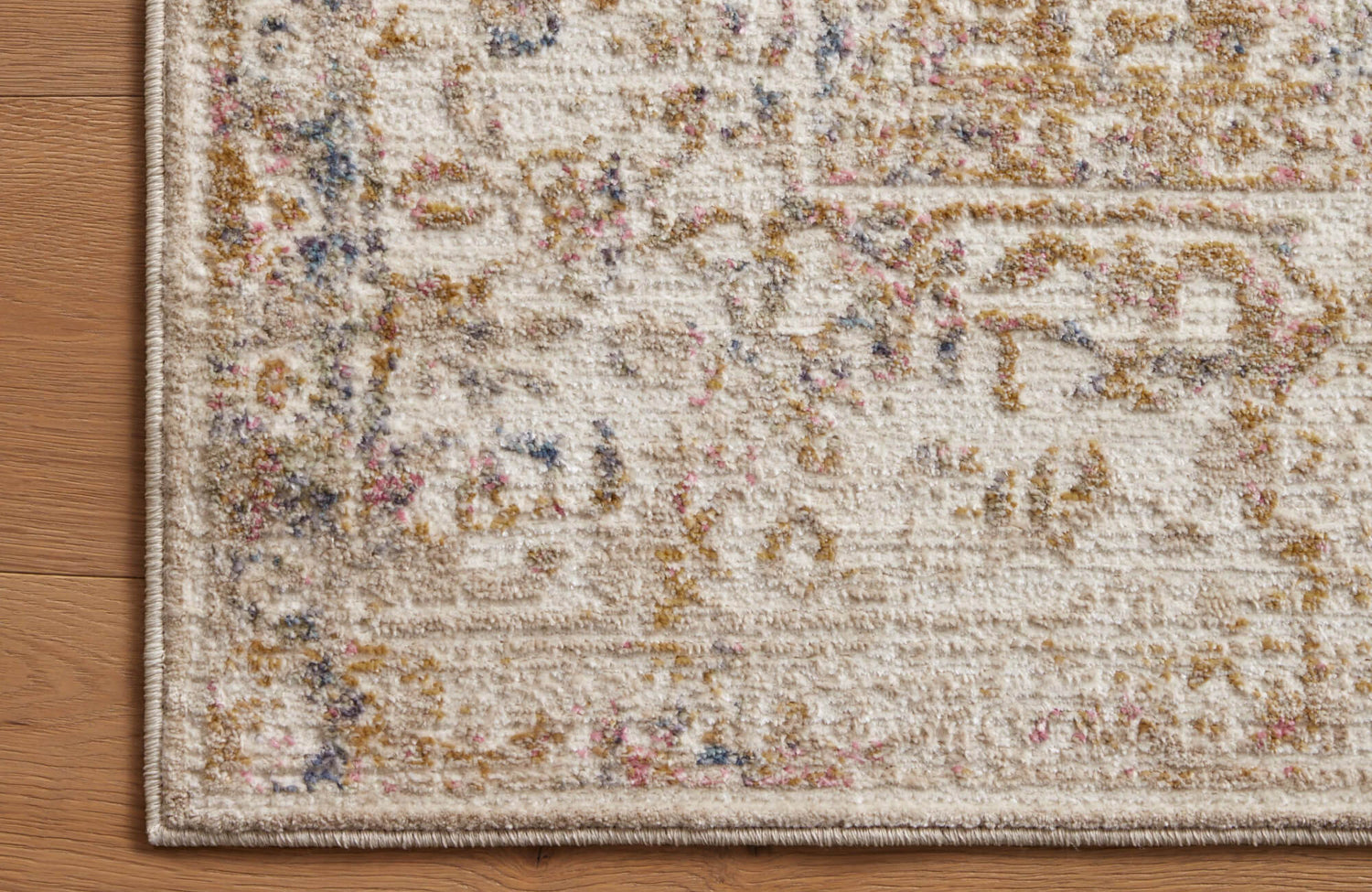
The Broderick Rug in Lake / Bone showcases how polypropylene fibers can achieve intricate pattern definition, tonal variation, and consistent texture through advanced machine-weaving techniques
Decoding the Polypropylene Fiber
Before choosing a polypropylene rug, it is important to understand the fiber itself. Its synthetic composition is what gives the rug many of its defining qualities, including resistance to moisture, stains, fading, and everyday wear. These traits make polypropylene, also known as olefin, one of the most widely used materials in affordable area rugs, indoor-outdoor rugs, and machine-woven rug designs.
Understanding Olefin's Origins
Polypropylene is a synthetic thermoplastic polymer made from propylene monomers through polymerization. In rug manufacturing, it is often referred to as olefin, a term used for a group of hydrocarbon-based fibers valued for their lightweight structure, colorfastness, and cost-efficient production. Because polypropylene is derived from petroleum, it is not a natural or renewable fiber in the same way as wool, cotton, jute, or sisal are.
However, polypropylene does offer certain practical production advantages. Compared with many natural fibers, it typically requires no pesticides and significantly less water during fiber creation. Its hydrophobic structure also means it does not absorb moisture easily, which contributes to its stain-resistant and mildew-resistant performance.
The tradeoff is that polypropylene rugs can be difficult to recycle at the end of their life, especially when the rug includes backing materials, adhesives, dyes, or mixed-fiber construction. For buyers comparing synthetic rugs and natural fiber rugs, this balance between affordability, performance, and environmental responsibility is an important consideration.
Exploring Different Yarn Types
Polypropylene rugs can vary widely in texture and performance depending on the yarn type, pile construction, and finishing process used. Heat-set polypropylene yarn is treated with controlled heat to stabilize the fiber, improve twist retention, and create a more refined surface. This process helps the yarn resist crushing, shedding, and matting, giving the rug a smoother, more wool-like appearance while maintaining the easy-care benefits of a synthetic fiber.
Spun polypropylene yarn, on the other hand, is made to feel softer and more textured. It can mimic the tactile quality of natural fibers and create a fuller, more relaxed surface, making it appealing for cozy living rooms and bedrooms. However, spun yarns may not always offer the same level of resilience as heat-set yarns in busy areas. Pile height, yarn density, and weave type also influence how the rug feels underfoot and how well it holds its shape over time. A dense, low-pile polypropylene rug will generally perform better in dining rooms, hallways, and entryways, while a thicker or shag-style polypropylene rug may be better suited for lower-use spaces where softness is the priority.

The Evermere Indoor/Outdoor Rug in Charcoal / Ivory demonstrates the resilience of polypropylene construction, offering reliable performance in spaces exposed to moisture, sunlight, and everyday use
Durability Demystified
Polypropylene rugs are valued for their ability to handle daily use without demanding intensive maintenance. Their synthetic fibers are naturally resistant to many common household challenges, including spills, moisture, fading, and surface wear. Still, not every polypropylene rug performs the same way, so construction quality, pile height, backing, and placement should all be considered before purchase.
Handling Busy Areas
For frequently used spaces, polypropylene can be a practical rug material because the fibers are strong, lightweight, and resistant to abrasion. In busy areas such as hallways, family rooms, playrooms, and entryways, the rug’s durability depends largely on fiber density and pile structure. A tighter weave with a shorter pile usually offers better resistance to flattening, while a looser or taller pile may show compression more quickly.
Rug pads are also important for extending the life of a polypropylene area rug. A quality rug pad helps reduce friction between the rug and the floor, prevents slipping, improves cushioning, and minimizes uneven wear. This is especially helpful in rooms where furniture movement, frequent use, or children and pets create constant activity. For the best long-term performance, choose a polypropylene rug with reinforced edges, secure backing, and a pile height appropriate for the room’s use.
Stain Resistance and Cleanability
One of the strongest advantages of polypropylene rugs is their natural stain resistance. Because the fiber is non-porous and hydrophobic, water-based spills tend to remain on the surface rather than soaking deeply into the yarn. This makes polypropylene rugs especially useful in dining rooms, kitchens, outdoor seating areas, children’s rooms, and pet-friendly homes.
For most spills, blotting immediately with a clean, dry cloth is enough to prevent residue from spreading. Mild detergent mixed with water can also help lift more stubborn marks, but harsh chemicals, bleach, and abrasive scrubbing should be avoided, as they can damage the fiber or the rug’s finish. Moreover, oil-based stains require more care because polypropylene has an affinity for oil, meaning grease, cosmetics, and oily food spills may cling to the fiber more easily than water-based liquids. Prompt cleaning is still essential, even with a stain-resistant rug, because dyes, pigments, and chemical-based substances can leave lasting discoloration if ignored.
Outdoor Use
Polypropylene rugs are commonly used outdoors because they resist moisture, mildew, and fading better than many natural fibers. Their hydrophobic structure helps prevent water absorption, making them suitable for patios, balconies, decks, sunrooms, and covered outdoor living areas. Many outdoor polypropylene rugs are also solution-dyed, meaning the pigment is added during fiber production rather than applied only to the surface. This improves UV resistance and helps the rug retain color under sunlight.
Even with strong weather-resistant properties, proper care is still necessary. Outdoor rugs should be shaken out or vacuumed regularly to remove dirt, pollen, leaves, and debris that can settle into the weave. After heavy rain, the rug should be allowed to dry thoroughly to prevent trapped moisture beneath the backing. During harsh weather, extended winter conditions, or long periods of non-use, storing the rug in a dry, ventilated area can help preserve its shape, color, and backing integrity. These habits allow an outdoor polypropylene rug to maintain both function and appearance over time.

The Marroway Indoor/Outdoor Rug in Brown / Black highlights the design versatility of polypropylene with its layered geometric pattern, rich tonal contrast, and contemporary appeal
Aesthetics and Design Versatility
Polypropylene rugs are not only practical; they are also highly versatile from a design perspective. Modern manufacturing allows these rugs to be produced in a wide variety of patterns, colors, pile heights, and textures, making them suitable for traditional, transitional, modern, coastal, bohemian, and contemporary interiors. This flexibility is one reason polypropylene area rugs remain a popular choice for budget-friendly home decor.
Pattern Play
Advances in digital printing, power-looming, and machine weaving have expanded the design possibilities of polypropylene rugs. Today, these rugs can feature Persian-inspired medallions, geometric layouts, distressed vintage effects, abstract patterns, striped designs, and organic motifs with impressive precision. Because polypropylene accepts color well and holds dye effectively, manufacturers can create detailed designs with strong contrast, soft tonal variation, or intentionally faded effects.
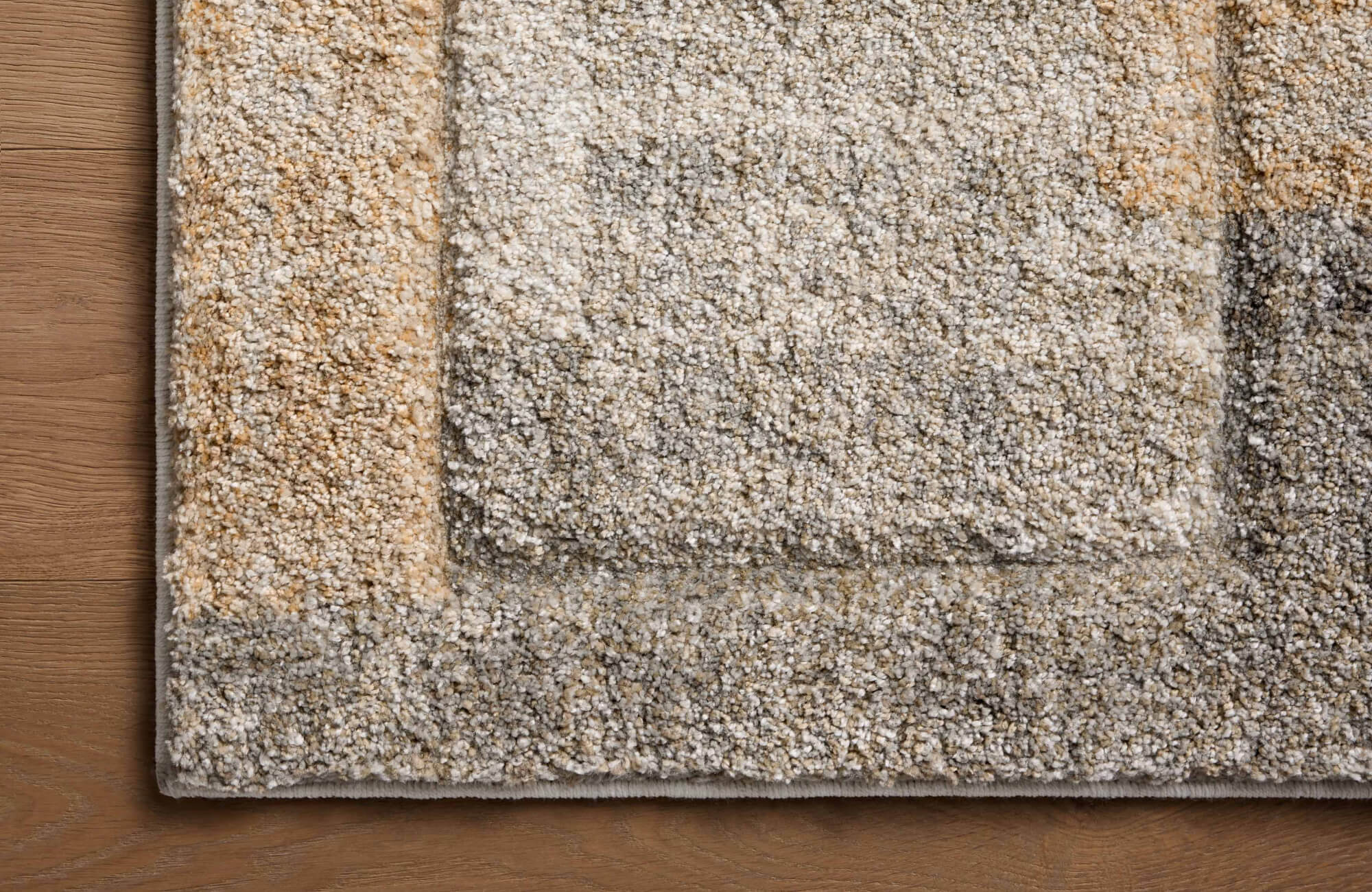
When choosing a pattern, the scale should relate to the size and purpose of the room. Large-scale motifs can anchor spacious living rooms and open-plan areas, while smaller repeated patterns work well in entryways, bedrooms, and layered rug arrangements. A bold polypropylene rug can become the focal point of a neutral space, while a muted pattern can add movement without overwhelming furniture, artwork, or architectural details. For example, the Broderick Polypropylene Pile Rug in Smoke / Terracotta uses earthy color variation and modern patterning to bring warmth and visual structure while remaining versatile enough for relaxed interiors.
Texture Diversity
Texture plays a major role in how a polypropylene rug looks and feels. Low-pile polypropylene rugs create a clean, tailored surface that works well under dining tables, coffee tables, and office chairs because they are easier to vacuum and less likely to obstruct furniture movement. Medium-pile rugs, on the other hand, offer a balance of softness and practicality, making them suitable for living rooms and bedrooms. High-pile or shag-style polypropylene rugs provide a plusher feel but may require more frequent maintenance to prevent fibers from flattening or trapping debris.
Weaving technique also affects the rug’s visual depth. Flatweave polypropylene rugs often feel casual and lightweight, making them ideal for indoor-outdoor spaces. Power-loomed rugs can create more intricate patterns and denser surfaces, while carved or high-low pile designs add dimension by varying the height of the fibers. These texture options allow polypropylene rugs to contribute not only color and pattern but also tactile contrast within a room.
Selecting the Right Palette
Polypropylene rugs are known for strong colorfastness, especially when solution-dyed fibers are used. This means the rug can retain its color well, even in bright rooms or outdoor settings. Available palettes range from soft neutrals and warm earth tones to deep blues, charcoal, terracotta, ivory, green, and multi-color combinations, giving buyers flexibility across many interior styles.
Color should be selected based on both design goals and practical needs. Lighter polypropylene rugs can make a space feel open, bright, and airy, which is helpful in smaller rooms or interiors with darker furniture. Darker shades, heathered tones, and patterned surfaces can better conceal everyday dirt, pet hair, and minor stains in busy areas. Lighting also affects how the rug appears throughout the day. Natural light can make warm tones feel richer, while artificial lighting may soften or shift undertones.

The Broderick Rug in Cream / Denim reflects the practical advantages of polypropylene, pairing a versatile color palette with easy-care construction suited for daily living
The Practicalities: Cost, Care, and Considerations
Beyond appearance, a polypropylene rug should be evaluated for cost, maintenance, safety, and long-term suitability. Its affordability is a major advantage, but the best value comes from choosing a rug that matches the room’s level of use, cleaning needs, comfort expectations, and design purpose.
Budget Breakdown Value Versus Investment
Polypropylene rugs are often more affordable than wool, silk, cotton, or other natural fiber rugs, making them a strong option for budget-conscious decorating. Price can vary based on size, pile density, backing material, manufacturing method, pattern complexity, and brand quality. A small polypropylene accent rug will typically cost less than a large room-size area rug, while a dense power-loomed design with detailed patterning may be priced higher than a simple flatweave.
While polypropylene is generally considered a cost-effective rug material, the lowest-priced option is not always the best investment. Thin construction, weak backing, or low fiber density can lead to curling edges, faster wear, or a less comfortable feel underfoot. A better-quality polypropylene rug may also cost more initially but can provide improved durability, easier maintenance, and better visual longevity. For rooms used every day, it is worth prioritizing construction quality over price alone.
Maintenance Care
Polypropylene rugs are relatively easy to maintain, which is one of their biggest advantages for busy households. Regular vacuuming helps remove dust, dirt, crumbs, and grit before they settle into the pile. In busy rooms, vacuuming once or twice a week can help preserve the rug’s texture and reduce dullness caused by embedded debris. For low-pile or outdoor polypropylene rugs, shaking out the rug or rinsing it gently may also help remove surface dirt.
Spot cleaning should also be done as soon as spills occur. Blot the affected area rather than rubbing, since rubbing can spread the stain or distort the pile. A diluted mild detergent can be used for many common stains, followed by blotting with clean water to remove residue. In addition, over-wetting should be avoided, especially if the rug has a jute, latex, or fabric backing that may not dry as quickly as the polypropylene face fiber. Professional cleaning may be helpful for large rugs, deeply embedded soil, or stains that do not respond to gentle home care. Avoiding bleach, strong solvents, steam cleaning at excessive heat, and aggressive scrubbing will help maintain the rug’s surface and color.
Safety Concerns
New polypropylene rugs may release a temporary odor due to volatile organic compounds (VOCs) associated with manufacturing, backing, adhesives, or packaging. This off-gassing is usually strongest when the rug is first unrolled and often fades with proper ventilation. Opening windows, using fans, and allowing the rug to air out before placing heavy furniture on it can help reduce odor more quickly.
Flammability is another consideration. Polypropylene has a relatively low melting point compared with some other fibers, so it should be kept away from open flames, fireplaces, fire pits, and high-heat sources. Buyers should also check for safety labels, especially for rugs used in children’s rooms, nurseries, rental properties, or commercial settings. A non-slip rug pad is recommended on hard flooring to reduce movement, prevent tripping, and improve stability. These safety details are especially important for households with children, pets, or older adults

The Marroway Indoor/Outdoor Rug in Black / Grey exemplifies how durable polypropylene construction can support a longer product lifespan, encouraging more thoughtful and lasting design choices
Sustainability
Sustainability is an important part of evaluating any rug material, including polypropylene. While these rugs are durable, affordable, and often long-lasting, they are still made from petroleum-based synthetic fiber. Understanding their environmental impact helps buyers make more responsible decisions around purchasing, care, and disposal.
Recycling Realities
Polypropylene is technically recyclable, but polypropylene rugs are not always easy to recycle through standard municipal programs. This is because most rugs are made from multiple components, including face fibers, backing, adhesives, dyes, and binding materials. These mixed-material constructions can make separation and processing difficult. As a result, many old synthetic rugs still end up in landfills.
Chemical recycling and closed-loop manufacturing are emerging as potential solutions. Chemical recycling can break polypropylene down into reusable components, while closed-loop systems aim to turn post-consumer or post-industrial material into new products. However, access to these programs remains limited in many areas. For most buyers, the most practical sustainability step is choosing a well-made rug that lasts longer, requires fewer replacements, and can be responsibly donated, repurposed, or recycled where facilities exist.
Consumer Choices and Responsible Purchasing
Responsible purchasing begins with looking beyond price and considering the full life cycle of the rug. Buyers can look for polypropylene rugs made with recycled content, lower-emission materials, or third-party certifications such as OEKO-TEX, which can indicate testing for certain harmful substances. Transparent manufacturing practices, durable construction, and clear care instructions are also valuable signs of a more responsible product.
Design longevity matters as well. A timeless pattern or versatile color palette can remain useful through furniture changes, seasonal updates, or room redesigns, reducing the need for frequent replacement. Proper rug care also supports sustainability because a well-maintained polypropylene rug can serve the home for years. By choosing durable construction, maintaining the rug correctly, and considering end-of-life options, buyers can make a more thoughtful decision while still benefiting from the practicality of synthetic rug materials.
Key Considerations
When buying a polypropylene rug, consider how the fiber, construction, design, and care requirements align with the space where it will be used. For busy areas, prioritize dense, low-pile construction, secure backing, and a quality rug pad. For outdoor spaces, look for weather-resistant and UV-resistant features, especially solution-dyed fibers. For living rooms and bedrooms, consider texture, softness, pattern scale, and color palette to ensure the rug complements the overall design. Polypropylene rugs offer a strong combination of affordability, stain resistance, moisture resistance, color variety, and low-maintenance care. They are not the same as natural fiber rugs, and they do come with environmental and heat-sensitivity considerations, but they can be an excellent choice for many modern homes.
For personalized guidance in selecting the right rug for your space, Edward Martin’s design services can help create a cohesive look tailored to your aesthetic and functional needs. To learn more, contact us today and explore our curated collection of thoughtfully designed rugs!