Buying outdoor furniture involves more than selecting pieces that look appealing at first glance. Several factors influence how well your choices will perform over time, from how the space is used to how materials respond to outdoor conditions. This article walks you through the key considerations to keep in mind before making a decision, helping you understand what matters and why. Each section focuses on a specific aspect of the process so that you can approach your selection with clarity and confidence.

Assessing Your Outdoor Space and Usage Needs
When buying outdoor furniture, it is important to consider how the space will be used and how much it can accommodate. Evaluating the layout and purpose of the area helps guide more practical and functional choices.
Measuring and Mapping the Area
Start by looking at the space with a clear and deliberate approach rather than relying on estimates. Measuring the full area and identifying fixed elements such as walls, plants, or built-in features helps create a more accurate picture of what can comfortably fit within the space. Once the dimensions are established, consider how movement will flow through the area. There should be enough room to move around furniture naturally without feeling restricted. A well-planned layout supports ease of use and helps create a more comfortable and functional outdoor environment.
Defining Primary Use
The next step is to determine how the outdoor space will be used regularly. If the area is mainly for dining, a table-centered setup becomes essential, while spaces intended for relaxation benefit more from comfortable seating arrangements. For more flexible use, it can help to divide the area into zones. Even in smaller spaces, combining a compact dining section with a lounge area can improve functionality. Clarifying priorities early on makes it easier to choose furniture that supports daily use rather than pieces that serve little purpose.
Considering Sun and Shade Exposure
It is also important to observe how sunlight affects the space throughout the day. Some areas may receive direct sun for extended periods, while others remain shaded and cooler. These patterns influence both comfort and how materials perform over time. In more exposed areas, furniture should be able to withstand heat and resist fading. Shaded spaces allow for a wider range of material and finish options. Paying attention to these conditions early on helps ensure the space remains comfortable and suitable for use at different times of the day.

Choosing Materials That Withstand Outdoor Conditions
Material choice directly affects how outdoor furniture holds up over time. Considering how different materials respond to weather conditions helps ensure better durability and easier upkeep.
Wood Options and Treatments
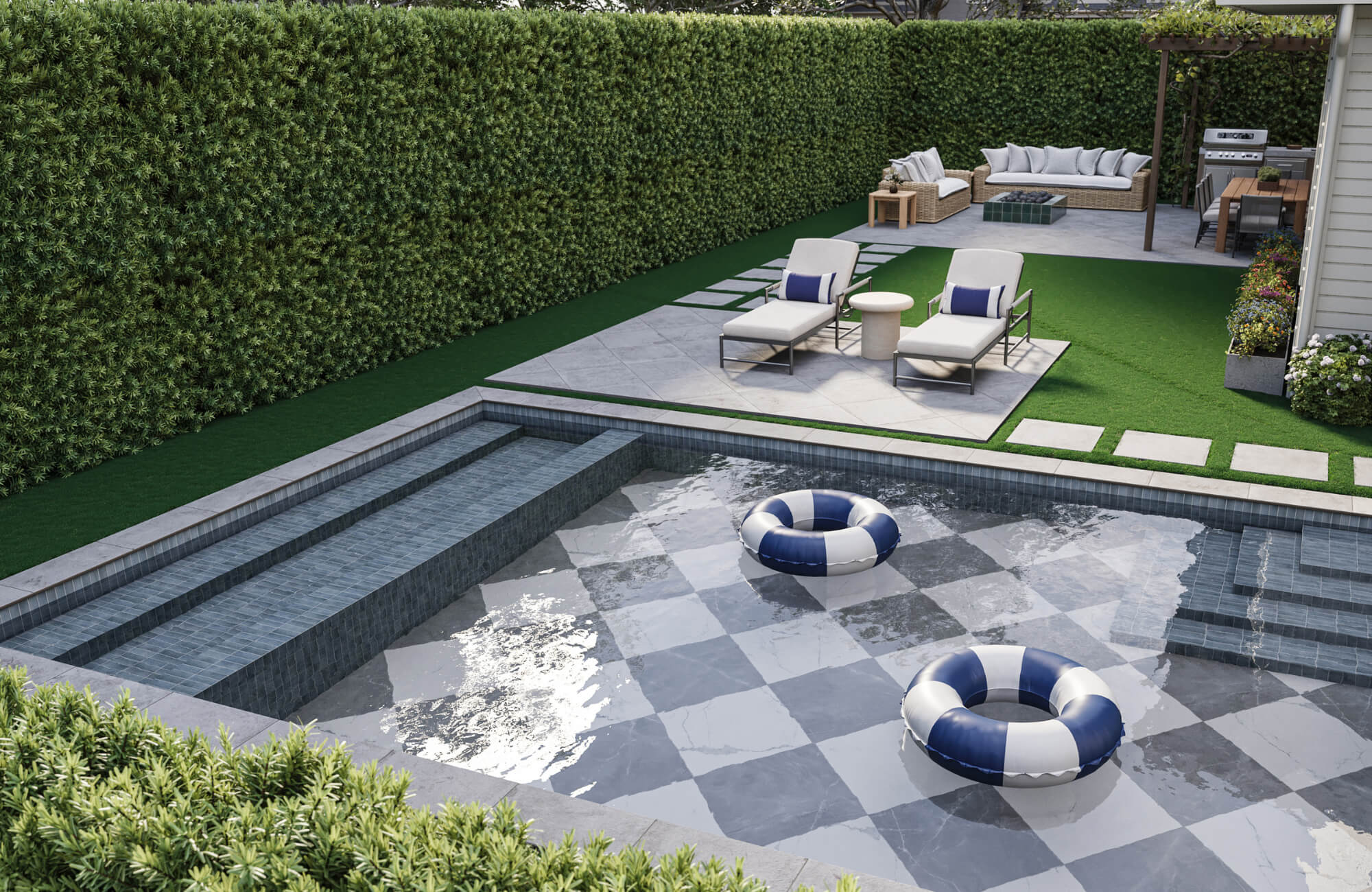
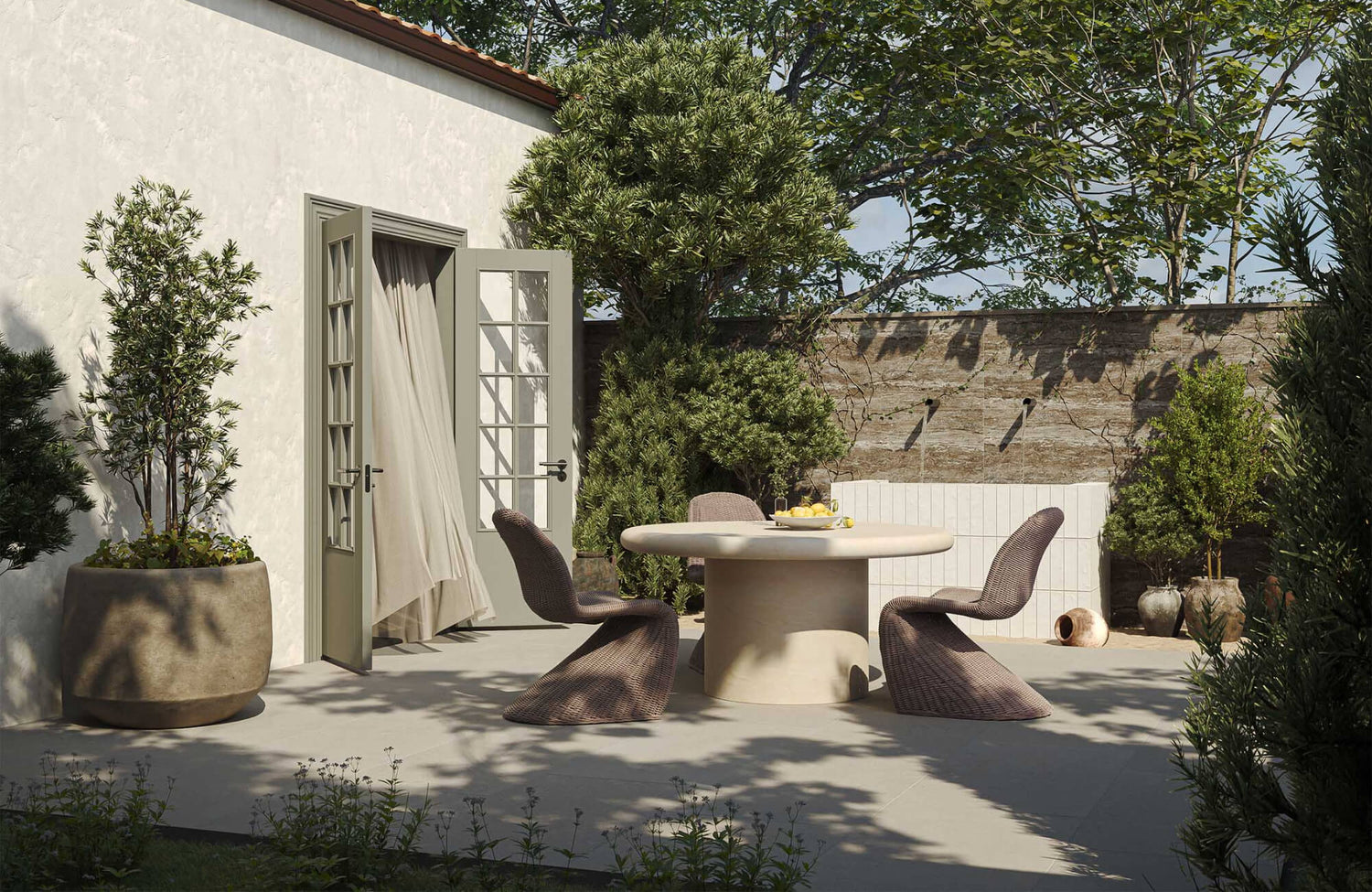
Wood adds a natural element to outdoor spaces, but different types vary in durability and maintenance requirements. Hardwoods such as teak are known for their ability to resist moisture and insects, making them suitable for long-term outdoor use. This is reflected in the photo featured above, where Edward Martin’s Maris Teak End Table and Maris Teak Rectangular Dining Table, 96" x 42", illustrate how teak can be used across both dining and lounge areas while maintaining consistency in material and performance. Over time, teak develops a patina, which some may prefer, while others choose to maintain its original color through regular care.
More affordable options like acacia can still perform well outdoors but require consistent upkeep. Applying sealants and periodic treatments helps maintain the wood’s condition and structural integrity. Without proper maintenance, these materials may become prone to drying, cracking, or warping when exposed to changing weather conditions.
Metal Durability and Coatings
Metal furniture is valued for its strength and structural stability, though its performance can vary depending on the type of metal used. Aluminum is widely used because it resists rust and is relatively lightweight, making it easier to handle and reposition. This can be seen in the photo featured above, where Edward Martin’s Vetra Armless Dining Chair with a powder-coated aluminum frame demonstrates how aluminum construction supports both durability and ease of use in an outdoor dining setup. Steel, on the other hand, offers greater weight and durability but typically requires protective treatments to prevent corrosion over time.
The way a metal piece is finished also affects its longevity. Coatings such as powder finishing create a protective barrier that helps reduce chipping and surface damage. Taking these factors into account makes it easier to select metal furniture that suits both environmental conditions and maintenance preferences.
Synthetic Materials and Weather Resistance
Synthetic materials are often chosen for their balance of durability and ease of maintenance. Options like resin wicker replicate the appearance of traditional weaving while offering better resistance to moisture and prolonged sun exposure. This can be seen in the photo featured above, where Edward Martin’s Elysia Mid Sofa, made with synthetic all-weather resin wicker, demonstrates how these materials maintain their structure and appearance in an outdoor setting while requiring less upkeep than natural alternatives.
Plastic-based materials have also advanced in terms of performance. When designed with UV-resistant properties, they are better able to retain their color and structural integrity over time. These materials are generally well-suited for outdoor use, offering reliable performance with minimal maintenance.

Prioritizing Comfort Without Sacrificing Function
Comfort influences how usable an outdoor space feels, especially over longer periods. At the same time, furniture should remain practical and suited to its intended use to maintain functionality.
Cushion Quality and Support
Outdoor cushions should be considered not only for their appearance but also for how well they perform in outdoor conditions. Materials designed to handle moisture, such as quick-drying foam, help prevent water retention and reduce the risk of mold or mildew. This makes them more suitable for regular outdoor use, which is reflected in the photo featured above, where Edward Martin’s Sabine Outdoor Sofa in Cream incorporates Textilene mesh and quick-dry foam cushions that are both durable and antimicrobial, supporting long-term outdoor performance.
Removable covers also make maintenance more manageable by allowing for easy and regular cleaning. Cushion thickness is another important factor, particularly for extended seating. Adequate padding provides better support and helps maintain comfort over time without losing its shape.
Ergonomic Design Features
Comfort is also influenced by how well the furniture supports the body during use. Factors such as seat depth, backrest angle, and armrest height all contribute to proper posture and overall ease of sitting. Paying attention to these details helps ensure that the furniture feels comfortable during regular use. Well-proportioned pieces allow for a more natural sitting position without the need for constant adjustment. When the design aligns with the body’s natural posture, it becomes easier to sit for longer periods without discomfort, making the space more practical for everyday use.
Adaptability and Flexibility
Outdoor spaces are often used for a range of activities, making flexibility an important factor when selecting furniture. Pieces that can be easily rearranged or adjusted, such as modular seating or foldable chairs, allow the space to accommodate varying needs without requiring additional items. Multi-functional furniture can also improve how the space is used. For example, an ottoman may serve as a footrest, extra seating, or a surface for placing items. Choosing adaptable pieces helps you make better use of the space while keeping the layout practical and easy to use.

Matching Style With Your Outdoor Aesthetic
Once function and comfort have been considered, attention can shift to style. Instead of following trends, the focus should be on creating a space that feels cohesive with your home and aligns with your personal preferences.
Coordinating With Architecture
It helps to consider the overall design of the home when selecting outdoor furniture. Pieces that align with architectural style tend to feel more integrated, whether through clean lines in modern settings or more textured materials in traditional or rustic environments. When the style is consistent, the space appears more cohesive and intentional. This also makes it easier to refresh the space over time, as smaller elements can be updated without replacing the main furniture pieces.
Color and Finish Selection
Color plays a significant role in shaping the overall feel of an outdoor space and how it evolves. Neutral tones offer flexibility and make it easier to update the look with accessories, whereas stronger colors can add visual interest but should be chosen with care to avoid fading or clashing with the surroundings. Similarly, finishes contribute to both appearance and maintenance. Matte surfaces tend to conceal signs of wear more effectively, while glossy finishes reflect light and create a more noticeable effect. Selecting a balanced combination helps maintain a cohesive and consistent look over time.
Creating Visual Balance
A well-composed outdoor space should feel balanced without appearing overly arranged. Mixing materials and forms thoughtfully helps prevent the area from feeling repetitive or visually heavy. Combining elements with different visual weights, such as a solid table with lighter seating, can create contrast while maintaining harmony. Additional features, such as outdoor rugs or planters, can help define the space and tie the overall layout together.

Evaluating Maintenance and Longevity
At this stage, it is important to consider how outdoor furniture will perform over time. Maintenance requirements are often overlooked, yet they play a significant role in determining how long each piece remains in good condition.
Cleaning and Upkeep Needs
Different materials require varying levels of care, which should be considered before making a choice. Wood may require periodic oiling, metal surfaces should be checked for wear or corrosion, while synthetic materials are typically easier to clean using simple methods like soap and water. It is important to choose furniture that matches the level of maintenance you can manage over time. When upkeep is consistent with personal routines, it becomes easier to preserve both the appearance and condition of each piece.
Storage and Seasonal Protection
Outdoor furniture is regularly exposed to changing weather conditions, making proper protection an important consideration. Using covers can help shield surfaces from rain and prolonged sun exposure, while storing cushions indoors reduces unnecessary wear and tear. In areas with more noticeable seasonal changes, furniture that can be folded or stacked makes storage easier when not in use. Planning for protection and storage early on helps maintain the condition and longevity of each piece.
Long-Term Durability
Durability depends not only on the material but also on how the furniture is constructed. Details such as joints, fasteners, and overall build quality play an important role in how well each piece holds up with regular use. Secure connections and a stable frame generally indicate better long-term performance. Choosing well-constructed furniture can help reduce the need for frequent replacements. Over time, this approach supports more consistent use and helps maintain the overall condition of the outdoor setup.

Budget Planning and Value Assessment
Budget is an important consideration when buying outdoor furniture, as it influences both the range of options and overall quality. The focus should be on making practical choices that reflect how the furniture will be used over time.
Setting a Realistic Budget
It is helpful to begin with a clearly defined budget and identify which pieces are most important. If the outdoor space is used frequently, prioritizing essential items such as seating or dining furniture can lead to more practical long-term use. Building the setup gradually is another approach to consider. Starting with key pieces allows costs to be managed over time while still creating a functional and usable outdoor area.
Comparing Cost vs. Quality
Lower-priced options may appear practical at first, but they often require replacement sooner due to lower build quality or less durable materials. Looking beyond price to factors such as construction, material reliability, and available warranties provides a more accurate sense of overall value. Carefully assessing quality helps reduce the need for frequent replacements over time. This approach supports better long-term value by balancing initial cost with durability and consistent performance.
Finding Smart Deals
Timing can influence the overall cost when purchasing outdoor furniture. Off-season periods often present more favorable pricing, particularly for larger sets or complete arrangements. It’s also useful to compare bundled options, which may offer better value than purchasing individual pieces separately. Exploring these opportunities can help manage costs more effectively while still maintaining a reasonable level of quality.
Making a Confident Final Choice
When considering what to look for when buying outdoor furniture, it becomes clear that several factors need to work together, including space, material durability, comfort, maintenance, and budget. Taking the time to evaluate each aspect helps ensure the furniture fits the space and supports how it will be used. By focusing on practical needs and long-term performance, it is possible to create an outdoor setup that remains functional, comfortable, and suitable over time.
If you need further guidance or a more tailored approach, you can contact us or explore our design service to help refine your selections and plan your outdoor space more effectively.