Porcelain and paver surfaces might appear similar at first, but they’re made for very different environments. Porcelain is often used indoors thanks to its slim profile and sleek finishes, while pavers are built thicker and more textured to handle outdoor conditions. The real differences come down to how they perform, how they’re installed, and the kind of space they’re best suited for.
In this article, we’ll unpack the difference between porcelain tiles and pavers, clearing up the mix-up between today’s porcelain innovations and traditional pavers made from concrete, brick, or natural stone. We’ll also show how porcelain pavers offer a modern, low-maintenance solution that combines style with outdoor durability.

What Are Porcelain Tiles?
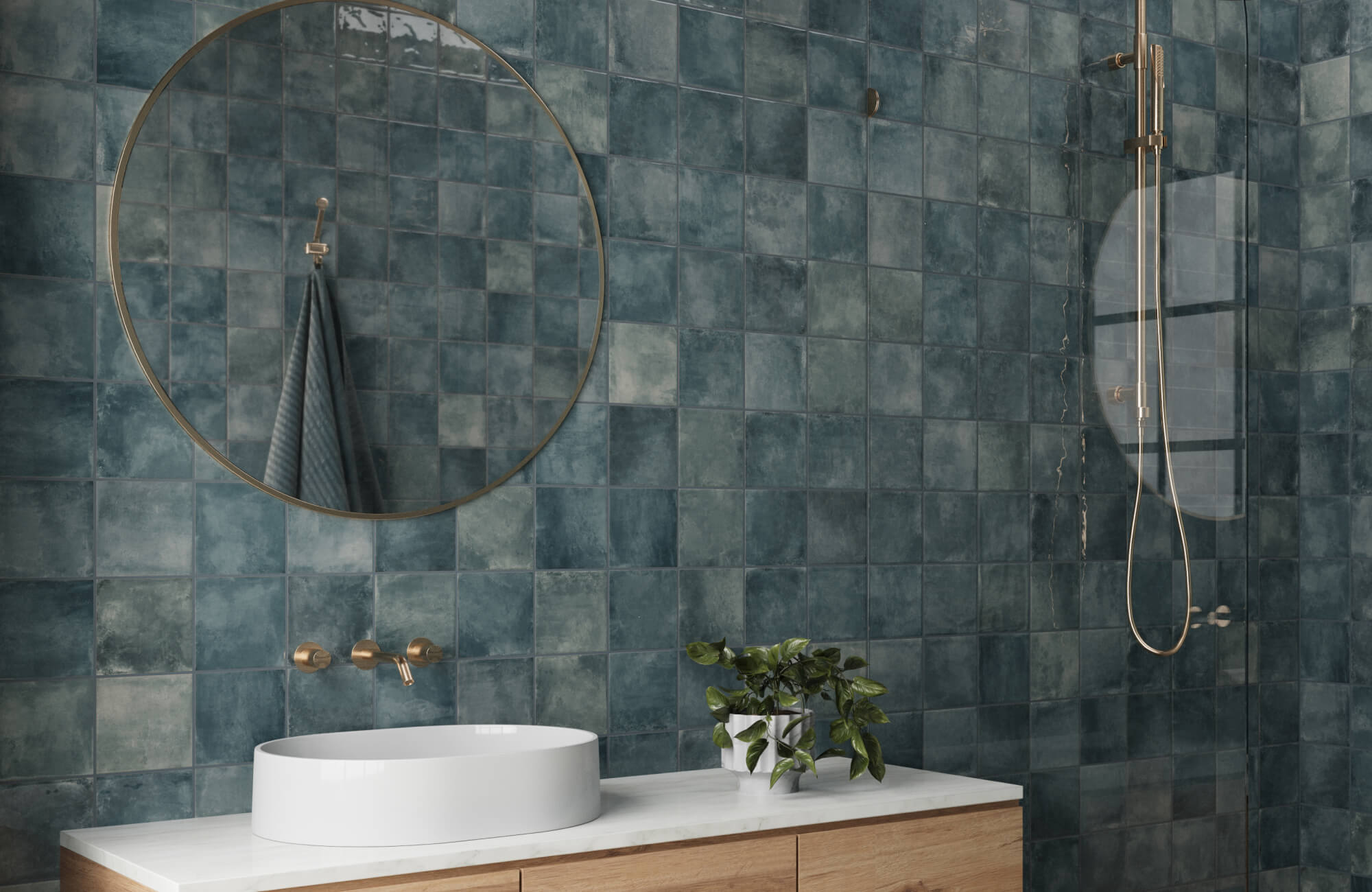
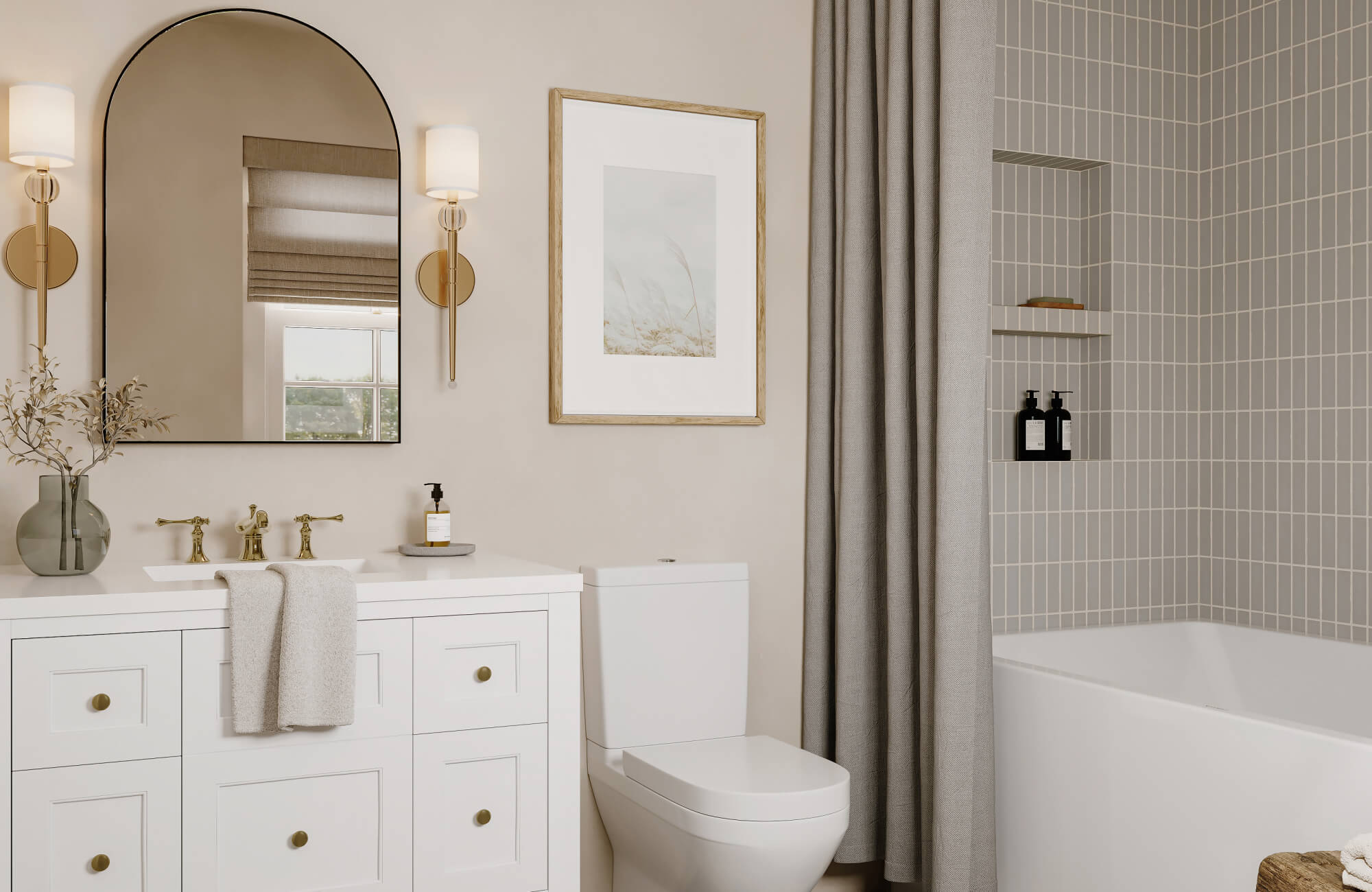
Porcelain tiles, such as our Leona 24x24 Checkerboard Matte Porcelain Tile in Marfil and Amani Bronze above, are crafted from refined clay and fired at extremely high temperatures, resulting in a dense, durable, and non-porous surface. This manufacturing process not only makes them harder than standard ceramic tiles but also allows for smooth or glazed finishes that resist stains and water. Many porcelain tiles are also printed with high-definition patterns that mimic materials like marble, wood, or natural stone, making them a stylish and versatile option for interiors.
Porcelain tiles are a go-to choice for spaces that require both form and function. They work especially well in kitchens, bathrooms, laundry rooms, and entryways thanks to their resistance to moisture and wear. You’ll often see them on walls as well, especially in backsplashes or shower surrounds where a clean, seamless finish is ideal. Because of their wide design range and ease of maintenance, porcelain tiles offer an excellent balance between beauty and practicality.

What Are Traditional Pavers?
Traditional pavers are thick, durable building materials typically made from concrete, brick, or natural stone. They’re designed specifically for outdoor use and are built to withstand heavy weight, weather exposure, and daily wear. Unlike porcelain tiles, these pavers have a more rugged composition and are often porous, which means they may require sealing to prevent moisture penetration or staining. Their textured surfaces also help provide natural grip, making them a practical choice for driveways, patios, and pool decks where slip resistance is key.
One of the main advantages of traditional pavers is their structural strength, especially when used in high-pressure areas like walkways or vehicle paths. Brick and stone pavers offer a timeless, rustic look that blends easily into outdoor landscapes, while concrete options can be molded into various shapes and sizes for custom designs. However, they typically demand more maintenance over time, such as re-sanding joints or resealing surfaces. If you’re working on an outdoor space that needs to balance performance and classic curb appeal, traditional pavers are a tried-and-true solution.

Key Differences Between Porcelain Tiles And Pavers
Porcelain tiles and traditional pavers may seem similar at a glance, but their real-world applications are quite different. From structural durability to how they're installed, each material responds uniquely to indoor and outdoor demands. Understanding these key distinctions will help ensure you pick the right option for your project, whether you're designing a cozy interior or a durable outdoor surface.
Thickness and Strength
One of the most noticeable differences between porcelain tiles and traditional pavers is their thickness and structural makeup. Porcelain tiles typically measure around 8 to 10mm thick, which is perfect for indoor floors and walls where heavy loads and constant outdoor stress aren’t a factor. They work well underfoot in kitchens, bathrooms, and other living spaces where comfort, design, and stability go hand in hand.
Traditional pavers, however, are built with much more mass. Most options, whether brick, stone, or concrete, are 2 inches thick or more and designed specifically to withstand outdoor conditions. That extra density helps them hold up to pressure from human usage, vehicles, and shifting terrain without cracking or chipping. If you're installing a patio, driveway, or garden path, this kind of structural strength makes a significant difference in long-term performance.
Installation Methods
Installation techniques also vary greatly between the two. Porcelain tiles require a stable, even subfloor and are usually installed using thin-set mortar. This adhesive process ensures a clean, seamless finish, which is ideal for indoor settings where precision and permanence are key. For instance, in bathrooms or kitchens, this type of installation keeps water out and tiles firmly in place for years.
Traditional pavers are more forgiving and versatile when it comes to installation. Instead of mortar, they’re often dry-laid over a compacted base of gravel or sand, which makes them easier to replace or reposition as needed. This method is especially helpful in outdoor environments where soil movement or drainage plays a role. For larger areas like patios or walkways, it also allows for quick adjustments without the hassle of removing hardened adhesives.
Surface and Slip Resistance
Surface texture plays a big role in how each material performs, especially when moisture is involved. Porcelain tiles often feature smooth, sometimes glossy finishes that elevate the look of indoor spaces. While this polished surface works beautifully in kitchens, hallways, and bathrooms, it can become slick if water isn’t managed properly. That’s why tile is best kept indoors, where conditions are more controlled.
Traditional pavers, in contrast, are designed with traction in mind. Their textured or rugged surfaces naturally provide better grip, even when wet. This makes them ideal for outdoor use in areas like pool decks, garden paths, or front steps where slip resistance is a must. There are some textured porcelain tile finishes that offer more grip, too—but these are exceptions, so it’s always important to double-check the product specs if you're considering tile for semi-exposed or transitional zones.

Porcelain Pavers as a Modern Alternative
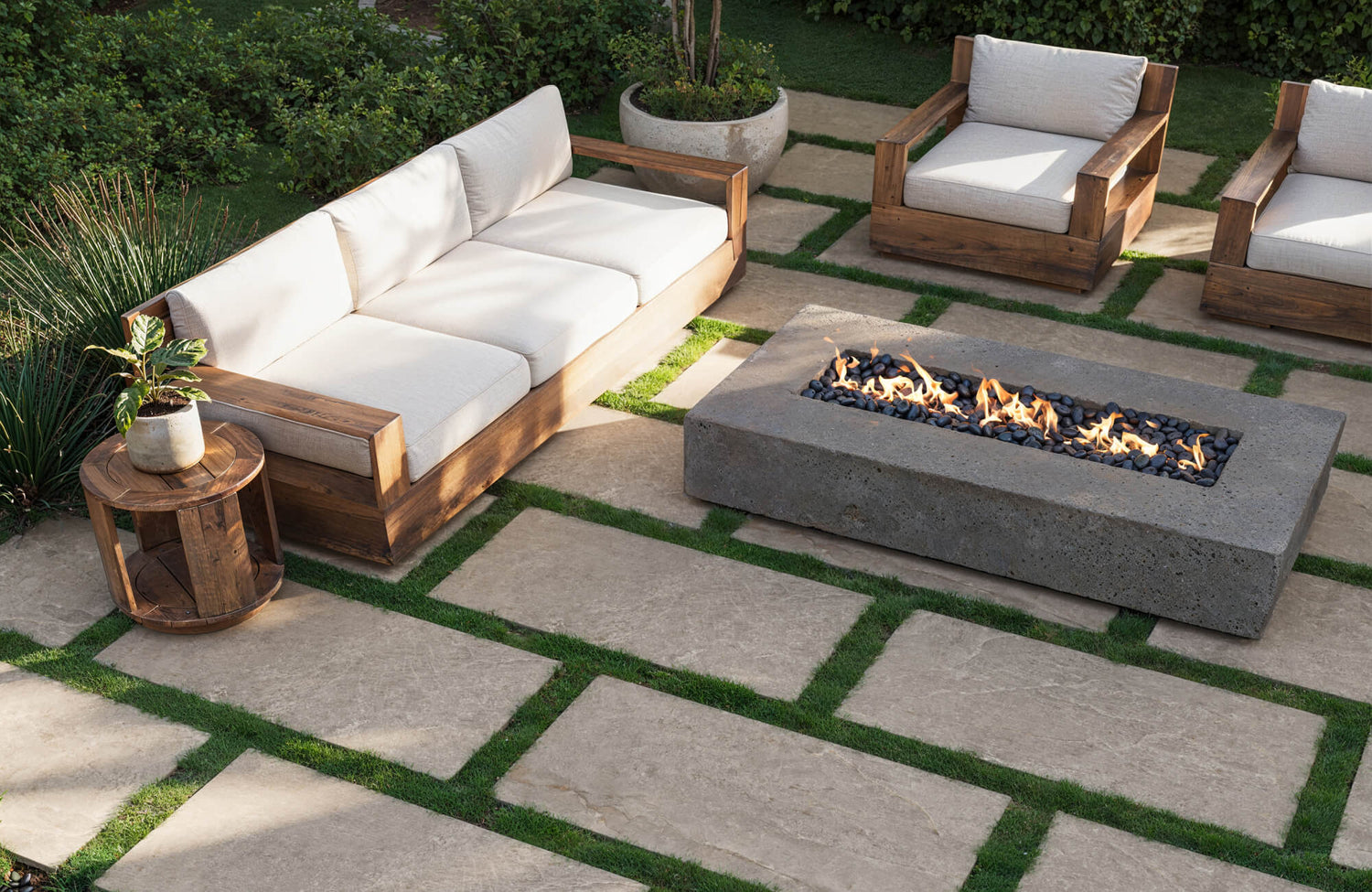
Thanks to major advancements in tile technology, porcelain pavers have emerged as a modern alternative to classic outdoor materials like concrete, brick, and natural stone. These updated options bring together the strength and stability of traditional pavers with the refined finish and versatility of porcelain tile. With this evolution, patios, pool decks, and rooftop terraces no longer have to choose between performance and design—porcelain pavers offer both.
Unlike traditional pavers, which often rely on thickness and sealing to withstand the elements, porcelain pavers, as seen above with our Carter 24x48 Grip Porcelain 2cm Paver Tile in Fossil, are engineered to be naturally low in porosity. This makes them highly resistant to stains, moisture absorption, and weather-related wear. Also, because they don’t easily crack during freeze-thaw cycles, they’re ideal for climates that experience seasonal shifts. Traditional pavers still hold their ground in durability, but often at the cost of more ongoing maintenance. For instance, natural stone may need resealing, and concrete is more prone to discoloration over time if left untreated.
When it comes to design flexibility, porcelain pavers also stand out. They’re manufactured in a wide range of finishes that mimic other materials, wood grain, marble, and poured concrete, without requiring the same upkeep. This opens up creative possibilities for outdoor spaces while keeping surfaces easy to maintain. Traditional options, while timeless, are limited to the textures and tones that natural materials can offer. For homeowners or designers seeking a more customizable or low-maintenance finish outdoors, porcelain pavers deliver both form and function in one contemporary package.

Cost Comparison
Budget plays a big role when choosing between traditional pavers and porcelain pavers, especially for larger outdoor spaces. While both options are built for durability, their cost differences often come down to materials, installation requirements, and long-term upkeep. Here's how each one stacks up when it comes to price and value.
Material and Installation Costs
Traditional pavers, such as concrete, brick, or natural stone, are generally less expensive upfront. Materials are widely available and relatively affordable, making them a go-to for large patios, walkways, and driveways. However, installation can get costly depending on site prep, leveling, and the need for sealing or edge restraints. Some natural stone options also carry a higher price tag, especially if sourced from specific regions.
Porcelain pavers tend to be more expensive per square foot due to their denser structure and manufacturing process. They're also heavier, which may raise shipping and labor costs, particularly if dry-lay or pedestal systems are involved. That said, their long-term performance often offsets the initial investment, especially in environments that experience moisture, freeze-thaw cycles, or constant usage.
Maintenance and Upkeep
Traditional pavers typically require more ongoing maintenance. Many are porous and need regular sealing to prevent staining, weed growth, and water damage. Over time, joints may shift, and surfaces can discolor if not properly maintained, especially in climates with rain, heat, or frost. For example, concrete pavers may crack or fade, while natural stone can show signs of wear without consistent care.
Porcelain pavers, on the other hand, are virtually maintenance-free. Their low porosity means they resist stains, mildew, and weather-related damage without the need for sealing. A quick rinse with a hose is often enough to keep them looking clean. If you're looking for a sleek, high-performing surface that doesn't demand extra work over time, porcelain pavers deliver reliable results with minimal effort.

Which One Should You Use?
The right choice between porcelain tiles, porcelain pavers, and traditional pavers depends on the location, function, and long-term expectations of your space. Porcelain tiles are best suited for indoor use where comfort, easy maintenance, and refined finishes are priorities—think kitchens, bathrooms, or living areas. Their slim profile and wide range of patterns make them ideal for stylish interiors with minimal wear concerns.
Porcelain pavers, by contrast, are engineered for outdoor durability. Their extra thickness, slip resistance, and low porosity make them a smart fit for patios, walkways, and pool areas. They're also frost- and UV-resistant, meaning they hold up well over time without fading or cracking. If you want the design flexibility of tile with the durability of a paver, they offer the best of both worlds.
Traditional pavers, like concrete, brick, or stone, are still a reliable choice for classic outdoor projects, especially where authenticity or rustic appeal is important. However, they typically need more maintenance, such as sealing or joint repairs, and don’t offer the same design versatility as porcelain. If low upkeep and modern finishes are a priority, porcelain pavers may edge them out. But for those looking to match an existing hardscape or preserve a more natural look, traditional pavers still hold strong appeal.
The Right Surface Material for Your Space
Choosing the right surface material depends on how and where you plan to use it. Porcelain tiles offer style, durability, and comfort for indoor areas, especially where moisture resistance and low maintenance are a must. Traditional pavers, on the other hand, deliver long-standing strength and texture for outdoor settings but often require more upkeep over time. For those who want the look of tile with the toughness of outdoor materials, porcelain pavers offer a modern, low-maintenance alternative that bridges both performance and design.
To help you find the best fit, our Augmented Reality (AR) Visualization Tool lets you preview tile options directly in your space, no guesswork, just clarity. Explore finishes, experiment with layout, and order real samples when you're ready to take the next step. We also offer personalized design consultations if you'd like expert guidance with planning your interior or exterior tile project. Bring your design to life with tools and support built for today’s homeowner.