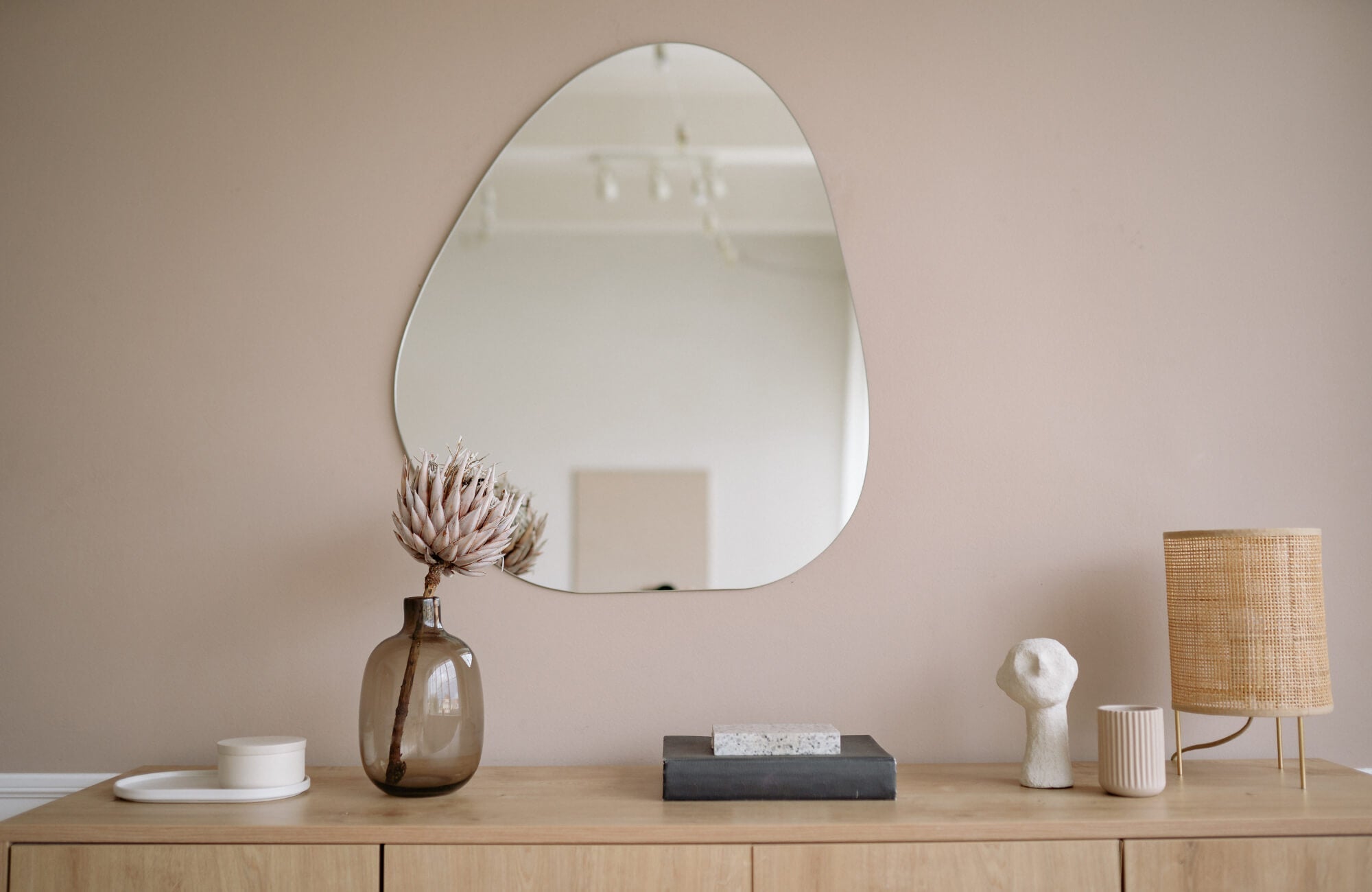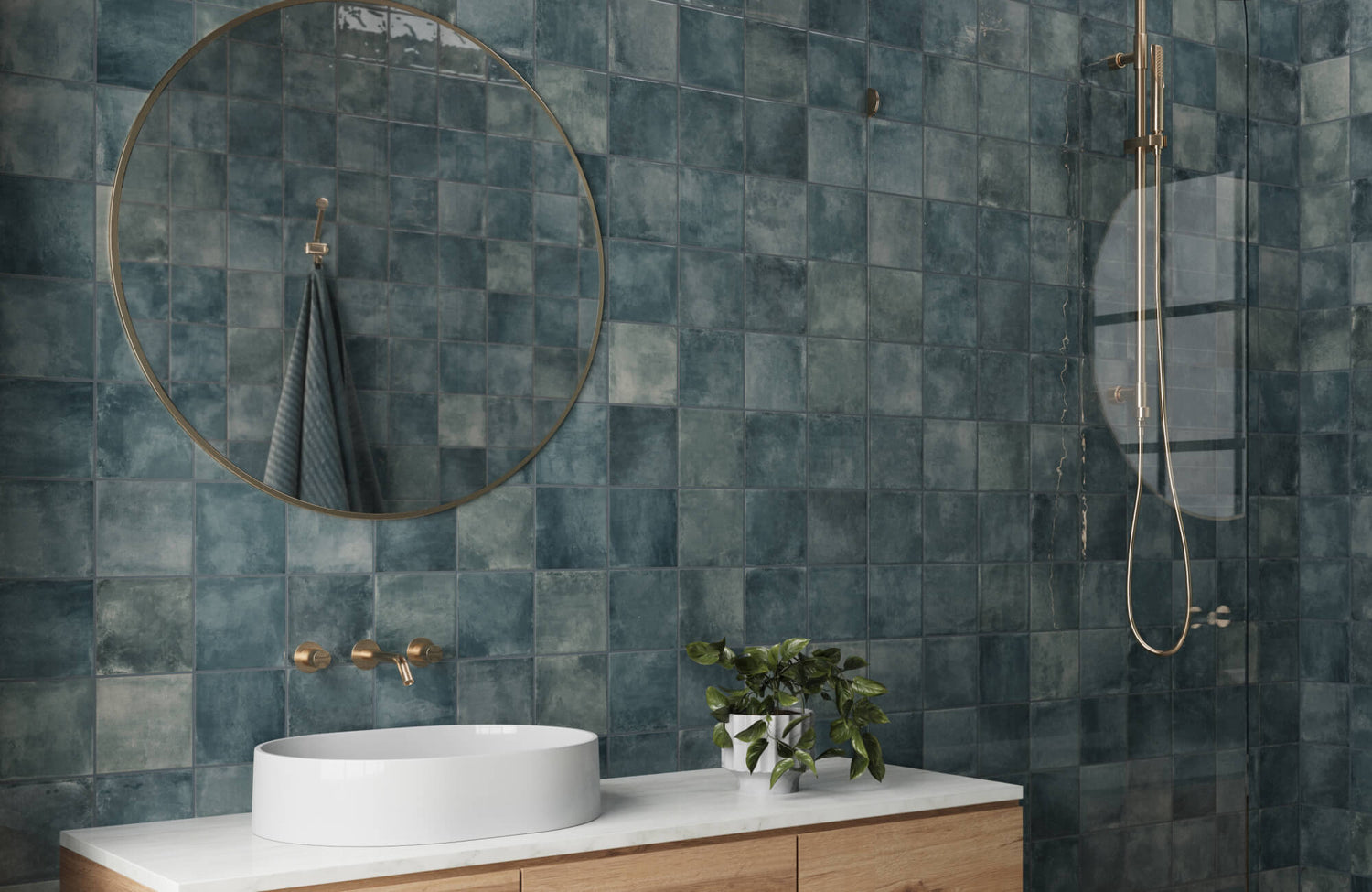
Selecting the perfect mirror for your vanity is more than a matter of taste—it's a delicate interplay of form, function, and architectural intention. A mirror anchors the visual rhythm of your bathroom, reflecting not just your image but the essence of the space itself. Whether you’re drawn to the structured elegance of a rectangle or the sculptural allure of a circle, the choice shapes the atmosphere and energy around your daily rituals. Each silhouette speaks its own design language, influencing how light flows, how space feels, and how your vanity lives within the broader design story.
This guide reveals the defining characteristics of round and rectangular mirrors, providing clarity through refined insight and technical precision. As you explore the balance of geometry and elegance, let your selection mirror both your aesthetic and lifestyle.

Spatial Dynamics and Layout Compatibility
How your mirror interacts with your vanity and surrounding features determines more than just style—it shapes the flow, function, and feel of the room. The geometry of your mirror either harmonizes with or artfully disrupts architectural lines, influencing the balance between visual order and creative expression.
Organic Contrast in Curved Spaces
Round mirrors introduce graceful curvature that softens angular elements commonly found in bathrooms. They serve as sculptural focal points, particularly in spaces with arched doorways, oval tubs, or curved sinks. The circular shape gently breaks the linear flow, creating openness and a sense of calm. This form is ideal for smaller powder rooms, where the absence of corners visually lightens the wall. Round mirrors also enhance transitional styles by connecting traditional and modern motifs. Their organic presence brings both visual relief and artistic depth.
A refined example, as displayed in the photo above, is Edward Martin’s Fitz Mirror in Antique Silver, which blends a classic round silhouette with antique-inspired elegance that adds depth and sophistication to transitional or contemporary bathrooms. Round mirrors also enhance style cohesion by introducing organic softness and elevating the room’s visual harmony.
Linear Alignment with Architectural Features
Rectangular mirrors effortlessly align with vertical and horizontal design elements, such as tiles, cabinetry, and countertops. This symmetry reinforces structural cohesion and strengthens visual sightlines across the bathroom. Their corners also extend visual boundaries, enhancing balance and clarity. Especially effective in larger bathrooms or with wide vanities, they help delineate shared zones and integrate lighting or shelving with ease. In spaces featuring coffered ceilings or framed backsplashes, rectangular mirrors amplify a sense of order. The result is a design that feels stable, unified, and architecturally grounded.
Wall-to-Mirror Ratio Considerations
Balancing mirror shape with wall proportions is key to achieving symmetry and enhancing spatial design. Rectangular mirrors adapt easily to vertical or horizontal orientations, making them versatile for tall or wide walls. Their ability to scale precisely allows for optimized placement in asymmetrical rooms. Round mirrors, however, work best when centered and framed with intentional breathing space. Due to their centralized shape, they can appear overwhelmed on uneven or narrow wall surfaces. Designers must also consider lighting and artwork placement above round mirrors to maintain visual harmony.

Proportion and Scale with Vanity Dimensions
A well-scaled mirror does more than reflect—it defines the vanity zone with precision and poise. The mirror's width and shape must thoughtfully correspond to the dimensions of the cabinetry to ensure ergonomic ease and visual balance. Whether you aim for symmetry, bold contrast, or minimalist restraint, proportion is the key to achieving a unified and purposeful composition.
Width Matching and Framing Rules
Rectangular mirrors offer clear proportioning rules, typically spanning 70% to 100% of the vanity’s width. This guideline ensures the mirror feels grounded and balanced with the cabinetry below. For double vanities, a single rectangular mirror provides functional unity and symmetry. Separate mirrors also benefit from the rectangular form, with sharp edges that establish individual zones. Their defined boundaries help frame lighting and wall finishes cleanly. Ultimately, rectangular mirrors promote visual clarity and structural discipline in mirror-to-vanity pairing.
Centralized Emphasis in Round Mirrors
Round mirrors naturally draw the eye to the center of the vanity, creating a strong visual axis. They are best scaled to two-thirds to three-quarters the width of the vanity for proportional harmony. This central focus enhances symmetry and suits pedestal sinks or compact vanities. Without sharp corners, round mirrors blend seamlessly into wall surfaces, creating a curated, minimalist look. They deliver bold focal points in small or transitional bathrooms. When proportioned correctly, their circular form also elevates the vanity without visual clutter.
Visual Weight Distribution and Scale Illusions
A mirror’s perceived weight depends on its shape, scale, and how it’s positioned. Rectangular mirrors feel visually heavier due to their corners and extended lines, making them ideal for anchoring light vanities. Their form helps balance floating designs by adding presence and structure. Round mirrors, by contrast, concentrate focus inward and feel lighter, even in larger sizes. They are perfect for minimalist or airy designs where reduced visual weight is key. The mirror shape can also influence spatial perception, with vertical rectangles elongating walls and circles enhancing centered symmetry.

Light Distribution and Reflectivity Efficiency
The shape of your mirror directly affects how light moves through your bathroom, enhancing both utility and ambiance. Thoughtful pairings with lighting, whether soft halo glows or crisp LED edges, can amplify brightness, mood, and facial clarity.
Diffuse Glow and Decorative Illumination
Round mirrors emit a soft, diffused glow when paired with perimeter or halo lighting. The lack of corners allows light to wrap naturally, producing a calming ambiance. This is ideal for spa-inspired bathrooms that emphasize relaxation over high-contrast brightness. While they may need added sconces for full task lighting, the result is a warm, inviting aesthetic. Round mirrors also offer flattering light distribution, especially in makeup or grooming settings. Their sculptural glow enhances emotional appeal and elegance.
An elegant example is the Tristan Round Mirror in Polished Brass, as displayed in the image above. Its warm metallic finish and expansive round form harmonize beautifully with brass sconces, casting a flattering and ambient glow across the space. While they may require additional sconces for full task lighting, the result is a warm and inviting aesthetic. Their sculptural glow also enhances emotional appeal and elegance.
Maximal Reflective Surface Area
Rectangular mirrors offer more reflective surface area than round mirrors of equal width. This makes them effective at brightening rooms and enhancing visibility, especially when placed opposite windows. Their shape spreads light evenly, helping create a more expansive, airy feel. This is particularly beneficial in low-light bathrooms or shared vanities, where light distribution is essential. Rectangles also integrate well with LED lighting, offering full task illumination coverage without visual interruption. Altogether, their practical form boosts both usability and visual openness.
Lighting Integration and Fixture Compatibility
Rectangular mirrors pair easily with top or side-mounted fixtures, aligning seamlessly with lighting systems. Their flat edges make them compatible with flush or framed installations, streamlining design execution. In contrast, round mirrors require more planning to avoid uneven light spread, particularly with symmetrical fixtures. Designers also often use arc sconces or ring lights to match their curved shape, creating a more balanced effect. For best results, mirror geometry and lighting layout should be coordinated early in the design process. This approach ensures both aesthetic coherence and lighting functionality throughout the space.

Stylistic Versatility and Design Narrative
Your mirror’s silhouette helps define the emotional language of your bathroom, whether that’s timeless elegance, bold minimalism, or eclectic charm. Aligning the mirror with your overall theme creates cohesion and makes your bathroom feel curated and intentional.
Classic and Transitional Design Alignment
Rectangular mirrors work well in traditional, transitional, and classic interiors by reinforcing symmetry and structure. They complement architectural details like crown molding and paneling, adding to the room’s historic character. When framed in wood or metal, they also blend traditional materials with modern finishes for a balanced look. Rectangles offer a timeless appeal, easily adapting to design updates over time without feeling out of place. Their linear clarity fits both custom and resale-minded spaces, supporting flexibility in evolving interiors. Altogether, this makes them a safe and versatile design choice.
Statement-Making in Modern Minimalism
Round mirrors shine in minimalist or modern settings by serving as understated yet impactful focal points. Their sculptural nature stands out without requiring ornate frames or heavy styling. Ideal with floating vanities and open-concept designs, they embody simplicity and elegance. When paired with matte or metallic accents, they elevate the visual hierarchy and textural contrast. Their lack of corners also enhances a sense of flow and fluidity. This makes them a favorite in editorial-style or boutique-inspired bathrooms.

Installation Practicalities and Wall Integration
Behind every beautiful mirror lies smart planning; installation ease, wall treatment harmony, and structural support all play vital roles. Rectangular shapes lend themselves to simpler alignment and anchoring, while round mirrors demand precision and creative hardware choices. Integrating shape with surface and fixture placement ensures both visual polish and practical longevity.
Leveling and Centering Accuracy
Rectangular mirrors are generally easier to level, thanks to their straight edges and right angles, which naturally align with surrounding tilework, lighting, and vanities. Most are designed with cleats or dual brackets, offering secure, straightforward mounting, even in busy areas. Round mirrors, by contrast, require more precision as their radial shape means even slight misalignments can feel noticeably off. Using a placement template is often necessary to ensure they’re centered correctly. In both cases, careful positioning is essential to preserve symmetry and achieve a polished, balanced look.
Wall Treatments and Surface Integration
Rectangular mirrors integrate naturally with tiled or paneled walls, effortlessly aligning with existing gridlines for a cohesive, structured look. Their straight edges make it easy to frame them with borders, lighting, or shelving, enhancing the room’s overall geometry. Round mirrors, however, call for more thoughtful planning to prevent visual dissonance with patterned surfaces. They tend to shine on solid or subtly textured walls, where their shape can stand out without competing for attention. Designers often frame round mirrors with simplified wall zones to let the form speak for itself, creating a clean, focused, and artful visual moment.
Hardware and Support Requirements
Rectangular mirrors generally use cleats or bracket systems that distribute weight evenly, making them stable and easy to hang. For heavier models, secure wall anchors and broad mounting surfaces offer additional support. Round mirrors, particularly those with strap mounts, concentrate weight in fewer points and need reinforced anchors as a result. Additionally, their curvature requires hardware that prevents slippage or rotation. In many designs, visible mounting elements often become part of the design narrative. Ultimately, choosing appropriate support ensures both safety and aesthetic integrity.
Whether you’re choosing a mirror for a new build or a style refresh, Edward Martin offers design services to help tailor every selection to your home’s architectural language. Our team ensures your vanity and mirror choices integrate seamlessly into a refined, lasting design vision.

Trends, Resale Appeal, and Longevity
Mirror shapes speak to current design trends, but their impact lasts well beyond fashion cycles. Rectangular mirrors offer timeless adaptability and broad resale appeal, while round styles cater to those seeking expressive, modern refinement. Balancing aesthetic risk with functional payoff ensures your bathroom feels both personal and future-ready.
Enduring Appeal of Rectangular Mirrors
Rectangular mirrors remain a popular choice due to their practicality and broad appeal. Their adaptability fits both traditional and modern spaces, making them ideal for resale. Additionally, buyers associate rectangles with functionality and architectural consistency. They also accommodate easy upgrades—frames, lighting, or finishes can evolve without replacing the mirror. Thanks to their neutral silhouette, they won’t go out of style quickly. For longevity and versatility, rectangles are a sound investment.
Fashion-Forward Allure of Round Mirrors
Round mirrors are trending in editorial and high-design bathrooms, offering a strong aesthetic impact. Their sculptural look gives any space a curated, designer feel. Frequently featured in social media and hotel-style spaces, they also appeal to personalization and modern luxury. The Fitz Mirror in Antiqued Iron captures this spirit with its bold blackened frame and refined restraint. As shown in the picture above, it adds unmistakable sophistication to minimalist setups. The result is a focal point that merges utility with expressive, modern artistry. However, their distinct form can be polarizing for resale purposes. They’re best used in owner-focused designs where individuality matters most. As statement pieces, round mirrors make a bold, memorable impression.
Choosing the Perfect Mirror Shape Above Your Vanity
Choosing between a round or rectangular mirror above your vanity ultimately comes down to what you value most in form, functionality, and the feeling you wish to evoke. A rectangular mirror offers precision, structure, and broader light reflection, ideal for those who favor utility, symmetry, and timeless appeal. A round mirror, by contrast, brings softness, focus, and artistic presence, perfect for creating a statement and elevating the emotional character of the space. The decision is not bound by trend, but by how the mirror harmonizes with your vanity, your lighting, and your lifestyle.
To receive personalized recommendations and mirror styling support, connect with Edward Martin’s design team through our Contact Us page. Our experts are ready to help you refine your vision into a beautifully executed reality!