
)
)
)
)
)
)
)
)
What Rug Size Is Ideal For An Entryway?
The entryway sets the tone for your entire home, and the rug you choose has a bigger impact than you might expect. Aside from adding style, the right piece further provides structure, protects your floors, and adds comfort underfoot. Choosing the right size also makes the space feel inviting while still meeting everyday needs. Whether your entryway is compact, expansive, or somewhere in between, finding a rug that fits seamlessly is equally important. In this article, we’ll cover everything from dimensions and proportions to style and practical considerations, helping you make the best choice for your home.
Why Entryway Rugs Matter
An entryway rug is more than just a decoration. It further helps define the space, protects your floors, and brings a sense of order the moment you step inside. Before choosing a size, it helps to see how much of a difference the right rug can make in both function and atmosphere.
Defining the First Impression
When guests step into your home, the rug is often one of the first things that catches their eye. Its size has a direct effect on how balanced the entryway feels. A rug that is too small can look out of place, while one that is oversized may dominate the room. The right proportions, however, make the space feel intentional and inviting. Because the entryway sets the expectations for the rest of the home, a well-chosen rug can instantly communicate warmth and care. Even a modest rug, when sized appropriately, can also give the impression of a thoughtfully designed space.
Protecting Floors from Wear
The entryway is where shoes, bags, umbrellas, and coats pass through daily, often bringing in dirt, grit, and moisture. A rug that fits well in this space acts as the first line of defense, capturing debris before it spreads into other rooms. Absorbing water and reducing the chance of scratches, it helps preserve the finish of wood, tile, or stone flooring. Choosing a size that offers enough surface area near the door not only simplifies cleaning but also minimizes long-term wear on your floors. Over time, this small detail saves you effort, money, and the frustration of frequent repairs or refinishing.
Creating Pathways in Open Spaces
In homes where the entryway flows directly into adjoining rooms, a rug can provide subtle direction. Its placement naturally shows where to pause, remove shoes, or continue further inside. When sized correctly, it helps define the entry without creating a barrier. A piece that is too small may leave the space feeling undefined, while one that stretches too wide can interrupt the flow into living or dining areas. The right rug grounds the entryway, bringing clarity and order while allowing the surrounding layout to remain open and connected. This simple choice also makes the transition from outdoors to indoors smoother and more organized.
Standard Rug Sizes for Entryways
Entryways come in many shapes and sizes, but knowing the most common rug dimensions makes the choice easier. Each size works best for specific layouts, and placement is just as important as measurement.
Small Entryways
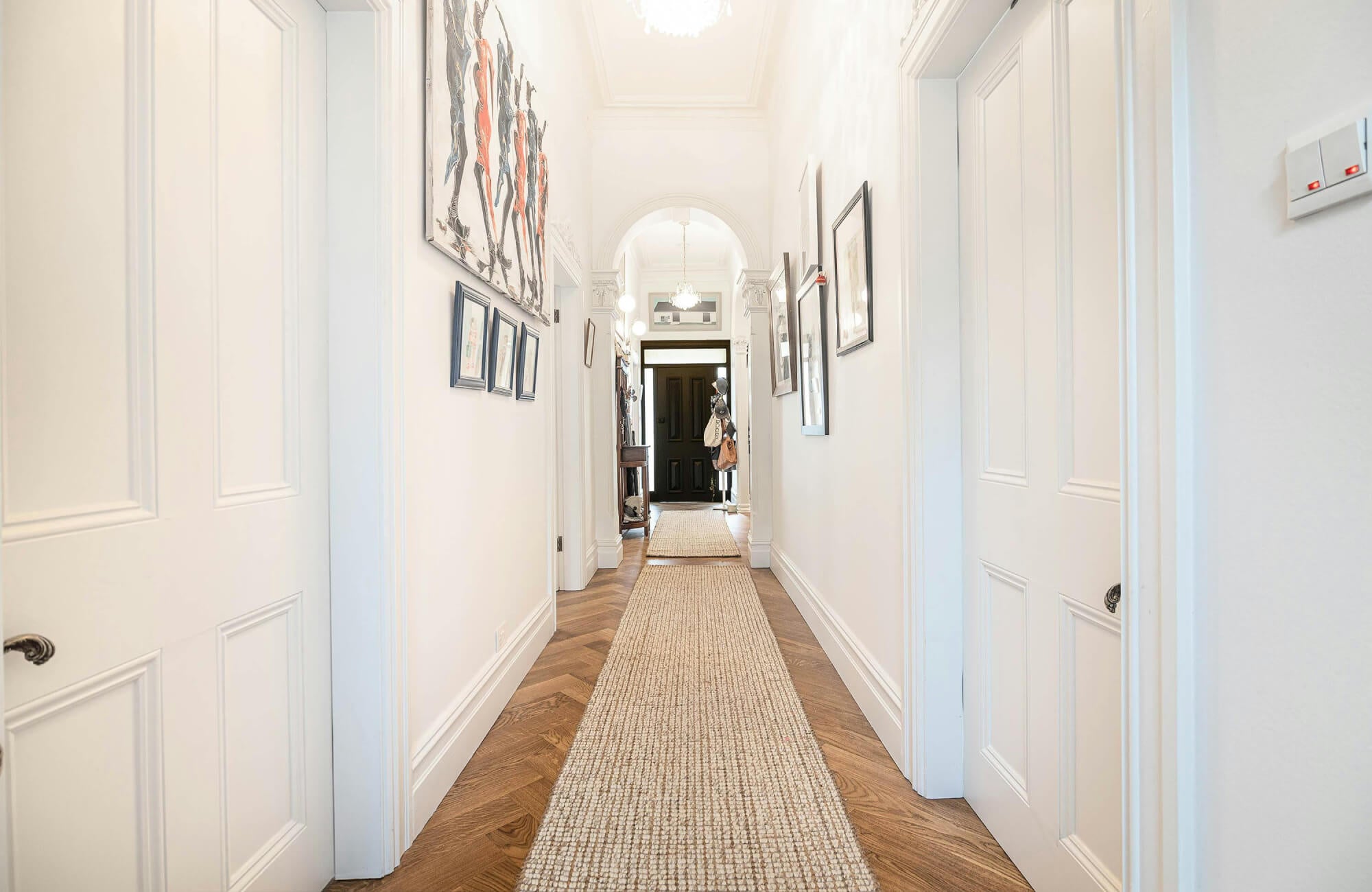
In compact spaces such as apartments or narrow entrances, a 2’x3’ rug or a slim runner is typically the most practical choice. Positioned just inside the door, it provides enough surface to capture dirt and moisture without overwhelming the area. When placed thoughtfully, a runner can highlight the length of a hallway, giving the entryway a clear sense of direction. This approach also makes the space feel more intentional, even when square footage is limited, and ensures the rug complements rather than competes with the layout.
Medium-Sized Spaces
For foyers of average size, rugs measuring 3’x5’ or 4’x6’ typically provide the right balance of coverage and proportion. As a result, these dimensions make the entryway feel finished without overwhelming the space or appearing undersized. Additionally, leaving several inches of exposed flooring around the edges keeps the rug visually anchored while connecting it to the surrounding architecture. This choice also prevents the rug from resembling wall-to-wall carpeting and instead draws attention to the room’s natural shape.
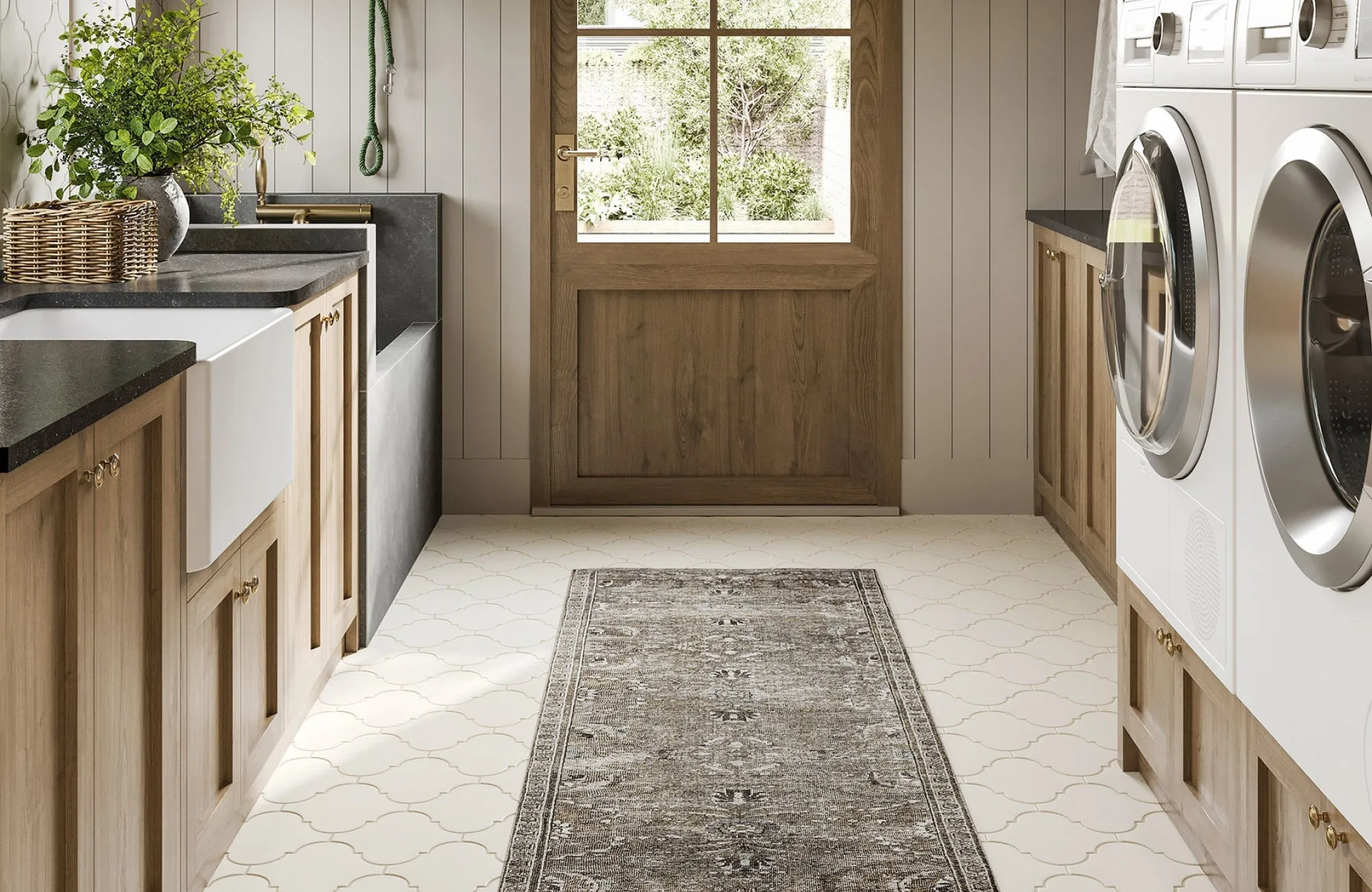
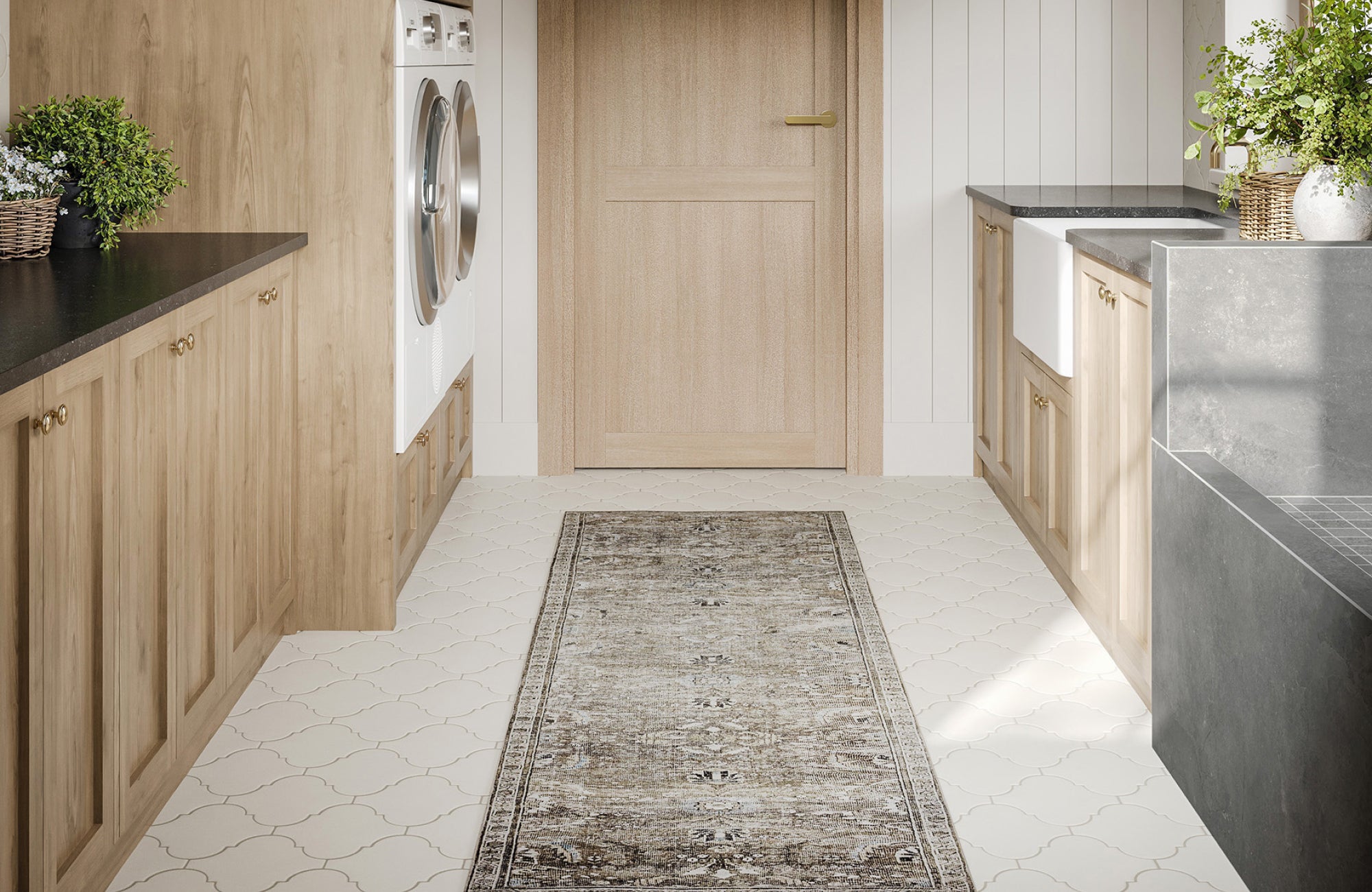
A mid-sized option, such as Edward Martin’s Georgette Polyester Pile Rug in Spice / Indigo, as shown in the photo above, illustrates how thoughtful placement can frame the entryway beautifully while creating a smooth transition into the rest of the home.
Large Foyers
In expansive entryways, there is greater flexibility to work with larger rugs such as 5’x7’ or 6’x9’. These sizes not only define the area but also help connect elements such as a bench, console table, or seating arrangement into a cohesive layout. Round rugs are another effective option in larger spaces, as they soften the scale and draw the eye toward the center of the room. By grounding the entry in this way, the rug ensures the space feels welcoming rather than empty. Additionally, a well-proportioned rug in a large foyer allows decorative accents and architectural features to stand out more naturally.
Proportion and Scale in Rug Selection
Knowing the typical rug sizes is only the starting point. The key is to choose a rug that feels proportionate to your entryway, since what truly matters is how it relates to the room’s overall dimensions, not just its size.
Matching Rug Size to Entry Dimensions
A good first step is to measure your entryway carefully before making a choice. A rug that leaves a consistent border of visible flooring around its edges generally looks balanced and intentional. When a rug stretches right up against walls or moldings, it can feel more like carpeting than a separate design element.
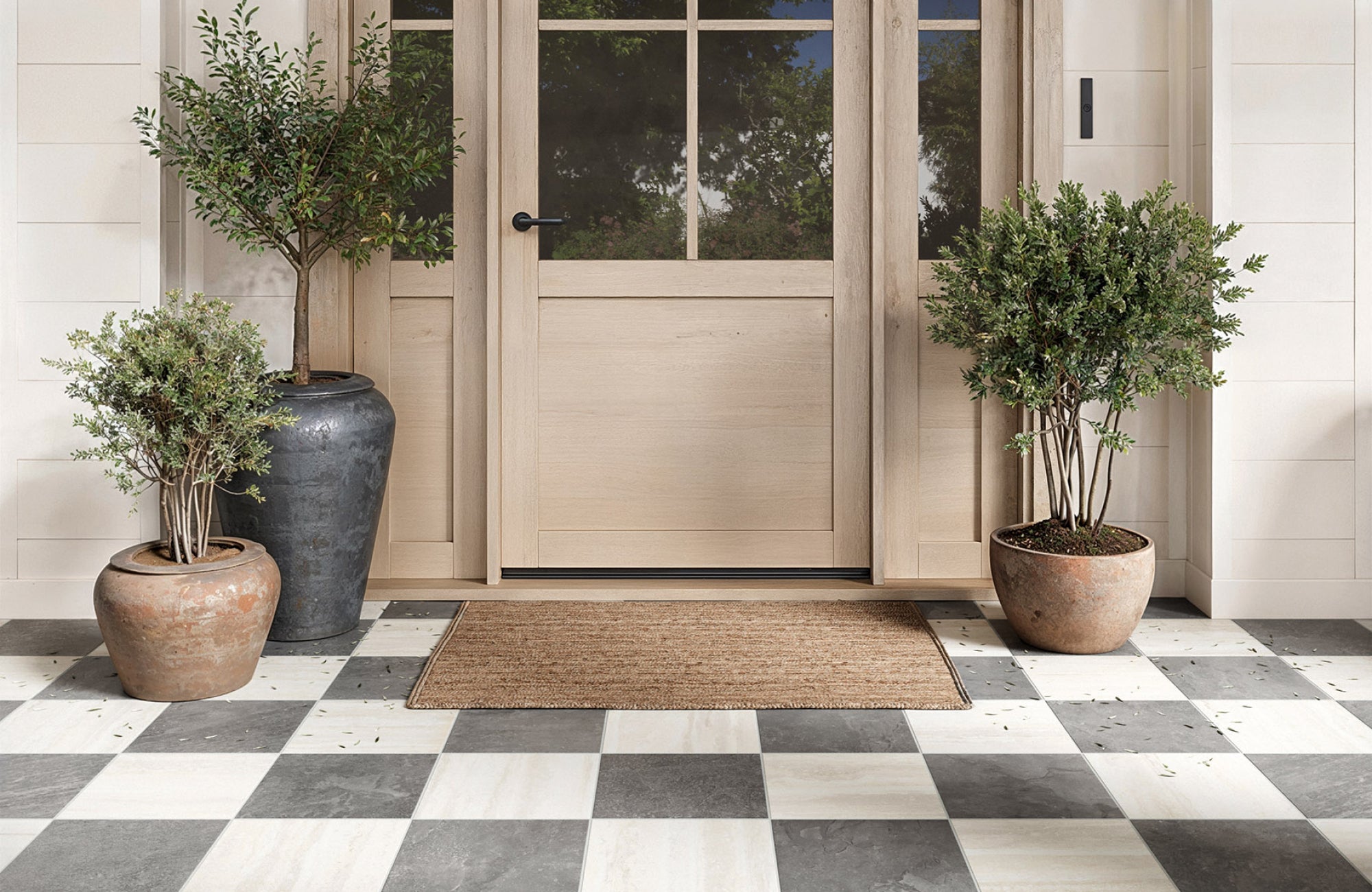
On the other hand, when a rug sits too far from the walls and leaves wide stretches of bare floor, it can look undersized and out of place. A piece like Edward Martin’s Hutchinson Polyester Face Rug in Graphite / Olive, as featured in the photo above, illustrates how the right dimensions and placement can achieve a layout that feels both functional and cohesive.
Ceiling Height and Rug Perception
Another detail that can influence rug size is the ceiling height, a factor often overlooked but surprisingly important. In entryways with tall ceilings, smaller rugs tend to look even smaller, leaving the area feeling incomplete. Choosing a larger rug in these spaces provides better grounding and balances the room’s height with adequate floor coverage. In contrast, lower ceilings require more modest rug sizes, which maintain a comfortable proportion and prevent the space from feeling crowded. Considering vertical scale along with floor measurements further helps the entryway feel more balanced and cohesive.
Relationship to Furniture and Doors
Rug size should also work in harmony with the furniture and fixtures in your entryway. A bench or console, for example, looks more integrated when at least its front legs rest on the rug. This creates a sense of unity between the furniture and flooring rather than making them feel separate. It’s equally important to account for how doors will open and close; a rug that catches or bunches each time the door swings quickly becomes a frustration. Ensuring there is enough clearance allows the rug to remain practical while still enhancing the design of the space. Together, these small considerations can further make the entryway feel polished and thoughtfully arranged.
Design Styles That Influence Rug Size Choices
The style of your home plays a significant role in determining the best rug size. A rug is never just a standalone piece; it should complement the overall look and feel of your entryway.
Minimalist Entryways
Minimalist spaces often work best with smaller rugs that help the area stay open and uncluttered. A 2’x3’ rug in a simple design provides enough definition without taking away from the calmness of the style. Neutral tones or subtle textures are equally effective, as they mark out the entry without overwhelming it. In this way, the rug complements the minimalist aesthetic by adding function and clarity while allowing the space to remain light and understated.
Traditional or Formal Homes
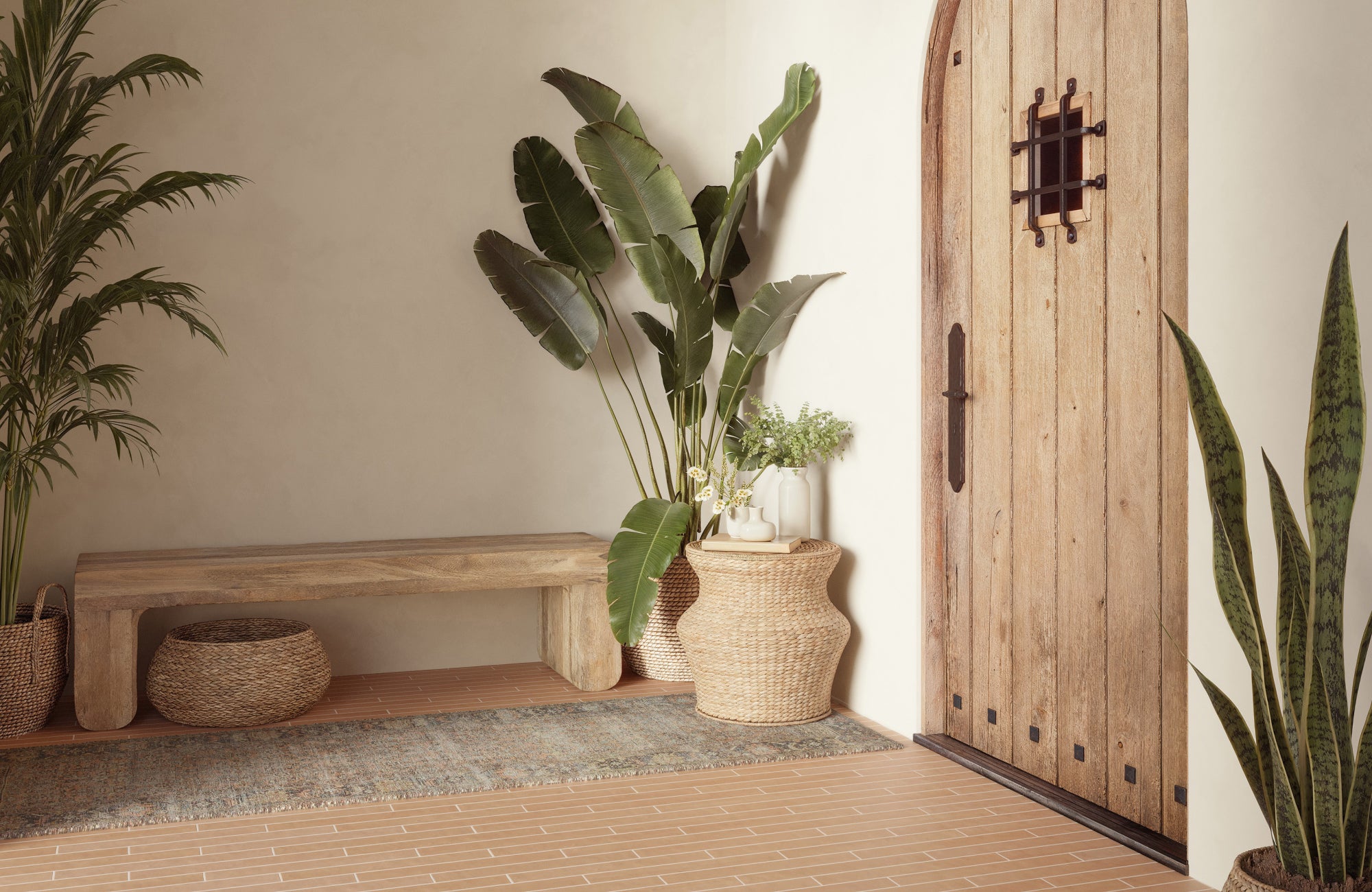
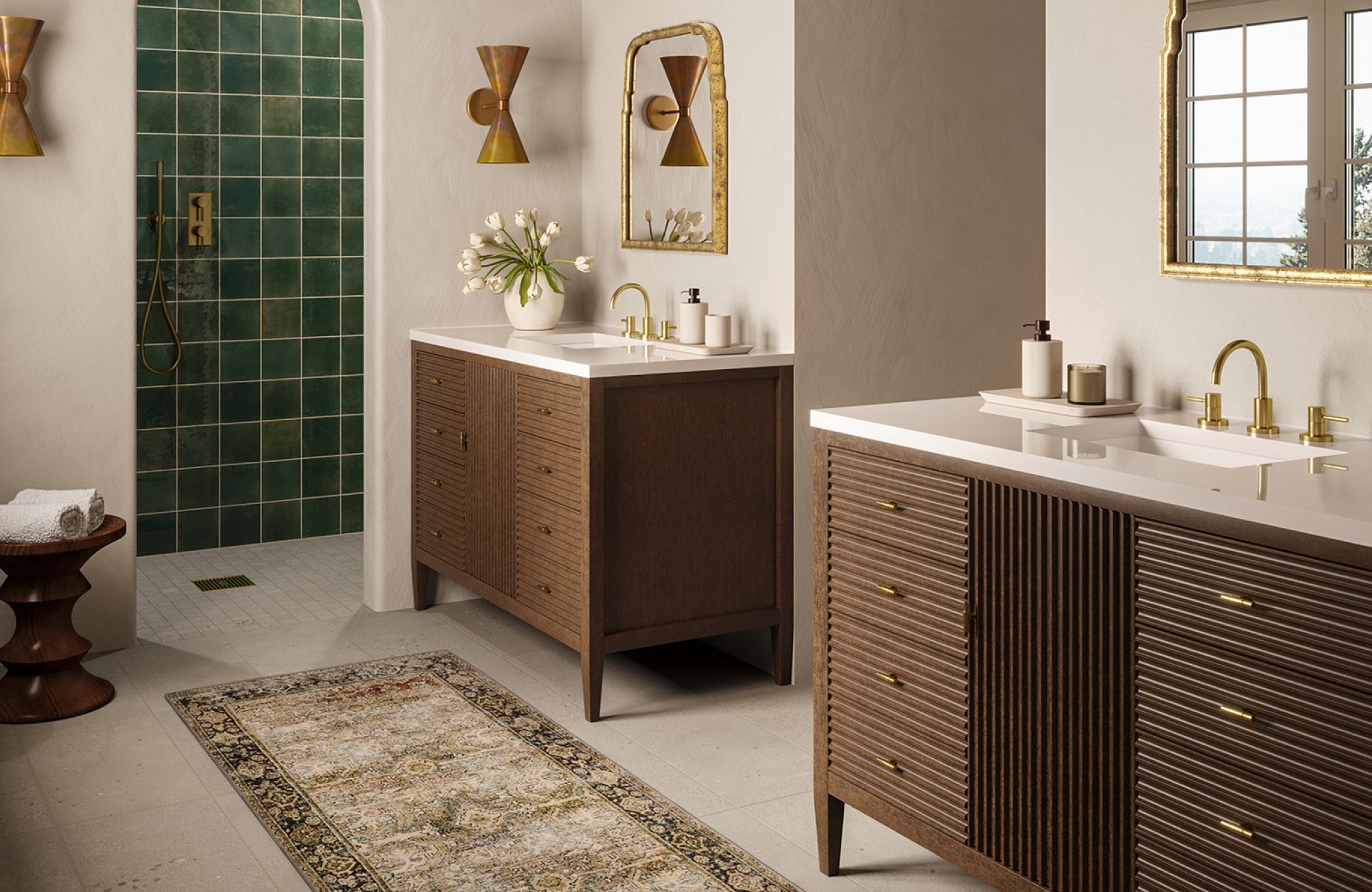
In more classic settings, larger rugs often make the entryway feel complete and grounded. A 5’x7’ or 6’x9’ rug with rich patterns can fill out a formal foyer, emphasizing symmetry and anchoring statement furniture like a console table or chandelier. Intricate borders or traditional motifs further enhance the sense of refinement, making the entryway feel welcoming yet elegant. A piece like Edward Martin’s Hutchinson Polyester Face Rug in Sage / Graphite, as shown in the photo above, demonstrates how a richly detailed rug can polish the space while reinforcing the timeless character of a traditional home.
Modern and Eclectic Spaces
Modern and eclectic interiors naturally encourage creativity, and that freedom extends to rug size and shape. Round rugs, oversized runners, or layered combinations can add personality to the entryway while showcasing bold design choices. Using bright colors or unexpected patterns can further transform the rug into a true centerpiece, giving the space an energy that reflects the character of the home. These approaches are especially effective when the goal is to create a striking focal point that sets the tone for the rest of the interior.
Practical Considerations Beyond Aesthetics
A rug can look beautiful, but it also needs to perform well in daily use. This is why it’s equally important to consider function as carefully as style when deciding on the right size.
Weather and Climate Impact
In regions with heavy rain or snow, a larger rug, such as a 4’x6’ or 5’x7’, offers more space to step onto before entering the home, helping trap water and mud at the door. This added coverage keeps the mess contained and minimizes what gets tracked inside. In contrast, in warmer or drier climates, smaller rugs, such as 2’x3’ or 3’x5’, are usually sufficient because they’re less likely to become saturated.
In addition, materials play a vital role when selecting an entryway rug. Polypropylene, for instance, is easy to maintain, highly durable, and affordable. With bold, fade-resistant colors and natural resistance to UV, mildew, and stains, it works especially well for indoor/outdoor use where weather can take a toll. Edward Martin’s Broderick Polypropylene Pile Rug in Lake / Bone is a good example of how this material combines style with resilience, making it a practical choice for entryways exposed to varying climates. By weighing both the weather and the rug size, you can find an option that feels functional, comfortable, and well-suited to your home.
Maintenance and Cleaning
Another factor to consider is how manageable the rug will be over time. Larger rugs, such as 5’x7’ or 6’x9’, often require more effort to vacuum, lift, or deep clean. Smaller rugs, like 2’x3’, are much easier to shake out or even machine wash if the material allows. Mid-sized rugs, such as 3’x5’ or 4’x6’, usually fall in between, needing consistent vacuuming and occasional deeper cleaning to stay fresh. Understanding the maintenance alongside appearance helps you choose a rug size that not only looks good but also fits smoothly into your household routine, ensuring it remains both attractive and practical for years to come.
Safety and Stability
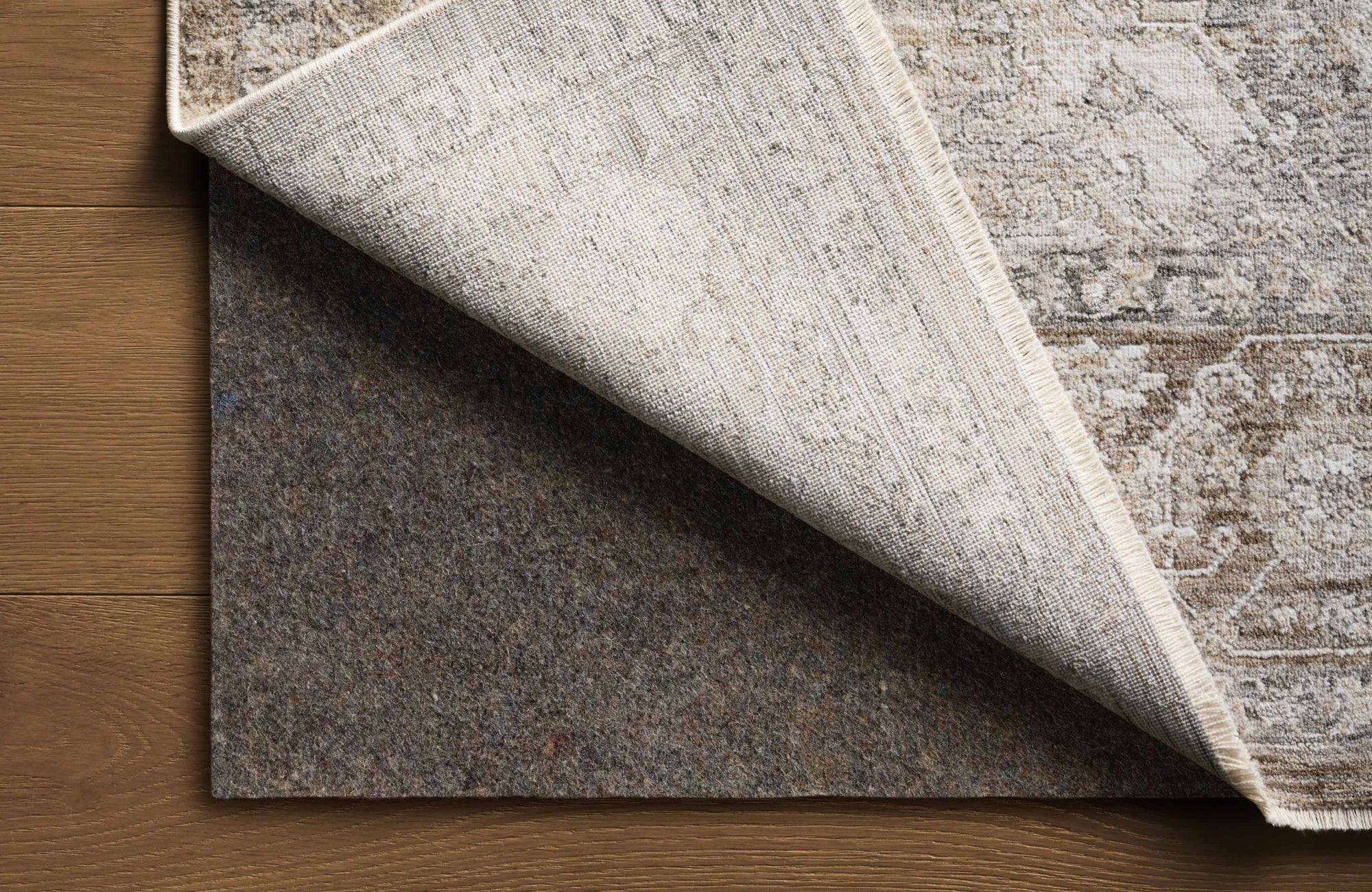
Safety is an equally important factor when choosing the right rug size for an entryway. Rugs should always be paired with non-slip pads, which prevent shifting while adding a bit of cushioning underfoot. Larger rugs, such as 5’x7’ or 6’x9’, tend to stay in place because of their weight, while smaller rugs like 2’x3’ are more likely to slide or curl without proper backing.
Power-loomed rugs can also be a practical choice here, as their coarse latex backing naturally helps them stay in place. A good example is Edward Martin’s Haverford Polyester Pile Rug in Ecru / Mist, as pictured above. Its construction offers both style and stability, making it well-suited for busy entryways. By keeping stability in mind, you can make the entryway safer and more comfortable, particularly in homes with children, pets, or frequent guests.
Custom and Layered Rug Approaches
Standard rug sizes don’t always work for every entryway, especially in spaces with unusual layouts. In these situations, custom sizing or layering rugs can also provide the flexibility needed to achieve the right fit and look.
Custom Sizing Options
Some entryways have layouts that make standard rug sizes less effective. A custom rug allows you to fit irregular areas such as angled walls, circular foyers, or unusually wide entrances with ease. By tailoring the dimensions, you can avoid awkward gaps and create a rug that feels intentionally designed for the space. Custom sizing also gives you the freedom to decide exactly how much floor you want to leave exposed, which can enhance the room’s proportions. This approach further ensures both functionality and a polished look that aligns with the architecture of your home.
Layering Rugs for Dimension
When a single rug doesn’t feel like enough, layering can be another effective solution. Placing a large neutral base rug beneath a patterned runner or accent piece not only expands coverage but also adds visual depth. Additionally, this approach offers versatility, because the top rug can be swapped seasonally or updated to refresh the look without replacing the base. Aside from style, layering adds extra cushioning and durability in entryways that see frequent use. It’s a simple way to combine flexibility with design interest while keeping the space cohesive and well-grounded.
Combining Shapes Creatively
Another way to make an entryway unique is by combining different rug shapes. Pairing a round rug with a rectangular runner, for example, can bring character and highlight the architecture of the space. This also works well in eclectic homes, where mixing forms feels natural and expressive. The key is maintaining balance so the arrangement feels cohesive rather than cluttered. By selecting sizes and shapes that complement one another, you can also create a layout that feels both dynamic and balanced, making the entry a striking introduction to your home.
Finding the Ideal Rug Size for Your Entryway
The ideal rug size for an entryway should feel proportionate to the space, allow for comfortable movement, and suit the style of your home. For small areas, a 2’x3’ or slim runner is often the best fit, while medium entryways typically work well with 3’x5’ or 4’x6’ rugs. Larger foyers can accommodate 5’x7’, 6’x9’, or even round rugs that anchor the space. By balancing dimensions with design preferences and practical needs, you can choose a rug that not only protects your floors but also sets the right tone from the moment someone walks through the door.
If you’re still unsure which size or style will work best in your home, our team is here to help. Contact us to explore our design services, and we’ll help you find a rug that suits your entryway and complements your lifestyle!
Follow us on Instagram
@EDWARD.MARTIN
)
)
)
)
)
)
)
)
)
)
)
)
)
)
)
)