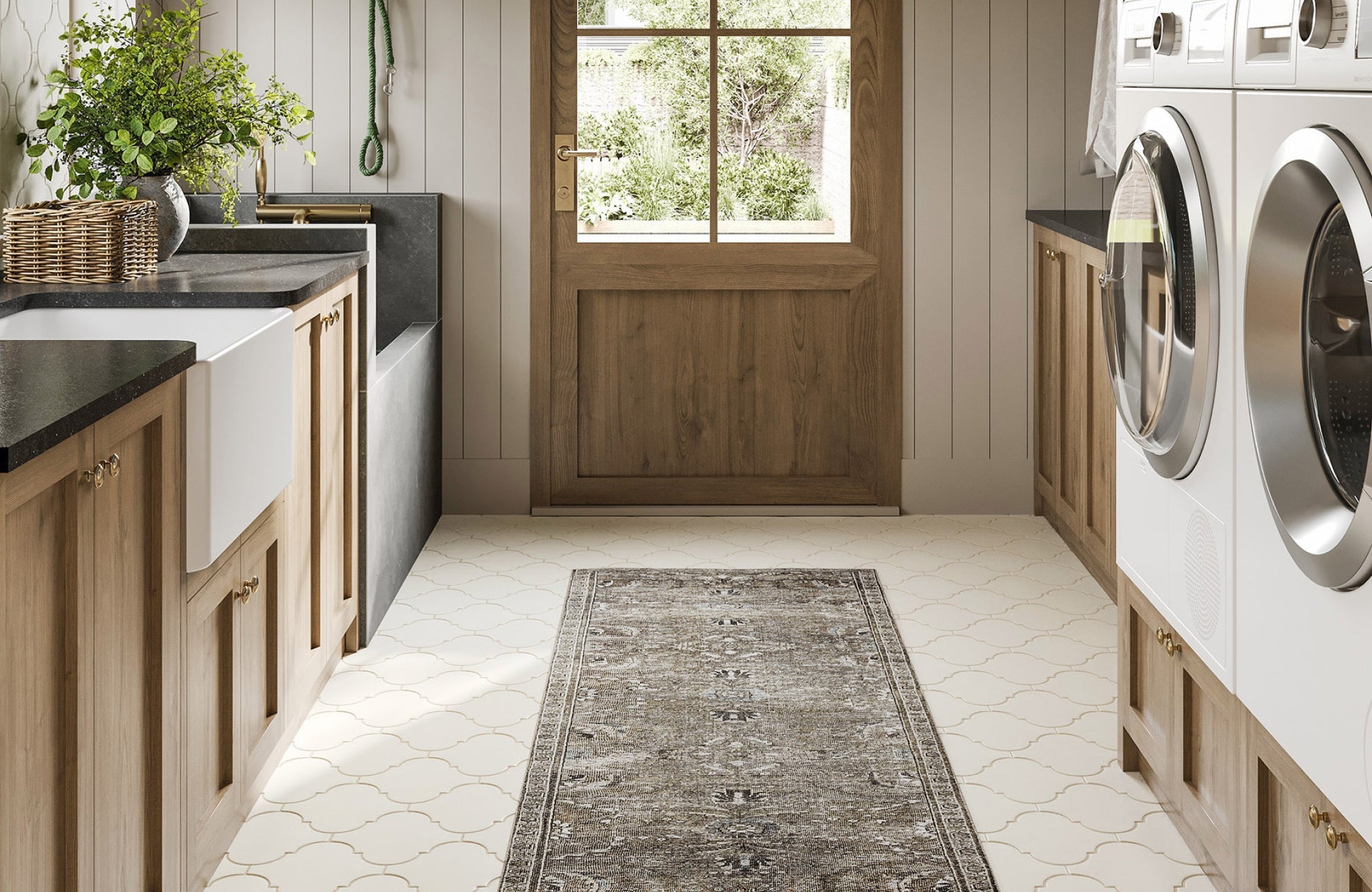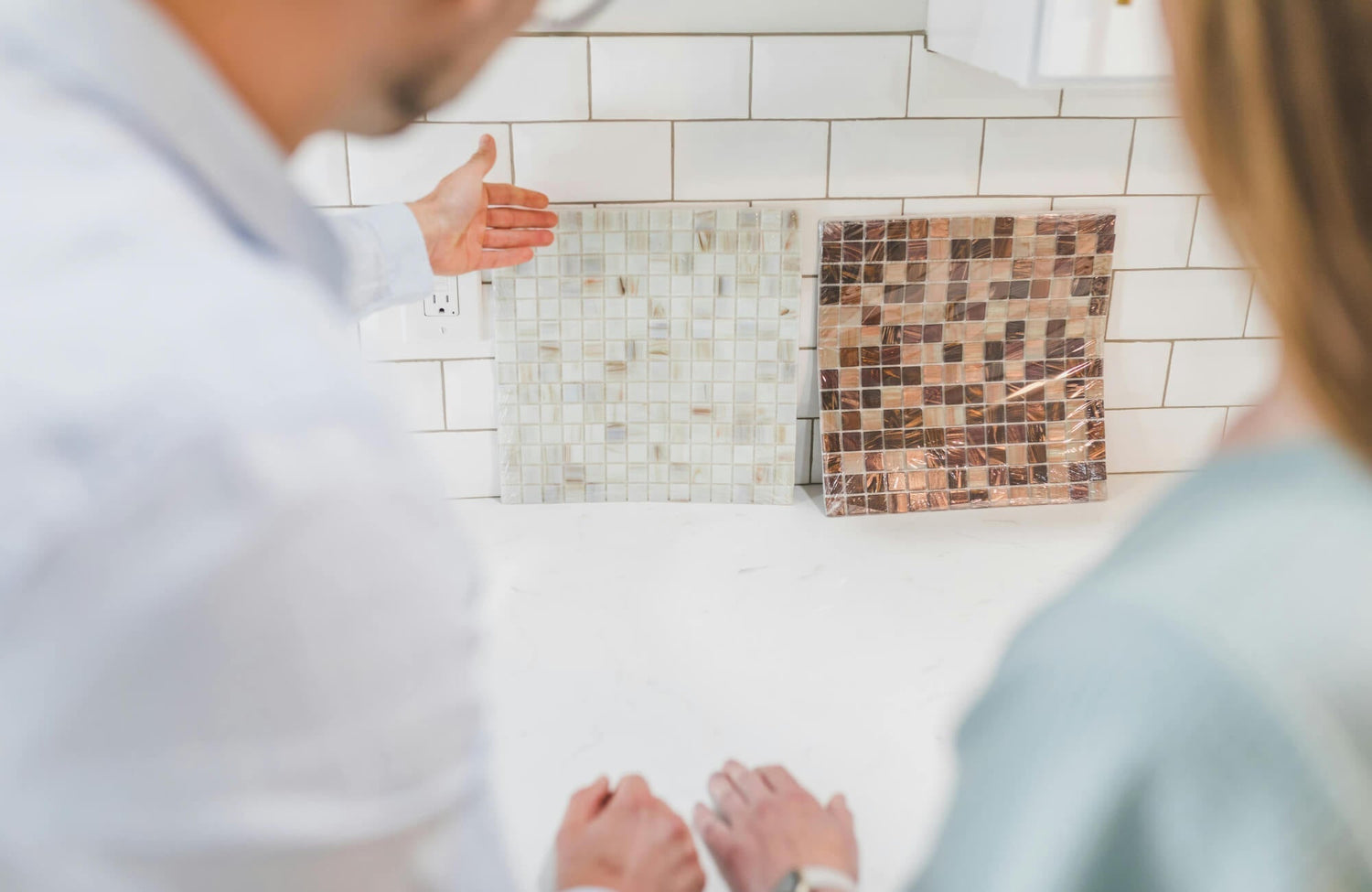
Mosaic tiles have been admired for centuries for their ability to bring color, texture, and artistry into a space. Today, they remain a favorite choice for homeowners and designers who want surfaces that are both functional and visually striking. But with so many options, glass, porcelain, ceramic, stone, and even metal, it can be challenging to know which material is the best fit. In this guide, we’ll break down the most popular mosaic tile materials and help you decide which one aligns with your project goals.

What Are Mosaic Tiles?
Mosaic tiles are small pieces of glass, porcelain, ceramic, stone, or metal that come together to form decorative surfaces or patterns. Their use dates back thousands of years to ancient Greece, Rome, and Mesopotamia, where they were prized for their beauty and durability. Over time, mosaics evolved from intricate artworks in palaces and temples to versatile design elements used in modern homes and commercial spaces. Today, they remain a timeless way to add texture, color, and artistry to walls, floors, and accents.
While all mosaics share the same concept, the material they are made from has a significant influence on how they perform. Glass mosaics, for example, shine with vibrant color but require careful placement, while porcelain mosaics excel in durability and water resistance. Stone mosaics provide a natural, earthy aesthetic but may need extra care compared to other options. This makes material choice a critical step in ensuring the tile works well both visually and functionally in your space.
By understanding the foundation of what mosaics are and why their materials matter, homeowners and designers can make more confident decisions. Choosing a tile is not just about the pattern or color—it’s about matching the material to the environment it will be used in. A shower floor, pool area, or backsplash, such as our Ariel 12x12 Glossy Porcelain Penny Round Mosaic Tile in Dusty Blue above each, comes with unique demands that the right mosaic material can meet. With this knowledge, you can approach your project with clarity, knowing your selection balances beauty with long-term practicality.

Popular Mosaic Tile Materials
Mosaic tiles come in a range of materials, each with its own character and performance qualities. From glass to stone, understanding their strengths and limitations helps narrow down the best choice for your project.
Glass Mosaic Tiles
Glass mosaic tiles are known for their vivid colors and reflective surfaces, which create depth and brightness in a design. They offer excellent water resistance and retain their shine over time, making them visually striking in many settings. However, glass can be more prone to scratches and may highlight imperfections behind the tile if not installed carefully. Their sleek, modern aesthetic makes them a favorite for adding a bold touch to decorative spaces.
Ceramic Mosaic Tiles
Ceramic mosaics, such as our Bryce 2x5 Satin Ceramic Picket Mosaic in Sand, for example, are one of the most accessible options, valued for their affordability and wide variety of colors and finishes. They’re easy to work with and adapt well to both traditional and contemporary design schemes. On the downside, ceramic is less dense than porcelain and can chip or crack under heavy wear. Still, their versatility and cost-effectiveness make ceramic mosaics a reliable choice for many interior projects.
Porcelain Mosaic Tiles
Porcelain mosaic tiles, such as our Leona 3x3 Matte Porcelain Hexagon Mosaic Tile in Calacatta, are celebrated for their strength, density, and low porosity, giving them exceptional durability. They resist water absorption, staining, and wear, making them one of the most dependable materials available. While often more expensive than ceramic, their longevity and performance justify the investment. Porcelain mosaics balance practicality with style, offering a wide range of finishes that replicate stone, wood, or even concrete looks.
Stone Mosaic Tiles
Stone mosaics, such as marble, travertine, and slate, bring a natural, timeless appeal that adds richness to any design. Each piece is unique, with organic veining and textures that create depth and character. However, natural stone typically requires sealing and regular maintenance to protect against stains and moisture. Their beauty and individuality make them a luxurious option, though they come with more upkeep compared to manufactured materials.
Metal Mosaic Tiles
Metal mosaic tiles provide a contemporary, industrial edge with finishes ranging from brushed aluminum to stainless steel and copper. They stand out as bold design features, often used to create sleek, modern accents. While durable, they can show scratches or dents over time and may not suit every aesthetic. When used thoughtfully, metal mosaics offer a striking way to introduce texture and shine into a project.

Where to Use Each Mosaic Material
Different areas of the home or outdoors demand different mosaic materials, and choosing wisely ensures lasting performance and the right aesthetic. Here’s how each option works best in specific applications.
Bathrooms and Showers
In bathrooms and showers, porcelain mosaics are one of the most dependable options because of their water resistance and long-term strength. They hold up well to daily exposure to steam, splashes, and cleaning products without losing their finish. Glass mosaics are also popular, adding a spa-like quality that reflects light and makes compact spaces feel more open. Together, these materials combine practical function with the opportunity to elevate the overall design. Choosing either porcelain or glass ensures that bathroom and shower surfaces remain both stylish and reliable.
Kitchens and Backsplashes
Ceramic and glass mosaics are ideal for kitchens and backsplashes, where visual appeal and easy upkeep are equally important. Ceramic mosaics provide a durable, budget-friendly solution that resists heat and everyday spills. Glass mosaics, on the other hand, bring bold color and reflective depth that can brighten up cooking and dining areas. Both options make cleanup simple, requiring only a quick wipe to remove splashes or grease. These qualities make ceramic and glass mosaics practical yet stylish choices for busy kitchen environments.
As seen above, a great example is our Blair 3x3 Matte Porcelain Hexagon Mosaic Tile in White Carrara. While ceramic and glass are popular choices for backsplashes, porcelain mosaics like this one also work beautifully, offering subtle veining, timeless design, and reliable durability in busy kitchen settings.
Pools and Outdoor Areas
Pools and outdoor areas benefit from the durability and water resistance of glass and porcelain mosaics. Glass mosaics retain their brilliant color even under direct sunlight, giving pools a vibrant and luxurious look. Porcelain mosaics add unmatched toughness, standing up to weather shifts, moisture, and outdoor wear. Together, they offer a reliable combination that keeps exteriors beautiful and functional year after year. Choosing these materials ensures outdoor spaces maintain both safety and design impact.
Feature Walls and Accents
Stone and metal mosaics are best reserved for feature walls and accent installations where their bold aesthetics truly shine. Natural stone mosaics introduce unique veining and textures that bring depth and elegance to a room. Metal mosaics, with their sleek finishes, add a modern, industrial edge that captures attention. These materials may need more careful upkeep, but their visual payoff makes them worthwhile. When used strategically, stone and metal mosaics turn plain walls into standout design features.

Factors to Consider When Choosing
Selecting the best mosaic tile material isn’t just about appearance; it also comes down to how it performs in everyday life. By weighing practical factors like durability, upkeep, cost, and style, you can make a choice that feels right both now and years from now.
Durability and Longevity
Durability plays a big role in how well your mosaic tiles stand the test of time. Porcelain mosaics, for example, are dense and long-lasting, while glass or ceramic may be slightly less robust. Natural stone has its own charm, but it can be more vulnerable if not sealed regularly. Thinking about how much wear and tear your space will see helps guide this decision. A durable material ensures your investment continues to look polished and perform well as time goes on.
Maintenance Requirements
Maintenance is another factor that can make daily life easier or more demanding, depending on your choice. Some mosaics, like porcelain or glass, are easy to clean with a simple wipe or rinse. Natural stone, on the other hand, often needs sealing and more attentive care to preserve its beauty. It’s important to think about how much time you want to spend on upkeep, too, especially in busy households. Picking a material that matches your lifestyle keeps your design both attractive and manageable.
Budget and Cost
Your budget will naturally influence which mosaic material feels realistic for your project. Ceramic mosaics are usually the most affordable, offering a wide variety of styles without stretching your wallet. Porcelain and glass tend to cost more, but their performance and longevity can make the investment worthwhile. Stone and metal often sit at the higher end, appealing to those looking for luxury or standout features. Considering long-term value as well as upfront cost helps ensure your money is well spent.
Aesthetic Goals
Finally, it’s worth focusing on the look and feel you want to create. Glass mosaics bring bold color and shine, stone delivers natural warmth, and metal adds a sleek, modern edge. Porcelain and ceramic offer versatile designs that can mimic other materials, too, giving you a wide range of options. For instance, a space that leans rustic may benefit from earthy stone, while a contemporary kitchen might call for glossy glass or metal. Matching your material to your overall design vision ensures your project feels cohesive and intentional.

Mixing Materials for Unique Designs
Sometimes the best mosaic designs come from blending materials instead of sticking with just one. Combining textures, colors, and finishes can create depth and character, allowing you to design a space that feels truly custom.
Combining Glass and Stone
Pairing glass with stone mosaics brings together the brilliance of reflective surfaces and the warmth of natural textures. The glass adds vibrancy and sparkle, while the stone grounds the design with an earthy, timeless feel. This mix works beautifully when you want contrast that feels balanced rather than overwhelming. For example, a wall featuring both materials can highlight luxury without losing a sense of natural charm. Blending these two creates a look that feels layered and dynamic, while still cohesive.
Pairing Porcelain and Metal
Porcelain and metal mosaics may seem like opposites, but together they can create striking results. Porcelain provides strength and a versatile base, while metal accents add modern edge and shine. This combination works well in spaces where durability is essential but a bold statement is also desired. For instance, porcelain tiles with metallic inserts can turn a simple layout into something more dramatic. The pairing balances function with flair, giving designs a unique and contemporary personality.
Using Multiple Finishes in One Space
Mixing finishes such as matte, glossy, or textured within the same material is another creative way to elevate a mosaic design. Glossy tiles reflect light, while matte or textured options provide depth and softness, creating subtle contrast. When combined, they make surfaces more engaging without needing multiple materials. For example, alternating glossy and matte tiles in the same color can create a sophisticated yet understated effect. This approach allows you to play with light and texture, resulting in designs that feel both simple and refined.
Finding the Best Fit
Choosing the best mosaic tile material ultimately comes down to balancing style with practicality. Each option, whether glass, porcelain, ceramic, stone, or metal, brings its own character, performance strengths, and maintenance needs. By considering where the tile will be installed and how you want the space to feel, you can select a material that not only looks beautiful but also lasts for years. The right choice ensures your design feels intentional, cohesive, and well-suited to your everyday lifestyle.
If you’re still weighing your options, scheduling a design consultation can be the easiest way to move forward with confidence. Our experts can guide you through different materials, finishes, and patterns, making recommendations tailored to your space and vision. With professional insight, you’ll save time, avoid common mistakes, and ensure your project delivers the perfect blend of performance and style.