Wallpaper has re-emerged as one of the most powerful tools in interior design, offering a level of texture, depth, and personality that paint alone simply cannot achieve. From hand-painted murals to intricately embossed finishes, today’s premium wallpaper options allow homeowners to transform ordinary walls into curated design statements. When thoughtfully selected and placed, wallpaper elevates a room’s atmosphere, enhances architectural features, and reinforces a cohesive design narrative throughout the home.
However, not every space benefits equally from wallpaper. Understanding where it performs best is key to maximizing both its visual impact and long-term durability. For those investing in high-end interiors, whether through bespoke furniture, designer lighting, or artisan tiles, choosing the right rooms for wallpaper ensures that each surface contributes meaningfully to the overall aesthetic. The following guide explores the most effective spaces to showcase wallpaper, along with expert insights on how to use it with intention and sophistication.

The Powder Room A Canvas For High Drama
Among all rooms in the home, the powder room offers the most creative freedom. Its smaller footprint and limited functional constraints make it an ideal setting for bold design experimentation. Wallpaper in this space can embrace dramatic patterns, rich color palettes, and luxurious finishes that might feel overwhelming elsewhere.
Maximizing Impact In Windowless Spaces
Powder rooms are often windowless, which paradoxically enhances their suitability for wallpaper. Without natural light to dilute the effect, patterns appear richer and more immersive. Dark florals, metallic accents, and high-contrast geometric prints can envelop the room, creating a jewel-box effect that feels intentional and indulgent. Strategic lighting, such as sconces or backlit mirrors, further amplifies the wallpaper’s texture and sheen, allowing it to interact dynamically with the space.
This controlled environment also allows for greater consistency in appearance throughout the day. Unlike sunlit rooms where wallpaper may shift in tone depending on lighting conditions, a powder room maintains a steady ambiance, ensuring that the design vision remains intact at all times.
Justifying The Cost Of Premium Materials
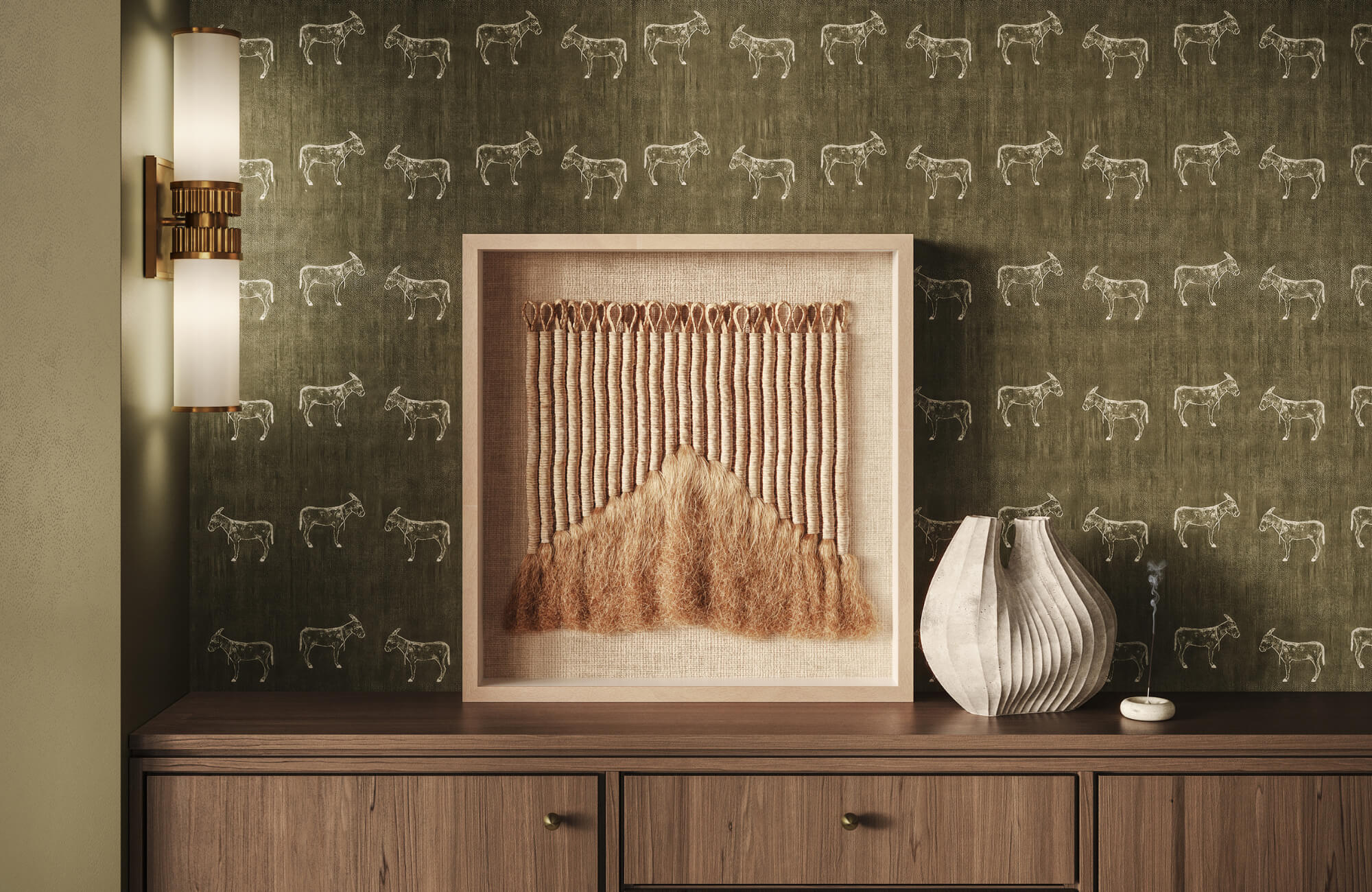
Because powder rooms require relatively little material, they present an opportunity to invest in higher-end wallpaper without exceeding budget. Handcrafted designs, silk-backed papers, or custom prints become far more accessible in these compact spaces, as seen with Edward Martin’s Franklin Wallpaper in Olive, 52" x 132" in the image above, where subtle patterning and rich tone create a refined, layered effect. The result is a high-impact, luxury experience that feels curated rather than excessive.
For those seeking to incorporate premium finishes into their interiors, the powder room serves as an ideal introduction. It becomes a conversation piece, offering guests a memorable encounter with design while reflecting the homeowner’s attention to detail.

The Formal Dining Room Setting A Luxurious Mood
The dining room is inherently tied to experience and atmosphere. It is a space where lighting, textures, and materials converge to create a setting that feels both intimate and refined. Wallpaper is central to shaping this ambiance, providing a backdrop that enhances the sensory experience of dining.
Wrapping The Room In Panoramic Murals
Large-scale murals are particularly effective in dining rooms, where uninterrupted wall space allows the design to unfold fully. Scenic landscapes, abstract compositions, or architectural motifs can wrap the room, creating a sense of depth and continuity. This immersive approach transforms the dining area into more than just a place to eat; it becomes an environment that invites conversation and engagement.
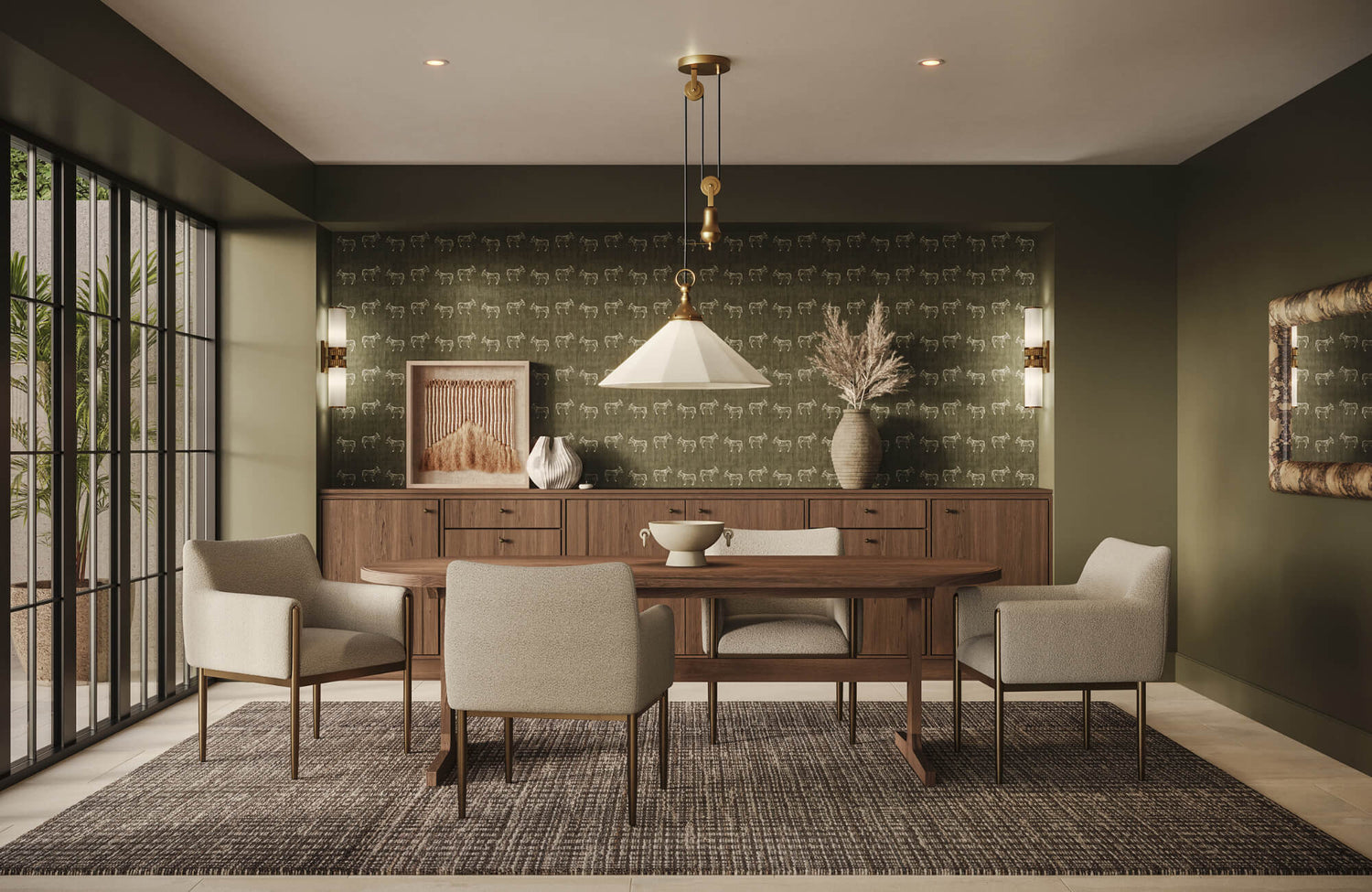
When paired with statement lighting fixtures and carefully selected furniture, mural wallpaper establishes a cohesive design language. The room feels curated rather than decorated, with each element contributing to a unified aesthetic.
Elevating Above The Wainscoting
For those who prefer a more classic approach, wallpaper above wainscoting offers a balanced blend of tradition and modernity. The lower portion of the wall, often finished in wood paneling or painted surfaces, provides durability and structure, while the wallpaper introduces pattern and softness above, much like Edward Martin’s Windsor Wallpaper in Olive I, 52" x 132" in the image above, which brings subtle vertical rhythm and depth.
This combination is particularly effective in formal settings, where it enhances architectural detail without overwhelming the space. Subtle damasks, textured linens, or understated metallics can elevate the room while maintaining a sense of restraint. The result is a dining environment that feels timeless, sophisticated, and thoughtfully composed.

The Master Bedroom Creating A Personalized Sanctuary
The master bedroom is perhaps the most personal space in the home, making it an ideal canvas for wallpaper that reflects individual taste and lifestyle. Unlike more public areas, this room allows for a deeper exploration of mood, texture, and color.
Anchoring The Space Behind The Headboard
One of the most effective ways to incorporate wallpaper in the bedroom is by using it as a focal point behind the headboard. This approach anchors the bed within the room, creating a visual hierarchy that feels intentional and balanced. Whether through a bold pattern or a subtle texture, the wallpaper draws attention without overwhelming the space.
This technique also allows for flexibility in design. Homeowners can experiment with more expressive patterns while keeping the surrounding walls neutral, ensuring that the room remains restful and cohesive. When paired with high-quality bedding, upholstered furniture, and layered lighting, the wallpaper enhances the overall sense of comfort and luxury.
Wrapping The Ceiling For A Canopy Effect
For a more immersive experience, extending wallpaper onto the ceiling can create a canopy-like effect that envelops the bed. This approach adds depth and dimension, transforming the bedroom into a cocoon of texture and pattern. Soft, tonal designs work particularly well here, as they maintain a calming atmosphere while introducing visual interest.
The ceiling, often overlooked in design, becomes an integral part of the room’s composition. When executed thoughtfully, it elevates the entire space, reinforcing the bedroom’s role as a sanctuary for rest and relaxation.

The Entryway Making An Unforgettable First Impression
The entryway sets the tone for the entire home. It is the first space guests encounter and the last they see upon leaving, making it a critical area for establishing a strong design identity. Wallpaper in this space can create an immediate sense of intrigue and sophistication.
Setting The Whole Home Color Palette
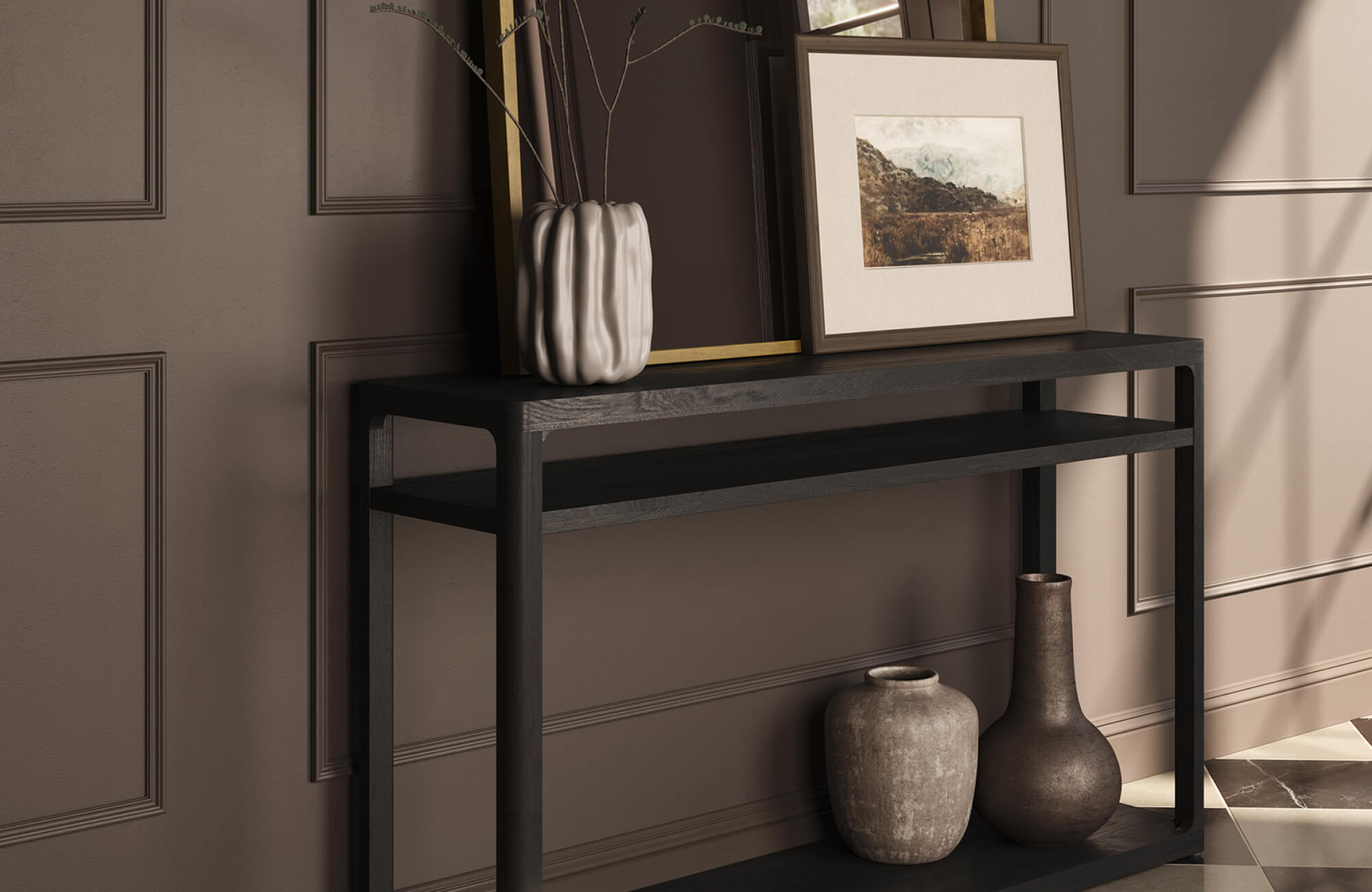
A well-chosen wallpaper in the entryway can serve as a foundation for the home’s overall color palette. By introducing key tones and textures at the entrance, it creates a visual thread that connects different rooms, as demonstrated by Edward Martin’s Downland Wallpaper in Tan II, 52" x 132" in the image above, where soft, nature-inspired motifs establish a warm and cohesive palette.
Patterns that incorporate multiple hues are particularly effective, as they provide flexibility in coordinating with furnishings, rugs, and decor elements in adjacent spaces. The entryway becomes not just a passage, but a statement of design intent.
Utilizing Durable Vinyl For Active Zones
Given its busy nature, the entryway requires materials that can withstand daily wear. Vinyl wallpaper offers an ideal solution, combining durability with aesthetic versatility. Modern vinyl options replicate the look of natural materials while providing resistance to scuffs and stains.
This practicality ensures that the space remains visually appealing over time, even in busy households. When paired with durable flooring and well-crafted furniture, vinyl wallpaper contributes to a cohesive and resilient design.

Rooms To Approach With Caution Kitchens And Full Baths
While wallpaper can enhance many areas of the home, kitchens and full bathrooms present unique challenges. These spaces are characterized by higher levels of moisture, heat, and activity, which can impact the longevity of wallpaper if not carefully managed.
Combating Moisture And Humidity
Humidity is one of the primary concerns when using wallpaper in kitchens and bathrooms. Excess moisture can weaken adhesives and cause materials to warp or peel over time. However, advancements in wallpaper technology have introduced moisture-resistant options that perform better in these environments, as seen with Edward Martin’s Florette Wallpaper in Taupe II, 52" x 132" in the image above, which pairs delicate patterning with practical application.
Proper ventilation is essential in mitigating these risks. High-quality exhaust systems and thoughtful placement can significantly extend the lifespan of wallpaper in these spaces, though results will naturally vary depending on installation quality and overall environmental conditions. Selecting the right materials and ensuring professional installation further enhances durability.
Strategic Placement Away From Splashes
In both kitchens and bathrooms, placement is key. Wallpaper should be positioned away from direct exposure to water, such as behind sinks or near cooking areas. Instead, it can be used on accent walls, upper sections of the room, or areas that remain relatively dry.
This strategic approach allows you to enjoy the aesthetic benefits of wallpaper without compromising functionality. When combined with durable surfaces like tile or stone in high-contact areas, it creates a balanced and practical design.
Choosing The Perfect Space For Your Statement
Wallpaper is more than a decorative element; it is a design statement that defines a room’s character and elevates the overall aesthetic of a home. By selecting the right spaces, such as powder rooms, dining areas, bedrooms, and entryways, homeowners can maximize its impact while ensuring long-term performance. Each room presents an opportunity to introduce texture, pattern, and depth in a way that enhances surrounding materials and creates a cohesive design narrative.
Ultimately, successful wallpaper integration comes down to intention and thoughtful execution. When applied with care, it transforms everyday spaces into refined expressions of style and comfort. For those seeking a more considered approach, Edward Martin’s design consultation services offer expert guidance tailored to your space, helping you achieve a balanced and elevated result. To take the next step, you can contact Edward Martin for personalized support in bringing your vision to life.