



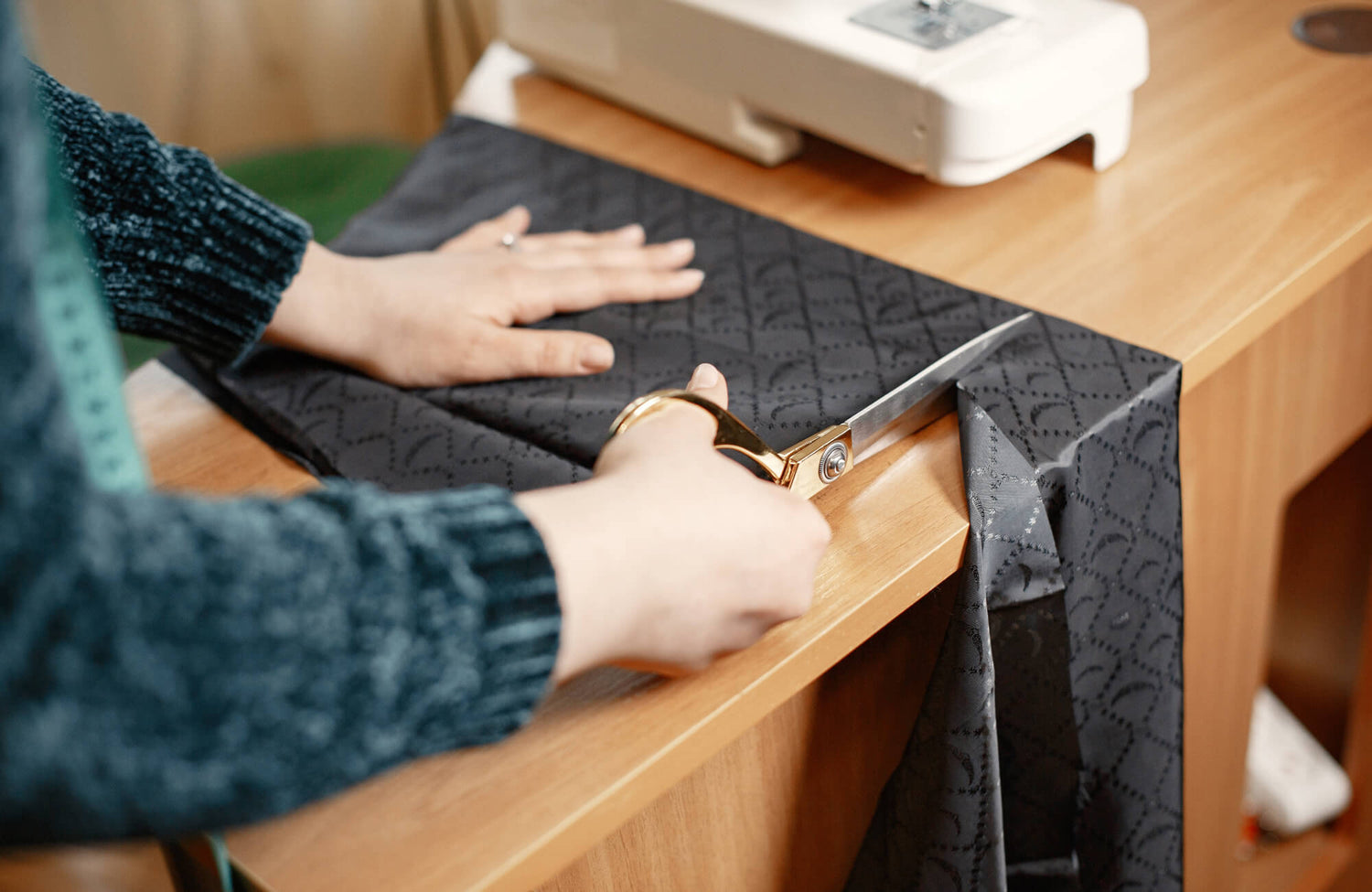
Decorative pillows often look simple, though the quality behind them can make a noticeable difference over time. A pillow that keeps its shape, color, and comfort after months of everyday use usually reflects careful production standards rather than just attractive fabric. Details such as fabric weave, seam construction, fill materials, and dye processes all influence how well a pillow performs in real living spaces. In this blog, we’ll look at the production standards that help ensure decorative pillows stay comfortable, durable, and beautiful for years.

Why Production Quality Matters for Decorative Pillows
When choosing decorative pillows, many homeowners focus first on color, pattern, or texture. While these visual elements certainly shape the look of a room, long-lasting pillows depend just as much on how they are made. Production quality plays a major role in how well a pillow holds its shape, keeps its softness, and continues to look polished over time. Small details in construction can make a noticeable difference once pillows are used daily on sofas, beds, or accent chairs.
Stitching techniques, seam reinforcement, and the type of fill used inside the pillow all contribute to its durability. A pillow that is carefully constructed tends to keep its structure even after repeated use and regular fluffing. This helps prevent sagging corners, uneven filling, or seams that loosen over time. Many homeowners notice that well-made pillows continue to feel comfortable while still maintaining their decorative shape. These construction choices quietly support both appearance and everyday function.
Production standards also influence how well decorative pillows maintain their color and surface quality. Pillows that are made with careful finishing and consistent quality control often resist fading, stretching, and general wear. Over time, this allows them to remain a reliable part of the room rather than something that needs frequent replacement. For homeowners who want décor pieces that last, paying attention to how a pillow is produced can be just as important as the design itself.

Fabric Quality Standards That Affect Pillow Durability
The fabric covering a decorative pillow does more than add color or pattern to a room. It plays a major role in how well the pillow holds up with everyday use. High-quality upholstery fabrics are designed to resist surface wear, maintain their texture, and keep their color looking fresh over time.
Fabric Weave Density and Its Role in Longevity
One of the first things that influences durability is the density of the fabric weave. When fibers are tightly woven together, the surface becomes stronger and less likely to stretch or fray over time. This tighter construction also helps reduce pilling, which can make pillows look worn even when they are relatively new. Many decorative pillows use upholstery-grade fabrics because they are built to handle regular contact and movement. Homeowners often notice that dense weaves maintain their structure even after months of daily use. For decorative pieces that stay on sofas or beds year-round, weave density quietly supports long-term durability.
A pillow like our Brielle 18” x 18” Down Pillow in Natural / Brown, as seen in the picture above, is a beautiful example of how quality fabric construction supports both style and longevity. Its airy linen canvas in soft beige is paired with a brown cotton flange and visible hand-stitched detailing, creating a piece that feels both refined and thoughtfully handcrafted. Because the fabric is made from 100% organic materials and carefully machine-woven, the pillow maintains its structure while still feeling soft and comfortable. The antique bronze zipper concealed along the back further reinforces the clean finish, making it a durable yet elegant accent for living rooms, bedrooms, or reading corners.
Natural vs Synthetic Fibers in Decorative Pillows
The type of fiber used in the fabric also plays a role in how a pillow performs over time. Natural fibers such as cotton and linen offer breathability and a soft, comfortable feel that many homeowners appreciate. Synthetic fibers like polyester or acrylic, on the other hand, are often chosen for their resilience and resistance to fading or stretching. Many modern decorative pillows combine both types of fibers to balance comfort with durability. This blend allows the fabric to feel pleasant while still standing up to everyday use. Choosing the right fiber combination helps pillows maintain both their appearance and their texture.
Abrasion Ratings and Performance Testing
Another factor that affects pillow longevity is how well the fabric resists abrasion. Abrasion testing measures how much friction a fabric can handle before signs of wear appear on the surface. Upholstery fabrics used for decorative pillows are often tested to ensure they can withstand regular contact from sitting, leaning, or repositioning. Higher abrasion ratings typically indicate fabrics that will hold their texture and color for longer periods. While homeowners may not always see these test numbers, they benefit from the added durability built into the fabric. These performance standards help ensure decorative pillows stay attractive even in frequently used living spaces.

Stitching and Construction Techniques That Prevent Wear
While fabric often gets the most attention, the way a decorative pillow is constructed plays just as big a role in how long it lasts. Strong stitching and well-finished seams help pillows keep their shape and prevent small issues from developing over time. When construction details are done carefully, pillows stay comfortable, supportive, and visually polished even with regular use.
Reinforced Seams for Long-Term Structure
Reinforced seams are one of the key elements that help decorative pillows maintain their structure. When seams are carefully stitched and strengthened, they are better able to handle everyday movement and pressure. Pillows on sofas or lounge chairs are frequently adjusted, leaned against, or fluffed, so strong seams help prevent the edges from loosening. Many well-made pillows use double stitching or reinforced corners to support the shape of the insert inside. This added support helps the pillow stay evenly filled rather than sagging along the edges. Over time, these construction details help the pillow remain both comfortable and visually neat.
Hidden Zippers and Clean Edge Finishing
Hidden zippers are another feature that contributes to both durability and appearance. By placing the zipper discreetly along the seam, manufacturers protect the closure while keeping the design clean and uncluttered. Homeowners often appreciate this detail because it allows pillow covers to be removed easily for cleaning or replacement. Clean edge finishing around the zipper also helps prevent the fabric from fraying with repeated use. This keeps the pillow looking tidy even after months of handling and washing. Small details like these quietly support both the function and longevity of decorative pillows.
A pillow like our Marisette 12” x 27” Down Pillow in Black, as seen in the picture above, shows how these details come together in a well-crafted design. Its dark woven surface is brought to life by white looping threads that run in striking lines, creating depth while maintaining a clean, tailored silhouette. The discreet antique bronze zipper along the back blends smoothly into the construction, allowing the pillow cover to remain sleek while still being practical. Because the fabric is crafted from durable polyester, the pillow keeps its shape and rich color through everyday use, making it a dependable accent for sofas, beds, and reading corners.
Piping and Edge Construction That Protects the Pillow Shape
Edge construction, especially piping or welted edges, can help decorative pillows hold their shape more effectively. Piping adds a subtle border along the seams that reinforces the outer structure of the pillow. This detail helps the corners stay crisp rather than collapsing inward over time. Many homeowners also appreciate the refined look piping adds, since it gives the pillow a tailored and finished appearance. Beyond aesthetics, the reinforced edge helps the pillow resist stretching or distortion along the seams. With consistent use, this structural support allows the pillow to maintain a balanced and well-defined form.

Pillow Fill Materials That Maintain Shape Over Time
The material inside a decorative pillow plays a big role in how it looks and feels after months or even years of use. While the outer fabric sets the style, the fill determines whether the pillow keeps its shape or slowly begins to flatten. Choosing high-quality inserts helps pillows stay supportive, comfortable, and visually balanced on sofas, beds, or chairs.
Down and Feather Blends for Soft Structure
Down and feather blends are often chosen for decorative pillows because they create a soft yet structured feel. The combination allows the pillow to compress comfortably while still bouncing back when fluffed. Many homeowners appreciate how these inserts give pillows a relaxed, plush look that works well in living rooms and bedrooms. Feather content adds support, while down clusters introduce softness that feels inviting. With regular fluffing, these inserts can maintain their shape and prevent the pillow from appearing flat. For spaces that prioritize comfort along with style, down and feather blends offer a well-balanced option.
Polyester Fiberfill and Shape Recovery
Polyester fiberfill is another common insert material known for its ability to recover its shape after compression. The fibers are designed to spring back after being pressed, which helps the pillow maintain its structure throughout daily use. Many homeowners choose this option because it offers consistent support while requiring very little maintenance. Fiberfill inserts also tend to hold their form evenly, which keeps the pillow looking full across the corners and edges. Over time, this resilience helps the pillow stay visually balanced rather than sagging in the center. For decorative pillows that are frequently used, fiberfill offers a practical and durable solution.
High-Resilience Inserts for Decorative Support
High-resilience inserts are designed to maintain a firmer shape, making them a reliable option for decorative pillows that need to stay structured. These inserts often use dense foam or supportive synthetic blends that resist long-term compression. Homeowners often place them on accent chairs or structured sofas where pillows serve both decorative and supportive roles. The firmer fill helps the pillow keep crisp corners and a well-defined silhouette. Even after extended use, the insert tends to retain its form without needing frequent adjustment. For interiors that favor clean lines and tailored styling, high-resilience inserts help decorative pillows maintain a polished look.

Colorfastness and Dye Standards for Fade Resistance
Color plays a big role in decorative pillows, especially when they’re used to introduce contrast or tie together different elements in a room. Over time, though, exposure to sunlight, cleaning, and everyday handling can cause colors to fade if the fabric isn’t properly treated. That’s why production standards often include testing and finishing methods that help fabrics maintain their original tone and vibrancy.
How Colorfastness Testing Protects Fabric Appearance
Colorfastness testing helps manufacturers evaluate how well a fabric’s color holds up over time. During this process, fabrics are exposed to conditions that mimic real-life use, such as light, rubbing, and gentle washing. These tests help identify whether the color is likely to fade, transfer, or dull with regular handling. Decorative pillows that pass these standards tend to maintain their appearance even when they’re frequently moved or cleaned. Homeowners often notice that these pillows continue to look fresh long after they’re first placed in a room. With reliable colorfastness, decorative pillows can keep their intended look without quickly losing their visual impact.
UV Resistance in Decorative Pillow Fabrics
Sunlight can gradually affect fabric color, especially in rooms with large windows or bright natural light. To help address this, many decorative pillow fabrics are produced with UV-resistant dye processes or protective finishes. These treatments help the color remain stable even when exposed to daylight throughout the day. Homeowners who place pillows near windows often appreciate this extra layer of protection. Instead of fading unevenly, the fabric keeps its tone more consistent across the surface. This allows decorative pillows to remain vibrant while still working comfortably in well-lit interiors.
Why High-Quality Dyeing Prevents Early Fading
The dyeing process itself also plays an important role in how long a fabric keeps its color. When dyes are applied carefully and set properly during production, they bond more securely with the fibers of the fabric. This helps prevent the color from fading prematurely or washing out during cleaning. High-quality dyeing methods also create richer tones that remain consistent across the entire surface of the pillow. Many homeowners notice that well-dyed fabrics retain their depth of color even after extended use. With thoughtful dyeing standards in place, decorative pillows can continue adding warmth and visual interest to a room for years.

Quality Control and Testing That Ensure Long-Term Performance
Before decorative pillows reach stores or homes, many manufacturers carry out a series of quality checks to ensure the product performs well over time. These evaluations focus on how the pillow holds its shape, how the seams handle daily use, and whether the fabric meets durability expectations. For homeowners, these testing steps help ensure that the pillows they bring into their space remain comfortable, supportive, and visually appealing.
Compression Testing for Fill Resilience
Compression testing helps determine how well a pillow insert responds to repeated pressure. During this process, the fill is compressed multiple times to simulate everyday use, such as leaning, sitting, or resting against the pillow. This allows manufacturers to see whether the insert springs back into shape or gradually loses its structure. Decorative pillows that perform well in these tests tend to keep their fullness even after frequent use. Homeowners often notice that these pillows require less constant fluffing to maintain their appearance. Over time, strong fill resilience helps the pillow continue looking balanced and comfortable on sofas, chairs, or beds.
Seam Strength and Structural Inspection
Seam strength testing focuses on the durability of the stitching that holds the pillow together. Inspectors check whether seams remain secure when the pillow is pressed, moved, or adjusted during regular use. Strong seams help prevent fabric from separating at the edges or corners over time. Manufacturers also examine the overall structure of the pillow to ensure that the insert sits evenly within the cover. This inspection helps confirm that the pillow maintains a neat and supportive form once it reaches a home. With well-tested seams and structure, decorative pillows are more likely to hold up through years of everyday use.
Consistency Checks in Mass Production
Consistency checks help ensure that every pillow produced meets the same quality standards. Manufacturers review fabric alignment, stitching quality, and fill distribution across multiple pieces during production. This step helps confirm that each pillow offers the same level of durability and appearance as the original design. Homeowners benefit from this consistency because the pillows they purchase maintain a similar shape, texture, and construction. When decorative pillows are produced with careful oversight, they tend to look cohesive when arranged together on a sofa or bed. Reliable production standards ultimately help ensure that each pillow delivers the same long-lasting performance.
Choosing Decorative Pillows That Truly Last
Decorative pillows may seem like small accents, though the way they are produced has a lasting impact on how they perform in everyday living spaces. From fabric weave and stitching strength to fill resilience and colorfastness, these production standards quietly determine whether a pillow keeps its shape and appearance over time. When these elements are carefully considered, pillows remain supportive, vibrant, and comfortable even with daily use. For homeowners who value long-lasting décor, paying attention to these construction details helps ensure that decorative pieces stay both functional and visually appealing.
If you're selecting decorative pillows to complement your space, thoughtful guidance can make the process much easier. Through Edward Martin’s personalized design consultation, homeowners can receive tailored recommendations that consider materials, durability, and how each piece works with the surrounding interior. Our team can help you choose decorative pillows that balance comfort, quality, and lasting style. With the right selections in place, even the smallest accents can help complete a room with confidence and intention.


