
)
)
)
)
)
)
)
)
What Mirror Size Should Go With A 30-Inch Vanity?
Choosing the right mirror for a 30-inch vanity might seem straightforward, but it plays a crucial role in defining both the look and function of your bathroom. The mirror does more than reflect your image; it also influences how light travels through the space, how balanced the vanity appears, and how open the room feels. When proportion, placement, and design work together, the result is a bathroom that feels polished and harmonious. In this article, we’ll explore how to find the perfect mirror size to complement your vanity and enhance your space.
The Ideal Mirror Proportion for a 30-Inch Vanity
The proportion between your mirror and vanity establishes the visual balance of the entire bathroom. When the mirror is sized correctly, it not only looks cohesive but also enhances everyday comfort and functionality. Achieving this balance begins with understanding how width, height, and placement work together to create a well-composed, inviting space.
The 70–80% Rule
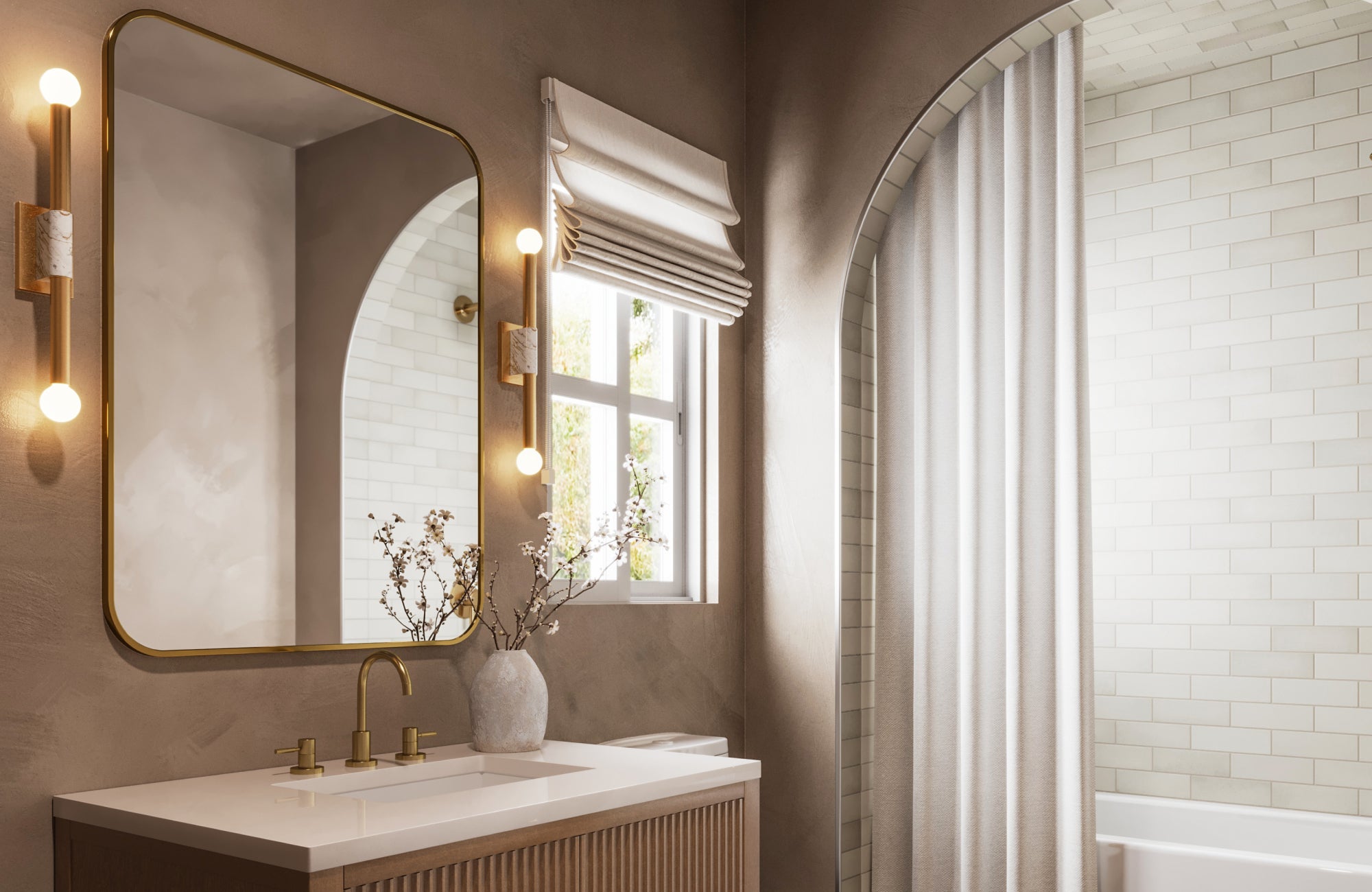
A reliable guideline is to choose a mirror that measures about 70 to 80 percent of your vanity’s width. For a 30-inch vanity, this translates to a mirror between 21 and 24 inches wide. This proportion keeps the mirror visually centered while leaving room for wall sconces or decorative accents. A mirror that’s too wide can overwhelm the vanity, while one that’s too narrow may look undersized.
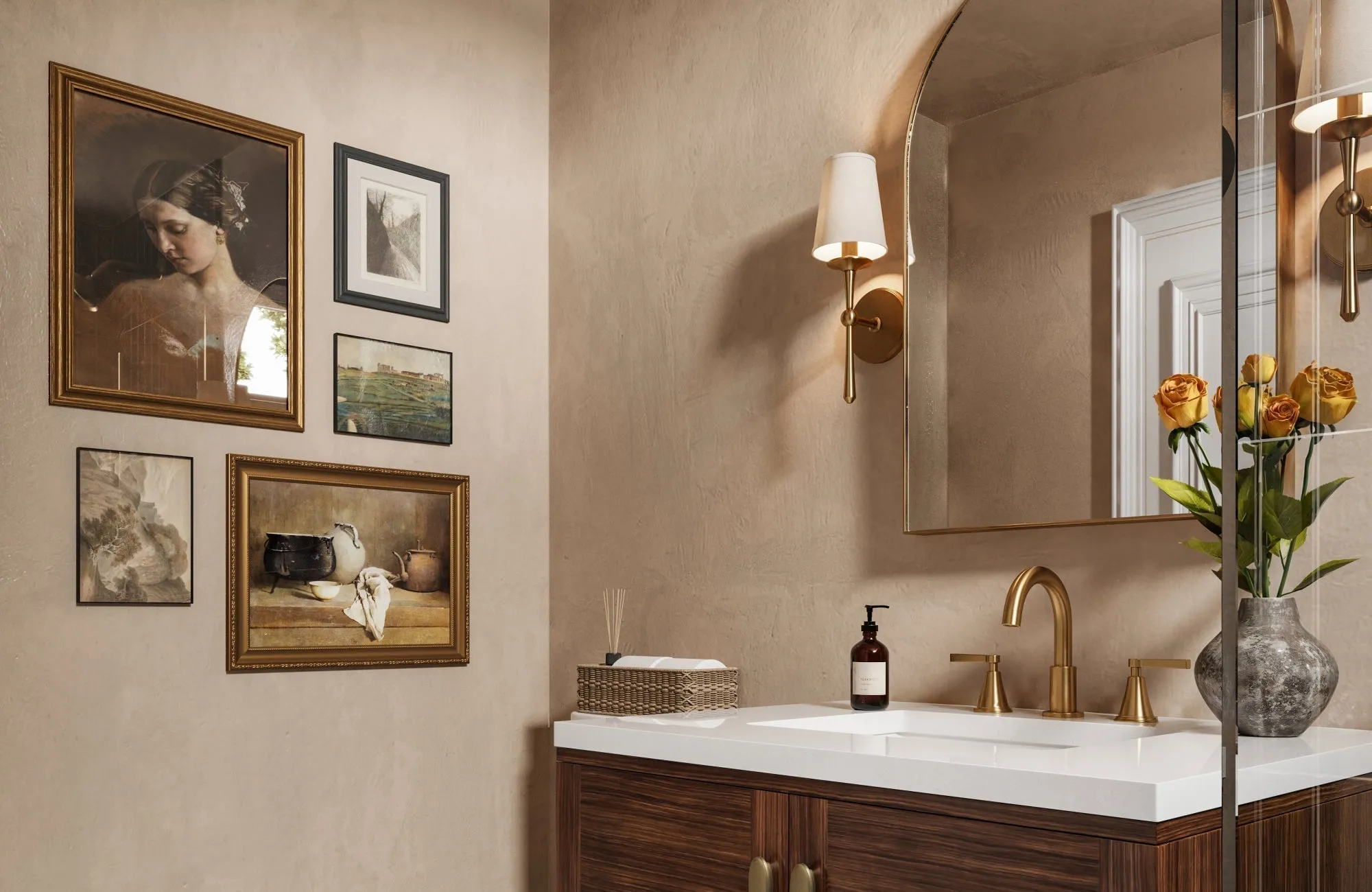
This balance is beautifully illustrated by Edward Martin’s Esmeralda Small Mirror in Polished Brass, paired with the Demi 30" Single Vanity in Mid-Century Walnut with a 3 cm White Zeus Quartz Top, as seen in the photo above. Together, they demonstrate how well-considered proportions create visual. The mirror’s gentle curve and slim brass frame soften the vanity’s clean geometry, while the spacing between the sconces and mirror preserves an open, balanced look that feels effortlessly refined.
Balancing Height and Visual Weight
Height is just as important as width when it comes to achieving a well-proportioned look. The mirror should sit comfortably above the faucet while allowing enough room for lighting or trim. Ideally, the top edge aligns a few inches below the ceiling or crown molding, depending on the wall height. Taller mirrors can make low ceilings feel higher, while shorter ones keep attention centered on the vanity. Striking the right balance creates a smooth visual flow and a clean, uncluttered appearance.
Single vs. Double Mirror Options
While a single mirror is the most common choice for a 30-inch vanity, some homeowners opt for two narrower mirrors to create symmetry or accommodate shared use. This approach works especially well when paired with dual light fixtures or tall ceilings that can visually support the arrangement. The key is to maintain even spacing and ensure the mirrors complement each other rather than competing. In smaller bathrooms, however, a single mirror often feels more cohesive and helps the space appear larger and more open.
Considering the Vanity Type and Surrounding Features
The mirror should complement not just the vanity itself but also the environment around it. The vanity’s style, placement, and nearby elements, such as lighting, backsplash, or cabinetry, all influence which mirror size and shape will look balanced and perform best in your space.
Freestanding vs. Wall-Mounted Vanities
Freestanding vanities carry more visual weight, making them well-suited to slightly larger or taller mirrors that balance their solid presence. Wall-mounted or floating vanities, on the other hand, can create a lighter, more open look, so a slimmer mirror helps preserve that sense of space. When the vanity is elevated off the floor, keeping the mirror from extending too low also maintains focus on the airy gap beneath, reinforcing a clean and modern feel.
Backsplash and Faucet Placement
The height of your backsplash and faucet directly affects how low the mirror should hang. Leaving a few inches of space between the top of the backsplash and the bottom edge of the mirror creates a more intentional, balanced look. This gap also helps reduce moisture buildup, protecting the mirror’s finish over time. If you have a tall or wall-mounted faucet, adjust the mirror height accordingly to maintain comfortable spacing and visual harmony within the overall layout.
Integrating Storage or Medicine Cabinets
When storage is a priority, a mirrored cabinet offers a practical and stylish solution. The key is selecting one that aligns with your vanity’s width while maintaining a balanced overall look. For a 30-inch vanity, a recessed cabinet around 24 inches wide typically feels proportionate and refined. Frameless options can blend seamlessly into the wall, making the space appear larger, while slim, well-defined frames can also add structure without feeling heavy or intrusive.
Coordinating with Lighting and Wall Height
Lighting and wall height play an equally important role in shaping how a mirror looks and functions within your bathroom. When these elements are well-coordinated, they create a bright, comfortable, and visually balanced space that enhances both the mirror’s appearance and your daily routine.
Sconces Beside or Above the Mirror
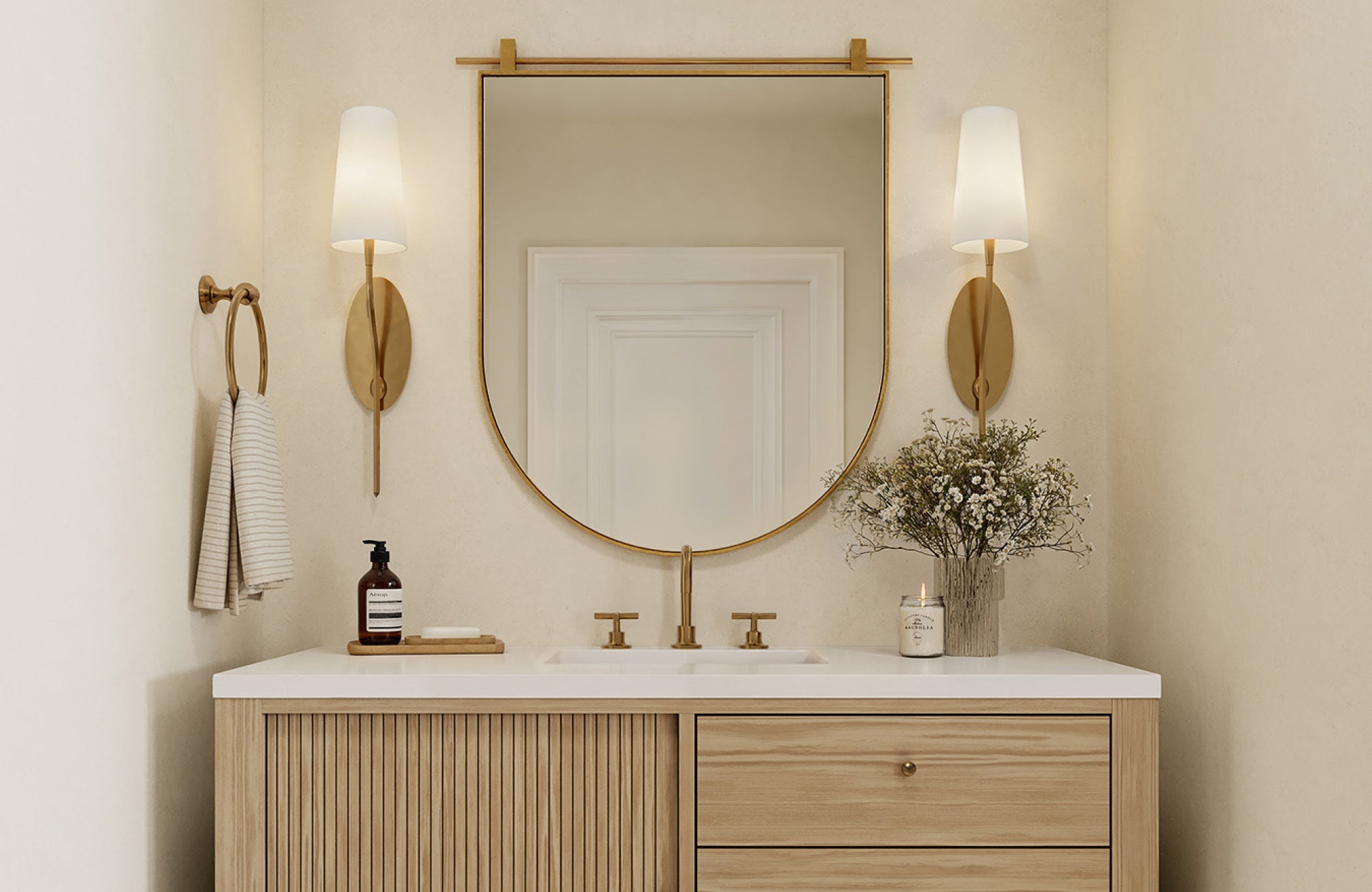
When placing sconces beside your mirror, it’s important to give each fixture enough space to breathe while keeping the mirror centered for symmetry. Ideally, sconces should be installed about 36 to 40 inches apart to provide even lighting across your face and reduce shadows. If the light source is positioned above the mirror instead, maintain a few inches of clearance above the top edge for balanced illumination.
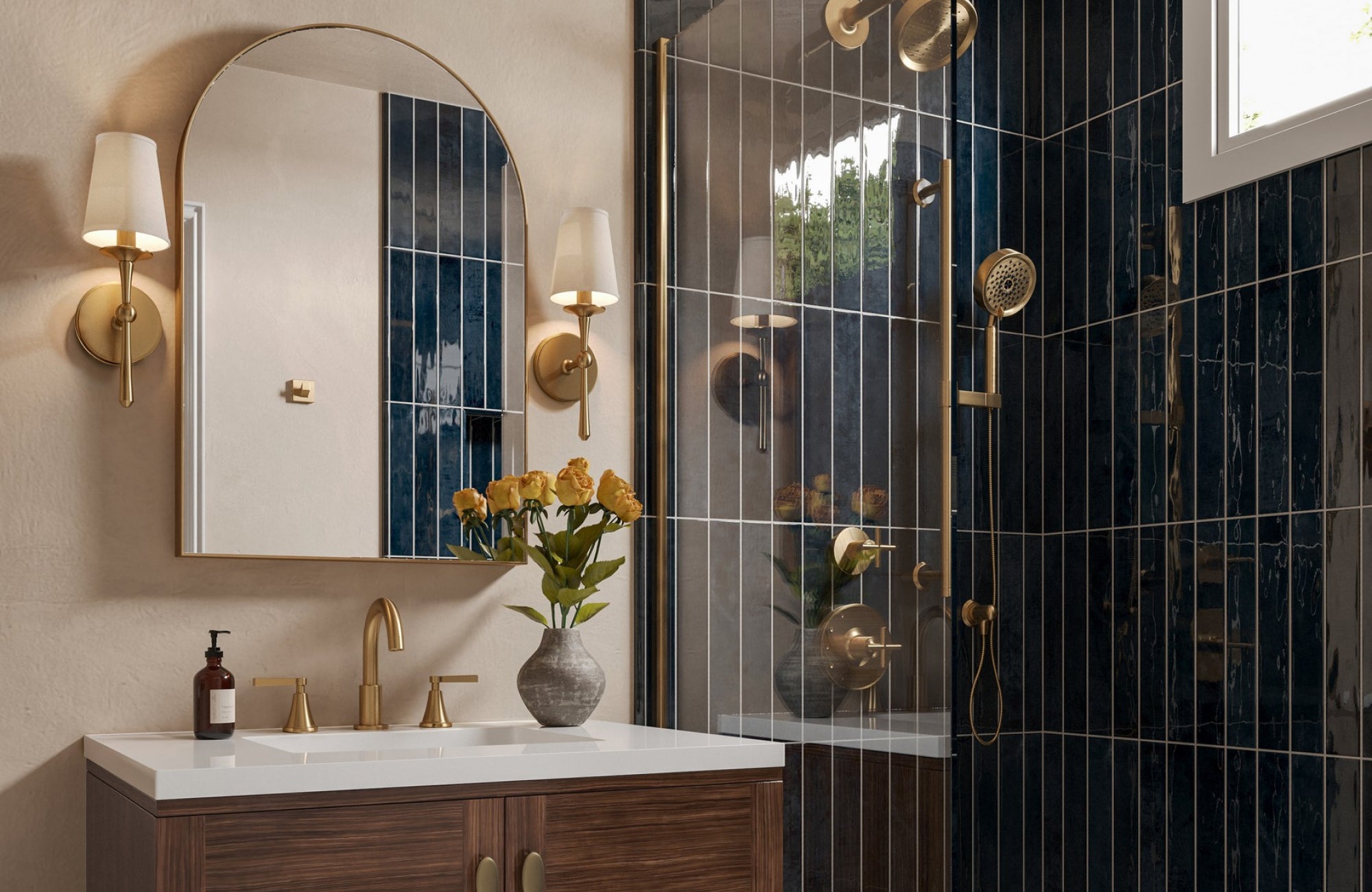
This principle is perfectly illustrated by Edward Martin’s Goodwin Wall Sconce in Aged Brass, positioned beside the Clancy Small Arch Mirror in Antique Brass, as seen in the photo above. The sconces frame the mirror with equal spacing, casting a soft, flattering glow that enhances both visibility and ambiance. Their thoughtful placement demonstrates how balanced lighting can enhance the mirror’s design while keeping the vanity area bright, cohesive, and effortlessly inviting.
Ceiling Height and Room Scale
Ceiling height greatly influences the proportions of your mirror. Taller ceilings offer flexibility for elongated mirrors that draw the eye upward, while lower ceilings look best with mirrors that extend closer to the vanity to maintain balance. In bathrooms with standard 8-foot ceilings, a mirror height between 30 and 34 inches typically feels well-proportioned. For higher ceilings, mirrors around 40 inches or more help fill the vertical space beautifully. Aligning the top edge of the mirror with nearby windows or trim also creates a clean, cohesive visual line.
Reflecting Natural and Artificial Light
The placement of your mirror has a significant impact on how light moves through the room. Positioning it across from a window or beneath a strong light source enhances brightness, making the space feel larger and more welcoming. In bathrooms with limited natural light, opting for a slightly taller or wider mirror also helps reflect illumination more effectively, creating a brighter, more open atmosphere without the need for extra fixtures.
Choosing Shapes and Frame Styles That Complement the Vanity
The shape and framing of a mirror play a defining role in the overall design of your bathroom. The right combination not only highlights your vanity’s character but also sets the mood of the entire space, bringing harmony and visual interest to the room.
Round and Oval Mirrors
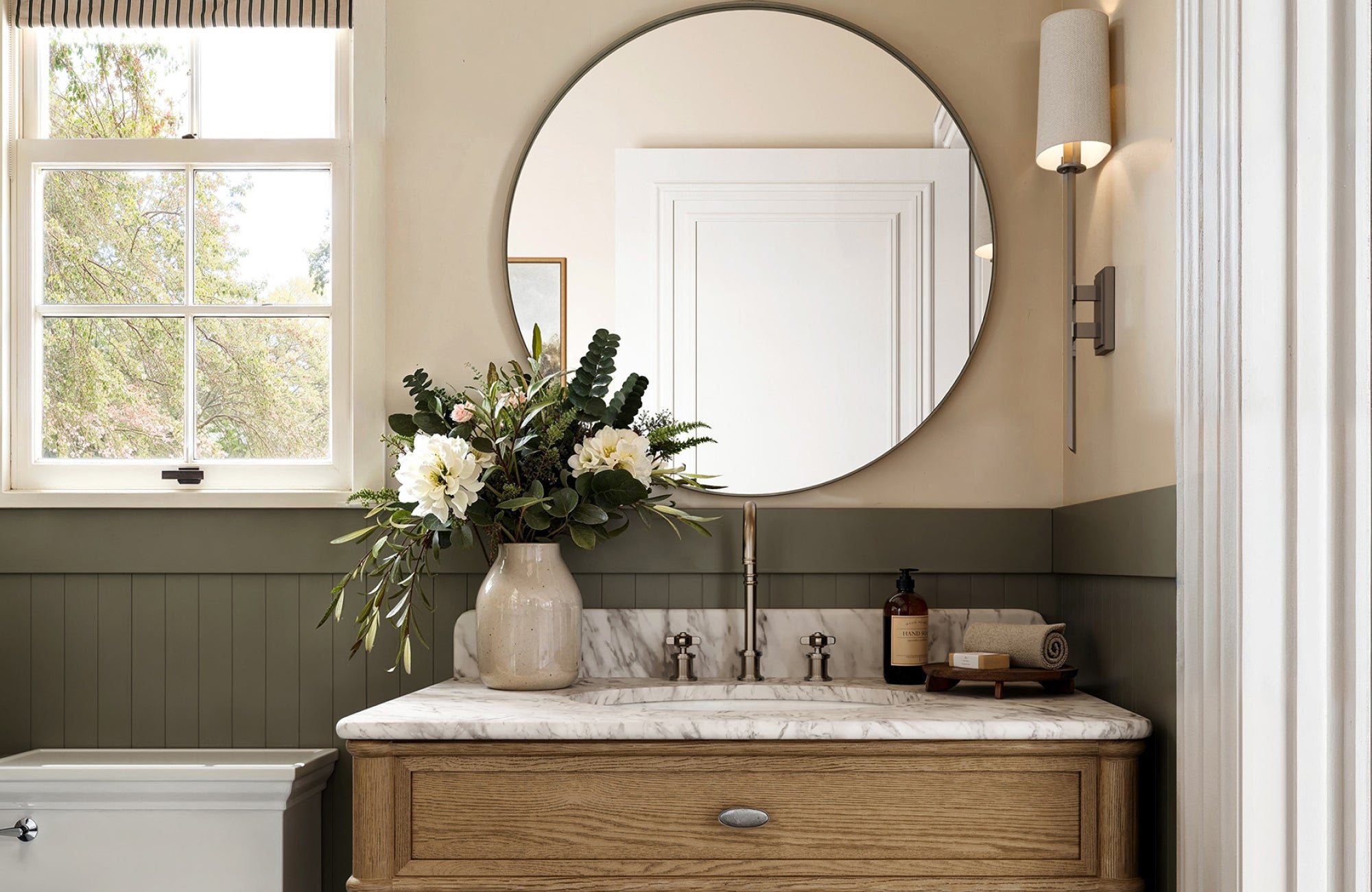
When choosing a mirror shape that complements your vanity, round and oval designs offer a softer alternative to straight-edged forms. Their gentle curves introduce balance and contrast, especially against the clean lines of most vanities. For a 30-inch vanity, a round mirror between 24 and 28 inches across typically feels well-proportioned, helping the space appear more open and inviting.
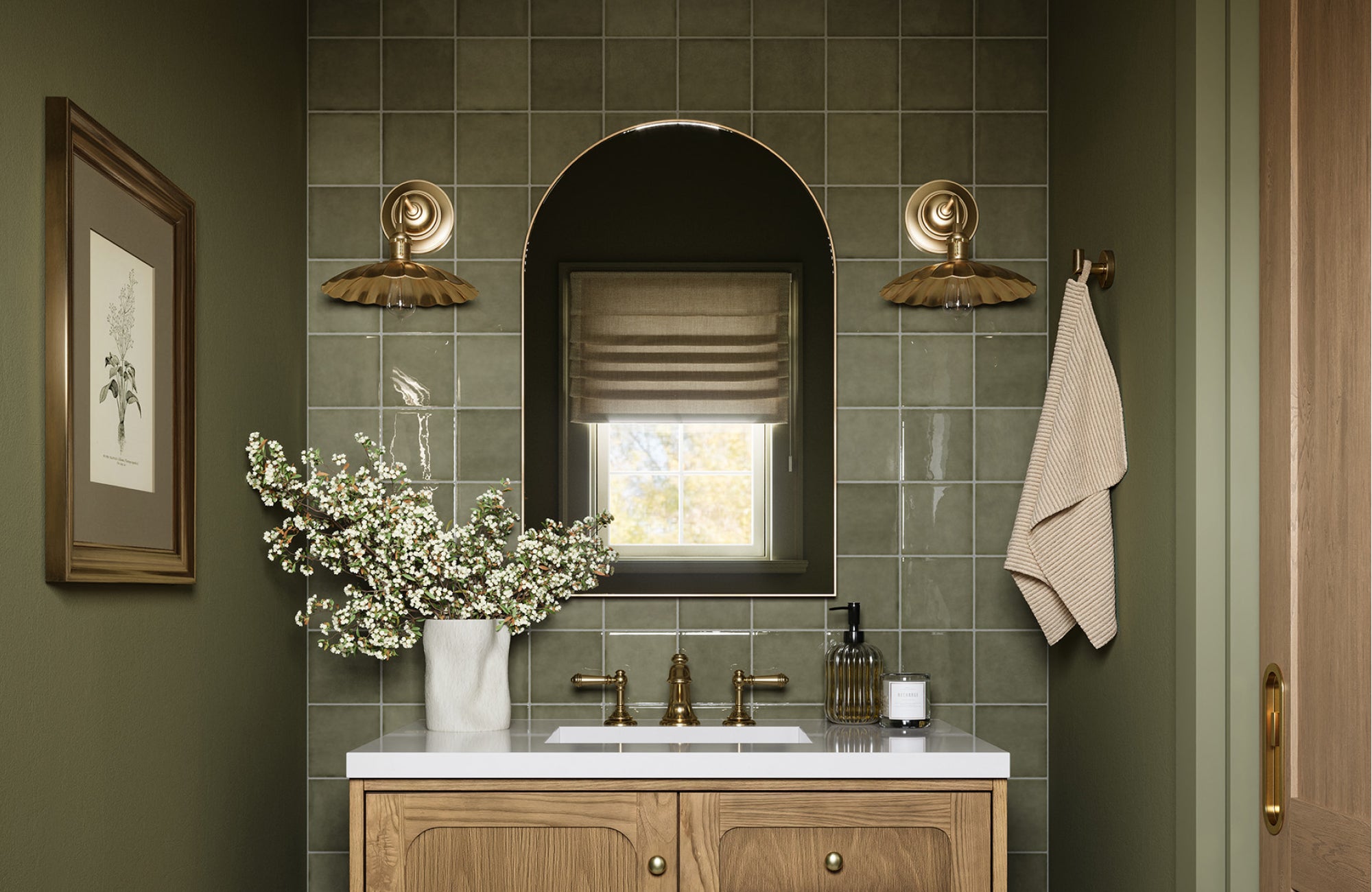
A perfect example of this pairing is Edward Martin’s Fitz Mirror in Antique Silver, as featured in the photo above. Its smooth circular frame adds visual harmony while softening the vanity’s structured silhouette. The combination shows how selecting a mirror shape that complements the vanity’s lines can create a cohesive, elegant look that enhances both style and proportion.
Rectangular and Arched Mirrors
Rectangular mirrors emphasize clean symmetry and align effortlessly with the straight edges of a vanity, creating a polished, structured look. For a touch of architectural interest, an arched mirror adds height and subtle sophistication. Each style suits different interiors; rectangular mirrors complement modern or minimalist designs, while arched ones bring charm to traditional or transitional spaces. The key is choosing a shape that enhances your vanity’s lines rather than competing with them, ensuring the entire composition feels cohesive and intentional.
Framed vs. Frameless Designs
Frames play a key role in defining a mirror’s proportion and visual presence. A slim metal frame adds structure and a touch of refinement without drawing too much attention, while a wooden frame introduces warmth and natural texture. Frameless mirrors, in contrast, offer a sleek, uninterrupted look that suits contemporary spaces beautifully. In smaller bathrooms, a frameless design can also help the mirror blend seamlessly with the wall, creating an open and uncluttered appearance.
Style and Function Balance for Different Bathroom Sizes
Even with a consistent vanity width, the size and layout of the room can completely change what type of mirror works best. The right mirror should enhance both the style and the functionality of the space, adapting to how the room is used rather than focusing solely on appearance.
Compact or Powder Bathrooms
In smaller bathrooms, the right mirror can make the space feel noticeably larger and brighter. A tall, narrow mirror naturally draws the eye upward to enhance the sense of height, while a wide, wall-to-wall mirror visually broadens the room and adds a sense of openness. For compact layouts, frameless designs, or mirrors with integrated lighting can also help minimize visual clutter and maximize reflected light, creating a clean, open, and inviting atmosphere.
Shared or Primary Bathrooms
In bathrooms shared by two people, functionality becomes just as important as style. Wider mirrors or dual mirror setups can provide each user with clear visibility and ample space without feeling cramped. Features like anti-fog coatings and integrated lighting can add everyday convenience, especially during busy mornings. A mirror that extends slightly beyond the vanity’s width can also provide a broader reflection area, creating a balanced and practical design that still feels refined.
Transitional or Statement Spaces
In design-forward bathrooms, stepping outside standard proportions can be a deliberate and impactful choice. An oversized mirror, for instance, can serve as a stunning focal point when supported by the right wall size and lighting. When thoughtfully balanced, playing with scale also transforms a simple vanity setup into an elegant statement that elevates the entire room.
Measuring, Mounting, and Finishing Touches
Once you’ve chosen the right mirror style and size, accurate measuring and careful installation are key to achieving a polished result. Proper alignment ensures the mirror feels intentional and well-integrated, giving your bathroom a clean, cohesive finish rather than an improvised look.
Step-by-Step Measuring Basics
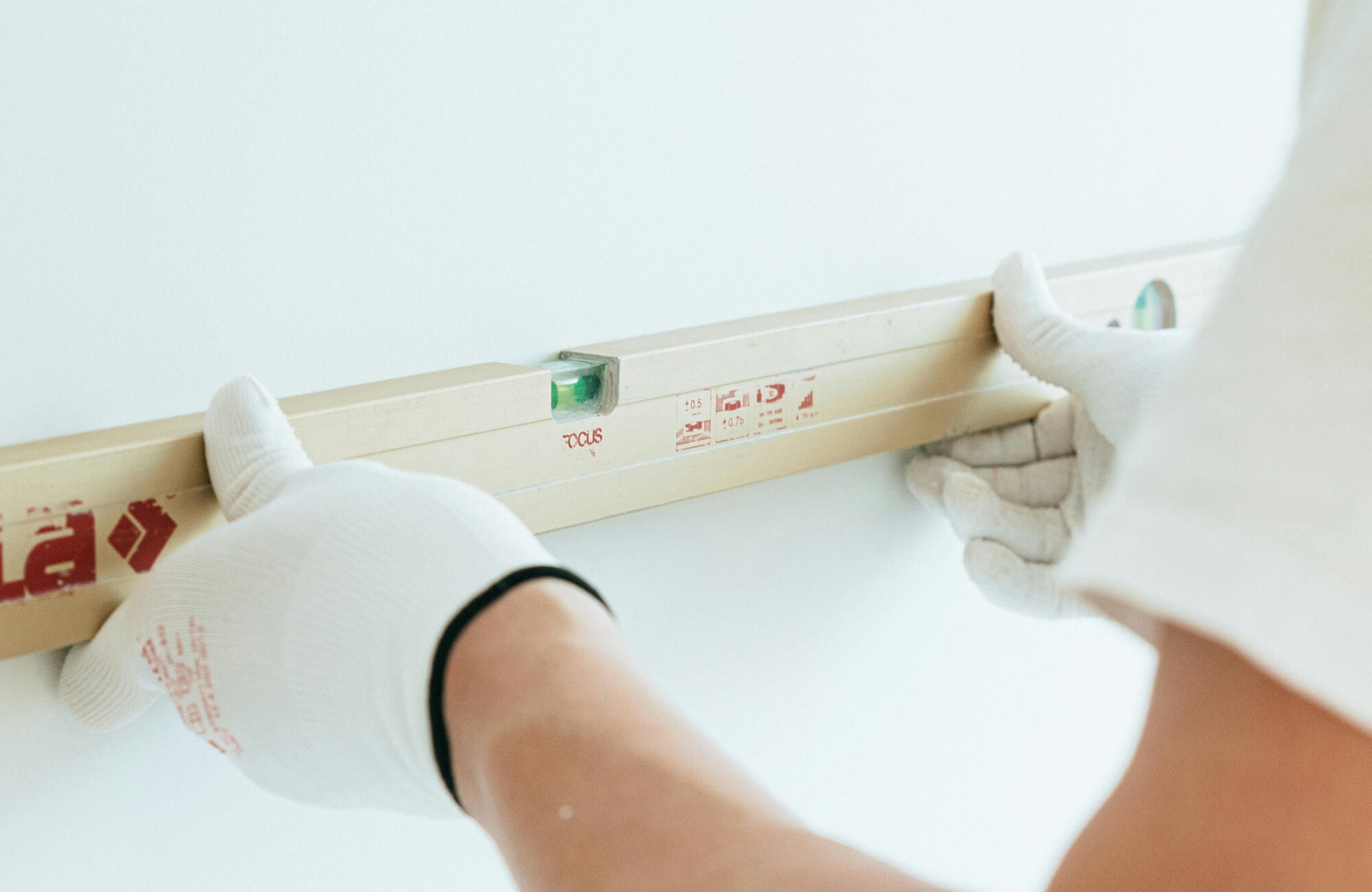
Begin by measuring the full width of your vanity, then subtract a few inches on each side to determine the ideal mirror size. Measure the height from the countertop to the ceiling, leaving enough room for both lighting and backsplash clearance. Before marking your mounting points, check if the wall surface is level and use the appropriate hardware for your wall type to ensure the mirror is securely supported and perfectly aligned.
Mounting Height and Alignment
As a general guideline, the center of the mirror should sit about 60 to 65 inches from the floor, aligning with the average eye level. If multiple people use the bathroom, make slight adjustments to ensure everyone can see comfortably. Keeping the mirror centered with both the vanity and nearby lighting creates visual symmetry, bringing a sense of balance and cohesion to the entire space.
Final Styling Considerations
To finish the look, pay attention to the details surrounding your mirror. Coordinating the frame with the finish of your faucet or lighting fixtures helps create a unified, cohesive design. Ensure all elements align visually—edges, light centers, and wall lines—to achieve a clean, balanced appearance. A carefully mounted mirror further enhances both function and style, reflecting the sense of intention that defines a well-designed space.
Choosing the Perfect Mirror for a 30-Inch Vanity
Finding the right mirror for a 30-inch vanity comes down to achieving balance between size, proportion, and style. When these elements work in harmony, the vanity transforms from a purely functional piece into the visual centerpiece of the bathroom. By understanding how width, height, shape, and lighting interact, you can design a mirror setup that feels both refined and practical. With the right combination, your mirror will do more than reflect; it will further enhance the entire space.
If you need personalized guidance, our design team is here to help. Contact us to learn more about our complimentary design services, where we can help you choose the ideal mirror size, shape, and finish to suit your 30-inch vanity and overall bathroom style.
Follow us on Instagram
@EDWARD.MARTIN
)
)
)
)
)
)
)
)
)
)
)
)
)
)
)
)