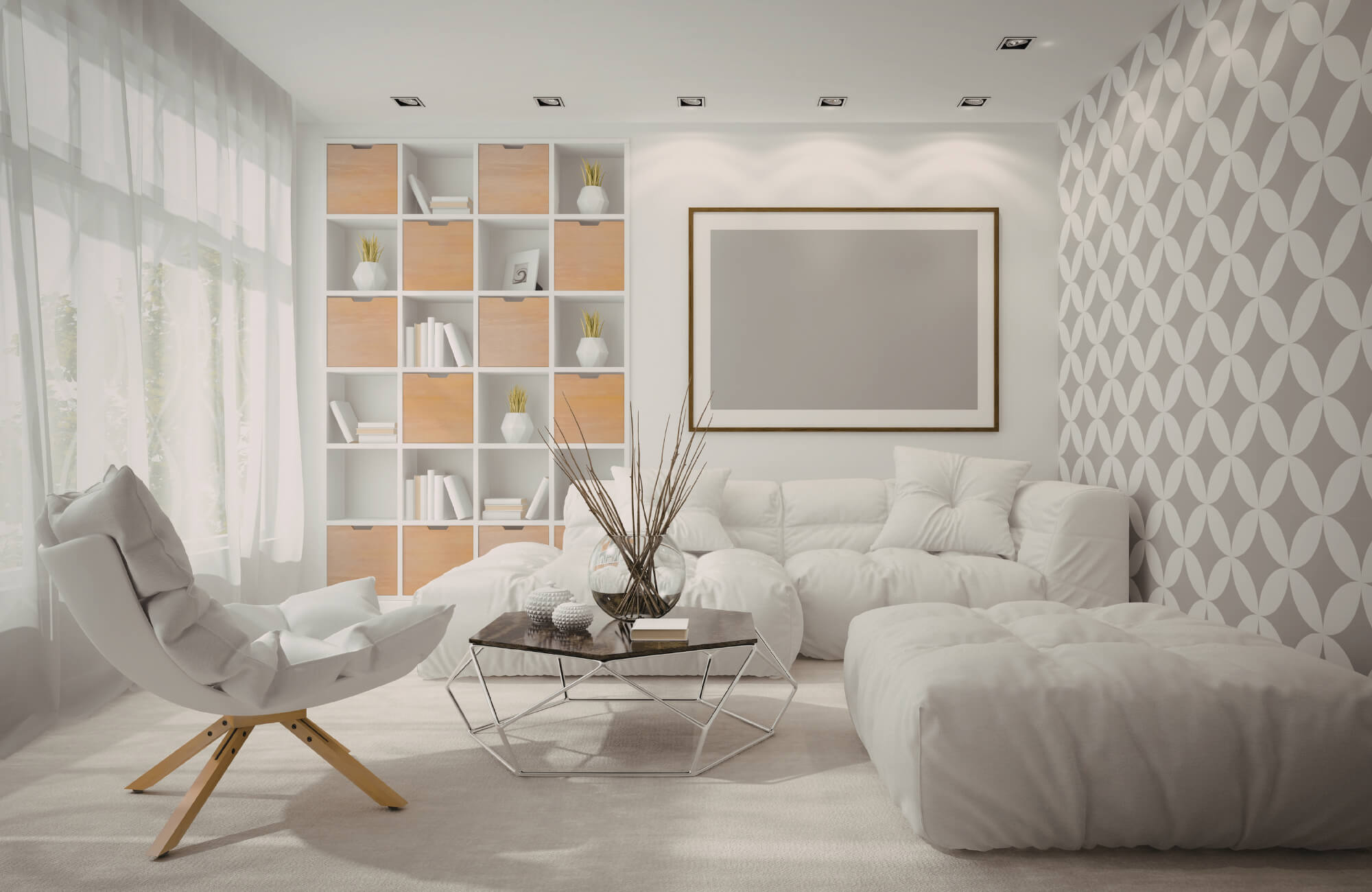
Decorative pillows might seem like an easy finishing touch, but the materials you choose make all the difference in how they look, feel, and hold up over time. It’s not just about color or pattern. The fabric, insert, size, and construction details all work together to determine whether a pillow feels plush and supportive or flat and forgettable. In this blog, we’ll walk through the materials that truly signal quality and how to choose pillows that feel just as good as they look.

Start With Fabric Quality Before Color or Pattern
Before you think about color or pattern, it helps to look closely at the fabric itself. The material determines how the pillow feels in your hand, how it wears over time, and how well it holds its shape with daily use. When the fabric is high quality, everything layered on top of it tends to feel more refined and intentional.
Natural Fibers Like Linen, Cotton, and Wool
Natural fibers bring a certain honesty to decorative pillows that’s hard to replicate. Linen, for instance, offers breathable texture and a relaxed drape that softens structured seating, while cotton provides dependable comfort and easy versatility. Wool introduces warmth and density, making it especially appealing in cooler months or layered interiors. These materials tend to age gracefully, developing subtle character rather than looking worn out. They also feel comfortable against the skin, which matters more than people expect in everyday living spaces. If you’re aiming for pillows that feel timeless rather than trend-driven, natural fibers are often a strong starting point.
In a relaxed yet refined setting like the one above, fabric texture becomes just as important as color. Our Merelle 13” x 21” Down Pillow in Ivory, seen above, highlights how a richly textured cotton weave can elevate even a minimal seating arrangement. Its breathable, cool-to-the-touch all-cotton cover feels light and comfortable, while the flange edge with matching whipstitching adds subtle structure without overwhelming the silhouette. The antique bronze zipper tucked behind a tailored flap keeps the finish seamless and considered. When natural fibers are executed with this level of detail, the pillow feels timeless, tactile, and thoughtfully integrated into the space.
Performance Fabrics for High-Use Areas
In spaces that see constant use, fabric durability becomes essential. Performance textiles are designed to resist stains, fading, and frequent handling, which makes them practical for family rooms or seating that doubles as a gathering spot. Many modern performance fabrics now mimic the softness of natural fibers, so you don’t have to sacrifice comfort for resilience. They’re especially useful in homes with pets or children, where pillows are moved, leaned on, and rearranged often. Breathability still matters here, as overly stiff materials can feel synthetic or uncomfortable. Choosing a well-made performance fabric helps your pillows maintain their structure and appearance even with daily wear.
Velvet, Silk, and Specialty Textiles for Elevated Texture
If you’re aiming for a more elevated finish, specialty textiles can add a layer of richness that instantly shifts the feel of a pillow. Velvet, for instance, carries a soft pile and gentle sheen that catches light throughout the day, creating subtle movement across the surface. Silk leans more refined and delicate, offering a smooth, luminous quality that feels undeniably luxurious, though it does call for more careful upkeep. Textures like bouclé or jacquard introduce depth through their weave, so the interest comes from construction rather than bold pattern alone. Because these materials naturally draw attention, it helps to use them selectively instead of layering too many at once. A well-placed specialty fabric can turn even a simple silhouette into something tactile and memorable.
How Fabric Weight Influences Structure and Drape
Fabric weight plays a quiet but important role in how a pillow sits and settles into a space. Heavier textiles tend to hold their shape more firmly, giving the pillow a tailored, structured look that suits more polished interiors. Lighter fabrics fall more softly, which can create a relaxed and welcoming feel, especially in casual settings. Weight also affects how clean the seams appear and how defined the corners look once the insert is in place. Over time, thinner materials may soften more quickly, while substantial fabrics usually maintain their presence. Paying attention to this detail helps ensure the pillow feels balanced in your hand and in the room, rather than too limp or overly stiff.

Exploring Fill Materials and Insert Quality
The fabric may catch your eye first, but the insert is what determines how a pillow truly feels. Fill material affects softness, support, and how well the shape holds up over time. If the insert is underfilled or poorly constructed, even the most beautiful cover can fall flat.
Down and Feather Blends for Soft Structure
Down and feather blends are often favored for their plush, moldable feel. Down provides softness and loft, while feathers add a bit of structure so the pillow doesn’t collapse too easily. This combination creates that relaxed, gently “karate-chopped” look many people associate with high-end interiors. Over time, these inserts require occasional fluffing to maintain volume, but that maintenance is part of what keeps them looking full and inviting. They’re especially appealing in living rooms and bedrooms where comfort matters just as much as appearance. If you prefer pillows that feel sink-in soft yet still supportive, a balanced down-feather blend is a dependable option.
Down-Alternative Inserts for Hypoallergenic Support
For those who prefer a cruelty-free or hypoallergenic option, down-alternative inserts offer a practical solution. Typically made from synthetic fibers designed to mimic the loft of down, they provide consistent shape and reliable support. They tend to require less frequent fluffing, which makes them easier to maintain day to day. While they may not have the same fluid drape as natural down, high-quality versions still feel comfortably plush. They’re a smart choice for households with allergies or for spaces that see frequent use. With the right density, a down-alternative insert can feel just as inviting without the added upkeep.
Foam and Structured Inserts for Tailored Looks
If you prefer a cleaner, more architectural look, foam inserts offer a noticeably structured finish. Unlike loose-fill options that shift and compress, foam holds its form, which helps maintain crisp edges and a consistent silhouette. That firmness works especially well in modern interiors or built-in seating where sharp lines matter. Because foam resists flattening, the pillow keeps its shape even with regular use. The feel is more supportive than sink-in soft, so it’s often chosen for benches or upright seating. For a polished appearance that stays put, structured inserts create that refined, tailored effect.
Why Insert Size Should Slightly Exceed Cover Size
A small adjustment in insert sizing can completely change how a pillow looks. Choosing an insert that’s slightly larger than the cover creates a fuller shape and gently rounded corners. For example, placing a 20-inch insert inside an 18-inch cover adds light tension, which keeps the fabric smooth and prevents sagging. That subtle overfill helps the pillow feel plush rather than flat. It also supports the seams and improves how the pillow holds up over time. Paying attention to this detail is often what gives decorative pillows a finished, professionally styled look.

Choosing the Right Pillow Size for Balance and Proportion
Size has just as much impact as fabric or fill when it comes to decorative pillows. The dimensions you choose influence how the arrangement feels against the depth of a sofa, the height of a headboard, or the scale of an accent chair. Instead of adding more pillows for impact, it’s often more effective to focus on proportion so each piece feels intentional.
12" x 27" Lumbar Pillows for Elongated Support
A 12" x 27" lumbar pillow introduces horizontal movement, which works especially well on deeper sofas or across the center of a bed. Its elongated shape offers back support while visually stretching the seating area, making the arrangement feel cohesive rather than segmented. On accent chairs, it can soften structured upholstery without overwhelming the frame. Because of its lower profile, it layers beautifully in front of larger square pillows. It’s also practical for everyday comfort, particularly when you want subtle support without added bulk. When used thoughtfully, a lumbar pillow anchors the arrangement without competing for attention.
13" x 21" and 13" x 22" for Structured Layering
The 13" x 21" and 13" x 22" sizes offer a slightly tailored look that works well in structured seating areas. Their proportions feel balanced against mid-sized sofas and standard dining banquettes. These dimensions are especially effective when layered in front of larger squares, creating depth without feeling crowded. Because they’re neither too small nor overly generous, they add polish without drawing excessive focus. On beds, they can sit neatly in front of Euro shams or larger decorative pillows. If you’re aiming for a composed, orderly arrangement, these mid-scale sizes provide flexibility without visual heaviness.
18" x 18" as a Versatile Everyday Standard
The 18" x 18" pillow is often considered the go-to size for a reason. It feels proportionate on most sofas, sectionals, and even larger accent chairs, making it a dependable foundation. This size carries enough presence to stand alone, yet it layers easily with lumbar or smaller rectangular pillows. Because it aligns well with typical seat depths, it doesn’t look undersized or oversized in most settings. On beds, it can add dimension without overpowering the headboard. If you want a reliable starting point, 18" x 18" offers balance across a wide range of furniture styles.
22" x 22" for Generous, Statement Comfort
For deeper sofas or larger sectionals, a 22" x 22" pillow introduces generous scale and noticeable comfort. Its larger footprint fills negative space effectively, which helps prevent seating from feeling sparse. This size also works well against tall headboards or wide bench seating, where smaller pillows might look lost. Because of its visual weight, it’s often best used as a base layer behind smaller accents. The added volume brings a plush, inviting feel that encourages relaxation. When proportioned correctly, a 22" x 22" pillow feels substantial without appearing excessive.
Mixing Multiple Sizes Without Overcrowding
Layering a mix of pillow sizes can instantly add depth, but restraint makes all the difference. Start with a larger size as your base, then layer one or two smaller dimensions in front to create a natural progression. As you build, consider the sofa or chair’s depth and back height so the arrangement feels grounded instead of top-heavy. Allowing a bit of visible upholstery between pillows keeps the setup light and breathable. Overloading the surface may look stylish at first, but it can quickly compromise comfort. A measured combination of sizes creates dimension while still leaving room to sit back and relax.

Texture, Weave, and Construction Details That Signal Quality
High-quality decorative pillows reveal themselves in the details, not just the fabric choice. The way a textile is woven, stitched, and finished affects how it wears over time and how refined it feels in your hands. Beyond appearance, craftsmanship determines whether a pillow holds its shape, resists fraying, and maintains clean lines with daily use. Paying attention to construction ensures you’re investing in pieces that feel elevated rather than purely decorative.
Handwoven vs Machine-Woven Textiles
The distinction between hand-woven and machine-woven textiles often reveals itself in the details. Handwoven fabrics typically carry slight variations in tension and weave, which introduce depth and a more organic, lived-in character. Those subtle irregularities can make a pillow feel layered and personal, especially when mixed with smoother materials. Machine-woven textiles, by contrast, deliver uniformity and precision, lending themselves well to tailored or modern interiors. Their consistency can also support durability in frequently used spaces. Choosing between the two comes down to whether you’re drawn to artisanal nuance or a cleaner, more structured finish.
Knife Edge vs Piped Edge Construction
Edge construction plays a bigger role in structure than many people realize. A knife-edge finish keeps the silhouette clean and minimal, allowing the fabric itself to take center stage. This style works beautifully in contemporary settings where simplicity feels intentional. Piped edges, by contrast, introduce subtle definition and reinforcement along the seams. The added trim not only frames the pillow visually but also helps it maintain shape over time. Both options can look refined, but the right choice depends on whether you want understated softness or a slightly more tailored outline.
In the image above, the clean silhouette of our Marisette 12” x 27” Down Pillow in Black immediately shows how construction shapes the overall look. Its dimensional knife-edge profile keeps the lines crisp and modern, allowing the dark weave and white looping threads to take center stage without added trim. That simplicity feels intentional, especially against textured upholstery, because nothing interrupts the pattern’s rhythm. A discreet antique bronze zipper along the back adds just a subtle hint of warmth while maintaining a seamless finish. When edge construction is handled this thoughtfully, the pillow reads tailored and refined rather than overly embellished.
Hidden Zippers and Seam Integrity
A well-made pillow should look seamless, even up close. Hidden zippers preserve the integrity of the design by keeping hardware discreet and preventing visual interruption along the edges. At the same time, strong stitching and reinforced seams ensure the cover withstands repeated use and insert changes. Loose threads or uneven stitching often signal shortcuts in production. Paying attention to how the seams are finished gives you insight into overall craftsmanship. Durable closures and clean construction make a pillow feel thoughtfully made rather than mass-produced.
Backing Materials and Lining Support
What sits behind the main fabric matters just as much as what you see. Some pillows use the same fabric front and back, while others incorporate a complementary backing to balance cost and performance. A sturdy backing or interior lining can prevent stretching and help the pillow hold its shape longer. This internal support is especially important for heavier textiles like jacquards or dense woven blends. Without proper structure, even a beautiful fabric can sag over time. Quality backing materials quietly reinforce the pillow’s longevity while preserving its polished appearance.

Matching Pillow Materials to Room Function
Even the most beautiful decorative pillow needs to make sense for the way a room is actually used. A fabric that feels luxurious in a formal setting may not hold up the same way in a busy family space. That’s why material selection should reflect lifestyle, maintenance habits, and how often the pillows will be handled. When fabric aligns with function, the result feels thoughtful and long-lasting rather than delicate or impractical.
Living Rooms and Busy Seating
In living rooms that see daily use, durability should quietly lead the decision. Sofas and sectionals often carry the most contact, so tightly woven cotton blends, performance fabrics, or sturdy linen tend to hold up better over time. Textures that disguise minor wear, like subtle slubs or small-scale weaves, can also help maintain a polished look. If pets or children are part of the household, easy-to-clean materials become even more important. Decorative pillows in these spaces should feel inviting but resilient. Choosing fabrics that balance softness with structure ensures they stay supportive instead of flattening out quickly.
Bedrooms and Layered Bedding
Bedrooms allow for a softer approach since pillows are often styled and adjusted rather than heavily leaned on. Here, tactile fabrics like linen, velvet, or lightly brushed cotton can add warmth and comfort without worrying as much about daily friction. Because bedding is layered, it’s helpful to choose materials that complement sheets and duvets without competing in texture. Breathability matters too, especially if pillows double as back support while reading or relaxing. A subtle sheen or gentle texture can add depth without disrupting the calming atmosphere. In rest-focused environments, the material should contribute to comfort as much as visual balance.
Outdoor and Sun-Exposed Areas
Outdoor seating introduces a completely different set of requirements. Sun exposure, humidity, and fluctuating temperatures can quickly wear down delicate fabrics. For patios or sunrooms, UV-resistant and moisture-repellent textiles are far more practical than traditional indoor materials. These fabrics are designed to resist fading and mildew while still offering softness and style. It’s also helpful to look for tightly woven surfaces that dry quickly and handle occasional spills. When chosen thoughtfully, outdoor pillows can feel just as refined as indoor ones while standing up to the elements.
Decorative-Only vs Everyday Support
Some pillows are meant purely for visual impact, while others are part of daily comfort. Decorative-only pieces might feature intricate embroidery, specialty weaves, or delicate fabrics that wouldn’t withstand constant pressure. In contrast, pillows used for back support or lounging should prioritize resilience and structure. It’s worth asking whether the pillow will be leaned on frequently or simply styled in place. Matching the material to its true role prevents premature wear and disappointment. When purpose and fabric are aligned, decorative pillows remain beautiful and functional at the same time.

Knowing When to Invest in Premium Materials
Decorative pillows may seem like small details, but the right ones can shape how a room feels every single day. Instead of focusing only on price, it helps to think about how long the pillow will hold its shape, texture, and comfort. Higher-quality materials often cost more upfront, yet they tend to maintain their structure and appearance far longer. Choosing with intention usually leads to fewer replacements and a more refined overall look.
Recognizing Signs of Well-Made Pillows
Quality usually shows up in the small things. A well-made pillow should feel substantial in your hands, never flimsy or awkwardly stiff. The fabric carries body and texture, and the stitching looks neat and secure instead of rushed. Seams sit smoothly, corners stay defined, and the insert fills the cover fully without slumping. After being used or fluffed, it should return to shape with ease rather than flatten out. Noticing these details helps you separate a thoughtfully crafted piece from something that simply looks good at first glance.
With a piece like our Merelle 13” x 21” Down Pillow in Olive, shown above, quality becomes visible in the details rather than flashy design. The richly textured olive weave carries natural depth, while the flange edge with white whipstitching frames the silhouette in a way that feels intentional and tailored. An antique bronze zipper is tucked discreetly behind a flap, keeping the finish clean and refined. Because the cover is crafted from breathable cotton and filled with natural down clusters, it feels substantial yet soft in hand. These small construction choices are what separate a thoughtfully made pillow from one that simply looks good at first glance.
Balancing Budget With Longevity
Staying within budget makes sense, but it’s worth thinking beyond the price tag. A lower-cost pillow that loses its shape after a few months often ends up being replaced, which can quietly cost more in the long run. Meanwhile, a higher-quality option may feel like a stretch upfront yet continue to look and feel supportive for years. Consider how frequently the pillow will be used and whether it sits in a high-visibility spot. Prioritizing better materials in the areas you use most tends to pay off over time. Thoughtful spending, rather than quick decisions, usually leads to a home that feels steady and well put together.
Editing Down to Fewer, Better Pieces
At times, the smartest move isn’t adding more pillows but stepping back and refining what’s already there. An overload of average pieces can crowd a sofa without offering real comfort or visual impact. Narrowing the selection to a few well-made pillows instantly feels cleaner and more elevated. It gives each fabric and texture space to stand on its own instead of blending into visual noise. Editing shifts the focus toward craftsmanship and feel rather than sheer quantity. In the end, a curated arrangement almost always feels calmer and more considered.
Choosing Materials That Age Gracefully
Higher-quality materials tend to show their worth gradually, not just on day one. Linen and wool, for example, soften over time while developing subtle character instead of looking tired. A well-dyed velvet keeps its richness, and thoughtfully made performance fabrics resist pilling or fading with regular use. Rather than breaking down quickly, these textiles settle in and start to feel naturally lived-in. That kind of evolution adds warmth to a space instead of wear. Choosing fabrics that mature well helps your decorative pillows remain supportive and beautiful long after the initial styling phase.
Choosing Decorative Pillow Materials With Confidence
High-quality decorative pillows come down to more than just what looks good in the moment. Fabric, fill, size, and construction all work together to shape how a pillow feels, how it wears, and how well it supports everyday living. When those elements are chosen with care, the result is seating that feels layered, comfortable, and thoughtfully finished rather than overly styled. Focusing on material first ensures your pillows don’t just complement the room visually, but also hold up to real use over time.
If you’d like a second set of eyes on proportion, fabric pairings, or how to layer sizes like 18" x 18" and 22" x 22" without overcrowding, our Design Consultation Service is here to help. We can guide you through selecting materials that suit your lifestyle while elevating your space with intention. Whether you’re refreshing a single sofa or rethinking an entire room, personalized advice makes the process clearer and more cohesive. Sometimes, a few well-chosen pieces are all it takes to transform how a room feels.