
)
)
)
)
)
)
)
)
What Makes Moroccan Rugs A Lasting Interior Design Investment?
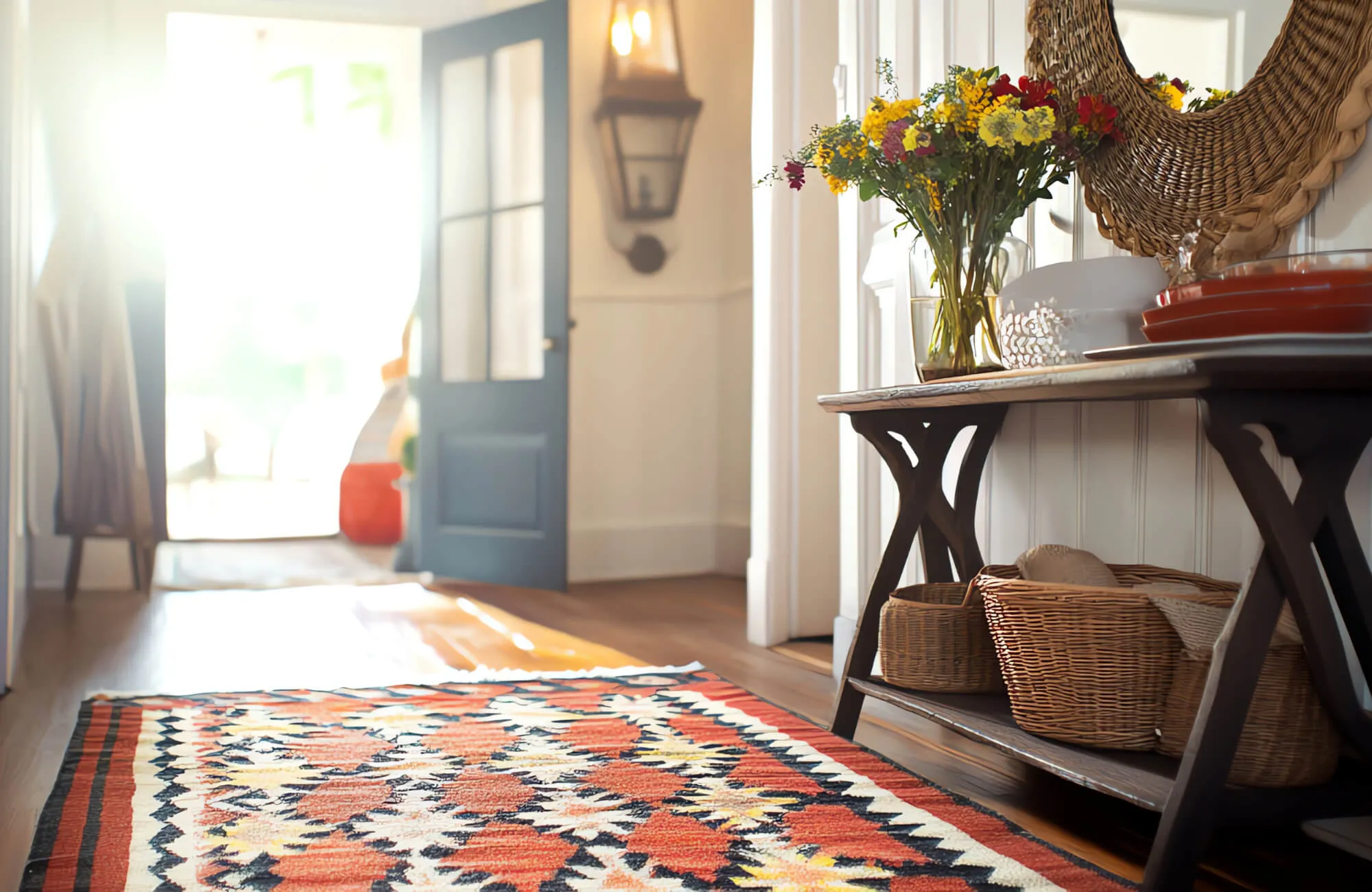
For centuries, Berber women in the Atlas Mountains of Morocco have practiced the ancient art of rug weaving, creating pieces that were functional necessities before they became international design icons. Today, these handcrafted textiles, encompassing styles like Beni Ourain, Azilal, and Boujaad, are coveted by designers and homeowners across the globe.
A Moroccan rug is not merely a floor covering; it represents a significant, lasting investment in your home’s aesthetic and even its long-term financial value. This guide, brought to you by Edward Martin, explores the fundamental qualities, from material science to market performance, that solidify Moroccan rugs as true interior design assets.
Unmatched Craftsmanship and Material Longevity
Every Moroccan rug begins with an extraordinary level of craftsmanship, where heritage techniques and natural materials come together to create pieces built to last. From the superior quality of Atlas Mountain wool to meticulous hand-knotting and dyeing methods, each rug tells a story of endurance as much as artistry.
The Superiority of Atlas Mountain Wool
The foundation of Moroccan rug durability lies in the use of high-grade wool sourced from sheep grazing in the Atlas Mountains. These sheep produce long-staple, lanolin-rich fibers that are naturally resilient, soft, and moisture-resistant. The high lanolin content provides a natural sheen and elasticity, helping the wool maintain its structure under heavy foot movement. Additionally, the cold climate and rugged terrain contribute to a dense, high-crimp fiber ideal for hand-knotting, ensuring superior insulation and long-term wear.
Traditional Weaving Techniques and Knot Density
Moroccan artisans employ time-honored weaving methods, often using vertical looms that allow precise control over tension and pattern alignment. The rugs are typically hand-knotted using the symmetrical or Berber knot, known for its strength and even distribution of weight. Knot density, measured in knots per square inch (KPSI), directly impacts the rug’s durability; higher densities yield tighter weaves, greater dimensional stability, and a finer finish. This labor-intensive process, sometimes taking months for a single piece, ensures structural integrity that machine-made counterparts cannot replicate.
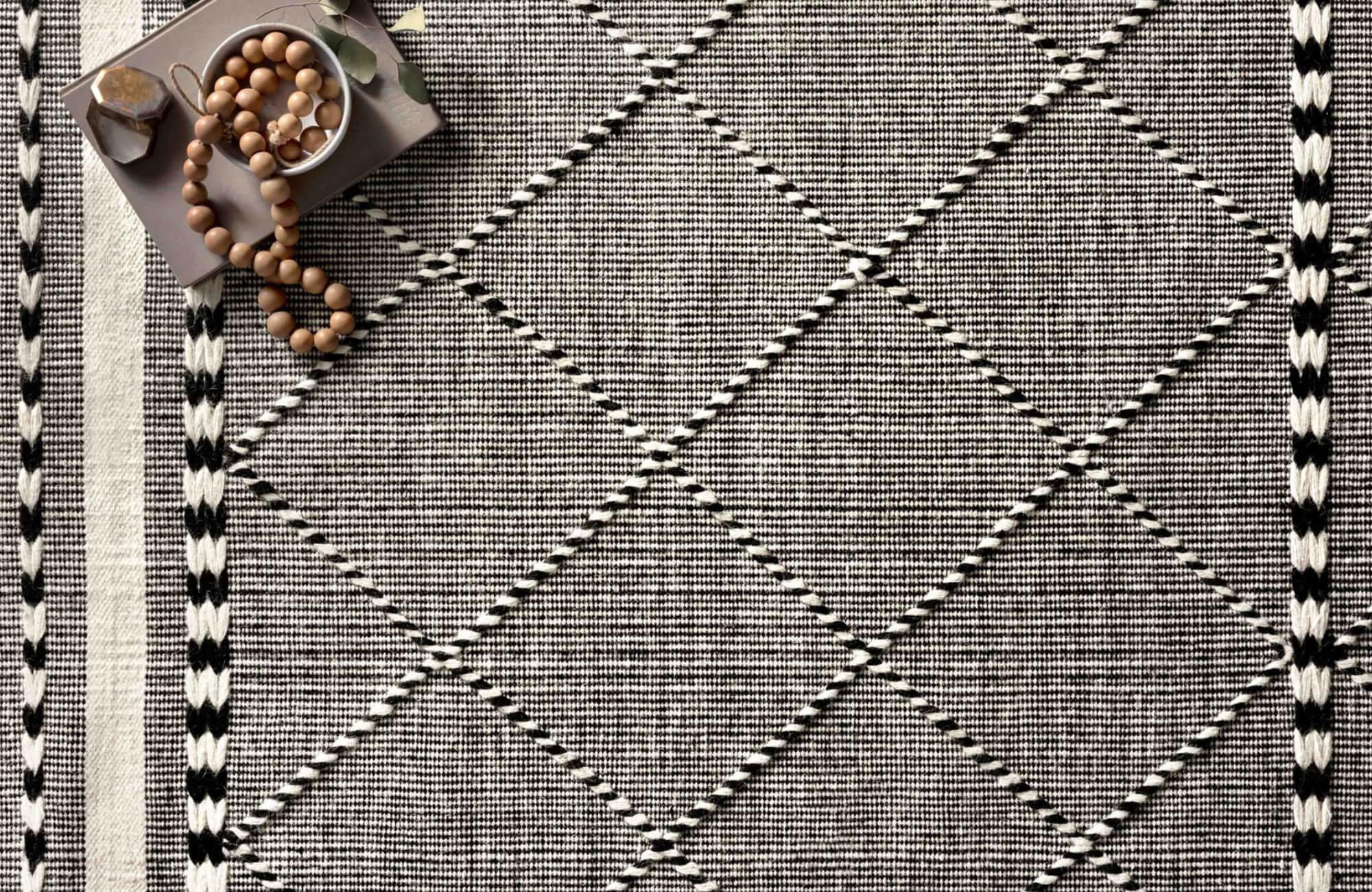
Seen above, Edward Martin’s Lafferty Wool Blend Rug in Midnight beautifully illustrates this craftsmanship, showcasing precise geometric detailing and expertly woven texture. Its tight construction and balanced pattern exemplify the superior control and artistry achieved through traditional hand-knotting techniques.
Natural Dyes and Colorfastness
Equally vital to the rug’s longevity is its coloration process. Moroccan weavers traditionally use natural dyes derived from plants, minerals, and insects, such as madder root for reds, indigo for blues, and saffron for yellows. These organic pigments penetrate the wool fibers deeply, enhancing both vibrancy and resistance to fading. Unlike synthetic dyes, natural colorants age gracefully, developing a patina that enriches the rug’s aesthetic over time. Proper dye fixation and washing techniques further improve colorfastness, ensuring that each rug maintains its brilliance and authenticity for decades.
The Timeless Appeal of Design Versatility
Beyond their durability, Moroccan rugs hold an aesthetic versatility that has made them a favorite across generations of designers. Building on their handcrafted foundation, these rugs effortlessly adapt to evolving interior styles, bridging traditional heritage with modern sensibilities.
The Enduring Icon of the Beni Ourain Style
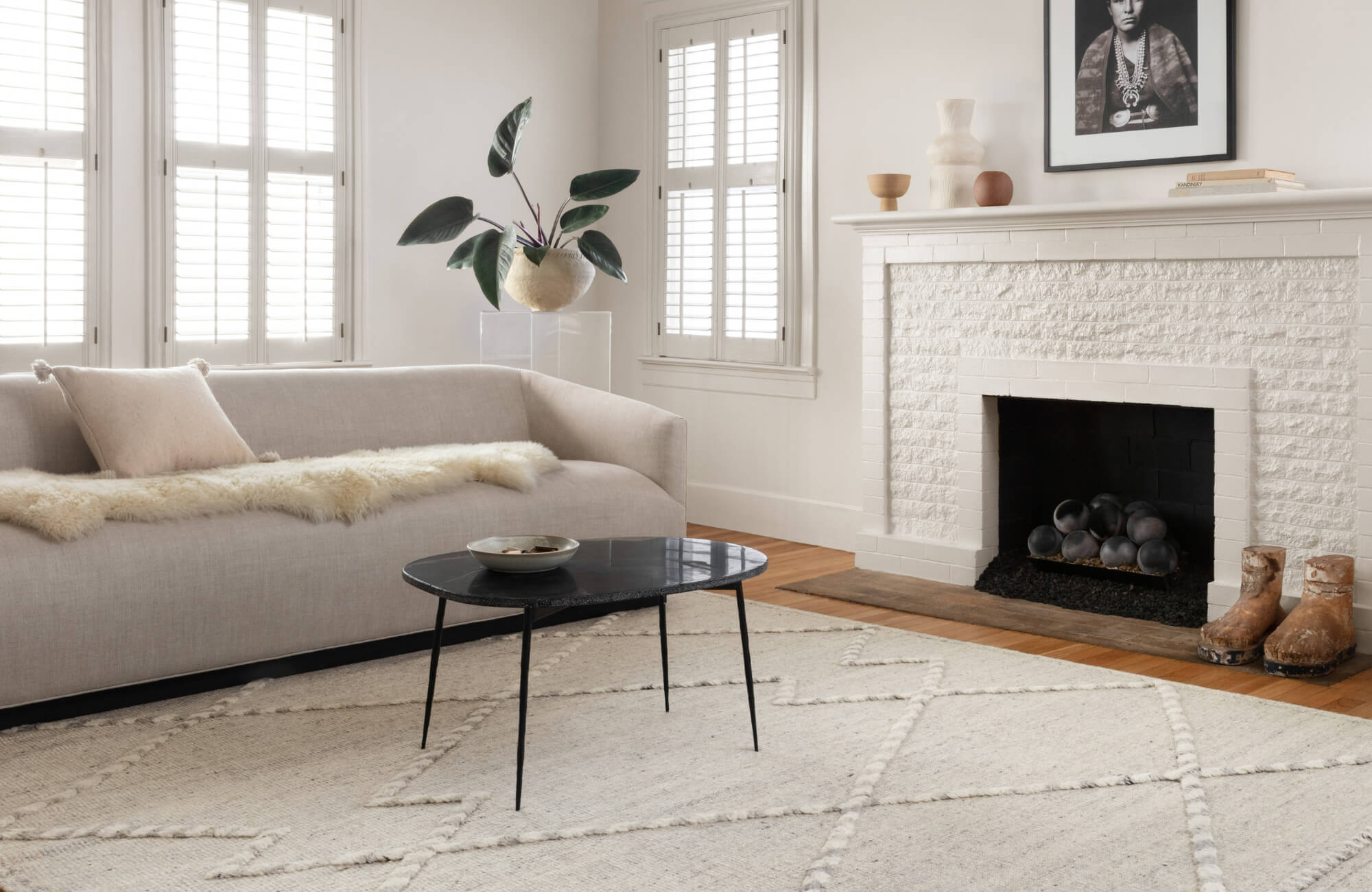
The Beni Ourain rug epitomizes understated elegance and timeless design. Handcrafted by Berber tribes in the Middle Atlas region, these rugs are distinguished by their creamy, undyed wool and minimalist geometric motifs rendered in natural brown or black tones. The high-pile, hand-knotted construction adds a tactile warmth that complements both modernist and rustic interiors. Designers often value Beni Ourain rugs for their ability to ground a space, balancing clean architectural lines with organic texture and subtle pattern repetition that never overwhelms the composition.
As seen above, Edward Martin’s Micah Wool Blend Rug in Cream / Dove captures this refined aesthetic with its soft tonal palette and diamond lattice design. Its plush texture and handwoven quality echo the authentic craftsmanship of traditional Beni Ourain pieces, making it an enduring choice for sophisticated, modern interiors.
Azilal and Boujaad Designs for Eclectic Spaces
In contrast to the restrained Beni Ourain aesthetic, Azilal and Boujaad rugs celebrate color, asymmetry, and creative expression. Woven in the High Atlas regions, these pieces feature intricate, free-form patterns and vibrant palettes achieved through natural dyes. Azilal rugs often combine abstract motifs with bold contrasts, while Boujaad rugs display warm, saturated hues in layered compositions that evoke a painterly quality. Their dynamic visuals make them ideal focal points in eclectic, bohemian, or maximalist interiors, where texture and individuality take precedence. These styles demonstrate the diversity of Morocco’s weaving heritage and its capacity to reflect both tradition and innovation.
Seamless Integration with Any Interior Style
Moroccan rugs possess a rare adaptability that allows them to complement virtually any design language, from Scandinavian minimalism and mid-century modern to contemporary luxury and global-inspired décor. Their neutral bases, organic geometry, and handwoven irregularities introduce visual depth and authenticity, softening hard materials like concrete, steel, or glass. In transitional settings, a Moroccan rug can bridge classical and modern elements, creating cohesion through tactile continuity. This design fluidity makes them a valuable long-term investment, easily recontextualized as interior trends evolve without losing aesthetic or cultural significance.
Cultural Significance and Collectible Value
As their visual appeal continues to captivate contemporary spaces, Moroccan rugs also carry deep cultural and historical meaning. The next layer of their value lies in the narratives, ethics, and authenticity woven into every design, making each piece a true collectible with enduring emotional resonance.
Understanding the Tribal Narratives Woven into Each Piece
Every Moroccan rug serves as a woven chronicle of its maker’s identity, reflecting the traditions, geography, and beliefs of distinct Berber tribes. Patterns and motifs, such as diamonds symbolizing protection, zigzags representing life’s journey, and lozenges denoting fertility, form a visual language unique to each weaving community. For instance, Beni Mguild rugs often feature deep indigo tones and symmetrical designs influenced by mountain landscapes, while Aït Ouaouzguite weavers favor bold, angular forms drawn from desert symbolism. These handwoven expressions preserve oral histories and communal memory, making each rug a one-of-a-kind artifact rooted in cultural storytelling.
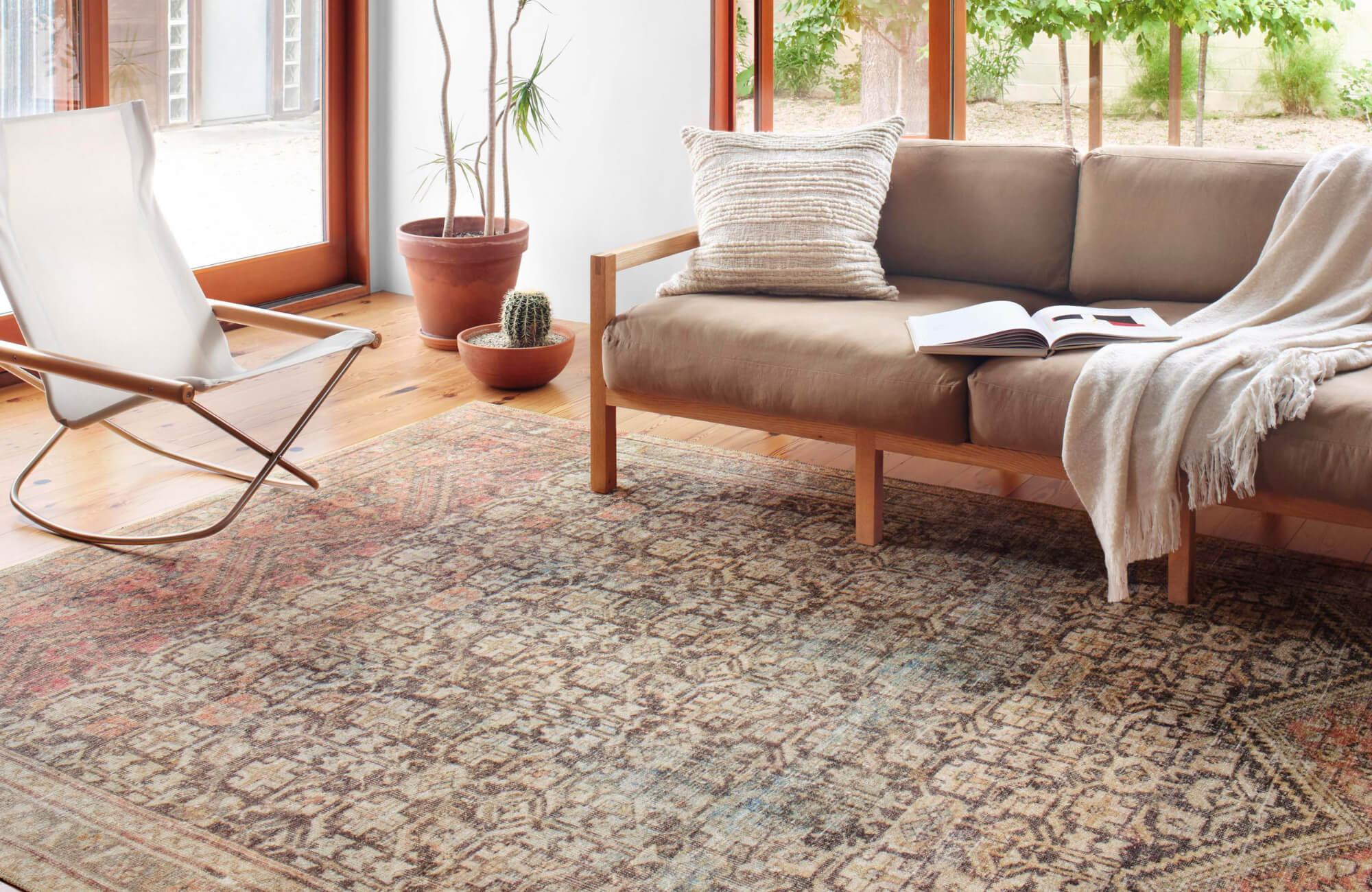
As illustrated above, Edward Martin’s Pascal Polyester Face Rug in Smoke / Multi embodies this spirit of visual narrative through its layered patterns and muted, time-worn palette. The intricate motifs and tonal variations evoke a sense of heritage and depth, mirroring the storytelling essence of traditional Moroccan craftsmanship within a refined, contemporary context.
The Ethical Importance of Supporting Artisan Weavers
Authentic Moroccan rugs are the product of generations of skilled women weavers who maintain traditional techniques in small, often cooperative settings. Ethically sourcing these rugs sustains rural economies, empowers female artisans, and ensures the survival of ancient weaving traditions threatened by industrial replication. Fair-trade initiatives and certified cooperatives promote transparent compensation, environmentally responsible dyeing practices, and community reinvestment. For designers and homeowners, investing in such pieces represents not just aesthetic appreciation but also social stewardship, supporting heritage preservation through responsible consumption.
Recognizing Truly Authentic and Vintage Rugs
In the collector’s market, authenticity and provenance determine both value and significance. Genuine Moroccan rugs are characterized by hand-spun wool, irregular knotting, and natural vegetable dyes that age gracefully over time. Vintage pieces, often 40 to 70 years old, exhibit a soft patina, uneven fading, and subtle abrash (color variation) that confirm hand-dyeing and natural wear. Conversely, mass-produced imitations typically reveal uniform coloration, synthetic fibers, and machine-finished edges. Evaluating factors such as tribal origin, knot density, material integrity, and condition helps establish collectible worth and ensures that each acquisition represents true artisanal excellence.
Analyzing Market Performance and Resale Potential
The cultural and artistic depth of Moroccan rugs naturally translates into strong, consistent market performance. Understanding how these heirloom-quality pieces retain and grow in value over time reveals why they remain one of the most reliable investments in luxury décor.
The Consistent Demand for Vintage Berber Pieces
In the international collectibles market, vintage Berber rugs consistently command high prices due to their scarcity, authenticity, and aesthetic versatility. Handwoven examples from mid-20th century Morocco, especially Beni Ourain, Boujaad, and Azilal styles, are prized for their organic wool textures and abstract motifs that align seamlessly with contemporary interior design trends. Auction data and high-end dealer reports show a steady appreciation for well-preserved vintage pieces, with rare tribal examples achieving premium valuations comparable to fine art textiles. The combination of cultural provenance and limited supply has made these rugs a sought-after category among curators, designers, and private collectors.
Factors That Increase Future Rug Value
Several key attributes determine a Moroccan rug’s potential for value appreciation. Provenance, verified origin and tribal lineage, remains the most influential factor, as rugs linked to recognized weaving regions or families carry higher historical significance. Material quality, particularly hand-spun Atlas Mountain wool and the use of natural dyes, enhances both durability and desirability. Knot density, pattern integrity, and condition also serve as key determinants; rugs exhibiting balanced composition and minimal restoration typically achieve stronger resale performance. Moreover, market shifts toward sustainable and artisanal products have increased collector interest in pieces that embody cultural authenticity and ethical sourcing.
Comparing Hand-Woven Value to Machine-Made Imitations
Handwoven Moroccan rugs hold distinct advantages over machine-made reproductions in both aesthetic and financial terms. Machine-made versions, often mass-produced with synthetic fibers and printed designs, lack the structural integrity, textural variation, and individuality of authentic Berber weavings. As a result, they depreciate rapidly and offer little to no secondary market value. In contrast, handcrafted rugs age gracefully, developing patina, softness, and color depth that enhance their collectible appeal over time. For investors and design professionals alike, this intrinsic, appreciating value underscores why genuine Moroccan rugs remain a cornerstone of both heritage interiors and the global luxury textile market.
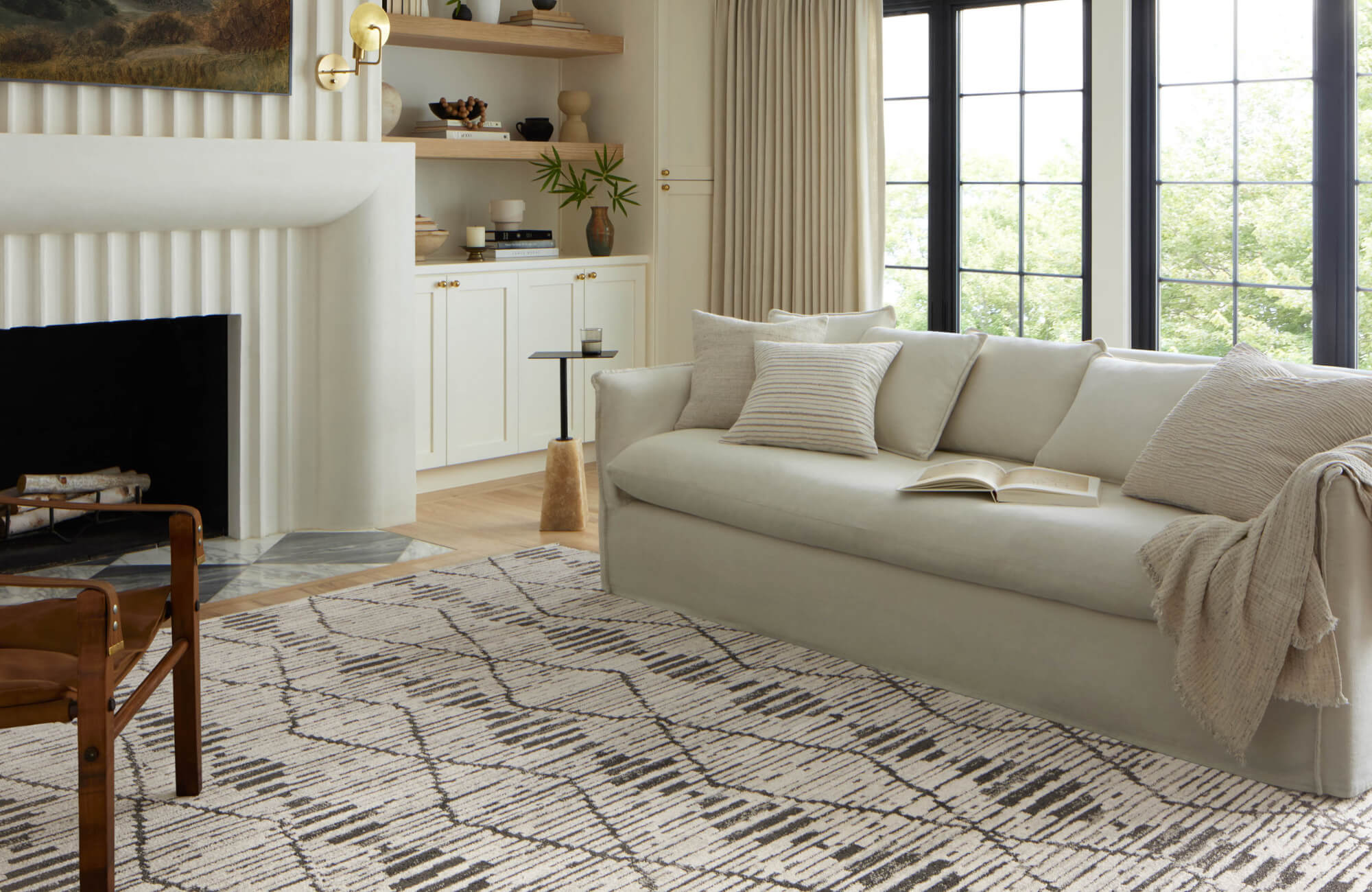
Seen above, Edward Martin’s Liddy Polyester Pile Rug in Graphite / Platinum demonstrates how modern craftsmanship can echo traditional Moroccan artistry. Its geometric linearity and rich textural contrast emulate the handwoven aesthetic while delivering exceptional performance and durability, bridging the gap between artisanal design and contemporary practicality.
How They Thrive in Modern Homes
Finally, the true strength of Moroccan rugs lies in their ability to blend beauty with practicality. Building on their heritage of craftsmanship and proven market value, these timeless pieces continue to thrive in today’s homes, balancing performance, comfort, and style for modern living.
Naturally Stain Resistant and Low Maintenance Wool
The foundation of a Moroccan rug’s resilience lies in its premium wool composition. Hand-spun wool sourced from Atlas Mountain sheep contains a high concentration of lanolin, a natural wax that coats each fiber, making it inherently water- and stain-resistant. This hydrophobic barrier repels dirt and liquids, allowing most spills to be easily blotted rather than absorbed. The fiber’s natural crimp provides elasticity and recovery, enabling the pile to resist matting and crushing under regular use.
Additionally, the high lanolin content contributes to anti-static properties, minimizing dust accumulation and simplifying maintenance through periodic vacuuming and gentle spot cleaning. While wool offers exceptional durability, it’s important to note that some stains can still pose a challenge, for best results, always consult the manufacturer’s care and maintenance guidelines to preserve the rug’s longevity and appearance.
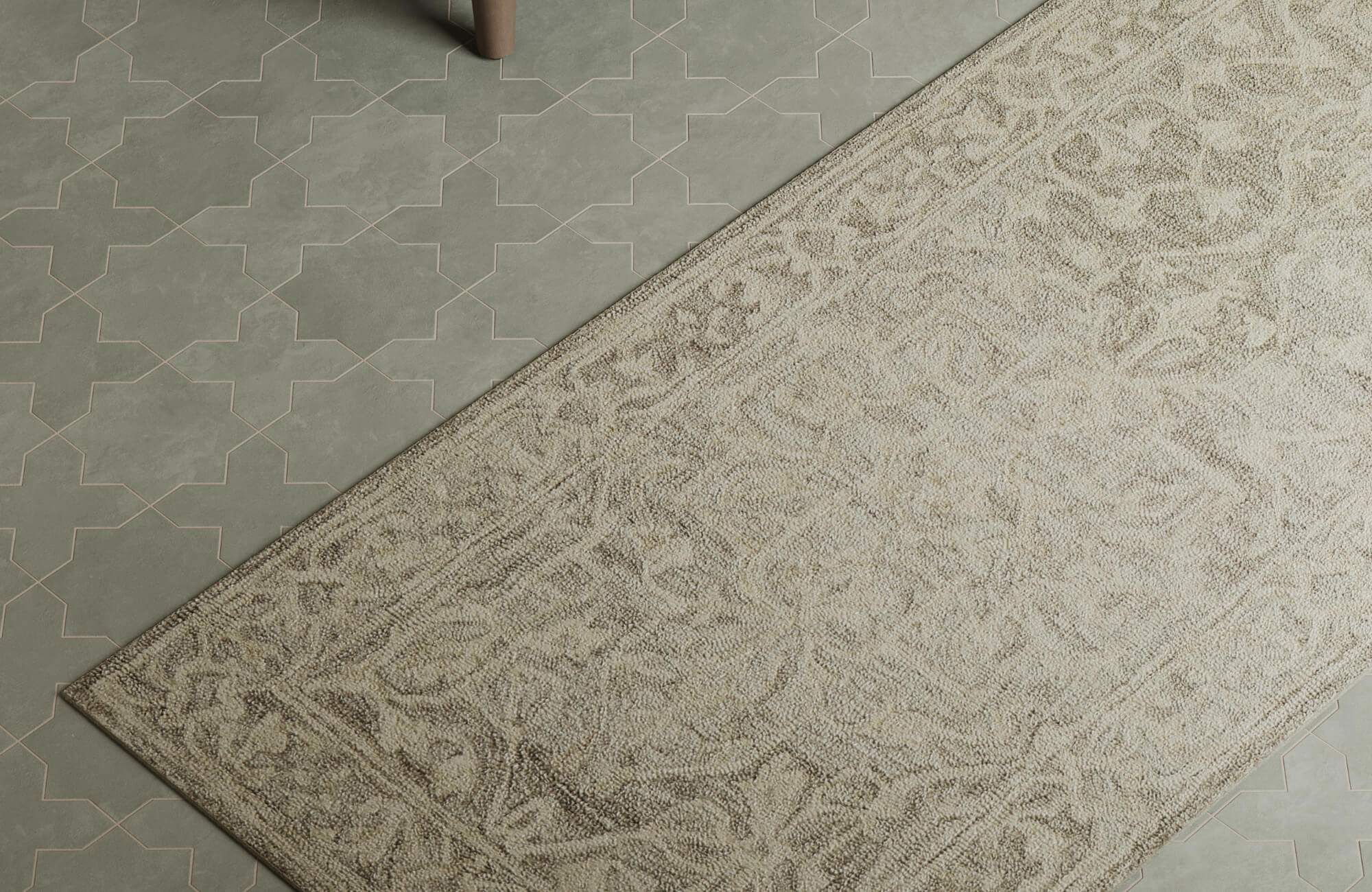
As shown above, Edward Martin’s Mallory Wool Pile Rug in Khaki exemplifies the beauty and practicality of lanolin-rich fibers. Its dense weave and subtle tonal pattern highlight wool’s ability to maintain structure and softness, offering a balance of elegance and functionality ideal for high-use spaces.
Temperature and Sound Insulation Properties
Moroccan rugs offer significant functional benefits beyond surface aesthetics. Their dense wool pile acts as a natural thermal insulator, regulating ambient temperature by retaining warmth in cooler months and providing breathable comfort in warmer seasons. This microclimatic balance contributes to energy efficiency in well-insulated homes. Acoustically, the soft, fibrous structure of handwoven rugs absorbs ambient noise and reduces echo, enhancing comfort in open-plan spaces with hard flooring materials like concrete, stone, or hardwood. The combination of thermal and acoustic performance makes Moroccan rugs a practical choice for modern interiors seeking both sensory and environmental comfort.
Styling Techniques for Busy Areas
In high-use zones such as living rooms, hallways, or offices, Moroccan rugs excel when styled with both aesthetics and functionality in mind. Flat-weave or low-pile variants like Kilim or Boucherouite rugs are particularly suited to these environments, offering easier cleaning and reduced wear. Layering a Moroccan rug over a durable rug pad enhances grip, cushioning, and longevity by minimizing friction with the floor surface. Rotating rugs seasonally also ensures even wear and color exposure. Designers often leverage the naturally varied textures and patterns of Moroccan pieces to disguise minor wear, making them ideal for dynamic, lived-in spaces that demand both endurance and visual sophistication.
The Definitive Design Statement and Investment
Moroccan rugs are unparalleled investments because they offer a rare trifecta: exceptional physical durability, eternal stylistic relevance, and the potential for financial appreciation as unique cultural artifacts. Choosing an authentic, hand-woven piece from a responsible retailer ensures you are acquiring not just décor, but a masterpiece of history and enduring design.
To help you select the perfect rug or complementary pieces for your space, Edward Martin’s design consultation service provides expert, one-on-one guidance tailored to your project’s aesthetic and functional goals. Their specialists help you make confident style choices, balancing texture, color, and proportion to create cohesive, lasting interiors. For personalized recommendations, product questions, or assistance with tile, rug, or furniture selections, simply contact Edward Martin for professional support and design expertise.
Follow us on Instagram
@EDWARD.MARTIN
)
)
)
)
)
)
)
)
)
)
)
)
)
)
)
)