
)
)
)
)
)
)
)
)
How Tall Should A Bathroom Backsplash Be?
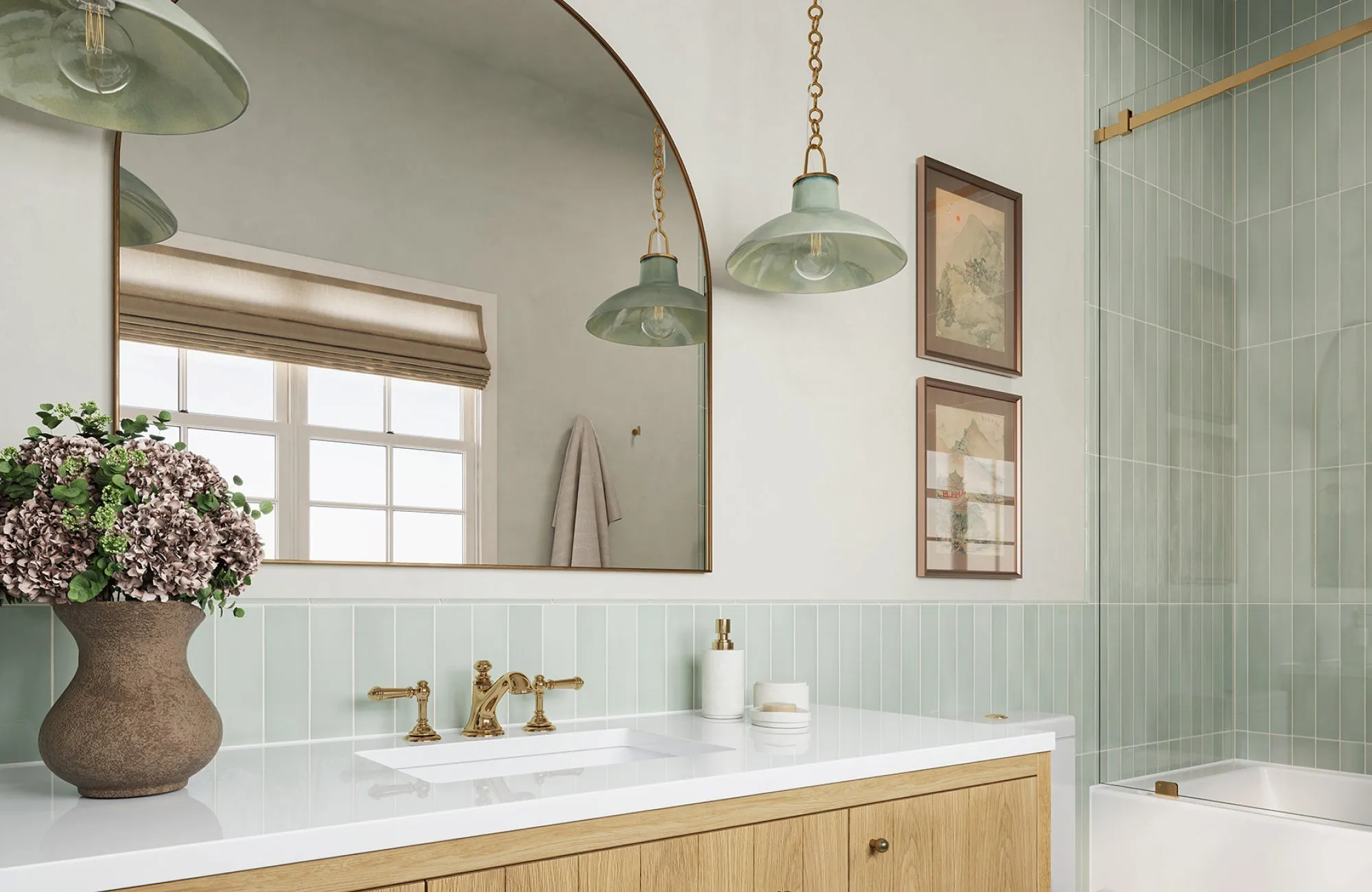
A bathroom backsplash might seem like a small feature, but its height can make a big difference in how your space looks and functions. It protects your bathroom walls from splashes and moisture while also defining the visual flow of your vanity area. Choosing the right height, though, is about more than preference; it’s also about understanding proportion, materials, and how each element of your bathroom works together. In this article, we’ll explore the key factors that influence backsplash height and how to strike the right balance between style and function, helping your bathroom stay both beautiful and practical for years to come.
The Purpose of a Bathroom Backsplash
A backsplash does more than add style; it further protects your walls from moisture while enhancing the look of your vanity area. Before choosing the right height, it’s equally important to understand what a backsplash does and how it works in different bathroom settings.
The Role of Protection
Bathrooms are always exposed to moisture, and even small splashes from the sink can slowly wear down the wall over time. A backsplash serves as a protective layer, shielding the surface from water, stains, and peeling paint. While a few inches might be sufficient in some bathrooms, it’s equally important to think about how often your vanity area is used. In bathrooms where the sink is used frequently, a taller backsplash offers better protection and helps minimize maintenance over time.
Visual Framing for the Vanity
A backsplash helps frame the vanity, giving it a clean, finished appearance. Without it, the transition between the countertop and wall can look abrupt or unfinished. The right height brings visual balance, guiding the eye naturally across the space. A shorter backsplash adds a hint of structure, while a taller one creates a more anchored, intentional look.
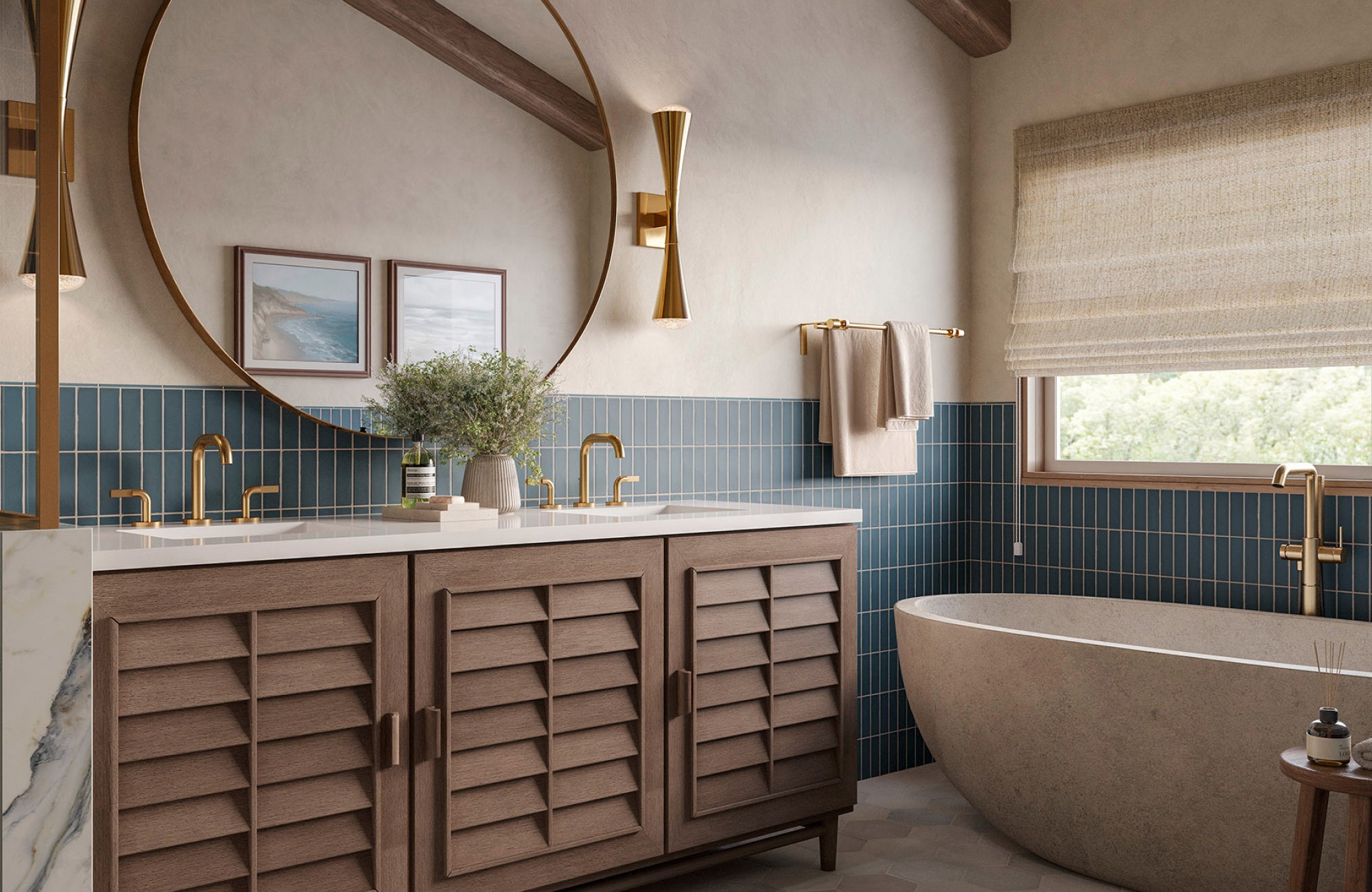
In the photo shown above, Edward Martin’s Dani 1.6x5 Matte Ceramic Tile in Denim perfectly illustrates how a backsplash can enhance visual framing. Its soft blue tone adds depth and contrast against the neutral vanity, while the tile’s vertical placement subtly draws the eye upward. This combination not only defines the vanity area but also ties together the overall palette, creating a cohesive and inviting look that feels both fresh and timeless.
Functional Zones to Consider
Not every part of the bathroom is exposed to the same amount of moisture. The wall directly behind the sink usually needs the most protection, while the sides of the vanity may require less. If your mirror is placed close to the countertop, a narrow strip of backsplash may be enough. In contrast, an open wall without obstructions often benefits from a taller design. By considering each area individually, you can decide where extra coverage will have the greatest impact.
Standard Heights and Modern Trends
Bathroom design has long-standing guidelines for backsplash height, but styles and preferences are constantly evolving. Knowing both the classic standards and the latest trends can help you choose a height that suits your space and reflects your personal style.
Common Height Standards
The most common backsplash height ranges from 4 to 6 inches. This range offers sufficient protection against splashes while maintaining a clean, balanced appearance. It’s also a practical and budget-friendly option, using less material and requiring minimal installation. For many homeowners, this height strikes the perfect balance between function and simplicity.
Full-Height and Extended Options
If you prefer a sleek, modern look, a full-height backsplash that extends to the mirror, or even all the way to the ceiling, can make a bold statement. This continuous surface eliminates seams and grout lines, making it easier to clean while giving the space a smooth, cohesive finish. It works especially well with materials like porcelain, quartz, or large-format tiles that create a seamless flow up the wall.
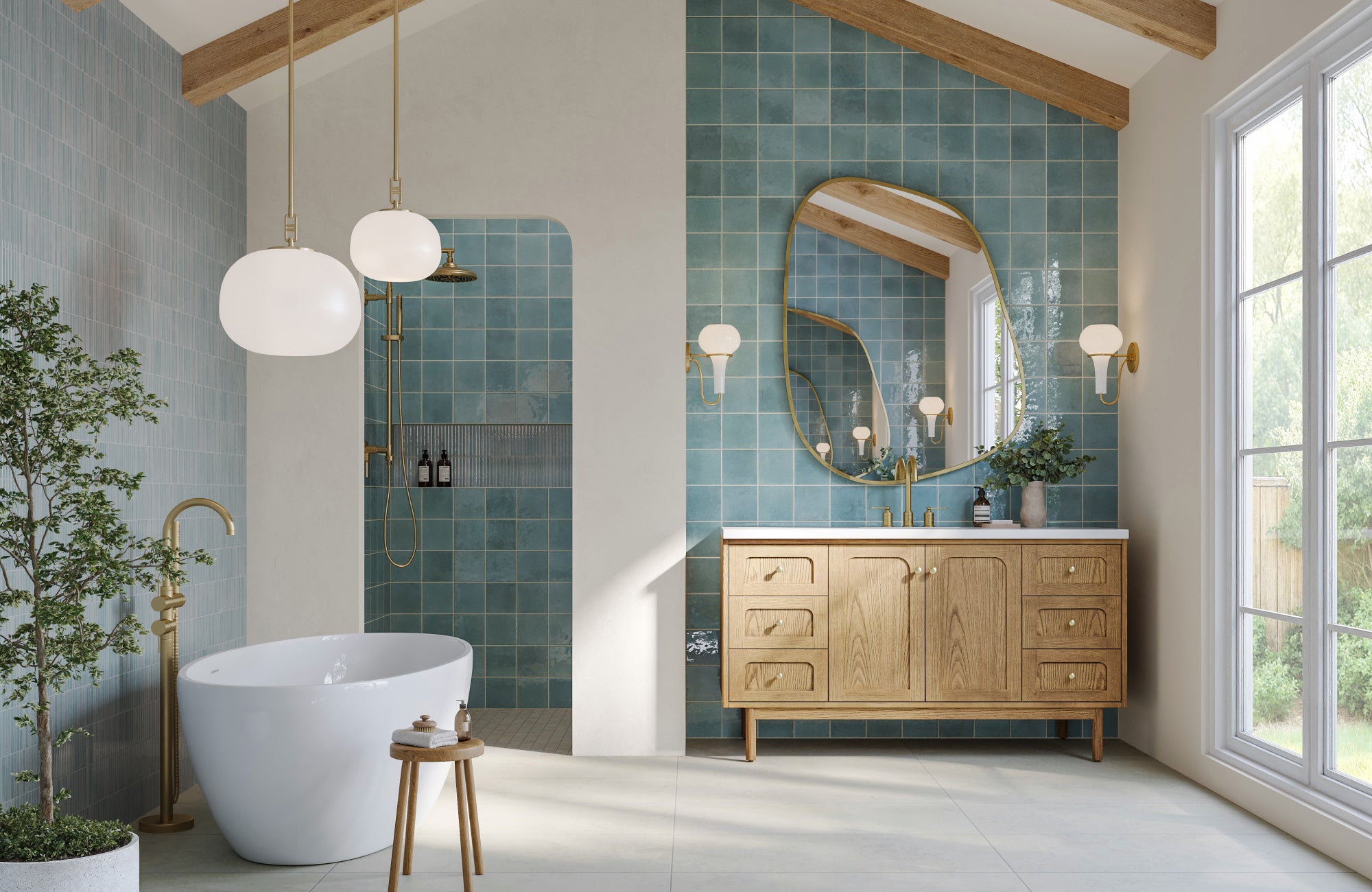
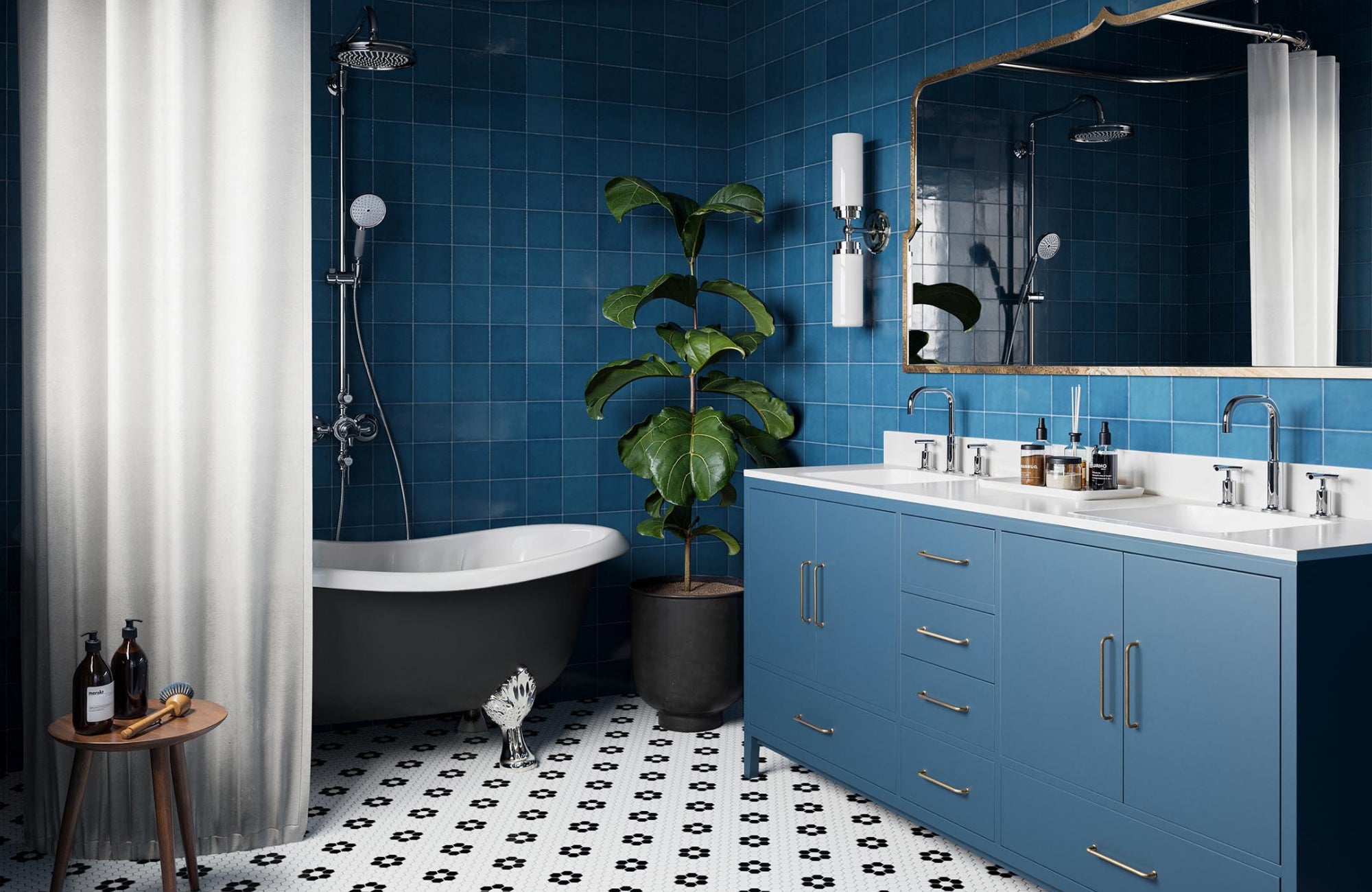
In the photo shown above, Edward Martin’s Makenna 6x6 Glossy Porcelain Tile in Agua beautifully illustrates this concept. The tiles extend from the vanity countertop to the ceiling, creating a cohesive backdrop that brightens the room and draws attention to the natural light. The reflective sheen of the tile enhances the sense of height and openness, showing how a full-height backsplash can transform an everyday bathroom into a modern, spa-like retreat.
Floating and Minimalist Styles
In minimalist bathrooms, many designers simplify the look by minimizing or even eliminating the backsplash, choosing moisture-resistant paint or protective wall coatings instead. Ultra-low backsplashes, just an inch or two high, can still offer light protection while keeping the space open and uncluttered. This approach also works best in powder rooms or low-moisture areas, where style can take priority over heavy-duty protection.
Coordinating Height with Vanity, Countertop, and Mirror
The backsplash works closely with other key features in your bathroom. Its height should suit the proportions of your vanity, blend with your countertop material, and align naturally with the mirror. When these elements work together, the result is a space that feels balanced, cohesive, and thoughtfully designed.
Matching Vanity Proportions
Every vanity has its own sense of proportion. If your vanity is taller, a shorter backsplash helps maintain visual balance and keeps the upper wall from feeling too closed in. On the other hand, a lower vanity often benefits from a taller backsplash that draws the eye upward and adds a sense of height. Keeping these proportions in mind ensures your backsplash feels like a natural part of the design rather than an afterthought.
Countertop Material Continuity
If your countertop material extends slightly up the wall, continuing it as a backsplash creates a smooth, unified look. This approach works particularly well with quartz, granite, or porcelain, where the pattern or color can flow naturally without interruption. Using the same material also makes cleaning easier; fewer seams and edges mean fewer places for dirt or moisture to build up.
A great example of this can be seen in the photo above, where Edward Martin’s Mikayla 5x5 Glossy Ceramic Tile in Cerulean demonstrates how consistent color and material choices can tie a bathroom design together. Its deep blue color echoes the vanity’s tone, creating a seamless flow between the countertop, backsplash, and surrounding walls. This cohesive look feels polished and intentional while adding a touch of depth and personality to the space.
Integrating with the Mirror Line
The bottom edge of your mirror is a great reference point when deciding on backsplash height. Ideally, the two should either meet neatly or have a small, intentional gap between them. When they’re placed too close, the space can feel cramped, but leaving too much distance can interrupt the flow. Getting this alignment right helps the vanity wall look more balanced and cohesive.
Factoring in Materials and Installation Methods
Every material performs differently once it’s installed. Each material has its own strengths, drawbacks, and maintenance needs, all of which can influence the ideal height for your backsplash. Knowing how each material performs helps you choose one that looks good, works well, and lasts for years.
Tile Backsplashes
Tile is one of the most versatile options for a bathroom backsplash, offering flexibility in both height and design. You can stick with the classic 4-inch style or take the tiles all the way to the ceiling for a bold, continuous look. Keep in mind that grout lines, tile type, and surface texture all play a role in upkeep. Ceramic and porcelain tiles are especially reliable in damp areas, but the ideal height often depends on where splashes are most likely to occur.
Stone, Quartz, or Solid Surfaces
Natural and engineered stones such as marble, granite, and quartz bring a timeless, refined look to any bathroom, but they also come with a few practical considerations. Because these materials are heavy, they’re often installed as shorter slabs, typically around 4 to 8 inches high, unless fabricated as full wall panels. Their smooth, non-porous surfaces withstand moisture well, making them ideal for busy bathrooms, but they do require periodic sealing to maintain their finish.
If you love the look of stone but prefer an easier option, stone-look porcelain tiles offer a smart alternative. They capture the depth and texture of natural materials while being lighter, more affordable, and virtually maintenance-free, giving you the beauty of stone without the upkeep.
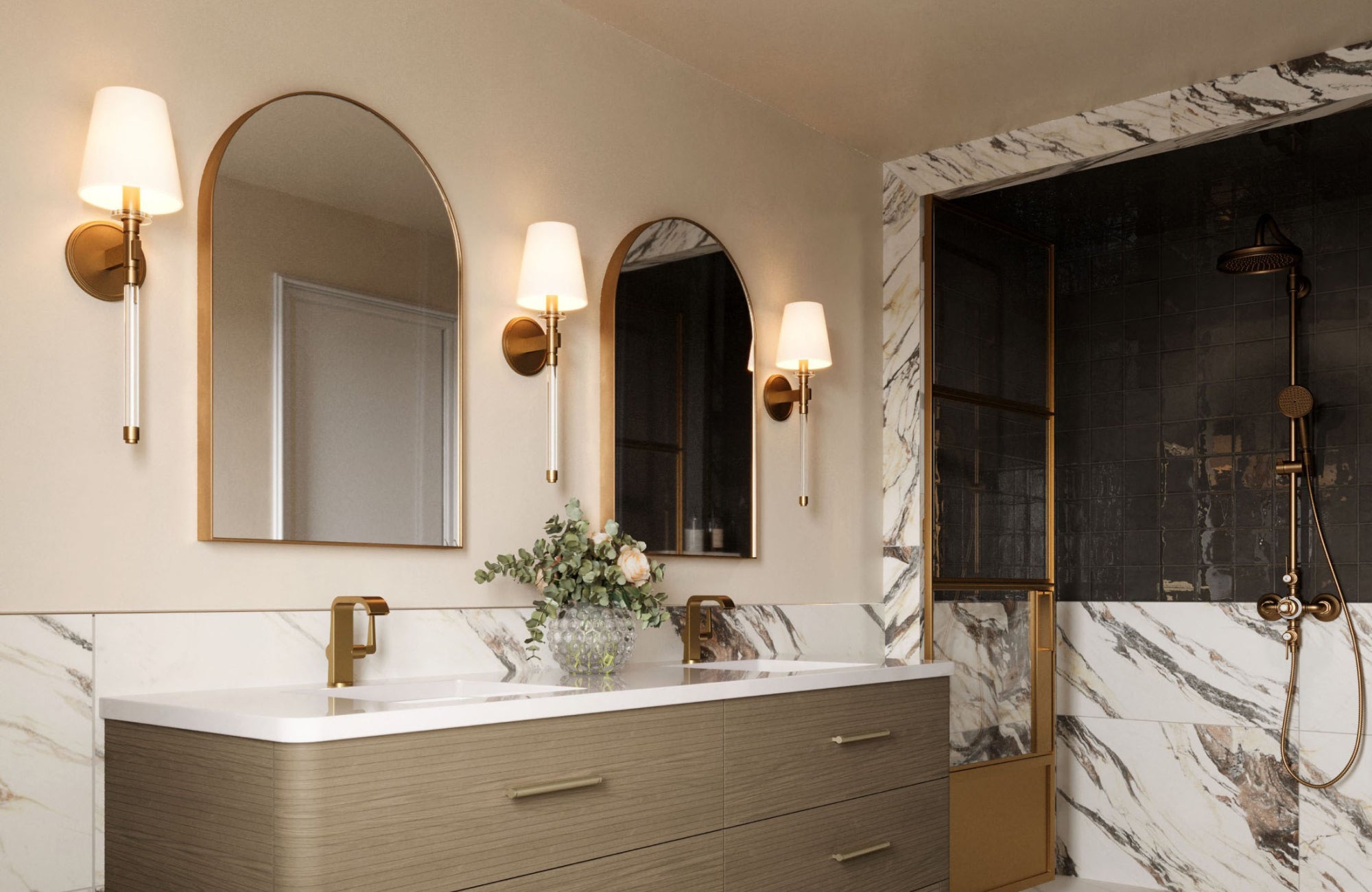
A perfect example of this is Edward Martin’s Aniston 24x48 Matte Porcelain Tile in Calacatta Viola, as displayed in the photo above, which mirrors the luxurious veining and color variation of real marble. It brings the same timeless elegance as natural stone while offering superior durability and ease of care. Its matte finish softens the overall look, creating a sophisticated, spa-like atmosphere that feels refined yet practical for everyday use.
Peel-and-Stick and Alternative Materials
Modern options such as peel-and-stick tiles, acrylic panels, and waterproof laminates make it easy to experiment with different backsplash heights. These materials are lightweight, simple to install, and ideal for creating taller designs without extensive prep work. Be sure to seal the edges well and secure a strong bond to the wall, as this will help prevent peeling and keep moisture from getting underneath over time.
Balancing Aesthetics and Function
Choosing the right backsplash height is about more than just measurements; it’s also about achieving balance. The goal is to create a space that feels proportionate, complements the surrounding materials, and supports everyday use while maintaining a clean, uncluttered look.
Proportion and Scale
Your backsplash should blend naturally with the rest of your bathroom’s design. In a smaller space, a taller backsplash can draw the eye upward, making the room feel taller. In wider bathrooms, a shorter backsplash often works best, considering the length of the vanity and maintaining a balanced look. The key is to maintain a balanced proportion so that every element flows together naturally.
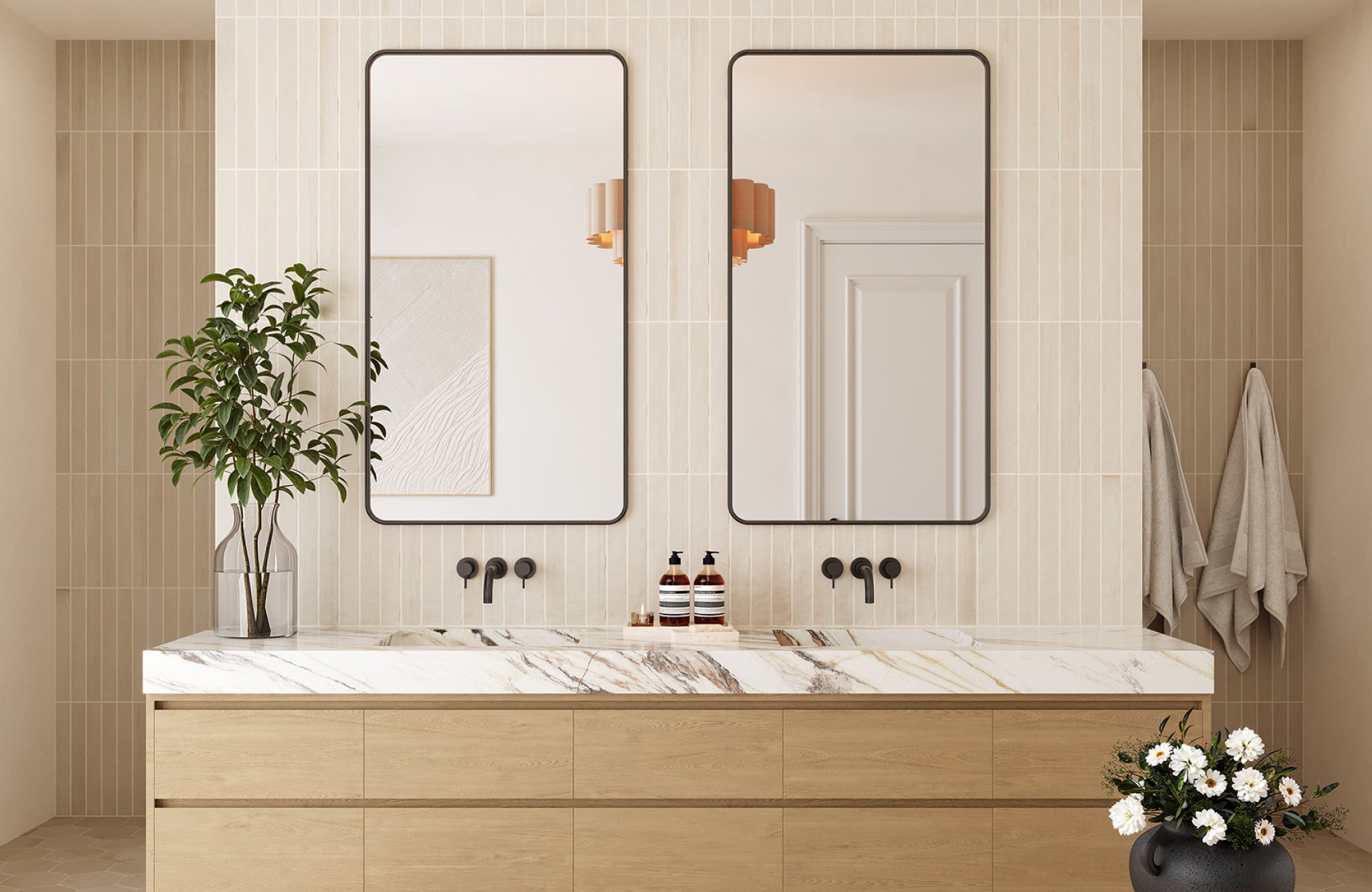
A beautiful example of this balance can be seen with Edward Martin’s Catalina 2x16 Matte Porcelain Tile in Cream, as featured in the photo above. The elongated vertical layout of the tiles enhances the room’s height, while the soft neutral tone ties in seamlessly with the wood vanity and marble countertop. This combination achieves the perfect balance of proportion, warmth, and sophistication, showing how thoughtful backsplash height and layout can subtly elevate a bathroom’s overall design.
Color and Material Contrast
The backsplash is a great way to add contrast or a touch of variation to your bathroom design. Choosing a different color or material for your countertop can help make the vanity stand out as a focal point. For instance, a white quartz countertop paired with a soft stone-look tile backsplash adds depth and visual interest. If you prefer a seamless, tranquil feel, continuing the same material up the wall creates a smooth, cohesive look.
Lighting and Reflections
Lighting can completely change the way a backsplash looks and feels. Under-cabinet lighting or wall sconces can draw attention to the backsplash by casting soft shadows that bring out its texture. Glossy or reflective materials, such as glass or polished porcelain, can also make a shorter backsplash seem taller, giving the vanity wall a brighter, more open feel.
Custom Solutions for Different Bathroom Types
Every bathroom has its own layout, purpose, and level of use. Choosing a backsplash height that fits the way each space functions helps you strike the right balance between practicality and style.
Powder Rooms and Guest Baths
In bathrooms that aren’t used daily, style often takes priority over function. A shorter backsplash, typically between 3 and 6 inches, offers enough protection while leaving room for wallpaper, bold paint colors, or an eye-catching mirror. Since these areas have little moisture, you have more freedom to experiment with design and add personality.
Main or Family Bathrooms
Bathrooms that experience daily use require finishes that can withstand constant moisture and cleaning. In these spaces, taller or full-height backsplashes are a smart choice because they offer better protection and are easier to maintain. Extending the backsplash higher also helps keep shared vanities looking neat, even with frequent water splashes.
Compact or Luxury Bathrooms
In smaller bathrooms, extending surfaces upward in one continuous line can make the space feel larger and more open. A tall or full-height backsplash creates a smooth vertical flow and minimizes visual breaks. In luxury bathrooms, this approach creates a serene, spa-like atmosphere where the materials and lighting flow effortlessly from the countertop to the ceiling.
Finding the Right Height for Your Bathroom Backsplash
Choosing the right backsplash height is more than settling on a number; it’s also about finding the balance between style and practicality. Start by considering how much wall protection your space truly needs, then think about how the backsplash will complement your vanity, countertop, and mirror. When your materials, proportions, and design details come together harmoniously, the space feels cohesive and thoughtfully designed. Whether you prefer a simple 4-inch backsplash or a striking full-height design, the key is to make the decision intentionally. With careful planning, your backsplash can be both functional and a beautiful highlight of your bathroom.
If you’re ready to explore your options or need help finding the right fit for your space, contact us today to speak with one of our design specialists. You can also use our AR tool to visualize different backsplash heights and styles in your own bathroom before making a decision.
Follow us on Instagram
@EDWARD.MARTIN
)
)
)
)
)
)
)
)
)
)
)
)
)
)
)
)