Cotton and wool blend rugs combine softness, strength, and versatility, making them a practical and stylish option for various interiors. Wool blends enhance durability and insulation by incorporating fibers like cotton, polyester, or rayon, ensuring a plush yet resilient texture. Meanwhile, cotton blends offer a lightweight structure that maintains airflow while reinforcing durability through synthetic or natural fiber combinations.
In this article, we’ll explore the distinct characteristics of cotton and wool blends, their advantages, and how they compare to other materials. Plus, we’ll discuss key considerations to help you choose the best rug for your space.

Wool Blend Rugs and Their Advantages
Wool is obtained through a careful shearing process, where sheep are trimmed to collect their fleece without harm. Once cleaned and spun into yarn, the fibers retain their natural softness and resilience, making them ideal for textiles. When blended with fibers such as cotton, polyester, or rayon, wool’s inherent strength is enhanced, creating rugs that maintain their plush texture while improving resistance to daily wear.
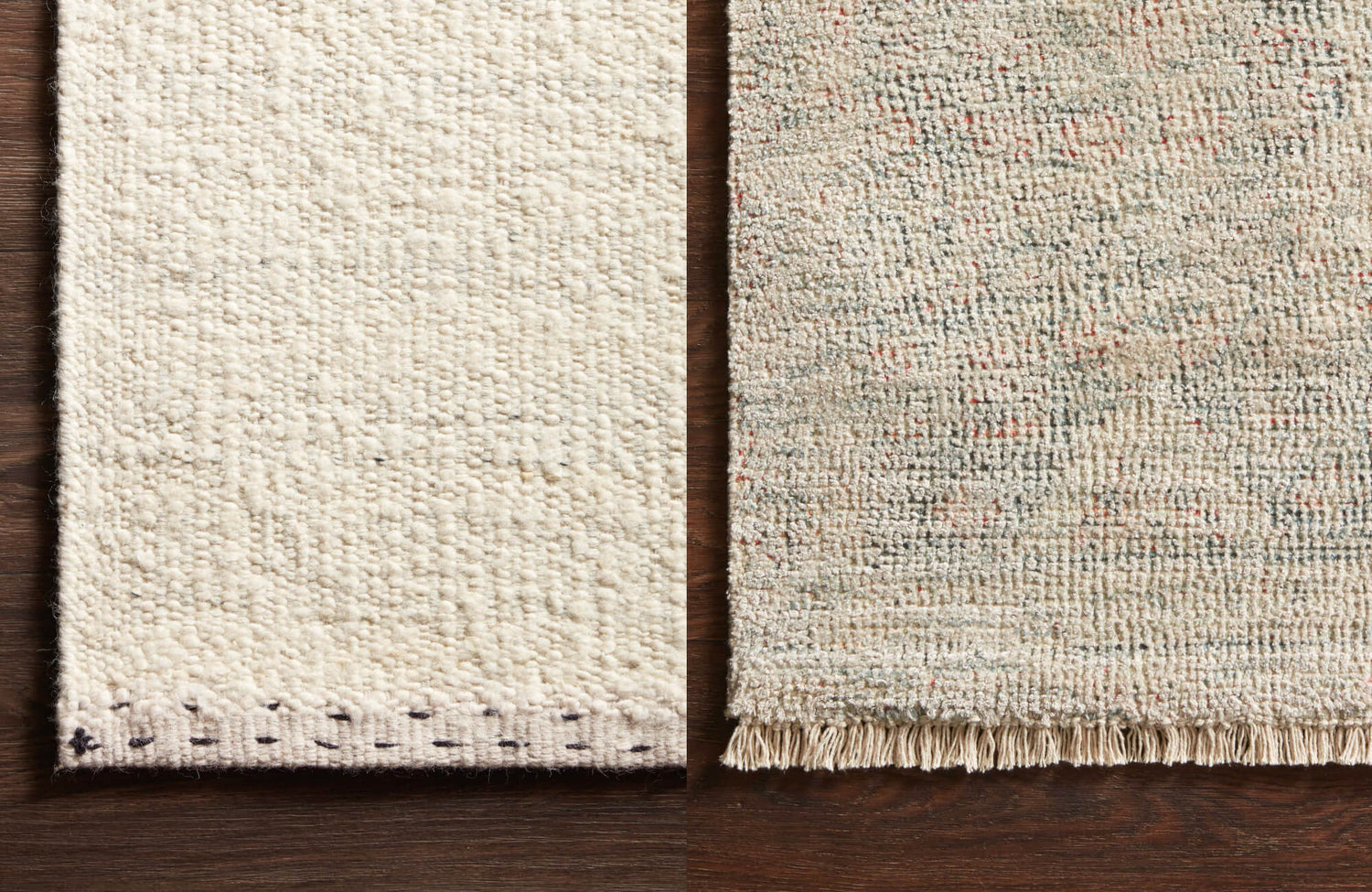
Apart from durability, wool blend rugs such as our Leticia Rug in Natural, as seen above, introduce greater versatility in texture and design. The added fibers allow for intricate weaving techniques, creating depth and dimension that suit various decor styles. Plus, the blend helps minimize shedding and increases stain resistance, making upkeep more manageable. With their ability to balance sophistication and everyday functionality, these rugs serve as a stylish yet practical solution for a variety of interiors.
Wool blends also contribute to sustainability, as wool is a biodegradable and naturally sourced material. When combined with synthetic fibers, these rugs become even more long-lasting, reducing the need for frequent replacements and minimizing waste. Their durability and eco-conscious qualities make them an excellent choice for those seeking a balance between style, practicality, and environmental responsibility.

Cotton Blend Rugs and Their Benefits
Cotton is harvested from the fluffy bolls of the cotton plant, which are carefully picked and processed to separate the fibers from the seeds. Once cleaned and spun into yarn, the fibers become soft yet durable, making them an excellent foundation for textiles. Cotton blend rugs combine this natural softness with fibers like wool, polyester, or rayon, resulting in a more durable and practical option for everyday use.
While pure cotton rugs can wear down over time, blending them with stronger fibers enhances their longevity without compromising comfort. The lightweight nature of cotton keeps the rug airy and adaptable, making it an excellent choice across various settings. Cotton blends are also a sustainable option, as cotton is a naturally renewable and biodegradable material.
Cotton blend rugs such as our Marcela Cotton Rug in Natural / Opal, as shown above, offer an eco-conscious yet practical choice, featuring a refined texture with a seamless blend of cotton and synthetic fibers, ensuring lasting quality while reducing overall waste. When mixed with synthetic materials, these rugs gain added strength and stain resistance, making them a reliable option for both comfort and longevity.

Weaving Techniques Used in Cotton and Wool Blend Rugs
Weaving is fundamental to how cotton and wool blend rugs perform over time, influencing everything from texture and durability to how well the rug holds its shape under daily use. Beyond aesthetics, the construction method determines fiber tension, structural integrity, and resistance to wear, making it an essential factor when selecting the right rug for your space.
Handweaving
Handwoven rugs are crafted by manually interlacing fibers on a loom, creating a tightly controlled structure that enhances both strength and longevity. Because each thread is individually tensioned during the weaving process, the resulting rug typically has a denser and more stable construction compared to machine-made alternatives. This added density helps prevent fiber shifting and maintains the rug’s form, even in moderately active areas.
In cotton and wool blends, handweaving also allows the natural elasticity of wool to work in tandem with the softness of cotton, producing a surface that resists crushing while remaining comfortable underfoot. The absence of synthetic backing or adhesives further contributes to the rug’s durability, as there are fewer structural components that can break down over time. This makes handwoven rugs especially well-suited for those seeking long-term performance paired with artisanal character.
Tufting
Tufted rugs are constructed by punching yarn through a primary backing material using a specialized tool, rather than interlacing fibers. This process creates a soft, cushioned pile quickly and efficiently, making tufted cotton and wool blend rugs more accessible while still delivering a plush, comfortable feel.
However, unlike handwoven rugs, tufted constructions rely on a secondary backing—typically secured with adhesive—to hold the fibers in place. While this allows for a thicker and more uniform pile, it also means the rug’s longevity can depend on the quality of the backing and adhesive used. Over time, heavy use or frequent cleaning may weaken this bond, which is why tufted rugs are often best suited for low- to medium-activity areas such as bedrooms or lounges.
Despite this, tufted cotton and wool blends perform well in terms of comfort and insulation, as the combination of fibers helps maintain softness while offering moderate resilience against compression.
Flat Weaving
Flatweave rugs are constructed without a pile, using a tight interlacing of warp and weft threads to create a smooth, low-profile surface. This structure distributes weight evenly across the rug, reducing pressure on individual fibers and minimizing signs of wear over time. As a result, flatwoven cotton and wool blend rugs are particularly effective in busy areas where durability is a priority.
The absence of pile also means there are fewer spaces for dust and debris to settle, making flatweaves easier to clean and maintain. In cotton and wool blends, this construction enhances breathability while still benefiting from wool’s natural resilience, allowing the rug to retain its structure without becoming overly compacted.
Lightweight yet durable, flatweave rugs are ideal for entryways, dining areas, and layered styling, offering a balance of practicality and refined design.

Practical Benefits
Wool and cotton blend rugs are designed to support everyday living, offering a balance of durability, comfort, and ease of care. Their versatility allows them to adapt to different spaces and lifestyles, making them a reliable choice for both relaxed and more refined interiors.
Easy Maintenance & Care
Wool blend rugs are generally easier to maintain than pure wool options, as blended fibers help reduce shedding while preserving a soft, plush texture. Wool’s natural resilience also allows the fibers to retain their shape over time, so regular vacuuming is often enough to keep the rug looking well-kept.
Cotton blend rugs, meanwhile, benefit from added durability and improved stain resistance compared to 100% cotton. The combination of fibers helps maintain color and structure, making these rugs especially practical in households with pets, children, or frequent foot traffic.
That said, while both wool and cotton blends are considered low-maintenance, proper care is still essential to preserve their appearance and longevity. Promptly addressing spills, following recommended cleaning methods, and avoiding excessive moisture can help prevent fiber damage or discoloration over time.
Where They Work Best
Wool blend rugs are particularly well-suited for living rooms and bedrooms, where their density and warmth create a comfortable, inviting atmosphere. Their ability to withstand regular use while maintaining their texture makes them a strong option for spaces that balance relaxation with everyday activity. They can also work well in dining areas, adding a layer of softness while complementing a more polished setting.
Cotton blend rugs, on the other hand, are ideal for more casual or flexible spaces such as home offices, sitting areas, and sunrooms. Their lightweight and breathable construction allows them to blend seamlessly into interiors without feeling too heavy, while still offering enough durability for daily use. They are also a practical choice for nurseries and playrooms, where comfort and ease of upkeep are key.
However, because both wool and cotton are naturally absorbent, these blends are not recommended for moisture-prone areas like bathrooms or damp environments. Prolonged exposure to humidity or standing water can lead to mildew or fiber deterioration, so placement in well-ventilated spaces is important.

Cotton & Wool Blends vs. Pure Synthetic Fibers
When comparing cotton and wool blend rugs to fully synthetic options, the differences go beyond surface appearance. Each material behaves differently in terms of breathability, durability, moisture response, and long-term performance. Understanding these distinctions can help you choose the right rug based on your space, lifestyle, and maintenance preferences.
Breathability and Temperature Regulation
Wool and cotton blends are naturally breathable due to the structure of their fibers. Wool fibers have a natural crimp that creates tiny air pockets, allowing them to trap heat when needed while still promoting airflow. Cotton fibers, on the other hand, enhance ventilation by allowing heat and moisture to pass through more easily. Together, these properties help regulate temperature, making these rugs comfortable across different seasons.
Synthetic fibers such as polyester and polypropylene are non-porous, meaning they do not absorb moisture or allow for the same level of airflow. While this makes them resistant to spills, it can also result in a surface that feels less breathable, particularly in warmer or enclosed environments.
Moisture Resistance and Spill Performance
One of the main advantages of synthetic rugs lies in their ability to repel moisture. Because synthetic fibers do not absorb liquids, spills tend to sit on the surface, allowing for quick and easy cleanup. This makes them especially suitable for kitchens, basements, or other moisture-prone areas.
In contrast, wool and cotton blends are more absorbent. Wool can naturally wick moisture away while still feeling dry to the touch, and cotton helps distribute moisture evenly. However, prolonged exposure to liquids can lead to saturation if not addressed promptly. For this reason, while natural blends perform well in everyday settings, they are better suited for spaces with moderate exposure to moisture rather than frequent spills.
Resilience, Compression, and Wear Over Time
Wool is known for its natural elasticity, allowing fibers to compress under pressure and then return to their original shape. When blended with cotton, this resilience is balanced with a softer, more flexible texture that enhances comfort without sacrificing structure. This makes cotton and wool blend rugs particularly effective in maintaining their appearance in living rooms and bedrooms.
Synthetic fibers, while durable, generally lack the same level of natural “memory.” Over time, they may become flattened or matted in areas with consistent foot fall or heavy furniture. While they resist immediate wear, their long-term appearance may change more noticeably compared to natural blends.
Longevity and Aging Characteristics
Cotton and wool blend rugs tend to age gradually, often developing a softer texture over time while maintaining their structural integrity. This natural aging process can enhance the rug’s character without significantly affecting its performance.
Synthetic rugs, by contrast, are designed to resist fading and staining but may show wear through fiber stiffness or surface flattening. Instead of softening with age, they may retain a more uniform appearance that can eventually feel less refined in high-use areas.
Best Use Cases for Each Material
Both material types offer distinct advantages depending on the environment. Cotton and wool blends are ideal for spaces where comfort, breathability, and long-term texture retention are priorities, such as living rooms, bedrooms, and sitting areas.
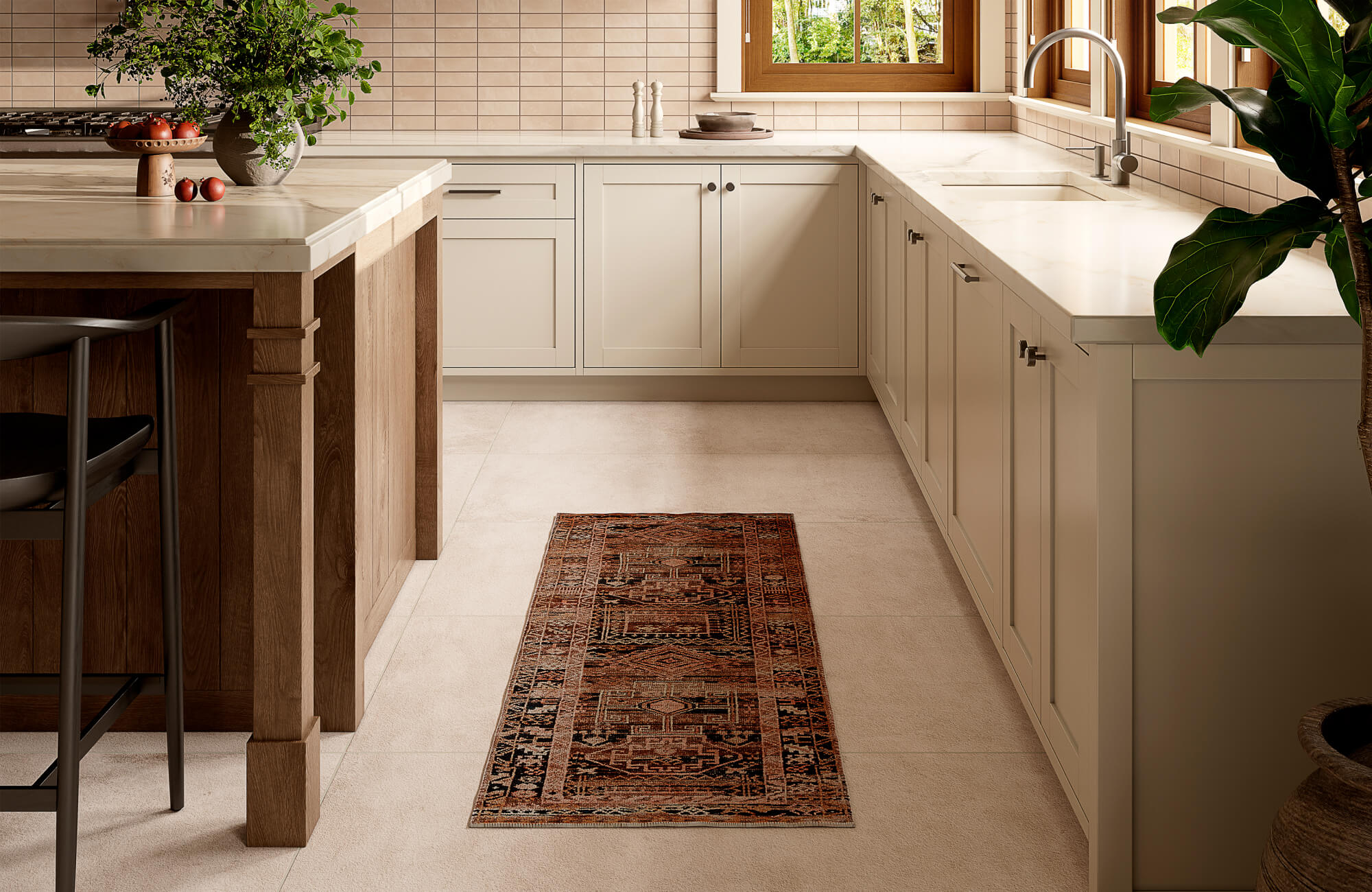
Synthetic rugs, such as our Hutchinson Rug in Burgundy / Denim, as seen above, excel in moisture resistance and affordability, they typically do not match the texture, airflow, or insulating benefits of wool and cotton. However, for areas exposed to high moisture or frequent spills, synthetic options may be preferable, as they require less maintenance and are more resistant to water damage.
The Perfect Cotton or Wool Blend Rug for Your Home
Cotton and wool blend rugs offer a thoughtful balance of softness, durability, and style, making them a practical choice for a wide range of interiors. Wool blends provide warmth and resilience, while cotton blends bring a lightweight, breathable quality with added stain resistance. Together, they deliver a versatile foundation that supports both comfort and long-term performance.
When selecting the right rug for your space, it’s helpful to consider factors such as material composition, maintenance needs, and how the room is used day to day. For a more tailored approach, Edward Martin also offers a design consultation service to help you refine your selection and ensure it complements your overall space. If you have any questions or need further guidance, feel free to visit our contact page—our team is always here to help you find a rug that seamlessly blends style, comfort, and durability.