
)
)
)
)
)
)
)
)
What Are The Design Trends For Checkered Tiles?
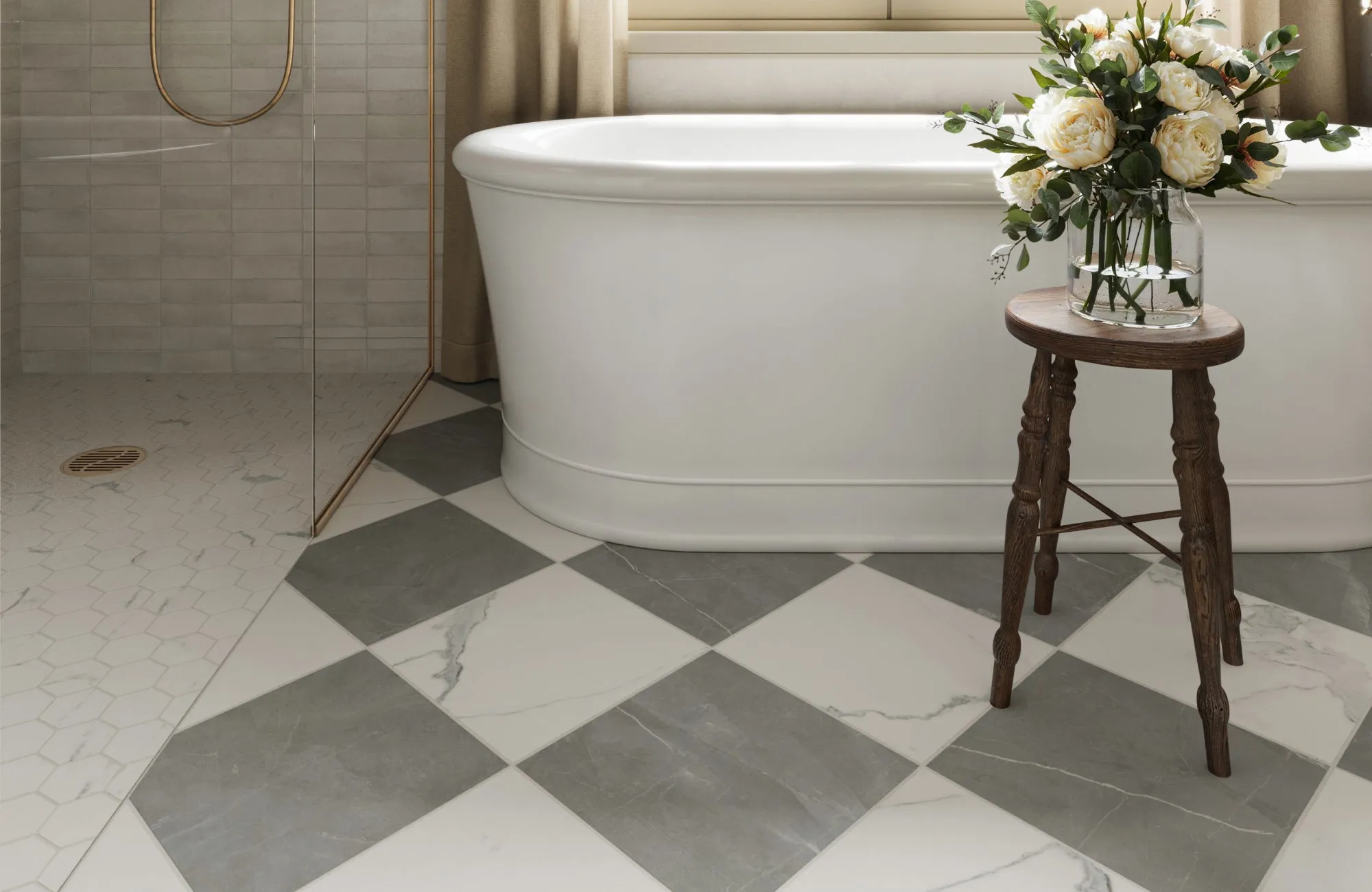
Checkered tiles are making a grand return to interior design, combining classic appeal with modern flair. Originating from ancient architecture, their geometric pattern has evolved, embracing new colors and materials that captivate today's designers. This revival highlights their versatility, seamlessly integrating into both traditional and contemporary spaces. With a variety of design options, checkered tiles are poised to redefine interior aesthetics with timeless charm and innovation.

The Checkered Tile Renaissance
With their origins in ancient Egypt and Roman architecture, checkered tiles have long been admired for their enduring elegance and versatility. Despite a period of decline during the mid-century modern era, when minimalist designs overshadowed bold geometric patterns, checkered tiles have made a strong comeback. This resurgence is driven by a growing appreciation for classic and retro aesthetics, allowing homeowners and designers to inject historical charm into contemporary spaces.
Today, checkered tiles are celebrated for their adaptability to various interior styles. Their geometric appeal, achieved through varied colors, materials, and scales, offers endless design possibilities. The pattern's clean lines and visual rhythm provide a sense of order and balance, making it a favored choice for creating harmonious and stylish environments.
Color Palette Exploration
The right color palette for checkered tiles can completely transform the feel of a space. Whether aiming for classic elegance or bold vibrancy, the colors you choose will set the tone for the entire room.
Timeless Black and White
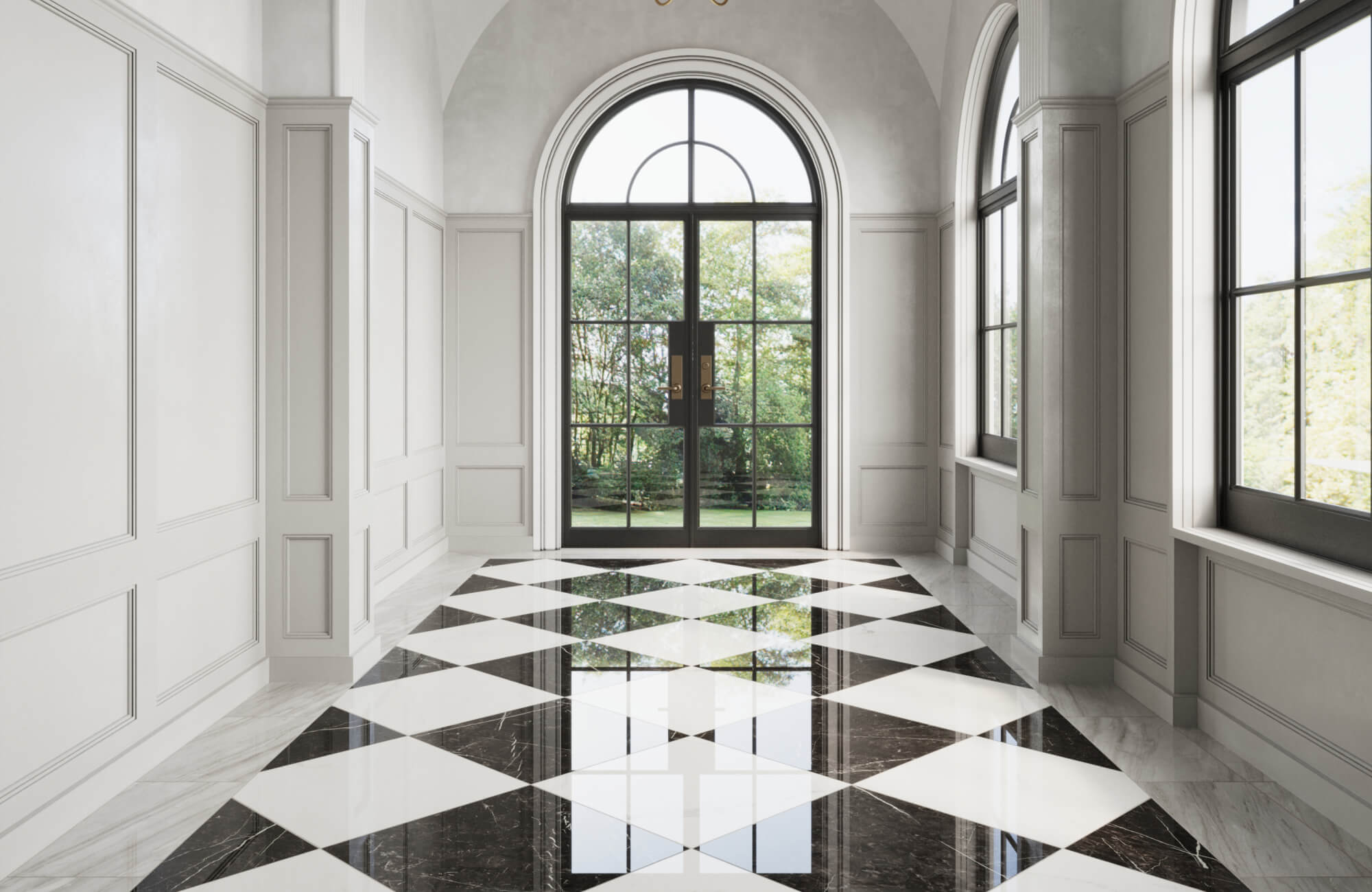
A classic black and white combination exudes timeless elegance and versatility. This monochrome scheme creates a striking visual contrast that can lend a sophisticated air to any room. Whether paired with bold accents or neutral tones, black and white checkered tiles remain a popular choice for both traditional and contemporary interiors.
Monochrome Magic
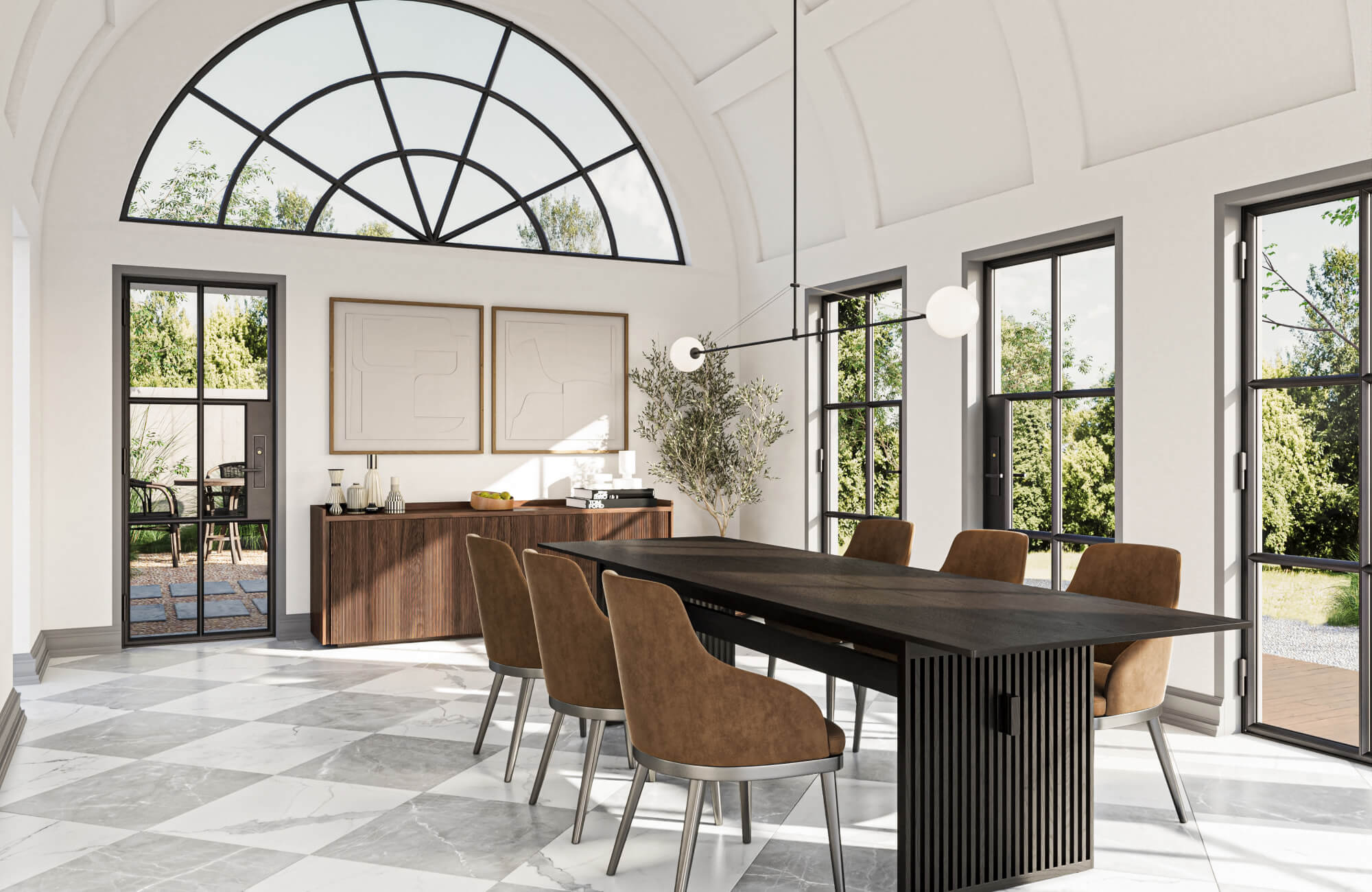
For a more nuanced and contemporary look, monochrome checkered tiles in shades of gray, black, and white offer endless design possibilities. Lighter grays can create a sense of airiness and openness, while darker shades add depth and drama. This palette is particularly well-suited for modern spaces and can be complemented with metallic accents or pops of color for added interest.
Vibrant Color Combinations
Bold and bright color combinations are the way to go to inject a playful and energetic vibe. Checkered tiles in vibrant hues like turquoise and orange, or red and yellow, can instantly transform a space into a cheerful and inviting environment. These lively color palettes are ideal for kitchens, bathrooms, or children's playrooms, where a sense of fun and whimsy is desired.
Earthy Tones for Warmth
Earthy tones offer a timeless and grounding aesthetic for a warm and inviting ambiance. Checkered tiles in terracotta, olive, and mustard hues evoke a connection to nature and create a cozy atmosphere. These colors pair beautifully with natural materials like wood and stone, making them a popular choice for rustic or Mediterranean-inspired interiors..
Metallic Accents for a Touch of Luxury
To add a touch of luxury and opulence, metallic accents can elevate the look of checkered tiles. Gold, silver, or copper checkered tiles can create a glamorous and sophisticated statement. These shimmering tiles are perfect for accent walls, backsplashes, or small-scale installations, where they can add a touch of sparkle and refinement.
Material Matters
The choice of material significantly impacts the look, feel, and maintenance requirements of checkered tiles. Each material brings its unique qualities, influencing both aesthetics and practicality in different ways.
Ceramic and porcelain
Ceramic and porcelain tiles have long been popular choices due to their durability, versatility, and affordability. Ceramic checkered tiles offer a wide range of colors, patterns, and finishes, making them suitable for various styles. Porcelain checkered tiles, known for their superior strength and water resistance, are ideal for busy areas like kitchens and bathrooms. Both materials are non-porous and resistant to heat, moisture, and scratches.
Natural Stone
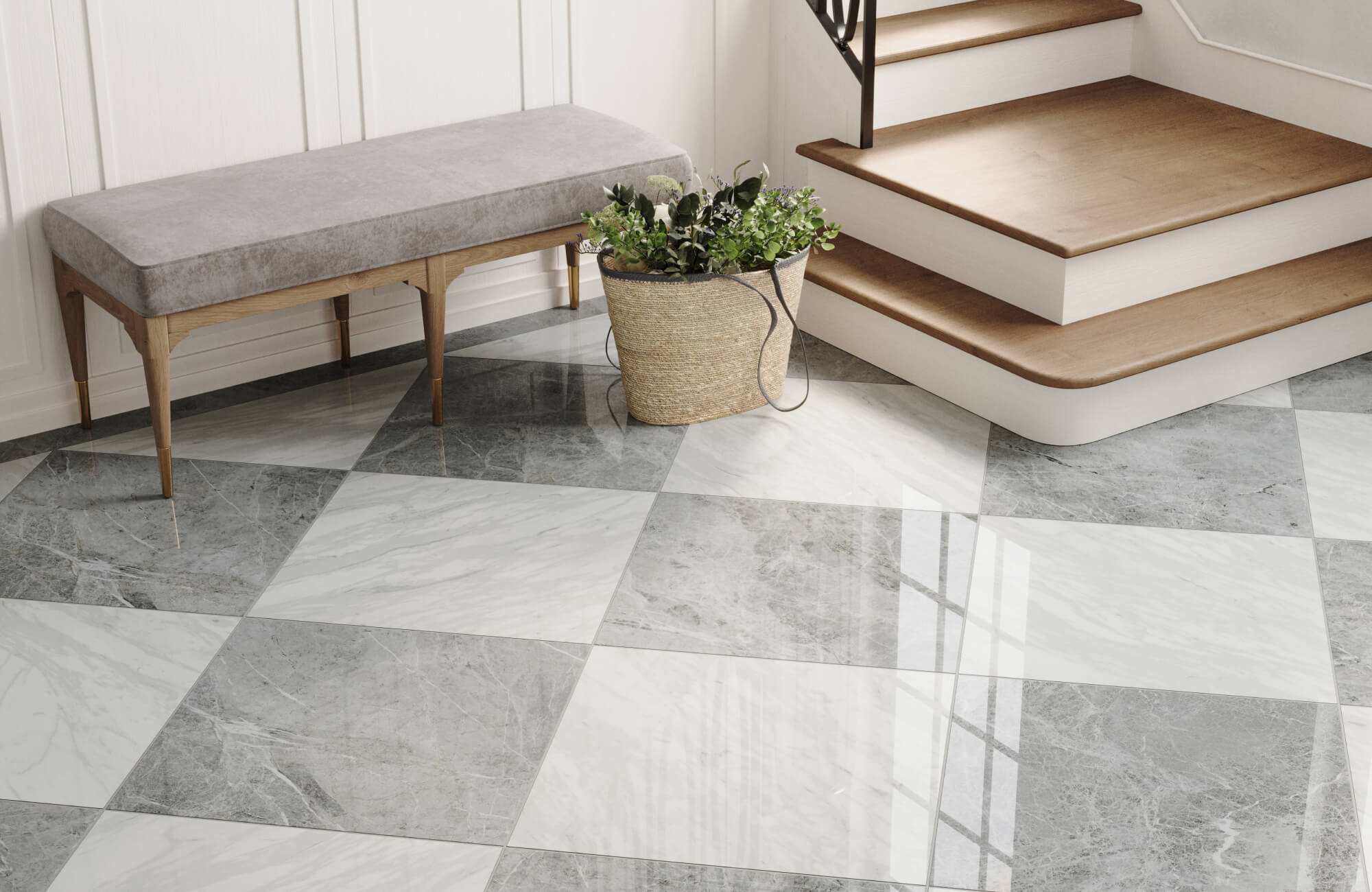
For a touch of prestige and taste, natural stone is an excellent option. Marble has a distinctive veining and timeless beauty that creates a sophisticated ambiance. Limestone, with its soft, earthy tones, brings a sense of warmth and tranquility to a space. While natural stone tiles are undeniably stunning, they are porous and can be affected by moisture if not properly cared for and sealed. Edward Martin offers premium natural stone-look checkered tiles designed to be moisture resistant, making them perfect for bathrooms and kitchens. Whether you prefer the grandeur of marble or the earthy appeal of stone, our range is designed to transform every part of your home.
Terrazzo
Terrazzo, a composite material made from chips of marble, granite, quartz, glass, or other suitable material set in a cement or resin binder, has experienced a resurgence in popularity. Its unique composition creates a speckled and textured appearance that adds a contemporary edge to any space. Traditional terrazzo tiles are highly porous, but Edward Martin's terrazzo-look tiles are highly non-porous. They come in a vibrant array of colors, offering a dynamic and premium way to add character to your interiors.
Concrete
Concrete tiles have gained traction for their industrial chic appeal. They offer a raw and authentic look that complements modern and minimalist interiors. Concrete tiles can be customized with various colors, finishes, and even imprints to create a unique and personalized design. Like natural stone and terrazzo, concrete tiles are porous and absorb water. Edward Martin allows you to experience urban sophistication with their concrete look checkered tiles. They are durable, stylish, and versatile and perfectly capture the essence of urban design.
Pattern Play
The arrangement of checkered tiles can strongly affect the visual dynamics of a space. From classic to contemporary, these patterns offer diverse design possibilities.
Classic checkerboard
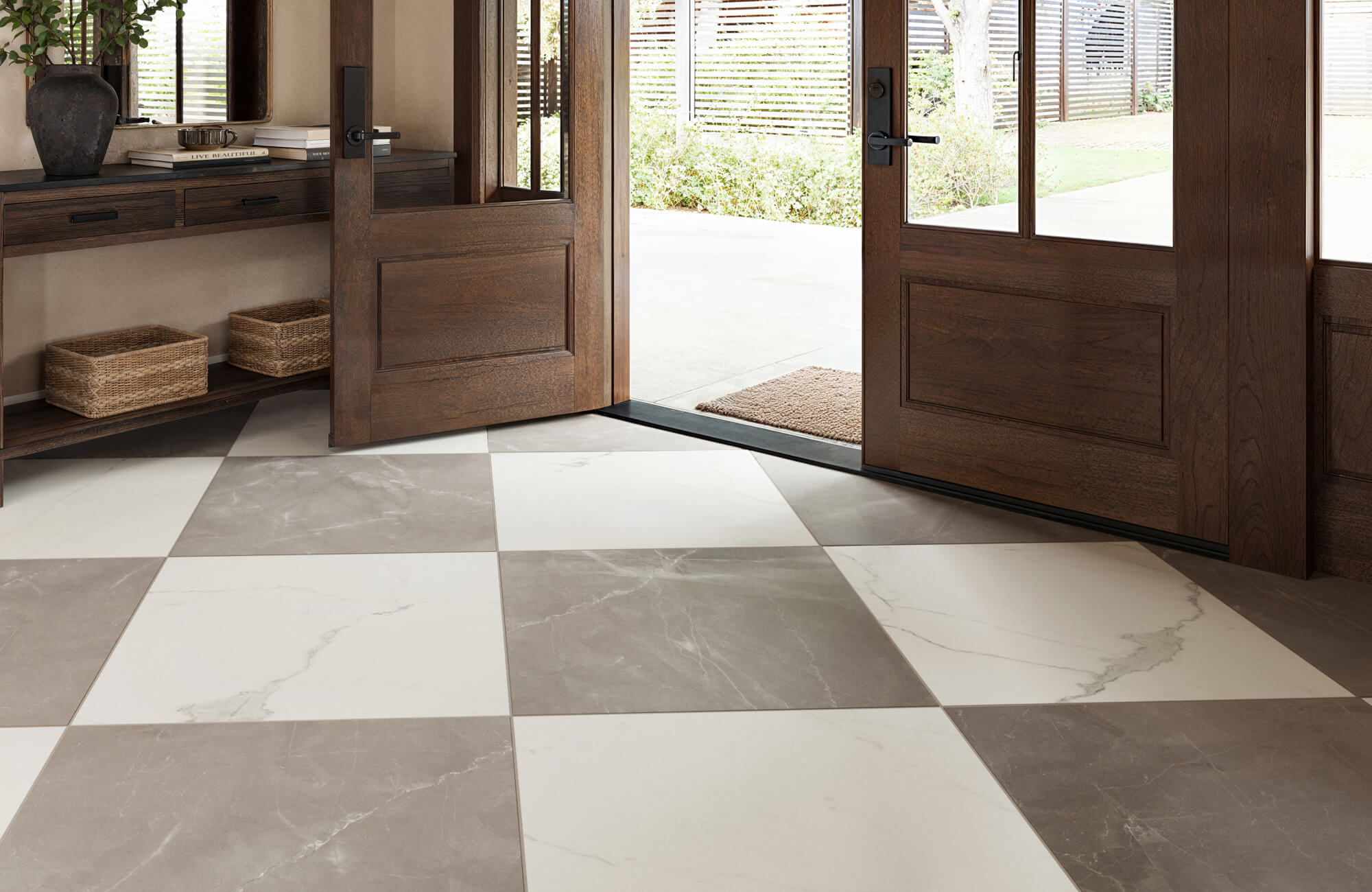
The classic checkerboard pattern, featuring equal-sized squares in two contrasting colors, is a timeless choice that exudes elegance and sophistication. This pattern is often associated with traditional interiors but can also be incorporated into modern designs with careful color selection and styling.
Offset checkerboard
This pattern can be employed for a more dynamic and visually interesting effect. By staggering the squares, this arrangement creates a sense of movement and depth, adding a contemporary twist to the classic checkerboard design. Offset checkerboards can be used to create striking focal points or to add visual interest to larger areas.
Diagonal checkerboard
The diagonal checkerboard pattern introduces a sense of energy and excitement to a space. By arranging the squares at an angle, this pattern creates optical illusions that can make a room appear larger or taller. Diagonal checkerboards are particularly effective in creating dramatic accents or for defining specific areas within a room.
Checkered borders
Checkered borders offer a versatile way to incorporate this pattern into a design scheme without overwhelming a space. By framing other tile patterns or creating focal points, checkered borders add a touch of sophistication and refinement. They can be used to delineate different areas within a room, such as a shower enclosure or a kitchen backsplash, or to simply add a decorative element to a plain wall.
Checkered accents
Checkered accents provide a subtle yet impactful way to introduce the pattern into a space. Small checkered elements, such as inlays, mosaics, or decorative tiles, can be incorporated into larger designs to create visual interest and texture. These accents can be used to complement other patterns or to add a playful touch to a neutral space.
Scale and Size
The scale and size of checkered tiles substantially alter their visual impact and the overall aesthetic of a space. Selecting the right size can enhance the room’s proportions and set the desired tone for your design.
Large format tiles
Large format tiles create a dramatic and minimalist effect, as fewer grout lines result in a clean, expansive look. These tiles are ideal for creating a sense of spaciousness and modernity, particularly in smaller rooms where they can help to visually enlarge the area. However, large-format tiles may not be suitable for intricate patterns or detailed designs..
Small format tiles
On the other hand, small format checkered tiles offer endless possibilities for creating intricate patterns and detailed designs. They allow for the creation of complex geometric arrangements, mosaics, and borders, adding visual interest and texture to a space. Small tiles can also be used to create a sense of intimacy and warmth, making them suitable for cozy spaces or areas where a focal point is desired. However, the abundance of grout lines that accompany small tiles can require more maintenance and can create a busy appearance if not carefully considered.
Varying tile sizes
Varying tile sizes within a checkered pattern adds depth, dimension, and visual interest. By combining different sizes of tiles, designers can create unique and eye-catching effects. For example, using larger tiles for the main checkerboard pattern and smaller tiles for borders or accents can create a striking contrast. Varying tile sizes also help to break up monotony and prevent the pattern from becoming overwhelming.
Mosaic tiles
Mosaic tiles offer unparalleled customization and artistic expression. Composed of small, individual pieces, mosaic tiles can be arranged in countless configurations to create intricate designs or feature walls. They are ideal for creating focal points or adding a touch of luxury to a space. Checkered mosaic tiles are available in a wide range of materials, colors, and finishes, allowing for endless creative possibilities. However, installing checkered mosaic tiles can be time-consuming and requires skilled craftsmanship.
Styling Ideas
Checkered tiles offer endless possibilities for creating stylish and impactful interiors. Their versatility allows for creative applications across various spaces, each adding its unique charm.
Entryway Elegance
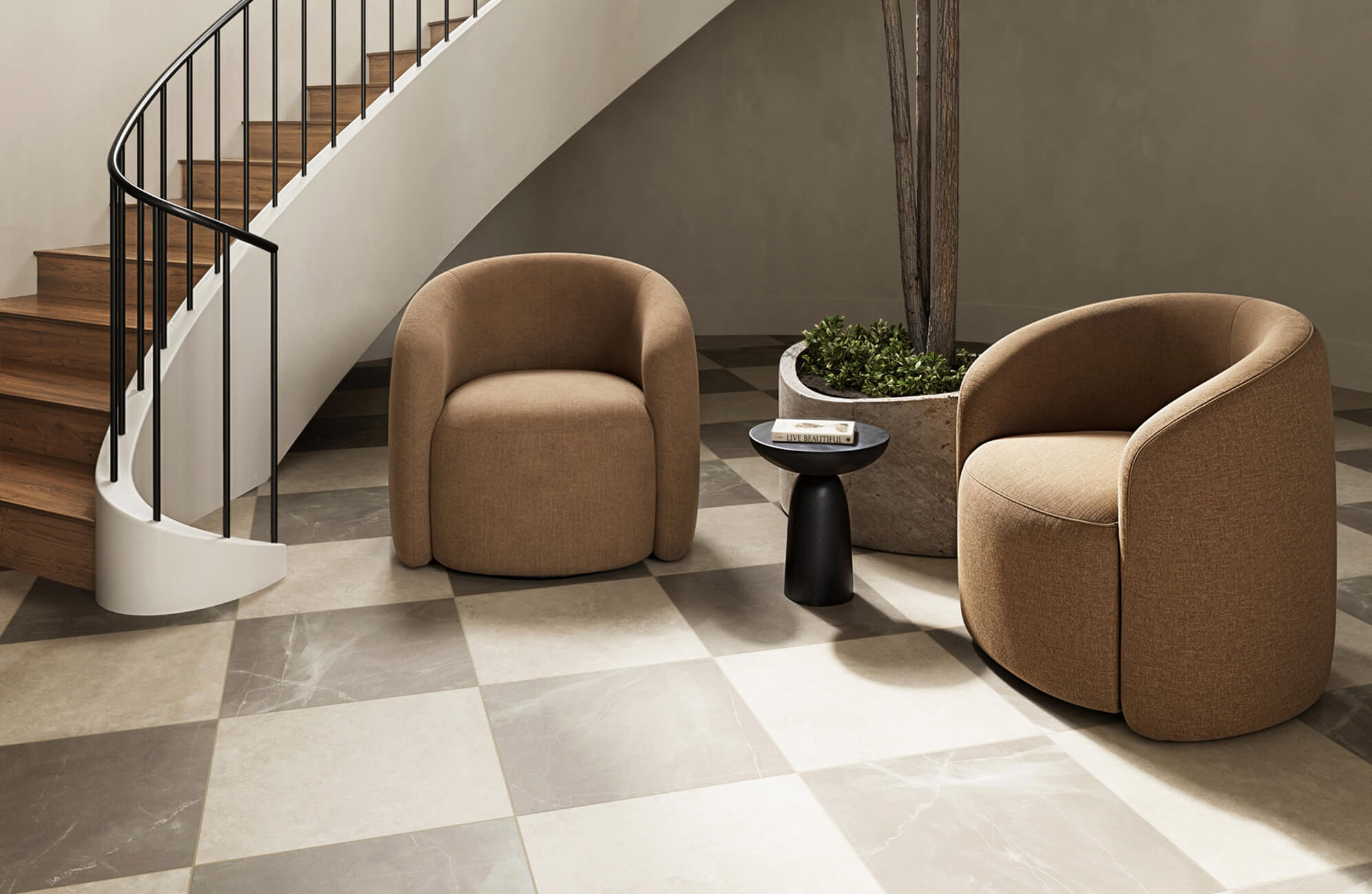
A well-designed entryway sets the tone for the rest of the home, and checkered tiles provide a refined yet inviting foundation. Whether opting for a bold color contrast or a more muted palette, checkered tiles create a striking first impression. Edward Martin’s Leona 24x24 Checkerboard Matte Porcelain Tile in Marfil and Amani Bronze, as displayed in the photo above, offers a sophisticated blend of warm and neutral tones, making it an excellent choice for entryways that balance elegance with practicality. Its durable porcelain surface ensures longevity while seamlessly complementing a variety of interior styles.
Kitchen Backsplash
In the kitchen, a checkered tile backsplash can instantly add a pop of color or pattern. For a bold statement, opt for a vibrant color combination or a complex geometric pattern. Alternatively, a classic black and white checkerboard can create a timeless and elegant look. Consider coordinating the backsplash with other kitchen elements, such as countertops or cabinetry, for a cohesive design.
Bathroom Floors and Walls
Bathrooms are another ideal space to incorporate checkered tiles. For a synchronized style, use the same checkered tile for both floors and walls, creating a sense of continuity and spaciousness. Alternatively, create a striking contrast by using checkered tiles on the floor and solid-colored tiles on the walls. The choice between light and dark colors will have a profound impact on the overall atmosphere of the bathroom.
Living room accents
Living rooms offer opportunities to use checkered tiles as accent features. A checkered tile fireplace surround can become a focal point of the room, adding a touch of drama and elegance. Incorporate checkered tile accents into built-in shelves, bookcases, or accent walls for a subtler approach. These details can add visual interest and personality to the space without overpowering it.
Outdoor spaces
Outdoor spaces can also benefit from the versatility of checkered tiles. Create a stylish patio or pool area by incorporating checkered tile patterns into the flooring. For a more dramatic effect, use large format tiles in bold colors. To complement natural surroundings, opt for earthy tones or incorporate checkered tiles into borders or walkways.
Challenges and Considerations
While checkered tiles offer a wealth of design possibilities, it's essential to consider potential challenges to ensure a successful project. However, their versatility and timeless appeal often make overcoming these challenges worthwhile.
Potential for overwhelming a space
One common concern is the risk of overwhelming a space with too much pattern. It's crucial to balance the checkered tiles with other design elements to prevent this. Opt for neutral colors and simple furnishings in the rest of the room to allow the tiles to shine without dominating the space.
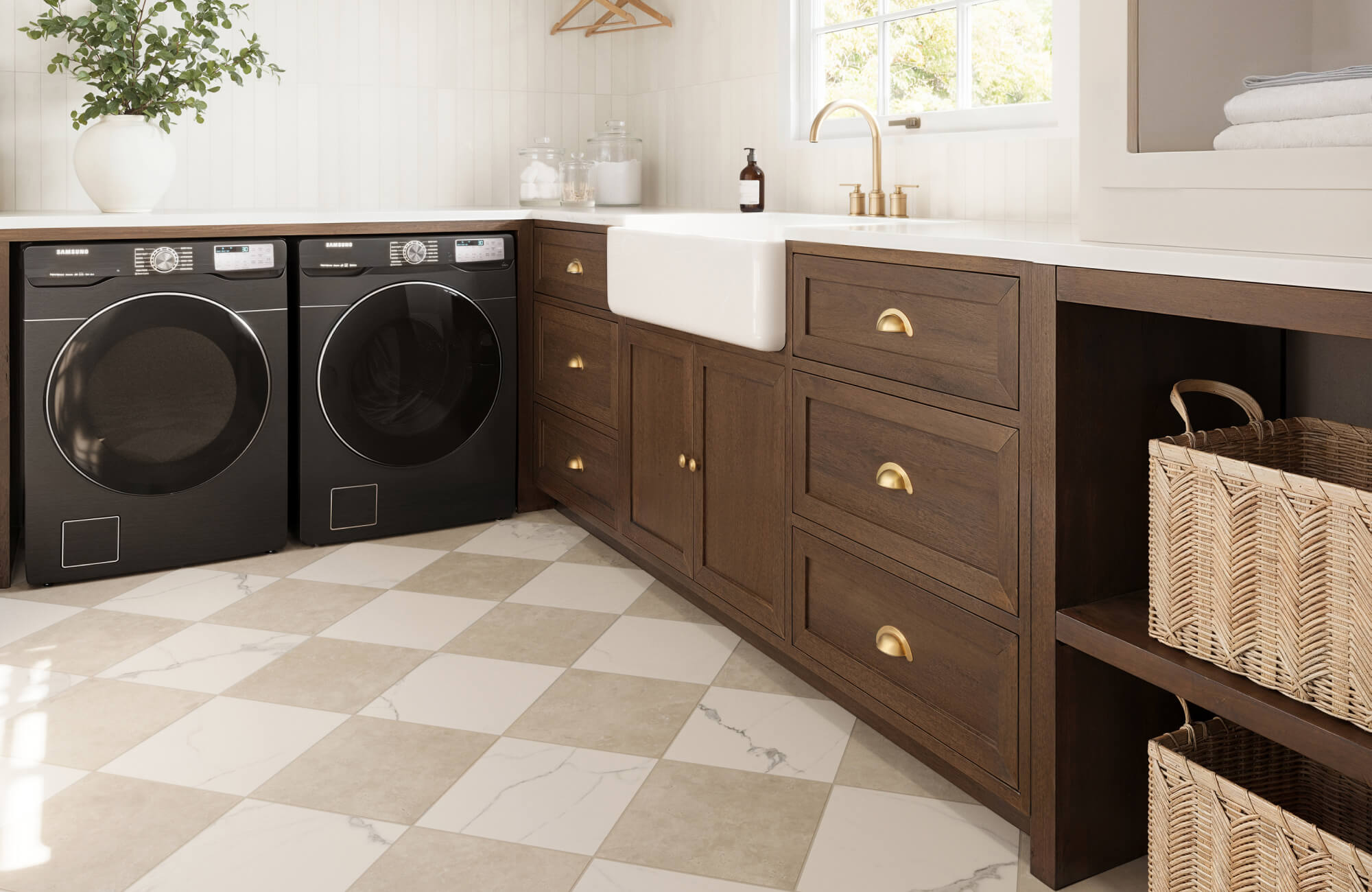
The Leona 12x12 Checkerboard Matte Porcelain Tile in Calacatta and Marfil, as shown in the photo, is an excellent example of achieving this balance. Its soft neutral tones in Calacatta and Marfil create a refined and calming pattern, perfectly complementing the warm wood cabinetry and brass hardware. The tiles bring character and style to the room without overpowering the functional design, making them an ideal choice for spaces like laundry rooms where both aesthetics and practicality matter.
Cost variations
Cost is another important consideration when choosing checkered tiles. The price can vary significantly depending on the material, size, finish, and brand. High-end materials like marble or custom-made tiles will naturally come with a higher price tag. Budget-friendly options include ceramic and porcelain tiles, which offer a wide range of colors and patterns. Exploring different materials and finishes can help you find the perfect balance between style and budget.
Maintenance requirements
Maintenance requirements vary significantly depending on the tile material. Ceramic and porcelain checkered tiles are generally low-maintenance, requiring regular sweeping and mopping. However, natural stone checkered tiles, like marble and granite, are more susceptible to stains and etching, necessitating the use of specialized cleaning products. Glass checkered tiles may require additional care to prevent smudges and fingerprints, while concrete checkered tiles may need periodic sealing to protect against stains. To achieve the natural stone look with the durability of porcelain, consider choosing Edward Martin’s stone look tile collection.
Installation complexity
Installation complexity can also vary based on factors such as tile size, pattern, and the condition of the substrate. Larger format tiles are generally easier to install but may require additional support or preparation. Smaller tiles, especially for intricate patterns like diagonal checkerboards, demand precision and expertise. Uneven or cracked surfaces can complicate the installation process and affect the final result. Hiring a professional tile installer is often recommended for complex patterns or challenging substrates.
Always consult with the tile manufacturer to ensure the tiles and grout are rated for your specific use and follow their recommendations. For application and maintenance, it’s always best to seek advice from a professional for optimal results.
Transform Your Space with Trendy Checkered Tiles
Checkered tiles are enjoying a stylish resurgence, driven by their blend of historical charm and modern versatility. With options ranging from vibrant color combinations to luxurious metallic accents, they offer endless design possibilities for any space. Whether you're looking to make a bold statement or add subtle elegance, checkered tiles can transform your interiors in unexpected ways.
Edward Martin’s AR tool allows you to preview how the checkered tiles will fit in any space in your home, helping you make the ideal design decision. If you're unsure which option is best for your space, our experts can provide personalized recommendations. They will help ensure your choice not only fits your vision but also aligns with current trends.
Follow us on Instagram
@EDWARD.MARTIN
)
)
)
)
)
)
)
)
)
)
)
)
)
)
)
)