Choosing between wood look tiles and wooden floors often comes down to comfort and everyday performance. While both replicate the timeless appeal of natural wood, they differ in how they feel underfoot and how they handle moisture, wear, and long-term maintenance. This article explores how each material compares in terms of warmth, durability, upkeep, and overall practicality. By understanding their strengths and limitations, you’ll be able to select the flooring option that best suits your climate, lifestyle, and design priorities.

Natural Warmth Underfoot
One of the most noticeable differences between wood look tiles and wooden floors is how warm they feel underfoot. Their surface temperature and heat retention directly influence overall comfort, especially across changing seasons.
How Hardwood Feels
Hardwood flooring naturally feels warmer underfoot because wood acts as an insulator. It retains ambient heat instead of pulling warmth away from the body on contact. This quality makes it especially comfortable in cooler climates or during colder months. As a result, hardwood often delivers a cozier and more inviting surface for everyday living.
How Wood Look Tile Feels
Wood look tiles, usually made from porcelain or ceramic, conduct heat more readily than wood. Because of this, they tend to feel cooler to the touch at room temperature. In warmer or more humid climates, that cooler surface can enhance overall comfort and create a refreshing indoor environment. In colder regions without added heating, however, tile may not feel as naturally warm as hardwood.
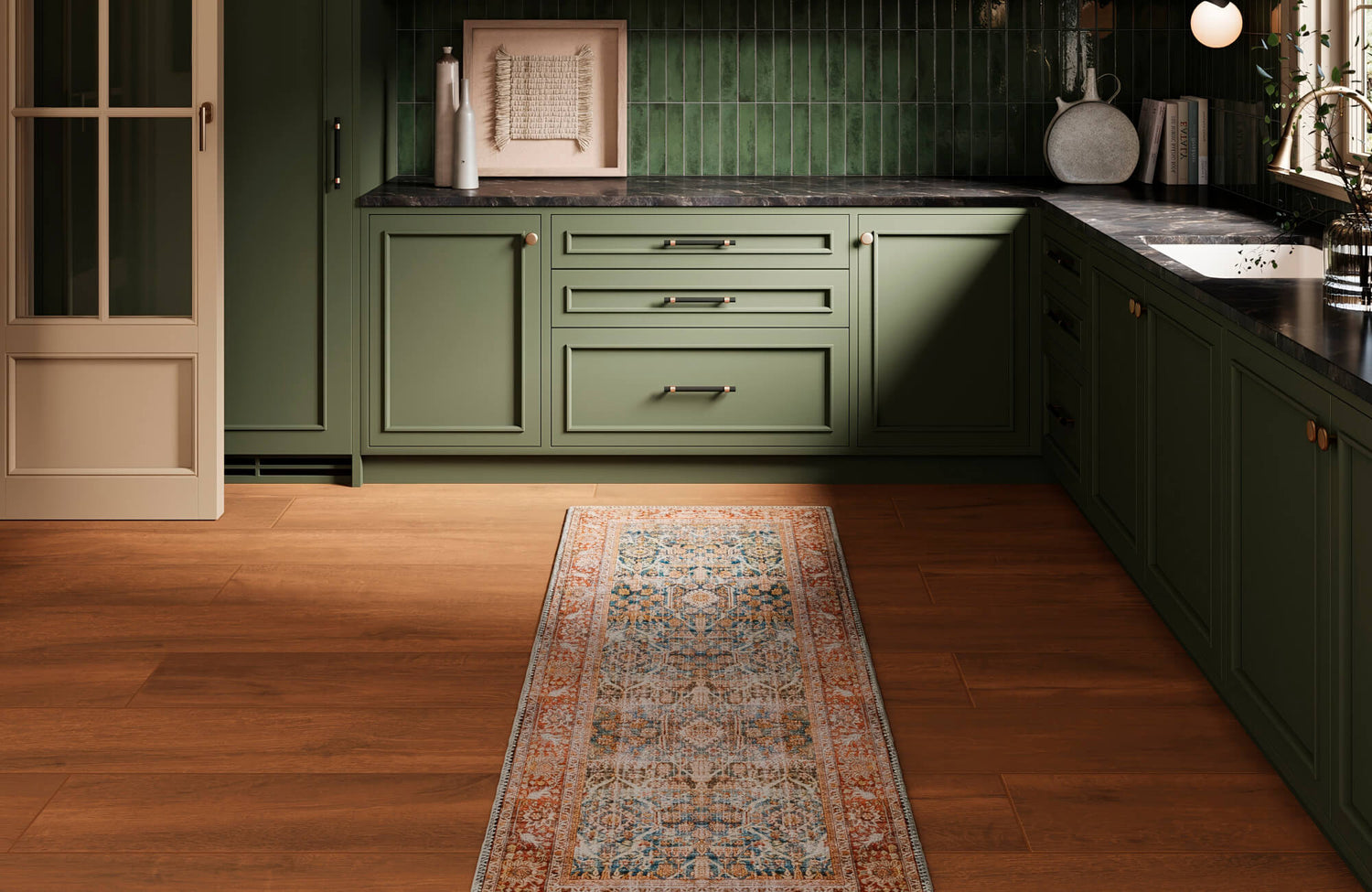
That contrast between visual warmth and actual surface temperature is reflected in the photo featured above. Edward Martin’s Nora 8x48 Matte Porcelain Tile in Espresso showcases rich, wood-inspired tones that create a cozy atmosphere, yet its porcelain composition maintains the naturally cooler feel typical of tile. This combination highlights how wood-look tile can deliver the aesthetic comfort of wood while retaining the practical thermal characteristics of porcelain.

Performance with Radiant Heating
Warmth is influenced not only by surface feel but also by how efficiently a flooring material responds to heating systems. The compatibility of wood look tiles and hardwood with radiant heating can significantly affect overall comfort and energy performance.
Wood Look Tiles and Underfloor Heating
Porcelain wood look tiles transfer heat efficiently, making them exceptionally well-suited for use with radiant underfloor heating systems. They warm up evenly and distribute heat consistently across the surface, creating a balanced and comfortable indoor environment. This efficient heat transfer also supports overall energy performance by reducing temperature fluctuations. Because of these qualities, wood look tile flooring often enhances the reliability and effectiveness of radiant heating installations.
This performance is reflected in the photo featured above, where Edward Martin’s Preston 8x48 Matte Porcelain Tile in White Oak extends seamlessly across the living space. Its light wood-inspired tone creates a warm, inviting aesthetic, while the porcelain construction beneath delivers the thermal efficiency needed for radiant heating systems. The result is a floor that visually suggests warmth while efficiently supporting consistent, underfoot comfort.
Hardwood and Heating Systems
By comparison, hardwood flooring can also be installed over radiant heating, but it requires precise temperature and humidity control. Since wood is a natural material, it expands and contracts in response to heat fluctuations. Over time, and without careful regulation, this movement may lead to gaps, cupping, or warping.
For homes incorporating underfloor heating, wood look tiles may provide a more thermally stable and practical solution.

Moisture Resistance and Everyday Practicality
Moisture exposure is one of the most important factors when determining which flooring material is truly practical. Bathrooms, kitchens, and laundry rooms each present different levels of humidity, spills, and daily wear, making performance in these spaces essential.
Bathroom
Bathrooms are regularly exposed to water, steam, and changing humidity levels, making moisture resistance essential. In this environment, wood-look tiles offer a distinct advantage, as porcelain surfaces resist water infiltration, prevent warping, and retain their structural integrity over time. Even when properly sealed, hardwood remains more vulnerable to prolonged moisture exposure and can expand, cup, or stain if water penetrates the surface. In shower-adjacent spaces or consistently humid bathrooms, wood-look tile generally provides a more reliable and lower-maintenance flooring solution.
This practical performance is reflected in the photo featured above, where Edward Martin’s Jameson 8x48 Matte Porcelain Tile in Camel extends across the bathroom floor. Its warm, wood-inspired tone enhances the spa-like atmosphere, while the porcelain construction ensures durability against daily moisture and humidity. The result is a surface that delivers the visual comfort of wood with the dependable resilience required in bathroom settings.
Kitchen
In the kitchen, spills, splashes, and constant movement are part of everyday life. Because of this, wood look tiles perform exceptionally well, resisting stains, scratches, and moisture with minimal upkeep. Hardwood, by contrast, introduces natural warmth and character, but it requires prompt attention to spills to prevent staining or surface damage. As a result, for busy households, tile often provides greater durability and a more worry-free flooring solution.
Laundry Room
Laundry rooms are naturally prone to moisture, higher humidity, and the occasional appliance leak. In these conditions, wood look tiles perform reliably, as they are unaffected by standing water and temperature fluctuations. Hardwood flooring, on the other hand, is more vulnerable to swelling, warping, or staining if leaks occur. In spaces where water exposure can be unpredictable, tile that looks like wood offers a more resilient and practical flooring solution.

Maintenance Requirements Over Time
Long-term practicality depends not only on durability but also on how manageable the flooring is to maintain. Wood look tiles, such as Edward Martin’s Jameson 8x48 Matte Porcelain Tile in Umber, as shown in the photo above, are relatively simple to care for, requiring routine sweeping and occasional mopping to preserve their appearance. In addition, they do not require sealing, polishing, or refinishing, and their color and matte finish remain consistent even with regular use.
Hardwood, by contrast, demands more attentive upkeep, including protection from standing water and periodic refinishing to restore its surface. While refinishing can extend the lifespan of hardwood floors, it also involves additional time, cost, and disruption. As a result, for homeowners seeking a lower-maintenance solution with lasting visual appeal, wood look tile often proves to be the more practical long-term choice.

Durability and Long-Term Wear
Long-term practicality depends on how flooring performs across different areas of the home. From relaxed living spaces to demanding zones, each environment places specific expectations on durability, stability, and surface resilience.
Living Room and Shared Spaces
Living rooms and open-plan areas require flooring that can withstand regular use, furniture movement, and ongoing exposure to natural light. In these environments, wood look tiles provide dependable resistance to scratches, dents, and fading, allowing them to retain a consistent, well-maintained appearance over time. Hardwood, on the other hand, brings undeniable warmth and organic character, yet it is more susceptible to surface marks caused by shifting furniture or daily activity. Although refinishing can successfully renew its surface, it requires periodic maintenance to preserve its original appeal.
This level of durability is well illustrated in the photo featured above, where Edward Martin’s Preston 8x48 Matte Porcelain Tile in Birch extends seamlessly throughout the open-plan space. Its matte porcelain construction helps resist everyday wear while preserving its light, wood-inspired tone, making it a reliable choice for living areas that demand both resilience and long-term visual consistency.
Entryways and Hallways
Entryways and hallways are regularly exposed to dirt, grit, and constant movement, making durability a key consideration. In these areas, wood look tiles perform particularly well, as their hard surface resists abrasion and is easy to maintain. Hardwood can certainly be installed in these areas; however, debris brought in from outside may gradually cause visible surface scratches. Although protective rugs can help reduce wear, tile generally demands less ongoing preventative maintenance.
Outdoor and Transitional Areas
Patios, balconies, and indoor-outdoor transitions require materials that can withstand moisture, temperature fluctuations, and direct exposure to the elements. In these environments, porcelain wood look tiles perform exceptionally well, resisting water absorption, UV exposure, and seasonal shifts without compromising their structure. Hardwood is generally not recommended for exterior use unless specially treated, and even then, it demands regular sealing and attentive maintenance. For these applications, tile that looks like wood provides greater durability and long-term stability with fewer ongoing concerns.

Cost and Overall Value
Aside from performance and durability, cost is another important factor in determining overall practicality. Hardwood flooring often involves a higher upfront investment, particularly when premium wood species are selected, and installation may require specialized craftsmanship. In addition, periodic refinishing and ongoing maintenance can increase long-term expenses. By comparison, wood look tiles generally offer more predictable long-term costs due to their durability and minimal maintenance requirements. As a result, homeowners seeking controlled expenses and consistent performance often find wood look tiles to be the more practical investment.
Choosing Between Warmth and Practical Performance
Hardwood floors naturally feel warmer underfoot, making them especially comfortable in cooler climates. However, wood look tiles are generally the more practical option, offering superior moisture resistance, durability, compatibility with radiant heating, and lower maintenance. Ultimately, the best choice depends on whether natural warmth or long-term performance is the priority in your space.
If you’d like guidance selecting the right flooring for your home, feel free to contact us for personalized support. You can also explore different wood look tile styles directly in your space using our AR tool, allowing you to see how the texture, tone, and scale will look in real time before making a final decision.