Wool rugs have remained a staple in thoughtfully designed interiors for generations, valued for their comfort, durability, and natural beauty. Beyond their visual appeal, however, wool offers qualities that make it one of the more environmentally responsible materials used in home furnishings. As a renewable fiber, it can be replenished annually, requires relatively minimal processing, and naturally breaks down at the end of its lifecycle without contributing to long-term waste. In this blog, we'll look at the sourcing, manufacturing, performance, and maintenance characteristics that contribute to a wool rug's eco-friendly reputation and explain why it continues to be a preferred choice for environmentally conscious homes.

How Wool's Natural Origins Support Sustainability
To understand what makes wool a more sustainable rug material, it helps to look beyond the finished product and consider its journey from pasture to home. From responsible sourcing practices and natural biodegradability to lower-impact production methods, each stage contributes to wool's reputation as a renewable material with long-term environmental benefits.
Sustainable Sheep Farming Practices
Wool’s renewability begins at the source, the sheep. Unlike synthetic fibers derived from petroleum-based polymers, wool is produced through annual shearing, a process that does not harm the animal and aligns with its natural growth cycle. When practiced responsibly, sheep grazing can also support regenerative land use. For example, rotational grazing systems help maintain healthy pasture ecosystems by preventing overgrazing, enhancing soil fertility, and encouraging native plant biodiversity.
To further support environmental responsibility throughout the supply chain, certified wool, such as that marked by the Responsible Wool Standard (RWS) or ZQ Merino certification, upholds animal welfare, land management, and social ethics. These programs emphasize low-stress handling, proper nutrition, and non-mulesed practices. In addition, many sustainable sheep farms integrate carbon sequestration techniques, whereby well-managed pastures act as carbon sinks, partially offsetting emissions related to livestock production. Ultimately, this closed-loop relationship between livestock and land demonstrates how wool can be harvested in a manner that supports long-term ecological balance and responsible sourcing.
Wool's Biodegradability and Reduced Landfill Waste
Wool’s biodegradable composition distinguishes it sharply from synthetic counterparts such as nylon or polyester rugs, which can persist in landfills for centuries. Unlike these materials, wool is composed primarily of keratin, a protein also found in human hair and nails, which enables it to naturally break down in soil over a span of months to a few years under aerobic conditions. As it decomposes, wool releases valuable nutrients like nitrogen, sulfur, and magnesium back into the earth, thereby enriching the soil rather than polluting it.
Equally important, many eco-friendly wool rugs are free from chemical coatings, flame retardants, or synthetic backings that can hinder biodegradation. This intentional simplicity supports closed-loop disposal strategies, including composting at the rug’s end of life. When managed responsibly, a wool rug avoids contributing to the 17 million tons of textile waste that enter U.S. landfills annually. In contrast to petroleum-based textiles, which can leach microplastics and toxins, wool decomposes safely, making it an appealing option for those looking to reduce material waste and lower their long-term environmental footprint.
Lower Energy Consumption in Production Compared to Synthetics
Wool’s environmental benefits also extend to its comparatively low-energy manufacturing requirements. Whereas producing synthetic fibers like polypropylene or nylon involves intensive chemical synthesis, polymerization, and extrusion processes that demand high temperatures and substantial fossil fuel input, wool production follows a more straightforward path. Wool harvesting is primarily mechanical, shearing, scouring (cleaning), carding, and spinning, requiring significantly less energy per kilogram of output.
Moreover, life cycle assessments (LCAs) of wool products reveal a smaller carbon footprint at the production stage compared to many synthetic options, particularly when the wool is processed using renewable energy or in countries with strict environmental regulations. In addition to this, the inherent durability and resilience of wool reduce the need for frequent replacement, indirectly minimizing the embodied energy associated with rug production and disposal cycles. For this reason, eco-conscious buyers and professionals seeking low-impact interiors will find that wool's lower manufacturing energy profile contributes to greater long-term resource efficiency while supporting lower-impact production practices.

The Eco-Friendly Aspects of Wool Rug Manufacturing
While wool is naturally renewable, the manufacturing process plays an important role in determining its overall environmental footprint. From lower-impact production methods to responsible resource management, many of the practices used during processing help reinforce wool's reputation as a material that supports long-term environmental responsibility.
Natural Dyeing Processes and Reduced Chemical Use
One of the most important advantages of responsible wool rug manufacturing is the use of natural or low-impact dyes. Unlike synthetic dyes, which often rely on petrochemical ingredients and heavy metals, natural dyes are derived from plant-based or mineral sources such as indigo, madder root, turmeric, or iron oxides. Because of their origin, these dyes are biodegradable and non-toxic, minimizing environmental contamination during the dyeing and rinsing stages.
In addition to their gentler composition, natural dyeing often incorporates mordants like alum or tannins, safer alternatives to the chromium salts commonly used in synthetic dye processes. Furthermore, many manufacturers of eco-conscious wool rugs utilize closed-loop dyeing systems that recirculate water and limit dye runoff. This approach not only reduces chemical waste but also improves indoor air quality by avoiding volatile organic compounds (VOCs) frequently emitted by synthetic colorants. Ultimately, rugs made with natural dyes offer a safer option for both artisans and homeowners, particularly in settings where healthier indoor environments and reduced chemical exposure are top priorities.
Minimal Processing and Fewer Chemical Treatments
Another hallmark of responsible wool rug production is its relatively low-intensity processing. Unlike many synthetic alternatives, wool fibers, particularly those sourced from premium-grade breeds, require minimal chemical alteration to achieve softness, resilience, and visual appeal. This reduction in processing complexity not only conserves resources but also supports lower-impact production practices and a safer, more transparent supply chain.
In conventional synthetic rug manufacturing, workers are often exposed to high concentrations of industrial chemicals, including solvents, flame retardants, and plasticizers. These substances can pose serious health risks, particularly in poorly ventilated environments or facilities lacking advanced safety protocols. By contrast, wool's natural flame resistance and soil-repellent lanolin coating eliminate the need for many of these additives. As a result, fewer hazardous materials are used on the production floor, reducing the potential for chemical exposure among workers and limiting environmental emissions at the source. This cleaner supply chain not only benefits the end user but also protects the health and safety of those involved in each stage of the rug’s journey, from shearing to final weaving.
Water Conservation in Wool Processing
Water usage is a key concern in textile production, and wool rugs fare favorably when efficient processing systems are implemented. While the initial scouring (cleaning) of raw wool does require water to remove lanolin, dirt, and vegetable matter, many manufacturers have responded by adopting optimized low-water or water-recycling systems to minimize consumption. For instance, advanced filtration systems allow rinse water to be purified and reused, significantly reducing the overall demand on freshwater resources.
In addition, the absence of solvent-based treatments and synthetic dye baths further limits water contamination, making post-treatment discharge easier to manage within environmental standards. To build on this, some operations now employ dry scouring techniques or use biodegradable detergents that reduce aquatic toxicity. Coupled with wool’s inherently low-maintenance nature, requiring less frequent cleaning and only gentle care over time, these innovations contribute to more efficient resource use while reinforcing wool's reputation as a water-responsible flooring option.

How Sustainable Manufacturing Shapes Wool Rugs
Beyond how they’re made, wool rugs continue to support sustainability throughout their lifespan. Thanks to their natural strength and low-maintenance properties, they help reduce waste, limit chemical exposure, and create a healthier home environment.
Durability and Longevity Reducing the Need for Replacements
One of the most impactful environmental benefits of wool rugs lies in their exceptional lifespan. Thanks to their natural structure, wool fibers are crimped and elastic, allowing them to retain their shape and structure under heavy use without flattening or breaking. This built-in resilience minimizes wear over time, resulting in rugs that often last for decades with proper care. By contrast, many synthetic rugs begin to degrade after just a few years, leading to more frequent disposal and higher cumulative resource use.
Viewed through a sustainability lens, product longevity directly reduces the frequency of manufacturing cycles, transportation emissions, and landfill contributions. In practical terms, a single wool rug can outlast multiple synthetic alternatives, effectively lowering the material throughput required to furnish a space. For this reason, many of those committed to eco-conscious living will find that investing in long-lasting materials like wool offers a high return on environmental responsibility, especially when paired with classic designs that transcend fleeting trends.
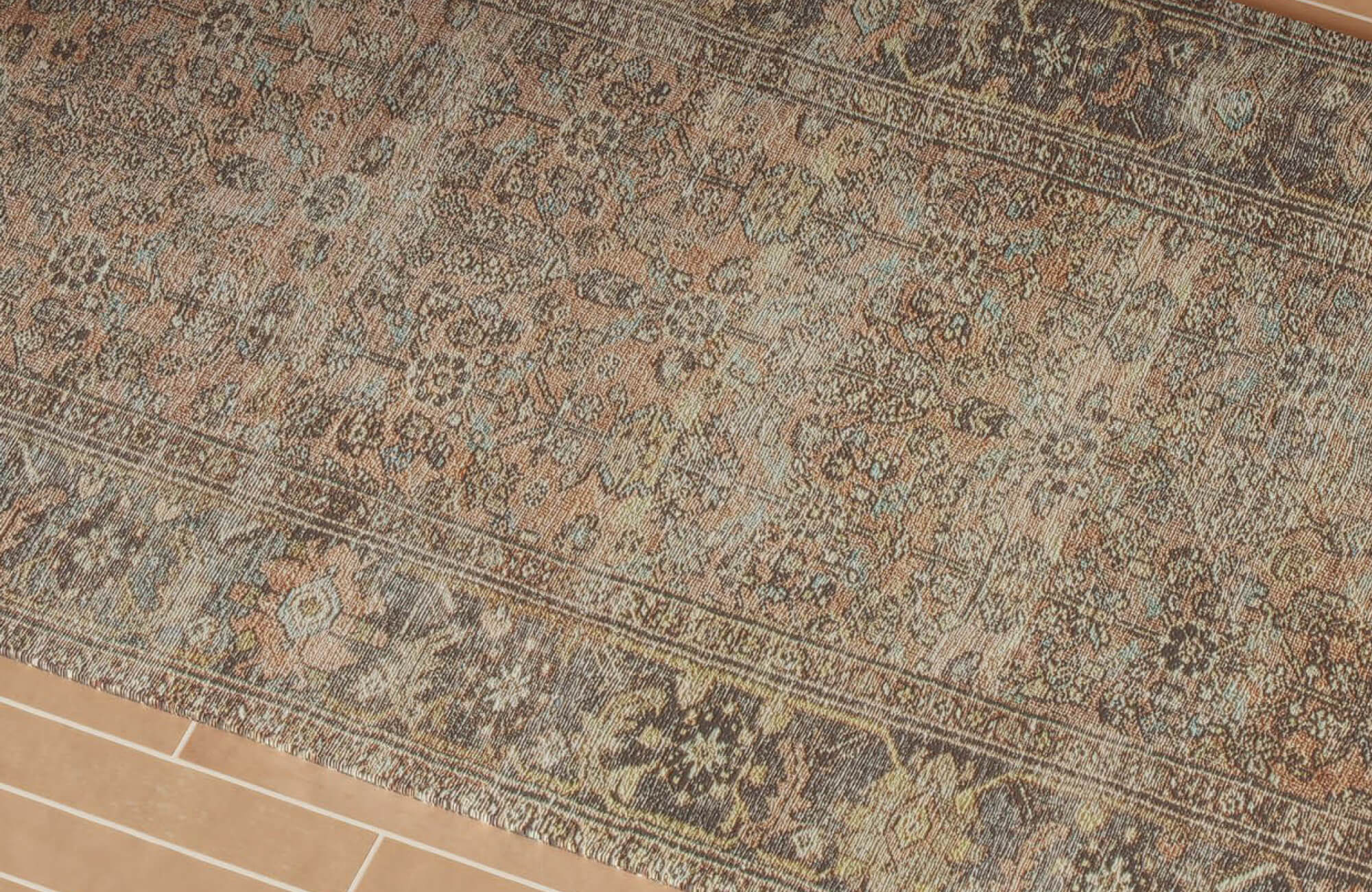
Edward Martin’s Mallory Rug in Aloe, shown above, exemplifies this blend of enduring quality and refined craftsmanship. With its thick, intricately textured pile, the rug highlights wool’s ability to maintain both form and comfort over time, even in busy areas. Ultimately, this kind of resilient construction not only extends the life of the rug but also reinforces its value as a sustainable design investment.
Natural Stain Resistance Reducing the Need for Harsh Cleaning Chemicals
Wool’s unique surface structure includes overlapping cuticle cells, which create a natural barrier to liquid penetration and soil adhesion. In addition to this, the fiber's high lanolin content acts as a water-repellent layer, enabling spills to bead on the surface instead of absorbing instantly. Together, these characteristics provide built-in resistance to staining and dramatically reduce the need for aggressive chemical cleaners, many of which contain harmful solvents, surfactants, or VOCs.
As a result, wool rugs typically require only mild soap and water or plant-based cleaners for routine maintenance, helping to support healthier indoor ecosystems while also reducing chemical runoff into municipal wastewater systems. Furthermore, they retain their appearance over time without relying on synthetic treatments such as stain guards or soil blockers, which are often applied to synthetic carpets and can contribute to indoor air contamination. In the end, this lower-maintenance performance empowers you to reduce your ecological impact without sacrificing cleanliness or visual appeal.
Improved Indoor Air Quality Compared to Synthetic Rugs
Wool’s contribution to indoor environmental health is another long-term benefit that sets it apart from synthetic alternatives. Unlike synthetic carpets, wool fibers do not off-gas harmful chemicals such as formaldehyde, phthalates, or flame retardants, substances commonly found in synthetic carpets and backings. On the contrary, wool can actively improve indoor air quality by absorbing airborne pollutants like nitrogen oxides, sulfur dioxide, and even VOCs from other sources, trapping them within its fiber structure for extended periods.
Furthermore, wool’s ability to buffer indoor humidity levels helps create a more stable and healthier interior atmosphere, especially valuable in homes with children, pets, or individuals with respiratory sensitivities. Equally important, wool does not release microplastics, which are increasingly recognized as a pervasive pollutant in both indoor dust and outdoor environments. By choosing wool, you can contribute to a cleaner, safer living space while also supporting a broader ecological balance.
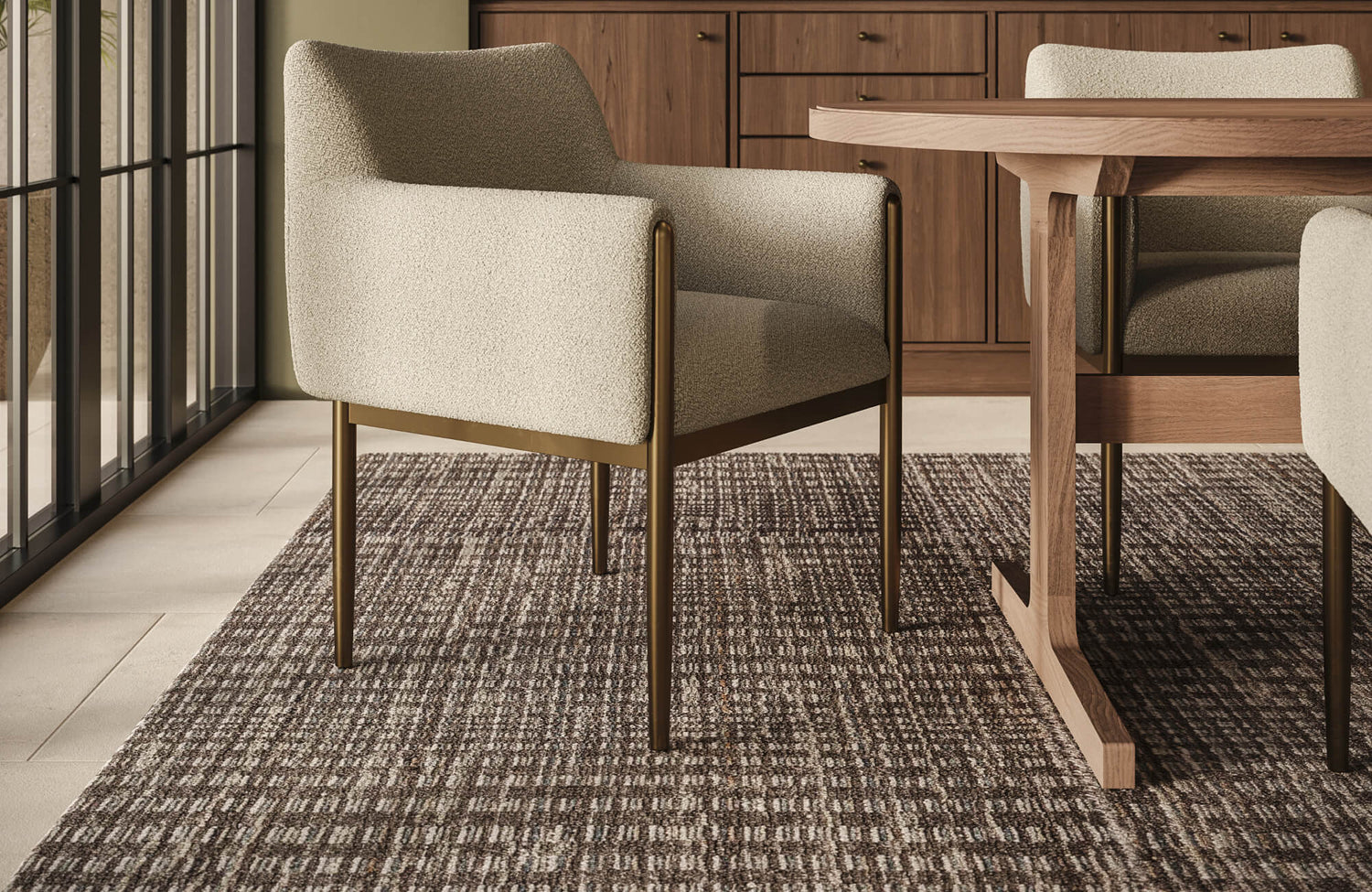
For homes prioritizing wellness, especially those with young children or allergy-sensitive occupants, Edward Martin’s Sweeney Rug in Mushroom offers a breathable, chemical-free surface that supports a healthier interior. Free from synthetic coatings and harsh chemical treatments, its dense wool loops contribute to cleaner indoor air while providing lasting comfort underfoot. Its breathable construction and understated neutral tone make it especially well-suited for families where wellness and sophistication go hand in hand.

Making The Most Of An Eco-Friendly Wool Rug
An eco-friendly material delivers the greatest value when it remains useful, comfortable, and relevant for years to come. Beyond their environmental benefits, wool rugs offer practical design advantages that help them adapt to different spaces and lifestyles, making them easier to enjoy over the long term.
Defining Zones and Adding Softness to Tiled Areas
In open-concept interiors or multi-use spaces, wool rugs serve as effective tools for visual zoning. When strategically placed over hard surfaces like porcelain, ceramic, or stone tile, a wool rug helps delineate living, dining, or workspace boundaries without the need for physical partitions. Not only does this reinforce spatial clarity, but it also introduces a softer underfoot experience that offsets the firmness of tile, especially beneficial in areas where comfort is essential, such as reading nooks, children's play zones, or bedroom perimeters.
Beyond comfort, wool’s natural elasticity and cushioning properties add ergonomic value by reducing strain on joints and offering acoustic absorption in tile-dominated spaces, which tend to echo. At the same time, choosing ethically sourced, hand-woven wool rugs supports responsible sourcing practices while helping create interiors that balance comfort, function, and long-term environmental responsibility.
Supporting this balance of comfort and practicality, our Sweeney Rug in Graphite shows how a thoughtfully designed wool rug can help organize open interiors. Its defined grid pattern helps establish visual boundaries between furnishings, while the plush wool surface softens tiled areas and contributes to a more comfortable everyday experience. Because wool maintains its structure well over time, pieces like this can continue performing their role within a space for years without sacrificing comfort or appearance.
Enhancing Aesthetic Harmony and Texture in Tile-Centric Designs
Wool rugs are exceptionally versatile in design, available in hand-tufted, knotted, or flatweave constructions that cater to a wide spectrum of aesthetics, from minimalist to eclectic. When thoughtfully integrated into tile-centric environments, they serve as visual counterpoints, introducing warmth and organic texture that contrast with the smooth, often reflective surfaces of tile. For instance, pairing a richly textured wool rug with a large-format matte tile can create a grounded, calming atmosphere, while high-pile styles complement glossy or patterned tile installations by adding visual depth.
In terms of color harmony, undyed or plant-dyed wool rugs provide an earthy palette that echoes the natural tones often found in travertine, terracotta, or stone-look tiles. This kind of color relationship helps create a more cohesive environment while allowing natural materials to remain the focus of the design. Moreover, selecting wool rugs with subtle patterning or tonal shifts allows designers to mirror grout lines, veining, or mosaic layouts present in the tilework, enhancing cohesion throughout the space.
Bringing these ideas together, Edward Martin's Mallory Rug in Forest demonstrates how color and texture can complement tile-based interiors without overwhelming them. Its subdued green tones and intricately woven surface introduce visual richness while remaining easy to pair with both earthy and neutral materials. This versatility can help extend the rug's relevance over time, reducing the need to replace it as surrounding furnishings and décor evolve.
Layering Rugs on Tile for Added Dimension and Warmth
Beyond their utility and visual appeal, wool rugs are ideal for layering, a technique increasingly embraced in contemporary interior design. When applied effectively, layering rugs over tile floors introduces a dynamic interplay of scale and proportion, particularly when mixing different shapes, such as rectangular area rugs with smaller round or runner styles. This approach creates visual rhythm and tactile contrast, encouraging movement through the space while maintaining cohesion in multi-surface layouts.
In addition to visual benefits, wool rugs offer functional advantages from a thermal comfort standpoint. Adding a layer of insulation over cool tile surfaces helps regulate temperature, especially advantageous in colder climates or during seasonal transitions. Thanks to wool's natural properties, it retains heat while still allowing airflow beneath the rug. Combined with wool's durability, these insulating qualities can help the rug remain both functional and comfortable across changing seasons, supporting long-term use rather than frequent replacement.

Protecting The Long-Term Value Of Your Wool Rug
One of the most overlooked aspects of sustainability is keeping products in use for as long as possible. With proper care, a wool rug can maintain its appearance, comfort, and performance for decades, reducing the need for premature replacement. As always, it's best to refer to the manufacturer's care recommendations for cleaning methods and maintenance guidelines specific to your rug.
Regular Cleaning Practices to Preserve Wool Fibers
Wool fibers possess a natural resilience due to their crimped structure, but routine maintenance is key to preventing premature wear. In tiled environments, particularly those prone to dust accumulation or grit, weekly vacuuming with a suction-only vacuum (no rotating brush) helps lift debris from the pile without damaging delicate fibers. To maintain even surface wear, rotating the rug every few months is also recommended, as it helps preserve the wool’s structure and appearance over time.
For minor spills, spot-cleaning with a pH-neutral, wool-safe detergent diluted in cold water is advised. Although wool’s natural lanolin coating offers excellent resistance to absorption, timely blotting, rather than rubbing, is essential to prevent permanent staining and fiber distortion. When dealing with untreated wool rugs, using mild, plant-based cleaners not only protects the material but also helps preserve the lower-impact qualities that make wool an appealing natural flooring material. Additionally, regular dry shaking or gentle beating outdoors can refresh the rug and dislodge embedded dirt that might otherwise abrade both the wool and the tile beneath.
Preventing Damage from Moisture and Wear on Tiled Surfaces
When wool rugs are placed over tile, especially in kitchens, bathrooms, or entryways, additional measures are needed to guard against moisture and friction. To start, a breathable, natural-fiber rug pad (such as felt or natural rubber) not only prevents slippage on smooth tile but also acts as a moisture buffer and shock absorber, thereby reducing pressure-related fiber damage and extending the life of both surfaces.
Equally important, it's best to avoid placing wool rugs directly over damp or unsealed grout lines, as prolonged exposure to moisture can lead to mildew development on the rug’s underside. To further safeguard the rug, it’s advisable to lift and air it out periodically, particularly in areas with high humidity or limited airflow. In addition, for sun-exposed zones, using UV-filtering window treatments can help prevent fading without the need for chemical UV stabilizers. Together, these preventive measures help preserve both the rug and the tile beneath, supporting longer product life and reducing the likelihood of avoidable replacement.
Professional Cleaning for Long-Term Care and Stain Removal
While routine care can manage daily buildup, professional wool rug cleaning is essential for long-term preservation. According to industry standards, deep cleaning is recommended every 12 to 18 months, depending on usage and environmental conditions. During these cleanings, professional services use specialized methods such as cold-water immersion washing, pH-balanced rinses, and wool-safe drying protocols that rejuvenate fibers without stripping lanolin or introducing synthetic residues.
When faced with set-in stains or accidental soiling from food, oils, or dyes, professional cleaners can also perform targeted stain-lifting using enzyme-based solutions or dry extraction techniques. This approach prevents over-saturation, especially important when the rug is used on tile, where trapped moisture can lead to underlying damage. To maintain both performance and environmental responsibility, opting for certified green cleaning providers can help reduce the impact of routine maintenance while supporting the rug's long-term durability and appearance.
Choosing Wool Rugs with Purpose
A truly sustainable home is often built through decisions that continue providing value long after installation. Wool rugs support that approach through a combination of renewable sourcing, natural durability, biodegradability, and everyday practicality, making them a material that performs well throughout its lifecycle rather than excelling in just one area. Beyond their environmental advantages, they also bring warmth, texture, and lasting comfort to interiors, proving that responsible design choices do not require sacrificing beauty or functionality. When viewed through both a design and environmental lens, wool remains one of the most thoughtful flooring materials available for creating spaces that feel comfortable, enduring, and intentionally designed.
If you're exploring wool rugs for an upcoming project, our Personalized Design Consultation can help you compare materials, textures, colors, and styles that align with your space and priorities. Whether you're selecting a rug for a single room or coordinating finishes throughout your home, our team can provide tailored guidance to help you create a design that feels cohesive, practical, and built to last.