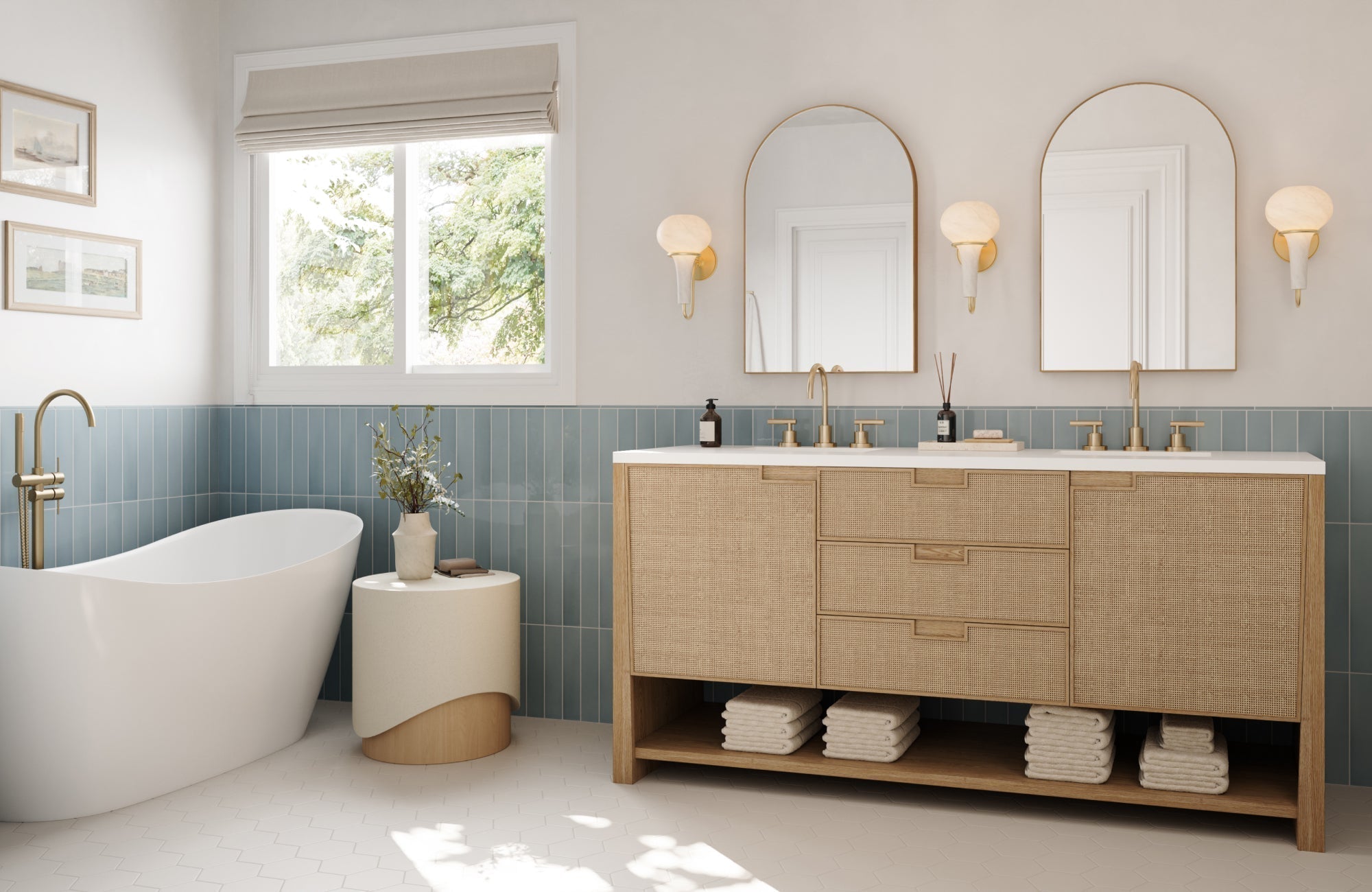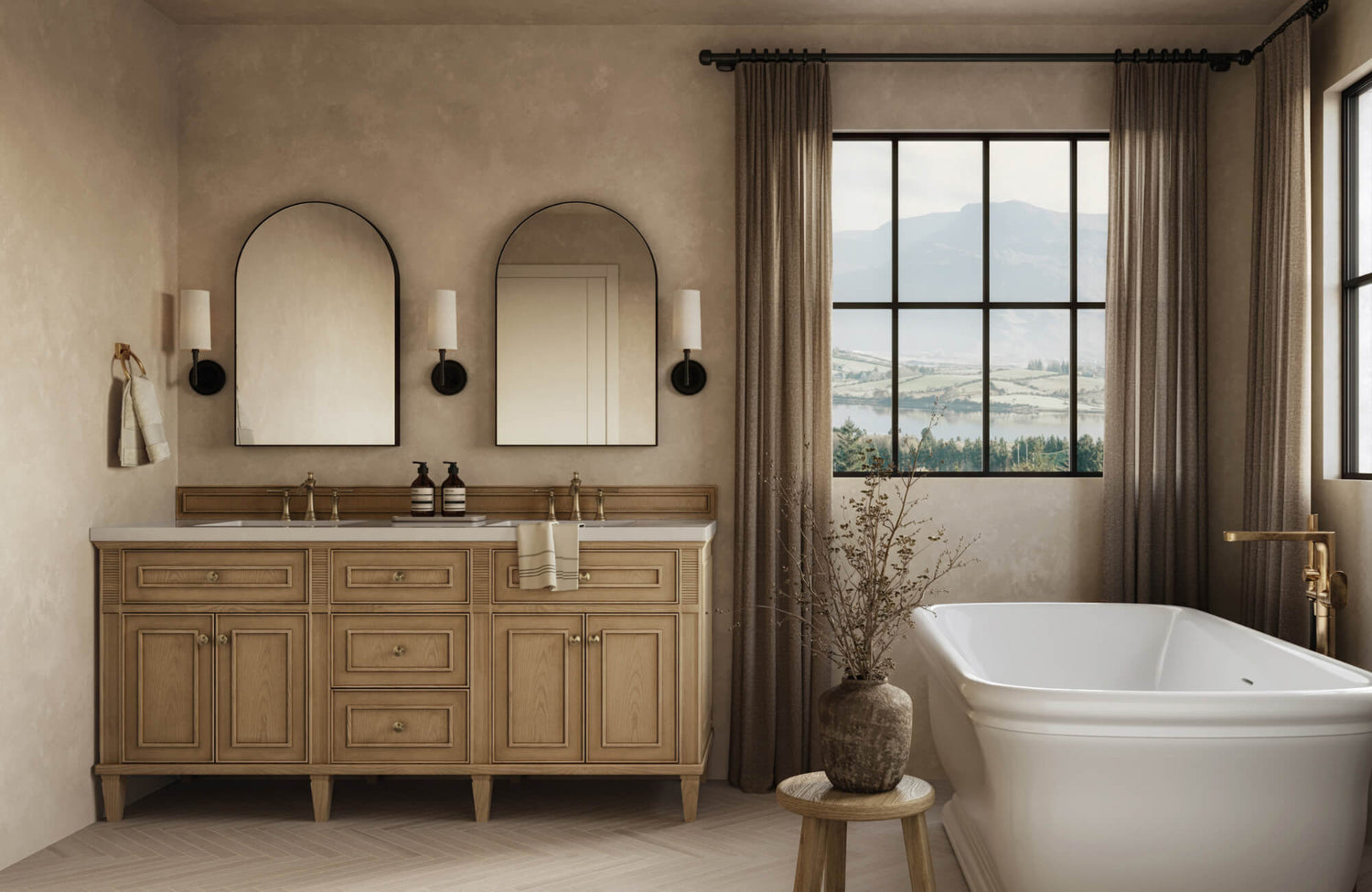
A modern vanity is no longer a decorative afterthought, it’s a highly engineered centerpiece that shapes both the function and feel of a bathroom. Designed to manage plumbing, streamline storage, and withstand humidity, today’s vanities merge performance materials with architectural intent. Whether suspended for visual lightness or grounded for impact, the right vanity supports everyday use while anchoring the room’s design language.
Just as important is its role in defining the atmosphere. With tailored millwork, integrated lighting, and hardware that reflects broader design themes, a vanity becomes a statement of style and intent. In this article, we’ll examine how the best vanities balance utility and artistry, transforming daily rituals into a refined experience.

The Evolution of the Vanity
To understand what makes the modern vanity so integral to today’s interiors, it helps to look back at how it all began. Over time, this once-simple dressing table has evolved in response to changing lifestyles, technologies, and design priorities, shaping the way we experience personal space.
From Dressing Table to Dedicated Space
The vanity originated in 17th-century Europe as the toilette, an ornate dressing table used by aristocratic women in private chambers. These pieces, crafted from fine woods and adorned with mirrors, perfume bottles, and cosmetic tools, symbolized refinement and social status. Influenced by the Rococo and Neoclassical styles, they also embraced curving silhouettes, marquetry, and decorative veneers, elevating the vanity from functional furniture to a work of art.
As time progressed, the Industrial Revolution of the 19th century brought vanities to a broader audience. Mass production and new materials like pressed glass and cast iron made these furnishings more accessible. Meanwhile, Victorian designs incorporated hinged mirrors and hidden storage compartments to suit the era’s elaborate grooming rituals. Eventually, with the advent of indoor plumbing in the early 20th century, the vanity underwent a major transformation, becoming a permanent fixture of the bathroom, now designed to integrate seamlessly with sinks and water supply systems.
Adapting to Modern Living
Moving into the mid-20th century, vanities continued to evolve in response to shifting residential needs. As suburban homes embraced the en-suite bathroom, the demand for space-efficient, user-friendly vanities grew. Modular cabinetry, prefabricated construction, and durable laminates emerged, offering greater customization at scale. By the 1980s, the double vanity became a popular feature in master baths, meeting the practical needs of shared daily routines while maintaining individual space.
Today, vanities reflect an even greater blend of performance and design. Floating configurations create the illusion of openness in compact spaces, while integrated sinks and seamless solid-surface countertops enhance both hygiene and visual appeal. Furthermore, innovations such as LED lighting, motion-sensor faucets, and concealed power outlets speak to modern demands for convenience and energy efficiency. As a result, designers now approach vanities not just as functional fixtures, but as architectural focal points, crafted with high-performance materials like sintered stone and marine-grade plywood to meet the demands of contemporary living.

The Functional Superiority of a Vanity
While style draws the eye, it’s the behind-the-scenes functionality that makes a vanity truly indispensable. From clever storage to purposeful lighting, every detail contributes to how efficiently and comfortably the space functions each day.
Integrated Storage Solutions
A hallmark of a well-designed vanity is its ability to maximize storage while accommodating plumbing infrastructure. Full-extension drawers with U-shaped cutouts, custom dividers, and tiered compartments help keep items organized and accessible. Deeper drawers are perfect for larger tools, while shallower ones can be outfitted for cosmetics or grooming accessories.
A case in point, as featured in the image above, is Edward Martin’s Easton 72" Double Vanity in Whitewashed Walnut with Glossy White Composite Stone Top. This piece exemplifies the balance of clean-lined aesthetics and concealed storage, offering a slatted facade that hides a highly functional layout. Its use of moisture-resistant materials ensures both practicality and enduring performance.
In addition to drawer optimization, advanced designs often feature integrated hampers, pull-out shelves, and vertical cubbies to utilize every inch of available space. Frameless construction, common in European-style vanities, increases interior capacity and allows for precise customization. Materials such as HMR MDF, marine-grade birch, or melamine-laminated plywood further reinforce durability in high-humidity environments.
Thoughtful Lighting and Mirror Integration
Equally important, lighting significantly impacts how a vanity functions, especially in spaces where natural light is limited. Modern vanities often incorporate integrated LED lighting within mirror frames, beneath countertops, or inside drawers, featuring daylight color temperatures and high CRI ratings for accurate reflection and reduced eye strain.
To elevate convenience further, modern mirrors now incorporate a range of advanced features designed to enhance daily routines. Some models also integrate smart displays or Bluetooth connectivity, enabling audio playback or environmental updates. Increasingly, designers are specifying recessed mirrored medicine cabinets that combine lighting and storage into one streamlined solution.
Dedicated Workspace for Personal Care
Finally, today’s vanities are more than sink stations, they are personalized grooming hubs tailored for both comfort and efficiency. Ergonomic counter heights (typically 34"–36") help reduce strain, while wider countertops and seated sections accommodate everything from quick touch-ups to in-depth skincare or makeup routines.
Just as essential, the materials used influence how well the vanity endures and how easy it is to keep clean. Non-porous surfaces such as quartz, solid surface, or porcelain slab resist stains and microbial buildup. Integrated sinks and discreet electrical access, like hidden outlets or USB ports, also offer added convenience while maintaining a clean, minimalist aesthetic.

How a Vanity Elevates Interior Design
Far from purely utilitarian, a vanity has the power to shape the entire look and feel of a space. Through thoughtful design choices, from proportions and finishes to material pairings, it becomes a key element in crafting a cohesive and visually compelling environment.
Defining Room Style and Ambiance
Often, the bathroom’s centerpiece, the vanity, strongly influences the room’s design language and style cohesion. Its form, whether a streamlined floating unit or a classic freestanding piece with detailed millwork, immediately sets the tone, from contemporary minimalism to timeless traditional.
Moreover, the finish selection can influence how the space is perceived. For instance, darker tones add richness and depth, while lighter woods and soft paint colors visually expand the room, creating a sense of airiness and calm.
In addition, scale and symmetry impact how the room feels. Double-sink layouts promote balance and order, while asymmetrical configurations introduce a modern, design-forward edge. A compelling example, as illustrated in the photo above, is Edward Martin’s Maxine 55" Single Vanity in Washed Natural Veneer with Carrara Marble Top, which blends a warm wood tone and refined silhouette to establish a relaxed, spa-like ambiance.
Material Selection and Finish Quality
Building on this, the materials used in a vanity directly affect both its visual appeal and its durability. Premium hardwoods like walnut, rift-cut oak, and maple offer rich texture and craftsmanship, while high-pressure laminates provide cost-effective alternatives without sacrificing style when executed with precision. Engineered stone surfaces, such as quartz, sintered stone, or porcelain slab, add to the overall design with their sleek profiles and long-lasting performance.
Furthermore, finishes introduce depth and personality. Matte surfaces convey understated elegance, while glossy finishes reflect light and amplify contrast. Artisanal techniques like wire-brushing or cerusing bring added texture and character. Finally, hardware selection rounds out the look; finishes such as brushed brass, matte black, or polished chrome can either create contrast or reinforce cohesion with other fixtures in the space.

Vanity Customization and Personalization
In a space as personal as the bathroom, the ability to customize a vanity can make all the difference. From how it functions to how it looks, and even how it connects with technology, today’s vanities are designed to adapt to the people who use them.
Tailoring to Individual Needs
Effective customization starts by understanding the user’s practical requirements. Height, daily routines, and the number of users all influence the ideal vanity layout. For example, taller individuals may prefer a 36-inch counter height, while ADA-compliant designs are better suited for multigenerational or accessible bathrooms. Double-sink configurations accommodate shared spaces, while single vanities with expanded counter space and centralized storage are well-suited to smaller layouts.
Moreover, storage can be fine-tuned to support daily habits. Features like pull-out organizers for styling tools, drawer dividers for cosmetics, and built-in laundry hampers enhance usability. Modular cabinetry systems also provide flexibility for fitting around plumbing or architectural constraints. For compact spaces, Edward Martin’s Bridgette 36" Single Vanity in Bright White with 3 cm White Zeus Quartz Top, as shown in the photo above, delivers streamlined storage in a refined, space-saving design, an excellent fit for powder rooms or smaller baths.
Reflecting Personal Style
In addition to meeting functional needs, customization allows you to express your design preferences. Cabinetry styles, from sleek slab fronts to traditional inset panels, help establish the visual language of the space. Finish selections, whether classic neutrals or on-trend hues, also define the overall mood.
Furthermore, material choices contribute both style and substance. Quartz, marble, and sintered stone countertops offer distinct visual and tactile qualities, while sink styles, vessel, under-mount, or integrated, can reinforce modern or classic aesthetics. From hardware to edge profiles, each detail contributes to a vanity that feels fully personalized and cohesive.
Integrating Technology and Smart Features
Building on this personalization, smart features bring a new level of convenience and innovation. Today’s vanities may include mirrors with built-in LED lighting, anti-fog coatings, and intuitive touch or voice controls. Some models even offer Bluetooth connectivity or smart home integration for added efficiency.
Additionally, integrated outlets, USB ports, and motion-activated lighting support clutter-free functionality, while luxury upgrades like warming drawers or skincare refrigeration elevate the daily experience. For environmentally conscious property owners, many of these technologies also promote energy and water conservation, aligning with broader goals like LEED or WELL certification and delivering both performance and peace of mind.

Ensuring Your Vanity Endures
A beautifully designed vanity is only as good as its ability to endure daily use and changing conditions. That’s why it’s essential to consider not just how it looks, but how well it holds up, through smart material choices, proper care, and a few protective strategies along the way.
Choosing Durable Materials
Primarily, material durability is especially critical in moisture-prone environments like bathrooms. Solid hardwoods such as maple, oak, and walnut, when sealed with catalyzed lacquer or polyurethane, offer exceptional strength and long-term resilience. Alternatively, engineered options like marine-grade plywood or HDF with water-resistant coatings deliver impressive stability and dimensional accuracy.
In addition to cabinetry, countertop materials greatly influence both function and aesthetics. Non-porous surfaces such as quartz, sintered stone, and solid surface resist common threats like scratches, stains, and water damage. Meanwhile, porcelain slabs stand out for their superior resistance to UV rays and heat, making them ideal for bathrooms with large windows or radiant heating. Likewise, choosing corrosion-resistant hardware, such as stainless steel, brass, or anodized aluminum, is essential for maintaining durability, particularly in humid or coastal settings.
A strong example of this durability-meets-design principle is Edward Martin’s Gemma 55" Single Vanity in Washed Blonde Oak Veneer with Carrara Marble Top, as illustrated in the image above. It balances refined style with high-performance materials, making it an ideal choice for busy, moisture-prone spaces.
Cleaning and Care Best Practices
Even the most durable vanity benefits from routine maintenance. Regular cleaning not only preserves its appearance but also ensures lasting performance. Use a soft microfiber cloth and a pH-neutral cleaner for cabinetry, and avoid abrasive tools or harsh chemicals that could degrade finishes. In high-splash areas, drying surfaces promptly helps prevent water damage and residue buildup.
Furthermore, each surface demands a tailored approach. Quartz can be cleaned with mild soap and water, while solid surfaces may need occasional buffing. Natural stone, including marble and granite, should be sealed periodically to protect against staining and etching. For mirrors and lighting, opt for an ammonia-free glass cleaner and a lint-free cloth. As always, refer to the manufacturer’s care guidelines for best results and material-specific recommendations.
Protecting Your Investment
Beyond materials and maintenance, long-term performance depends on proactive measures during installation and everyday use. Ensure the vanity is level, securely anchored, and properly sealed at joints and water-prone seams. Features like soft-close hinges and full-extension drawer glides minimize mechanical stress over time.
In addition, managing environmental conditions can make a significant difference. Installing an exhaust fan or dehumidifier helps prevent moisture buildup, while leaving space for seasonal expansion protects against cracking or warping. Simple habits, like closing drawers gently and drying off surfaces, also go a long way in preventing wear.
For added peace of mind, consider warranties and maintenance plans that cover finishes, hardware, or refinishing services. These plans can help extend both the function and aesthetic of your investment over time.
To make the process even easier, Edward Martin’s design consultation service offers expert guidance to help you coordinate your vanity with the room’s design intent. And for questions about care, product recommendations, or accessory pairing, don’t hesitate to contact our team; we’re always here to support your design goals.
Crafting Purposeful Spaces, One Vanity at a Time
Ultimately, a modern vanity does more than occupy space, it shapes how that space functions, feels, and evolves. With integrated storage, durable materials, and intentional design, it becomes a central element in the rhythm of daily life and the visual balance of the room.
At Edward Martin, we believe design works best when function and form are inseparable. Paired with our carefully curated tile collections, the right vanity can bring balance, beauty, and a clear sense of purpose to any bathroom. Let us help you create a space that feels as good as it looks!