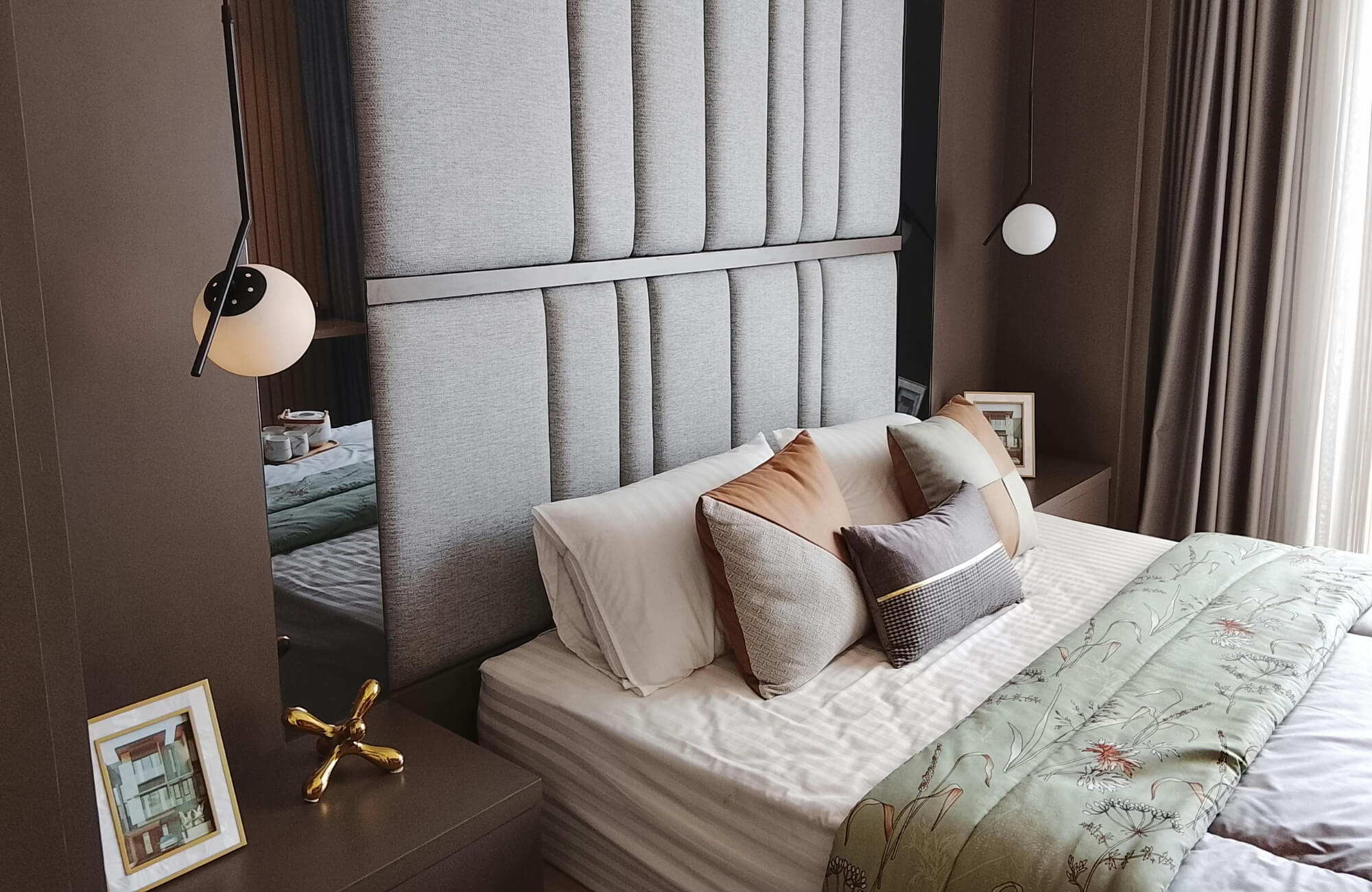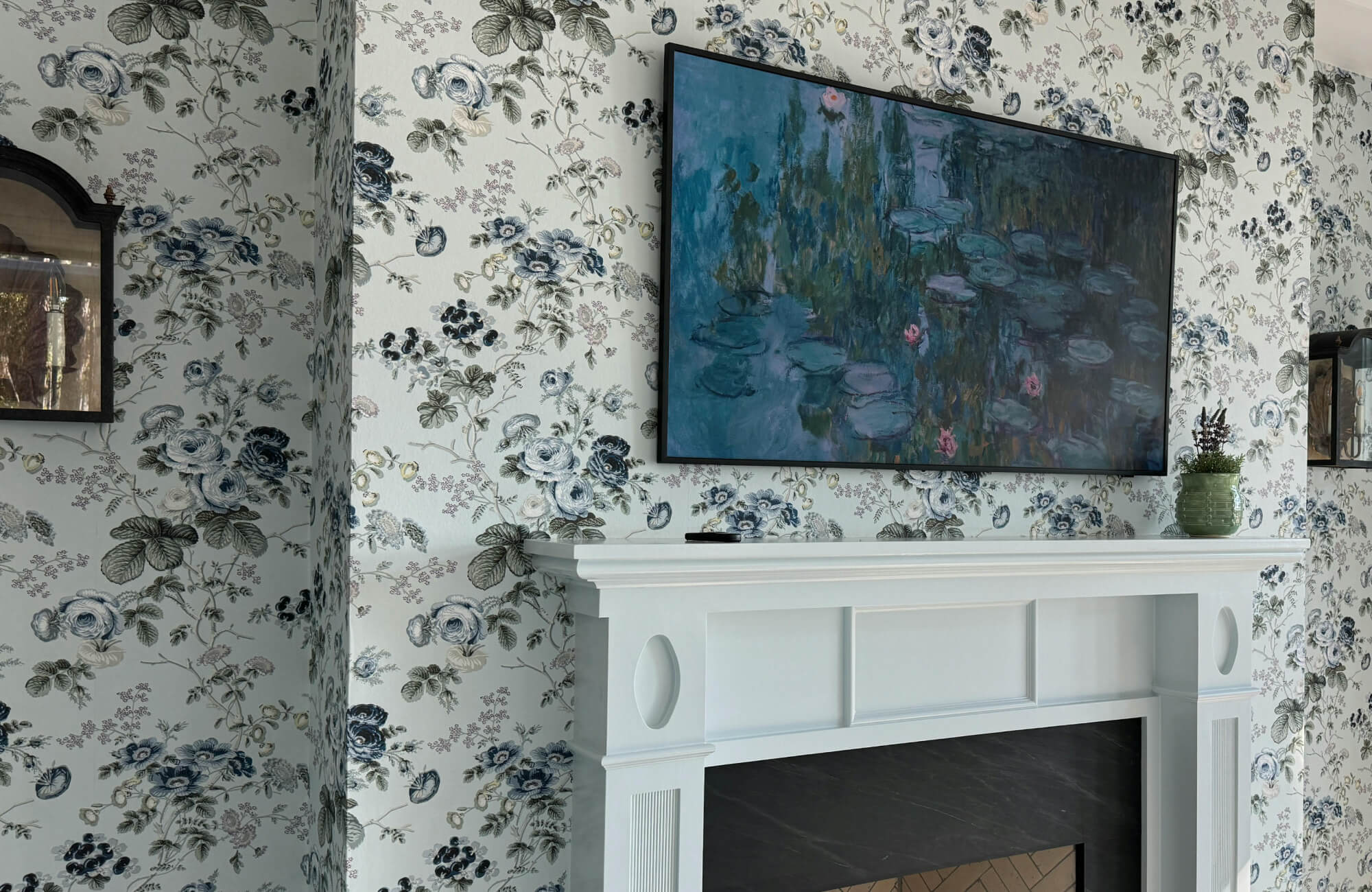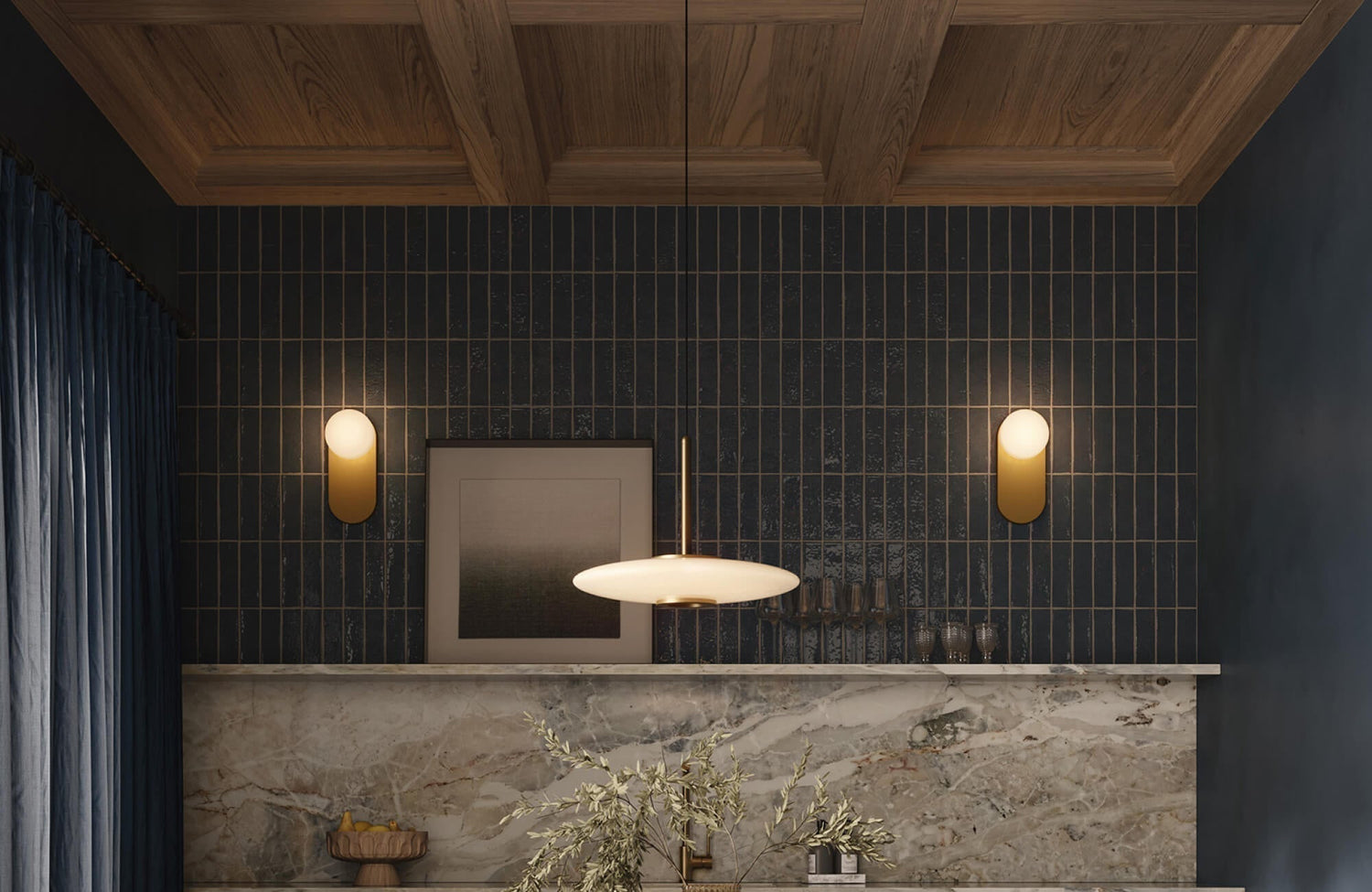
Wall art does far more than fill empty walls. It shapes the atmosphere of your space, influences how you feel within it, and tells a story about who you are. At first glance, it may seem like a finishing touch, yet it often becomes the element that brings everything together, turning a room from plain into purposeful.
Moreover, the right piece of wall art can completely transform how a space is experienced. It introduces depth, character, and emotion while guiding the eye and setting the tone for the entire room. As a result, what you choose to display is not just decoration, but a reflection of your identity and a key part of how your environment supports your daily life.

Defining the Medium Beyond the Canvas
Wall art includes any visual element placed on a vertical surface to enhance its appearance or meaning. However, in today’s interiors, it has evolved far beyond traditional framed pieces, becoming an integral part of how you experience and interact with your space.
Modern Definitions of Vertical Expression
As interior styles continue to evolve, the idea of what qualifies as wall art has expanded significantly. You are no longer limited to flat, static pieces like paintings or photographs. Instead, wall art can take on a more immersive role through the use of textured materials, sculptural elements, and layered compositions that add depth to your walls. For instance, woven textiles like the Hearthline Wall Art, shown in the image above, or dimensional installations introduce a tactile quality that softens the space, while light-based pieces bring subtle movement and variation throughout the day.
At the same time, technology has begun to reshape how you engage with art in your space. Digital displays and interactive elements allow artwork to shift, adapt, or even respond to your environment. This creates a more dynamic experience, where your walls feel less like fixed backdrops and more like evolving features within your living space. As a result, wall art becomes something you don’t just look at, but something you experience over time.
The Structural Role of Art in Interior Design
Beyond its visual appeal, wall art plays a key role in shaping how your space is organized and perceived. When you place a piece of art thoughtfully, it naturally becomes a focal point that draws attention and anchors the surrounding elements. This, in turn, helps guide the placement of furniture and influences how colors and textures are distributed throughout the room.
Equally important is the sense of proportion that wall art introduces. If a piece is too small, it can feel disconnected and insignificant, while something oversized may dominate the space and disrupt its balance. When you choose artwork that aligns with the scale of your furniture and wall dimensions, everything begins to feel more cohesive. This sense of harmony also allows your space to flow naturally, making it feel both intentional and visually complete.

The Psychological Impact of Visual Stimuli
The art you choose to display does more than fill empty walls; it actively shapes how you feel and respond to your surroundings. Over time, these visual cues influence your mood, focus, and overall sense of well-being in subtle but meaningful ways.
Biophilic Design and Stress Reduction
When your wall art incorporates elements of nature, it can create an immediate sense of calm within your space. Imagery such as landscapes, flowing water, or organic patterns introduces a feeling of openness that helps counterbalance the mental fatigue of daily routines. This effect becomes especially noticeable in areas where you spend extended periods, as the presence of natural visuals can make the environment feel less confined and more breathable. Pieces like the Follow the Wind Wall Art, as seen in the image above, with its soft botanical forms and muted tones, offer a subtle yet impactful way to bring this sense of tranquility into your space.
As you continue to surround yourself with these nature-inspired elements, the atmosphere of your space begins to shift. Even understated textures or muted natural tones can soften the overall mood, making it easier for you to relax and recharge. In this way, your wall art becomes a quiet yet consistent source of mental relief, supporting a more balanced and restorative environment.
Chromotherapy and Mood Regulation
Color plays a crucial role in how your space influences your emotions, and wall art offers a direct way to control that effect. Warmer hues such as yellows, oranges, and reds tend to bring energy and stimulation, making them well-suited for areas where you want to feel motivated or socially engaged. In contrast, cooler tones like blues and greens introduce a sense of calm and stability, helping you unwind more easily. Artwork such as the North of Here Wall Art, with its soothing palette and balanced composition, can help reinforce this calming effect while adding visual depth to your space.
When you intentionally align the colors in your artwork with the purpose of each room, the experience of moving through your space becomes more cohesive. The visual environment also starts to support your daily activities rather than distract from them, creating a natural flow between energy and relaxation. Over time, this thoughtful use of color can enhance both your comfort and your overall emotional balance.

Aesthetic Value and Timeless Appeal
Wall art plays a defining role in shaping the overall style of your space. Although it can instantly elevate a room, it can just as easily make it feel outdated if it no longer reflects your evolving taste.
Moving Beyond Micro-Trends
Wall art trends tend to move quickly, often influenced by social media and rapidly changing design preferences. At first, bold prints or highly specific styles may feel exciting and current, but over time, they can begin to feel overused or disconnected from the rest of your space. You might notice that pieces that once stood out now feel visually overwhelming or no longer blend as naturally with your surroundings.
As your style matures, shifting toward more timeless artwork can create a stronger sense of consistency. Pieces that focus on texture, balanced composition, or subtle color palettes tend to remain relevant much longer. For example, the Dusk Fold Wall Art, displayed above, embodies this sense of quiet sophistication through its layered texture and muted tones. This transition allows your space to feel refined and intentional, rather than tied to a specific moment in time, giving your walls a lasting sense of character.
Proportional Harmony in Evolving Spaces
As your furniture arrangement or layout changes, your wall art needs to evolve alongside it to maintain visual balance. A piece that once felt perfectly scaled can suddenly appear too small when paired with larger furniture, or too dominant in a more compact setting. This mismatch can interrupt the natural flow of the room, even if everything else is thoughtfully arranged.
When you adjust the size, placement, or grouping of your artwork to better suit your space, the entire room begins to feel more cohesive. Proportion plays a subtle but powerful role in how your environment is perceived, and when everything aligns, your wall art enhances the space rather than competing with it.

Wall Art as a Vessel for Cultural Identity
Wall art gives you the opportunity to express who you are in a deeply personal and visual way. It turns your space into a reflection of your experiences, values, and cultural connections.
Preserving Heritage through Artisanship
When you incorporate handcrafted or culturally meaningful pieces into your walls, your space begins to carry a richer sense of identity. Whether it’s a traditional textile, a hand-carved piece, or artwork rooted in a specific region, these elements connect you to a broader cultural narrative. They also bring a sense of authenticity that mass-produced decor often lacks, making your space feel more grounded and intentional.
Additionally, these pieces can take on even greater meaning as they become part of your personal story. They may remind you of your background, your travels, or moments that have shaped your perspective. As a result, your walls evolve into more than just decorative surfaces—they become a visual archive of your experiences, adding depth and character to your environment.
Social Commentary and Urban Murals
Wall art can serve as a powerful way to express ideas and perspectives that matter to you. Choosing pieces that reflect certain themes or messages allows your space to communicate something beyond aesthetics. It adds a layer of intention, where your walls not only look curated but also feel purposeful.
This idea is reflected on a larger scale through urban murals that transform public spaces into meaningful visual statements. When you bring a similar sense of expression into your space, your walls take on a more dynamic role. Instead of simply filling space, they begin to tell stories, spark thought, and create a stronger emotional connection between you and your surroundings.

Functional Solutions for Architectural Limitations
Wall art is not only about enhancing aesthetics; it can also address practical challenges within your space. When used with intention, it helps improve both comfort and how your environment functions on a daily basis.
Acoustic Management via Textile Art
In spaces with hard surfaces like glass, wood, or concrete, sound tends to bounce around, creating echoes that can feel distracting. This is especially noticeable in open layouts or larger rooms where noise doesn’t have many soft surfaces to absorb into. By introducing textile-based wall art, such as woven pieces or fabric panels, you can subtly reduce this effect while still maintaining a visually appealing design.
As these softer materials absorb sound rather than reflect it, the overall atmosphere becomes noticeably calmer and more comfortable. Conversations feel clearer, and the space takes on a more relaxed quality without requiring any major structural changes. In this way, your wall art works quietly in the background, enhancing both the look and feel of your environment.
In addition to their functional benefits, textile-inspired pieces can also elevate the visual warmth of a room. For instance, the Hollow Morning Wall Art, featured above, brings in soft textures and layered details that complement both modern and organic interiors. This type of artwork not only contributes to sound absorption but also reinforces a cozy, inviting atmosphere, making your space feel more balanced and thoughtfully designed.
Manipulating Perceived Space and Light
Wall art has the ability to influence how spacious or bright a room feels, which becomes especially useful in more compact or dimly lit areas. Artwork with lighter tones, such as the Silent Orchard Wall Art or reflective qualities, can help distribute light more evenly, making the space feel more open and airy. This effect creates a sense of expansion, even when the physical dimensions remain unchanged.
On the other hand, deeper tones and textured pieces can add dimension and warmth, making larger spaces feel more grounded and inviting. When you choose artwork that plays with depth or perspective, you can subtly shift how the room is perceived. This allows you to enhance the overall ambiance and spatial experience without altering the structure itself, making your design choices both practical and impactful.

Curation Strategies for a Cohesive Space
Choosing wall art is only part of the process; how you arrange it ultimately shapes how it’s perceived. When placed thoughtfully, your artwork comes together to form a cohesive visual narrative that feels intentional and well-balanced.
The Anatomy of a Gallery Wall
Creating a gallery wall is about finding the right balance between structure and visual interest. You can lean toward a more symmetrical arrangement with evenly spaced frames for a polished look, or take a more relaxed approach by mixing different sizes and styles. Either way, a unifying element—such as a consistent color palette, subject matter, or frame style—helps everything feel connected rather than scattered.
Before committing to placement, taking the time to plan your layout can make a significant difference. When you visualize how each piece interacts with the others, you gain a clearer sense of spacing and proportion. This extra step allows your gallery wall to feel curated rather than improvised, resulting in a composition that naturally draws the eye and enhances the overall flow of the room.
Dynamic Art and Interactive Installations
As your style and preferences change, your wall art can evolve along with you. Incorporating pieces that are easy to swap or update allows your space to stay fresh without requiring a complete redesign. Digital frames or interchangeable displays, for example, give you the flexibility to adjust what’s shown based on your mood, the season, or even specific occasions.
This adaptability transforms your walls into something more than static decor. Instead, they become responsive elements within your space, reflecting shifts in your lifestyle and personal taste. This approach also keeps your environment feeling engaging and current, while still maintaining a sense of cohesion.
The Lasting Impact of Wall Art in Your Space
Wall art is important because it gives your space meaning beyond its function, shaping both how it looks and how it feels. By influencing mood, defining style, and reflecting personal identity, it transforms ordinary walls into purposeful elements of your environment, ultimately creating a space that feels complete, expressive, and uniquely yours.
As you consider how wall art can elevate your space, having the right guidance can make all the difference in bringing your vision to life. Whether you are refining a single room or curating an entire space, expert support can help you choose pieces that align with your style, layout, and overall atmosphere. If you need assistance or have specific questions, contact us to connect with a team that understands your design goals and can support your next step.