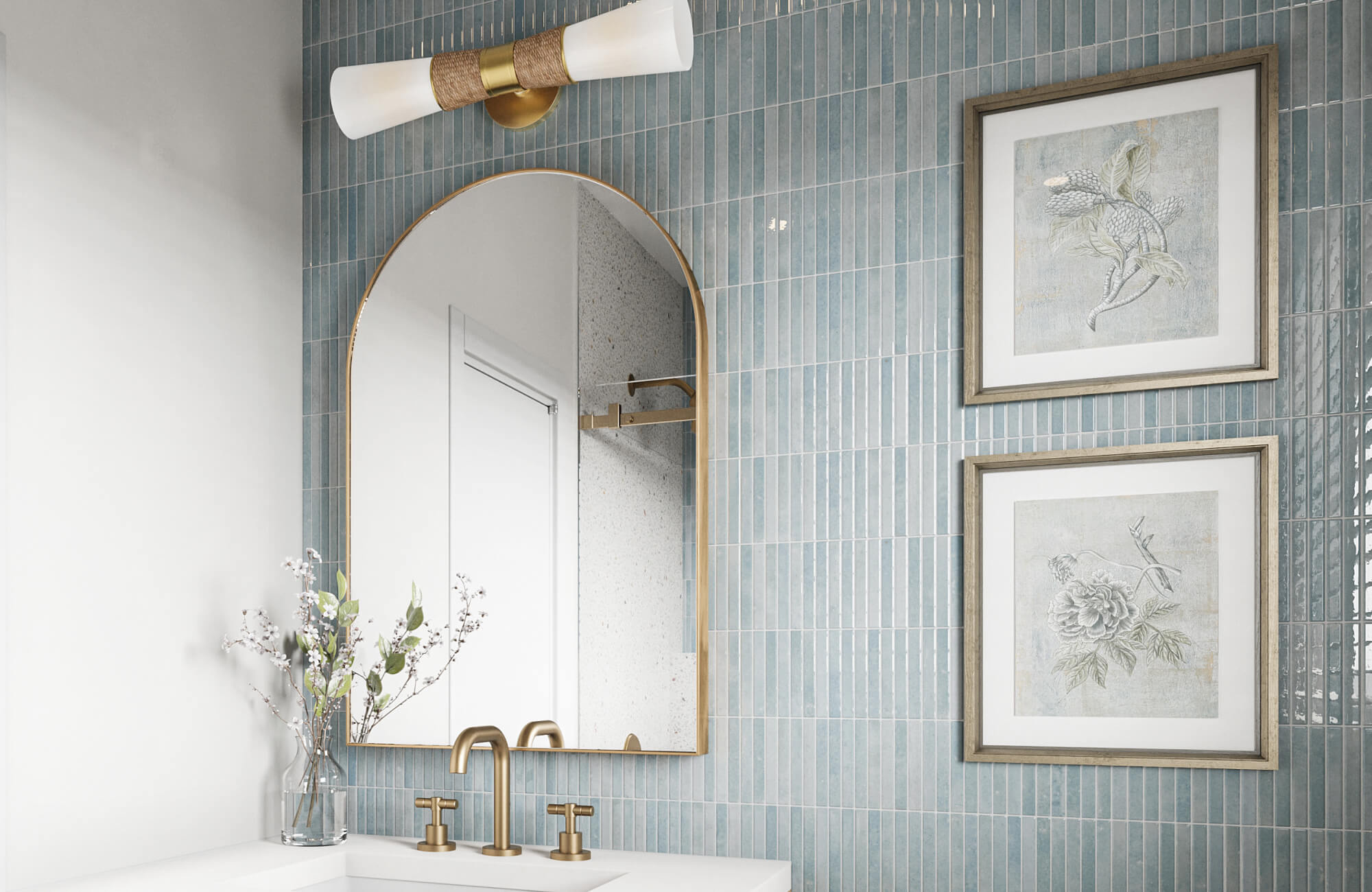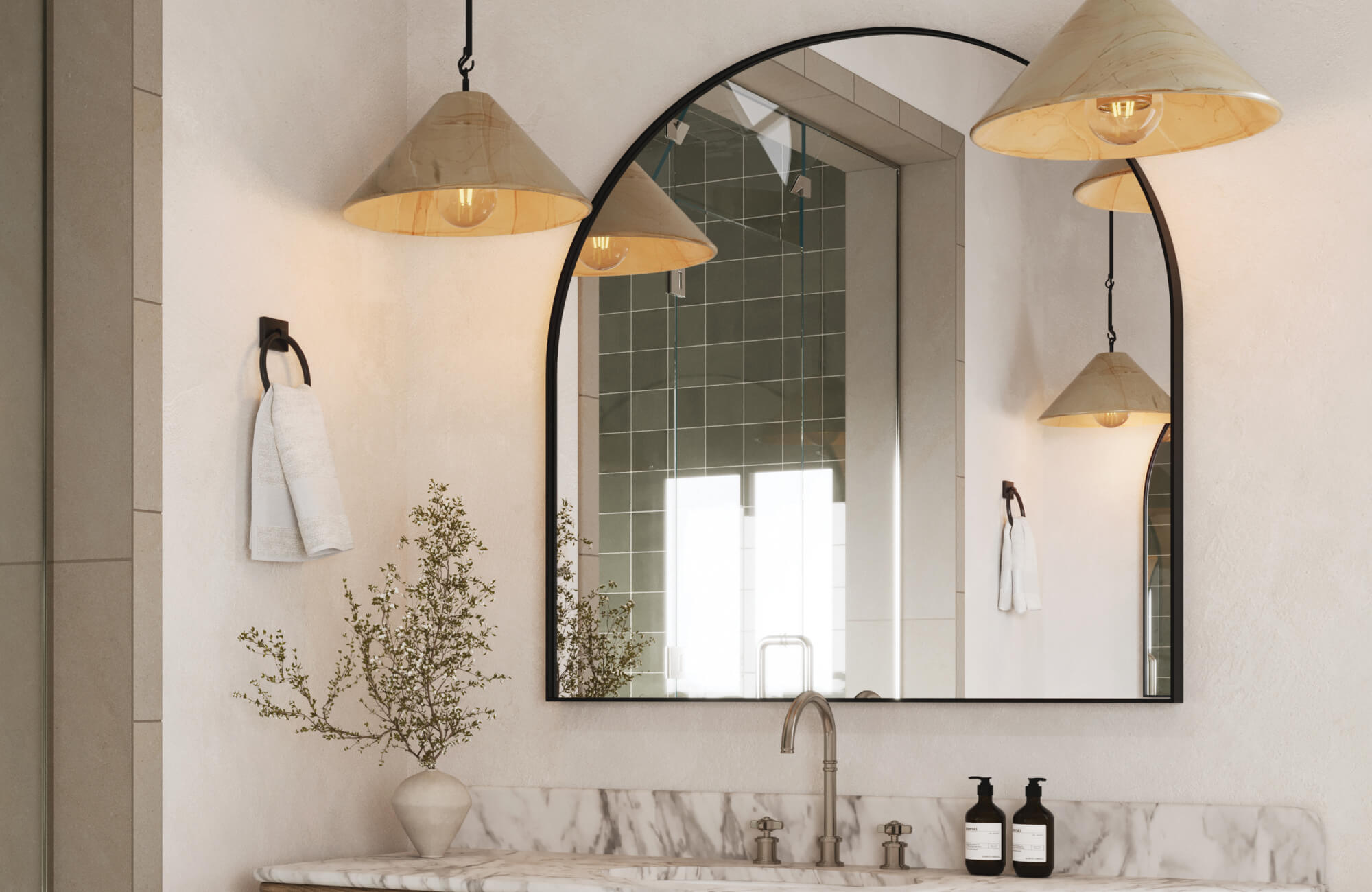
Ambient lighting does more than simply brighten a room—it sets the entire tone of your environment. Whether you’re relaxing at home, working in an office, or navigating a public space, the background illumination that surrounds you shapes how you feel, how you function, and how you connect with the space itself. Its impact is often subtle, but its absence is immediately noticeable.
This article dives into the many dimensions of ambient lighting, exploring how it enhances visual comfort, supports architectural expression, promotes emotional well-being, complements layered lighting, improves safety, and drives sustainability. As you read on, you’ll discover that ambient lighting is not just an accessory to your environment. It’s also an essential element that transforms the ordinary into something intuitive, efficient, and deeply human-centered.

Creating a Comfortable Visual Environment
A well-lit room doesn’t just illuminate; it enhances comfort, supports visual health, and creates a space that feels inviting. When lighting is thoughtfully designed, it contributes to a sense of ease, helps reduce fatigue, and improves how you engage with your surroundings.
Understanding Visual Fatigue and Lighting Needs
If you've ever felt your eyes ache after hours under harsh or uneven lighting, you're not alone. Poor lighting can quickly lead to visual fatigue, especially when you're focused on tasks for long periods. Glare, overly bright spots, and deep shadows also force your eyes to work harder than necessary, resulting in strain, headaches, and a drop in productivity.
Ambient lighting plays a crucial role in mitigating these issues. By spreading light evenly across the room, it eliminates extreme contrasts and provides a consistent field of vision. This evenness allows your eyes to transition smoothly between tasks, whether you're reading, typing, or simply moving around, without sudden visual disruptions. The result is a more relaxed visual environment that helps you stay focused longer and feel better throughout the day.
For example, a chandelier like the Cressida 32-Inch Chandelier in Vintage Gold Leaf offers not just ambient lighting but also an elegant aesthetic. The warm, soft glow of its gold finish adds a calming atmosphere to the space while reducing visual strain, especially when paired with dimmable bulbs. It's a great solution for those looking to combine functional lighting with timeless style.
Balancing Natural and Artificial Light
Creating a harmonious lighting experience starts with balancing what nature offers and what technology adds. Natural light has a dynamic quality that changes throughout the day, influencing not just visibility but your mood and energy. Relying solely on daylight, though, leads to inconsistent brightness levels, especially during overcast days or in rooms with limited window access.
This is where ambient lighting steps in as the perfect partner. Using artificial light sources like dimmable LEDs or lights equipped with daylight sensors lets you adapt illumination in real-time. As sunlight shifts, these fixtures respond to fill in the gaps or tone down when brightness outside increases. This synergy also ensures that your space remains visually comfortable from morning to night, eliminating sharp brightness fluctuations and making your environment feel naturally lit, even when the sun isn't cooperating.
Recommended Fixtures for Visual Comfort
Not all lights are created equal when it comes to visual comfort. Harsh overhead bulbs or exposed filament lights may look stylish, but can quickly become a strain on your eyes. Instead, selecting fixtures designed for ambient lighting can make all the difference.
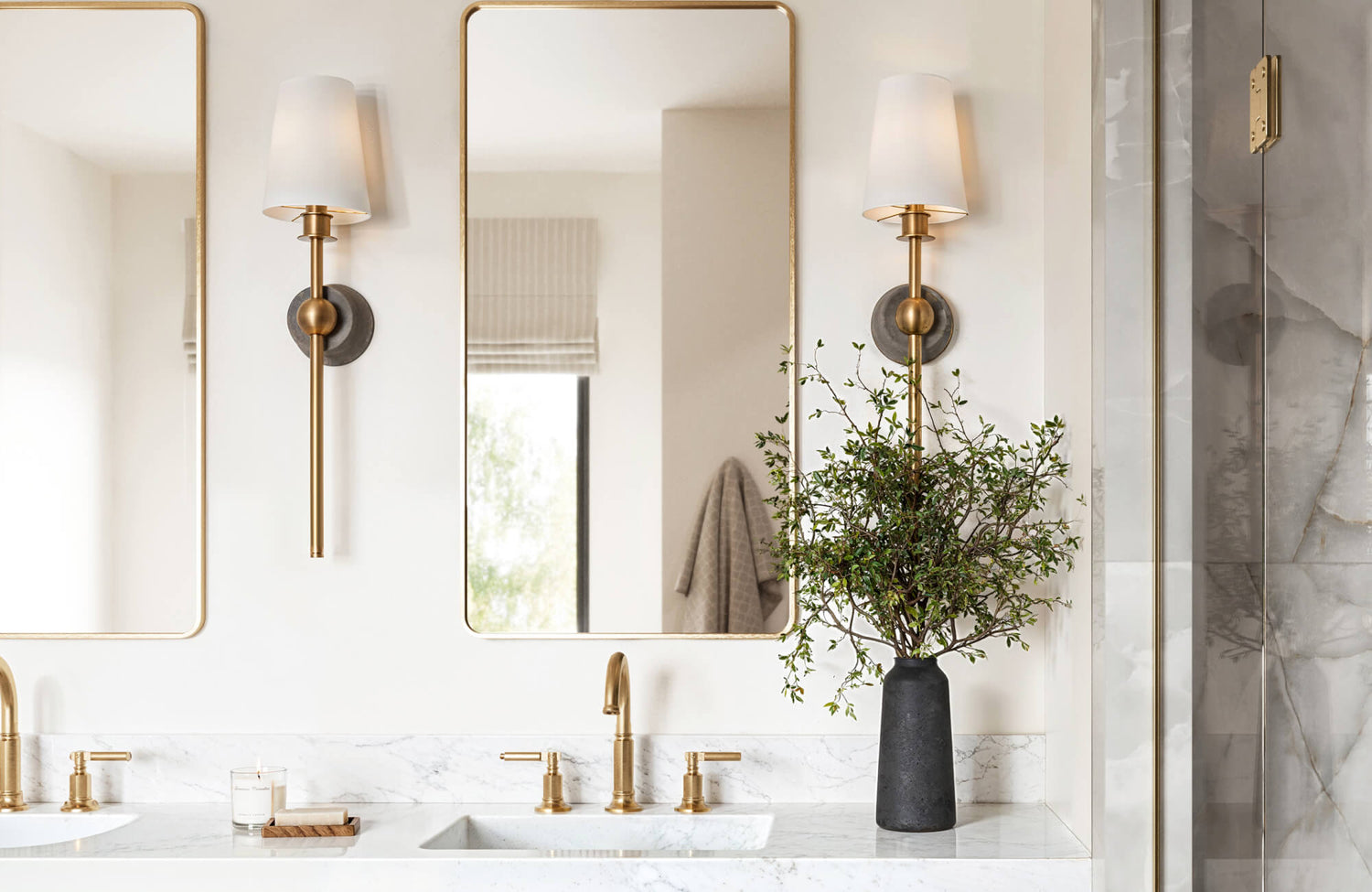
For instance, a fixture like the Mickelson 1-Light Wall Sconce in Aged Brass, as featured in the photo above, pairs elegance with function, offering a diffused glow that softens harsh contrasts and enhances comfort. Its warm tone and cylindrical shade gently disperse light, minimizing glare while adding a touch of timeless sophistication to your space.
Ceiling-mounted LED panels also provide broad, even illumination that reduces visual fatigue, while indirect uplighting, such as fixtures aimed toward ceilings or walls, spreads light gently throughout the room. These approaches prevent bright spots or deep shadows, allowing your eyes to move easily across the space without effort. When your lighting setup works with your body instead of against it, every room feels not just brighter, but better.

Enhancing Architectural Features and Spatial Design
Ambient lighting can shape how we perceive space, highlighting architectural elements and manipulating room proportions. When used intentionally, it brings depth, definition, and atmosphere to the structural form, transforming simple layouts into visually compelling experiences.
Emphasizing Room Dimensions
The way light is distributed throughout a space directly influences your perception of its size and shape. For instance, when you use cove lighting near ceilings or install uplighting that directs illumination vertically, the eye is drawn upward. This vertical emphasis also creates the illusion of greater height and spaciousness, especially effective in rooms with lower ceilings or confined layouts. It’s a subtle shift that can make a space feel more open and breathable without moving a single wall.
Conversely, if you're working with a room that feels overly expansive or impersonal, low-positioned ambient lighting such as floor lamps or recessed wall lights can ground the space. By drawing the eye downward, it compresses the perceived height and creates intimacy. To further enhance this effect, consider using elegantly sculptural wall sconces like the Phyllis Wall Sconce in Vintage Gold Leaf, as shown in the image above, which bring both warmth and visual interest to eye level. This lighting strategy transforms large, echoing rooms into warm, inviting areas, ideal for lounging or conversation. The key lies in controlling where the eye travels and guiding that movement with light.
Supporting the Architectural Narrative
Every architectural space has a story, and ambient lighting is one of the tools that helps you tell it. Whether the design language is sleek and contemporary or ornate and classic, lighting choices either reinforce or clash with that identity. In minimalist spaces, for example, cool-toned linear fixtures mirror the clean lines and neutral palette, amplifying the sense of order and restraint. The lighting also feels like a natural extension of the architecture, not an afterthought.
In more traditional or opulent interiors, warm-toned chandeliers, sconces, or layered diffused lighting offer softness and drama, reflecting the craftsmanship and layered textures of the room. And in industrial or raw spaces, ambient lighting often takes on a more rugged character, like exposed bulbs or overhead pipe fixtures that double as sculptural elements. In each case, the lighting becomes part of the design vocabulary, deepening the emotional and stylistic tone of the space.
Integrating Light into Structural Elements
The most seamless ambient lighting often doesn’t announce itself. It’s woven into the architecture from the start. Rather than relying on standalone fixtures, you can integrate ambient lighting directly into walls, ceilings, stairs, or cabinetry. This approach blurs the line between illumination and structure, creating a sense of unity between form and function.
For instance, soft lighting embedded beneath stair treads not only adds safety but also gives the staircase a floating, sculptural quality that draws the eye. In a similar way, wall niches with hidden LED strips can subtly highlight art or architectural recesses while enhancing the room’s overall glow. Additionally, recessed ceiling panels outfitted with perimeter lighting provide ambient illumination that feels seamlessly integrated, more like an architectural element than an added fixture. Taken together, these thoughtful integrations allow ambient lighting to serve both aesthetic and functional purposes, creating environments that feel curated, immersive, and intentionally designed.
Bringing this level of integration to life often requires a tailored approach that aligns lighting with the unique architecture of your space. Our Design Services are here to support that process, offering personalized expertise to help you plan and execute lighting solutions that feel cohesive, intentional, and beautifully resolved.

Setting the Mood and Emotional Tone
Ambient light plays a critical role in emotional and psychological well-being. It has the power to shape how you feel in a space, influencing everything from your alertness and focus to your sense of relaxation and connection.
Warm vs Cool Lighting in Emotional Context
The emotional impact of ambient lighting often starts with color temperature. Warm lighting, typically ranging from 2200K to 3000K, emits a soft, golden glow that naturally encourages comfort and intimacy. When you enter a room bathed in warm light, like a cozy bedroom or a softly lit dining area, you’re likely to feel more at ease. This lighting temperature also mimics the golden hours of sunrise and sunset, times historically associated with safety and calm. It's no wonder that warm ambient lighting is often favored in spaces meant for rest or personal connection.
On the other hand, cool lighting, anything above 4000K, delivers a crisp, bluish-white tone that sharpens attention and boosts energy. This type of ambient light is especially useful in places where clarity and productivity are essential. Whether you’re navigating a busy office or a medical facility, the stimulating nature of cooler tones keeps you alert and focused. However, using cool lighting in relaxation zones can feel jarring or impersonal, so it's best reserved for settings where mental acuity is the priority.
Ambient Lighting and Circadian Rhythm
Your body operates on a natural 24-hour cycle known as the circadian rhythm, and lighting plays a pivotal role in regulating it. Exposure to the right kind of ambient light at the right time can enhance your sleep, mood, and overall health. In the morning and early afternoon, cooler ambient lighting supports the release of cortisol, a hormone that helps you wake up and stay alert. This type of light mimics daylight, signaling to your brain that it's time to be active and productive.
As the day winds down, the body benefits from a gradual shift to warmer lighting tones. Dimming the lights and switching to amber or golden hues encourages melatonin production, which prepares you for restful sleep. By adjusting your ambient lighting to follow this biological rhythm, you create an environment that nurtures your natural energy cycles. It’s not just about feeling more awake or sleepy at the right times; it’s about harmonizing your living space with the rhythms of your body to feel balanced, refreshed, and well-rested.
Scene Control and Smart Systems
Technology has made it easier than ever to tailor ambient lighting to your emotional and functional needs. Smart lighting systems allow you to create customizable "scenes," which are preset combinations of brightness and color temperature that match specific moods or activities. With just a voice command or tap on your phone, you can switch from a crisp, invigorating setting ideal for morning workouts to a dim, warm ambiance perfect for winding down in the evening.
This kind of flexibility isn’t just about convenience. It’s also about empowerment. You gain full control over how your environment feels at any given moment. Whether you’re hosting a dinner, focusing on a project, or easing into sleep, scene control enables you to enhance every experience with purposeful lighting. It transforms your space into a dynamic backdrop that adjusts in harmony with your emotions, actions, and routines, making daily life feel more intuitive and enjoyable.

Complementing Task and Accent Lighting Systems
Ambient lighting forms the base layer in a well-balanced lighting plan. It acts as the foundation that supports and enhances the performance of both task and accent lighting, ensuring a cohesive and functional environment.
The Role of Ambient Light in Layered Lighting
In any thoughtfully designed space, lighting is most effective when layered. Ambient light establishes the overall illumination level, offering a sense of openness and clarity. Without it, the other layers, like task and accent lighting, can feel disjointed or overly stark. By filling the room with a consistent, diffuse glow, ambient lighting also softens edges and evens out brightness levels, making it easier for your eyes to adjust when shifting focus from one area to another.
In addition, when ambient lighting is present, task lighting such as a desk lamp or reading light can shine without casting harsh shadows or creating extreme contrast. Similarly, accent lighting used to highlight artwork, architectural features, or décor becomes more striking when surrounded by a stable ambient backdrop. Each lighting layer then performs its function without overpowering the others, resulting in a balanced visual composition that supports both utility and aesthetics.
Preventing Harsh Transitions
Moving through a space with uneven lighting can be visually jarring and physically uncomfortable. Sudden shifts from bright to dim areas or vice versa strain your eyes and interrupt the natural flow of the environment. Ambient lighting plays a crucial role in softening these transitions, acting as the connective tissue between zones illuminated by task or accent lights.
For example, if you're reading beneath a focused lamp, ambient light helps your peripheral vision remain relaxed, preventing tunnel vision and fatigue. In a living area where spotlights highlight artwork, ambient light gently fills the surrounding space so the contrast doesn’t feel severe. This gentle blending of brightness levels makes your environment feel more seamless and welcoming. Rather than being pulled from one lighting experience to another, you're guided smoothly across the room in a visually coherent way.
Choosing Fixture Types for Balance
Creating balance in layered lighting starts with choosing the right ambient fixtures. Dimmable LEDs are a versatile option that lets you adjust light levels depending on the time of day or desired mood. In addition, recessed ceiling lights offer a clean, modern look while delivering broad illumination that evenly covers the entire room. Furthermore, wall sconces, when placed strategically, contribute ambient light that adds both warmth and depth without introducing unwanted glare.
For example, the Geraldine Wall Sconce in Old Bronze brings sculptural elegance and soft diffusion to any wall it adorns. As depicted in the photo above, its rich bronze finish and understated silhouette cast a warm, ambient glow that blends seamlessly into a layered lighting plan. Together, these fixtures don’t compete with task or accent lighting; they complement them. When chosen with intention, ambient lights become the quiet foundation of your lighting scheme, allowing every focused beam or decorative highlight to shine within a cohesive visual framework. Ultimately, the result is a space that feels seamless and thoughtfully layered, where each source of light enhances both functionality and atmosphere.

Improving Safety and Accessibility
Beyond aesthetics, ambient lighting significantly enhances safety and inclusivity. It ensures that spaces are not only beautiful but also intuitive and secure for everyone, regardless of ability or mobility.
Preventing Accidents in Low-Light Areas
Inadequate lighting is one of the most common contributors to accidents in everyday environments. When staircases, corridors, and entryways are poorly lit, even minor elevation changes or obstacles can become hazardous. Ambient lighting serves as a continuous and consistent source of illumination that eliminates deep shadows and highlights transitions in flooring and elevation. This makes it easier for you to see where you're going, especially in areas you navigate frequently but may not always be fully alert in, such as during nighttime or early mornings.
By bathing these transitional spaces in soft, uniform light, ambient fixtures help you perceive depth and distance more accurately. Whether you're entering your space, climbing stairs, or moving through a narrow hallway, this general illumination creates a safer path. Unlike sharp, focused lights that may create disorienting pockets of brightness, ambient lighting offers a stable field of vision that reduces the likelihood of missteps and accidents.
Enhancing Accessibility for All Users
Accessibility includes how comfortably and confidently someone can move through a space. For individuals with visual impairments, neurodivergent conditions, or age-related vision challenges, lighting plays an essential role in their experience. Ambient lighting, when designed with care, provides an environment that feels welcoming and navigable to everyone.
Flicker-free, evenly distributed ambient light also minimizes disorientation and visual confusion. For someone with sensory sensitivity, the absence of harsh glares or sudden brightness shifts can make a space feel calmer and less overwhelming. For those experiencing diminished night vision or contrast perception, a well-lit room makes identifying thresholds, furniture, or doorways much easier. When you consider how ambient lighting supports these varied needs, it becomes clear that it’s not just about aesthetics; it’s about equity and dignity in design.
Sensor-Based Lighting for Adaptive Safety
One of the most practical innovations in ambient lighting for safety and accessibility is the use of sensor-based systems. Motion and occupancy sensors automatically activate lights when movement is detected, offering immediate illumination in areas like hallways, stairwells, or utility spaces. This eliminates the need to fumble for switches in the dark or remember to turn lights on and off.
These systems significantly enhance safety by ensuring that even seldom-used spaces are lit when needed. Additionally, because the lights turn off automatically when a room is unoccupied, energy consumption is reduced without sacrificing functionality. This blend of responsiveness and efficiency makes sensor-based ambient lighting a smart choice for homes, offices, and public spaces alike.

Supporting Energy Efficiency and Sustainability Goals
Ambient lighting contributes to responsible energy use and eco-conscious design. When thoughtfully implemented, it not only enhances visual comfort but also plays a central role in reducing environmental impact and supporting long-term sustainability strategies.
Designing for Natural Light Synergy
The most sustainable form of lighting is free, natural daylight. By designing spaces that work in harmony with sunlight, you can significantly decrease your reliance on artificial ambient lighting. This starts with building orientation and layout. Positioning windows, skylights, and openings to capture daylight throughout the day allows rooms to stay naturally lit for longer periods. Strategic placement also ensures that sunlight enters where it's most useful, reducing the need for overhead lighting in main living or working areas.
But bringing in sunlight is only the beginning. To make the most of it, light-colored surfaces, reflective finishes, and open-plan layouts help distribute daylight deep into interior spaces. Walls and ceilings painted in pale hues also act as secondary light sources, bouncing light evenly throughout the room. When the sun begins to fade or natural light becomes insufficient, thoughtfully chosen fixtures like the Ryder Wall Sconce in Old Bronze (shown in the picture above) step in effortlessly. Its sleek vertical profile and alabaster-style glow offer a soft, natural complement to daylight, maintaining a sense of continuity between natural and artificial sources. The result is a softer, more diffused natural illumination that pairs beautifully with low-level artificial lighting when needed.
Energy-Saving Technologies
Modern lighting technology offers numerous tools that make your ambient lighting smarter and more efficient. Retrofitting existing fixtures with LED bulbs is a simple yet powerful upgrade. LEDs also consume significantly less electricity than traditional incandescent or fluorescent bulbs and last much longer, reducing both energy use and waste. Their wide range of color temperatures and dimming capabilities allows you to fine-tune ambiance without sacrificing performance.
Additionally, incorporating dimming systems gives you the ability to adjust light levels based on time of day, activity, or mood. When paired with ambient lighting, dimmers ensure you're never using more light than necessary. Occupancy sensors further enhance efficiency by automatically turning lights off when no one is present, ideal for spaces like hallways, restrooms, and conference rooms. These technologies create an intelligent lighting system that responds to your needs while conserving valuable resources.
Certifications and Green Building Standards
If you're pursuing sustainability benchmarks or want to align your space with recognized eco-standards, ambient lighting can be a key contributor. Certifications like LEED (Leadership in Energy and Environmental Design), WELL, and Energy Star all incorporate lighting criteria that prioritize both energy efficiency and human wellness. By integrating features such as daylight harvesting, where sensors adjust artificial lighting in response to natural light levels, you reduce energy consumption without compromising comfort.
Efficient fixtures with high lumen-per-watt ratios, as well as lighting schemes designed around circadian health, further contribute to certification goals. For example, WELL places significant emphasis on lighting that supports sleep, alertness, and visual acuity. Meeting these criteria not only reduces your building's carbon footprint but also creates a healthier, more productive environment for everyone inside. In this way, ambient lighting becomes part of a larger, purpose-driven ecosystem.
Making Lighting Work for People and Places
Ambient lighting creates harmony between light and life, ensuring your spaces are not only functional but also inspiring, safe, and sustainable. From the way it gently guides your eyes to how it supports your daily rhythms and energy use, ambient lighting becomes the quiet, powerful force that elevates everyday spaces into environments that truly support your lifestyle and values. Embracing its purpose means designing not just with illumination, but with intention.
If you're ready to bring that intention to life, our team is here to help. Whether you’re looking to refine a lighting plan, select the perfect fixture, or simply have questions about a product, we invite you to get in touch with us! We’re committed to guiding you through thoughtful decisions that align with your space, your needs, and your vision, because lighting should always feel as personal as it is purposeful.