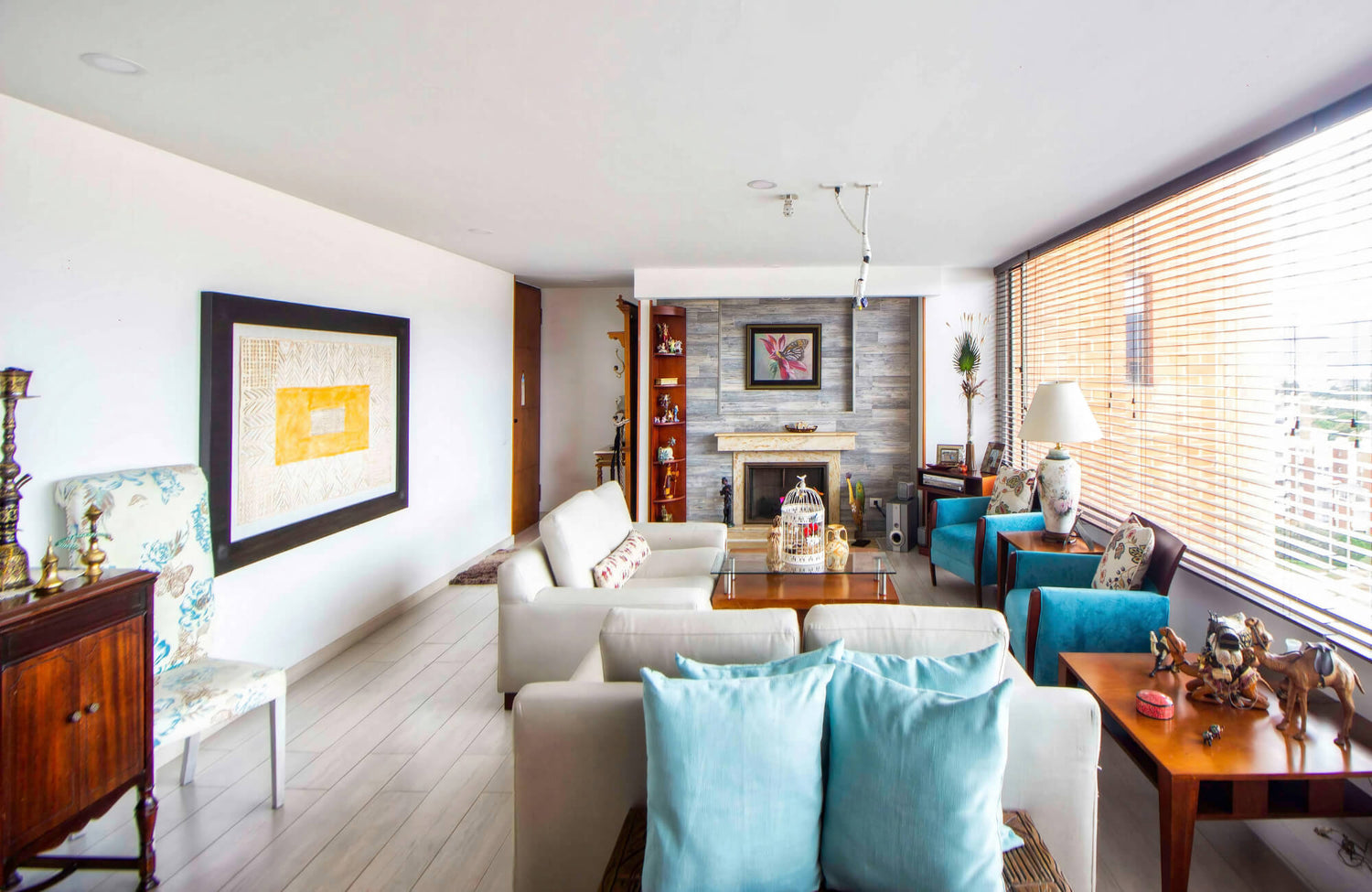
A beautifully designed home is rarely defined by perfection alone. In fact, the spaces that feel the most inviting, personal, and memorable are often those that carry a sense of history, layering, and quiet imperfection. Wall art is fundamental in shaping this atmosphere. It has the power to soften architecture, tell a story, and transform a house into a home that feels truly lived-in rather than staged.
Curating wall art is not about filling empty walls or matching décor to a single aesthetic. It is about creating a dialogue between pieces, materials, and eras that reflect both intention and individuality. When done thoughtfully, art can bring warmth, depth, and emotional resonance to a space. The key lies in moving beyond rigid design rules and embracing a more layered, human approach to curation, one that balances contrast, texture, and authenticity.

Abandon The Matching Catalog Look By Mixing Art Eras - H2
To begin creating a space that feels collected rather than staged, it helps to move beyond perfectly coordinated pieces and embrace a more layered mix of styles.
Juxtaposing Modern Abstract With Classic Landscapes
Pairing modern abstract works with traditional landscapes is a particularly effective way to create visual interest. The fluidity and bold expression of abstract art can energize a room, while classic landscapes ground it with familiarity and calm. This contrast prevents the space from feeling overly formal or overly experimental.
A large abstract canvas placed above a vintage console, for example, can immediately soften the perceived rigidity of traditional furniture. Similarly, a serene oil landscape hung near a contemporary sofa introduces a sense of quiet balance. The interplay between these styles creates a layered aesthetic that feels collected rather than curated in a single moment.
The success of this approach lies in subtle connections. Color palettes, tonal similarities, or shared themes can tie disparate pieces together without forcing uniformity. The result is a space that feels both dynamic and cohesive.
The Rule Of 80 20 For Art Eras
Achieving balance when mixing art eras often benefits from a guiding principle. The concept of an 80/20 ratio provides a useful framework. By allowing one era or style to dominate around eighty percent of the visual field, the remaining twenty percent can act as an intentional contrast, as seen when a composed piece like Edward Martin’s Quiet Study Wall Art subtly anchors a space in the image above without overwhelming surrounding elements.
This ratio ensures that the space retains a sense of identity while still embracing diversity. For instance, a predominantly contemporary interior can be enriched by the addition of a few carefully chosen antique pieces. Conversely, a classic setting can feel refreshed with the introduction of modern art. Rather than creating visual chaos, this measured contrast adds depth and intrigue. It encourages the eye to move through the space, discovering layers and connections that make the home feel thoughtfully assembled.

Introduce Deep Textures To Soften Hard Architectural Lines
Once a balance of styles is established, introducing texture becomes essential in softening the structure of a space and adding a sense of warmth.
The Warmth Of Raw Canvas And Impasto Acrylics
Artworks that reveal the physicality of their materials bring an immediate sense of authenticity. Raw canvas, visible brushstrokes, and impasto techniques create depth that flat prints simply cannot replicate. These qualities add a layer of warmth that softens architectural precision.
Impasto acrylics, in particular, introduce a sculptural dimension to wall art. The raised surfaces catch light differently throughout the day, creating a dynamic visual experience. This subtle movement enhances the atmosphere of a room, making it feel alive rather than static.
Even in contemporary settings, these textured works can prevent the space from feeling overly polished. They introduce a sense of craftsmanship and human touch that resonates with those seeking a more organic, refined aesthetic.
Incorporating Woven Wall Hangings And Textiles
Textile art offers another powerful way to introduce texture. Woven wall hangings, tapestries, and fabric-based pieces bring softness and warmth that complement both modern and traditional interiors, much like Edward Martin’s Meadowline Wall Art, which introduces a tactile focal point in the image above through its layered, woven composition.
Their tactile quality contrasts beautifully with hard surfaces such as stone, glass, and metal. Textiles also carry a sense of cultural richness and artisanal heritage. Whether it is a handwoven piece with subtle tonal variations or a bold textile with intricate patterns, these works add depth and narrative to a space. In bedrooms, living areas, or even hallways, textile art can create a sense of intimacy. It absorbs sound, softens light, and contributes to an overall feeling of comfort. When integrated thoughtfully, it becomes an essential element in achieving a lived-in atmosphere.

Rethink Framing By Choosing Rich Woods And Burnished Metals
Beyond the artwork itself, the way each piece is framed can subtly shift the overall tone, making material selection just as important as the art it surrounds.
Swapping Stark Black For Burl Wood And Walnut
Natural wood frames bring an immediate sense of warmth. Burl wood, with its intricate grain patterns, adds a layer of visual interest that feels both luxurious and organic. Walnut, with its deep, rich tones, offers a timeless elegance that pairs well with a wide range of art styles, as reflected by Edward Martin’s Quiet Orchard Wall Art in the image above, where the wood framing enhances its subtle textile detailing.
These materials soften the presentation of artwork, making it feel more integrated into the space. They also create a connection between the art and other wooden elements in the room, such as furniture or flooring. Replacing stark black frames with wood introduces a sense of continuity and warmth. It shifts the focus from a graphic, high-contrast presentation to a more nuanced and inviting one.
The Charm Of Unlacquered And Antiqued Brass
Metal frames, when chosen thoughtfully, can add subtle sophistication. Unlacquered brass develops a natural patina over time, giving it a living quality that evolves with the home. Antiqued brass offers a similar effect, providing depth and character without appearing overly polished.
These finishes work particularly well in spaces that aim to balance modernity with warmth. They reflect light gently, adding a soft glow that enhances the surrounding environment. Incorporating such materials into framing reinforces the idea that every element in the home contributes to its overall story. It transforms frames from mere supports into meaningful design features.

Embrace Unconventional Art Placement For A Relaxed Atmosphere
With materials and finishes in place, how art is positioned on the wall can further influence whether a space feels formal or effortlessly lived-in.
Leaning Art On Mantels And Open Shelving
Leaning artwork instead of hanging it is a simple yet effective way to create a relaxed aesthetic. This method allows for flexibility, making it easy to adjust arrangements over time, as demonstrated by Edward Martin’s Silent Orchard Wall Art in the image above, where the piece rests naturally against a richly toned backdrop. When adopting this approach, it is important to ensure that larger or heavier pieces are securely positioned and placed away from busy areas to maintain both safety and stability.
It also introduces a layered look, as pieces can overlap or be combined with decorative objects. On mantels, leaning art creates a focal point that feels informal and approachable. On open shelving, it adds depth and dimension, breaking up the linearity of the shelves. This technique works particularly well in spaces that prioritize comfort and adaptability. It suggests that the home is continually evolving, rather than fixed in a single moment.
Breaking The Grid With Asymmetrical Arrangements
While gallery walls are a popular choice, strict grids can sometimes feel overly controlled. Introducing asymmetry allows for a more organic composition. Varying the sizes, orientations, and spacing of artworks creates a sense of movement and spontaneity.
Asymmetrical arrangements encourage the eye to explore the wall, discovering relationships between pieces. They also reflect a more intuitive approach to design, one that values balance without relying on rigid structure. The key is to maintain a sense of cohesion through color, theme, or framing, even as the arrangement itself remains fluid. This balance ensures that the display feels intentional rather than chaotic.

Integrate Dimensional Objects Among Traditional Flat Canvases
To deepen the visual narrative even further, incorporating sculptural and dimensional elements introduces contrast that goes beyond the flat surface of traditional art.
Displaying Heirloom Ceramics And Architectural Salvage
Heirloom ceramics, sculptural pieces, and fragments of architectural salvage bring a sense of history and authenticity. These objects carry stories that extend beyond their visual appeal, adding emotional depth to the space, especially when paired with materials like Edward Martin’s Josie 3x12 Crackled Ceramic Tile in Cream, which lends a softly aged backdrop in the image above.
Mounted plates, small sculptures, or reclaimed elements such as carved wood panels can create a gallery that feels both personal and timeless. Their imperfections and patina contribute to the overall warmth of the home. Integrating these pieces with traditional artwork creates a dialogue between flat and dimensional forms. It adds complexity without overwhelming the space.
Adding Wall Sconces For Ambient Evening Warmth
Lighting is essential to how art is perceived. Wall sconces, in particular, can enhance both the artwork and the atmosphere of a room. Their soft, ambient glow highlights textures and creates gentle shadows that add depth, though proper installation and appropriate wall support should always be considered to ensure both safety and longevity.
Placed strategically, sconces can frame artwork or become part of the composition themselves. They introduce a functional element that also contributes to the visual narrative. In the evening, this layered lighting transforms the space into a warm and inviting environment. It reinforces the sense of comfort and livability that defines a well-curated home.
The Soul Of A Curated Home
Curating wall art is ultimately about creating a space that feels authentic, layered, and deeply personal. It is not driven by trends or strict design rules, but by a thoughtful balance of contrast, texture, and storytelling. By mixing eras, embracing texture, rethinking framing, and experimenting with placement, a home can evolve into a space that feels both refined and lived-in.
The most compelling interiors reflect the people who inhabit them, carrying traces of time, memory, and individuality. When approached with intention, wall art becomes more than decoration, it shapes atmosphere and meaning. With Edward Martin’s design consultation, this vision can be thoughtfully realized, while reaching out to contact Edward Martin ensures a seamless path toward creating a home that feels warm, curated, and uniquely your own.