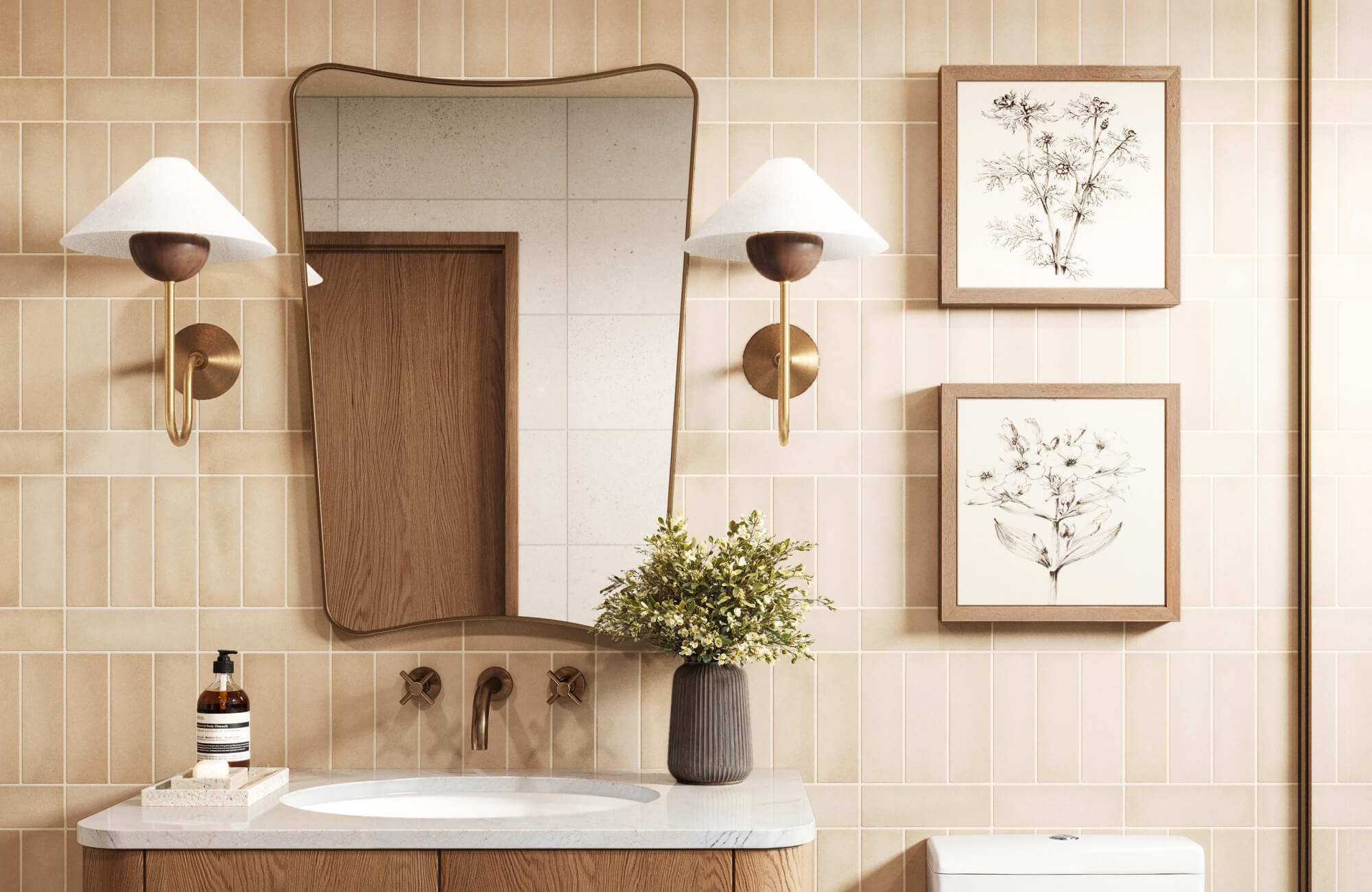
If you’ve ever struggled with mold in your shower, you know how frustrating it can be to keep it clean. The good news is that choosing the right bathroom tiles can make a big difference in preventing mold and keeping your bathroom fresh. Since mold thrives in damp, humid spaces, picking moisture-resistant materials and the right grout can help you cut down on buildup and maintenance. In this guide, you’ll learn about the best tile options to keep your shower looking great and mold-free, so you can confidently choose a setup that stays cleaner with less effort over time.

Why Mold Develops in Showers and How Tile Choice Matters
Mold in showers usually comes down to one thing: moisture that does not dry fast enough. Since this is something you deal with every day, the materials you choose can either help control it or make it harder to manage. The right tile, finish, and setup all work together to keep your shower cleaner with less effort over time.
Shower Moisture Levels
Every shower creates a cycle of heat, steam, and lingering moisture that does not disappear right away. After you turn the water off, condensation stays on walls, floors, and especially grout lines, keeping surfaces damp longer than expected. Without proper airflow or quick drying, that moisture starts to settle into small gaps and porous areas. This is where mold and mildew begin to develop, often in places that are not immediately visible. Over time, even a well-designed shower can struggle if moisture is constantly sitting on the surface. Managing how quickly your shower dries is one of the most effective ways to prevent mold from forming in the first place.
How Tile Porosity Affects Mold Growth
Not all tiles handle moisture the same way, and that difference matters more than most people think. Non-porous materials like porcelain naturally repel water, which makes it harder for mold to take hold. On the other hand, more porous options like natural stone can absorb moisture if they are not properly sealed. Once water gets into those surfaces, it creates the kind of environment where mold can grow over time. This does not mean you have to avoid them completely, but it does mean they need more maintenance and protection. Using a quality sealant helps reduce absorption and keeps moisture from settling into the material.
The Role of Tile Finish in Mold Prevention
Tile finish affects how water behaves once it hits the surface, which directly impacts mold buildup. Glossy or glazed finishes allow water to run off more easily, helping surfaces dry faster and making them easier to clean. This is why they are commonly used for shower walls, where moisture exposure is constant. Matte or textured finishes, while great for added grip and visual depth, tend to hold onto water a bit longer. That extra moisture means they may need more regular cleaning to stay fresh. Choosing the right finish is really about balancing safety, style, and how much maintenance you are comfortable with over time.

Best Tile Materials for Mold Resistance and Longevity
Choosing the right tile material is one of the most effective ways to reduce mold issues in your shower. Some materials naturally resist moisture better than others, which makes a noticeable difference in how easy your space is to maintain. When you combine that with the right installation and grout, you end up with a shower that stays cleaner with less effort. It is not just about looks; it is about how the material performs day to day.
Porcelain Tiles
Porcelain tiles are one of the most reliable choices if your goal is to keep mold under control. Because they are non-porous, they do not absorb water easily, which helps prevent moisture from settling into the surface. This makes them especially effective in showers where humidity and water exposure are constant. They are also resistant to stains and easy to clean, which means less buildup over time. For homeowners, this translates to a shower that stays fresher without needing constant attention. It is a practical option that balances durability with low maintenance.
For areas like shower floors, smaller mosaic formats with a matte or textured finish tend to work best. They provide better grip underfoot while still maintaining strong moisture resistance. As shown above, our Wyatt 2x2 Matte Porcelain Mosaic Tile in Espresso is a great example of how this works in a real space. Its slip-resistant surface helps improve safety, while its non-porous build limits moisture absorption and mold growth. The rich espresso tones also create a grounded, cohesive look that works across different styles. With a setup like this, you get both performance and a clean, finished appearance that holds up over time.
Ceramic Tiles
Ceramic tiles are a solid option if you are looking for something more budget-friendly without giving up style. They come in a wide range of colors and formats, making it easier to match your overall bathroom design. While they are slightly more porous than porcelain, a good glaze can still provide strong water resistance when properly installed. This makes them a practical choice for shower walls and vertical surfaces where direct water exposure is easier to manage. They are also lightweight and relatively easy to work with during installation. Many homeowners find that they offer a good balance between cost and performance.
Natural Stone Tiles
Natural stone tiles bring a level of depth and variation that is hard to replicate with manufactured materials. Options like marble, granite, and travertine offer unique patterns that give your shower a more organic and high-end feel. However, this beauty comes with a bit more responsibility when it comes to maintenance. Because stone is naturally porous, it can absorb moisture if left unsealed. Over time, that moisture can lead to mold buildup if it is not properly managed. This makes preparation and upkeep especially important.
To keep natural stone performing well in a shower, sealing is essential from the start. A high-quality penetrating sealant helps create a barrier that limits water absorption and protects the surface. Regular resealing, usually once a year, helps maintain that protection and keeps the material in good condition. With the right care, stone can still be a durable and long-lasting option. It just requires a bit more attention compared to non-porous materials. For homeowners who value its look, that extra effort can be worth it.
Glass Tiles for Mold-Resistant Shower Walls
Glass tiles are one of the most effective options if your priority is reducing mold buildup in shower walls. Because they are completely non-porous, they do not absorb water at all, which makes it much harder for mold and mildew to develop. This also means they are easier to clean, since moisture and residue stay on the surface instead of settling in. They work especially well in areas with constant water exposure, helping surfaces dry faster after each use. While grout is still needed, pairing glass tiles with mold proof grout or anti mold grout can further reduce maintenance. For homeowners looking for a sleek, low-maintenance option, glass is one of the best materials to prevent mold in showers.

The Importance of Proper Grout and Sealant Selection
When it comes to mold prevention, choosing the right grout is just as important as selecting the right bathroom tile for your shower areas. High-quality grout not only seals gaps and minimizes water infiltration, but it can also help protect the shower enclosure from excess moisture. However, to ensure it remains effective over time, regular maintenance and durable materials are essential. With the right grout and proper care, you can keep your shower mold-resistant and long-lasting.
Grout Type
Epoxy grout, made from a blend of resin and hardener, creates a dense, waterproof barrier that resists moisture and stains. Its durability and mold-resistant properties make it an excellent choice for showers, where constant exposure to water can lead to mold growth.
On the other hand, cement-based grout is a more budget-friendly option but is naturally porous, making it more prone to moisture absorption. Over time, this can also lead to mold and mildew buildup, requiring more maintenance and frequent cleaning. While both types have their advantages, epoxy grout provides a longer-lasting, low-maintenance solution for keeping your shower cleaner and more resistant to mold.
Sealing Strategies for Long-Term Protection
To enhance the longevity of grout lines, applying a high-quality penetrating sealer is essential. These sealers, often formulated with siloxane or silane compounds, seep into porous surfaces to create a protective, water-repellent barrier. By preventing moisture absorption, they can also help reduce the risk of mold growth and deterioration over time.
However, sealants don’t last forever. Regular reapplication, as recommended by the manufacturer, is necessary to maintain their effectiveness. Keeping up with this routine also ensures that your shower remains well-protected against water damage, stains, and mold buildup for years to come.
Choosing Mold-Resistant Caulk for Joints and Edges
When sealing shower joints and edges, silicone caulk is the best choice due to its flexibility and strong water resistance. Unlike other sealants, it maintains its elasticity over time, allowing it to expand and contract with temperature changes without cracking or losing its seal. This durability can also help prevent water from seeping into gaps, reducing the risk of mold growth.
In contrast, acrylic caulk is a more budget-friendly option but tends to harden and crack over time. As it deteriorates, it becomes less effective at blocking moisture, which can also lead to leaks and mold issues. For long-term protection and minimal maintenance, silicone caulk is the superior option for keeping shower joints and edges sealed and mold-resistant.

Effective Strategies to Reduce Mold Risk
The size and arrangement of tiles in a shower have a big impact on moisture retention and mold growth. Choosing the right tile size and layout can also help reduce water buildup and make cleaning easier, ultimately lowering the risk of mold. With careful planning, you can create a shower design that not only looks great but also stays drier and requires less maintenance.
Wall Tile Placement to Minimize Water Retention
Extending wall tiles to the ceiling creates a seamless, water-resistant barrier that helps protect unsealed areas from moisture, making it especially beneficial in humid environments where mold and mildew can develop. In addition to moisture protection, a vertical tile layout also enhances water runoff, preventing excess moisture from lingering on the surface.
A great example of this design choice is our Miley 4.5x9.1 Glossy Porcelain Tile in Ice, featured above, which combines a sleek, glossy finish with excellent water resistance. Its reflective surface also brightens the space while contributing to a clean, modern aesthetic. By incorporating full-height tiling with a well-planned layout, you can create a durable, low-maintenance shower that remains fresh and mold-free for years to come.
Large Format Tiles for Fewer Grout Lines
Choosing large format tiles is an effective way to minimize grout lines and reduce moisture buildup in shower walls. With fewer grout joints, there are fewer places for water to seep in, making the space more resistant to mold and easier to clean. This not only improves functionality but also enhances the overall aesthetic, creating a sleek, seamless look that contributes to a modern and sophisticated bathroom design. By combining practicality with style, large format tiles offer a durable and low-maintenance solution for any shower space.
Proper Slope and Drainage Considerations
Ensuring proper slope and drainage in a shower is essential for preventing water buildup and reducing the risk of mold. The shower floor should have a gentle slope, typically a quarter-inch per foot, to direct water toward the drain efficiently. This can also help prevent standing water, which can lead to mold growth over time.
For a more effective and visually seamless solution, linear drains are a great option. They integrate smoothly into the shower floor and work especially well with large format tiles, minimizing grout lines and enhancing both functionality and aesthetics. With the right slope and drainage system in place, your shower will stay drier, cleaner, and easier to maintain.

Cleaning and Maintenance Tips for a Mold-Free Shower
Even the most mold-resistant shower setup still needs a bit of routine care to stay that way. The goal is not deep cleaning every day, but keeping moisture from sitting long enough to become a problem. Small habits done consistently make a bigger difference than occasional heavy scrubbing. Once you get the system right, maintaining a clean, mold-resistant shower becomes much easier to manage.
Daily and Weekly Cleaning Habits
A quick wipe-down after each shower can go a long way in preventing mold from forming. Using a squeegee on walls and glass helps remove excess water before it has time to settle into grout lines or corners. This simple step keeps surfaces drier, which makes it harder for mold to develop in the first place. For weekly upkeep, a gentle clean with a pH-neutral solution helps remove soap scum and residue without damaging tile or grout. Focusing on corners, joints, and lower wall areas also helps catch spots where moisture tends to linger. Over time, these small habits reduce the need for more aggressive cleaning later on.
The Best Cleaning Products for Mold Prevention
Choosing the right cleaning products matters more than using stronger ones. A simple mix of vinegar and water can handle light buildup, especially if used regularly before mold has a chance to settle in. For tougher spots, hydrogen peroxide-based cleaners are a good option since they disinfect without being too harsh on surfaces. It is best to avoid abrasive cleaners or strong chemicals that can wear down grout and make it more vulnerable over time. Once grout starts to break down, it becomes easier for moisture to seep in and cause issues. Sticking with gentle, consistent cleaning helps preserve both the look and performance of your shower.
Long-Term Strategies for Moisture Control
Controlling moisture is what really keeps mold from coming back. Good ventilation helps remove steam quickly, which prevents humidity from lingering in the space. Running an exhaust fan during and after your shower makes a noticeable difference in how fast surfaces dry. If airflow is limited, even leaving the door or window open can help reduce trapped moisture. In some cases, a dehumidifier can also support better moisture control, especially in more enclosed bathrooms. Keeping the space dry overall is one of the most effective ways to prevent mold in your shower long term.
Using Mold-Resistant Grout and Sealants
Even with good cleaning habits, grout can still be a weak point if it is not properly selected. Using mold resistant grout, such as epoxy or other anti mold grout options, helps block moisture from settling into joints. These materials are less porous, which makes them easier to clean and less likely to develop buildup over time. For areas that use cement-based grout, applying a quality sealant adds another layer of protection. This helps reduce water absorption and keeps the surface more resistant to staining and mold growth. When combined with regular maintenance, this step makes a noticeable difference in long-term performance.
Improving Airflow to Prevent Mold Buildup
Airflow is often overlooked, but it plays a big role in keeping your shower fresh. Even the best mold resistant tile for shower walls will struggle if moisture stays trapped in the space. Allowing air to circulate helps surfaces dry faster, especially around corners and edges where water tends to collect. This can be as simple as adjusting ventilation or making sure nothing blocks airflow inside the shower. Over time, better airflow reduces humidity levels and limits the conditions mold needs to grow. It is one of the easiest upgrades that improves both cleanliness and overall comfort.
Finding the Best Mold-Resistant Tile for Your Shower
At the end of the day, keeping mold out of your shower comes down to choosing materials that work with your space, not against it. Non-porous options like porcelain and well-glazed ceramic make a big difference because they limit how much moisture can settle in. When you pair that with mold resistant grout or anti mold grout, you are already cutting down a large part of the problem. Larger tiles can also help by reducing grout lines, which means fewer areas where buildup can start. It is a combination of small, smart choices that add up to a cleaner and easier-to-maintain shower. Once everything is working together, you spend less time dealing with mold and more time enjoying the space.
That said, getting the best result is not just about picking the right tile off a list. Layout, drainage, and ventilation all play a role in how your shower performs over time. If you want to make sure everything comes together the right way, having guidance can save you from second-guessing later. Our design team can help you choose materials, grout options, and layouts that actually fit your space and how you use it. It is a more straightforward way to build a shower that stays fresh, functional, and easy to maintain.