A swimming pool is more than a functional amenity—it’s a visual centerpiece and a personal retreat. The choice of tile plays a pivotal role in shaping not only the pool’s aesthetic but also its safety, durability, and long-term performance. With a wide array of materials, textures, and finishes available, selecting the ideal tile demands both creative vision and technical understanding. From the refined sophistication of porcelain to the timeless texture of natural stone, each option carries its own story and purpose. Porcelain tile, in particular, is not only ideal for the interior of swimming pools but also for pool decks, coping, and surrounding features, ensuring a cohesive, high-performance aesthetic throughout the entire poolscape.
This article provides a clear and in-depth look at the factors that influence tile selection, helping you create a pool that’s as enduring as it's beautiful. Whether you’re a homeowner, designer, or builder, the following insights will illuminate the path to a tile choice that enhances every moment spent by the water.

Understanding Tile Materials and Their Performance
Different tile materials offer unique mechanical and aesthetic properties, and choosing wisely directly impacts your pool’s longevity, maintenance requirements, and visual appeal. By examining the structural and technical characteristics of common tile types, you can make an informed decision based on both performance and aesthetic appeal.
Ceramic Tiles
Ceramic tiles, composed of fired clay coated with a glaze, are a budget-friendly choice often used in pool environments, but with caveats. Due to their relatively high porosity and lower density, ceramics are best suited for above-water applications such as waterline borders, raised features, and decorative elements rather than submerged floors or walls. Their glossy surfaces provide vivid color options and artistic versatility, but, though still durable, they are more prone to chipping and water absorption compared to porcelain. Additionally, ceramic tiles are lighter and easier to cut, making them ideal for custom patterns or small-scale detailing, but they require more maintenance to resist cracking and staining in demanding pool settings.
Porcelain Tiles
Porcelain tiles are a refined, high-performance option for both residential and commercial pools. Manufactured through high-temperature kiln firing, these tiles achieve an exceptionally low water absorption rate, typically under 0.5%, earning them a rating of “impervious” under ANSI A137.1 standards. As a result, they are ideal for submerged surfaces, including floors, walls, steps, and even infinity edges.
Furthermore, porcelain’s hardness and density provide exceptional resistance to wear, chemicals, and freeze-thaw cycles, making it suitable for virtually all climates. They are also available in a variety of finishes, including matte, grip, and slip-resistant textures, and can mimic natural materials like stone or wood while delivering superior performance in wet environments. Thanks to their long lifespan and minimal maintenance requirements, porcelain tiles remain a staple in modern pool design.
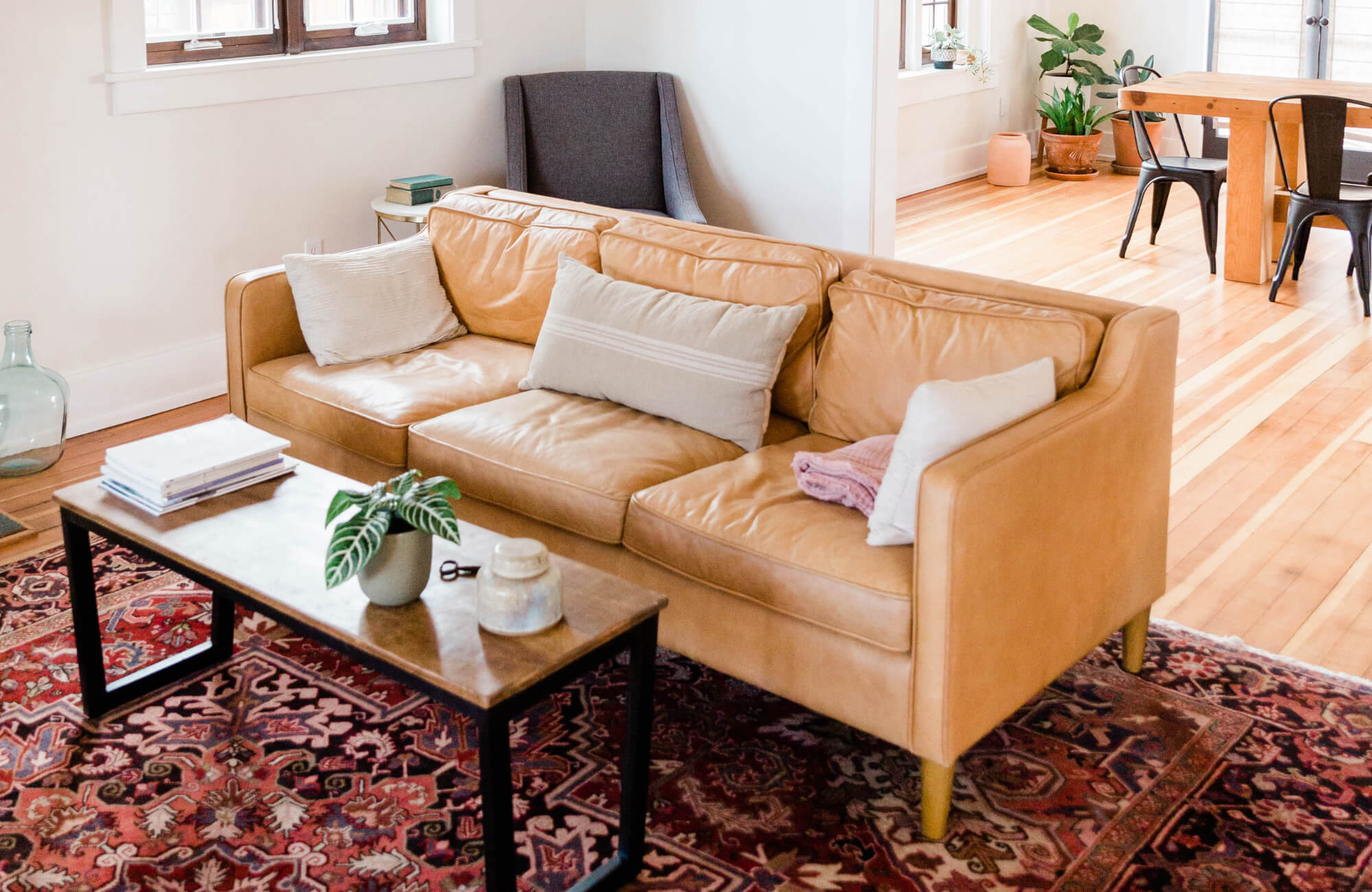
A notable example, as displayed in the photo above, is Edward Martin’s Dawson 24x48 Grip Porcelain 2cm Paver Tile in Dune, which blends quartzite-inspired veining with an anti-slip "grip" finish. Its large 24×48 format and 2 cm thickness make it perfect for pool decks, coping, and transition areas. The textured surface also enhances safety around wet zones, while its frost- and UV-resistance ensures it thrives across climate zones, and supports seamless indoor-to-outdoor continuity.
Glass Tiles
Glass tiles provide a vivid, luminous appearance that enhances water reflectivity and depth perception. They're resistant to staining, UV degradation, and chemical corrosion from salt and chlorine systems. However, they require precise installation using latex-modified thinset and epoxy grout to prevent cracking or delamination. Due to their transparency and reflective nature, small imperfections in the substrate may be visible unless corrected. Furthermore, smaller formats are often used on curves and steps but may accumulate water spots if not regularly cleaned.
Natural Stone
Natural stone tiles, such as travertine, slate, limestone, and granite, convey an earthy, organic appeal that complements outdoor environments. However, these tiles are inherently porous and susceptible to efflorescence and algae growth if left unsealed. They demand regular maintenance, including sealing every one to two years, to prevent water ingress and discoloration. Stone tiles also vary in slip resistance and durability, making some types more appropriate for pool decking or coping rather than interior walls or floors.

Choosing Slip-Resistant Options
Slip-related accidents are among the most common poolside hazards, so selecting tiles with proper safety features is essential for a secure swimming environment. Understanding the science and standards behind slip resistance helps you choose materials that offer both grip and peace of mind.
Textured Finishes and Ratings
Slip resistance is measured through the coefficient of friction (COF), with wet-area standards typically requiring a minimum COF of 0.6 or higher. European R-ratings, ranging from R9 to R13, are also used, with R11 or higher recommended for wet areas. Textured porcelain tiles with sandblasted or matte finishes can help prevent slips, especially around pool decks and shallow ledges. Some manufacturers even offer specific “pool-rated” anti-slip tiles with micro-abrasive surfaces for added security.
Balancing Grip and Cleanability
Highly textured surfaces can be harder to maintain, trapping dirt, biofilm, and calcium deposits. Advanced surface treatments, like micro-etching or nano-slip coatings, offer a smoother surface feel without sacrificing grip. These technologies create microscopic pores that disperse water while resisting grime buildup. Additionally, proper drainage design, frequent brushing, and selection of appropriate grout lines contribute to maintaining slip-resistant conditions without compromising hygiene.

Climate Compatibility and Thermal Behavior
Regional climate plays a crucial role in how tiles age and perform. From freeze-thaw cycles to extreme heat exposure, understanding thermal behaviors ensures long-term durability and comfort.
Freeze-Thaw Resistant Tiles
In colder climates, the freeze-thaw cycle poses a significant risk. Water trapped in tile pores can freeze, expand, and crack the tile. Frost-resistant tiles are engineered with ultra-low absorption rates, typically below 0.5%, and must pass ASTM C1026 testing. These tiles are often paired with flexible thinsets and epoxy-based grouts to accommodate thermal expansion. Expansion joints and proper waterproofing membranes should also be integrated to mitigate cracking caused by temperature swings.
Heat Retention and Comfort in Hot Climates
Tiles exposed to intense sunlight can become uncomfortably hot, affecting barefoot comfort and safety. Darker tiles and dense materials like basalt or granite retain more heat. Conversely, light-colored porcelain tiles and limestone, with their higher solar reflectance index (SRI), remain cooler to the touch. For example, the Jameson 8×48 Grip Porcelain Tile in Camel, as shown in the photo above, offers a wood look aesthetic in a light, neutral light brown tone, paired with a grip surface that enhances traction. Its lighter hue and porcelain density also help it reflect sunlight and remain more comfortable underfoot even on hot summer days, making it suitable for pool decks and adjacent patios.

Design Goals and Visual Impact
Tile selection not only influences pool performance but also plays a pivotal role in shaping the visual tone of your outdoor space, anchoring the design through color, texture, and pattern.
Optical Depth and Color Theory
The perception of water depth and clarity is influenced by the tile’s color and finish. Darker shades, such as deep blue or black, create a mirror-like surface and enhance the illusion of depth, while lighter tones like blue-green or sky blue amplify brightness and clarity. Iridescent glass tiles, on the other hand, can shift in hue under different lighting conditions, offering a luxurious, dynamic visual. Understanding these visual principles lets you manipulate ambiance, from serene retreats to tropical escapes.
Mosaic Patterns and Focal Features
Mosaic tiles, typically in 1x1 or 2x2-inch configurations, enable intricate detailing that adapts well to curved surfaces like steps, benches, and spillways. Custom designs such as dolphins, floral patterns, or geometric inlays serve as both functional and aesthetic markers, improving step visibility and safety. Mosaics also allow creative zoning within pools, such as designating lap lanes, shallow areas, or highlighting spa features without compromising the water’s overall visual flow.
Matching with Landscape and Architecture
A successful tile choice harmonizes with the pool’s surroundings. For homes with Mediterranean architecture, warm-toned travertine or handcrafted terracotta tiles enhance authenticity. Meanwhile, modern architecture benefits from minimalist aesthetics, such as rectified porcelain in graphite or monochrome tones.
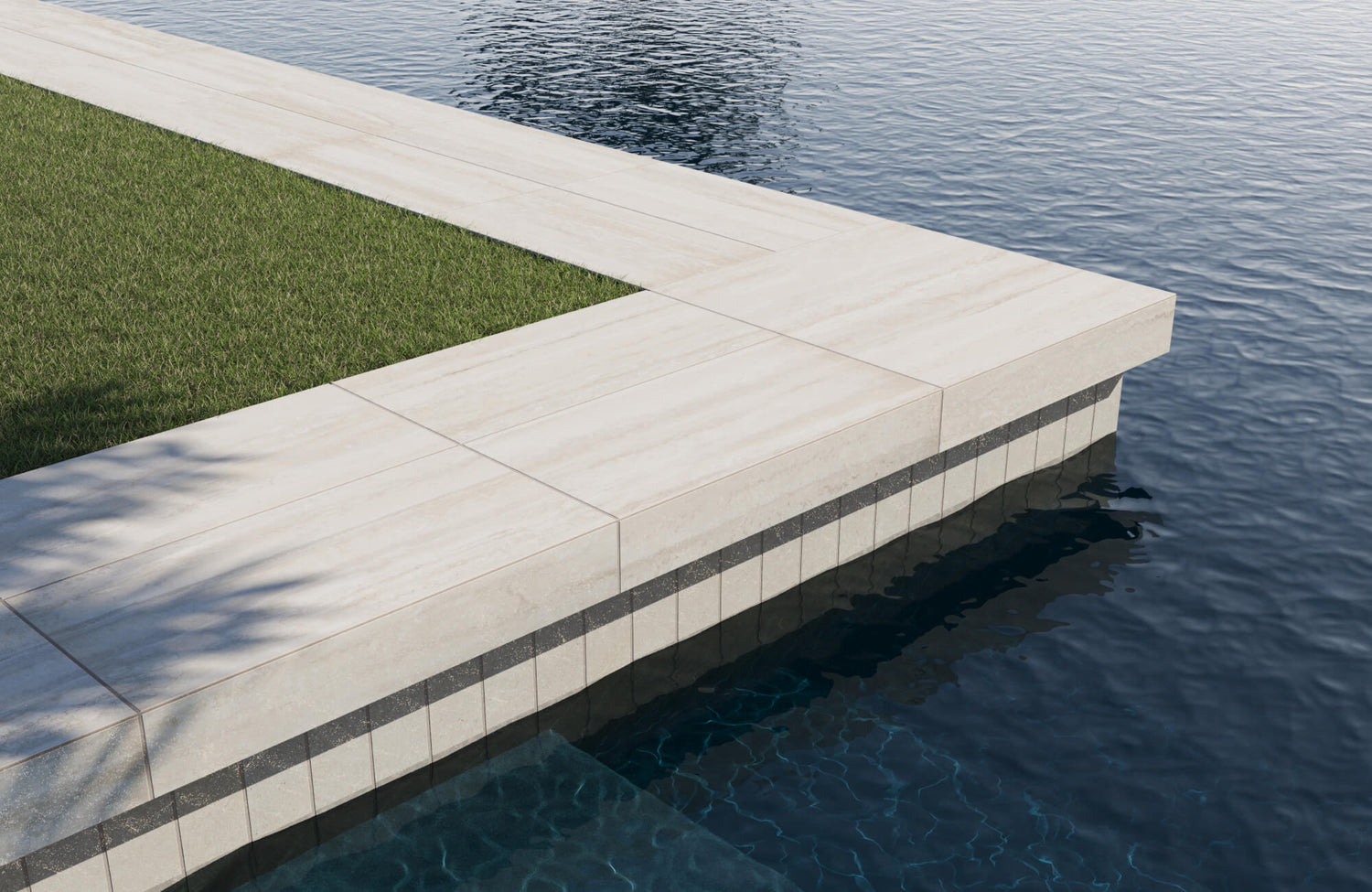
In the photo displayed above, Edward Martin’s Ramsey 24×48 Grip Porcelain 2 cm Paver Tile in Putty seamlessly anchors a sleek modern backyard with expansive pool decking and a bocce court, all set against neutral-toned structures and lush greenery. Its soft, light gray hue also complements both the silvery-green lawn and the resin-coated wicker outdoor furniture. With its large-scale format, subtle veining, and grip finish, it provides a cohesive visual flow from the pool edge to adjacent lawns and lounge areas. This continuity between materials and landscape creates a serene, integrated space that feels both elegant and uncontrived.
To support this design harmony, Edward Martin includes a user-friendly augmented reality (AR) tool that lets you visualize chosen tiles in your own space, so you can confidently check color, scale, and layout before installation.

Budgeting and Lifecycle Costs
Initial costs are just one component of the tile investment. It’s important to consider full lifecycle expenses, installation requirements, and cost-saving strategies without compromising quality.
Upfront Costs vs. Maintenance
While ceramic tiles may cost $5–$10 per square foot, high-end glass mosaics can exceed $40–$50. On the other hand, porcelain, positioned between these options, typically runs $10–$25 per square foot, offering a strong balance of upfront affordability and long-term resilience. Porcelain's durability can also reduce long-term maintenance compared to less robust ceramics or natural stones that need frequent sealing. Factoring in longevity, chemical resistance, and ease of replacement helps you avoid budget overruns. Products with manufacturer warranties of 10+ years offer further financial peace of mind.
Installation Complexity and Labor
Tile format, substrate preparation, and location all influence installation time and cost. For mosaic sheets, precise alignment is required, while larger-format tiles demand flat sub-surfaces to avoid lippage. Conversely, glass tiles often need specialized adhesives to ensure transparency isn’t compromised. Skilled labor is essential for these installations, with labor potentially accounting for 30–50% of the total project cost. Missteps here can negate the material’s value, making professional installers indispensable.

Sustainability and Eco-Friendly Choices
As environmental awareness grows, so does the demand for sustainable building materials, and pool tiles are no exception. It’s important to evaluate choices that minimize environmental impact while maximizing longevity.
Recycled and Locally Sourced Tiles
Many manufacturers now offer recycled-content tiles, especially glass made from post-consumer bottles and waste. Using these tiles helps reduce landfill overflow and energy consumption in manufacturing. Locally sourced ceramic and stone tiles also lower emissions from transportation and promote regional economies. Many modern porcelain tile lines now incorporate post-industrial and post-consumer recycled materials, such as factory scrap and used fixtures, while recycling water and production waste through closed-loop systems, achieving lower environmental impact without sacrificing quality. Certifications like LEED (Leadership in Energy and Environmental Design) may also offer points for using such materials in new construction or remodels.
Longevity and Environmental Payoff
A tile’s durability is directly linked to its environmental footprint. Materials that last decades with minimal maintenance reduce the need for replacements and lower cumulative carbon emissions. Using non-toxic, low-VOC grouts and adhesives also contributes to a healthier installation environment. Additionally, some eco-conscious tiles are produced using closed-loop water systems and solar-powered kilns, further enhancing their environmental credentials.
Making the Right Choice for Your Pool
Choosing the right swimming pool tile requires more than a good eye for design. Material performance, installation demands, climate conditions, and sustainability all influence how well your tile will hold up and enhance your space over time. Defining your priorities, whether it's safety, eco-consciousness, or visual impact, also helps guide a decision that balances beauty with long-term function.
To support confident choices, Edward Martin offers 4″ × 4″ porcelain samples that let you evaluate color, texture, and finish directly in your pool setting. This hands-on approach transforms tile selection from guesswork into an informed design investment, ensuring your finished pool is not only stunning but also built to last.