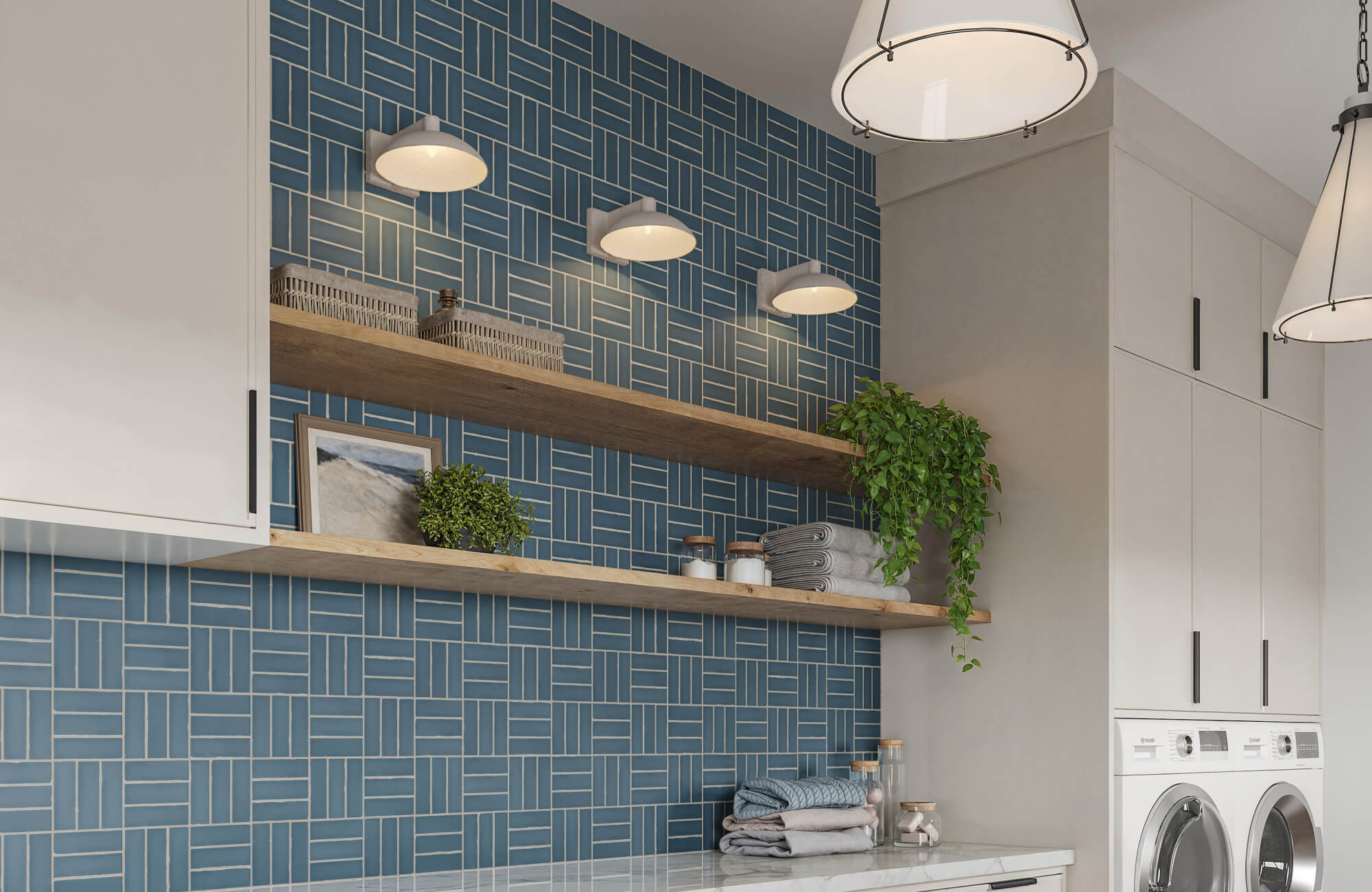
Pendant lights do more than brighten a room; they also shape its atmosphere, define its proportions, and influence how you move and interact within the space. Finding the right length is one of the most important choices when planning your lighting. When pendants hang too high, they can lose impact; too low, and they can obstruct views or disrupt the room’s flow. In this article, we’ll take you through clear, practical steps to determine the ideal height for your pendant lights, so they look refined, feel comfortable, and function beautifully in everyday life. Each recommendation is straightforward, measurable, and easy to apply, helping you create lighting that enhances both style and usability.

Pendant Light’s Height and Proportion
Before deciding on the exact length, it’s equally important to ensure the pendant height aligns with the people, ceiling, and furnishings in the space. When these proportions are balanced, the lighting feels intentional, and the entire room appears harmonious and thoughtfully composed.
The Role of Eye Level
Eye level is a practical starting point when determining pendant light height. In areas where people stand, such as kitchens or entryways, the bottom of the pendant typically works best around 60 to 66 inches from the floor. In spaces where people sit, such as dining or living areas, lowering the fixture to match the seated eye line helps prevent glare and keeps views clear. Testing these heights with painter’s tape or a temporary string makes it easier to visualize how the light will look and feel before installation.
Balancing Ceiling Height and Drop Length
Ceiling height provides the foundation for determining how far a pendant should hang. For an 8-foot ceiling, pendants typically look balanced when positioned about 12 to 20 inches below the ceiling plane. As ceiling height increases, adding roughly 3 inches of drop for each additional foot helps keep the light visually connected to the room rather than appearing to float too high. This adjustment maintains proportion and ensures the pendant feels grounded within the space. In rooms with very tall ceilings, combining pendants with layered lighting also helps fill the vertical space and create a cohesive, well-balanced look.
Considering Fixture Size and Scale
The size and shape of a pendant play a key role in determining its ideal height. Larger fixtures need a bit more space to avoid feeling heavy or overwhelming, so they’re typically positioned slightly higher. Smaller pendants, on the other hand, can hang lower to create a more focused and intimate effect. Shape also influences placement; a wide drum shade appears visually heavier than a slender cone, so setting it a little higher helps maintain a balanced and proportional look within the room.
Edward Martin’s Alma Pendant in Ecru Marble Solid, as displayed in the photo above, demonstrates this principle beautifully. Its broad, sculptural form carries visual weight, yet its slightly elevated placement keeps the composition light and balanced. The result is a kitchen that feels harmonious and well-scaled, where each pendant enhances both the space and the atmosphere.

Setting Pendant Light Length for Different Applications
Each room serves a different purpose, so the ideal pendant height varies depending on how the space is used. The drop should reflect both the activity taking place beneath the light and the atmosphere you want to create, ensuring the lighting feels functional, comfortable, and visually balanced.
Over Kitchen Islands
For most kitchen islands, a pendant height of about 30 to 36 inches above the countertop provides bright, even lighting without causing glare. When installing multiple pendants, maintaining consistent spacing, typically 24 to 30 inches apart, helps create a balanced and cohesive look. It’s also important to ensure that the light from each fixture overlaps slightly for uniform coverage across the surface.
In the kitchen above, Edward Martin’s Rosa Triangular Pendant in Aged Brass demonstrates how thoughtful placement enhances both form and function. It hangs at a comfortable height that evenly illuminates the countertop while maintaining clear sightlines across the island. This arrangement strikes the right balance between task lighting and visual harmony, allowing the space to feel open, inviting, and well-proportioned.
Above Dining Tables
Over a dining table, hanging a pendant about 30 to 34 inches above the tabletop creates a warm, intimate glow while keeping sightlines clear for conversation. The exact height can vary depending on the size of the fixture and the width of the table. A single round pendant often complements a round table beautifully. In contrast, a longer rectangular table may look best with two or three smaller pendants or a linear fixture set at the same height to provide even illumination across the surface.
In Open Concept or Living Spaces
In open layouts, pendant lights play a crucial role in defining distinct zones while maintaining the space's visual unity. Aligning their height with nearby fixtures creates a cohesive, well-balanced look that ties the entire room together. It’s also essential to maintain comfortable head clearance in walkways and near cabinets to ensure easy movement. When a pendant hangs above a side table or seating area, positioning the light so it aligns with the surface provides gentle illumination for reading or relaxing without unwanted glare. Thoughtful placement allows each zone to feel purposeful while maintaining a smooth, connected flow throughout the space.
In Bedrooms or Reading Corners
For bedside use, pendants hung about 20 to 24 inches above the nightstand provide focused light for reading while leaving room for essentials like a clock or glass of water. In reading corners, positioning the pendant around shoulder height when seated creates a comfortable level of illumination. It’s worth testing a few inches higher or lower to find the height that keeps the page bright without straining your eyes. Even a small adjustment can transform a pendant from simply decorative to a light you truly enjoy using every day.

Measuring and Installing for Precision
Well-placed lighting appears effortless, but achieving that balance requires careful measurement and attention to detail. Using consistent reference points and simple checks ensures each pendant is installed with precision, creating a look that feels intentional and visually balanced from every angle.
How to Measure Drop Length
To determine the correct drop length, measure from the finished ceiling or canopy down to the lowest point of the pendant. When the light hangs over a surface, such as a table or island, also confirm the distance between the bottom of the fixture and that surface. For instance, over a kitchen island, the total drop from ceiling to pendant should position the light roughly 30 to 36 inches above the countertop. Measuring from both points helps account for details like thick tabletops, beams, or decorative canopies that can subtly affect the final height.
Accounting for Adjustable Fixtures
Adjustable rods or cords offer flexibility, especially in homes where ceilings aren’t perfectly level. It’s best to start with a general height, then fine-tune the fixture while standing or sitting in the space to ensure the light feels balanced and comfortable. If natural light changes throughout the year and creates glare, having an adjustable pendant allows you to raise or lower it slightly to restore the ideal lighting level. This adaptability ensures your pendant always fits the room’s needs and maintains visual harmony over time.
Tips for Level Alignment
When installing multiple pendants, keeping them perfectly level is what gives the space a polished, cohesive look. Start by setting a single reference height, then mark the alignment points using a laser level or a tightly stretched string. Hang each fixture to match that line, but take a moment to step back and view the arrangement from key areas of the room, such as the entryway, seating area, or workspace. If one pendant appears slightly off from a common viewpoint, a small adjustment—sometimes just a quarter inch—can make the entire setup look balanced and professional.
Edward Martin’s Barnes 14" Pendant in Aged Antique Distressed Bronze, as featured in the photo above, demonstrates how precise alignment enhances kitchen symmetry. Evenly spaced fixtures form a continuous visual line that guides the eye across the room, creating a refined and cohesive appearance.

Styling Considerations That Influence Pendant Length
A pendant’s material, shade style, and light direction all affect how it looks and performs at different heights. Understanding these details helps you position the fixture where it not only functions effectively but also enhances the room’s overall appearance and atmosphere.
Transparent vs Opaque Shades
Clear glass and open-frame pendants preserve sightlines, allowing them to hang slightly lower without making the space feel crowded. Opaque materials such as metal or ceramic, however, focus the light into a more defined cone, making them ideal for task lighting and often better positioned a bit higher to avoid harsh shadows on nearby surfaces. If the shade has a reflective or bright interior, lifting it slightly helps reduce glare and keeps the lighting comfortable at eye level.
Edward Martin’s Otis Pendant in Aged Brass, as displayed in the photo above, highlights how transparent glass shades enhance light flow and create a greater sense of openness. Hanging at a comfortable height, it provides bright, even illumination while preserving an airy, spacious feel. The clear design also keeps the room visually open, achieving a perfect balance between practicality and elegance.
Cluster and Multi Light Fixtures
Clustered pendants add depth and visual interest when their heights are thoughtfully varied. Setting one pendant as the anchor over the focal point and arranging the others at slightly different lengths gives the composition rhythm and movement without appearing cluttered. In spaces like stairwells, allowing the longest pendant to extend toward the lower landing while keeping the shortest near the upper level naturally guides the eye through the vertical space, creating a balanced and dynamic effect.
Decorative vs Task Lighting
The purpose of the pendant determines its ideal height. Decorative pendants can be placed where they feel most balanced within the room, often aligning with architectural details such as doorways or window frames. Task lighting, on the other hand, should focus on function. Over a desk or counter, the pendant should direct its brightest point onto the work surface while hanging high enough to prevent glare when you move or lean forward. This balance ensures both practicality and visual harmony.

Adapting Pendant Length to Room and Layout Constraints
Not every space provides ideal conditions for pendant lighting, and elements such as ceiling height, slope, or room size can all affect how a fixture should be positioned. Every home has its own set of constraints, and addressing them thoughtfully turns potential challenges into design opportunities so the final height feels natural, balanced, and cohesive within the space.
Low Ceilings and Compact Rooms
In rooms with low ceilings, maintaining comfortable headroom is the priority. Choosing a shallow shade, semi-flush design, or short suspension allows you to enjoy the look of a pendant without overwhelming the space. If you prefer a hanging fixture, opt for a slim profile and a shorter drop, then double-check clearances near doors and cabinets to ensure everything functions smoothly and feels proportionate.
Edward Martin’s Kaley 16" Pendant in Aged Brass, as featured in the photo above, captures this balance beautifully. Its rounded form and modest drop provide an elegant lighting presence while keeping the space open and uncluttered. The fixture complements the kitchen’s layout, demonstrating how mindful attention to scale and proportion can make compact spaces feel bright, comfortable, and visually balanced.
High or Vaulted Ceilings
Tall ceilings create an opportunity for dramatic lighting, but the pendant should still feel connected to the space below. Extending the drop with rods or adjustable cables helps position the light within a comfortable visual range. To keep the room balanced, consider layering illumination with recessed lighting or wall sconces. This maintains brightness throughout the space while allowing the pendant to serve as a striking focal point that anchors the room’s scale.
Staircases and Entryways
In frequently used areas such as staircases and entryways, maintaining proper clearance is essential. Aim for at least seven feet between the floor and the lowest point of the pendant, checking the same clearance at the highest step. In double-height foyers, centering the pendant so it’s visible from both levels creates a welcoming focal point. Positioning the bottom of the fixture around the midpoint between floors provides a balanced view from both the landing and the entryway.
Sloped or Angled Ceilings
Sloped ceilings can shift the visual balance of a pendant, so it’s important to ensure the fixture hangs straight. Using swivel adapters or sloped ceiling canopies helps the pendant remain perfectly vertical, even when the ceiling isn’t. If a standard rod causes the pendant to hang unevenly, choosing a custom rod length helps restore symmetry and ensures the light looks balanced and intentionally placed within the space.

Common Mistakes to Avoid When Choosing Pendant Length
Many pendant lighting issues stem from a few common mistakes that are easy to avoid with a bit of planning and attention to detail. Recognizing these early allows for simple, practical adjustments that make the lighting feel balanced, functional, and well-integrated into the space.
Hanging Too Low or Too High
When a pendant hangs too low, it can block views and feel intrusive; when it’s too high, it loses impact and no longer serves its purpose. To find the ideal height, try marking the proposed placement with a string or tape and observing it throughout the day. Making small adjustments—an inch at a time—helps you determine the most comfortable height where you can move, work, and interact without distraction.
Ignoring Context and Sightlines
A pendant should never feel isolated from its surroundings. Its height should relate to nearby elements such as cabinet tops, window frames, or doorways to create a sense of visual harmony. Aligning the fixture with a consistent reference line in the room also creates a balanced, intentional look that allows even a bold pendant to feel seamlessly integrated into the design.
Overlooking Light Output and Glare
The height of a pendant directly affects both the quality of light and overall visual comfort. A fixture hung too low can create glare, while one that’s too high may leave the surface unevenly lit. Assessing factors such as light output, beam spread, and diffuser type helps determine the right balance. Adjusting the drop until the surface is evenly illuminated ensures the lighting feels comfortable and easy on the eyes.
Achieving the Perfect Pendant Light Height
Determining the ideal pendant length is a careful balance between aesthetics and functionality. It involves considering human scale, checking clearances, aligning with architectural elements, and matching the height to the purpose of the space. When these factors come together, the pendant becomes more than a decorative feature; it also enhances daily life with lighting that feels natural, intentional, and beautifully composed.
If you’re unsure where to start or want expert guidance, contact us today to discuss your space. Our design service can help you find the perfect pendant length and layout tailored to your home.