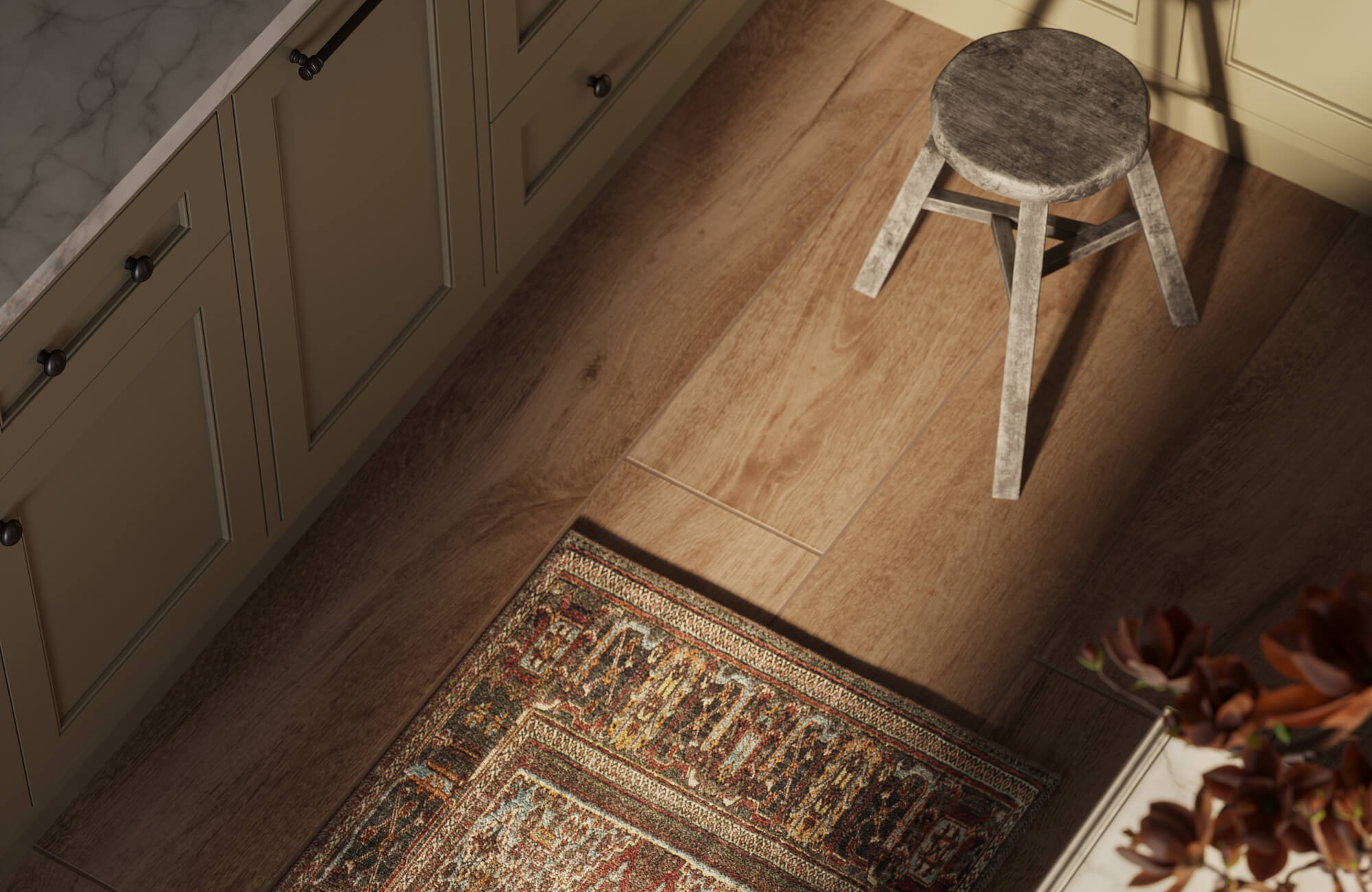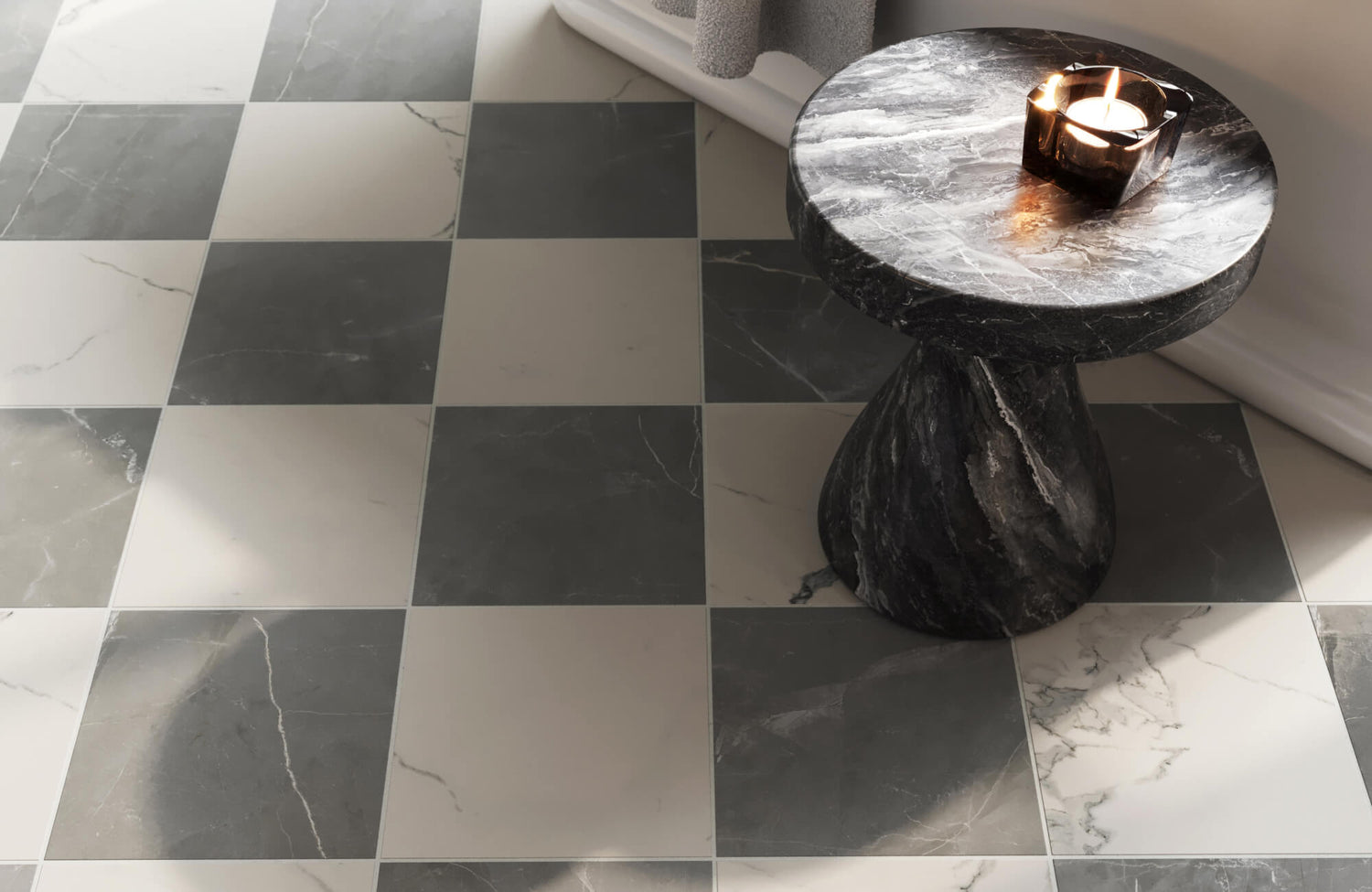
Marble has long been admired for the quiet elegance it brings to architecture and interiors. Known for its flowing veining, smooth surface, and cool touch, this metamorphic stone has appeared in everything from ancient monuments to modern homes. Yet behind its refined appearance lies a fascinating geological story shaped by heat, pressure, and time.
In this guide, we will explore what marble is made of, how it forms, and which physical properties give it lasting appeal. We will also look at marble look tiles, a modern alternative that captures the beauty of natural marble while offering greater durability and everyday practicality.

Geological Birth
Marble doesn’t start out looking elegant or polished. It begins as a much simpler rock buried deep beneath the Earth’s surface, where heat and pressure slowly change its structure over time. That quiet transformation is what gives marble its strength, character, and unmistakable beauty.
Metamorphism: How Marble Forms
To understand marble, it helps to picture what is happening far below ground. Sedimentary rock is exposed to intense heat and pressure, and gradually the original mineral grains begin to reorganize. Instead of staying layered and compacted, those grains grow larger and interlock more tightly with one another. As this shift continues, the rock loses its softer, layered texture and develops a dense crystalline structure. That is why marble feels solid and smooth rather than fragile or flaky. What you see on the surface today reflects thousands of years of steady geological change.
From Limestone and Dolomite to Marble
Before it becomes marble, the stone is usually limestone or dolomite. Limestone forms from the compressed remains of marine life, while dolomite develops when magnesium alters limestone over long periods. Once these rocks are pushed deeper into the Earth and exposed to heat and pressure, their original textures begin to fade. The layered composition gives way to tightly bonded crystals, creating a stronger and more cohesive stone. Although the chemistry remains largely based on calcium carbonate, the structure feels entirely different. That structural change is what elevates marble beyond its sedimentary beginnings.
The Role of Natural Impurities
Those beautiful veins and color variations you see in marble do not appear by accident. As the stone transforms, trace minerals like iron, clay, and organic matter become woven into its crystalline structure. Iron oxides can bring in red or golden tones, while clay minerals introduce softer, earthy shades. These materials move through the stone in organic, unpredictable patterns. That is why no two slabs ever look exactly alike. What might seem like a simple streak is actually a record of the conditions present during its formation.

Chemical Composition
What gives marble its strength and character comes down to what it is made of at a chemical level. While it may look decorative on the surface, its internal structure is surprisingly straightforward. That simplicity is part of what makes marble both beautiful and durable.
Calcium Carbonate: The Core Ingredient
At its core, marble is made primarily of calcium carbonate, the same compound found in limestone. During metamorphism, this compound recrystallizes into calcite, forming the tightly bonded structure that gives marble its smooth finish and subtle glow. In some cases, you may also find aragonite, which is another form of calcium carbonate that adds slight variation to the stone’s makeup. Although these minerals share the same chemical base, their crystalline arrangement influences how the stone reflects light and responds to wear. When you run your hand across polished marble, that cool, refined surface is a direct reflection of this internal structure.
How Trace Minerals Influence Performance and Color
Marble is rarely composed of calcium carbonate alone. Small amounts of other minerals often make their way into the stone during formation, and those additions can change both its strength and appearance. Magnesium carbonate, for instance, is common in dolomitic marble and can improve resistance to weathering. Iron oxides may introduce red, yellow, or even brown tones, giving certain slabs more visual warmth. These minerals do more than shift color; they subtly affect durability and long-term behavior as well. So when you see variation in tone or veining, you are also seeing slight differences in composition.
Why Marble Reacts to Acids
One important thing to know about marble is how it responds to acidic substances. Because it is rich in calcium carbonate, it can react when exposed to acids, whether from acidic rain, citrus juice, or certain cleaning products. Over time, that reaction can dull the surface or create light etching marks. In outdoor environments, acid rain can gradually wear away the surface, especially if the stone is left unsealed. Indoors, even everyday spills can leave subtle marks if they are not wiped up promptly. That sensitivity does not make marble fragile, but it does mean it requires thoughtful care.
Caring for Marble’s Composition
If you want marble to maintain its finish, gentle maintenance goes a long way. Using pH-neutral cleaners instead of harsh chemical products helps protect the surface from unwanted reactions. Sealing the stone regularly adds another layer of protection against moisture and staining. It also helps to work with experienced installers or manufacturers who understand how marble behaves in different environments. With the right care routine, marble can retain its polish and depth for decades without losing the qualities that make it so distinctive.

Physical Properties
Beyond what marble is made of, how it behaves physically plays a big role in where and how it is used. Its hardness, porosity, and ability to conduct heat all influence daily performance. These characteristics are exactly why marble can feel both luxurious and functional at the same time.
Hardness and Surface Durability
Marble has a respectable level of hardness, which allows it to handle everyday use without scratching easily under normal conditions. That strength comes from its interlocking mineral grains, which give the surface a solid, compact feel. At the same time, it is not indestructible, and heavy impact or sharp force can cause chips or cracks. This is why you will often see recommendations to use coasters, trivets, or cutting boards on marble countertops. These small habits help protect the surface from unnecessary stress. When treated with care, marble holds up beautifully in both residential and commercial settings.
Porosity and Stain Sensitivity
Marble is naturally porous, which means it can absorb liquids if left unprotected. Spills from wine, oil, or acidic substances can seep into the surface and cause staining if they are not addressed quickly. For that reason, sealing marble is an important step in maintaining its appearance. A penetrating sealer fills those tiny pores and creates a barrier that reduces absorption. Resealing periodically keeps that protection active over time. With the right maintenance routine, marble can remain clean and vibrant without constant worry.
Thermal Conductivity and Comfort
One feature people often notice immediately is how cool marble feels underfoot or to the touch. That sensation comes from its ability to conduct and retain temperature efficiently. In colder climates or homes with radiant heating systems, this quality becomes a real advantage, since marble distributes warmth evenly across the surface. In warmer environments, however, that same coolness can feel refreshing. If additional comfort is needed, area rugs or runners can soften the surface without taking away from its visual appeal. Marble’s relationship with temperature is part of what makes it such a versatile material in different settings.

Cultural and Historical Significance
Marble has never been just another building material. Across centuries and civilizations, it has carried meaning, status, and artistic weight. Its presence in architecture and sculpture tells a story of power, craftsmanship, and enduring beauty.
Marble in Ancient Civilizations
When you look at ancient landmarks, marble shows up again and again. The Greeks used it for structures like the Parthenon, shaping massive blocks into temples that still stand today. The Romans followed with monumental works such as the Colosseum, refining quarrying and carving techniques to push architectural limits even further. Its durability made it suitable for structures meant to last, while its smooth surface allowed sculptors to capture intricate detail. In ancient Egypt, marble was used in tombs, temples, and statues, often paired with other stones to create symbolic compositions. Across these cultures, marble was chosen not only for strength but for the authority and permanence it conveyed.
Marble in Modern Architecture and Design
Marble continues to hold its place in contemporary architecture, though the way it is used has evolved. Advances in cutting and polishing technology have made it more accessible for a wide range of applications, from flooring and countertops to wall cladding. Designers today often blend marble with modern materials like glass or steel, creating spaces that feel both grounded and current. While its use may be more refined and controlled than in ancient times, the intention remains similar. Marble still communicates sophistication and care in the details. It connects modern interiors to a long tradition of craftsmanship without feeling outdated.
Symbolism and Lasting Appeal
There is also a symbolic layer to marble that has carried through generations. Historically, it represented purity, permanence, and prestige, which is why it appeared so often in sacred spaces and royal settings. Its veining patterns, no two ever identical, add a sense of exclusivity that feels difficult to replicate. Even today, incorporating marble into a space often signals intention and long-term investment. It is rarely chosen casually, and that alone gives it weight. Over time, the stone has maintained its cultural presence not because of trends, but because it consistently communicates refinement and durability.

Marble Look Tiles: A Modern Alternative
Natural marble has undeniable character, but it is not always the most practical choice for every space. Marble look tiles offer a way to enjoy that same visual elegance while easing concerns around maintenance, cost, and durability. For many homeowners and designers, they provide a smart balance between timeless aesthetics and everyday performance.
Common Materials
Marble look tiles are most commonly made from ceramic or porcelain, and while both can achieve a similar appearance, they behave differently in real-world settings. Ceramic tends to be lighter in weight and easier to handle during installation, which makes it appealing for walls and decorative applications. Porcelain, by contrast, is denser and less porous, giving it an edge in durability. Choosing between them often depends on where the tile will be installed and how much wear it will need to handle. When you understand those differences, the decision becomes much clearer.
Ceramic marble look tiles are often selected for areas where visual impact matters more than heavy-duty performance. They offer a smooth, low-maintenance surface that resists everyday scratches and is simple to clean. For example, our Julianna 4x12 Polished Ceramic Tile in Carrara captures the classic Carrara marble look in a polished finish that works beautifully on backsplashes and feature walls. Because ceramic tiles are lighter, installation can feel more manageable, especially for vertical surfaces. They also come in a wide range of formats, which makes them adaptable to different design styles.
Porcelain marble look tiles, however, are built for more demanding environments. Their dense composition helps them resist moisture, staining, and fading, which makes them ideal for kitchens, bathrooms, and even outdoor settings. Our Aniston 24x48 Matte Porcelain Tile in Calacatta Quarzite above, for instance, delivers the bold elegance of Calacatta marble while maintaining structural integrity over time. Its low porosity also supports a more hygienic surface by reducing moisture absorption. If long-term durability is a priority, porcelain often becomes the more reassuring choice.
Design Innovations
The realism of marble look tiles has improved dramatically over the years, largely because of advancements in digital printing. Modern inkjet technology can replicate intricate veining patterns and subtle tonal shifts with impressive accuracy. Instead of looking repetitive or artificial, many tiles now capture the layered movement found in natural stone. Larger formats further enhance this effect by reducing grout lines and creating a more seamless visual flow. When installed thoughtfully, the surface can feel expansive and cohesive.
Beyond pattern accuracy, manufacturers now offer a range of finishes that respond to different design needs. Matte surfaces create a softer, more understated look, while polished finishes reflect light and amplify visual drama. Textured options add another layer of functionality by improving slip resistance in wet areas. These variations allow designers to tailor the aesthetic to the mood of the space. Rather than limiting creativity, marble look tiles actually expand it.
Bringing Marble’s Legacy Into Your Space
Marble has carried meaning and presence for centuries, and that legacy continues to influence how we design today. Formed from limestone and dolomite under intense heat and pressure, it carries both geological depth and visual character in every vein. From ancient monuments to contemporary interiors, its strength and symbolism have never really faded. At the same time, marble look tiles now make it easier to capture that elegance without taking on the full responsibility of natural stone care.
If you are deciding between natural marble and a modern alternative, thoughtful guidance can make all the difference. Our personalized design consultation is built to help you evaluate scale, application, durability, and overall aesthetic so your selection feels intentional from the start. Whether you are planning a refined bathroom, a statement kitchen, or a large commercial project, we will help you narrow the options with clarity and confidence.